What to Expect on a Homer Halibut Charter
Heading to Homer, Alaska, for a halibut fishing charter is an experience many anglers dream of, but the reality can sometimes be a bit different from the picture-perfect postcards. Many first-timers arrive unsure about what to truly expect, from the rolling seas of Cook Inlet to the nuances of catching a "barn door" halibut. This comprehensive guide will walk you through everything, helping you prepare for an incredible and realistic Homer halibut charter adventure.
Getting Ready for Your Homer Halibut Adventure
Before you even think about setting a hook, there's quite a bit of planning that goes into a successful halibut charter out of Homer. It's not just about showing up; it's about being prepared for the unique challenges and incredible rewards of fishing in this part of Alaska.
Why Homer is a Halibut Hotspot
Homer, often called the "Halibut Fishing Capital of the World," earns its reputation for good reason. Situated on Kachemak Bay at the end of the Sterling Highway, it offers relatively easy access to the rich, deep waters of Cook Inlet and the Gulf of Alaska, where giant Pacific halibut thrive. The waters here are incredibly nutrient-rich, supporting a vibrant ecosystem that includes vast populations of baitfish, which, in turn, attract the monster halibut we all dream of catching.
The geology of the area also plays a significant role. The deep troughs and underwater plateaus provide ideal ambush points and feeding grounds for halibut. Charters departing from Homer's iconic Spit have shorter run times to productive fishing grounds compared to some other ports, maximizing your actual fishing time on the water. This accessibility, combined with the sheer abundance of fish, is why anglers flock here year after year. However, it's not always calm waters and easy limits; the weather can be notoriously unpredictable, and the fishing can be a grind, making preparation even more crucial.
Booking Your Charter and Essential Paperwork
Choosing the right charter in Homer can feel overwhelming with the sheer number of options available. You'll find everything from smaller, six-pack boats to larger vessels that can accommodate a dozen or more anglers. Consider what kind of experience you're looking for: a more intimate, focused trip with fewer people, or a livelier, group atmosphere. Many people find reputable captains and compare offerings through platforms like FishingBooker, which provides detailed reviews and direct booking options, making the selection process a bit smoother.
Once you've secured your spot, the next critical step is ensuring all your paperwork is in order. Every angler, resident or non-resident, needs an Alaska fishing license. If you're coming from out of state, be sure to understand the specific requirements detailed in our guide on the Alaska Non-Resident Fishing License Guide. You can often purchase these online before your trip or at various vendors around Homer. While a King Salmon stamp isn't usually required for a dedicated halibut charter, it's always wise to double-check if your trip might involve any multi-species opportunities. Don't forget to familiarize yourself with the current Alaska Halibut Charter Regulations Explained, as rules on bag limits and size restrictions can change, sometimes even mid-season, via emergency orders. Charters generally keep you informed, but knowing the basics yourself is always a good idea.
What to Pack and Prepare For
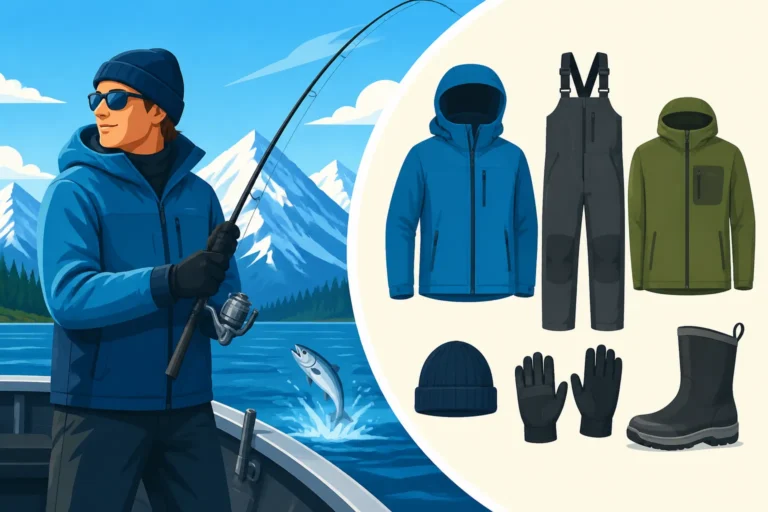
Alaska weather is famously fickle. One moment you're basking in sunshine, the next a thick fog rolls in, or a sudden squall hits. This is especially true on the open water. Therefore, layering is absolutely key. Forget your stylish fishing vest; think practical, waterproof, and warm. Start with a moisture-wicking base layer, add a warm fleece or wool mid-layer, and top it all off with high-quality waterproof and windproof outer gear. Brands like Grundéns and Helly Hansen are popular among Alaskan anglers for good reason – they hold up to the elements. Our comprehensive Alaska Fishing Gear and Tackle Guide goes into more detail about specific items.
Most charters provide the heavy-duty rods, reels, and terminal tackle needed for halibut, but it's always a good idea to confirm this when you book. You'll want to bring polarized sunglasses to cut glare, a wide-brimmed hat, sunscreen, and maybe some motion sickness medication if you're prone to seasickness, as Cook Inlet can get notoriously choppy. Don't forget your camera, and a cooler to transport your filleted fish home, which many charters will have space for, or local fish processors can arrange for shipping. Snacks and drinks are generally a bring-your-own affair, so pack plenty to keep your energy up during a long day on the water.
The On-Water Experience: Hooking Your Halibut
Now, this is where the magic happens – or at least, where the hard work begins! A Homer halibut charter typically starts early in the morning, meaning you'll be meeting your captain and crew well before sunrise.
Departing from the Homer Spit and the Journey Out
Your adventure will kick off at the Homer Spit, a narrow strip of land extending 4.5 miles into Kachemak Bay. This bustling hub is home to numerous charter operations, fish processing plants, and waterfront businesses. You'll meet your crew, get a quick safety briefing, and then it's time to load up. As the boat pulls away from the dock, you'll be treated to stunning views of the surrounding mountains, often capped with snow even in summer, and the calm waters of Kachemak Bay.
The journey to the fishing grounds can vary significantly depending on where the fish are biting and current regulations. Some days might mean a relatively short hour-long run into Cook Inlet, while others could involve a longer trek, perhaps two to three hours, towards deeper, more productive areas. Your captain will use their local knowledge and real-time fishing reports to decide on the best spots, often targeting specific underwater structures or known halibut migration paths. During this time, the crew will typically set up rods and bait, answer any questions you have, and share stories of past fishing exploits – often involving giant "barn door" halibut that put up incredible fights!
Fishing Techniques and the Halibut Fight
Once you arrive at the chosen spot, it's time to get down to business. The primary technique for How to Catch Halibut in Alaska is bottom fishing. This usually involves heavy-duty rods equipped with powerful reels spooled with braided line, massive sinkers (often 1 to 2 pounds or more!), and large circle hooks baited with potent offerings like salmon heads, herring, octopus, or even large chunks of cod. The crew will show you how to drop your line straight down to the ocean floor, then reel up a foot or two to keep your bait from getting snagged.
The waiting game begins. It's often a gentle bobbing of the rod tip, then a stronger tug as a halibut investigates. Unlike salmon, which tend to have a more aggressive bite, halibut often "mouth" the bait before fully committing. When you feel a solid pull, you usually just reel steadily without setting the hook with a sharp jerk, letting the circle hook do its job. Then, the real fun (and effort!) starts. A large halibut can feel like reeling in a refrigerator door. They dig deep, taking powerful runs and using their broad, flat bodies to create immense resistance. It's a true test of strength and endurance, sometimes lasting 15-30 minutes for a really big fish. You'll be using powerful rods and reels, and the crew will be right there, coaching you, offering encouragement, and helping to gaff or harpoon the fish when it finally surfaces.
Other Potential Catches
While halibut are undoubtedly the stars of the show, the rich waters around Homer often yield a diverse array of other delicious species. Don't be surprised if your halibut rig also attracts some feisty rockfish. There are several species common to these waters, including yelloweye (often called "red snapper"), black rockfish, and quillback rockfish. You might also encounter Alaska Lingcod Fishing Regulations and Limits. These predatory fish, with their menacing teeth and elongated bodies, put up a fantastic fight and are excellent table fare.
Some charters might offer combo trips, targeting salmon in the morning and then switching to halibut in the afternoon, or vice versa. If you're considering a trip like this, make sure to ask about the specific regulations for both species. Often, the gear used for other species is different, so ensure the charter is equipped for a multi-species excursion if that's what you're hoping for. Remember, the Alaska Fishing Limits and Bag Limits Explained apply to all species, so always be aware of what you can keep.
After the Catch: From Deck to Dinner Plate
So, you've battled your fish, and it's safely on board. What happens next is just as important as the catch itself, especially when it comes to preserving the quality of your hard-earned Alaskan seafood.
Handling Your Catch Onboard
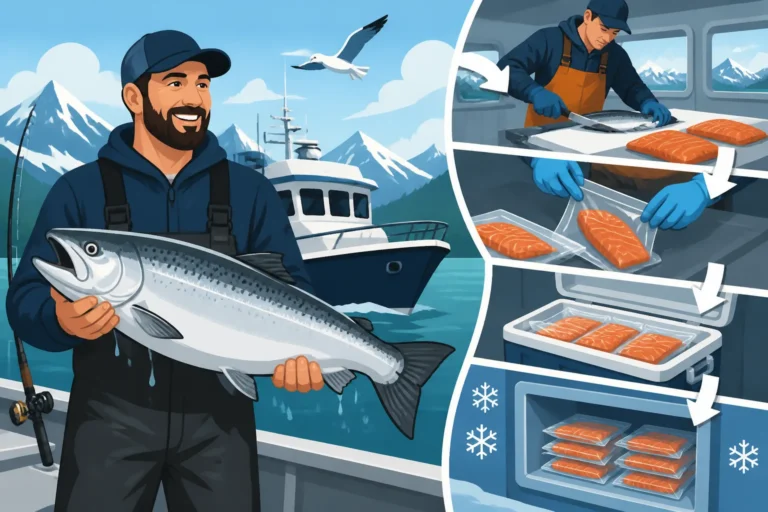
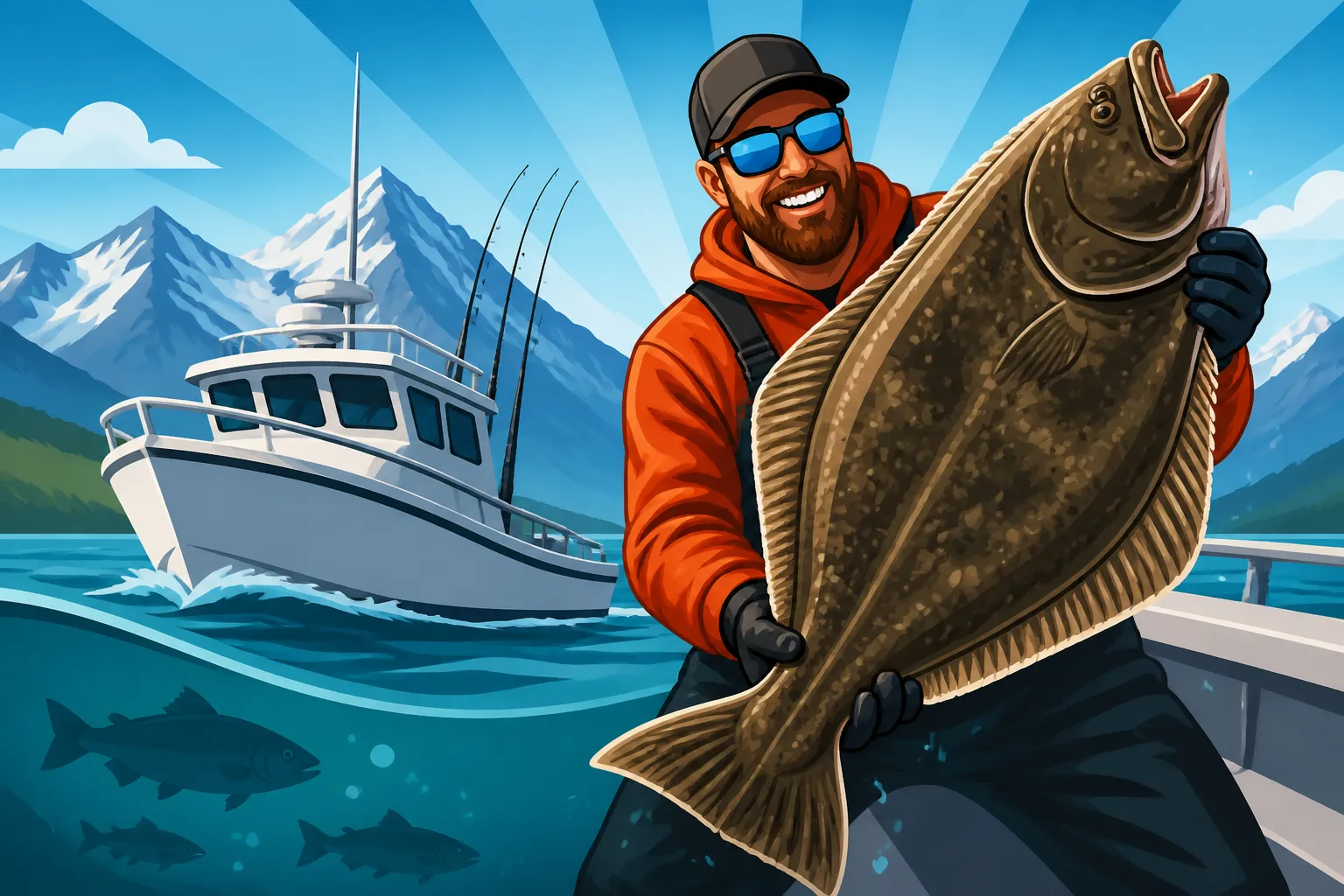
Once a halibut is brought aboard, the crew typically wastes no time ensuring its quality. Smaller halibut, often called "chickens" (usually under 20 pounds), might be stunned and immediately placed in a slush of ice and seawater to chill them quickly. Larger halibut, the "barn doors" weighing 100 pounds or more, require a bit more handling. They are typically dispatched quickly and humanely before being moved to the fish hold. Rapid chilling is crucial to prevent spoilage and maintain the firm texture and delicate flavor that Alaska halibut is famous for. The quicker the fish is cooled, the better it will taste when it reaches your plate.
The crew works efficiently to keep the deck clean and safe, hosing down any fish blood and ensuring the boat remains navigable. They'll also carefully tag your fish with your name or a unique identifier, especially on boats with multiple anglers, so there's no confusion about whose fish is whose at the end of the day.
Professional Processing and Packaging
After a successful day on the water, your charter will head back to the Homer Spit, where a bustling ecosystem of fish processors awaits. Many charters have arrangements with specific processors, or you can choose your own. This is where your fish transforms from a whole creature into pristine, vacuum-sealed fillets ready for transport.
Typical Fish Processing Steps:
| Step | Description |
|---|---|
| Check-in | Your catch is offloaded, weighed, and checked in under your name. |
| Filleting | Skilled technicians quickly and efficiently fillet your halibut, removing bones and skin. This is a spectacle in itself, watching how fast and clean they work! |
| Trimming/Portioning | Fillets are often trimmed and cut into manageable portions (e.g., steaks, smaller fillets) according to your preference. |
| Vacuum Sealing | Each portion is individually vacuum-sealed. This removes air, preventing freezer burn and extending the shelf life of the fish significantly. |
| Freezing | Vacuum-sealed portions are flash-frozen to preserve freshness. Some processors offer blast freezing, which freezes the fish even faster, minimizing ice crystal formation and preserving texture. |
| Packaging/Shipping | Your frozen, vacuum-sealed fish is then packaged into airline-approved, insulated boxes. Processors can also arrange for shipping to your home, which is a huge convenience for out-of-state visitors. Learn more about Alaska Fish Transport and Shipping Rules. |
The cost of processing varies but is generally based on the finished weight of your fillets. It's a worthwhile investment to ensure your catch remains delicious for months to come. Many anglers planning their trips use services like FishingBooker to confirm whether their chosen charter works with a processor or if they need to make separate arrangements.
Tipping Your Crew and Departing Homer
Before you leave the boat, it's customary to tip your captain and deckhand. These hardworking individuals put in long hours to ensure your safety and success, often starting well before you arrive and finishing long after you depart. A general guideline for Tipping on an Alaska Fishing Charter is 15-20% of the charter fee, assuming excellent service. This appreciation goes a long way and is a standard practice in the charter fishing industry.
Once your fish is at the processor, you can pick it up the same day if you plan to fly out quickly, or arrange for shipping. Take some time to explore Homer. Grab a celebratory meal at one of the many seafood restaurants, browse the unique shops on the Spit, or simply enjoy the stunning views of Kachemak Bay. Reflect on your adventure, the challenge of reeling in a powerful halibut, and the bounty you're taking home. A Homer halibut charter is more than just a fishing trip; it's an immersive Alaskan experience that creates lasting memories.
Disclaimer
Please remember that fishing conditions, regulations, and availability of services in Alaska can change rapidly. Always check the latest Alaska Fishing Regulations Explained and consult with your chosen charter operator or the Alaska Department of Fish and Game for the most current information before planning your trip. This guide is for informational purposes only and should not be considered a substitute for official regulations or professional advice.