Alaska Lingcod Charter: What to Expect
Planning an unforgettable fishing trip to Alaska, especially when you're targeting a specific, hard-fighting species like Lingcod, can feel like a huge undertaking. You're probably wondering what kind of gear you'll need, what the regulations are, and most importantly, what the actual experience out on the water will be like. Don't worry, you're in the right place! This guide is designed to demystify the entire process of an Alaska Lingcod charter, preparing you for everything from your initial booking to bringing home that impressive catch.
Understanding the Lingcod: Alaska's Deep-Water Predator
Before you even step foot on a boat, it's incredibly helpful to understand the formidable fish you're after. Lingcod aren't your average bottom fish; they're aggressive, powerful, and a blast to catch, making them a highly sought-after trophy for many anglers venturing to Alaskan waters.
The Allure of the Lingcod: A True Bottom Dweller
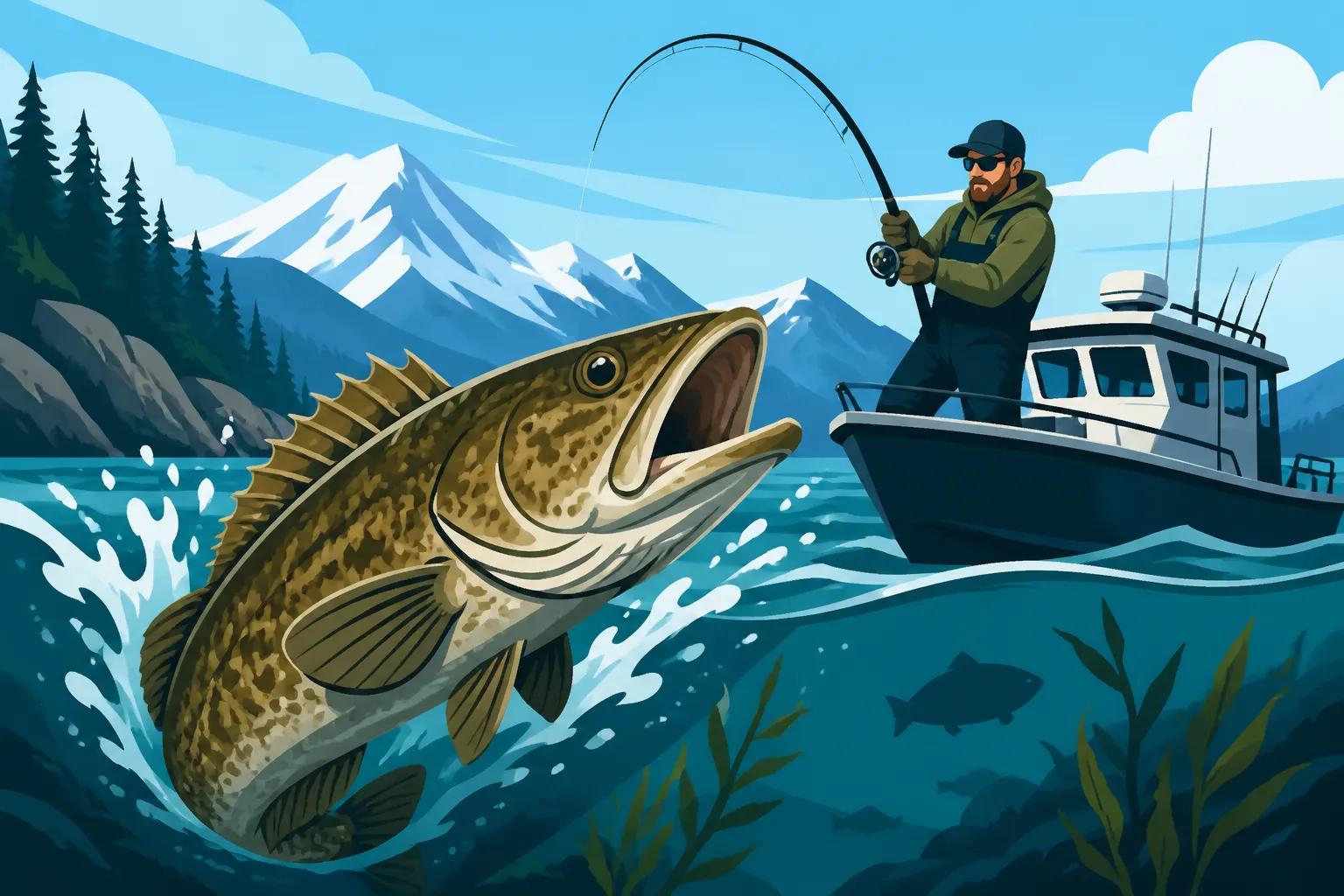
Lingcod (Ophiodon elongatus) are a species of greenling, but don't let that fool you – they are true predators of the deep. These fish are instantly recognizable by their mottled, camouflaged skin (ranging from brown to green to blue, depending on their habitat), large mouths filled with needle-sharp teeth, and a long, lean body that can stretch well over three feet. They thrive in rocky, cold-water environments, often found lurking in kelp forests, rock piles, and submerged pinnacles where they can ambush prey.
What makes Lingcod such a prized catch? Beyond their impressive size and fighting spirit, their meat is absolutely fantastic. It's firm, white, flaky, and famously versatile in the kitchen, often compared to the highly coveted halibut. Many anglers feel that a successful Lingcod trip is a highlight of their Alaskan adventure, offering both a thrilling battle and a delicious reward. They’re known for their powerful initial runs and a tendency to "dog" on the bottom, making you work for every inch of line.
Prime Lingcod Territory in Alaskan Waters
When it comes to Lingcod, certain areas of Alaska consistently produce fantastic results. You're typically looking at deeper, saltwater environments along the coast where their preferred rocky structures are abundant.
The most productive Lingcod fisheries are generally found in Southeast Alaska and Southcentral Alaska. In Southeast, coastal towns like Sitka, Ketchikan, and Juneau are renowned for their robust Lingcod populations. The intricate network of islands, deep channels, and rocky seafloor here creates ideal habitats. Venture further north into Southcentral Alaska, and places like Seward, Homer, and the waters around Kodiak Island also boast excellent Lingcod opportunities. These areas provide the colder, nutrient-rich waters and complex underwater topography that Lingcod need to thrive. Charters from these ports often specialize in Lingcod trips, sometimes even combining them with Halibut fishing for a true "bottom fish" extravaganza. They typically inhabit depths ranging from 50 to 400 feet, sometimes even deeper, making them a prime target for specialized bottom fishing techniques.
Lingcod fishing generally kicks off in May and continues through September, with specific peak times varying slightly by region. Always check the current Alaska Lingcod Season and Size Limits to ensure you're fishing within legal windows and understanding any harvest restrictions.
Essential Preparations for Your Lingcod Charter
Embarking on an Alaska Lingcod charter requires a bit of homework and preparation, but it's all part of the exciting build-up to your adventure. Getting these details right ensures a smooth, enjoyable, and successful trip.
Licensing and Regulations: Don't Get Caught Off Guard
First and foremost, you absolutely need a valid Alaska fishing license. This isn't just a suggestion; it's a legal requirement for anyone aged 16 or older. You can often purchase these online before your trip, through a licensed vendor, or sometimes even directly from your charter operator. For a complete rundown, check out our Alaska Fishing License: Complete Guide.
Beyond the general license, Lingcod fishing comes with its own set of rules, which can include specific seasons, size limits (minimum and sometimes maximum), and daily or annual bag limits. These regulations are in place to ensure sustainable fishing practices and can change season by season, or even mid-season via emergency orders. It's crucial to consult the official Alaska Department of Fish and Game (ADF&G) regulations. Your charter captain will be well-versed in the current rules, but it's always smart to have a general understanding yourself. Pay close attention to the Alaska Fishing Regulations Explained for your chosen region and ensure you're compliant. For instance, sometimes areas have specific rules about retention or release if you accidentally catch an oversized fish.
What to Pack: Gear, Clothing, and Personal Items
Alaska weather is famously unpredictable – you can experience all four seasons in a single day! Therefore, layering is your best friend. Start with a moisture-wicking base layer, add insulating middle layers (fleece or wool are excellent), and top it off with waterproof and windproof outer shells. Good quality rain gear is non-negotiable; you'll be on the water, and splashes are inevitable, not to mention potential rain.
Here’s a quick checklist of essentials to bring:
- Waterproof outer layers: Jacket and pants are a must.
- Warm layers: Fleece, wool, or down vests/jackets.
- Waterproof boots: Deck boots are ideal for boat decks.
- Warm hat and gloves: Even in summer, it can be chilly, especially in the mornings or at speed.
- Sunglasses: Polarized lenses help reduce glare and protect your eyes.
- Sunscreen and lip balm: Even on cloudy days, UV exposure is high on the water.
- Medication: If you're prone to seasickness, take preventative medication before you board.
- Snacks and drinks: While some charters provide these, it's good to have your favorites.
- Camera: To capture those memorable moments!
Regarding fishing gear, most reputable Lingcod charters will provide all the specialized heavy-duty rods, reels, line, and tackle you'll need. This usually includes large jigs, sturdy hooks, and any necessary bait. If you're an avid angler who prefers your own gear, check with your charter beforehand, but be prepared for the heavy-duty demands of deep-water Lingcod fishing. A good charter wants you to be comfortable and successful, so don't hesitate to ask questions about what they supply.
Booking Your Adventure: Finding the Right Charter
Choosing the right charter is paramount to a successful Lingcod trip. You want experienced captains who know the local waters and, specifically, where to find those elusive Lingcod. Start by researching charters operating out of prime Lingcod locations like Sitka, Seward, or Homer. Online platforms like FishingBooker can be incredibly helpful for finding reputable charters, comparing prices, reading reviews, and directly booking your trip. Many anglers find FishingBooker a convenient way to filter for specific target species and boat types.
When you're comparing options, don't be shy about asking questions:
- Experience: How much experience does the captain have specifically targeting Lingcod?
- Boat Size and Amenities: What size is the vessel? Does it have a heated cabin, a restroom (head), and enough deck space?
- What's Included: Clarify what's covered in the price – gear, bait, fuel, fish cleaning, snacks/drinks? Our guide on What to Expect on an Alaska Fishing Charter delves deeper into these questions.
- Regulations Knowledge: Reconfirm their expertise on current Lingcod regulations.
Booking well in advance is highly recommended, especially if you plan to travel during the peak summer months (June-August). Popular charters can be fully booked months ahead, so secure your spot as soon as your travel dates are firm.
The Thrill of the Catch: Onboard Your Lingcod Charter
This is where the magic happens! Stepping onto an Alaska Lingcod charter is an experience in itself, filled with anticipation, stunning scenery, and the promise of a thrilling battle with a powerful fish.
Typical Lingcod Fishing Techniques
Lingcod are almost exclusively caught using bottom fishing techniques. Your charter will likely head to deep, rocky areas known as "honey holes" – submerged pinnacles, reefs, and rocky drop-offs where Lingcod congregate.
The primary methods involve:
- Jigging: This is perhaps the most common and effective technique. You'll typically be handed a heavy-duty rod and reel spooled with powerful braided line (often 80-100 lb test), tipped with a large metal jig, sometimes with a soft plastic tail or a piece of bait like herring or octopus attached. Common jig weights range from 4 to 16 ounces, or even more, to ensure you get to the bottom quickly in strong currents and deep water. The technique involves dropping the jig to the seafloor, then lifting and dropping it rhythmically, mimicking a wounded baitfish. Lingcod often hit hard, and you'll feel a distinctive thumping or solid tug when they strike.
- Bait Fishing: Sometimes, large chunks of bait, such as herring, salmon heads, or octopus, are fished on a sturdy bottom rig with heavy sinkers. This is less active than jigging but can be very effective, especially when anchored over a known Lingcod spot.
- Downriggers: While less common for Lingcod directly, some charters might use downriggers to present lures or bait at specific depths if other species are also targeted. However, for true bottom dwellers like Lingcod, direct jigging or bait fishing on the bottom is king.
The fight of a Lingcod is something to behold. They are incredibly strong, using their broad, paddle-like tails to pull hard and often try to "rock you up" – diving into crevices to cut your line. Patience, a good drag setting, and strong reeling are essential to pull them away from their rocky homes. For a deeper dive into the methods, check out our guide on How to Catch Lingcod in Alaska and Best Fishing Techniques for Alaska.
What to Expect from the Crew and Boat
When you board your Lingcod charter, you're not just getting a ride; you're gaining access to years of local knowledge and expertise. The captain and deckhands are your guides to a successful trip.
- Expert Guidance: The captain will navigate to the most productive fishing grounds, often utilizing advanced sonar and GPS to pinpoint rocky structures where Lingcod hide. They'll monitor currents, tides, and weather conditions to maximize your fishing time.
- Hands-On Assistance: Deckhands are invaluable. They'll help you with baiting your hook, untangling lines, netting fish, and ensuring your safety on deck. Don't be afraid to ask for help; that's what they're there for! They'll often provide instructions on proper jigging techniques and what to look for when a fish bites.
- Boat Comforts: Most dedicated fishing charters are designed for comfort and functionality. You can expect a warm, enclosed cabin where you can escape the elements, a marine head (restroom), and ample deck space for multiple anglers. Fish holds are typically onboard to keep your catch fresh on ice.
- Safety First: The crew will provide a safety briefing at the start of the trip, covering important aspects like life jacket locations, emergency procedures, and general boat etiquette. Always follow their instructions to ensure a safe and enjoyable experience for everyone. This includes being mindful of your casting space and not overcrowding other anglers.
You might find yourself fishing alongside others on a shared charter, or you could opt for a private trip if your group is large enough. Both options offer great experiences, but a private charter provides more flexibility regarding timing and target species.
Post-Catch: From the Water to Your Plate
Catching a Lingcod is just half the adventure. The process of handling, processing, and transporting your prized fish home is an important final step, ensuring that delicious meat makes it to your dinner table in prime condition.
Handling Your Lingcod Onboard
Once you've successfully reeled in a Lingcod, the crew will assist you in bringing it aboard. Be mindful of their sharp teeth – Lingcod can deliver a nasty bite, so allow the experienced deckhands to handle them. They'll typically use a gaff or net to secure the fish.
Immediately after catching, most charters will prioritize bleeding the fish. This quick step is crucial for enhancing the flavor and texture of the meat by removing lactic acid and blood. The fish is then often placed on ice in a dedicated fish hold. This rapid chilling preserves the quality, firming up the flesh and preventing spoilage. While specific species like King Salmon or Halibut often require immediate recording on a physical harvest record card, Lingcod generally don't have this requirement, though it's always wise to confirm local rules with your captain. Be aware of Alaska Halibut Charter Regulations Explained if you are combining your Lingcod trip with Halibut fishing, as Halibut have very specific recording rules.
Fish Processing and Transporting Your Catch Home
This is where the dream of fresh Alaska seafood becomes a reality! Most Lingcod charters will offer basic filleting services right on the boat or at the dock. However, for a more professional and long-term storage solution, many coastal towns like Sitka, Seward, or Homer have excellent fish processing facilities conveniently located near the harbors.
These processors offer a range of services:
- Filleting and Portioning: They'll expertly fillet your Lingcod, remove the skin and bones, and cut it into convenient, meal-sized portions.
- Vacuum Sealing: This is highly recommended. Vacuum sealing removes air, preventing freezer burn and significantly extending the shelf life of your fish.
- Flash Freezing: Your vacuum-sealed portions will then be rapidly frozen at extremely low temperatures, preserving the freshness and quality.
- Packaging for Travel: Processors will typically package your frozen fish in insulated, airline-approved boxes, making it easy to check as luggage or ship home.
When planning your trip, consider how you'll get your fish home. Shipping services are available from most processors, or you can bring your own soft-sided cooler (for checked baggage) or hard-sided cooler (for freight) to transport your catch. Always verify airline regulations for carrying frozen fish. Our detailed guide on Alaska Fish Transport and Shipping Rules provides all the information you'll need to get your delicious Lingcod from Alaska to your home kitchen.
Lingcod, with its firm, white, and mild flesh, is incredibly versatile. It's fantastic baked, grilled, fried, or even in fish tacos. Enjoying your catch at home is the perfect culmination of an incredible Alaskan fishing adventure.
Alaska Lingcod Charter Overview
To help you visualize your Lingcod adventure, here's a quick overview of key aspects:
| Aspect | Typical Expectation | Important Notes |
|---|---|---|
| Season | May – September | Peak times vary by region; always check current ADF&G regulations for specific opening and closing dates. |
| Target Depth | 50 – 400+ feet | Lingcod prefer rocky, deeper structures. |
| Primary Technique | Jigging, Bottom Fishing with bait | Heavy-duty gear required; charters typically provide this. |
| Typical Size | 15-40 lbs, but can exceed 60+ lbs | Size limits and bag limits apply; consult regulations. |
| Culinary Value | Excellent; firm, white, flaky meat (often compared to halibut) | Bleeding and icing immediately enhances meat quality. |
| Recommended Gear | Heavy rod/reel, 80-100lb braid, large jigs (4-16 oz), bait (herring, octopus) | Charter will usually supply. Focus on your personal gear (clothing, meds). |
| Where to Charter | Sitka, Seward, Homer, Kodiak, Ketchikan, Juneau | These ports offer proximity to prime Lingcod habitat. |
| What to Bring | Layers, rain gear, waterproof boots, hat, gloves, seasickness meds, snacks, camera | Be prepared for varied Alaskan weather conditions. |
| Post-Catch | On-boat bleeding/icing, professional filleting/processing available at dockside vendors | Vacuum sealing and flash freezing recommended for transport; check Alaska Fish Transport and Shipping Rules. |
Disclaimer
Please be aware that fishing regulations in Alaska, including seasons, bag limits, and size restrictions, can change frequently due to conservation efforts and emergency orders from the Alaska Department of Fish and Game (ADF&G). Always verify the most current regulations for the specific area and time you plan to fish before heading out. This guide provides general information and should not be considered a substitute for official regulatory documents or the advice of your licensed charter operator.