Cheapest Way to Fish Alaska with a Guide
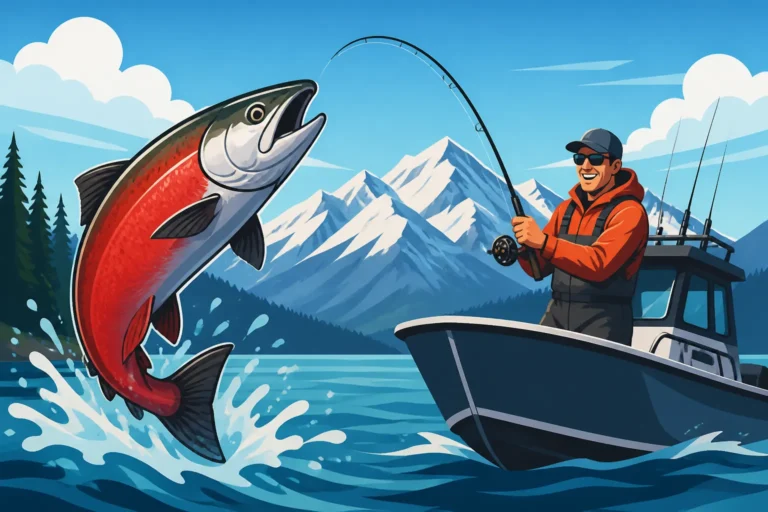
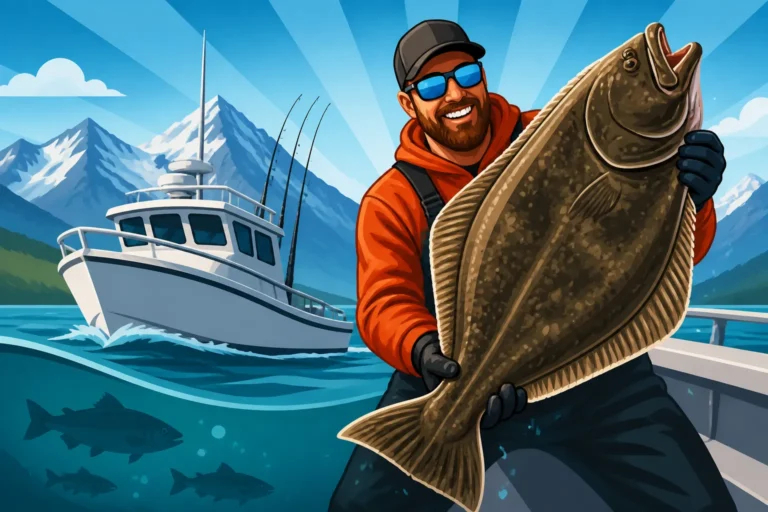
The dream of fishing in Alaska often conjures images of majestic King Salmon leaping from glacial rivers or battling colossal halibut in the deep blue. It’s an adventure that calls to many, but for a lot of folks, the sticker shock of a guided trip can feel like a cold shower. You want the expertise, the local knowledge, and the increased chance of success that a guide provides, but you're also trying to manage a budget. This guide is all about navigating those financial waters, helping you uncover the most cost-effective ways to experience a guided fishing trip in the Last Frontier without breaking the bank.
Understanding Why Guided Alaska Trips Can Be Pricey
Let's be real: Alaska isn't exactly known for its bargain basement prices, and guided fishing trips are no exception. There are some very legitimate reasons why these experiences often come with a higher price tag compared to other fishing destinations, and understanding these factors is the first step toward finding ways to save. It's not just about the guide's hourly rate; there's a whole ecosystem of costs involved in running a successful charter business in such a remote and wild place.
The True Value of a Guide in Alaska
You might be thinking, "Why even bother with a guide if I'm trying to save money?" It's a fair question, especially if you're an experienced angler elsewhere. However, Alaska is a different beast. The sheer scale of the wilderness, the rapidly changing weather conditions, the complex fishing regulations, and the migratory patterns of fish species like salmon can be incredibly daunting for newcomers. A seasoned guide brings invaluable local knowledge—knowing exactly where the fish are holding, what they're biting on, and how to safely navigate unfamiliar waters. They also provide all the specialized gear and often handle permits and processing logistics. For many, a guide isn't just a luxury; it's a critical component for a successful, safe, and memorable trip, especially when targeting trophy fish or navigating tricky rivers like the Kenai. Think of it as investing in success and safety, not just a boat ride.
Breaking Down the Typical Cost Factors
When you see the price for an Alaska fishing charter, it's easy to balk, but consider what's bundled into that number. First, there's the guide's expertise and time, which is significant. Then, you've got the cost of the boat itself—maintenance, insurance, and fuel, which can be exorbitant in remote areas. All the top-tier fishing gear and tackle are provided, from rods and reels to specialized lures and bait. Many charters also include fish cleaning and basic processing, which saves you a huge amount of time and effort at the end of a long day. Factor in permits, commercial insurance, and the short, intense season guides have to make a living, and those numbers start to make more sense. You're paying for a comprehensive service designed to give you the best possible shot at catching fish in a challenging environment.
Strategic Choices for Budget-Conscious Guided Fishing
Okay, so you understand the costs, but you're still determined to get on the water with a pro. This is where strategic planning comes into play. By making smart choices about when, where, and what you fish for, you can significantly reduce the overall cost of your guided adventure. It's all about flexibility and being open to experiences that might not be the quintessential "trophy King Salmon" trip, but still offer incredible fishing.
Opting for Specific Fish Species and Seasons
One of the biggest drivers of cost in Alaska fishing is demand. Everyone wants to catch King Salmon or giant halibut during peak season, and guides adjust their prices accordingly. If you're flexible, you can find much more affordable options.
Targeting Less Sought-After Species
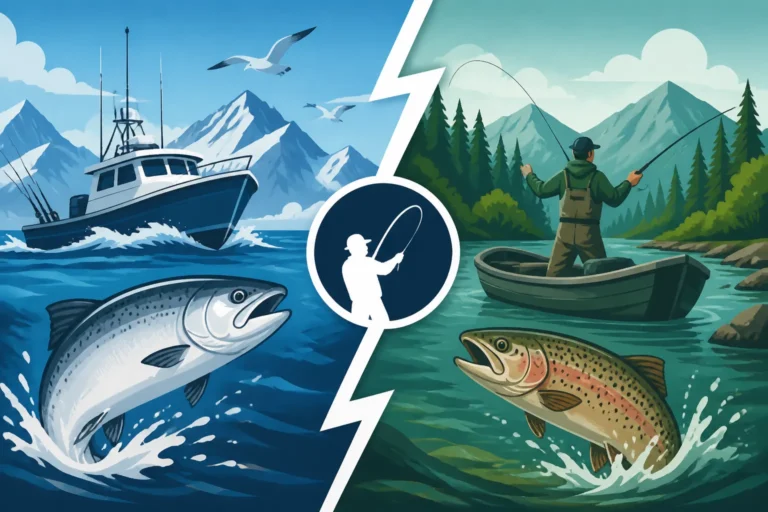
While King Salmon and halibut get all the glory, other species offer fantastic fishing at a fraction of the cost. Think about targeting Sockeye Salmon on the Kenai River in late June or July. These runs are absolutely massive, and while they can be challenging to catch, they offer incredible action. Silver Salmon (Coho) in late summer and early fall are also aggressive fighters and often provide very consistent action. Even species like Pink Salmon or Chum Salmon, which some anglers might overlook, offer exciting fishing, especially for families or beginners, and charters for these are typically less expensive. For freshwater enthusiasts, guided trips for Rainbow Trout, Dolly Varden, or Arctic Grayling can be wonderfully affordable, particularly if you're not specifically chasing a trophy-sized fish. You can learn more about Alaska Pink Salmon Regulations and Limits or Alaska Chum Salmon Regulations and Limits to see what's in store.
Fishing During Shoulder Seasons
Peak season in Alaska is generally July and August, when all five species of salmon are running, and halibut fishing is in full swing. If you can shift your trip to the shoulder seasons—late May/early June or early September—you might find significantly reduced rates.
- Early Season (Late May – Early June): While King Salmon are starting to show up, the runs are smaller, and weather can be a bit more unpredictable. However, guides often have more availability and may offer slightly lower rates to kick off their season. This is also a fantastic time for trout fishing on many rivers before the main salmon runs begin.
- Late Season (Early September – Mid-October): The crowds thin out considerably, but Silver Salmon fishing can be absolutely phenomenal. Halibut fishing remains strong into September. The fall colors are also spectacular, offering a unique Alaskan experience. Guides are often looking to fill their last few trips before the season ends and might be more willing to negotiate. This is a great time to target fish like Alaska Coho Salmon Fishing Regulations and Limits.
Choosing the Right Location and Trip Type
Where you fish and the kind of trip you book also play a huge role in the final price. Remote, fly-in lodges will always be at the top end of the spectrum, while accessible road-system destinations offer more budget-friendly guided options.
Road-Accessible vs. Fly-In Locations
Unless you've got a serious budget for a true wilderness experience, avoid fly-in fishing lodges if your primary goal is saving money. The cost of bush planes adds a massive premium. Instead, focus on areas accessible by road, especially on the Kenai Peninsula. Towns like Homer, Seward, Soldotna, and Cooper Landing are all within driving distance of Anchorage and offer a wide range of guided options. You can find excellent Kenai River Fishing: Complete Guide or check out Homer Alaska Fishing Guide for more options. These locations benefit from economies of scale—more guides, more boats, and more competition, which can drive prices down.
Half-Day Charters and Shared Boats
Full-day private charters are the most expensive option. To save money, consider:
- Half-Day Charters: Many guides offer 4-6 hour trips instead of 8-10 hour trips. While you'll have less time on the water, you'll still get a great experience, learn a lot, and often catch fish. This is a fantastic option for families or beginners. It's worth comparing the options outlined in Half-Day vs Full-Day Alaska Charters.
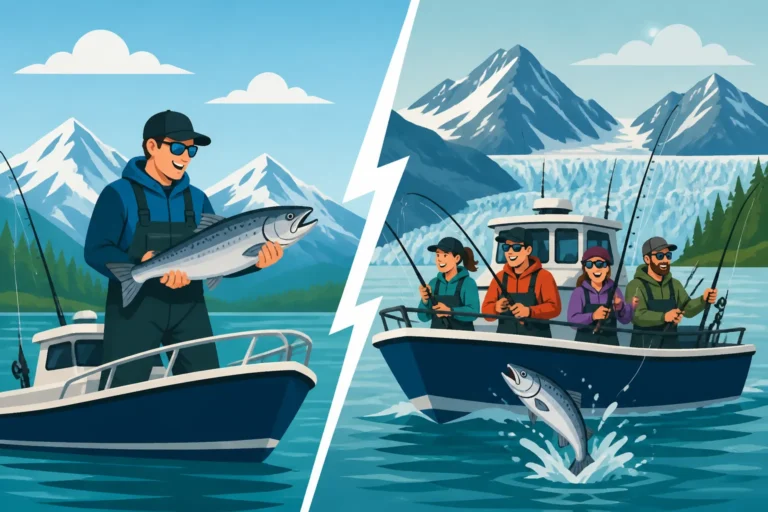
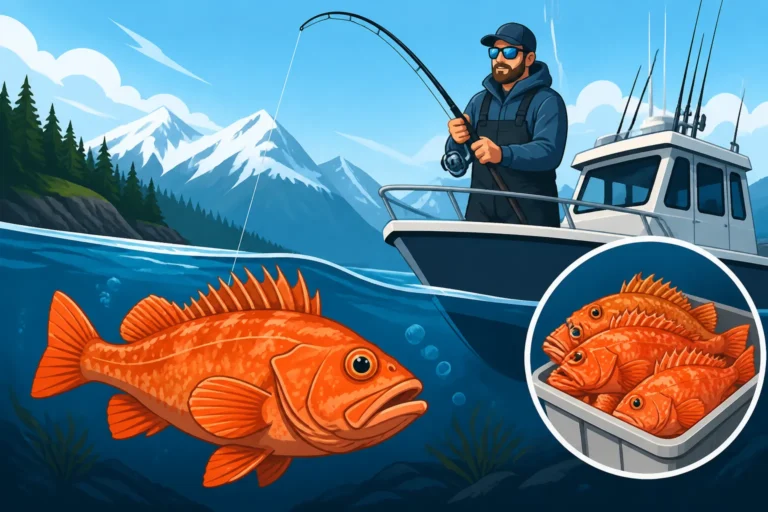
- Shared Charters: This is perhaps the single biggest way to cut costs on a guided saltwater trip, especially for halibut. Instead of booking the entire boat, you book a single spot on a charter with other anglers. The cost of the boat and guide is split among everyone, making it much more affordable. Most communities, from Homer to Seward, offer these shared halibut and salmon combo trips. Companies like FishingBooker often list numerous shared charter options, making it easy to compare prices and availability in popular fishing towns.
Bank Fishing or Wade Fishing with a Guide
While less common for the big ocean species, you can find guides who specialize in bank fishing or wade fishing for salmon and trout on rivers. These trips typically don't involve a boat, which immediately eliminates a huge cost factor. You might pay a per-person guiding fee, but it will be substantially less than a boat charter. Rivers like the Kenai, Russian, and many streams in the Mat-Su Valley offer excellent opportunities for this. It's a more intimate experience, often focused on fly fishing or spin fishing from shore, and can be incredibly productive, particularly for Sockeye Salmon. If you're interested in freshwater species, asking guides about walk-and-wade trips is a smart move.
Minimizing Extra Costs
Beyond the charter fee itself, there are other expenses that can quickly add up. Being prepared and proactive can help keep these in check.
Bringing Your Own Gear (Where Possible)
Most guided trips provide all the necessary fishing gear, but if you have your own rain gear, waders, or even a preferred fishing vest, bringing them can sometimes help reduce a rental fee (though this is less common). More importantly, packing your own snacks, drinks, and lunch for the day can save a lot compared to buying them at remote lodges or convenience stores, where prices are inflated. Dressing appropriately for the weather is crucial; layered clothing and good waterproof outer shells are a must. Check out What to Wear on an Alaska Fishing Charter for detailed advice.
Managing Fish Processing Expenses
Catching a limit of salmon or a huge halibut is exhilarating, but then comes the cost of processing and shipping that fish home. This can be a significant, often overlooked, expense.
- Basic Cleaning vs. Full Processing: Many charters include basic filleting. However, if you want your fish vacuum-sealed, flash-frozen, and boxed for shipping, that's usually an extra service from a professional processor. You might save a few dollars by doing the cleaning yourself if the guide allows (and you know how), or by just having it filleted and bagged for immediate transport in a cooler if you're driving.
- Shipping Costs: Air freight for frozen fish is not cheap. Consider how much fish you truly need. A good strategy is to bring a quality cooler as your checked baggage on the way home, allowing you to transport a certain amount of fish without incurring separate shipping fees. Learn more about Fish Processing After an Alaska Charter.
Here's a quick comparison of cost-saving strategies:
| Factor | Higher Cost Option | Lower Cost Option | Potential Savings |
|---|---|---|---|
| Species | King Salmon, Halibut (peak) | Pink Salmon, Chum Salmon, Sockeye, Trout | 20-50% |
| Season | July & August (Peak) | May/Early June, September (Shoulder) | 10-30% |
| Location | Remote Fly-in Lodges | Road-Accessible Towns (Kenai Peninsula) | 50%+ |
| Trip Type | Full-Day Private Charter | Half-Day Shared Charter | 30-60% |
| Guide Type | Boat Charter | Bank/Wade Fishing Guide | 30-70% |
| Fish Processing | Full Vacuum Seal & Air Freight | Basic Fillet & Cooler Checked Baggage | Varies widely |
| Extras | Buying Meals/Snacks, Gear Rentals | Packing Own Food, Using Own Rain Gear | 5-15% |
Finding and Booking Affordable Guided Trips
Now that you know what to look for, the next step is actually finding and securing that budget-friendly guided trip. It requires a bit of research and savvy, but it's entirely doable.
Leveraging Online Platforms and Local Contacts
The internet has made finding fishing guides much easier than in the past, and it's a great tool for comparing prices.
Online Booking Platforms
Websites like FishingBooker are incredibly useful resources. They aggregate listings from hundreds of guides and charters across Alaska, allowing you to filter by location, target species, trip duration, and—crucially—price. You can often see what's included in the price, read reviews from other anglers, and compare various operators side-by-side. This transparency is key to finding good value. Another option might be a specific Alaska Fishing Charters: Complete Guide or a How to Book an Alaska Fishing Trip article, which often list reputable services. When using these platforms, always look for guides with a strong track record and clear communication about what's included. You might even stumble upon deals or last-minute openings.
Direct Contact and Local Knowledge
While online platforms are great for initial research, don't be afraid to reach out directly to guides, especially smaller, independent operators. Sometimes, they might offer a slightly better deal if you book directly. Look up local chambers of commerce or visitor centers in towns like Homer, Seward, or Soldotna—they often have lists of local guides. Word-of-mouth recommendations are also invaluable. Join Alaska fishing groups on social media or online forums and ask for recommendations for budget-friendly guides. Local tackle shops are also goldmines of information; the staff often know many guides personally and can point you toward someone reputable who offers good value.
Timing Your Booking for Best Value
When you book can be almost as important as where you book when it comes to getting a good deal.
Booking in Advance for Stability
While last-minute deals can sometimes pop up, booking well in advance (6-12 months out) is generally a good strategy for budget travelers. This allows you to secure the dates and trip types you want at published rates, before prices potentially increase due to demand. Many guides offer early bird discounts, and it gives you ample time to save up and plan the rest of your trip around the fishing dates. It also ensures you get a spot on popular shared charters that fill up quickly.
Looking for Last-Minute Openings
On the flip side, if you're flexible with your dates and trip type, sometimes last-minute openings can be a way to snag a deal. Guides occasionally have cancellations or unfilled spots, especially for shared charters, and might offer a discounted rate to fill those seats. This strategy is riskier as there's no guarantee, but if you're already in Alaska or have flexible travel plans, it's worth checking with guides a week or two before your desired fishing date. This is where a platform like FishingBooker with its real-time availability can be very handy.
Asking the Right Questions
Before you commit to any guided trip, whether it's the cheapest or a high-end experience, clear communication is paramount. Don't be shy about asking questions!
Clarifying What's Included and Any Hidden Fees
Always ask for a detailed breakdown of what's included in the price.
- Does it include your Alaska Fishing License Cost and Types or a King Salmon Stamp if required? (Most do not, you'll need to buy these separately).
- Is bait and tackle provided? (Usually yes, but confirm).
- What about fish cleaning and initial bagging? What are the additional costs for vacuum sealing or boxing?
- Are drinks or snacks provided?
- What is the cancellation policy, especially for weather? This is critical in Alaska, where conditions can change rapidly. Look into Alaska Charter Cancellation and Weather Policies.
- Are there any fuel surcharges?
- What's the guide's policy on gratuities? While tipping is customary, knowing the expectation can help you budget. You can get more info on Tipping on an Alaska Fishing Charter.
By asking these questions upfront, you avoid unwelcome surprises and ensure that the "cheapest" option genuinely remains the most affordable after all the add-ons are considered. Getting these details ironed out will help ensure your trip is smooth and enjoyable, focusing on the fishing rather than unexpected costs.
Disclaimer
Please remember that fishing regulations and conditions in Alaska are subject to change, often with little notice, due to emergency orders issued by the Alaska Department of Fish and Game. Always verify current regulations, license requirements, and bag limits before heading out on any fishing trip. Information provided here is for general guidance and educational purposes only.