Alaska Fishing Lodge All-Inclusive Cost
Dreaming of an Alaska fishing adventure often conjures images of pristine wilderness and giant fish, but for many, the practical question that quickly follows is: "How much is this going to cost?" Planning a trip to the Last Frontier, especially when considering an all-inclusive fishing lodge, can feel like navigating a complex maze of prices and packages. This guide aims to demystify the Alaska fishing lodge all-inclusive cost, breaking down what you can expect to pay and what those hard-earned dollars actually cover.
Understanding the "All-Inclusive" Lodge Experience in Alaska
The term "all-inclusive" can be a bit of a chameleon, changing its colors depending on the lodge and the experience they're offering. In Alaska, it generally means a package deal designed to take the guesswork out of your trip, covering most major expenses from the moment you arrive at a designated pick-up point until your departure. This convenience is a huge draw for many anglers, especially those traveling long distances or visiting Alaska for the first time.
What "All-Inclusive" Typically Encompasses
When an Alaskan fishing lodge advertises an all-inclusive package, you're usually looking at a comprehensive experience that covers most of your on-site needs and activities. This can be a huge relief, knowing that daily expenses like meals, lodging, and guided fishing are already taken care of. It allows you to focus purely on the angling adventure and the stunning surroundings.
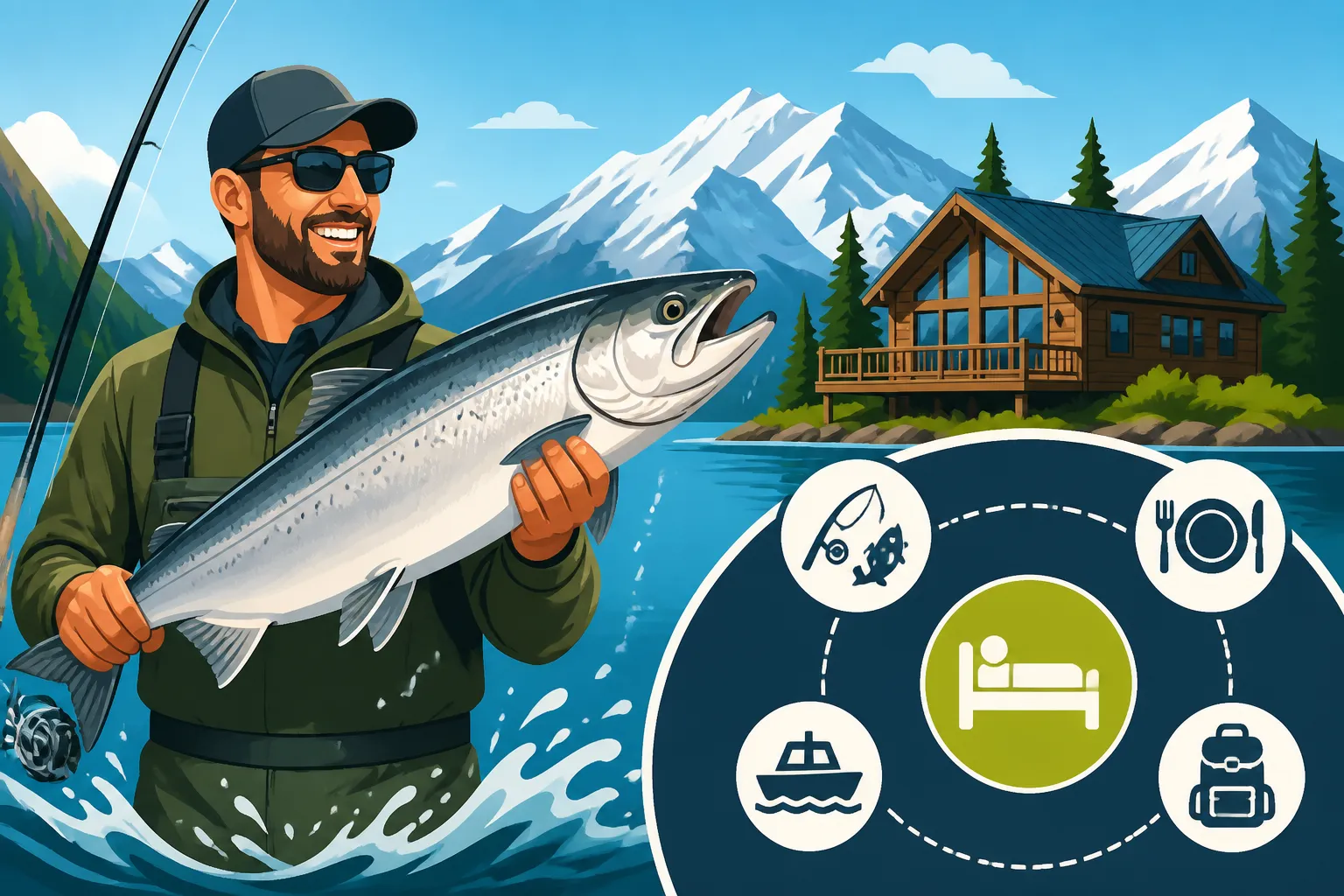
Most reputable all-inclusive lodges will include your accommodations, which can range from rustic cabins to luxurious private suites. All your meals, often gourmet and featuring local Alaskan fare like fresh salmon and halibut, are typically covered, along with non-alcoholic beverages. The core of any fishing lodge package is, of course, the guided fishing itself. This means daily excursions with experienced guides, boats, and all the necessary fishing gear and tackle. Many lodges also provide basic fish processing—like filleting and vacuum-sealing your catch—and even arrange for its freezing and boxing for your journey home. Transportation from a local hub, often a small bush plane flight or a floatplane from a larger city like Anchorage or King Salmon, to the remote lodge is also a common inclusion, though this can significantly impact the overall price.
Common Exclusions to Be Aware Of
While "all-inclusive" sounds like everything is covered, it's crucial to understand what's usually not included. These exclusions can add up, so budgeting for them beforehand is essential. Airfare to Alaska's major cities, like Anchorage or Fairbanks, is almost always an out-of-pocket expense. You'll also need to purchase an Alaska Fishing License: Complete Guide and any necessary stamps, like a King Salmon Stamp, separately. These can often be purchased online before your trip or upon arrival in a larger town.
Alcoholic beverages are rarely part of the standard all-inclusive package, though many lodges have a bar or allow you to bring your own. Gratuities for guides and lodge staff are also an additional cost and are an important part of the Alaskan hospitality culture. Expect to budget 15-20% of your trip cost for tips, or sometimes a flat daily rate per guide. Specialized gear, such as waders, rain gear, or specific fly-fishing equipment beyond what the lodge provides, might also be extra. Lastly, any extra activities like bear viewing tours, flightseeing, or spa services (if available) are usually add-ons. It’s always best to ask for a detailed list of inclusions and exclusions before booking to avoid any surprises. You can often find these details when researching various options on platforms like FishingBooker, which tend to outline what's covered.
Factors Influencing All-Inclusive Lodge Costs
The price tag on an all-inclusive Alaska fishing lodge vacation can swing wildly, much like a salmon fighting its way upstream. Several key factors play into the final cost, transforming a simple dream into a budget-specific reality. Understanding these elements will help you narrow down your choices and find a lodge that aligns with both your angling aspirations and your wallet.
Location and Accessibility
Alaska is vast, and its fishing lodges are scattered across diverse and often remote landscapes. The more remote a lodge, the more challenging and expensive it is to access, which directly impacts the price. Lodges accessible by road from major towns like Anchorage or Soldotna, or those on easily reached coastal towns such as Homer or Seward, tend to be on the lower end of the spectrum for all-inclusive pricing. These locations often allow for independent travel to the area, reducing the complex logistics and bush plane costs.
However, many of the most iconic and productive fishing grounds—think Bristol Bay Fishing Guide or lodges deep within the Interior—require a significant journey. This often means connecting flights to smaller regional airports (like King Salmon, Dillingham, or Kodiak) followed by a charter flight via floatplane or wheeled bush plane directly to the lodge. These flights are not cheap, and their cost is folded into the "all-inclusive" rate. A flight from Anchorage to a remote lodge can easily add hundreds, if not thousands, of dollars to the total package per person, making these destinations significantly more expensive. The unparalleled solitude and untouched fisheries often justify the premium for serious anglers seeking a true wilderness experience.
Duration and Time of Year
The length of your stay is a straightforward cost factor: the longer you stay, the more you pay. Most all-inclusive packages are priced per person per night or as a multi-night package (e.g., 3-day/4-night or 7-day/8-night). A typical stay might be 3 to 7 days, but some lodges offer shorter or longer options.
Perhaps even more critical is the timing of your visit. Alaska's fishing seasons are intensely cyclical, driven by the various Alaska Salmon Run Timing Explained and other species. Peak season for highly sought-after species like King Salmon (mid-June to mid-July) or Sockeye Salmon (July) will command the highest prices. During these windows, demand is at its absolute highest, and lodges fill up quickly. If you're targeting specific fish like Alaska King Salmon Fishing Regulations and Limits or Alaska Sockeye Salmon Fishing Regulations and Limits, prepare for peak rates. Shoulder seasons (late May, early June, or late August, September) often see slightly reduced prices. While the fishing might be different, it can still be spectacular for species like Rainbow Trout or Silver Salmon, offering a more budget-friendly yet still incredible experience. Booking well in advance—often 12-18 months—is always advisable, especially for peak season dates.
Level of Luxury and Amenities
Just like hotels, fishing lodges in Alaska run the gamut from rustic, comfortable fishing camps to opulent, five-star wilderness resorts. The level of luxury directly correlates with the price. A more basic, no-frills lodge might offer shared cabins, simpler meals, and fewer amenities, focusing purely on the fishing. These tend to be more affordable, providing a great option for anglers whose priority is time on the water without excessive pampering.
On the other hand, luxury lodges boast private accommodations with en-suite bathrooms, gourmet chefs preparing multi-course meals, fine wines and spirits (sometimes included), daily maid service, hot tubs, massage therapists, and even Wi-Fi in the middle of nowhere. These high-end experiences offer an unparalleled level of comfort and service, often catering to corporate retreats or those seeking a truly pampered wilderness escape. Such lodges often feature state-of-the-art fishing equipment and highly experienced, professional guides. The additional comforts and enhanced services naturally come with a significantly higher price tag. When browsing for lodges, whether directly or through booking platforms like FishingBooker, pay close attention to the details of the accommodations and dining to gauge the level of luxury.
Alaska Fishing Lodge Cost Breakdown: What to Expect
Let's talk numbers, because that's what you're really here for, right? The cost of an all-inclusive Alaska fishing lodge can be a bit of a shock if you're not prepared, but understanding the ranges can help you set realistic expectations for your dream trip. Remember, these are general estimates, and prices can fluctuate based on all the factors we just discussed.
Budget-Friendly All-Inclusive Options (Entry Level)
For those looking to experience Alaska's incredible fishing without completely breaking the bank, entry-level all-inclusive lodges are a fantastic choice. These typically start around $400 to $800 per person per night, with package deals for 3-5 nights ranging from $1,500 to $4,000+.
What you get at this price point is generally a solid fishing experience with comfortable, but not luxurious, accommodations. Think shared cabins or basic rooms with private baths (sometimes shared). Meals will be hearty and delicious, often served family-style, but without the gourmet flair of higher-end lodges. Guided fishing is, of course, the main event, usually with knowledgeable local guides. You might be fishing in more accessible areas, perhaps using a combination of drift boats, power boats, or bank fishing opportunities. Basic fish processing and freezing are usually included, but transportation to the lodge might be an added cost if it's very remote. These lodges are perfect for anglers whose primary focus is simply getting on the water and catching fish, valuing the adventure over opulence. A good example might be a lodge on the Kenai River Fishing: Complete Guide or a similar easily accessible river system.
Mid-Range All-Inclusive Lodges (Standard Experience)
Stepping up a notch, mid-range all-inclusive lodges offer a noticeable improvement in comfort and services. These typically fall in the range of $800 to $1,500 per person per night, with 4-7 night packages often costing between $3,500 and $10,000+.
At this level, you can expect private rooms or cabins with comfortable beds and private bathrooms. Meals are often a cut above, with more variety and perhaps some local specialties. The guided fishing experience is usually enhanced, with more specialized equipment, experienced guides who might focus on particular techniques or species, and potentially access to a wider variety of fishing grounds, including some fly-out opportunities. Fish processing is typically more comprehensive, and often includes boxing and preparing your catch for shipment. Transportation from a regional hub (like King Salmon, for example) to the lodge is usually included, often via floatplane. Many of these lodges strike a great balance between quality fishing, comfortable amenities, and reasonable cost, making them a popular choice for families or groups of friends who want a memorable Alaskan trip without going overboard on luxury.
High-End All-Inclusive Lodges (Luxury & Remote Experience)
This is where the dream trip becomes a significant investment. High-end, luxury all-inclusive lodges are for those who seek the ultimate Alaskan fishing experience combined with world-class amenities and service. Prices here generally start from $1,500 to $3,000+ per person per night, with multi-night packages easily reaching $10,000 to $20,000+ per trip.
These lodges offer unparalleled luxury, from architecturally stunning accommodations with high-end furnishings to private chefs crafting bespoke gourmet menus with wine pairings. The guiding staff is often comprised of highly renowned experts, and you'll have access to top-of-the-line gear and exclusive fishing areas. Many high-end lodges specialize in Alaska Fly-In Fishing Lodges Guide, providing daily fly-out excursions to remote rivers and lakes, offering diverse fishing for a variety of species like trophy rainbow trout, all five species of Pacific salmon, or char. The attention to detail is immaculate, from personalized service to elaborate fish processing and shipping arrangements. These lodges often include all flights from a major regional hub to the lodge, and sometimes even a certain amount of alcoholic beverages. While the cost is substantial, the experience is truly unforgettable, offering a blend of adventure, comfort, and exclusivity that is hard to match anywhere else. When researching these options, you'll often see them listed with very detailed itineraries on specialized travel sites or through high-end agencies.
Here's a quick comparison table:
| Lodge Type | Per Person Per Night (Estimate) | Typical 4-Night Package (Estimate) | Key Inclusions & Amenities | Common Exclusions |
|---|---|---|---|---|
| Budget-Friendly | $400 – $800 | $1,500 – $4,000 | Basic shared/private rooms, hearty meals (family-style), guided fishing (rivers/road system), basic fish processing. | Airfare to AK, fishing license, alcohol, tips, remote transport, premium gear. |
| Mid-Range | $800 – $1,500 | $3,500 – $10,000 | Private rooms/cabins, improved meals, experienced guides, good boats, some remote access/fly-out, comprehensive fish processing, transport from regional hub. | Airfare to AK, fishing license, alcohol, tips, specialized gear. |
| High-End/Luxury | $1,500 – $3,000+ | $10,000 – $20,000+ | Deluxe private suites, gourmet meals, top guides, daily fly-outs to remote areas, premium gear, spa/extra services, most transport from regional hub, sometimes alcohol. | Airfare to AK, fishing license, tips, some specialized activities. |
Maximizing Value and Managing Your Budget
Investing in an Alaskan fishing lodge trip is a significant financial decision, so it makes sense to ensure you're getting the best possible value for your money. With a little strategic planning and careful consideration, you can enjoy an incredible experience that fits within your budget.
Strategic Booking and Research
One of the smartest moves you can make is to book your trip well in advance. Seriously, like 12 to 18 months out, especially if you're aiming for prime dates during the peak King or Sockeye salmon runs. Popular lodges and specific weeks fill up incredibly fast. Early booking not only secures your spot but can sometimes lock in a better rate before annual price increases. Websites like FishingBooker are excellent resources for comparing different Alaska Fishing Charters: Complete Guide and lodges, filtering by location, price range, and amenities. You can often read reviews from past guests, which can provide invaluable insight into the actual experience and what's truly "included."
Don't be afraid to reach out to lodges directly with questions. Ask for a detailed itinerary, a full list of inclusions and exclusions, and clarification on any hidden fees. Understand the Alaska Fishing License Cost and Types you'll need, and budget for those separately. Sometimes, package deals for groups can offer a slight discount, so if you're traveling with friends or family, inquire about group rates. Consider booking during the shoulder seasons (late May/early June or late August/September) if your target species are available. The fishing can still be phenomenal for species like Coho salmon or Alaska Rainbow Trout Guide, and prices tend to be a bit lower due to less demand.
Beyond the Lodge Cost: Additional Expenses
While an all-inclusive package covers much of your trip, remember those critical exclusions. Airfare to Alaska is often the biggest external cost. Start looking for flights early, especially if you're flying into remote areas. Plan for incidental expenses like souvenirs, snacks for travel days, and any personal items you might need.
Perhaps the most significant additional expense will be gratuities. Tipping is customary and expected in the Alaskan service industry, and guides and lodge staff work incredibly hard to ensure you have a fantastic experience. A general guideline is 15-20% of your trip's value, or $100-$200 per guide per day, depending on the level of service and the success of your fishing. It’s a good idea to bring enough cash for tips, as ATM access in remote areas is non-existent. You'll also need to budget for your fishing license and any necessary stamps. For example, an Alaska Non-Resident Fishing License Guide can add a few hundred dollars to your total. Factor in the cost of shipping your processed fish home if that's not fully included or if you want extra services. Many lodges can arrange this, but the shipping cost itself is usually borne by the angler. Being prepared for these "hidden" costs will prevent any unpleasant surprises and ensure your Alaskan adventure is as stress-free as possible.
Is an All-Inclusive Lodge Right for Your Alaska Trip?
Deciding whether an all-inclusive fishing lodge is the right fit for your Alaskan adventure often comes down to balancing convenience, budget, and your desired level of immersion in the experience. There are certainly pros and cons to this style of travel, and understanding them can help you make an informed decision.
The Value Proposition of All-Inclusive
For many travelers, especially those venturing to Alaska for the first time, the value proposition of an all-inclusive lodge is incredibly strong. The sheer convenience is a major draw. Imagine flying into a regional airport, being greeted by lodge staff, and then having every detail – from transportation to meals, lodging, and expertly guided fishing – handled for you. There's no need to rent a car, navigate unfamiliar roads, find restaurants, or research fishing spots and hire separate guides. This "hands-off" approach allows you to truly relax and focus on the primary goal: catching fish and soaking in Alaska's breathtaking scenery.
The expertise of the lodge guides is another huge benefit. These professionals live and breathe Alaskan fishing; they know the local waters, the best techniques, and where the fish are running on any given day. This greatly increases your chances of a successful and memorable trip. Furthermore, for those seeking a remote wilderness experience, many all-inclusive lodges are situated in areas that are otherwise difficult or impossible to access independently, offering unique opportunities like incredible Alaska Fly-Out Fishing Trips Explained for species like Alaska King Salmon: Complete Guide or massive halibut. The peace of mind that comes from knowing most of your expenses are pre-paid also means fewer financial surprises during your vacation.
Alternatives: Guided vs. Unguided and Day Charters
Of course, all-inclusive lodges aren't the only way to experience Alaska fishing. Many anglers opt for a more DIY approach or a hybrid model. If the full all-inclusive cost is daunting, consider booking a stay in a town like Seward or Homer and then arranging Alaska Halibut Charter Regulations Explained or salmon charters on a day-by-day basis. This allows you to control your accommodations, meals, and other activities, potentially saving money, especially if you're willing to cook some of your own food or stay in more budget-friendly lodging. You'd still get the benefit of a professional guide on the water, but the rest of the trip is up to you.
Another popular option, especially for river fishing, is to hire an independent guide for a specific number of days while managing your own lodging and meals. This is common on rivers like the Kenai or Kasilof, where towns like Soldotna or Cooper Landing offer plenty of lodging and dining options. You'd still benefit from local knowledge, but with more flexibility in your overall trip structure and budget. For the truly adventurous, unguided fishing can be an option, but it requires significant research, local knowledge, and an understanding of Alaska Fishing Regulations Explained. While potentially the cheapest route, it comes with higher risks and a steeper learning curve, and might not be suitable for first-timers or those unfamiliar with Alaskan wilderness safety. Ultimately, your choice depends on your budget, your desire for convenience, and how much hands-on planning you're willing to undertake for your ultimate Alaskan fishing adventure.
Disclaimer
The information provided in this guide is for general informational purposes only and does not constitute financial, legal, or professional advice. Fishing regulations, costs, and availability can change rapidly in Alaska. Always consult the most current Alaska Department of Fish and Game regulations and directly contact lodges or charter operators for the most up-to-date pricing and package details before making any travel arrangements.