Alaska Saltwater vs River Charters
Deciding between an Alaska saltwater charter and a river charter can feel like a monumental choice, stirring up fears of missing out on the "ultimate" experience. Many anglers arrive in the Last Frontier dreaming of giant fish, but the reality is, each type of charter offers a distinctly different adventure, catering to varied desires and skill levels. This guide will meticulously break down the nuances, helping you understand what to expect from both, so you can confidently pick the Alaska fishing trip that's perfect for you.
Understanding Alaska Saltwater Charters
When you picture big game fishing in Alaska, often you're envisioning a saltwater charter. These trips take you out onto the vast, open ocean or into the protected coves and fjords, searching for the behemoths of the deep. It's a completely different world from the winding rivers, offering its own set of thrills and challenges that many find incredibly rewarding.
Target Species and Fishing Grounds
Saltwater charters in Alaska are primarily renowned for their pursuit of halibut and various species of rockfish and lingcod. Halibut, often called "barn doors" due to their impressive size, are bottom dwellers and offer an incredible fight, sometimes weighing well over a hundred pounds. Imagine reeling in a fish heavier than you are – it's an experience that truly defines Alaskan fishing for many! Beyond the mighty halibut, you're likely to encounter several types of rockfish, such as yelloweye (often called "red snapper" by those from the Lower 48), black rockfish, and quillback rockfish. These fish, while smaller than halibut, are tenacious fighters and provide excellent table fare.
While halibut and rockfish steal the spotlight, many saltwater charters also target salmon, especially King Salmon (Chinook) and Silver Salmon (Coho). These salmon migrate through coastal waters before heading into rivers to spawn. Depending on the time of year and location, your charter might focus on trolling for these powerful ocean-bright salmon, which are often larger and even more spirited than their river-dwelling counterparts. Places like Homer, Seward, and Sitka are famous for their robust saltwater salmon fisheries, drawing anglers from around the globe seeking these prized catches.
Vessel Types and Onboard Experience
Saltwater charters typically utilize larger, more robust vessels designed to handle ocean conditions. You'll often find yourself aboard a comfortable cabin cruiser, ranging from 25 to 50 feet in length, equipped with radar, sonar, GPS, and a heated cabin – a welcome feature on a chilly Alaskan day! These boats are built for stability, allowing you to venture further offshore, sometimes many miles from the nearest land. The larger size also means more deck space, making it easier for multiple anglers to fish simultaneously without feeling cramped.
The onboard experience is generally more relaxed than river fishing, especially when targeting halibut. You'll often be bottom fishing, dropping heavy lines to the ocean floor, and waiting for a bite. There's a certain anticipation that builds as you feel that tell-tale tug, followed by the intense struggle of bringing a large fish up from the depths. Charters usually provide all the necessary gear, including heavy-duty rods and reels, bait, and tackle. Many also offer fish cleaning and filleting services right on the dock, making the end of your trip convenient and hassle-free. It's truly a full-service experience designed for comfort and success.
Common Saltwater Destinations
Alaska boasts numerous world-class saltwater fishing destinations, each with its unique charm and fishing opportunities. On the Kenai Peninsula, Homer Fishing Guide services are legendary, particularly for giant halibut, earning it the moniker "Halibut Fishing Capital of the World." You'll often find boats heading out into Kachemak Bay or further into Cook Inlet. Similarly, Seward Fishing Guide offers incredible opportunities in Resurrection Bay and the surrounding Gulf of Alaska waters for both halibut and silver salmon.
Further south in Southeast Alaska, towns like Sitka, Juneau, and Ketchikan are prime locations for saltwater angling. Sitka, in particular, is famed for its consistent King Salmon fishing, especially during the early season, alongside abundant halibut and rockfish. These destinations often blend the thrill of fishing with stunning scenic beauty, as you cruise past glacier-carved fjords and islands teeming with wildlife. When researching Best Halibut Fishing in Alaska or Best Salmon Fishing Rivers in Alaska, don't overlook these incredible saltwater options.
Exploring Alaska River Charters
Now, let's pivot to the dynamic world of Alaska river charters. These trips offer a completely different vibe, immersing you in the lush, wild landscapes of Alaska's interior and coastal river systems. It's often a more hands-on, active fishing experience, where you become truly connected to the powerful current and the struggle of river-run fish.
Target Species and River Systems
River charters are synonymous with salmon fishing, specifically targeting the annual runs of King, Sockeye, Silver, Pink, and Chum salmon. Each species has its peak run times, and experienced guides know exactly when and where to find them. The mighty King Salmon (Chinook) is often the prime target in rivers like the Kenai and Kasilof, known for their immense size and strength. Sockeye Salmon (Red Salmon) are incredibly popular, especially in the Kenai River, where thousands of anglers line the banks during the peak runs, engaging in what's famously known as "combat fishing."
Beyond salmon, many river charters also target Alaska's robust populations of resident freshwater species. Rainbow trout are a massive draw, particularly in clear-water rivers like the Kenai, where they grow to impressive sizes, often feeding on salmon eggs. Dolly Varden, Arctic Grayling, and even Northern Pike in specific regions can also be pursued, offering a fantastic change of pace from the salmon frenzy. A good guide will know the local nuances and can often pivot to different species if the salmon bite is slow.
Boat Types and Bank Access
River charters typically use specialized boats designed for shallower, faster-moving water. You'll most commonly find drift boats or powerboats. Drift boats are unmotorized vessels, often made of fiberglass or aluminum, designed to be rowed downstream by the guide, allowing for a quiet, stealthy approach to fishing holes. They offer an intimate experience, often just for two or three anglers, providing excellent control and the ability to fish specific seams and eddies with precision. This method is incredibly popular for fly fishing or for drift fishing with spinning gear.
Powerboats, on the other hand, are commonly used in larger rivers like the Kenai and Kasilof. These can be jet boats, designed to navigate shallow waters and strong currents, or prop boats on deeper stretches. Powerboats allow guides to cover more ground quickly, moving from one productive hole to another. They can accommodate more anglers than a drift boat and often offer a more stable platform for casting. Some river trips also combine boat access with wading opportunities, allowing anglers to get out on gravel bars or riverbanks to target fish from shore, which can be an incredibly rewarding and hands-on experience. This distinction is crucial when considering options like a "Kenai River Sockeye Fishing Guide" or a guide for other river systems.
Popular River Fishing Regions
When thinking of Alaska river fishing, the Kenai Peninsula often comes to mind first. The Kenai River Fishing: Complete Guide is a bucket-list item for many, famous worldwide for its monster King Salmon and incredible Sockeye Salmon runs. The nearby Kasilof River also offers fantastic King and Silver salmon fishing, often with less pressure than the Kenai. The Russian River, a tributary to the Kenai, is another hot spot for Sockeye, particularly for its unique combat fishing experience.
Beyond the Kenai Peninsula, other regions offer spectacular river fishing. The Susitna River drainage, including tributaries like the Deshka River, is a prime location for King Salmon. In Interior Alaska, rivers like the Chena and the Gulkana offer excellent opportunities for Arctic Grayling and Rainbow Trout. For those seeking a truly remote experience, the vast wilderness of Bristol Bay is home to legendary salmon runs on rivers like the Nushagak and Naknek, often accessed via fly-in lodges, providing an unparalleled wilderness fishing adventure.
Key Differences: Species, Scenery, and Style
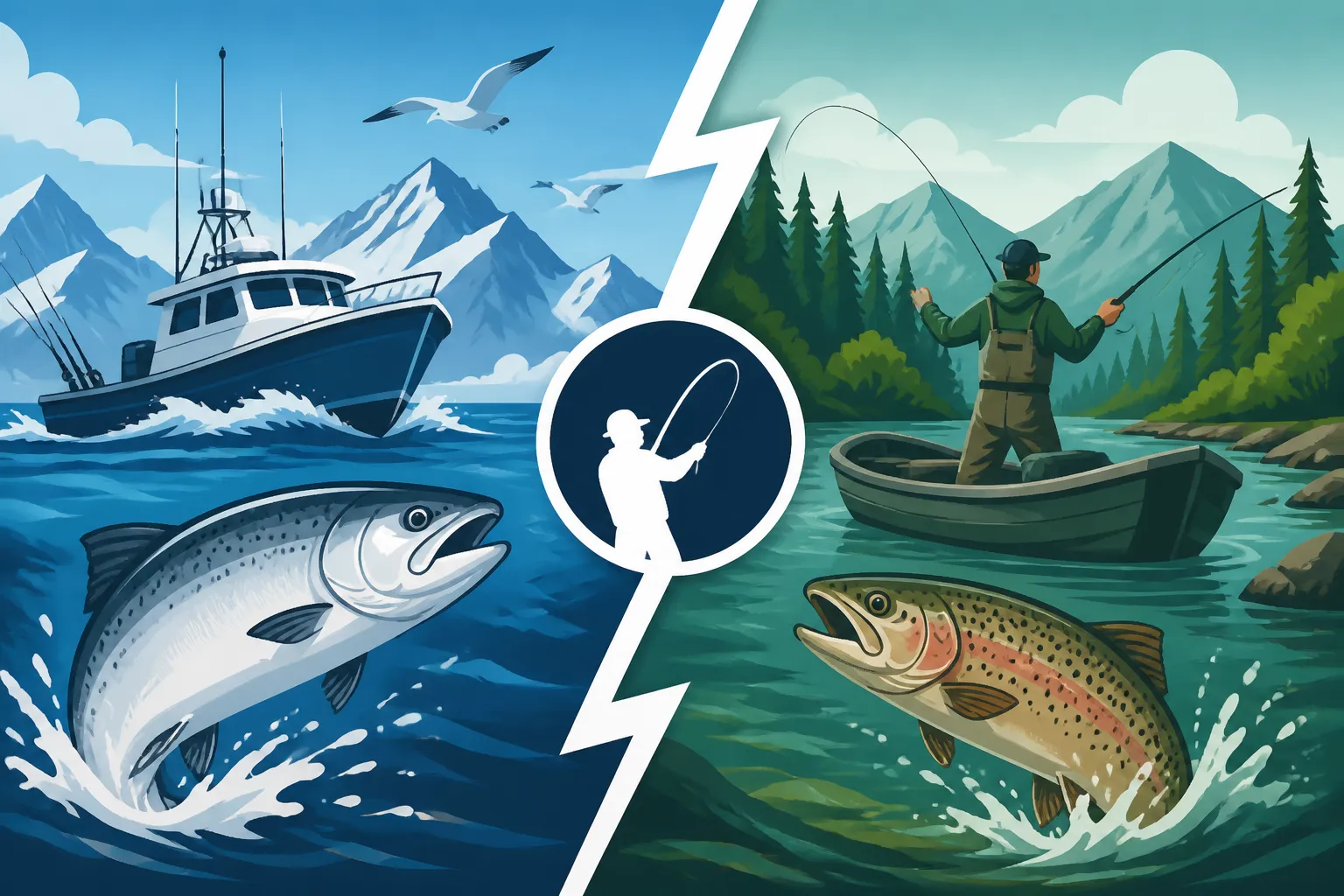
The choice between a saltwater and a river charter in Alaska isn't just about where you're casting your line; it fundamentally changes the entire fishing experience. From the type of fish you'll encounter to the views you'll behold and the techniques you'll employ, these differences create two distinct Alaskan adventures.
The Catch: Salmon vs. Halibut & More
This is arguably the most significant differentiator for many anglers. If your dream is to hook into a massive "barn door" halibut, battling it up from the deep, then a saltwater charter is unequivocally your choice. Halibut are bottom feeders, presenting a unique, heavy tug-of-war style fight that's unlike anything you'll experience in a river. Coupled with various rockfish and lingcod, a saltwater trip offers a diverse catch focused on deep-sea species. You might also tangle with ocean-bright King or Silver salmon, which tend to be larger and more aggressive than their river-bound counterparts due to their rich ocean diet.
River charters, however, are all about the anadromous species: salmon. While you might hook into an occasional resident trout or Dolly Varden, the main event is the relentless pursuit of Alaska's five species of Pacific salmon. Each species offers a different challenge – the powerful, stubborn run of a King, the acrobatic leaps of a Silver, or the sheer numbers and dogged fight of a Sockeye. If landing multiple salmon of various species is your goal, experiencing the raw power of a fresh-from-the-ocean fish fighting its way upstream, then river fishing will deliver that iconic Alaskan salmon experience. You'll want to brush up on Alaska Salmon Bag Limits by Species before you go!
The Backdrop: Mountains & Ocean vs. Forests & Rivers
The scenery itself is a huge part of the Alaskan fishing experience, and it varies dramatically between saltwater and river environments. On a saltwater charter, you'll be treated to expansive, often breathtaking coastal vistas. Picture towering coastal mountains plunging directly into the sea, with glaciers calving into fjords, and marine wildlife like whales, sea otters, and puffins making appearances. The open ocean creates a sense of vastness and adventure, with the horizon stretching endlessly. The air is often crisp with a hint of salt, and the sounds are dominated by the waves and the occasional cry of a seabird.
River charters immerse you in a different kind of wild beauty. You'll be surrounded by dense boreal forests, often with towering spruce and birch trees lining the banks, and the rhythmic sound of rushing water. Wildlife sightings might include eagles soaring overhead, moose grazing along the riverbanks, or even bears fishing for salmon – a truly wild and unforgettable encounter. The river environment feels more contained, more intimate, offering a deep connection to the land as you drift past pristine wilderness. This kind of trip can give you a true sense of the Alaskan interior, far removed from the ocean spray.
The Method: Trolling/Jigging vs. Drifting/Fly Fishing
The fishing techniques employed also differ significantly. Saltwater fishing for halibut typically involves bottom fishing with heavy-duty gear, often using large baits like herring, cod, or salmon heads, or substantial jigs. You might be anchored or drift fishing, constantly checking for that distinct bite. Trolling with downriggers and large spoons or plugs is common for saltwater salmon. It's often a waiting game, punctuated by intense bursts of action once a fish bites. How to Jig for Halibut in Alaska and How to Troll for Salmon in Alaska are essential techniques for saltwater anglers.
River fishing, especially for salmon, is often more active and varied. Drift fishing with bait, beads, or lures is extremely popular, where you cast upstream and allow your gear to float naturally downstream, mimicking a natural food source. Back-trolling with Kwikfish or other plugs from a boat is also effective for Kings. For Sockeye, a unique technique often called "flossing" or "lining" involves using a weighted leader to swing a bare hook through schools of fish. Fly fishing is also incredibly popular on many Alaskan rivers, especially for trout and sometimes for salmon, offering a highly engaging and skillful approach. Techniques like back-bouncing, float fishing, and spinning are all staples of the river angler's toolkit. Learning How to Fly Fish in Alaska can open up a whole new world of river adventures.
Factors to Consider When Choosing
With such distinct experiences, how do you even begin to decide? It really comes down to what you envision for your Alaskan fishing dream. There are several practical considerations that can help clarify which type of charter will best suit your expectations and needs.
Your Fishing Goals and Preferences
Think deeply about what you want to achieve. Is your primary goal to catch the biggest fish possible, perhaps a trophy halibut that will feed your family for months? Then a saltwater trip is likely your best bet. If the idea of a powerful, ocean-bright King Salmon tugging on your line in open water sounds thrilling, that also leans towards saltwater. Many people travel to Alaska specifically for that once-in-a-lifetime chance at a true giant.
However, if you dream of catching multiple salmon species, experiencing the intensity of a strong salmon run, or simply enjoying the challenge of river fishing techniques like fly casting or drift fishing, then a river charter will be more fulfilling. Do you prefer the calm rhythm of a river flowing through a forest, or the expansive, sometimes unpredictable, environment of the open sea? Are you more interested in sheer numbers of fish, or targeting fewer, larger specimens? Your personal preferences will heavily guide this decision.
Group Size and Experience Level
The size of your group and the fishing experience of its members can also play a role. Saltwater charters on larger vessels can often accommodate bigger groups, sometimes up to six or even more anglers, making them ideal for family reunions or corporate outings. The fishing style, particularly bottom fishing for halibut, can be quite straightforward and forgiving for beginners, requiring less casting skill than some river techniques. Guides are always there to assist, of course, but the fundamentals are often easier to pick up.
River charters, especially those using drift boats, are typically more intimate, often limiting to two or three anglers per boat. This can be fantastic for a personalized experience, allowing for more one-on-one instruction from the guide. While some river fishing can be beginner-friendly, techniques like fly fishing or accurately drift fishing through complex currents can have a steeper learning curve. If you have experienced anglers in your group who enjoy active casting and nuanced techniques, a river charter might offer a more engaging challenge. For groups with young children or absolute novices, a saltwater trip might offer a slightly easier entry point into Alaskan fishing.
Budget and Trip Duration
Alaska fishing trips can be a significant investment, so budget and how long you plan to fish are important considerations. Generally, a full-day saltwater charter can sometimes be a bit more expensive than a full-day river charter, primarily due to higher fuel costs for larger boats, more extensive safety equipment, and the deeper maintenance requirements of ocean-going vessels. However, this isn't a hard and fast rule, and prices vary widely by location, guide, and species targeted. You can typically find a range of options when looking at Alaska Fishing Charter Cost Explained.
Saltwater trips often lend themselves well to full-day excursions, as travel time to offshore fishing grounds can be considerable. River trips can often be booked as half-day or full-day options, providing more flexibility for those with tighter schedules or budgets. If you're planning a multi-day fishing vacation, you might even consider booking both types of charters to experience the best of both worlds! Many lodges and outfitters offer packages that combine different types of fishing, which can be an excellent way to get a comprehensive Alaskan fishing adventure.
Here’s a quick comparison to help you visualize the core differences:
| Feature | Saltwater Charters | River Charters |
|---|---|---|
| Primary Target Fish | Halibut, Rockfish, Lingcod, Ocean Salmon (King, Silver) | Salmon (King, Sockeye, Silver, Pink, Chum), Rainbow Trout |
| Fishing Environment | Open ocean, bays, fjords, coastal waters | Rivers, streams, tributaries, freshwater lakes |
| Typical Vessel | Cabin cruisers, larger ocean-going boats | Drift boats, jet boats, prop boats, sometimes wading |
| Common Techniques | Bottom fishing, jigging, trolling | Drift fishing, back-trolling, fly fishing, spin fishing |
| Scenery | Expansive coastal views, marine wildlife, glaciers | Forested riverbanks, mountains, eagles, moose, bears |
| Physical Demands | Reeling heavy fish from depth, boat motion (seasickness) | Active casting, wading, navigating currents, quicker action |
| Best For | Trophy fish, big game, diverse bottom fish, marine tours | High volume salmon, specific salmon species, fly fishing |
Booking Your Alaska Fishing Adventure
Once you have a clearer idea of whether a saltwater or river experience calls to you more, the next step is planning and booking. Alaska is a hugely popular fishing destination, and the best guides and charters fill up quickly, sometimes a year in advance.
Researching and Selecting Charters
This is where the real digging begins. Start by pinpointing your desired fishing region. Do you want the legendary Kenai River, the halibut haven of Homer, or the King Salmon hot spots of Sitka? Once you have a region, you can narrow down guides and charter operations that specialize in either saltwater or river fishing, or perhaps even offer both. Look for charters with strong reputations, positive reviews, and experienced guides who are passionate about their craft. Websites like FishingBooker can be incredibly helpful resources for comparing different operations, reading reviews from past clients, and understanding what each charter offers.
Don't hesitate to reach out directly to charters with questions. Ask about their vessel, safety equipment, target species for your chosen dates, and their typical success rates. A good charter operator will be transparent and happy to discuss all aspects of the trip. Remember, you're not just booking a boat; you're booking an experience, and the guide plays a huge role in shaping that. You might also want to consult a guide on How to Choose an Alaska Fishing Charter for more specific tips.
Understanding What's Included (and What's Not)
It's crucial to clarify what is and isn't included in the charter price to avoid any surprises. Most reputable charters will include all necessary fishing gear (rods, reels, tackle), bait, and often rain gear or rubber boots. However, there are some key items that are almost always not included:
- Fishing License and King Salmon Stamp: You will absolutely need an Alaska Fishing License: Complete Guide and, if targeting King Salmon, a King Salmon stamp. These must be purchased separately, usually online from the Alaska Department of Fish and Game (ADF&G) website before your trip. Your guide cannot provide these for you.
- Fish Processing: While your guide will typically help you bag your catch, professional fish processing (filleting, vacuum sealing, freezing, and shipping) is usually an additional service offered by local processors at the harbor or nearby. These services are invaluable for preserving your hard-won catch for the journey home.
- Food and Drink: Most charters are "bring your own" for snacks, drinks, and lunch, although some full-day trips might offer light refreshments.
- Gratuities: Tipping your guide is customary and very much appreciated. A general guideline is 15-20% of the trip cost, similar to other service industries. Understanding Tipping on an Alaska Fishing Charter can ensure you're prepared.
Always read the fine print and ask for a clear breakdown of costs and inclusions when booking.
Timing Your Trip for Peak Action
Knowing when to go is almost as important as where to go. Alaska's fishing seasons are intense but relatively short, with peak runs for different species occurring at specific times.
- King Salmon: River Kings typically run from late May through mid-July, while ocean Kings can be targeted earlier in the spring and sometimes later into summer in coastal areas.
- Sockeye Salmon: The iconic Sockeye runs usually peak in July, particularly in rivers like the Kenai and Russian.
- Silver Salmon (Coho): These spirited fighters generally arrive from late July through September.
- Halibut: Halibut fishing is excellent from May through September, with consistent action throughout the summer.
- Trout/Dolly Varden: These resident species offer great fishing throughout the summer, often peaking in late summer and fall when they gorge on salmon eggs.
Consult an Alaska Salmon Run Timing Explained calendar or a local guide to align your trip dates with the species you most want to target. Early booking is essential to secure spots during these prime windows.
Preparing for Your Charter Experience
You've chosen your charter and booked your trip; now it's time to get ready for the adventure! Proper preparation can significantly enhance your enjoyment and comfort on the water.
Essential Gear and Clothing
Alaska's weather is famously unpredictable. You can experience all four seasons in a single day, regardless of the month. Layering is absolutely critical. Even on a sunny day, the air on the water can be chilly, and rain can pop up unexpectedly.
Here's a list of essentials:
- Warm Layers: Start with a moisture-wicking base layer (synthetics or wool, not cotton). Add a warm fleece or puffy jacket as a mid-layer.
- Waterproof Outerwear: A high-quality waterproof and windproof jacket and pants are non-negotiable. Even if the charter provides rain gear, having your own reliable set is a smart move.
- Footwear: Waterproof boots are a must. Rubber boots are ideal for river banks and boat decks.
- Headwear: A warm beanie or wool hat is essential, even in summer, as most heat is lost through your head. A baseball cap can be useful for sun protection.
- Gloves: Waterproof or water-resistant gloves can keep your hands warm and functional.
- Sunglasses and Sunscreen: Even on cloudy days, UV rays reflect off the water, and the Alaskan sun can be surprisingly intense.
- Snacks and Drinks: Pack plenty of water and easy-to-eat snacks. A small cooler is often a good idea.
- Camera: You'll want to capture those memories, so ensure your camera is waterproof or in a dry bag.
- Small Backpack: To keep all your personal items organized and protected from spray.
For saltwater charters, motion sickness medication (like Dramamine) is also a wise addition if you're prone to seasickness. Take it before you board the boat, not once you feel green.
Licenses, Stamps, and Regulations
As mentioned, purchasing your fishing license and any necessary stamps (like the King Salmon stamp if applicable) is paramount. You can easily do this online through the Alaska Department of Fish and Game website. Print copies and keep them with you, along with a digital copy on your phone.
Beyond licenses, it's a good idea to familiarize yourself with the basic Alaska Fishing Regulations Explained for the area and species you'll be targeting. While your guide is an expert and will ensure you stay within the law, having a general understanding can prevent accidental violations. Pay particular attention to bag limits, size restrictions (especially for halibut, which sometimes have complex slot limits), and any special gear restrictions (like barbless hooks or single hooks during certain periods). Emergency orders can change regulations suddenly, even mid-season, so staying informed is crucial. Your guide will be up-to-date on these changes.
Fish Processing and Shipping Considerations
The moment of truth: you've caught your fish! Now, how do you get it home? Most charters will either fillet your fish onboard or have arrangements with a local fish processor at the dock. These processors are experts at filleting, vacuum-sealing, flash-freezing, and packing your catch into airline-approved shipping boxes. They can also arrange to ship your fish directly to your home.
It's wise to budget for this service, as it can add a significant cost to your trip, depending on the volume of fish. Prices for processing vary, but it's well worth it to ensure your prized catch arrives home in pristine condition. Discuss processing options with your charter or local providers well in advance. Understanding Alaska Fish Transport and Shipping Rules can help you plan this important final step in your fishing adventure. Don't underestimate the weight and bulk of your catch – even a few large salmon or a medium halibut can take up a lot of space!
Disclaimer
The information provided in this guide is for general informational purposes only and does not constitute professional advice. Fishing regulations in Alaska are complex and subject to change rapidly via emergency order. Always consult the most current Alaska Department of Fish and Game regulations and, if applicable, your licensed charter guide, before engaging in any fishing activities.