Alaska Yelloweye Rockfish Explained
Many anglers dream of battling the mighty salmon or wrestling a giant halibut in Alaska, but there’s another incredibly sought-after fish lurking in the deep, rocky waters that deserves just as much respect and attention: the yelloweye rockfish. These striking, long-lived bottom dwellers are a true prize, offering both a formidable fight and exquisite table fare, but they come with their own set of unique challenges and strict regulations. This guide is dedicated to demystifying the Alaska yelloweye rockfish, covering everything from identification and habitat to the crucial conservation efforts that ensure their future.
What Exactly is an Alaska Yelloweye Rockfish?
Before you even think about dropping a line, it’s essential to understand what makes a yelloweye rockfish tick. These aren't just any old bottom fish; they are a species with distinct characteristics and a significant place in Alaska's marine ecosystem and fishing culture. Many visitors mistakenly believe any red fish they catch from the deep is a "red snapper," but in Alaska, that title belongs almost exclusively to the yelloweye, and they are a species with a story all their own.
Identifying the "Red Snapper of the North"
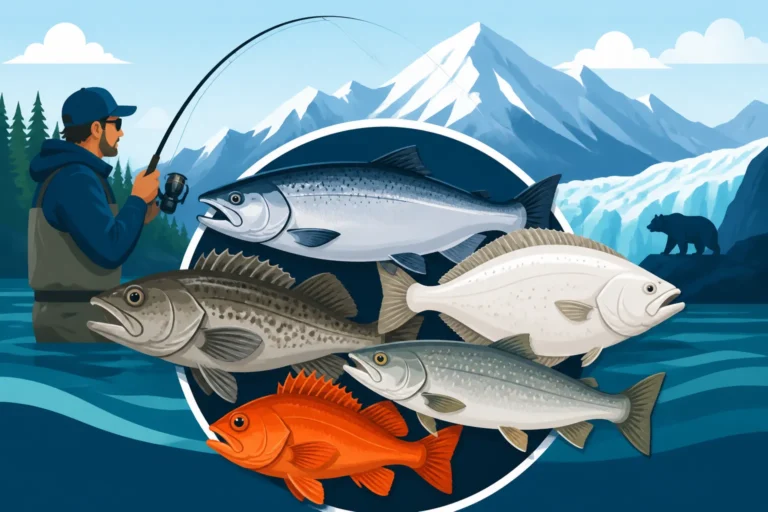
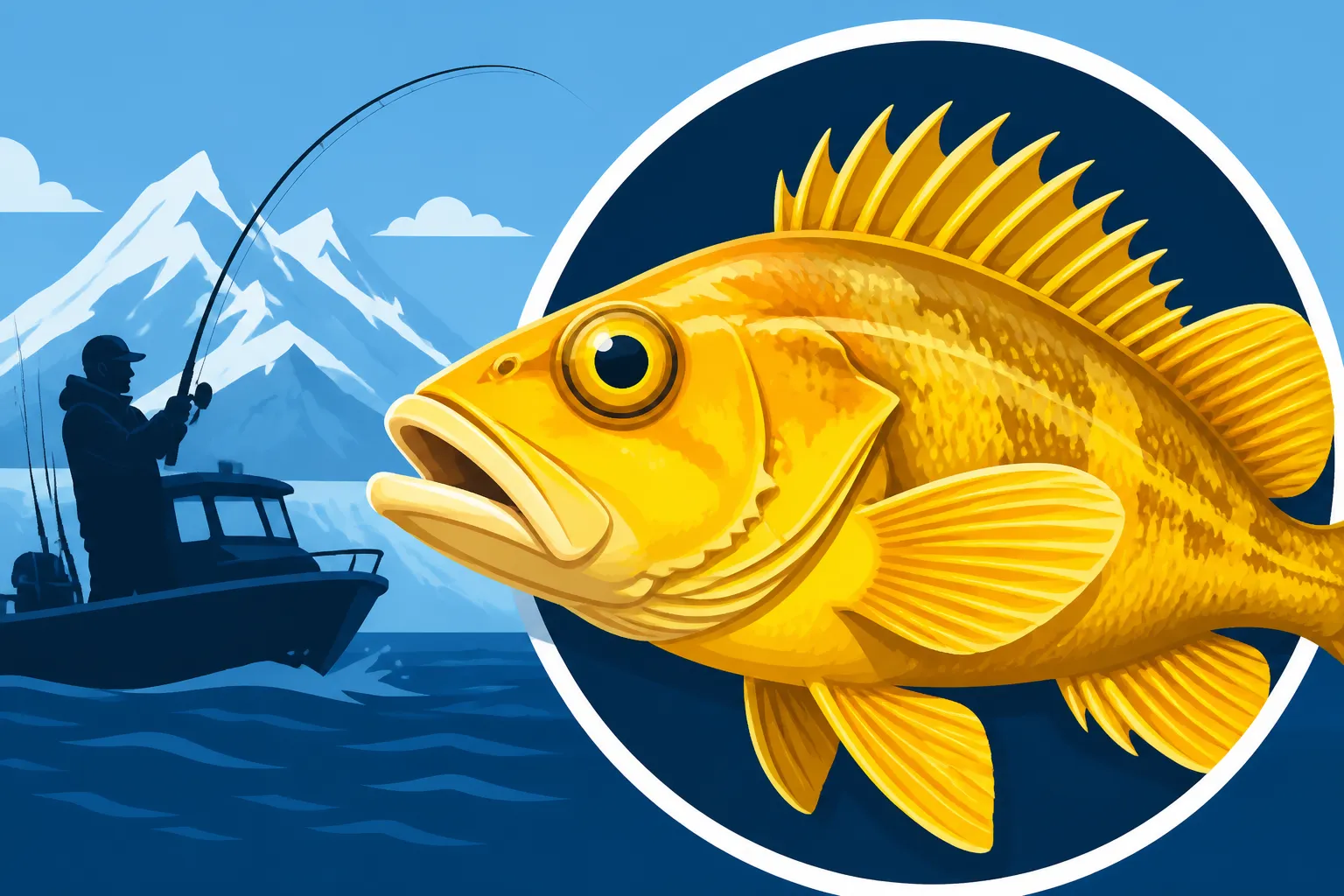
The yelloweye rockfish, Sebastes ruberrimus, earned its nickname "Red Snapper of the North" due to its vibrant orange to reddish-orange coloration and its firm, white, flaky meat that is highly prized by seafood lovers. However, it's not a true snapper at all; it's a member of the diverse rockfish family. Distinguishing a yelloweye from other rockfish species is crucial, as regulations can vary. Look for its prominent bright yellow eyes that give it its name, a rough, spiny head, and a long dorsal fin with deep notches. Juveniles often have a distinct light stripe along their lateral line, which fades as they mature. Adult yelloweye can sometimes display lighter patches or mottling on their sides. This vivid coloring and spiny appearance are tell-tale signs, helping you differentiate it from other rockfish like the darker, less spiny lingcod, which is a common companion in similar habitats. For a broader understanding of how different species coexist, check out our guide on Alaska Lingcod vs Rockfish.
When you're out on the water, especially in the low light of deep-sea fishing, it can be tricky to tell one red fish from another. Some other rockfish, like rougheye or shortraker rockfish, share similar reddish hues. However, the intensity of the yelloweye's color, its signature bright yellow eyes, and the often mottled pattern are your best clues. Always take a moment to confirm your catch, as misidentification can lead to serious compliance issues. A quick glance at the fins, particularly the spinous dorsal fin, can also help. Yelloweye typically have 13 dorsal spines, a detail that experienced deckhands on charter boats often verify instantly.
Where Yelloweye Rockfish Call Home
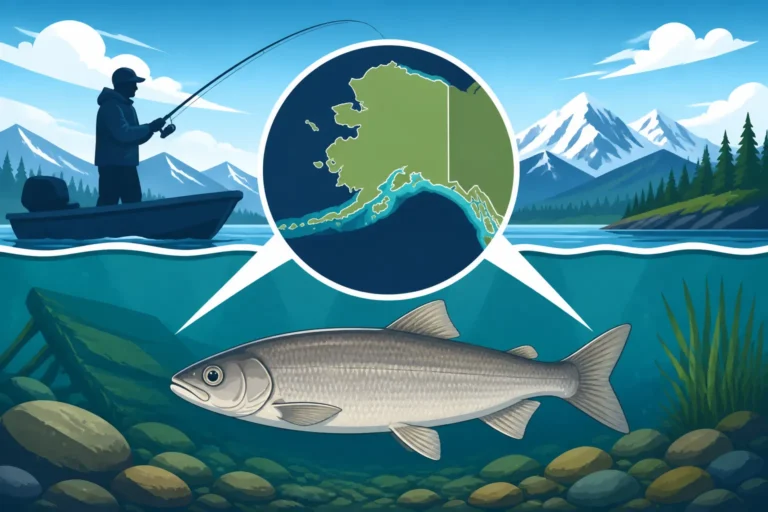
Yelloweye rockfish are typically found in the cold, deep waters of the North Pacific, ranging from Baja California all the way up to the Gulf of Alaska and the Bering Sea. In Alaska, they are most commonly targeted in the more accessible saltwater regions of Southeast Alaska, around places like Sitka and Juneau, and in parts of Southcentral Alaska, including the outer waters of Resurrection Bay near Seward and Kachemak Bay near Homer. These fish prefer rocky bottoms, pinnacles, reefs, and submerged structures where they can hide and ambush prey. They are generally found at depths ranging from 60 to 600 feet, often much deeper than where salmon or even many halibut are caught.
Think of them as the sentinels of the deep, often holding tight to vertical structure or lurking in crevices, waiting for an unsuspecting meal to swim by. This habitat preference means that targeting yelloweye often involves specific boat positioning, sensitive electronics to locate structure, and specialized angling techniques. You won't typically find them in sandy, flat areas; they're structure-oriented fish through and through. Understanding their preferred environment is key to increasing your chances of success, and many seasoned captains know the exact GPS coordinates of productive rockpiles that hold these prized fish.
Size, Lifespan, and Unique Characteristics
Yelloweye rockfish are truly remarkable for their incredible longevity. They are one of the longest-lived fish species, with some individuals documented to live for over 100 years! The oldest recorded yelloweye was an astonishing 121 years old. This slow growth and extreme longevity make them particularly vulnerable to overfishing, which is why strict management measures are in place. Adult yelloweye can reach impressive sizes, commonly weighing between 15 and 25 pounds, though giants exceeding 30 pounds are caught each season. The Alaska state record for yelloweye rockfish stands at a whopping 39.3 pounds, caught way back in 1988!
Their slow growth rate means that even a moderate fishing pressure can have a long-lasting impact on their populations. A fish that takes 20-30 years to reach reproductive maturity, and then another 20-30 years to become a trophy size, simply cannot sustain the same level of harvest as faster-growing species. This biological reality underscores why careful management is paramount. Their unique physiology, including a swim bladder that expands dramatically when brought up from deep water, also contributes to their vulnerability, making proper handling and release techniques absolutely essential for their survival, a topic we'll dive into shortly. To learn more about the diverse aquatic residents, explore our comprehensive Alaska Fish Species Guide.
Why Yelloweye Rockfish Are So Highly Prized
It's not just their striking appearance or the challenge of the catch that makes yelloweye rockfish so special. Their culinary quality and the increasing awareness of their conservation needs contribute to their elevated status among Alaskan anglers.
The Culinary Delight
When it comes to table fare, yelloweye rockfish are often considered among the best. Their meat is firm, flaky, and exceptionally white, with a mild, sweet flavor that lends itself well to a variety of cooking methods. Many compare it favorably to red snapper from warmer waters or even to high-quality cod. This deliciousness is a major driver of their popularity, both for sport anglers and in commercial seafood markets.
Imagine grilling thick, succulent fillets over an open flame, or pan-searing them to a golden crisp. The firm texture holds up beautifully, whether baked, broiled, fried, or steamed. It's truly a versatile fish that can elevate any meal. For those who enjoy fine dining, a perfectly prepared yelloweye fillet can rival even the most expensive cuts of other fish. This gourmet quality is one of the main reasons why so many anglers specifically target them and are willing to travel great distances to do so. The sheer joy of bringing home such a delicious catch adds another layer of satisfaction to the fishing experience.
A Challenging Catch for Anglers
Beyond the dinner plate, the yelloweye rockfish offers a unique challenge that appeals to many anglers. They are structure-oriented, meaning you need precise boat control and an understanding of underwater topography to consistently find them. Once hooked, they put up a spirited fight, often trying to dive back into the rocky structure to break off the line. Their strong pulling power, especially in deep water, requires stout tackle and a steady hand.
Successfully landing a yelloweye often requires a combination of skill, patience, and the right equipment. You're not just dropping a line and hoping for the best; you're actively seeking them out in their complex underwater world. This cerebral aspect of the hunt, combined with the physical exertion of bringing a powerful fish up from significant depths, makes the yelloweye a truly rewarding catch. The struggle against a strong current and the fish's attempts to "rock you up" (snag your line on underwater structure) can be intense, adding to the thrill of the chase. You'll definitely want reliable gear for this, and many anglers source their heavy-duty conventional reels and robust braided lines from reputable online retailers. For an overview of general techniques, our Best Fishing Techniques for Alaska guide offers some great starting points that can be adapted for deepwater rockfish.
Conservation Concerns and Regulations
The exceptional longevity and slow reproductive rates of yelloweye rockfish make them particularly vulnerable to fishing pressure. This biological reality has led to some of the most stringent conservation measures in Alaska's sport fishing regulations. The Alaska Department of Fish and Game (ADF&G) implements strict daily and annual bag limits, size restrictions, and sometimes even seasonal or area closures to protect yelloweye populations. These rules are not just suggestions; they are critical for ensuring the long-term health of the species.
For instance, in many areas, the daily bag limit for yelloweye rockfish is often just one fish per person, and the annual limit can be as low as one or two. These tight restrictions highlight the importance placed on their conservation. Anglers are also strongly encouraged, and in some cases required, to use a deepwater release device for any rockfish not being retained. This is because rockfish, when brought up from deep water, suffer from barotrauma (expanded swim bladder, bulging eyes), which makes it nearly impossible for them to swim back down on their own. Proper release is vital for their survival and for maintaining healthy populations for future generations of anglers. Understanding and adhering to these regulations is not just about avoiding fines; it's about being a responsible steward of Alaska's precious natural resources. You can dive deeper into these specifics by reading Alaska Rockfish Retention and Release Rules and Alaska Rockfish Deepwater Release Device Rules.
Regulations and Best Practices for Yelloweye Fishing
Fishing for yelloweye rockfish in Alaska isn't just about dropping a line; it's about adhering to specific regulations and adopting best practices to ensure the sustainability of this incredible species. These rules are designed to protect yelloweye due to their long lifespan and vulnerability. Ignorance of these rules is not an excuse, so it’s essential to be thoroughly prepared before your trip. For a complete understanding of all rules, consult the latest Alaska Fishing Regulations Explained booklet.
Understanding Retention and Release Rules
The regulations surrounding yelloweye rockfish are some of the most complex and critical in Alaska. Daily bag limits are usually very low, often one fish per angler per day, and annual limits are equally restrictive, sometimes just one or two fish. These limits are set to manage harvest levels carefully due to the species' slow growth and reproduction rates. It's not uncommon for specific areas or management regions to have even stricter rules or temporary closures announced via emergency orders, especially if populations are showing signs of stress. This means that a good angler will always check the current year's regulations and any recent emergency orders for the specific area they plan to fish.
For example, a charter trip out of Seward might have different specific rockfish rules than one leaving from Ketchikan, even if both are targeting yelloweye. This variability means you can't assume what was true last year, or in another part of the state, applies to your current trip. It’s also important to know that there are often rules about how many rockfish, in total, you can keep from all species, not just yelloweye. Always be sure of what you’re keeping. If you accidentally catch an extra yelloweye beyond your limit, or decide to release a smaller one in hopes of a larger catch, you must follow strict deepwater release protocols to give that fish the best chance of survival.
The Critical Role of Deepwater Release Devices
One of the most important best practices, and often a legal requirement, when fishing for yelloweye and other deepwater rockfish, is the use of a deepwater release device. When a rockfish is reeled up from significant depths, the rapid change in pressure causes its swim bladder to expand, often pushing its stomach out of its mouth and bulging its eyes. This condition, known as barotrauma, makes it impossible for the fish to swim back down to depth on its own, leaving it to die on the surface or become easy prey for birds and other predators.
A deepwater release device is essentially a weighted clip or cage that attaches to the fish's jaw or mouth. Once attached, the device is quickly lowered back down to the depth where the fish was hooked, or at least beyond 100 feet, allowing the fish to recompress its swim bladder and swim away naturally. Using these devices significantly increases the survival rate of released rockfish. Many reputable fishing charters will have these devices on board and will instruct you on their proper use. However, if you're fishing on your own, it's your responsibility to acquire and know how to use one. You can find various models of deepwater release devices available on platforms like Amazon or at local tackle shops in Homer or Juneau, and ensuring you have one before you depart is crucial.
Gear and Techniques for Responsible Angling
Targeting yelloweye rockfish requires a specific approach and gear setup to be both effective and responsible. Since these fish live deep and are found around structure, you'll need heavy-duty conventional rods and reels capable of handling heavy weights and powerful fish. Braided line, with its minimal stretch, is preferred for better sensitivity in deep water and to help pull fish away from snags. Sinkers often range from 1 to 3 pounds, or even more, depending on depth and current.
Technique-wise, bottom fishing or jigging is the name of the game. Using sturdy circle hooks is highly recommended, as they tend to hook fish in the corner of the mouth, making for easier, less damaging releases compared to J-hooks that can be swallowed. Popular baits include herring, squid, or pieces of other fish. Jigs, especially heavy metal jigs tipped with a piece of bait, are also incredibly effective. The key is to get your presentation down to the desired depth and keep it near the bottom and the structure where yelloweye reside.
When you feel that solid strike, be prepared for a strong, head-shaking fight. Your goal is to keep the fish moving upwards and away from the structure to prevent it from snagging your line. Once the fish is at the surface, if you intend to release it, do so as quickly and gently as possible using your deepwater release device. Minimize air exposure and handling time. For those looking to assemble a comprehensive tackle box for their Alaskan adventures, finding a variety of jigs, heavy leaders, and strong terminal tackle on Amazon can save you time once you're on the ground. For more general advice on what to pack, our What Tackle to Bring to Alaska guide provides excellent insights.
| Feature | Yelloweye Rockfish | Other Common Rockfish (e.g., Black Rockfish) |
|---|---|---|
| Color | Bright orange to reddish-orange, often mottled. | Variable: dark grey/black (Black), dull red (Shortraker), mottled brown (Tiger). |
| Eyes | Prominently bright yellow | Typically dark or less prominent eye color |
| Dorsal Spines | 13 | 13-14 (Black), 13-16 (Other species) |
| Lifespan | Up to 121 years | 15-50 years (species dependent) |
| Typical Depth | 60-600+ feet (deep water) | 0-300 feet (various depths, Black often shallower) |
| Bag Limits | Very restrictive (often 1 per day/annual) | More liberal (e.g., 4 per day for Black Rockfish) |
| Conservation | High concern, deepwater release crucial | Moderate concern, deepwater release still recommended |
Preparing and Enjoying Your Yelloweye Catch
So, you've successfully navigated the regulations, braved the deep waters, and landed a beautiful Alaska yelloweye rockfish. Now comes the rewarding part: preparing your catch for the dinner table. With its exceptional flavor and texture, this fish truly shines, but a little care in handling can make all the difference.
Filleting and Storage Tips
The first step to enjoying your yelloweye is proper handling and filleting. Because yelloweye can be quite spiny, exercise caution when cleaning. A good pair of filleting gloves and a sharp knife are essential. Start by making a cut behind the pectoral fin, down to the backbone, and then carefully slice along the backbone towards the tail. Peel the fillet off the ribs and remove any pin bones. The skin is usually removed as well, as it can be quite thick. For those unfamiliar with fish processing, it's a good idea to watch a few online tutorials on filleting rockfish or ask your charter captain or deckhand for a demonstration. They often have perfected the technique and can make quick work of even large fish.
Once filleted, rinse the meat in cold water, pat it dry, and then either cook it fresh or prepare it for storage. For short-term storage, place the fillets in an airtight container or zip-top bag with ice in the refrigerator. For longer-term storage, vacuum sealing is the absolute best method to prevent freezer burn and preserve the quality of the fish. Properly vacuum-sealed yelloweye can last 6-12 months in a freezer without significant loss of quality. Many fishing towns in Alaska, like Homer or Seward, have professional fish processors who can fillet, vacuum seal, and even flash-freeze your catch, preparing it for transport home. This is a service well worth considering, especially after a long day of fishing. Our guide on Alaska Fish Transport and Shipping Rules can help you plan how to get your prized fillets home safely.
Culinary Ideas for a Prized Fish
The mild, sweet flavor and firm, flaky texture of yelloweye rockfish make it incredibly versatile in the kitchen. It’s hard to go wrong with this fish!
One of the simplest and most delicious preparations is pan-searing. Heat a little olive oil or butter in a skillet, season your fillets with salt, pepper, and perhaps a squeeze of lemon or a sprinkle of your favorite seafood seasoning, and sear for 3-5 minutes per side until golden brown and cooked through. Serve with a fresh squeeze of lemon and some roasted vegetables for a light, healthy meal.
Another fantastic option is baking or grilling. Wrap fillets in foil with some herbs, butter, and white wine, or grill them directly over medium heat. The firm flesh holds its shape beautifully, making it perfect for the grill without fear of it falling apart. Yelloweye also makes excellent fish tacos. Flake the cooked fish into warm tortillas with cabbage slaw, crema, and salsa for a taste of the sea with a Baja twist. Because it holds together so well, it’s also a great candidate for fish curries or stews, where the chunks of fish maintain their integrity and absorb the flavors of the broth. You can even try making a homemade fish and chips, as the firm texture fries up beautifully with a crispy batter. This fish is a genuine culinary treasure, and a fitting reward for a successful day battling the deep in Alaskan waters.
Disclaimer
Please note that fishing regulations in Alaska are subject to change, sometimes rapidly due to emergency orders from the Alaska Department of Fish and Game (ADF&G). Always consult the most current ADF&G regulations booklet and check for emergency orders pertaining to your specific fishing area before heading out on the water. This guide is for informational purposes only and should not be considered a substitute for official regulations.