Where to Catch Dolly Varden in Alaska
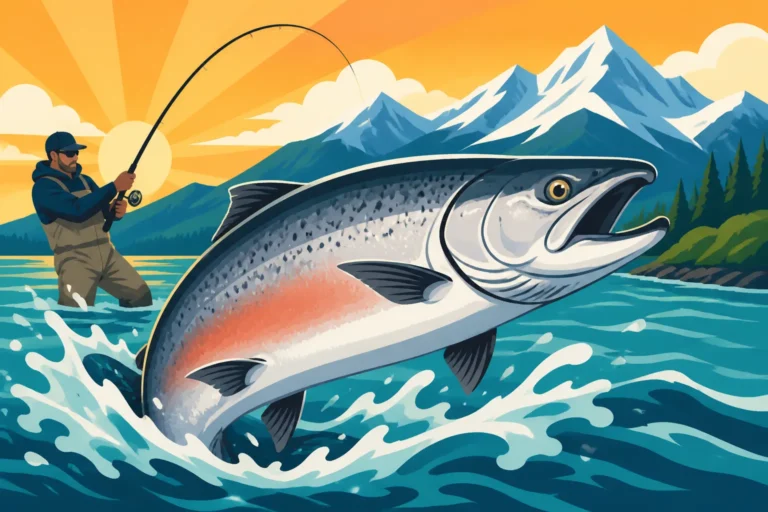
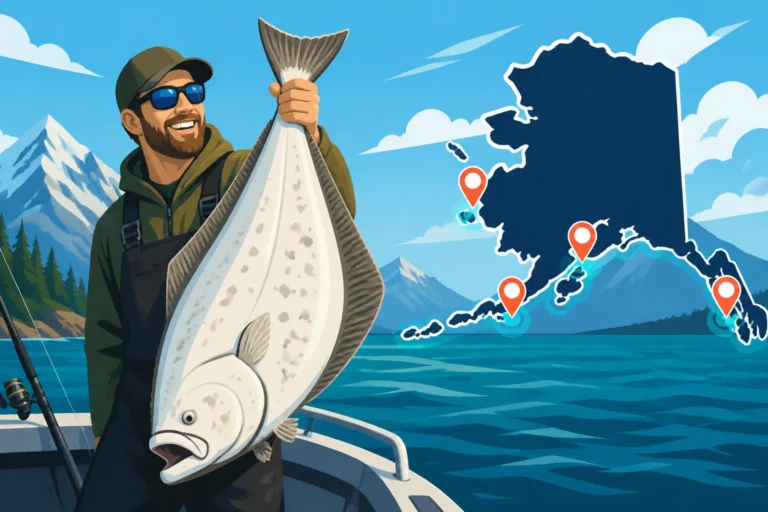
For many anglers heading to the Last Frontier, the majestic salmon and giant halibut often steal the spotlight. But if you’re overlooking the feisty Dolly Varden, you’re truly missing out on a fantastic freshwater and nearshore saltwater experience. These beautiful, char-family fish offer incredible sport, but knowing exactly where to find them across Alaska’s vast wilderness can feel like searching for a needle in a very large haystack. This guide is here to untangle that mystery, pointing you to the prime locations and key times to connect with these underrated gems.
Understanding Dolly Varden Habitats in Alaska
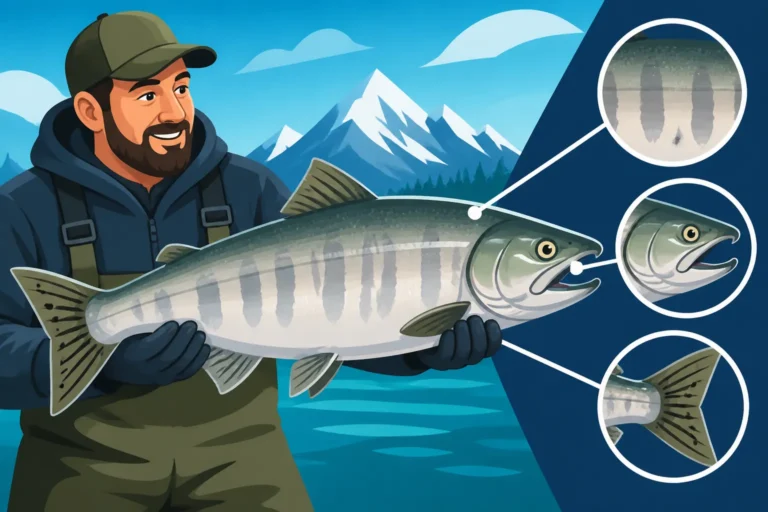
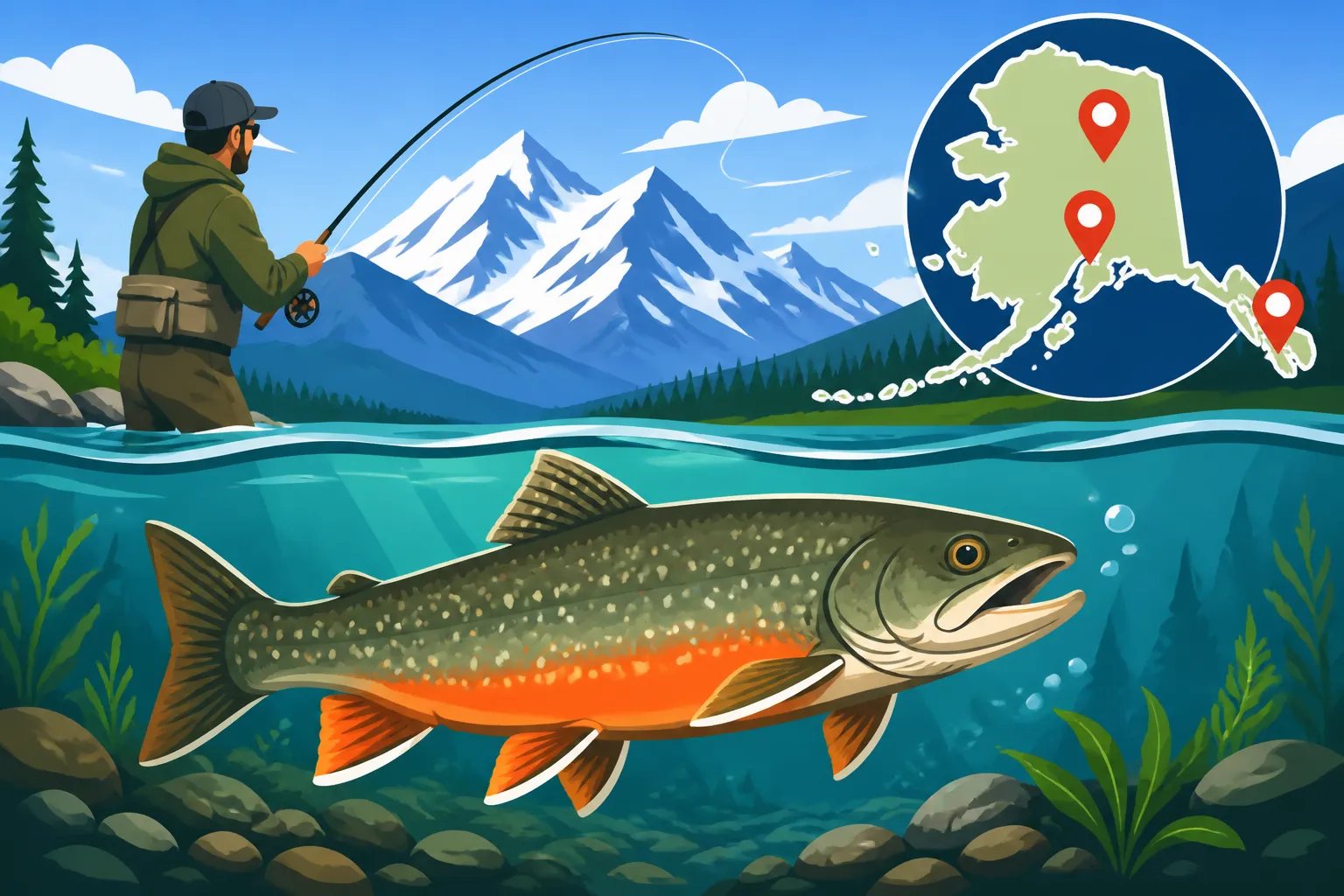
Dolly Varden are incredibly adaptable fish, found in a wide variety of habitats across Alaska. They’re technically a type of char, closely related to Arctic char and brook trout, but they have their own unique charm and behaviors that dictate where you’ll find them. Understanding their preferred living conditions is the first step to successfully targeting them.
Coastal vs. Interior Populations
When we talk about Dolly Varden in Alaska, it’s important to distinguish between two main types: anadromous (sea-run) and resident (freshwater-only) populations. This distinction profoundly impacts where and when you'll encounter them.
Anadromous Dolly Varden are perhaps the most famous and widely targeted. These fish spend part of their lives in the ocean, growing larger and feasting on marine prey, before returning to freshwater streams and rivers to spawn. They are incredibly opportunistic feeders, and their movements are often tied directly to the migrations of Alaska’s salmon species. You'll find these sea-run Dollies in coastal rivers, estuaries, and nearshore saltwater environments along virtually the entire Alaskan coastline, from the Panhandle up to the Bering Sea. They thrive in areas where they can access both nutrient-rich ocean feeding grounds and pristine freshwater spawning and overwintering habitats. Because they travel back and forth, they exhibit strong migratory patterns that anglers can learn to predict.
Resident Dolly Varden, on the other hand, spend their entire lives in freshwater lakes and rivers, never venturing out to sea. These populations are typically found in the colder, clearer waters of Interior Alaska, high-elevation lakes, and streams that may be blocked from ocean access by waterfalls or other barriers. While often smaller than their anadromous cousins, they are no less beautiful or spirited. They tend to be found in deeper pools, undercut banks, and around submerged structures where they can ambush smaller fish and aquatic insects. Fishing for resident Dollies often requires a different approach, focusing more on typical trout-fishing tactics in more isolated, pristine settings.
Key Environmental Factors
Dolly Varden are creatures of cold, clean water. This is a fundamental requirement across all their habitats, whether coastal or interior. Optimal water temperatures for Dolly Varden are generally between 38°F and 55°F (3°C to 13°C), though they can tolerate slightly warmer or colder conditions for short periods. This preference for cold water means you’ll often find them in glacier-fed rivers, deep lake pockets, or near the mouths of cold tributary streams flowing into larger, warmer systems.
Food sources are another critical factor. Anadromous Dolly Varden are famous for following salmon runs, where they gorge themselves on salmon eggs and decaying salmon carcasses. This makes areas near salmon spawning grounds incredibly productive during the late summer and fall. In marine environments, they’ll prey on small baitfish, crustaceans, and anything else they can get their mouths around. Resident Dolly Varden, meanwhile, feed on a diet of aquatic insects, smaller fish, and even small rodents or amphibians if the opportunity arises. Understanding their diet helps you choose the right lures and baits, which we’ll cover later.
Finally, spawning and overwintering habitats are crucial. Dolly Varden typically spawn in late summer or fall in gravelly stream bottoms, much like salmon or trout. After spawning, they seek out deep pools or slow-moving sections of rivers and lakes to overwinter, often congregating in large numbers in these areas to conserve energy during the harsh Alaskan winter. These overwintering holes can be fantastic spots for late-season or early-season fishing if you know where to look.
Top Regions and Rivers for Dolly Varden
Alaska is a massive state, and Dolly Varden are spread far and wide. While you can find them in many water systems, some regions and specific rivers stand out as prime destinations for targeting these char.
Southcentral Alaska Hotspots
Southcentral Alaska is perhaps the most accessible region for many visitors, especially those flying into Anchorage. It’s also teeming with excellent Dolly Varden opportunities.
The Kenai Peninsula is an absolute powerhouse for Dolly Varden. Rivers like the Kenai River and its tributaries, including the Russian River, are famous for their colossal salmon runs, which in turn provide an endless buffet for Dollies. You’ll find them in the main stem of the Kenai, especially below the Kenai Lake outflow and in the middle and lower river sections, often holding in seams and eddies waiting for salmon eggs. The smaller feeder creeks and streams that flow into the Kenai also hold strong populations, particularly during and after salmon spawning. Anglers often target them by drifting beads or small egg imitations. For those interested in the larger picture of fishing here, check out our Kenai River Fishing: Complete Guide for more insights.
Prince William Sound offers incredible saltwater and brackish water opportunities for anadromous Dolly Varden. Areas around Valdez and Whittier, where numerous rivers and streams flow into the ocean, see strong returns of sea-run Dollies. Fishing from shore near river mouths, or from a small boat jigging or casting in protected coves, can be very productive. They often gather in these areas before heading upstream to spawn, or after returning from spawning before heading back to the open ocean.
The streams and lakes around Kodiak Island also hold robust populations of both anadromous and resident Dolly Varden. Many of Kodiak’s pristine rivers, like the Karluk and Ayakulik, are world-renowned for salmon, and the Dollies are never far behind. Anglers visiting Kodiak will find excellent opportunities for these fish alongside the salmon.
Southeast Alaska Gems
Southeast Alaska, with its intricate network of islands, fjords, and rainforested mountains, is another phenomenal region for Dolly Varden. The sheer abundance of freshwater drainages emptying into the rich marine environment creates perfect conditions for these char.
Around Juneau, Sitka, and Ketchikan, nearly every significant stream and river system will hold Dolly Varden. Streams like Cowee Creek and Sheep Creek near Juneau, or Starrigavan Creek and Indian River near Sitka, see strong runs of anadromous Dolly Varden, often coinciding with pink and coho salmon runs. Anglers fishing from shore or small boats in the tidewater sections of these rivers can have incredible success. Many of these coastal streams are relatively short, making them easy to explore on foot. These areas are also excellent for understanding How to Catch Coho Salmon in Alaska, as the species often share the same waters.
The Chilkat River system near Haines is another standout, particularly for larger anadromous Dollies that feed heavily on the massive salmon runs entering the river. This system offers both river and lake fishing for Dollies, with some truly trophy-sized fish possible, especially in the fall.
Western and Arctic Alaska Opportunities
While less frequented by casual tourists due to logistical challenges, Western and Arctic Alaska offer truly wild and productive Dolly Varden fishing, particularly for anadromous populations.
The Bristol Bay region, famous for its incredible sockeye salmon runs, is also home to staggering numbers of Dolly Varden. Rivers like the Naknek, Kvichak, Alagnak, and Nushagak host millions of spawning salmon, and the Dollies are there in force to capitalize on the bounty of eggs. Fly-out trips to remote tributary streams within this region can offer unparalleled Dolly Varden fishing, often with large, aggressive fish eager to strike a fly or bead. Our Bristol Bay Fishing Guide delves deeper into this incredible area.
Further north, the rivers draining into the Kotzebue Sound and Seward Peninsula also support robust anadromous Dolly Varden populations. These remote systems often require bush plane access but offer a truly wild fishing experience with strong, pristine fish. The Kobuk River and its tributaries, for example, are known for their strong runs of char that move far upstream.
Seasonal Movements and Best Timing
Understanding the seasonal movements of Dolly Varden is critical to knowing where to find them. Their migrations are often predictable and closely tied to water temperatures and the life cycles of other fish species, particularly salmon.
Spring and Early Summer
As the ice breaks up and rivers begin to flow freely in late May and June, Dolly Varden start to become active again. For anadromous populations, this is a time of post-overwintering movement. They'll start migrating from their deep overwintering holes in lakes or rivers down towards the estuaries and marine feeding grounds. During this migration, they're often hungry after a long winter and will readily take flies or lures. Look for them in the lower reaches of rivers, near river mouths, and in brackish tidal zones where they are transitioning from fresh to saltwater.
Resident Dolly Varden in lakes and headwater streams will also become more active as water temperatures rise. They’ll spread out from their overwintering areas and begin feeding more aggressively on emerging insects and small baitfish. Early season can be a fantastic time for pure numbers of fish before the peak of salmon season draws all the attention. This period is also great for catching other species, as detailed in our Alaska Fishing in May: What's Biting guide.
Mid-Summer
July and August are prime time for many types of fishing in Alaska, and Dolly Varden are no exception. This is when the major salmon runs begin to enter freshwater systems across the state. Anadromous Dolly Varden will follow these salmon with keen interest, migrating upstream from the ocean in significant numbers.
Look for them congregating around salmon spawning grounds, often a bit downstream from the actively spawning salmon, eagerly awaiting any dislodged eggs. They will also position themselves behind spawning salmon, picking up eggs that drift away. During this time, they are often incredibly aggressive feeders, and fishing can be fast and furious. This is also when you'll find some of the largest, most vibrant sea-run Dollies, as they've had a full season of ocean feeding.
Fall
September and October usher in the peak of salmon spawning for many species, particularly sockeye and coho, making fall an outstanding time for Dolly Varden. The rivers are literally full of salmon eggs, and Dolly Varden are there to take full advantage. They will remain in freshwater, feeding heavily on eggs to build up fat reserves for the upcoming winter and also preparing for their own spawning, which typically occurs from late August to October.
As salmon runs conclude, Dollies will begin to move from the spawning grounds to their overwintering habitats – typically deeper, slower-moving pools in rivers or the depths of lakes. Targeting them during this pre-overwintering staging can be very productive, as they're still feeding aggressively. This is also a fantastic time for experiencing Alaska Silver Salmon Run Timing, as the Dollies often follow the silvers into the rivers.
Essential Gear and Techniques for Dolly Varden
Dolly Varden are not overly tackle-shy, but having the right gear and employing effective techniques will significantly increase your success. They can be caught on spinning gear, baitcasters, and fly rods, making them accessible to anglers of all preferences.
Tackle Recommendations
For most Dolly Varden fishing, a light to medium-light action spinning rod between 6'6" and 7'6" is ideal. This rod length provides good casting distance and sensitivity, allowing you to feel subtle takes. Pair this with a 1000-2500 series spinning reel spooled with 6-10 lb test monofilament or braided line. Braided line offers superior sensitivity and casting distance, and you can add a fluorocarbon leader (6-8 lb test) for abrasion resistance and stealth. For a reliable setup, many anglers find great value in brands readily available on Amazon.
If you prefer fly fishing, a 5-7 weight fly rod is perfect. A 9-foot rod is standard and versatile for most river and stream situations. Pair it with a matching reel and a floating weight-forward fly line. Your leader should be tapered down to 3X or 4X (6-8 lb test) to present your flies naturally. A good all-around fly rod and reel combo, which can often be found on Amazon, will serve you well for Dollies and many other freshwater species in Alaska.
Don't forget the essentials: a good pair of polarized sunglasses to spot fish and protect your eyes, a landing net (preferably rubberized to protect fish), and a pair of pliers for hook removal. Waders and wading boots are almost always a good idea when fishing Alaskan rivers, as they allow you to cover more water and stay comfortable. You can find comprehensive advice on what to bring in our Alaska Fishing Gear and Tackle Guide.
Effective Lures and Baits
Dolly Varden are opportunistic and aggressive, so a variety of presentations can work.
Spinning and Casting Lures:
- Spinners: Small inline spinners are incredibly effective. Favorites include sizes #2-4 in various colors like silver, gold, chartreuse, or even a rainbow trout pattern. Brands like Mepps and Blue Fox are classic choices. Cast them slightly upstream and retrieve at a speed that keeps the blade spinning, allowing it to tumble naturally through promising runs and pools.
- Spoons: Small casting spoons, particularly those mimicking baitfish (silver, blue, or brass), can also entice Dollies. Try sizes from 1/8 oz to 1/4 oz.
- Jigs: Small marabou jigs or plastic grub-tail jigs fished under a bobber or twitched along the bottom can be deadly, especially in deeper holes.
- Soft Plastic Beads: When Dolly Varden are aggressively feeding on salmon eggs, soft plastic beads are a game-changer. These realistic egg imitations, often fished 1-2 inches above a small lead weight or split shot on a leader, are incredibly effective. You can find a wide array of colors and sizes, simulating fresh salmon eggs, on platforms like Amazon.
Fly Fishing Flies:
- Egg Patterns: Without a doubt, egg patterns are king when Dollies are following salmon. Glo Bugs, Battle Creek Eggs, and Otter's Soft Eggs in various salmon egg colors (roe, cerise, orange) are essential.
- Streamers: When Dollies are targeting baitfish, streamers like Sculpzillas, Dolly Llamas, or even simple Woolly Buggers in black, olive, or white can be very effective. Strip them through deeper pools or swung through runs.
- Nymphs: During non-salmon feeding times, various nymph patterns (Prince Nymphs, Hare's Ears) can imitate aquatic insects, especially for resident populations.
- Dry Flies: While less common, larger attractor dry flies can sometimes work for resident Dollies in smaller streams, particularly during insect hatches.
Always be mindful of local regulations concerning bait. Some areas in Alaska have strict Alaska Bait Restrictions Explained, especially on certain rivers, where only artificial lures or flies might be permitted, or where bait restrictions change based on emergency orders. Always check the current ADF&G regulations booklet for the specific area you plan to fish.
Regional Dolly Varden Overview
Here’s a quick summary of prime Dolly Varden locations, common techniques, and best times:
| Region | Best Time to Fish | Typical Habitat | Recommended Techniques | Key Target Species (besides Dolly) |
|---|---|---|---|---|
| Southcentral | July – October | River systems (e.g., Kenai, Russian), near salmon spawning grounds, estuaries | Egg patterns (flies/beads), spinners, small spoons | Sockeye, Coho, King Salmon, Rainbow Trout |
| Southeast | June – September | Coastal streams, river mouths, estuaries, small lakes | Spinners, small spoons, streamers, egg patterns | Pink, Coho, King Salmon, Cutthroat Trout |
| Western Alaska | July – October | Large river systems (e.g., Naknek, Nushagak), remote tributaries | Egg patterns (flies/beads), streamers, small jigs | Sockeye, King Salmon, Rainbow Trout, Arctic Char |
| Interior Alaska | June – September | Headwater lakes, smaller isolated streams | Nymphs, dry flies, small spinners | Grayling, Rainbow Trout, Lake Trout |
Disclaimer
The information provided in this guide is for general informational purposes only and is subject to change. Fishing regulations in Alaska can be complex and are frequently updated, especially due to emergency orders. Always consult the latest Alaska Department of Fish and Game (ADF&G) regulations before planning your fishing trip. Ensure you have the proper licenses and stamps. Fishing carries inherent risks; please practice responsible angling and safety.