Where to Catch Lingcod in Alaska
Thinking about chasing those prehistoric-looking, toothy critters known as lingcod in Alaska? It's a dream for many anglers, but knowing where to even begin looking for these deepwater ambush predators can feel like trying to find a needle in a haystack, especially with Alaska's immense coastline. This guide is here to unravel that mystery, sharing the prime locations and critical habitat details you need to increase your chances of landing one of these formidable fish.
Understanding Lingcod Habitat and Behavior
Before we dive into specific locations, it's really helpful to understand what makes a spot appealing to a lingcod. These aren't just any fish; they're unique, voracious predators with specific preferences. Knowing their habits will empower you to identify promising areas even when you're exploring new waters.
Preferred Depths and Structure
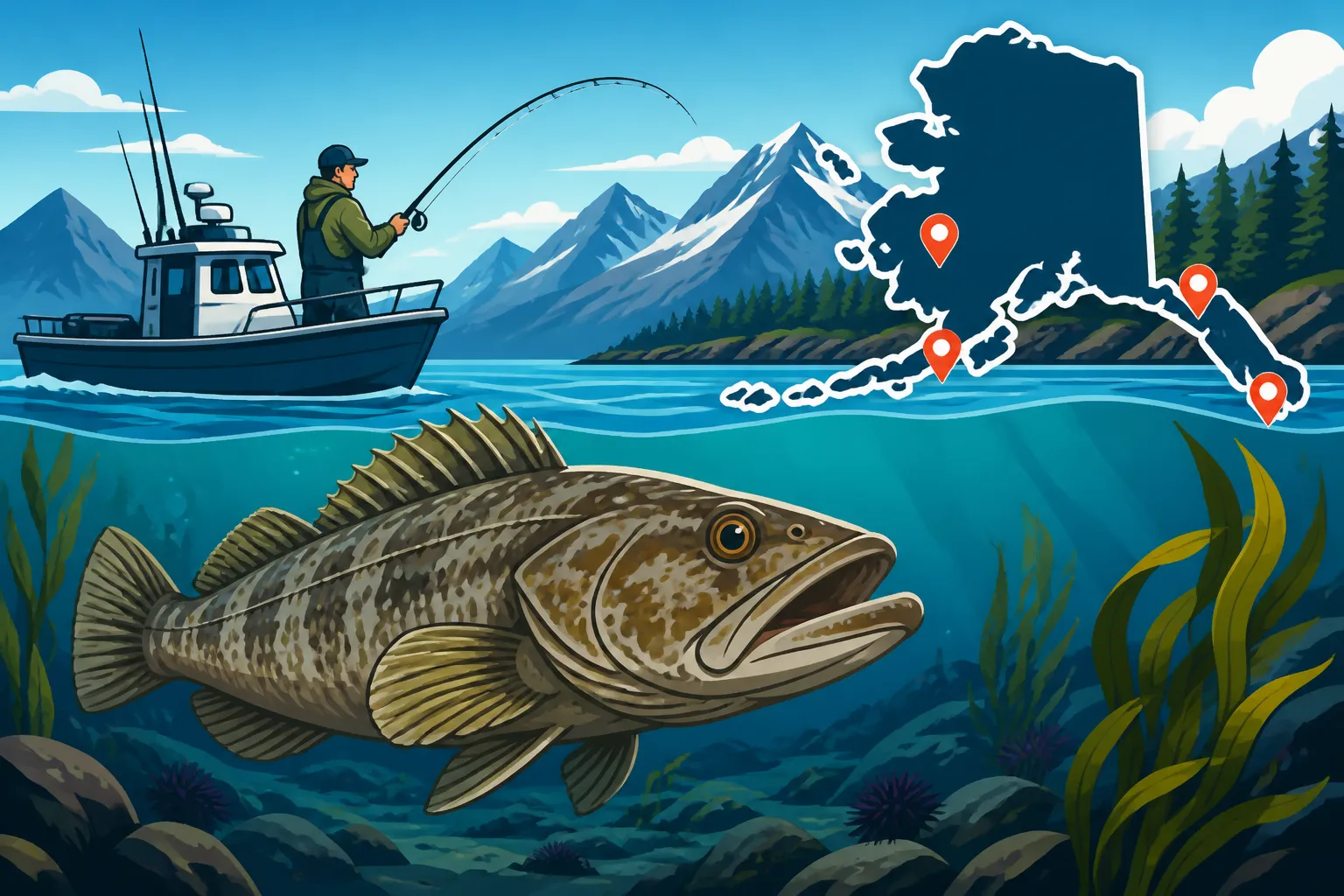
Lingcod are absolutely obsessed with structure. Think of them as the underwater equivalent of a grumpy old man who likes to hide in his favorite armchair, waiting for dinner to walk by. They thrive in rocky, current-swept areas where they can ambush prey. This means you're looking for submerged reefs, pinnacles, ledges, and steep drop-offs. Kelp beds, especially those growing on rocky bottoms, are also prime real estate for these fish, providing both cover and an abundance of smaller fish they love to munch on.
Typically, you'll find them in depths ranging from 50 to 300 feet, though they can certainly be shallower or deeper depending on the specific location, time of year, and availability of food. The key takeaway here is rocky, complex bottom structure with good current flow. Without that, you're likely just wasting your time. You might encounter them accidentally over sandy or muddy bottoms, but those are generally not their preferred hunting grounds.
What Lingcod Eat
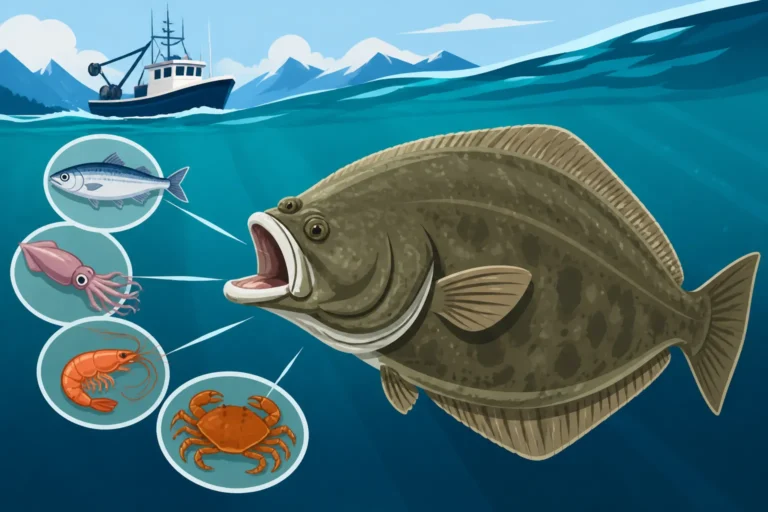
To further understand their whereabouts, let's consider their diet. Lingcod are opportunistic feeders and true apex predators in their local habitats. They'll eat just about anything that swims by, from various types of rockfish to smaller salmon, herring, cod, and even other lingcod if the opportunity arises. This means that where you find an abundance of baitfish or other bottom-dwelling species, you're likely to find lingcod lurking nearby.
They are particularly fond of yelloweye rockfish, for example, and often share similar habitats. When you're fishing for other bottom fish, paying attention to signs of lingcod – such as a sudden strike on a jig or a fish that feels incredibly heavy – can clue you into a potential hotspot. Understanding "what lingcod eat" directly informs "where lingcod live."
Prime Lingcod Hotspots in Alaska
Now for the real meat of it! While lingcod can be found in many saltwater areas across Alaska, some regions are far more consistent producers than others. These areas offer the ideal combination of deep, rocky structure, strong currents, and a plentiful food supply.
Southeast Alaska's Rugged Coastlines
Southeast Alaska, with its intricate network of islands, deep fjords, and countless rocky outcroppings, is arguably the best region in the state for targeting lingcod. The sheer amount of prime habitat here is astounding, and the fishing pressure, while present, is often less intense than in some Southcentral areas for this particular species.
Sitka and Ketchikan Areas
The waters around Sitka are legendary for their lingcod fishing. The offshore reefs and pinnacles, often battered by ocean swells, create perfect ambush points. Anglers here regularly pull up large lingcod, especially during peak seasons. You'll find numerous charter operators in Sitka specializing in bottom fishing, and they know the exact coordinates of productive ledges and underwater mountains where lingcod thrive.
Similarly, the waters near Ketchikan offer fantastic opportunities. The Tongass National Forest's coastline is riddled with the kind of rocky, current-swept structure that lingcod can't resist. Many of the same tactics used for salmon and halibut can unexpectedly yield a big lingcod here, especially if you're fishing near the bottom with substantial gear. Exploring remote coves and passages in this region often leads to untouched honey holes. Just be sure to be mindful of all Alaska Fishing Regulations Explained for the specific area.
Juneau's Hidden Gems
While not as widely publicized for lingcod as Sitka or Ketchikan, the waters surrounding Juneau certainly hold their own. Anglers willing to venture out into Lynn Canal or Stephens Passage, particularly around rocky islands and submerged structures, can find excellent lingcod action. It often requires a bit more local knowledge or a good guide, but the rewards can be substantial. The deep, nutrient-rich waters and diverse underwater topography create a haven for baitfish, which in turn attracts large predators like lingcod.
Southcentral Alaska's Productive Waters
Moving north into Southcentral Alaska, the fishing grounds around the Kenai Peninsula and Kodiak Island also provide incredible lingcod opportunities. These areas are more accessible for many residents and visitors, making them popular choices.
Seward and Homer
Seward, known as the "Gateway to Kenai Fjords National Park," is a powerhouse for saltwater fishing, including lingcod. The waters of Resurrection Bay and the Gulf of Alaska just outside offer abundant rocky structure. Charters out of Seward often target halibut and various rockfish, and it's very common to hook into a large lingcod as a bonus. Many of the same reefs and pinnacles that hold big halibut will also be home to a hungry lingcod.
Homer, the "Halibut Fishing Capital of the World," also boasts excellent lingcod prospects, particularly in the outer reaches of Kachemak Bay and beyond into Cook Inlet. The deep channels and rugged submarine landscape provide exactly what lingcod are looking for. Anglers specifically targeting these fish will often venture to areas like the Barren Islands or offshore seamounts, where true giants can be found. Remember that specific Alaska Halibut Charter Regulations Explained might influence your trip, so always check before you go.
Kodiak Island's Untamed Wilderness
Kodiak Island, with its wild, rugged coastline, is another fantastic, though often more remote, destination for lingcod. The island's waters are less pressured than some of the mainland spots, offering a more pristine fishing experience. The sheer amount of structure, combined with abundant food sources, makes it a prime location for trophy-sized lingcod. Fly-out or multi-day charters from Kodiak City can take you to incredibly productive, rarely fished waters where giant lingcod patrol the depths.
Optimal Seasons and Conditions for Lingcod Fishing
While lingcod can be caught year-round in some areas, there are definitely prime windows that offer the best chances for success. Timing your trip correctly can make a significant difference.
Peak Season Considerations
Generally, the best time to target lingcod in Alaska is from late spring through early fall, roughly May through September. This aligns with the overall peak fishing season in Alaska when waters are more accessible, weather is generally milder, and baitfish are abundant.
- Spring (May-June): As water temperatures begin to rise, lingcod become more active and aggressive after a cooler winter. They're often found shallower during this time as they feed heavily.
- Summer (July-August): This is often considered the peak. Lingcod are very active, feeding voraciously. This period often coincides with plentiful baitfish schools, driving lingcod into a feeding frenzy. You might catch them at various depths.
- Fall (September-October): Fishing can remain excellent into early fall, especially for larger fish bulking up for winter. As winter approaches, they might move a bit deeper, but remain catchable.
Always remember that Alaska Fishing Emergency Orders Explained can change regulations in-season, so checking the Alaska Department of Fish and Game (ADF&G) website is crucial before any trip.
Ideal Weather and Tides
Lingcod, being bottom dwellers, are less affected by surface conditions than, say, salmon. However, calmer seas are always preferable for angler comfort and safety, especially when navigating to offshore pinnacles. Strong currents are beneficial as they bring food to the lingcod, but excessively strong currents can make it challenging to keep your gear on the bottom.
Many experienced lingcod anglers prefer fishing the slack tides or just before and after for easier jigging and bait presentation, as the current lessens momentarily. However, lingcod are often very active during moving tides, so it's a balance. What's most important is finding a window where you can effectively present your lure or bait near their rocky lairs.
Essential Gear and Techniques for Lingcod
Knowing where to find them is only half the battle; you also need the right tools and strategies. Lingcod are strong, toothy fighters, so coming prepared is paramount.
Rods, Reels, and Line
You'll need heavy-duty gear to stand a chance against a big lingcod, especially when fishing deep and battling strong currents.
- Rods: A stout, fast-action boat rod in the 7 to 8-foot range, rated for 50-100 lb test, is ideal. You need a rod with enough backbone to lift heavy weights and strong fish from the depths, but with a sensitive tip to detect subtle bites. Brands like Shimano, Ugly Stik, or Penn offer excellent options readily available on Amazon.
- Reels: A robust conventional reel with a strong drag system and high line capacity is a must. Look for reels designed for deepwater bottom fishing, such as a Penn Senator or a Fin-Nor Lethal. You'll want something that can handle sustained battles and heavy loads.
- Line: Braided line is highly recommended for lingcod fishing. Its zero-stretch quality provides superior sensitivity for feeling bites in deep water and much more power for setting the hook and fighting fish. A 65-80 lb braided mainline is a good starting point, often with a 50-80 lb monofilament or fluorocarbon leader of about 3-6 feet.
Lures and Bait
Lingcod are aggressive, and they'll strike a variety of presentations.
- Jigs: Heavy jigs, ranging from 8 to 20 ounces or more depending on depth and current, are incredibly effective. Metal jigs, sometimes referred to as "butterfly" or "knife" jigs, in silver, green, blue, or glow patterns, are popular. Jigging involves dropping the lure to the bottom and then working it up and down with sharp rod movements to imitate a wounded baitfish. You can often find a wide selection of quality jigs on Amazon from brands like Shimano or Luhr-Jensen. Learning How to Jig for Halibut in Alaska can translate well to lingcod.
- Soft Plastics: Large swimbaits or grub-tail plastics (6-12 inches) rigged on heavy jig heads (2-8 ounces) can also be deadly. Chartreuse, white, and dark patterns often produce well. The natural movement of these plastics can be irresistible to a lurking lingcod.
- Live Bait/Cut Bait: If legal and available, live bait like herring, smaller rockfish (check regulations!), or even large squid can be incredibly effective, especially for trophy lingcod. When using cut bait, large strips of salmon, herring, or squid fished on a heavy mooching or dropper rig are good choices. This is a common technique when you're bottom fishing for other species, leading to those exciting "surprise" lingcod hookups.
Fishing Techniques
Bottom fishing is the name of the game for lingcod.
- Jigging: As mentioned, vertical jigging directly over structure is a prime method. Drop your jig to the bottom, reel up a few cranks to avoid snags, and then work it aggressively.
- Drift Fishing: This involves allowing your boat to drift over productive structure, dragging or bouncing your bait/lure along the bottom. This allows you to cover more ground and present your offering to a wider range of fish. When drift fishing, paying close attention to your depth sounder is crucial to stay over the structure. This is often employed when Bottom Fishing in Alaska How-To Guide.
- Anchoring: If you find a particularly hot spot, anchoring upcurrent and casting or dropping down to the structure can be very effective, allowing you to thoroughly work a specific area. This is often done from a charter boat.
Lingcod have incredibly sharp teeth and often swallow lures deeply, so a good set of long-nose pliers or a dehooking tool is absolutely essential for safe release or handling. Remember, some areas have strict slot limits or harvest restrictions for lingcod to ensure sustainable populations, so knowing the Alaska Lingcod Season and Size Limits for your specific fishing location is vital.
Important Considerations for Alaskan Lingcod Fishing
Beyond the where and how, there are a few other critical aspects to keep in mind for a successful and responsible lingcod fishing adventure.
Regulations and Conservation
Alaska takes its fisheries seriously, and lingcod are no exception. Regulations can vary significantly by region and even change in-season via emergency orders. Before you even think about dropping a line, always check the current ADF&G sport fishing regulations for the specific area you plan to fish. This includes bag limits, size limits (which often involve slot limits), and seasonal closures. For example, some areas might have a reverse slot limit, meaning you can only keep fish within a certain size range, while others might have a deepwater release device requirement for rockfish and lingcod to improve survival of released fish. You'll find more details in the complete Alaska Fishing Regulations Explained.
Conservation is paramount, especially for longer-lived species like lingcod. Practicing catch-and-release responsibly, using barbless hooks, and minimizing handling time for released fish all contribute to healthy populations for future generations.
Hiring a Charter or Guide
For many, especially those unfamiliar with Alaskan waters or looking to target trophy lingcod, hiring an experienced local charter or guide is the best route. These professionals have intimate knowledge of the best fishing spots, current regulations, and effective techniques. They also typically provide all the necessary heavy-duty gear, bait, and safety equipment, making your trip much more enjoyable and productive.
When looking for a charter, ask about their experience specifically targeting lingcod, as some might focus more on salmon or halibut. A good guide will be able to put you directly on the fish and help you navigate the often-complex regulations. Consider checking out specific guides in areas known for lingcod, such as a Homer Fishing Guide or Seward Fishing Guide.
Safety on the Water
Alaska's marine environment is stunning but can also be unforgiving. Weather conditions can change rapidly, and strong currents are common. Always prioritize safety. If you're on a private boat, ensure you have all required safety gear, file a float plan, and monitor marine weather forecasts religiously. When fishing on a charter, your captain will handle these aspects, allowing you to focus on the fishing. But even then, listen to their instructions and be aware of your surroundings. Wearing layers and good rain gear is always a smart move in Alaska; you can find excellent options on Amazon.
Lingcod Fishing Locations Overview
Here's a quick reference table for some of the best areas to target lingcod in Alaska:
| Region | Prime Locations | Key Characteristics | Typical Depths (Feet) | Best Season |
|---|---|---|---|---|
| Southeast AK | Sitka, Ketchikan, Juneau | Numerous islands, offshore pinnacles, deep fjords, strong currents | 50-300 | May-Sept |
| Southcentral AK | Seward (Resurrection Bay), Homer (Kachemak Bay/offshore), Kodiak Island | Rocky reefs, submerged seamounts, deep channels, diverse bottom | 60-400 | May-Sept |
Lingcod fishing in Alaska offers an incredible challenge and the reward of catching a truly unique and powerful fish. By understanding their habitat preferences, focusing on the most productive regions, and using the right techniques, you'll be well on your way to a memorable Alaskan lingcod adventure.
Disclaimer
Fishing in Alaska involves inherent risks. Always consult the most current Alaska Department of Fish and Game regulations before your trip. This guide is for informational purposes only and does not constitute professional advice.