How Big Do Alaska Silver Salmon Get
One of the most common questions I get from folks dreaming of an Alaska fishing trip, or even seasoned local anglers, is about the size of the fish they can expect to catch. It's a natural curiosity, especially when you're talking about a species as exciting and acrobatic as the silver salmon. There's nothing quite like the thrill of feeling a hefty coho (another name for silver salmon) tugging on your line, but sometimes the sheer variety of information out there can be confusing. This guide is here to cut through the noise, giving you a realistic picture of just how big these beautiful fish truly get in the Last Frontier.
The Average Size of an Alaska Silver Salmon
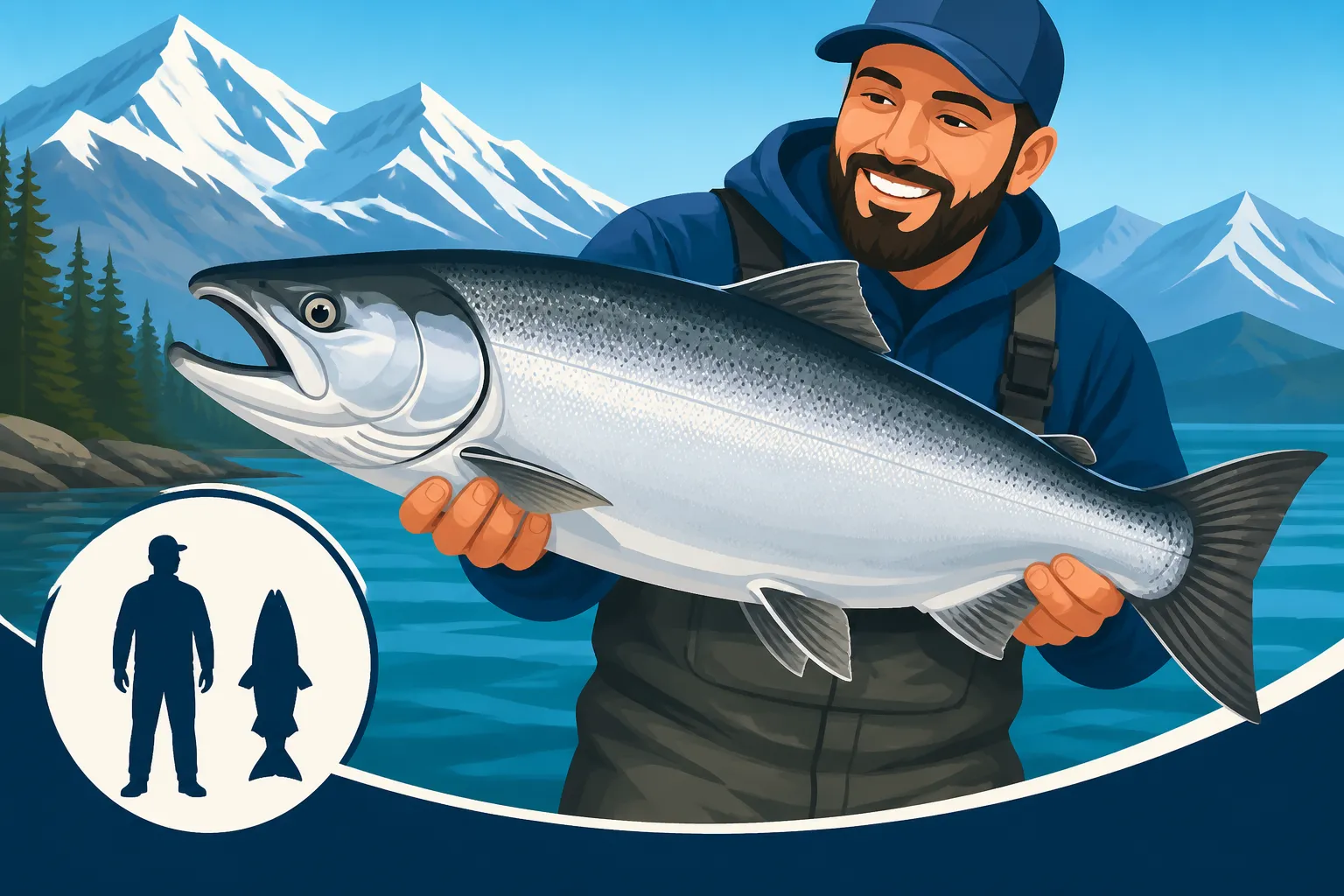
When we talk about the average size of an Alaska silver salmon, we're typically looking at a weight range of 8 to 12 pounds. These are healthy, robust fish that put up an incredible fight and are a joy to catch. They often measure between 24 and 30 inches in length, a respectable size that makes them a prime target for both recreational anglers and those looking to fill their freezer. It's important to remember that these are averages, and like any wild animal, there's a good deal of variability. You'll encounter smaller "grilse" which are essentially juvenile salmon, as well as the occasional monster that blows the averages out of the water.
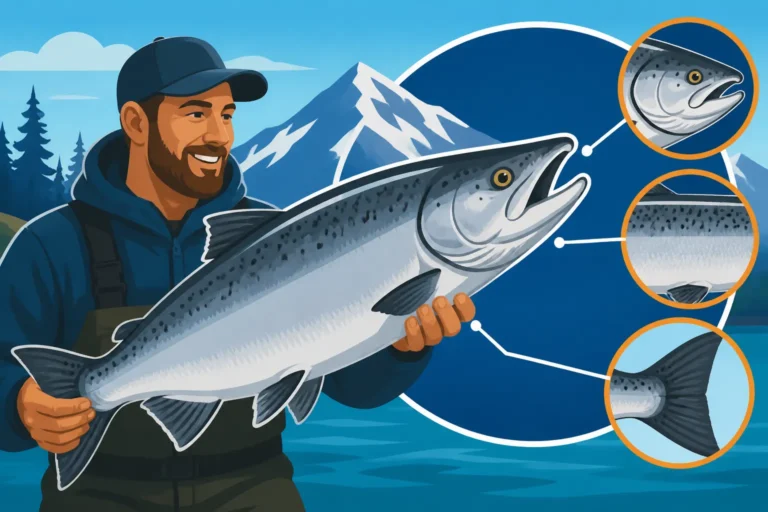
Imagine you're casting into a clear, rushing river like the Kenai or a tidal estuary in Prince William Sound. Most of the silvers you'll hook will fall squarely within this average range. They're often thick-bodied, with that distinctive chrome-bright sheen when they first enter freshwater, fading to a darker, more reddish hue as they get closer to spawning. Their fighting spirit, characterized by spectacular aerial leaps and powerful runs, often makes them feel much larger than their actual weight. This is why many anglers consider them one of the most exciting salmon species to target.
Factors Influencing Silver Salmon Size
The size a silver salmon ultimately reaches is a complex interplay of several factors, starting from the moment they hatch as tiny alevins. It's not just about luck; it's a testament to their journey and the conditions they've faced throughout their life cycle. Understanding these elements can give you a better appreciation for each fish you encounter.
One of the primary drivers is ocean conditions and food availability. Silver salmon spend 1 to 2 years in the rich feeding grounds of the North Pacific Ocean before returning to spawn. During this critical marine phase, they bulk up on smaller fish like herring and sand lance, as well as krill and other crustaceans. Years with abundant prey and favorable ocean temperatures mean more food, which translates directly into larger, healthier salmon. Conversely, lean years or shifts in ocean currents that push food sources away can result in smaller average sizes across the board. You can often track these trends by looking at the forecasts for the salmon runs, which are keenly watched by guides and sport fishermen alike.
Genetics also plays a significant role. Just like in any species, some salmon are predisposed to grow larger due to their genetic makeup. While this isn't something anglers can control, it's a fascinating aspect of wild fish populations. Different river systems might have slightly different genetic strains of coho, leading to subtle variations in average size over generations. Lastly, the river system itself can influence how well the juvenile salmon grow before heading to sea, affecting their initial survival rates and overall robustness when they eventually return. A river with ample rearing habitat and good water quality provides a strong foundation for their oceanic journey.
Regional Variations in Size
Alaska is a massive state, and it’s no surprise that the size of silver salmon can vary quite a bit depending on where you're fishing. It's not a one-size-fits-all situation, and what might be considered a trophy in one region could be just a good average in another. These regional differences are influenced by everything from local ocean conditions to the length of their migratory journey.
For instance, in Southcentral Alaska, particularly around the famous Kenai Peninsula rivers like the Kenai River and Kasilof River, silvers typically hit that 8-12 pound average, with some pushing into the mid-teens. However, if you head further south to Southeast Alaska, areas around Sitka or Ketchikan are renowned for producing exceptionally large coho. Here, it's not uncommon to hear tales of fish weighing 15 pounds or more, sometimes even pushing the 20-pound mark. These fish often benefit from different ocean feeding patterns and currents, allowing them to pack on more mass. You can explore more about regional fishing nuances in guides like Alaska Fishing Regulations by Region.
The timing of the run can also impact the perceived average size within a region. Early run silvers, particularly in August, tend to be chrome-bright, fresh from the ocean, and often at their peak weight. As the season progresses into September and October, the fish have been in freshwater longer, expending energy, and while still feisty, their condition might not be quite as prime. Knowing when to target these fish is key, and our guide on Alaska Silver Salmon Run Timing provides excellent insights. Different rivers also have different densities of fish, which can influence how competitive they are for food during their freshwater stage.
Understanding Trophy Silver Salmon and Record Holders
While landing an average 10-pound silver is a fantastic experience, there's always that dream of hooking a true "trophy" fish. For many anglers, the pursuit of a genuinely large silver salmon is what keeps them coming back to Alaska year after year. These behemoths are rare, but they do exist, and knowing what defines a trophy can add an extra layer of excitement to your fishing adventures. It’s also interesting to look at the official records to truly grasp the upper limits of how big these incredible fish can get.
Defining a Trophy Silver Salmon
What constitutes a "trophy" silver salmon can be a bit subjective, but generally, when an angler lands a coho weighing 15 pounds or more, it starts to enter that special category. Fish pushing 18-20 pounds are considered exceptional, and anything above that is truly the catch of a lifetime for most sport fishermen. These are the fish that dominate the fish boxes on charters and become the subject of legendary fishing stories.
To give you a better idea, here's a general breakdown of how silver salmon sizes are often perceived:
| Size Category | Approximate Weight Range | Approximate Length Range | Common Perception |
|---|---|---|---|
| Small/Grilse | Under 7 lbs | Under 22 inches | Young, still fun to catch, often early season. |
| Average | 8 – 12 lbs | 24 – 30 inches | Most common catch, excellent fight. |
| Large | 13 – 17 lbs | 30 – 34 inches | A "wall-hanger" for many, great bragging rights. |
| Trophy | 18 lbs + | 35 inches + | Rare, exceptional catch, truly memorable. |
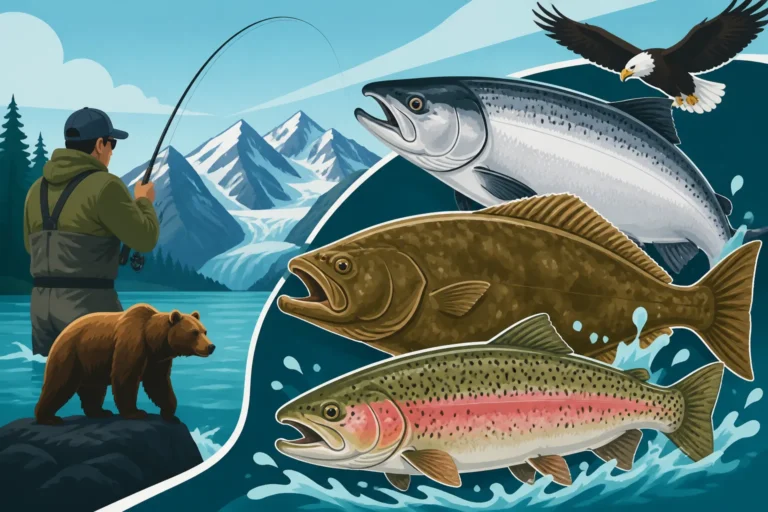
These trophy-sized fish often come from specific areas known for their rich feeding grounds or longer ocean residency periods. For example, parts of Southeast Alaska and certain offshore areas in the Gulf of Alaska consistently produce larger specimens. Anglers often target these larger fish with slightly heavier tackle and strategic methods, making every hook-up an intense battle. Many find these bigger silvers when fishing for Alaska Halibut: Complete Guide, as they often co-exist in similar waters.
The All-Tackle World Record for Coho Salmon
For those who chase records, the ultimate benchmark is the all-tackle world record. The largest coho salmon ever recorded by the International Game Fish Association (IGFA) weighed an astonishing 33 pounds, 4 ounces (15.08 kg). This colossal fish was caught in the Salmon River in Pulaski, New York, way back in 1989 by angler Jerry Pavletich. While this record isn't from Alaska, it sets the bar for what is truly possible for the species, showing the incredible growth potential under optimal conditions.
In Alaska, while we don't hold the world record, numerous impressive coho have been landed. The state record for a silver salmon is still incredibly significant, and many anglers aspire to catch an Alaska state record fish. The largest coho officially documented in Alaska was a 26-pound beauty caught by Andrew G. Jensen near Icy Strait in 1976. This goes to show that while 30-pounders are rare, Alaska regularly produces fish well into the 20-pound range, solidifying its reputation as a prime destination for trophy silver salmon. When you're dreaming of fishing trips, places like Kodiak Island or Prince William Sound are often mentioned when people discuss big silvers, as these areas offer vast stretches of productive ocean habitat.
Practical Implications for Anglers: What to Expect and How to Maximize Your Chances
Knowing how big silver salmon get isn't just about satisfying curiosity; it has real, practical implications for your fishing trip. It influences the gear you bring, the techniques you employ, and even your expectations for the day. Being prepared for a potential trophy fish, while still enjoying the average ones, is the mark of a savvy angler.
When planning your trip, consider the time of year and location. Early to mid-August generally sees the first major pushes of silver salmon into many river systems, and these fish are often at their most aggressive and brightest. As the season progresses into September and even October, different rivers might have varying run strengths, and knowing When Do Silver Salmon Run in Alaska is crucial intel. Whether you're drift fishing from a boat or bank fishing, adapting your approach can make all the difference in connecting with these powerful fish.
Gear Considerations for Silver Salmon
The gear you choose for silver salmon fishing needs to be robust enough to handle their strong runs and aerial acrobatics. While they might not reach the sheer size of a king salmon, their explosive fights can quickly test inadequate tackle. You want equipment that provides a good balance of power and sensitivity.
For rods, a medium-heavy action rod, typically 8 to 9.5 feet in length, is a popular choice for river fishing. This provides enough backbone to cast heavier lures or drift rigs, while still having enough flex to absorb the shock of a jumping silver. Brands like Lamiglas or G. Loomis offer excellent options that are widely used by serious Alaska anglers. If you're saltwater trolling, a slightly shorter, stouter rod might be more appropriate. For reels, a high-quality spinning reel or a baitcasting reel with a smooth drag system is essential. You'll want a reel that can hold at least 150-200 yards of 20-30 pound braided line, perhaps with a monofilament or fluorocarbon leader. When looking for gear, I often recommend checking out options on Amazon for a good selection and competitive prices, especially for things like quality braided line or leader material.
When it comes to line, many anglers opt for a main line of 20-30 lb braided line, known for its strength and sensitivity, paired with a leader of 15-25 lb monofilament or fluorocarbon. This setup offers a good compromise between strength for big fish and stealth in clear water. As for lures and bait, silver salmon are aggressive predators. Spinners (such as Blue Fox Vibrax or Mepps Aglias), spoons (like Pixees or Dick Nites), and plugs (Kwikfish or Mag Lips) are all incredibly effective. Cured salmon eggs or chunks of herring are also dynamite, particularly in rivers where bait is allowed. Our comprehensive guide on Best Lures and Bait for Alaska Coho Salmon can give you even more specific recommendations. Don't forget a sturdy landing net with a deep basket, as these fish often make last-minute surges right at the boat or bank.
Strategies for Targeting Larger Silvers
Catching larger silver salmon often comes down to a combination of being in the right place at the right time and employing the right tactics. While there's no magic bullet, certain strategies can significantly increase your odds of hooking into one of those brag-worthy fish.
One key strategy is to target the peak of the run in renowned areas. Rivers like the Kenai, Kasilof, or even the small streams of the Mat-Su Valley during their silver salmon runs can be incredibly productive. Focus on the early to mid-season when the fish are fresh from the ocean and haven't had a chance to deplete their energy reserves. Our article on the Best Rivers for Silver Salmon in Alaska can point you in the right direction. Another tip is to look for areas with deeper pools or slower currents near faster-moving water, as larger fish often prefer these spots to rest before making their final push upstream.
Presentation is paramount. Whether you're casting spinners, drifting eggs, or back-trolling plugs, making sure your offering is presented naturally and effectively is key. Larger silvers can be a bit more wary than their smaller counterparts, so attention to detail in your leader choice, knot tying, and lure action can make a difference. If you're on a guided trip, pay close attention to what your guide recommends, as they have local knowledge of specific holes and effective techniques like "flossing" or "bobber dogging" depending on regulations and river conditions. Remember, you can always learn more about How to Catch Silver Salmon in Alaska through dedicated resources. Sometimes, simply using a slightly larger lure or bait presentation can entice a bigger fish, as they are often more opportunistic feeders.
Beyond Size: The Sporting Qualities of Silver Salmon
While the quest for a big fish is always exciting, the truth is that silver salmon are incredible sportfish regardless of their exact measurements. Their reputation stems not just from their table quality, but from the sheer thrill they provide on the end of a line. If you've never battled a coho, you're in for a treat that few other fish can match.
The journey of an Alaska silver salmon, from tiny egg to powerful adult, is a testament to resilience. They navigate vast ocean expanses, evade countless predators, and return with an instinctual drive to their natal waters. When you hook one, you're connecting with a creature of incredible athletic prowess. This is why, even if you don't land a 20-pounder, every silver salmon catch in Alaska is a memorable one.
The Fight of a Silver Salmon
The fight of an Alaska silver salmon is legendary. Unlike the powerful, stubborn pull of a king salmon, or the determined dash of a sockeye, silvers are known for their acrobatic, high-energy battles. When you hook a coho, be prepared for a show!
They typically start with explosive runs, tearing line off your reel at an alarming rate. Then, almost without warning, they'll launch themselves out of the water, shaking their head violently in an attempt to dislodge the hook. These aerial displays are breathtaking and can happen multiple times during a single fight. It's not uncommon for a silver to jump several feet into the air, sometimes seemingly dancing on its tail. This behavior makes them incredibly challenging and rewarding to land. Anglers often need quick reflexes to bow to the fish when it jumps, reducing tension on the line and preventing it from breaking off. Successfully landing a silver after a series of jumps and runs provides a sense of accomplishment that’s hard to beat. This exhilarating experience is a core part of what makes Alaska Fishing Seasons: Month-by-Month Guide so compelling for many.
Culinary Appeal
Beyond their thrilling fight, silver salmon are also highly prized for their culinary qualities. Many consider them among the best-eating salmon species, offering a delightful balance of flavor and texture that makes them versatile in the kitchen.
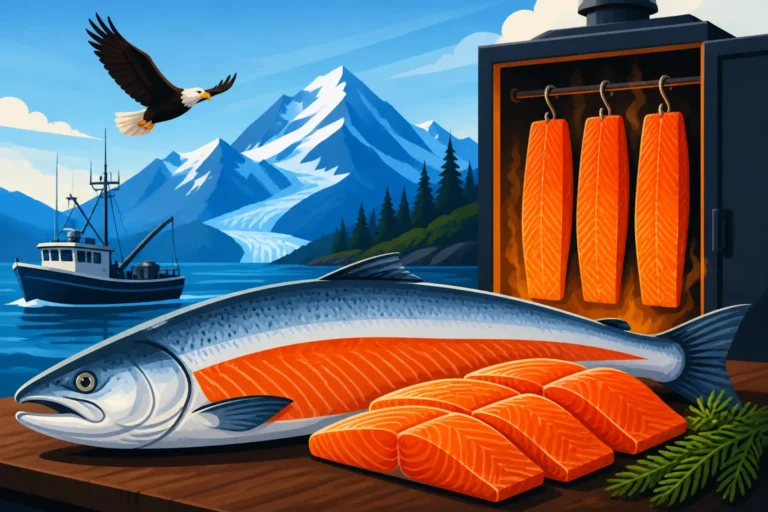
Their flesh is typically bright orange-red, firm, and has a rich, yet not overly oily, flavor. This makes them perfect for a wide variety of cooking methods. You can grill them, bake them, pan-sear them, or even smoke them. The fat content is moderate, which keeps the fish moist and flavorful without being excessively rich. Imagine a fresh silver fillet, seasoned simply and grilled over an open flame – it’s a taste of Alaska that’s hard to beat. For those who love to preserve their catch, silvers also freeze exceptionally well, maintaining their quality for months. Learning How to Fillet a Salmon in Alaska will be a critical skill to ensure you make the most of your delicious catch. Many anglers who fill their freezers with salmon from a successful trip find great value in durable vacuum sealers, which can be easily found on Amazon to keep those fillets fresh for longer. Their versatility and flavor profile ensure that even an "average" sized silver salmon provides an exceptional meal.
Disclaimer
Please remember that fishing regulations, including bag limits, seasons, and legal gear, can change frequently in Alaska due to emergency orders and conservation efforts. Always consult the most current Alaska Department of Fish and Game (ADF&G) regulations before heading out on any fishing trip. This guide provides general information and should not be considered a substitute for official regulations.