Where to Catch Steelhead in Alaska
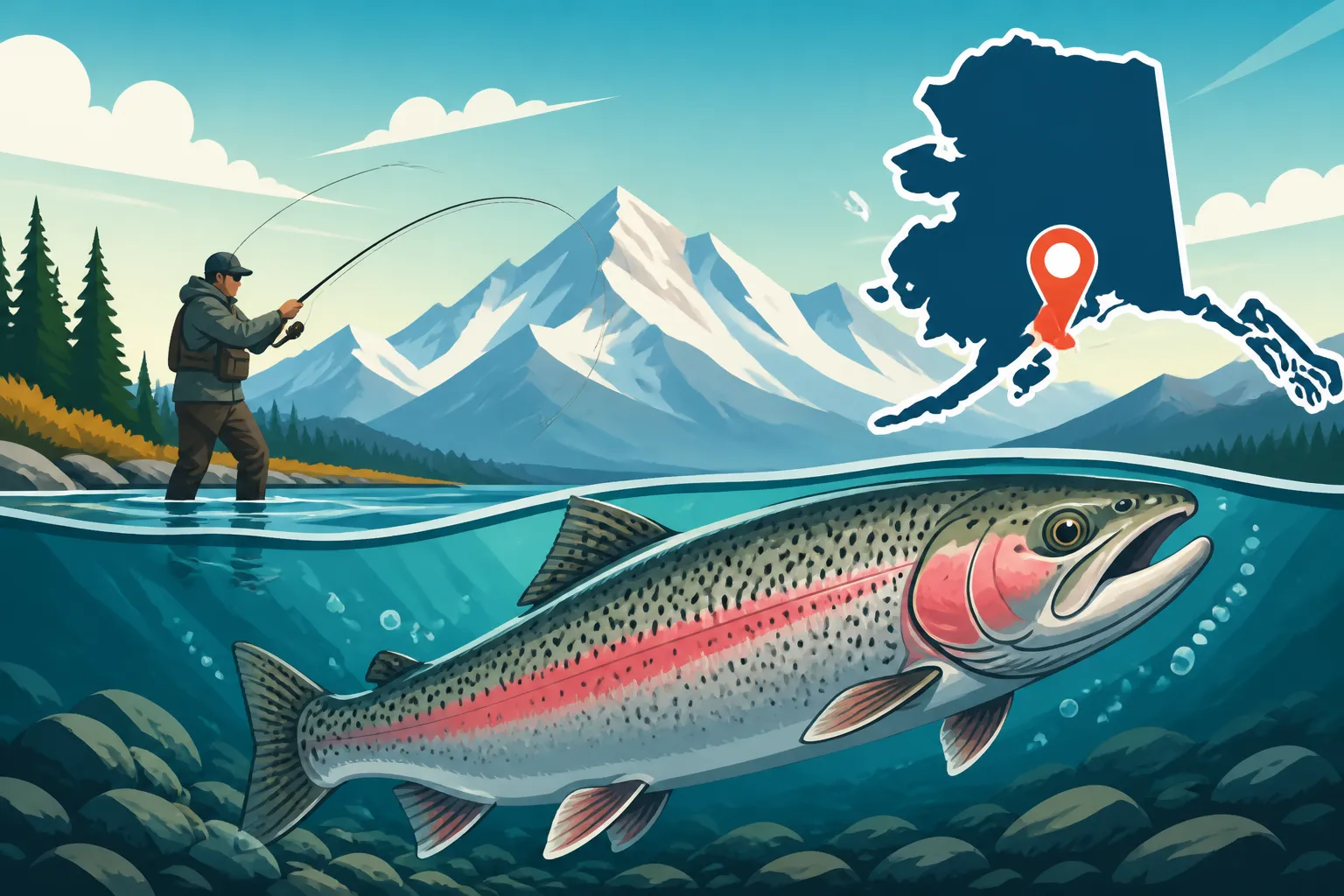
Finding that elusive steelhead in Alaska is often touted as the pinnacle of freshwater angling, but let's be real, it's not like finding sockeye salmon in the Kenai River. These chrome beauties are notoriously migratory, can be incredibly sparse, and knowing where to even begin your search can feel like trying to find a needle in a vast, wild haystack. This guide is here to cut through the mystery, offering you practical, realistic insights into the best regions and specific rivers where you stand a real chance of hooking into one of Alaska's most revered game fish.
The Elusive Nature of Alaska Steelhead
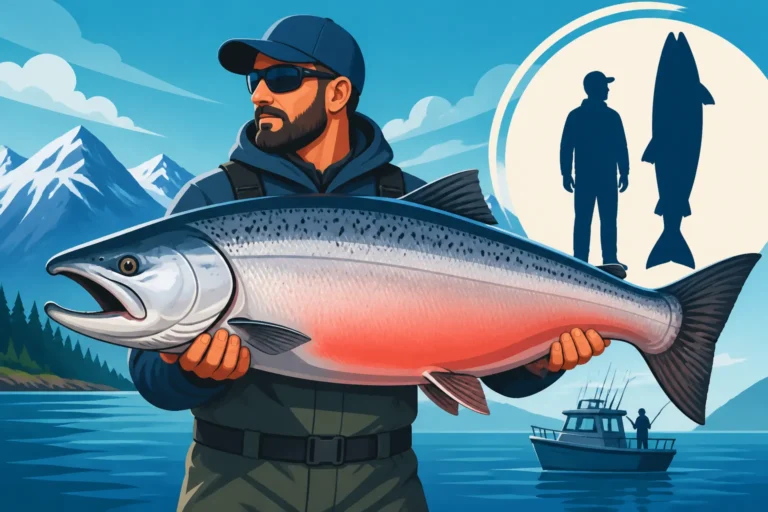
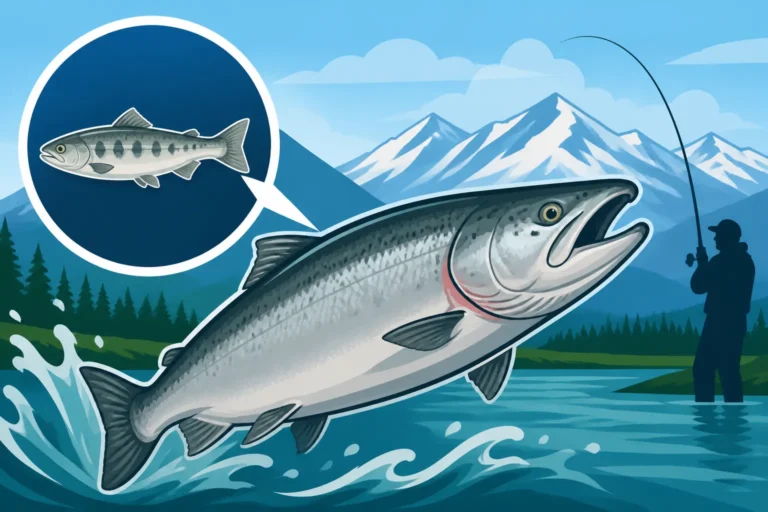
Before we dive into specific locations, it's important to understand why steelhead are so challenging to locate and why they’re held in such high regard by anglers. These magnificent fish are essentially sea-run rainbow trout, meaning they begin their lives in freshwater rivers, migrate to the ocean to grow large, and then return to those same rivers to spawn. This anadromous lifecycle makes them incredibly powerful and spirited fighters, but also means their presence in any given river is highly seasonal and dependent on specific environmental cues. Unlike salmon, which die after spawning, steelhead can return to the ocean and spawn multiple times, making them truly special. If you want to dive deeper into their characteristics, check out our guide on Alaska Steelhead: Facts and Fishing Tips.
Alaska's vastness means that not every river system hosts a steelhead run. Many streams are too cold, lack sufficient food sources in the ocean, or simply don't have the right habitat for their unique lifecycle. This is why targeting steelhead isn't a "show up and fish" scenario; it requires careful planning, often involves remote travel, and demands a deep respect for their conservation. Their numbers are far less abundant than most salmon species, and their migratory patterns are often more unpredictable. The thrill of a steelhead hunt is as much about the journey and the pristine wilderness as it is about the fish itself.
Prime Regions and River Systems for Steelhead
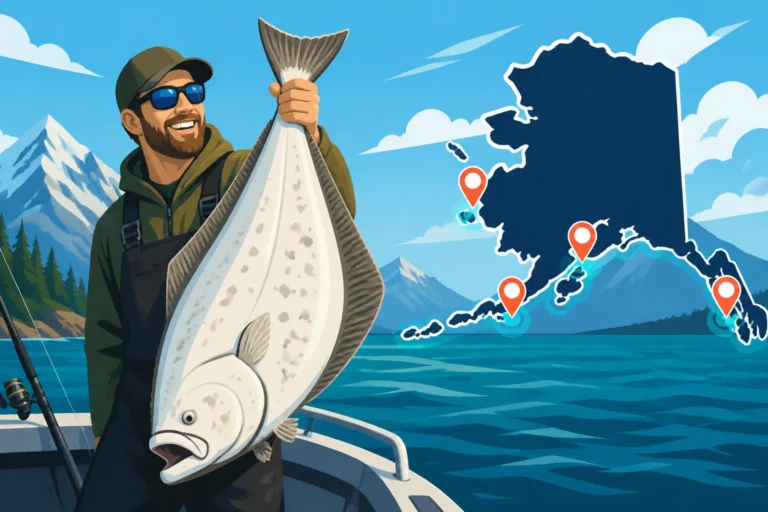
When you talk about steelhead in Alaska, you're primarily talking about specific regions, not just random rivers scattered across the state. The most consistent and renowned steelhead fisheries are found in areas that offer the ideal conditions: temperate coastal climates, abundant rainfall, and complex river systems with excellent spawning and rearing habitat.
Southeast Alaska's Steelhead Strongholds
Without a doubt, Southeast Alaska is the epicenter of steelhead fishing in the state. This panhandle region, characterized by its labyrinthine network of islands, fjords, and lush rainforests, provides the perfect environment. The relatively warmer, rain-fed streams flow into productive marine waters, creating ideal conditions for steelhead.
- Prince of Wales Island: This island is legendary among steelhead aficionados. With numerous small-to-medium sized rivers like the Thorne River, Harris River, and Staney Creek, Prince of Wales offers consistent opportunities. These rivers are often accessed by floatplane or even ferry, followed by logging roads. The sheer number of smaller systems means that pressure can be spread out, and you might find entire stretches of river to yourself. The Thorne River, in particular, is known for its strong runs and beautiful scenery. Anglers often spend days exploring different braids and pools.
- Sitka Area: While Sitka is famous for its saltwater salmon and halibut, the nearby freshwater systems also host decent steelhead runs. Rivers on Baranof Island and adjacent areas can be productive, often requiring boat access across marine waters before transitioning to river fishing. These systems tend to be shorter but can see intense pushes of fish, especially during peak migration. Local guides in Sitka often have intimate knowledge of these lesser-known, yet highly rewarding, streams.
- Ketchikan and Juneau Vicinity: Similar to Sitka, the areas around Ketchikan and Juneau also offer steelhead opportunities in their numerous rain-fed streams. While perhaps not as concentrated as Prince of Wales, dedicated anglers can find success by exploring rivers like the Whitman Lake System near Ketchikan or some of the smaller drainages around Juneau. These spots often require hiking through dense forest, adding to the adventure.
Kodiak Island's Hidden Gems
Kodiak Island is more famous for its colossal brown bears and prolific salmon runs, but it also holds some truly special steelhead fisheries. The streams here are often wilder, more remote, and can offer a more rugged angling experience.
- Ayakulik River: This significant river system on Kodiak is well-known for its impressive runs of all five Pacific salmon species, but it also hosts a strong population of steelhead. Access is typically via floatplane to remote lodges or camps. Fishing here can be physically demanding, involving a lot of walking and wading, but the reward of hooking a chrome bright Kodiak steelhead, often in the shadow of a towering brown bear, is unparalleled.
- Karluk River: Another iconic Kodiak river, the Karluk is primarily famous for its sockeye salmon. However, it also boasts a robust steelhead run, particularly in its upper stretches. Like the Ayakulik, this is a remote destination, usually accessed through fly-out services. The steelhead here are known for their size and aggressive takes, making for an unforgettable experience.
It's important to remember that these Kodiak systems are true wilderness areas. Anglers need to be self-sufficient, prepared for rapidly changing weather, and acutely aware of wildlife. Always carry bear spray and know how to use it.
Other Potential, Though Less Consistent, Areas
While Southeast and Kodiak are your best bets, some other areas might occasionally see steelhead, though usually in smaller numbers or less predictable runs.
- Kenai Peninsula: While the Kenai Peninsula is renowned for its incredible rainbow trout fishing, these are typically resident fish that complete their entire lifecycle in freshwater. True sea-run steelhead are rare here, though some smaller streams draining into Cook Inlet or Prince William Sound might see an occasional anadromous rainbow. However, these are generally not targeted steelhead fisheries. You're more likely to find trophy Alaska Rainbow Trout Regulations here than actual steelhead.
- Bristol Bay Region: This region is world-famous for its incredible sockeye salmon runs and massive rainbow trout. While some of these "rainbows" might briefly migrate to brackish water, they aren't typically considered true steelhead in the same vein as those found further south. Anglers here focus on the resident trout.
Timing Your Steelhead Quest
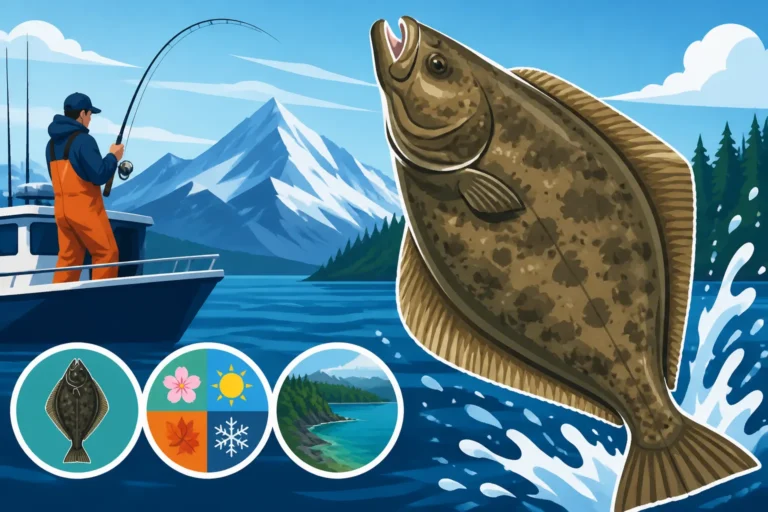
Knowing where to go is only half the battle; knowing when to go is equally crucial for steelhead. Alaska's steelhead exhibit distinct spring and fall runs, and timing your trip to coincide with these migrations is paramount. The exact timing can vary year-to-year based on snowmelt, rainfall, and water temperatures, so flexibility is key. For a broader overview of seasonal changes, check out Alaska Fishing Seasons: Month-by-Month Guide.
Spring Steelhead Runs
The spring run is often considered the most eagerly anticipated by steelhead anglers. These fish are typically "winter-overs" or "drop-backs" from the previous fall, or fresh fish entering the rivers to spawn.
- Timing: Generally, spring steelhead runs occur from late March through May. The peak is often in April, but it’s heavily dependent on local conditions. Warmer temperatures and increased snowmelt can trigger earlier runs. In Southeast Alaska, rivers usually become fishable once water levels stabilize after the initial spring freshet.
- Characteristics: Spring steelhead are often chrome-bright and incredibly powerful, having spent the winter in the ocean. They are actively seeking spawning grounds and can be very aggressive. Post-spawn "kelts" (fish that have already spawned) can also be present, often leaner but still willing to bite as they drop back to the ocean. These kelts should be handled with extreme care and released quickly to ensure they can recover and potentially return to spawn again.
- Challenges: Spring fishing can be challenging due to unpredictable weather, fluctuating water levels from snowmelt and rain, and cold temperatures. Anglers need to be prepared for everything from sunshine to sleet in a single day. Water temperatures will be on the colder side, which can make fish less active at certain times.
Fall Steelhead Runs
The fall steelhead run sees fish entering rivers, often holding in deeper pools, preparing to overwinter before spawning the following spring.
- Timing: Fall runs typically begin in September and can extend through October, sometimes even into early November in milder years. The prime window is often mid-September through mid-October, before the really cold weather and heavy snows set in.
- Characteristics: Fall steelhead are often incredibly beautiful, displaying vibrant colors as they transition from ocean-bright to their spawning attire. They are typically well-fed and strong. While not actively spawning, they are staging and can be found in a variety of water types, from holding pools to slower runs.
- Challenges: Fall weather in Alaska can be glorious but also notoriously wet and windy. Rivers can blow out quickly with heavy rains, making them unfishable for days. Shorter daylight hours also mean less fishing time compared to the endless summer days. Anglers should prioritize waterproof gear and layered clothing.
Here’s a simplified table outlining prime regions and their typical steelhead run timings:
| Region | Primary Steelhead Rivers | Peak Spring Run (Approx.) | Peak Fall Run (Approx.) | Notes |
|---|---|---|---|---|
| Southeast Alaska | Thorne, Harris, Staney (POW Is.) | April – Early May | Mid-Sept – Mid-Oct | Most consistent, multiple systems, often remote. |
| Southeast Alaska | Streams near Sitka/Ketchikan | Late March – April | Early Sept – Early Oct | Smaller, rain-fed systems, boat access common. |
| Kodiak Island | Ayakulik, Karluk | April – May | Late Sept – Oct | Wilderness experience, large fish, bear country. |
Gear, Techniques, and Ethical Angling for Steelhead
Once you’ve nailed down where and when to chase Alaska steelhead, it’s time to talk about how. Steelhead fishing is a specialized pursuit, and having the right gear and techniques can significantly increase your chances of success, all while prioritizing the fish's well-being. For a general overview of what tackle to bring, consult Alaska Fishing Gear and Tackle Guide.
Essential Gear for Steelhead Angling
Steelhead fishing often involves covering a lot of water and casting in varying conditions.
- Rods: A good quality fly rod between 7-9 weight, typically 10-11 feet long for Spey or Switch casting, or an 8-9 foot single-hand rod for traditional fly fishing. For spin anglers, a medium-heavy spinning rod, 8-10 feet, with a fast action is ideal for casting heavier lures and handling strong fish.
- Reels: A sturdy reel with a smooth, reliable drag system is non-negotiable. Steelhead make powerful runs, and you need a reel that can withstand the pressure. Ensure it has ample backing (150-200 yards of 20-30 lb test).
- Lines: For fly fishing, a variety of lines might be needed. Skagit or Scandi lines are popular for Spey casting, allowing you to cast heavy tips and flies. Integrated shooting heads are also excellent. Many anglers source their specialized fly lines from online retailers such as Amazon. For spin fishing, a strong braided line (20-30 lb test) with a fluorocarbon leader (10-15 lb test) is a common setup.
- Waders and Boots: You'll be spending a lot of time in the water. Breathable chest waders are essential, paired with sturdy wading boots that offer excellent grip on slippery rocks. A good pair of breathable waders, perhaps a brand you can find on Amazon, will be your best friend in Alaska's often-wet environment. Don't forget sturdy hiking boots – you can find excellent options on Amazon that offer both grip and ankle support for those slippery riverbanks you'll be navigating to access prime spots.
- Rain Gear: Alaska is wet. A high-quality, fully waterproof jacket and pants are absolutely critical. Checking reviews for waterproof jackets on Amazon before your trip is a wise move.
- Other Essentials: A reliable fishing vest or pack, forceps, line clippers, a net with a rubberized mesh (fish-friendly!), and bear spray if in bear country.
Recommended Techniques and Tactics
Steelhead are opportunistic feeders but can also be incredibly finicky. Successful techniques often involve presenting a fly or lure naturally and patiently.
- Fly Fishing:
- Swinging Flies: This is perhaps the most iconic and effective method for steelhead. Using Spey or Switch rods, anglers cast across and downriver, allowing the fly to swing through potential holding lies. Intruders, leeches, and various general attractor patterns are popular choices. Learning How to Swing Flies for Alaska Steelhead is a skill that takes practice but is incredibly rewarding.
- Nymphing/Indicator Fishing: While less romanticized than swinging, indicator nymphing can be deadly effective, especially for hesitant fish or when water levels are high. Stonefly nymphs, egg patterns, and various weighted attractors fished under an indicator can elicit strikes.
- Spin Fishing:
- Drifting Jigs and Bait: Pink worms, marabou jigs, or cured salmon roe (where legal) drifted under a float or free-drifting can be very productive. The key is a natural, drag-free drift that mimics food flowing downriver.
- Casting Spinners and Spoons: Small, brightly colored spinners or spoons can trigger aggressive strikes, particularly from fresh, active fish. Focus on casting to seams, current breaks, and the heads of pools.
Remember to always consult the current Alaska Fishing Regulations Explained before heading out, as rules for bait and tackle can vary by region and river. Many streams, especially those with sensitive steelhead populations, have strict Alaska Steelhead Catch-and-Release Rules and require barbless hooks. You can learn How to Read Alaska Fishing Regulations to ensure you're always compliant.
Conservation and Catch-and-Release
Steelhead populations, while resilient, are not limitless. Many of Alaska's best steelhead rivers operate under mandatory catch-and-release regulations. Even in areas where retention is permitted, practicing responsible catch-and-release is vital for the long-term health of these fisheries.
- Minimize Fight Time: Use appropriate gear to land fish efficiently, reducing stress.
- Keep Fish in Water: Avoid removing steelhead from the water whenever possible. Unhook them while they are submerged.
- Wet Hands: Always wet your hands before handling a fish to protect its delicate slime coat.
- Gentle Handling: Support the fish horizontally, never by the gills or vertically by the tail.
- Revive Thoroughly: Hold the fish gently in the current, facing upstream, until it swims away under its own power. Do not release a fish until it can hold itself upright.
These practices, outlined in our Alaska Catch-and-Release Best Practices guide, ensure that these magnificent fish survive to spawn again, preserving the incredible angling opportunities Alaska offers.
Conclusion: The Adventure Awaits
Catching a steelhead in Alaska is more than just fishing; it’s an immersive adventure into some of the wildest and most beautiful landscapes on Earth. It requires patience, persistence, and a willingness to explore, often venturing far from the beaten path. While the fish themselves are elusive, the pursuit is deeply rewarding, connecting you with nature in a profound way.
Whether you choose the lush, island-studded waters of Southeast Alaska or the rugged, bear-haunted rivers of Kodiak, the quest for steelhead will challenge and inspire you. It’s about understanding the environment, respecting the fish, and savoring every moment of your journey into the Alaskan wilderness. Good luck, and may your lines be tight!
Disclaimer
Please remember that fishing regulations in Alaska can change frequently due to emergency orders and conservation efforts. Always consult the latest Alaska Department of Fish and Game regulations specific to the area and species you intend to fish before heading out. This guide provides general information and should not be considered a substitute for official regulations.