Where to Catch Rainbow Trout in Alaska
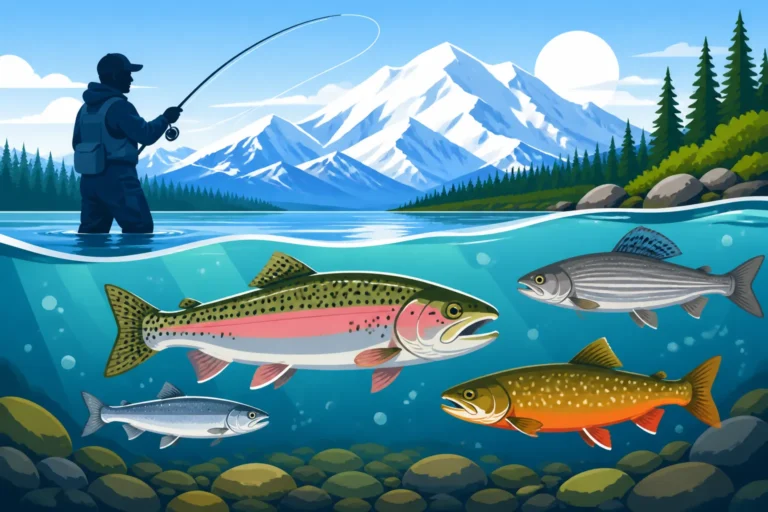
If you've ever dreamt of battling a wild, chrome-bright rainbow trout in the majestic Alaskan wilderness, you're not alone. So many anglers get overwhelmed by the sheer size of Alaska and wonder where to even begin their quest for these elusive beauties. Forget the generic advice; this guide is going to cut through the noise and show you exactly where to cast your line for a truly unforgettable Alaska rainbow trout experience, from the accessible road system waters to the most remote fly-out destinations.
Understanding Alaska's Rainbow Trout Habitats
Alaska is a vast state, and its rainbow trout habitats are incredibly diverse, each offering a unique angling experience. It's not just about finding water; it's about understanding the specific types of environments that foster healthy, robust populations of these incredible fish. From sprawling river systems to pristine, deep lakes and countless smaller tributaries, knowing the characteristics of these areas is key to success.
River Systems and Their Unique Qualities
Alaska's rivers are the lifeblood of its rainbow trout populations. These fish often thrive in systems connected to salmon spawning grounds, where they gorge on nutrient-rich salmon eggs and smolt, growing to impressive sizes. Each river system has its own personality, influencing the size, behavior, and abundance of the trout.
Consider the Kenai River, a true legend in Alaska fishing. Its main stem, particularly the middle and upper sections near Cooper Landing and Sterling, is renowned for producing some of the largest rainbow trout on Earth. These trout don't just get big; they get massive, often exceeding 25 inches, thanks to the sheer volume of salmon that spawn there annually. After the sockeye and coho salmon runs, the riverbed becomes a buffet of eggs, and the trout take full advantage. The fishing here is often technical, requiring precise drifts and an understanding of specific holding lies. You'll find these fish in deeper runs, behind gravel bars, and along current seams, always on the lookout for an easy meal.
Then there's the Bristol Bay region, home to rivers like the Kvichak, Naknek, and Alagnak. These rivers are famous for their prolific sockeye salmon runs, which in turn fuel an incredible density of rainbow trout. While the average size might be slightly smaller than the Kenai's giants, the sheer numbers and aggressive takes in these systems are astounding. A day on the Kvichak might see you land dozens of beautiful rainbows, many in the 20-24 inch range, often in stunning, wild settings that feel a world away from civilization. The trout in these rivers are incredibly powerful, leveraging the strong currents to put up spectacular fights. They are opportunistic feeders, ready to strike at egg patterns, flesh flies, or even swung streamers.
Other notable river systems include the Egegik River and various tributaries of Lake Iliamna, all benefitting from abundant salmon runs. These rivers often provide a more remote, fly-out experience, rewarding anglers with untouched waters and incredible fishing pressure. Understanding the specific salmon run timing in these rivers is crucial, as the trout activity often peaks shortly after the salmon begin spawning, creating a feeding frenzy.
Lake Fisheries for Larger Trout
While river fishing often gets all the glory, Alaska's vast lake systems are also home to incredible rainbow trout opportunities, sometimes yielding truly enormous fish. These lake-dwelling trout are often less pressured and can grow to staggering sizes due, in part, to consistent food sources and deeper, cooler waters that allow them to live longer.
Lake Iliamna, the largest lake in Alaska, is a prime example. It's not just a lake; it's an ecosystem supporting a legendary population of rainbow trout. These trout patrol the lake's vast expanses, feasting on resident populations of juvenile salmon, baitfish, and insects. Anglers targeting Iliamna's rainbows often employ different tactics than river fishing, such as trolling large streamers or using sinking lines with substantial fly patterns to reach deeper feeding lanes. The sheer size of this lake means that finding the fish can be a challenge, but the reward of hooking into a 30-inch-plus rainbow that has never seen a hook is a profound experience.
Similarly, Lake Clark National Park boasts incredible potential for large trout. Its pristine waters and surrounding wilderness provide an ideal environment for rainbows to thrive, growing fat on salmon smolt and other aquatic life. Fishing here often involves accessing remote sections of the lake via floatplane, setting up base at a lodge, and then exploring its many bays, inlets, and tributary mouths. These lake trout can be incredibly aggressive, especially during spring and fall, when they are actively feeding close to shore or at the mouths of inflowing rivers.
Smaller, more accessible lakes can also hold impressive trout. Many lakes on the Kenai Peninsula, such as Tustumena Lake, offer good rainbow fishing, particularly in areas near river mouths or along drop-offs. While perhaps not always producing the absolute giants of Iliamna, these lakes can offer consistent action for respectable-sized rainbows, often in more accessible settings that don't require expensive fly-out trips. For those looking for a different challenge, ice fishing on these lakes during winter can also yield impressive results, though that's a whole different ballgame.
Smaller Creeks and Tributaries
Don't overlook the smaller, unassuming creeks and tributaries that feed into Alaska's larger river systems and lakes. These often-overlooked waterways can be hidden gems for rainbow trout, especially during specific times of the year. While they might not hold the massive, record-breaking fish found in the main rivers, they can offer incredibly intimate and rewarding angling experiences, perfect for those who enjoy wading and exploring.
During the late summer and fall, after salmon have moved into these smaller streams to spawn, rainbow trout will follow them upstream. These creeks become corridors of incredible biological activity, and the trout are there for one reason: to feast on salmon eggs. This period often provides some of the most consistent and exciting fishing, as the trout are aggressively feeding and less wary than their larger river counterparts. Accessing these smaller streams might involve some bushwhacking or a short hike, but the solitude and abundant wild fish can be well worth the effort.
Many of these smaller waters are perfect for light tackle and fly fishing, allowing anglers to present small egg patterns, bead patterns, or nymph imitations with precision. Think about the tributaries feeding into the Kenai or Russian Rivers; while the main stems are famous, the smaller feeder streams can offer fantastic "sight fishing" opportunities where you can stalk individual fish in crystal-clear water. Always be mindful of spawning salmon when fishing these small streams; focus on targeting the trout that are actively feeding on eggs downstream of the redds, rather than disturbing the spawning salmon themselves. These smaller waters truly highlight the wild, untamed beauty of Alaskan fishing.
Premier Destinations for Trophy Rainbows
When it comes to the pursuit of truly monumental rainbow trout, Alaska stands head and shoulders above nearly every other destination on the planet. The combination of abundant food sources, pristine habitats, and careful management practices allows these fish to grow to sizes that are the stuff of angling legends. If you're serious about catching a trophy, certain locations consistently deliver.
The Kenai River's Legendary Waters
Without a doubt, the Kenai River is synonymous with trophy rainbow trout. It's a river that frequently produces fish exceeding 25 inches, with many pushing and even breaking the 30-inch mark. The sheer volume of salmon, particularly sockeye, that spawn in the Kenai provides an unparalleled food source for its resident rainbow trout. After the salmon drop their eggs, the rainbows go into a feeding frenzy, bulking up for the long Alaskan winter.
The prime sections of the Kenai for trophy rainbows are generally found upstream, particularly the famous "Middle Kenai" stretch between Skilak Lake and the Sterling Highway Bridge, and the "Upper Kenai" above Skilak Lake, especially around Cooper Landing. These areas offer a mix of deep pools, braided channels, and gravel bars where trout lie in wait for drifting salmon eggs, flesh, or smolt. The fishing here often requires experienced guides who know the river's subtle nuances, water levels, and the trout's preferred holding patterns. Techniques like "bead fishing" (imitating salmon eggs) and casting flesh flies are incredibly effective.
Many anglers choose to fish the Kenai with a local guide, who can expertly navigate the river and put you on prime spots. For those looking for a truly epic experience, booking a multi-day trip focusing specifically on trout after the main salmon runs can be incredibly rewarding. The vibrant colors and immense power of a Kenai River rainbow, often referred to as "leopard bows" due to their spotted patterns, make them a truly sought-after prize. Keep in mind that fishing pressure can be high in certain accessible areas, so understanding the best times and tactics, often learned through a good guide, is essential.
Bristol Bay Region: A Fly Angler's Paradise
While the Kenai might boast the biggest individual fish, the Bristol Bay region of Southwest Alaska is arguably the world's most productive wild rainbow trout fishery in terms of sheer numbers and consistent action for large, aggressive fish. Rivers flowing into Bristol Bay, such as the Kvichak, Naknek, and Alagnak, are nourished by immense sockeye salmon runs, creating an ecosystem where trout thrive. This region is particularly beloved by fly anglers seeking an immersive wilderness experience.
The Kvichak River, flowing out of Lake Iliamna, is famous for its powerful rainbows that average over 20 inches, with many pushing into the mid-20s. These fish are incredibly strong and acrobatic, often leaping clear of the water when hooked. Fishing the Kvichak often involves floatplane access to remote lodges or camps, followed by drift boat trips downriver. The fishing peaks in late summer and early fall when sockeye salmon are spawning, and trout feed voraciously on their eggs. The clarity of the water allows for fantastic sight fishing opportunities, adding to the excitement.
The Naknek River, near King Salmon, offers similar world-class opportunities. Known for its strong currents and prolific runs, the Naknek is accessible via lodges and guided trips and offers consistent action for robust rainbows. The Alagnak River, a National Wild and Scenic River, is another gem, often fished via remote float trips or from wilderness lodges. These rivers provide not just incredible fishing, but also an unparalleled Alaskan wilderness experience, surrounded by stunning scenery and abundant wildlife. If you're looking to catch multiple large rainbow trout in a day, often on dry flies or streamers, Bristol Bay should be at the top of your list. Learn more about Bristol Bay Fishing Guide to plan your trip.
Southwest Alaska Wilderness Fly-Outs
Beyond the major river systems of Bristol Bay, the broader Southwest Alaska region offers a vast network of smaller, less-fished rivers and streams that are only accessible by floatplane or helicopter. These wilderness fly-out trips represent the pinnacle of remote Alaska rainbow trout fishing, promising untouched waters and truly wild fish that see minimal pressure. This is where you go when you want to get away from it all and experience Alaska in its most raw, untamed form.
Imagine landing on a pristine lake, then hiking a short distance to a clear, winding river where 20-inch-plus rainbows eagerly rise to dry flies or hammer streamers. Rivers like the Egegik, Togiak, and countless unnamed tributaries offer these kinds of experiences. These trips are typically organized through specialized lodges or independent air taxi services combined with experienced guides who know the myriad of remote fishing spots. They often involve staying at a remote camp or lodge, with daily fly-outs to different rivers, ensuring you hit the prime conditions for the day.
The advantage of a fly-out trip is the ability to target very specific, often smaller, runs of salmon and the trophy trout that follow them. You're fishing in truly wild settings, with the potential for incredible solitude and breathtaking encounters with wildlife, including brown bears and eagles. While these trips are often more expensive due to the logistics of air travel, the experience of fishing untouched water for wild, aggressive rainbow trout in a truly remote setting is priceless. Many of these remote fisheries are managed for catch-and-release, ensuring their pristine quality for generations to come. Considering a trip like this? Check out our Alaska Fly-In Fishing Lodges Guide for more details.
Seasonal Strategies and Access Points
Timing is everything when it comes to fishing for rainbow trout in Alaska. Their behavior, feeding patterns, and locations change significantly throughout the year, primarily influenced by water temperatures and, most importantly, the salmon runs. Understanding these seasonal nuances is crucial for maximizing your chances of success, whether you're targeting early-season aggressive feeders or post-spawn egg gorgers.
Best Times to Target Rainbow Trout
Generally, the prime season for Alaska rainbow trout fishing extends from late spring through fall, roughly May to October. However, within this window, there are distinct periods that offer different kinds of opportunities.
Spring (May – Early June): As the ice breaks up and water temperatures begin to rise, rainbow trout become active feeders. This is often when they're hungry after a long winter and will eagerly chase streamers and nymphs. Rivers on the road system, like parts of the Kenai River and its tributaries, can be excellent. The trout are often found in deeper runs and slower pools, but as water warms, they'll spread out. This can be a fantastic time to target "feeder rainbows" before the main salmon runs arrive. Access to some remote areas might still be limited by ice or snow, but many lower-elevation rivers are open.
Summer (Mid-June – August): This is when the salmon runs begin in earnest, and the rainbow trout are in full feast mode. As sockeye, king, and later coho salmon enter the rivers to spawn, the trout position themselves to take advantage of the drifting eggs. Late July through August, when sockeye are actively spawning, is often considered the peak for egg-pattern fishing in places like the Kenai and Bristol Bay rivers. The fish are fat, healthy, and incredibly aggressive. This period often coincides with warmer weather, longer daylight hours, and generally easier access to most fishing locations, including fly-out destinations. However, it can also be the busiest time for many popular fisheries. To understand more about these patterns, consult our guide on Best Time for Trout Fishing in Alaska.
Fall (September – October): Many seasoned anglers consider fall to be the absolute best time for trophy rainbow trout. As the last salmon runs (especially coho) spawn out, and water temperatures begin to drop, the trout continue to feed heavily on the remaining eggs and decaying salmon flesh, preparing for winter. The crowds thin out, the autumn colors are spectacular, and the big rainbows are often at their fattest and most aggressive. This is particularly true for rivers like the Kenai and those in Bristol Bay. Fishing can be excellent through mid-October, or until heavy snow and ice make access difficult. This time of year offers a chance for some of the biggest and most beautiful trout.
Road System vs. Remote Access
Your choice of fishing location will largely depend on your budget, desire for solitude, and willingness to embrace adventure. Alaska offers a spectrum of accessibility options for rainbow trout.
Road System Access: For many anglers, the Kenai Peninsula is the most accessible and popular option. Rivers like the Kenai River, especially around Cooper Landing, Sterling, and Soldotna, are easily reached by car from Anchorage. This means you can drive to lodges, guide services, or even public access points. While the fishing can be fantastic, particularly for large trout, the trade-off is often higher fishing pressure, especially during peak salmon runs. You might find yourself shoulder-to-shoulder with other anglers in some spots. This option is generally more budget-friendly as it eliminates costly flight expenses. Many local guides operate out of towns like Cooper Landing, offering drift boat trips that combine expert knowledge with relative ease of access. You can find comprehensive information about fishing these waters in our Kenai River Fishing: Complete Guide.
Remote Access (Fly-Outs): If solitude and pristine wilderness are high on your priority list, then remote access via floatplane or wheeled plane is your ticket. Destinations like the Bristol Bay watershed (Kvichak, Naknek, Alagnak rivers) or countless smaller, unnamed streams in Southwest Alaska are typically only reachable by air. These trips usually involve booking with an all-inclusive fishing lodge, which provides transportation, guides, meals, and accommodations, or arranging a dedicated air taxi and guide service for a DIY-style adventure.
While significantly more expensive, fly-out trips offer unparalleled access to truly untouched fisheries, where the trout may see very few anglers throughout the season. This often translates to more aggressive fish and a genuine sense of being in the wild. You might land on a remote gravel bar, wade a pristine stream, and not see another soul all day. Many of these lodges specialize in specific types of fishing, often fly fishing for trout, and are incredibly adept at putting you on the fish. For a comprehensive overview, consider looking into Alaska Fishing Charters: Complete Guide which often includes fly-out options.
Essential Gear and Tackle Considerations
Regardless of where you decide to chase Alaska's rainbow trout, having the right gear is non-negotiable. The conditions can be challenging, from cold, swift rivers to unpredictable weather, so being prepared is key.
Rods and Reels: For fly fishing, a fast-action 6- or 7-weight rod (9-10 feet long) is ideal for most Alaskan rainbows. This provides enough backbone to cast larger flies, handle heavy nymphing rigs, and subdue powerful fish in strong currents. Pair it with a reliable reel with a smooth drag and ample backing (at least 150 yards of 20-pound test). For spin fishing, a medium-heavy rod (7-8 feet) with a sensitive tip and a robust spinning reel spooled with 15-20 pound braided line is a good choice. Having a second, lighter setup (e.g., a 5-weight fly rod or medium-light spinning rod) can be useful for smaller streams or when the fish are less aggressive.
Line and Leaders: For fly fishing, weight-forward floating lines are standard, but a sink-tip or full sinking line can be invaluable for streamers or deep nymphing. Fluorocarbon leaders (10-15 lb test) are preferred for their abrasion resistance and low visibility in clear water. For spin fishing, a fluorocarbon leader (10-12 lb) is also highly recommended, tied to your braid with a strong knot. Many anglers find quality leaders and line readily available on Amazon or at local fly shops.
Flies and Lures: The "bread and butter" of Alaskan rainbow trout fishing revolves around imitating salmon eggs. Bead patterns (6mm-10mm, in various salmon egg colors like orange, red, and peach) are incredibly effective, often drifted under an indicator. Flesh flies (chartreuse, white, natural tan) are also crucial, especially after salmon have spawned. Streamers like Sculpzillas, Dolly Llamas, and Articulated Fish-Skull Streamers in various sizes and colors (olive, black, white, pink) are excellent for aggressive fish. For spin fishing, small spinners (like Mepps, Blue Fox), spoons (Pixee, Kwikfish), and even small crankbaits can entice strikes. Always check local regulations for specific lure and bait restrictions. A comprehensive selection of flies and lures, even specialized ones, can often be found on Amazon if you order in advance.
Waders and Rain Gear: This is Alaska; expect rain and cold water. High-quality, breathable chest waders and sturdy wading boots are essential. Your waders should be durable enough to withstand bushwhacking and sitting on rocky riverbanks. Layering underneath your waders is critical for warmth. A top-tier waterproof and windproof rain jacket and pants are also non-negotiable. Don't skimp on rain gear; you'll regret it. Brands like Simms, Orvis, and Grundéns make excellent gear that can handle Alaskan conditions, and many of these reliable options are available on Amazon. Don't forget waterproof gloves and a warm hat! For more details, explore our Alaska Fishing Gear and Tackle Guide.
Key Regulations and Conservation
Alaska's fisheries are incredibly robust, thanks to careful management by the Alaska Department of Fish and Game (ADF&G). However, with great fishing comes great responsibility. Understanding and adhering to local regulations and embracing conservation practices are paramount to ensuring these incredible fisheries remain healthy for future generations. It’s not just about following the rules; it’s about being a good steward of this irreplaceable resource.
Catch-and-Release Practices
Many of Alaska's premier rainbow trout fisheries, especially those known for producing trophy-sized fish, operate under strict catch-and-release regulations. This is particularly true for the famous "leopard rainbows" of the Kenai River and the wild, robust populations in the Bristol Bay region. The goal is to protect these highly valued fish, allowing them to grow to their full potential and contribute to future spawning cycles.
When fishing in a catch-and-release area, proper handling techniques are critical to ensure the fish's survival. Always use barbless hooks, as they minimize damage and allow for quick, easy release. Many anglers will purchase hooks and then simply flatten the barb with a pair of pliers, an easy modification. Avoid dragging fish onto dry land or rocks; instead, keep them in the water as much as possible. If you need a photo, do it quickly with the fish partially submerged, supporting its belly. Avoid squeezing the fish, especially around the gills or belly, and revive it gently by holding it upright in the current until it swims away on its own. Using a rubberized net can also help protect the fish's slime coat and fins. Remember, the thrill is in the catch and the photograph, not in taking a magnificent wild trout out of its habitat permanently. You can find detailed best practices in our Alaska Catch-and-Release Best Practices guide.
License and Stamp Requirements
Anyone 18 years of age or older, resident or non-resident, must possess a valid Alaska fishing license to fish in the state's waters. This is a fundamental requirement and one that wardens take seriously. Licenses can be purchased online through the ADF&G website, at local sporting goods stores, or at most small businesses in fishing towns.
For non-residents, various license durations are available, from 1-day to annual licenses, allowing you to choose the option that best fits your trip length. While a general fishing license covers most species, there's a specific requirement for King Salmon: you need a King Salmon stamp in addition to your regular fishing license if you plan to target or retain King Salmon, even if you are only incidentally fishing for them and intend to release. While rainbow trout don't have a specific stamp, many anglers pursuing trout in salmon-rich rivers might also be targeting kings, so it’s something to be aware of.
It's crucial to purchase your license and any necessary stamps before you head out on the water. Conservation officers conduct regular patrols, and the penalties for fishing without a valid license can be steep, including hefty fines and confiscation of gear. Ensure you understand all the specifics about Alaska Fishing License: Complete Guide and Alaska Fishing Regulations Explained before embarking on your adventure. Always carry your license with you while fishing, either a physical copy or a digital version on your phone.
Here's a quick overview of some of Alaska's top rainbow trout fishing destinations:
| Location | Primary Allure | Access Type | Best Season | Average Trout Size (inches) | Special Notes |
|---|---|---|---|---|---|
| Kenai River | Trophy Size, "Leopard Bows" | Road System | Mid-July to October | 20-30+ | High pressure in some areas; excellent guides. |
| Kvichak River | High Numbers, Wildness | Fly-Out Lodge/Air | Late July to October | 20-26 | World-class sockeye influence; powerful fish. |
| Naknek River | Consistent Action, Scenic | Fly-Out Lodge/Air | August to October | 18-24 | Good numbers; strong currents. |
| Alagnak River | Remote, Wilderness Experience | Fly-Out Lodge/Air | August to September | 18-24 | "Wild & Scenic" status; excellent float trips. |
| Lake Iliamna | Monster Lake Trout, Solitude | Fly-Out Lodge/Air | June to October | 20-30+ | Requires specialized gear and tactics; vast. |
| Lake Clark NP Rivers | Pristine Wilderness | Fly-Out Lodge/Air | July to September | 18-26 | Scenic beauty; diverse fishing. |
| Russian River Tributaries | Accessible, Sockeye Influence | Road System | July to September | 12-18 | Great for wading; often busy; smaller fish. |
Disclaimer
The information provided in this guide is for general informational purposes only and does not constitute legal or professional advice. Fishing regulations in Alaska are complex and subject to frequent change, including emergency orders that can alter seasons, bag limits, and legal gear on short notice. Always consult the most current Alaska Department of Fish and Game (ADF&G) regulations booklet and check for emergency orders before planning and embarking on any fishing trip. The author and publisher are not responsible for any incidents, injuries, or legal ramifications that may arise from using this information. Fish responsibly and safely.