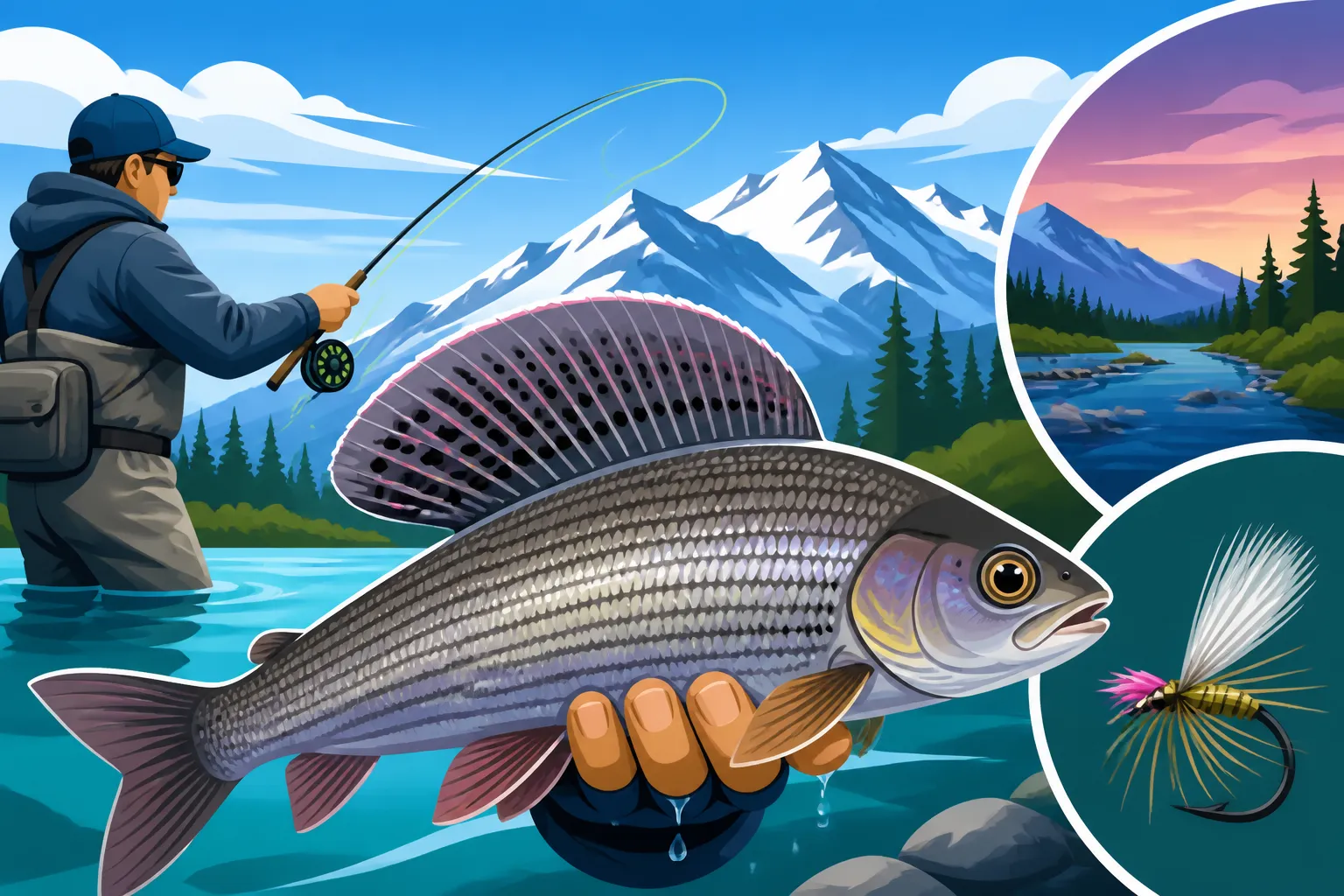
Alaska Arctic Grayling: Size, Season, and Where to Catch
There's nothing quite like the sight of an Arctic Grayling, with its sail-like dorsal fin shimmering in the clear, cold waters of Alaska. Many anglers dream of encountering this iconic fish, but knowing exactly where to find them, when they're most active, and what size to expect can feel like chasing a ghost. This guide will peel back the layers of mystery surrounding Alaska's beautiful Arctic Grayling, offering you a comprehensive look at their size, prime seasons, and the best locations to cast your line for a memorable experience.
What Makes Alaska Arctic Grayling So Special?
For many, the Arctic Grayling isn't just a fish; it's a symbol of pristine wilderness and a true freshwater jewel. While they don't reach the immense sizes of a King Salmon or Halibut, their unique beauty and spirited fight on light tackle make them an incredibly rewarding catch. They truly embody the wild spirit of Alaska's freshwater systems, often thriving in waters so clear you can see every pebble on the bottom.
Identifying the Arctic Grayling's Distinctive Features
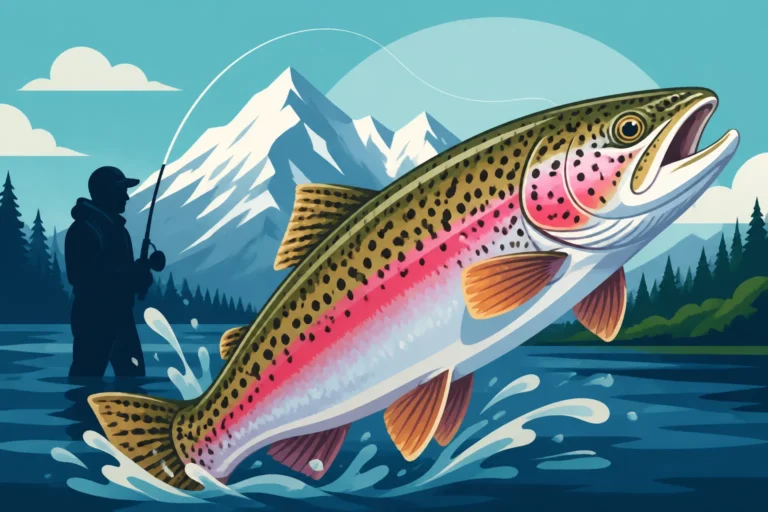
The moment you see an Arctic Grayling, you'll understand why anglers are so captivated. Their most striking feature is undoubtedly that magnificent dorsal fin, which is unusually tall and long, often extending nearly to the adipose fin. This dorsal fin is typically adorned with rows of iridescent spots and a vibrant, often purplish or reddish-orange margin, resembling a finely crafted sail. The rest of their body typically boasts large, iridescent scales that shimmer with shades of blue, purple, and gold, particularly along their flanks and belly. Their dark spots on the body are another key identifier, distinguishing them from other trout or char species.
Beyond their stunning coloration, Grayling have a relatively small mouth with fine teeth, indicative of their preference for insects. Their slender, streamlined bodies are built for swift movements in clear, flowing water, and their tail fin is typically forked, aiding in quick bursts of speed. It's a truly elegant fish, and spending time observing their subtle movements and vibrant displays in the water is part of the magic. For more general information on the finned residents of the Last Frontier, you might enjoy our guide on the topic of Alaska Fish Species Guide.
The Allure of Catching an Arctic Grayling
Landing an Arctic Grayling often isn't about bragging rights for size; it's about the sheer aesthetic pleasure and the experience of fishing in stunning, often remote, locations. These fish are incredibly spirited fighters, especially on appropriate ultralight gear or a fly rod. When hooked, they often make quick, darting runs and sometimes even leap clear of the water, putting up a surprisingly vigorous battle for their size.
Their diet consists primarily of aquatic and terrestrial insects, making them a prime target for fly anglers. The challenge of presenting a delicate dry fly or a perfectly drifted nymph to a rising grayling in a crystal-clear stream is a truly engaging pursuit. Even spin anglers can find great success and enjoyment using small spinners or jigs that mimic their natural prey. Many anglers consider a day spent targeting grayling a peaceful, almost meditative experience, far removed from the bustling combat fisheries found elsewhere. It's an opportunity to connect with nature and appreciate the subtle beauty of Alaska's freshwater ecosystems.
Understanding Arctic Grayling Size and Growth
When people think of Alaska fishing, their minds often jump to monstrous King Salmon or barn-door Halibut. Arctic Grayling, however, operate on a different scale, offering a more delicate and precise angling experience. While you won't need heavy gear, understanding their typical size helps set realistic expectations and appreciate the true nature of these elegant fish.
Average Sizes You Can Expect in Alaska
Most Arctic Grayling caught in Alaska's sport fisheries range from 10 to 15 inches in length. A fish in this size class typically weighs less than a pound, perhaps around half a pound. However, don't let those numbers fool you; a 14-inch grayling in a clear, fast-flowing stream puts up a fantastic fight on ultralight tackle. These are often vibrantly colored, healthy fish that have spent years navigating the challenges of their cold-water homes.
For those chasing a true trophy, grayling exceeding 18 inches are considered exceptional, and anything over 20 inches is a legitimate "monster" in the grayling world, often weighing over a pound and a half. These larger specimens are typically older, more elusive fish found in less-pressured waters or lakes with abundant food sources. Catching one of these larger grayling is a highlight for any angler, a testament to their patience and skill.
Factors Influencing Grayling Size
Several factors contribute to the size an Arctic Grayling can attain. First and foremost is their age; like all fish, they grow throughout their lives, albeit slowly in cold Alaskan waters. A 15-inch grayling might be 5-7 years old, while a 20-inch behemoth could be a decade or more old.
Food availability is another critical component. Streams and lakes with rich insect hatches or abundant small invertebrates will generally produce larger, healthier grayling. Conversely, nutrient-poor, high-alpine lakes might hold many grayling, but they will tend to be stunted in size due to limited food.
The length of the growing season also plays a role. In Alaska's far north, where ice covers waters for much of the year, grayling have a shorter window to feed and grow, which can impact their maximum size. Lastly, fishing pressure can influence the average size. Heavily fished streams may see a higher harvest of larger fish, leaving a population of smaller, younger grayling, whereas remote, difficult-to-access waters often hold populations of older, bigger fish. When planning your trip, consider checking Alaska Fishing Regulations Explained for specific rules in different areas, as they can sometimes impact fish size and retention.
The Best Time to Fish for Alaska Arctic Grayling
Timing is everything when it comes to maximizing your chances of a successful grayling fishing trip in Alaska. While they can be found throughout the open-water season, there are definite peak periods when they are most active and accessible, driven by their feeding habits and spawning cycles.
Prime Seasons and Water Conditions
The prime season for targeting Arctic Grayling in Alaska generally kicks off in late May to early June as ice recedes and water temperatures begin to rise. This early season can be fantastic, as grayling are often quite hungry after a long winter and eagerly take flies and small lures. The post-spawn period sees them actively feeding to regain energy, making them more aggressive.
However, the undisputed peak for grayling fishing is typically mid-June through August. During these summer months, insect hatches are at their most prolific, providing a continuous buffet for the grayling. This is when you'll see consistent dry fly action as grayling rise to feast on caddis, mayflies, and stoneflies. Water levels are usually stable, and streams are clear, offering ideal sight-fishing opportunities. As summer transitions into early September, fishing can still be excellent. The cooler temperatures signal the grayling to feed heavily in preparation for winter, and they can be very active, particularly on nymphs and streamers as surface hatches diminish. Our Alaska Fishing Seasons: Month-by-Month Guide offers even more detailed insights into what to expect throughout the year.
Seasonal Movements and Behavior
Arctic Grayling exhibit distinct seasonal movements that anglers should be aware of. In the spring, after ice-out, they migrate from larger rivers or overwintering lakes into smaller tributary streams to spawn. This is a crucial time for their lifecycle, and many areas have specific regulations or closures to protect them during this vulnerable period. After spawning, they disperse into their summer feeding grounds.
During summer, they spread out across rivers, streams, and lakes, occupying riffles, runs, and the edges of deeper pools where food is abundant. They are opportunistic feeders, constantly on the lookout for emerging insects or terrestrial bugs falling into the water. As fall approaches and water temperatures drop, grayling begin to congregate again, often moving into larger, deeper pools in rivers or back into overwintering lakes. This aggregation makes them easier to locate, but their feeding windows might become shorter and more intense as they bulk up for the lean winter months. Understanding these patterns is key to locating concentrations of fish throughout the open-water season.
Where to Find and Catch Alaska Arctic Grayling
One of the great joys of Arctic Grayling fishing in Alaska is that these beautiful fish are relatively widespread across the state's interior and southcentral regions. Whether you're looking for an accessible roadside experience or a remote wilderness adventure, there are fantastic opportunities to pursue them.
Top Rivers and Streams for Grayling
Alaska is blessed with countless rivers and streams that hold thriving populations of Arctic Grayling. For those seeking accessible options, the Chena River near Fairbanks is a perennial favorite. It's known for its clear waters and healthy grayling, offering excellent opportunities for both fly and spin fishing right from the road system. Further south, the Gulkana River and its tributaries, often accessed via the Richardson Highway, are renowned for their grayling, especially in the upper sections before the salmon runs get heavy.
Other notable Interior rivers include the Delta Clearwater River and many of the smaller clearwater streams that feed into larger glacial rivers like the Susitna and Tanana. In Southcentral Alaska, while salmon often steal the spotlight, many of the smaller, clear feeder creeks on the Kenai Peninsula and in the Mat-Su Valley can hold surprisingly good grayling populations, particularly in the higher elevations or further away from the main road system. Always remember to check Alaska Fishing Regulations by Region before you go, as rules can vary widely even within nearby drainages.
High-Altitude Lakes and Remote Waters
For the adventurous angler looking for larger, less pressured grayling, Alaska's high-altitude lakes and remote fly-in waters offer unparalleled opportunities. Many of the lakes in the Brooks Range or the vast wilderness areas of Bristol Bay are home to robust grayling populations that see minimal angling pressure. These lakes often require a floatplane or bush plane to access, but the reward is pristine scenery and abundant, often larger, grayling.
These remote lakes can provide incredible sight-fishing experiences, where you can spot individual grayling cruising the shallows or rising to hatches. While the travel can be an investment, a fly-in trip often means you're fishing waters where the grayling have never seen an artificial lure, leading to aggressive takes and unforgettable days. Companies specializing in Alaska Fly-In Fishing Lodges Guide can help arrange these kinds of trips, offering access to some truly wild and spectacular grayling fisheries.
Essential Gear and Techniques for Grayling Success
Catching Arctic Grayling doesn't require heavy-duty tackle; in fact, lighter is almost always better. For fly anglers, a 3-weight or 4-weight fly rod, paired with a matching reel and a floating line, is perfect for presenting small dry flies, nymphs, or streamers. Standard patterns like Adams, Elk Hair Caddis, Mosquito, and various midge or bead-head nymph patterns are consistently effective. You can find a fantastic selection of these essential fly patterns and leader materials on sites like Amazon, making it easy to stock up before your trip.
For spin anglers, an ultralight spinning rod (4-6 foot) with a fast action, paired with a small spinning reel spooled with 2-4 pound test monofilament or fluorocarbon line, is ideal. Small spinners (like Mepps, Rooster Tail, or Panther Martin in sizes 0-2) and tiny jigs (1/32 to 1/8 ounce) are extremely effective. Bright colors like chartreuse, pink, and orange often work well, especially in slightly stained water, while more natural patterns excel in clear conditions. Remember, grayling have relatively small mouths, so smaller hooks are usually more successful. Consider exploring our full Alaska Fishing Gear and Tackle Guide for more comprehensive information on setting up your fishing kit.
When fishing, a stealthy approach is crucial, especially in clear water. Grayling can be skittish, so long casts and careful wading are often necessary. Look for them in slower moving sections, behind rocks, in eddies, or where current lines converge. Observing for rises, particularly in the evening, can pinpoint where fish are actively feeding on the surface.
Here's a quick summary table for Alaska Arctic Grayling:
Feature Description The Arctic Grayling, often referred to as the 'Spirit of the North,' is a vibrant and truly unique freshwater fish that captivates anglers with its stunning appearance and spirited fight. While not as large as some of Alaska's more famous salmon or halibut, the grayling offers an equally rewarding challenge, often found in picturesque, remote wilderness settings. This guide delves into everything you need to know about targeting this beautiful species, from their typical size and preferred seasons to the prime locations and effective techniques for a successful catch.
What Makes the Alaska Arctic Grayling So Captivating?
Arctic Grayling hold a special place in the hearts of Alaskan anglers. They're often seen as an indicator species, thriving in clean, cold, oxygen-rich waters, making them a true benchmark for healthy ecosystems. Their beauty is undeniable, and their willingness to rise to a dry fly makes them an absolute delight for fly fishermen.
Identifying the Arctic Grayling's Unique Characteristics
The most striking feature of the Arctic Grayling is its magnificent dorsal fin. This sail-like fin is unusually long and high, often extending back almost to the adipose fin, and is typically adorned with rows of vivid, iridescent spots—often purples, blues, and reds—on a darker background. It's truly a sight to behold, especially when spread wide. The rest of their body typically exhibits large, almost iridescent scales that shimmer with shades of blue, purple, and gold, particularly along their flanks. Their back is usually darker, transitioning to a lighter, silvery belly. Small, dark spots are often scattered across their sides.
Grayling possess a relatively small, delicate mouth with fine teeth, perfectly adapted for their insect-heavy diet. Their streamlined body is built for navigating swift currents, and their distinctly forked tail aids in rapid acceleration and maneuvering. These characteristics, combined with their vibrant colors, make them one of Alaska's most identifiable and aesthetically pleasing freshwater fish.
The Thrill of the Grayling Catch
Catching an Arctic Grayling isn't about brute strength or reeling in a monster; it's about the finesse, the delicate presentation, and the sheer joy of landing a wild, beautiful fish in an equally beautiful setting. On light tackle, these fish are incredibly feisty, often making quick, darting runs and sometimes even leaping gracefully from the water. It’s an engaging battle that rewards skill over power.
Their primary diet of aquatic and terrestrial insects means they are exceptionally receptive to fly fishing. The art of stalking a rising grayling and presenting a tiny, accurate dry fly to elicit a take is an experience many anglers cherish above all others. But spin fishermen aren't left out; small, flashy lures can also provoke aggressive strikes. A day spent chasing grayling often feels like a peaceful communion with nature, a chance to escape the hustle and bustle and simply appreciate the pristine wilderness of Alaska. For more detail on targeting this species, take a look at our guide on How to Catch Arctic Grayling.
Understanding Arctic Grayling Size and Potential
While Arctic Grayling aren't known for their immense size, they offer a respectable challenge on light tackle. Setting expectations for their typical dimensions can help you appreciate the beauty and fighting spirit of these fish even more.
Average Sizes You're Likely to Encounter
Most Arctic Grayling caught in Alaska's sport fisheries generally fall into the 10 to 15-inch range. A fish in this size class typically weighs less than a pound, perhaps closer to half a pound. However, even at this modest size, they are remarkably strong and agile, especially in their preferred clear, cold water environments. A 14-inch grayling hooked on a 3-weight fly rod will give you a truly memorable fight, darting and rolling with surprising vigor.
For anglers hoping to land a true trophy, grayling exceeding 18 inches are considered quite exceptional, and any fish breaking the 20-inch mark is a rare and highly prized catch, often weighing over a pound and a half. These larger specimens are typically older, more elusive fish that reside in less-pressured waters or lakes with incredibly rich food sources. Catching such a fish is a significant achievement and often the culmination of dedicated effort and exploration into remote areas.
Factors Influencing Grayling Growth and Size
The size an Arctic Grayling attains is influenced by a combination of environmental and biological factors. Age is, of course, a primary determinant; grayling in Alaska grow slowly due to the cold water temperatures and relatively short growing seasons. A 15-inch grayling might be 5-7 years old, while a 20-inch fish could easily be a decade or more in age.
Food availability plays a crucial role. Streams and lakes with abundant insect hatches, diverse invertebrate populations, and perhaps even small baitfish (though less common for grayling) will generally support larger, healthier fish. Conversely, grayling in high-altitude, nutrient-poor lakes often grow slowly and rarely reach impressive sizes, despite potentially being numerous.
Water temperature and length of the ice-free season directly impact their metabolic rates and feeding windows. In the far northern reaches of Alaska, where ice covers the water for much of the year, grayling have a compressed period to feed and grow, which can limit their maximum size compared to those in more temperate regions or spring-fed systems. Additionally, fishing pressure in easily accessible areas can lead to a higher harvest of larger fish, potentially shifting the average size of the remaining population downwards over time.
The Best Time to Fish for Alaska Arctic Grayling
Knowing when to target Arctic Grayling can significantly impact your success. While they are present throughout the open-water season, certain periods offer peak action due to their feeding patterns and life cycles.
Prime Seasons and Ideal Water Conditions
The fishing season for Arctic Grayling in Alaska generally begins in late May to early June, shortly after the ice breaks up and water temperatures start to climb. This early season can be incredibly productive, as grayling are often ravenously hungry after the long, lean winter and eager to strike flies and small lures. This is also often the post-spawn period for many populations, meaning fish are actively feeding to regain energy.
However, the period from mid-June through August is widely considered the peak for grayling fishing. During these glorious summer months, insect hatches are at their most prolific, providing a continuous, abundant food source. This is when fly anglers can experience consistent dry fly action, watching grayling rise to feast on caddisflies, mayflies, stoneflies, and even terrestrial insects. Water levels are typically stable and clear, offering excellent opportunities for sight-fishing. As early September arrives, the fishing can remain superb. Cooler temperatures signal the grayling to enter a pre-winter feeding frenzy, making them very active, though they may shift their focus to nymphs and streamers as surface hatches become less frequent. For a broader overview of seasonal opportunities, explore our guide to the Best Time to Fish in Alaska.
Seasonal Movements and Behavioral Patterns
Arctic Grayling exhibit distinct migratory and behavioral patterns throughout the year. In the spring, following ice-out, they typically migrate from their overwintering areas in larger rivers or deep lakes into smaller tributary streams and shallow lake areas to spawn. Protecting these spawning aggregations is crucial, and some areas may have specific closures or restrictions during this sensitive time. After spawning, they disperse into their summer feeding grounds.
Throughout the summer, grayling spread out across rivers, streams, and lakes. They often hold in riffles, runs, and the edges of deeper pools where currents bring food, or where insects are hatching. They are opportunistic feeders, constantly on the lookout for anything edible that drifts by or lands on the surface. As fall progresses and water temperatures drop significantly, grayling begin to stage and congregate again, often moving into larger, deeper pools within rivers or migrating back to their overwintering lakes. These aggregations can make them easier to locate, but their feeding windows might become more concentrated as they work to build up fat reserves for the coming winter.
Where to Find and Successfully Catch Alaska Arctic Grayling
Alaska offers an incredible array of habitats for Arctic Grayling, from easily accessible roadside streams to truly remote wilderness lakes. Your choice of location will often dictate the type of experience and the size of fish you can expect.
Accessible Rivers and Streams
For anglers looking for convenience without sacrificing quality, several rivers and streams are well-known for their healthy grayling populations and relatively easy access. The Chena River system near Fairbanks is arguably the most famous and accessible grayling fishery in the state. Its clear waters offer excellent visibility for sight fishing, and you can often find good numbers of grayling right along the roadside. It's a fantastic spot for both fly and spin anglers, particularly from late May through September.
Another popular choice is the Gulkana River, especially its upper reaches, which are accessible via the Richardson Highway. This river and its numerous tributaries hold strong grayling numbers, often before the main salmon runs arrive. The Delta Clearwater River, known for its consistent spring-fed flows, is another Interior gem that provides reliable grayling action. In the Southcentral region, while overshadowed by salmon, many smaller, clear feeder creeks and headwater streams on the Kenai Peninsula and in the Mat-Su Valley can offer surprisingly good grayling fishing, especially if you're willing to hike a bit away from the main road. Before heading out, always consult the current Alaska Fishing Regulations Explained to ensure you're compliant with local rules and limits.
Remote Lakes and Fly-In Destinations
For those seeking the ultimate wilderness experience and the chance at larger, less pressured grayling, Alaska's vast network of high-altitude lakes and remote fly-in waters offers unparalleled opportunities. Destinations in the Brooks Range, the Alaska Peninsula, and the immense wilderness areas of Bristol Bay are home to robust grayling populations that rarely see angling pressure. These lakes and streams typically require a floatplane or bush plane to reach, making for an unforgettable adventure.
Fishing these remote waters often means experiencing phenomenal sight-fishing, where you can literally spot individual grayling cruising and feeding in crystal-clear conditions. The fish here can be more aggressive, often striking at a wider variety of flies and lures, and can sometimes reach those coveted trophy sizes. While the logistics and cost of a fly-in trip can be substantial, the reward of pristine scenery and unpressured fish is immeasurable. Many reputable Alaska Fly-In Fishing Lodges Guide can facilitate these kinds of trips, providing access to truly wild and productive grayling fisheries.
Recommended Gear and Effective Techniques
Successfully targeting Arctic Grayling relies on using appropriate light tackle and refined techniques. For fly anglers, a 3-weight or 4-weight fly rod, paired with a matching floating line, is ideal. This setup allows for delicate presentations of small dry flies (e.g., Adams, Elk Hair Caddis, Mosquito, Parachute patterns), nymphs (e.g., Prince Nymph, Hare's Ear, Copper John), and small streamers. Look for these essential patterns and leaders on Amazon for convenient shopping. When grayling are actively rising, matching the hatch is key, but attractor patterns can work well too. Our guide on How to Fly Fish in Alaska offers excellent insights.
Spin fishermen will find success with an ultralight spinning rod (4-6 foot) with a fast action, coupled with a small spinning reel spooled with 2-4 pound monofilament or fluorocarbon line. Small inline spinners (such as Mepps Aglias, Rooster Tail, or Panther Martin in sizes 0-2) are incredibly effective, as are tiny jigs (1/32 to 1/8 ounce) fished under a bobber or retrieved slowly. Colors like chartreuse, pink, orange, black, and silver are good choices. Always remember that grayling have relatively small mouths, so using smaller hooks is crucial for better hook-ups.
Technique-wise, stealth is paramount in clear grayling waters. Long casts, careful wading, and minimizing disturbance will increase your chances. Focus on areas where currents slow down, behind large rocks, in eddies, or along current seams where food collects. Observing the water for rising fish, particularly during evening hatches, will often pinpoint active feeding zones. Remember, it's often a game of finesse and presentation rather than brute force.
| Feature | Description |
|---|---|
| Average Size | 10-15 inches, 0.5-1 lb (Trophies over 18 inches, 1.5+ lbs) |
| Prime Season | Mid-June to August (May/Sept also good, pre/post spawn) |
| Key Identification | Large, sail-like dorsal fin with iridescent spots; iridescent scales; small mouth |
| Typical Habitat | Clear, cold, oxygenated rivers, streams, and high-altitude lakes |
| Diet | Aquatic and terrestrial insects (mayflies, caddis, stoneflies, midges) |
| Best Lures/Flies | Small dry flies (Adams, Caddis), nymphs (Prince, Hare's Ear), small spinners (Mepps, Rooster Tail), tiny jigs |
| Top Locations | Chena River, Gulkana River, Delta Clearwater River, remote fly-in lakes |
| Best Gear | 3-4 wt fly rod or ultralight spin rod (2-4lb line) |
Disclaimer
The information provided in this guide is for general informational purposes only. Fishing regulations in Alaska can change frequently due to emergency orders and other management decisions by the Alaska Department of Fish and Game. Always consult the most current Alaska Sport Fishing Regulations booklet and check for any emergency orders before heading out on your fishing trip. Adherence to all local, state, and federal regulations is the responsibility of the angler.