Alaska Sockeye vs King for Eating
Deciding between a beautiful, gleaming Sockeye and a majestic King salmon for your dinner plate can feel like a genuine culinary dilemma, especially when you’re standing at the fish counter or sorting through your freezer after a fruitful Alaskan fishing trip. Both are phenomenal, sought-after species, but they offer distinct experiences that can totally change your meal. If you've ever found yourself wondering which one will truly elevate your dish, you're not alone. This guide will walk you through the nuanced differences in flavor, texture, nutritional value, and ideal cooking methods for both Alaska Sockeye and King salmon, helping you make the perfect choice for your next meal.
The Royal Rumble: Understanding the Core Differences Between Sockeye and King Salmon
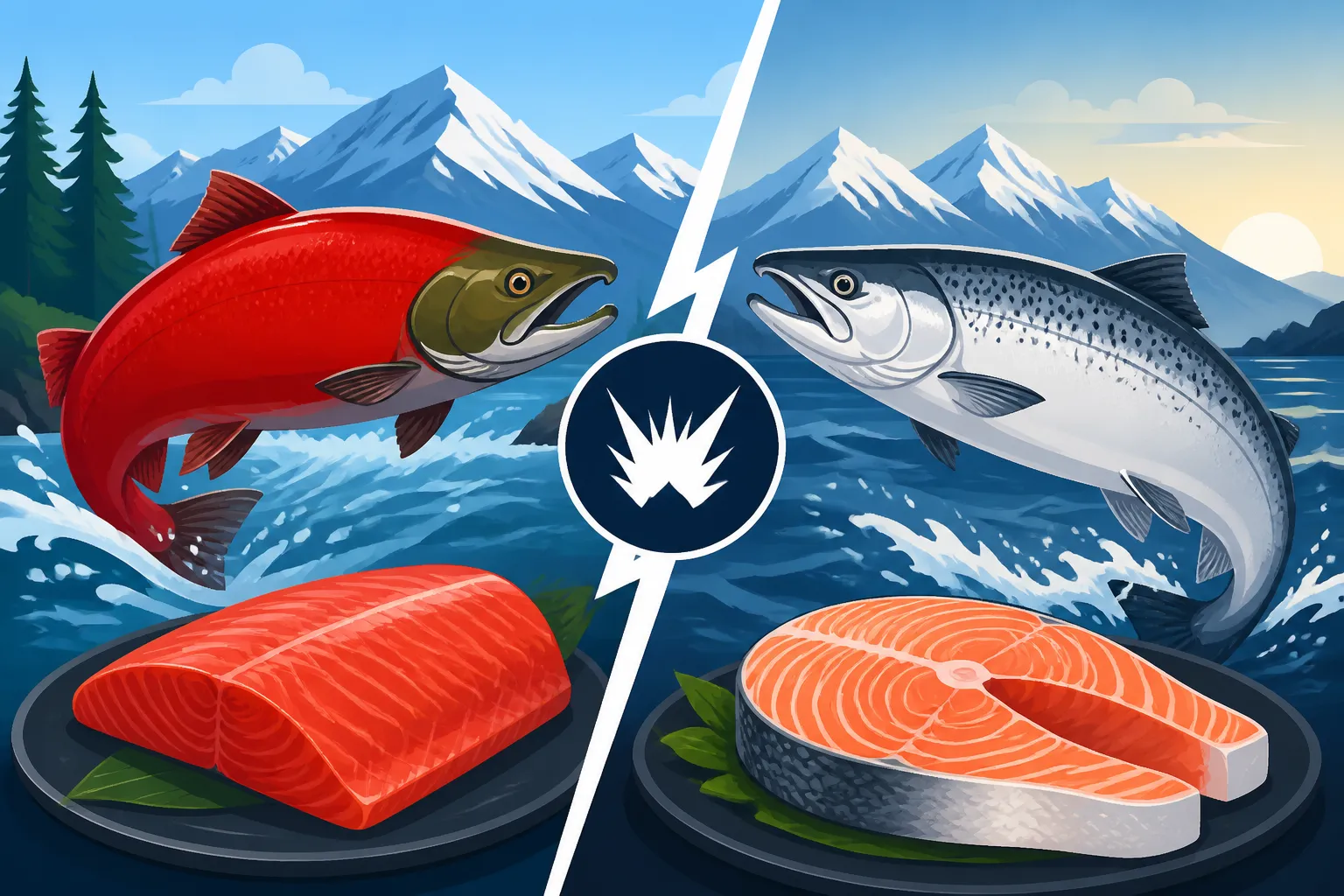
When you're comparing Alaska's two most iconic salmon species for eating, it's not just about what they look like on the hook; it's about what they bring to the table. King salmon, often referred to as Chinook, and Sockeye, also known as Red salmon, are both prized, but they stand at opposite ends of the flavor and texture spectrum. Understanding these fundamental differences is key to appreciating each for its unique culinary strengths. It's like choosing between a rich, buttery steak and a lean, flavorful cut – both are delicious, but they serve different purposes and satisfy different cravings.
Flavor Profile: From Buttery Richness to Robust Earthiness
Let's talk taste, because that's usually the first thing that comes to mind. King salmon, without a doubt, is often hailed as the king of flavor, and for good reason. It boasts an incredibly rich, luxurious, and often described as "buttery" taste. This isn't just marketing; it's a direct result of its exceptionally high fat content. When you take that first bite, you'll notice a melt-in-your-mouth quality, a delicate sweetness, and a profound salmon flavor that isn't overpowering but incredibly satisfying. It’s the kind of fish that makes you close your eyes and savor every flake. This richness makes it a standout, often commanding a higher price point, but many argue it's worth every penny for that unparalleled experience.
Sockeye salmon, on the other hand, offers a distinctly different, yet equally captivating, flavor profile. While less fatty than the King, Sockeye has a wonderfully robust, full-bodied taste that leans more towards an earthy, savory, and intensely "fishy" (in the best possible way) flavor. It's clean, bright, and assertive, standing up well to stronger seasonings and preparations. If you’re someone who loves the quintessential salmon taste – that unmistakable, almost wild essence – Sockeye will be your go-to. It doesn't have the same buttery mouthfeel as a King, but its flavor truly shines through, making it a favorite among many Alaskan fishing enthusiasts.
Texture and Fat Content: A Culinary Touchstone
The texture of salmon is intimately linked to its fat content, and this is where Kings and Sockeye diverge significantly. King salmon is renowned for its incredibly tender, large, moist flakes. The high oil content permeates the flesh, preventing it from drying out easily and giving it that succulent, almost creamy texture. This marbling of fat makes it incredibly forgiving to cook, though overcooking any fish is a culinary sin! When you're dealing with a premium piece of King salmon, you expect that delicate, almost velvety consistency that effortlessly separates into generous, glistening flakes. It's a truly opulent eating experience.
Sockeye salmon, in contrast, has a firmer, denser flesh with smaller, tighter flakes. Because it's a leaner fish, with significantly less fat than a King, it cooks up with a more pronounced chew. While still wonderfully moist when cooked correctly, it won't have the same "melt-in-your-mouth" richness. Its texture holds together beautifully, which can be an advantage for certain cooking methods. You can really feel the muscle in a Sockeye, reflecting its incredible journey upstream during the Alaska Salmon Life Cycle Explained. This firmer texture also means it can be a bit more prone to drying out if overcooked, so a watchful eye is essential when preparing it.
Visual Appeal: The Reds and Oranges of Alaskan Waters
Beyond taste and texture, the visual characteristics are often what first draw us in. Both King and Sockeye salmon are stunning, but their flesh colors are quite distinct. King salmon typically features a beautiful, vibrant orange-red to deep red hue. The color can vary slightly depending on their diet and location, but it consistently presents as a rich, appealing shade that looks fantastic on any plate. The marbling of fat is also visible, contributing to its premium appearance. To learn more about this incredible species, check out our Alaska King Salmon: Complete Guide.
Sockeye salmon, living up to its "Red Salmon" moniker, possesses an even more intensely deep, ruby-red color. This striking hue is primarily due to their diet, which is rich in crustaceans that contain astaxanthin, a powerful antioxidant. This deep red color holds up remarkably well during cooking, making it incredibly attractive. If you're looking for a fish that really pops with color on the plate, Sockeye is hard to beat. Its vibrant appearance is a strong indicator of its wild origin and lean, active lifestyle. For a deeper dive into Sockeye, explore our Alaska Sockeye Salmon Explained.
Beyond the Plate: Nutritional Powerhouses and Health Benefits
Beyond their delectable flavors and textures, both King and Sockeye salmon are nutritional champions, packed with essential vitamins, minerals, and healthy fats. Incorporating either into your diet is a fantastic way to boost your overall health. However, their differing fat contents mean there are some notable distinctions in their nutritional profiles that are worth understanding. It’s not just about deliciousness; it’s about providing your body with premium fuel from the pristine waters of Alaska.
Omega-3 Fatty Acids: Heart Health Heroes
When people talk about the health benefits of salmon, omega-3 fatty acids are usually at the top of the list, and for good reason. These essential fats, specifically EPA and DHA, are crucial for heart health, brain function, and reducing inflammation throughout the body.
King salmon, with its significantly higher fat content, naturally boasts an impressive amount of omega-3s. Ounce for ounce, it often contains some of the highest levels of these beneficial fats among all salmon species. This makes King salmon an absolute powerhouse for cardiovascular health, aiding in lowering blood pressure and cholesterol. If you're specifically looking to maximize your omega-3 intake from fish, King salmon is an excellent choice. You can often find high-quality King salmon products on platforms like Amazon if you're not lucky enough to catch your own.
Sockeye salmon, while leaner, is still an excellent source of omega-3s, providing substantial amounts that contribute to a healthy diet. Although it may not surpass King salmon in sheer quantity, the omega-3s in Sockeye are highly bioavailable, meaning your body can readily absorb and utilize them. Its leaner profile means you're getting robust flavor and good omega-3s without the same caloric density as a King. Both species contribute significantly to the recommended intake of these vital nutrients, which is fantastic news for any fish lover.
Protein, Vitamins, and Minerals: Fueling Your Body
Both King and Sockeye salmon are outstanding sources of high-quality protein, essential for muscle repair, growth, and overall bodily function. A typical serving of either fish will provide a substantial portion of your daily protein needs.
Beyond protein and omega-3s, they are also rich in a spectrum of other important nutrients. You'll find a significant amount of Vitamin D, crucial for bone health and immune function, as well as several B vitamins (B12, B6, niacin), which play vital roles in energy metabolism and nerve function. They also provide essential minerals like selenium, which acts as an antioxidant, and potassium, important for blood pressure regulation. King salmon's slightly higher fat content can mean it carries a bit more of the fat-soluble vitamins (like Vitamin D and E), while Sockeye, being leaner, still offers a potent blend of water-soluble vitamins and minerals. Regardless of your choice, you're investing in a nutrient-dense food that supports a healthy lifestyle.
Mastering the Kitchen: Cooking Techniques for Each Species
Knowing the flavor and texture differences is one thing, but knowing how to cook each species to perfection is where the real magic happens. Because of their distinct characteristics, King and Sockeye salmon respond differently to various cooking methods. Matching the right technique to the right fish ensures you get the most out of your premium Alaskan catch.
King Salmon: Embracing Its Opulence in Cooking
Given its rich, high-fat content, King salmon is incredibly versatile and forgiving in the kitchen. Its natural moisture and oiliness prevent it from drying out easily, making it a dream for many cooking styles.
- Grilling: This is a fantastic method for King salmon. The high heat creates a beautiful char on the outside while keeping the inside flaky and moist. The fat renders slightly, adding to its luxurious texture. A simple marinade or just a sprinkle of salt, pepper, and a squeeze of lemon is often all you need to let its natural flavor shine.
- Baking or Roasting: For a hands-off approach, baking or roasting King salmon in the oven is perfect. It cooks evenly, and the rich oils keep it tender. Try baking it on a cedar plank for an extra layer of smoky flavor. This method is particularly good for larger fillets.
- Pan-Searing: A quick sear in a hot pan (cast iron works wonders) can give King salmon a delicious crispy skin while maintaining a moist interior. Start skin-side down to render the fat and achieve that perfect crispness.
- Smoking: Smoked King salmon is a delicacy. Its high fat content absorbs the smoke beautifully, resulting in an incredibly flavorful and succulent product. If you're processing your own catch, consider learning How to Fillet a Salmon in Alaska for optimal smoking results.
- Sushi/Sashimi: Due to its exceptional quality, rich flavor, and often vibrant color, high-grade, responsibly sourced King salmon is also a top choice for sushi and sashimi. Ensure it's sushi-grade and properly handled for raw consumption.
Sockeye Salmon: Bringing Out Its Best Attributes
Sockeye salmon's leaner, firmer flesh requires a slightly more attentive approach to cooking to prevent it from drying out. The goal is to cook it just until it flakes, preserving its moisture and showcasing its robust flavor.
- Broiling: This quick, high-heat method works wonderfully for Sockeye. The intense heat cooks it rapidly, creating a nice crust while keeping the inside tender. Watch it closely, as it can go from perfect to overcooked in a flash.
- Pan-Searing: Like King, Sockeye can be pan-seared to achieve a beautiful crispy skin. Use a touch more oil or butter in the pan, and be mindful of cooking times. Its firm texture holds up well to this method.
- Grilling (with care): Sockeye can be grilled, but its lower fat content means it's more prone to sticking and drying. Using a well-oiled grate, a fish basket, or even wrapping it in foil can help. A basting marinade can also add moisture and flavor.
- Poaching: Poaching is an excellent way to gently cook Sockeye, keeping it incredibly moist. The subtle cooking liquid can also infuse delicate flavors without overpowering its distinct salmon taste.
- Canning: Sockeye salmon is a popular choice for canning due to its firm texture and deep color. It holds up well to the canning process, making it a fantastic way to preserve your catch for year-round enjoyment. You can even find canned Sockeye salmon readily available on Amazon for pantry stocking.
Practicalities for the Alaskan Angler and Home Cook
Choosing between King and Sockeye isn't just about taste preferences; it also involves practical considerations like availability, seasonality, and, let's be honest, cost. For many, especially those planning an Alaskan fishing adventure, these factors play a significant role in their ultimate decision.
Availability, Seasonality, and Market Presence
Alaska is truly the land of salmon, but not all species run at the same time or in the same abundance. Understanding the seasonality is crucial, whether you're planning a fishing trip or simply looking to buy fresh.
King salmon typically has an earlier, shorter run, often starting in May and peaking in June in many regions of Alaska, though runs can extend into July in some areas. Their populations can fluctuate, leading to more conservative fishing regulations, especially for recreational anglers. This can impact their availability and make them a more elusive catch. If you're dreaming of landing a trophy King, you'll want to dive into specific details like When Do King Salmon Run in Alaska to time your trip just right. Because of its prestige and often lower abundance compared to other salmon species, fresh King salmon tends to be less consistently available year-round in retail markets outside of Alaska. When it is available, it's considered a premium item.
Sockeye salmon, by contrast, are typically the most abundant salmon species in Alaska, particularly famous for their massive runs on rivers like the Kenai and in Bristol Bay. Their season generally begins in June and often peaks in July, sometimes extending into August. These strong runs make Sockeye much more accessible for both sport anglers and commercial fisheries. If you're wondering When Do Sockeye Salmon Run in Alaska, you'll find that July is usually prime time for many popular Sockeye fisheries. This higher abundance translates to broader market availability, both fresh during the season and frozen year-round. You'll often find frozen wild Alaska Sockeye fillets in grocery stores and online, making it a more consistent option for home cooks across the country.
Cost Considerations and Value for Money
Price is almost always a factor, and there's a clear distinction between King and Sockeye salmon here.
King salmon is almost universally the most expensive salmon on the market. Its premium price reflects its rarity, large size, high fat content, and exceptional flavor. If you're purchasing fresh King salmon, especially wild Alaskan King, you should expect to pay a significant amount per pound. This often makes it a special occasion fish for many, a treat to savor rather than an everyday staple. Its perceived value and culinary reputation certainly contribute to this price point. Anglers who catch their own King salmon understand the immense value of their harvest, knowing they've secured one of the ocean's greatest delicacies.
Sockeye salmon, while still a premium wild Alaskan product, is generally more affordable than King salmon. Its greater abundance in the commercial fishery allows for a more competitive price point, making it more accessible to a wider range of consumers. You can often find high-quality frozen Sockeye fillets at a reasonable price, offering excellent value for a wild-caught, nutrient-dense fish. For those who want the pure, intense flavor of wild salmon without the top-tier King salmon price tag, Sockeye presents an excellent balance of quality, taste, and affordability. Many consider it the best bang for your buck in terms of taste and health benefits among the Types of Salmon in Alaska Explained.
Making Your Choice: Which Salmon Reigns Supreme for Your Dish?
So, after all this, how do you make the ultimate decision between King and Sockeye? It really boils down to your personal preferences, your culinary goals, and your budget. There's no single "best" salmon; only the best salmon for your specific needs.
If you are seeking an indulgent, rich, buttery experience – a true culinary showstopper for a special dinner or when you simply want to treat yourself – the Alaska King salmon is your undisputed champion. Its high fat content and delicate flavor make it exceptionally luxurious and suitable for simpler preparations that allow its natural qualities to shine. Think elegant grilled fillets or a perfectly seared skin-on portion.
If you crave that quintessential, robust "salmon" flavor, with a firmer texture that holds up beautifully to more assertive seasonings or heartier preparations, Sockeye salmon is an outstanding choice. Its deep red color and clean, intense taste are incredibly satisfying, and its greater affordability makes it a fantastic option for more frequent meals. It's a superb choice for grilling, broiling, or even using in salmon burgers or flakes for salads. Many folks on the Kenai Peninsula specifically target Sockeye for its incredible taste and abundance during peak Alaska Salmon Run Timing Explained.
Ultimately, both Alaska Sockeye and King salmon offer incredible eating experiences, each with its own unique charm. Don't limit yourself to just one; enjoy the journey of discovering the distinct pleasures each species brings to your plate! You might even find yourself enjoying a variety of fish, exploring options like Alaska Coho Salmon: Facts and Fishing Tips or Alaska Pink Salmon: Facts and Fishing Tips to broaden your culinary horizons.
Here's a quick comparison to help solidify your understanding:
| Feature | Alaska King Salmon | Alaska Sockeye Salmon |
|---|---|---|
| Common Names | Chinook, Blackmouth, Tyee | Red Salmon, Blueback |
| Flavor Profile | Rich, buttery, delicate, luxurious | Robust, earthy, intensely savory, clean |
| Texture | Tender, large, moist flakes, melt-in-your-mouth | Firmer, denser flesh, smaller flakes, more "chew" |
| Fat Content | Very High (Highest of all salmon species) | Medium-Low (Leaner than King) |
| Flesh Color | Vibrant orange-red to deep red | Intense, deep ruby red |
| Omega-3s | Extremely High | High |
| Availability | More limited, seasonal, premium | More abundant, seasonal (fresh), year-round (frozen) |
| Cost | High (Premium price) | Moderate (Good value for wild salmon) |
| Best Cooked | Grilled, baked, pan-seared, smoked, sushi | Broiled, pan-seared, grilled (carefully), poached, canned |
Disclaimer
The information provided in this guide is for general informational purposes only and does not constitute professional advice. Fishing regulations, seasons, and fish availability can change rapidly due to emergency orders and biological assessments. Always consult the latest regulations from the Alaska Department of Fish and Game (ADF&G) before planning any fishing trip or making purchasing decisions.