What Do Alaska King Salmon Eat
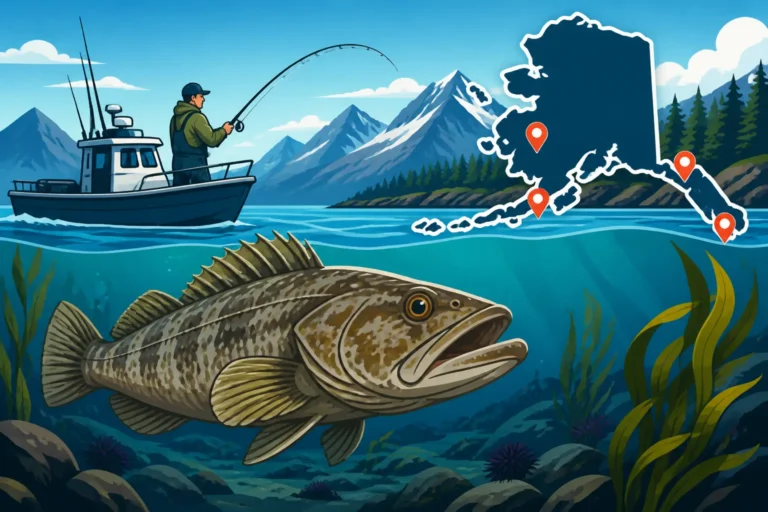
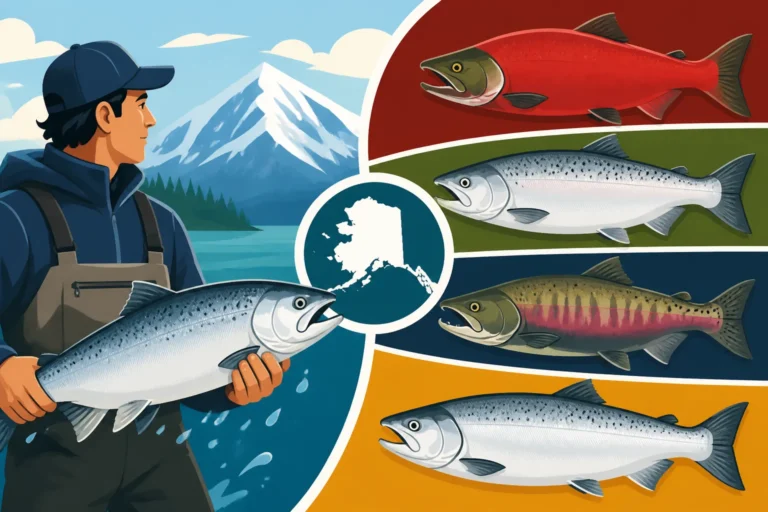
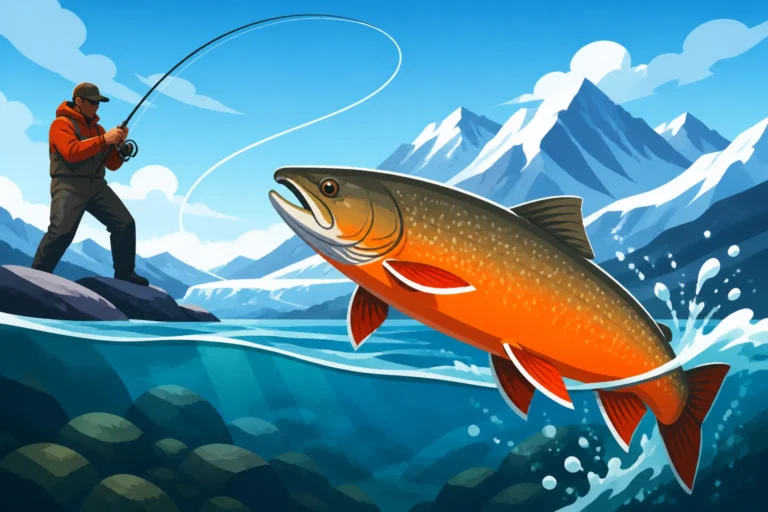
Understanding what Alaska King Salmon eat throughout their lives can sometimes feel like trying to solve a mystery, especially when you're preparing for a fishing trip and just want to know what bait or lure to use. It's more than just a simple menu; their diet is deeply intertwined with their incredible life cycle, changing dramatically from tiny river dwellers to massive ocean predators. This comprehensive guide will shed light on the diverse and fascinating diet of the King Salmon, helping you understand their feeding habits from the moment they hatch until they return to spawn.
Understanding the King Salmon's Epic Journey and Dietary Shifts
The life of an Alaska King Salmon, also known as Chinook salmon, is an extraordinary saga that begins in the cold, clear freshwater rivers and streams of Alaska. From there, they embark on an epic migration to the vast, nutrient-rich expanse of the Pacific Ocean, only to return years later to the very waters of their birth to spawn. This incredible journey, which can last anywhere from three to seven years, is punctuated by significant dietary shifts, each phase dictating what these powerful fish consume to fuel their growth and survival. What they eat, and how they eat it, is entirely dependent on where they are in this grand cycle.
From Egg to Fry: The First Freshwater Meals
The story of the King Salmon's diet begins with the smallest, most vulnerable stage: the fry. After hatching from eggs buried deep in gravel nests (redds), these tiny fish emerge as alevin, still carrying a yolk sac that provides their initial sustenance. They remain hidden in the gravel, absorbing nutrients from this sac, until they are strong enough to venture out into the freshwater environment.
Once the yolk sac is fully absorbed, the young King Salmon transition to the fry stage and begin their active feeding life. At this point, they are incredibly small, often just an inch or two long, and their mouths are tiny. Their diet is primarily composed of equally minuscule organisms found in their immediate freshwater habitat. Think of it like a baby starting on soft purees; they need easily digestible, readily available food. They voraciously consume zooplankton, which are microscopic animals drifting in the water column, along with aquatic insect larvae and nymphs that cling to rocks or burrow in the riverbed. This early diet is crucial for their rapid growth and development, preparing them for the more strenuous phases of their life. Without this initial, nutrient-dense freshwater feeding, their chances of survival significantly diminish. Many of these tiny meals are barely visible to the human eye, yet they form the foundation of a future king.
Smolts Head for the Estuary: A Transitional Diet
As the King Salmon grow from fry into parr (characterized by distinctive vertical bars on their sides for camouflage), they continue to feed on freshwater insects and small invertebrates. However, a significant physiological change begins to occur as they prepare for their migration to saltwater – a process called smoltification. During this time, often after a year or more in freshwater, their bodies transform to handle the osmotic stress of moving from fresh to salt water. This migratory urge also brings about changes in their feeding habits and preferences.
As smolts, they begin to move downstream towards the river mouths and estuaries, which are brackish water environments where freshwater mixes with saltwater. This transition zone is a crucial feeding ground and a period of dietary adjustment. Here, their diet becomes a mix of both freshwater and marine-influenced prey. They'll still snatch up freshwater insect larvae, but they start to adapt to consuming small crustaceans like amphipods and isopods, which are more common in brackish and marine environments. This period in the estuary is vital for them to acclimate to saltwater life and to pack on calories before their arduous journey into the open ocean. It's a critical bridge, both physiologically and gastronomically, where they learn to forage for different types of food. If you're wondering about the full scope of their journey, our guide on the Alaska Salmon Life Cycle Explained offers a deeper dive into this fascinating process.
The Ocean's Bounty: Adult King Salmon's Primary Diet
Once King Salmon leave the protective embrace of the estuaries and venture into the vast Pacific Ocean, their diet undergoes its most dramatic transformation. They are no longer small, vulnerable fish picking at insect larvae. Now, they are apex predators in their pelagic environment, focused on consuming calorie-rich prey to fuel their incredible growth. This is where they earn the "King" in their name, not just for their size, but for their dominant presence in the marine food web.
Fatty Fish and Invertebrates: The Ocean Staples
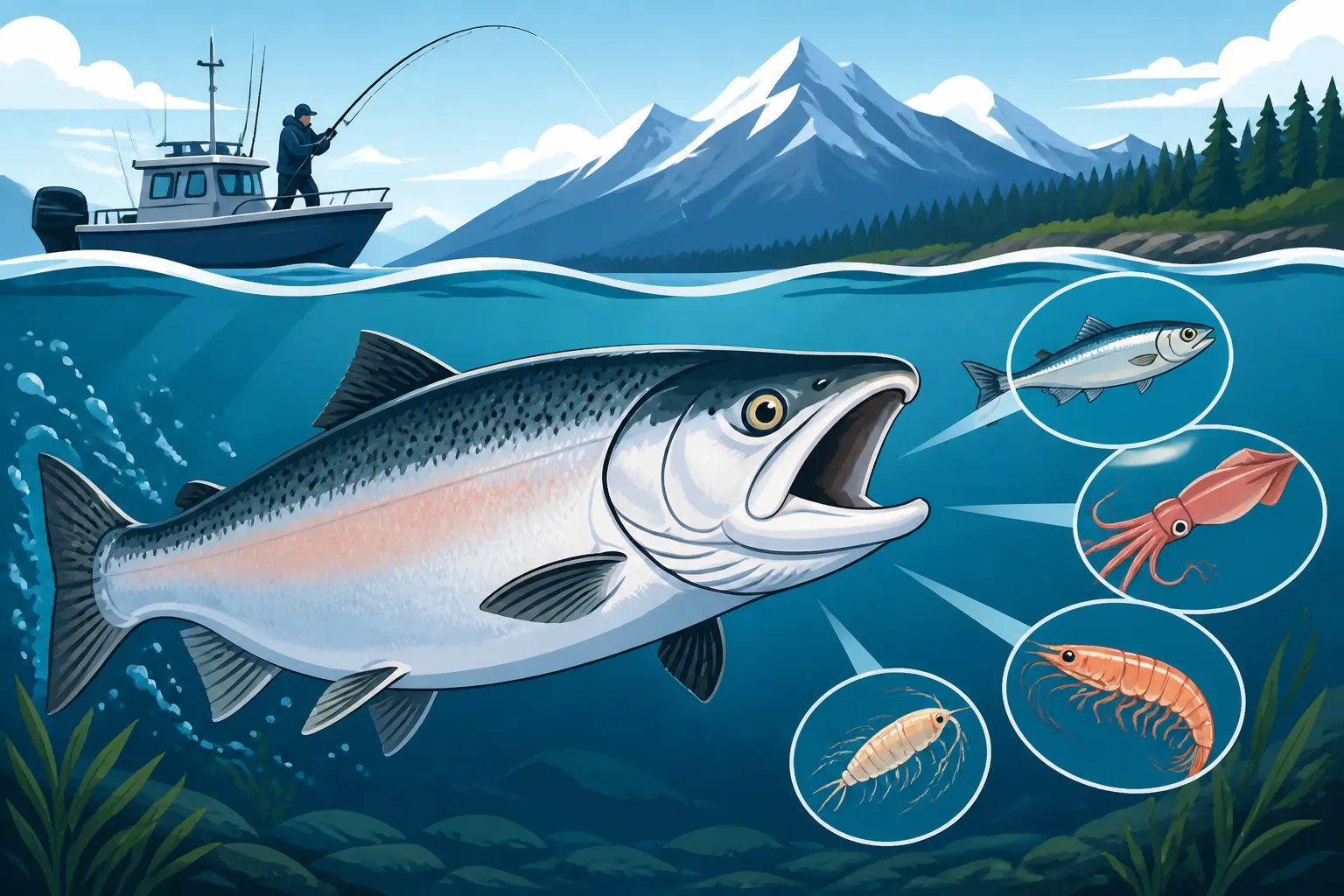
In the cold, productive waters of the North Pacific, adult King Salmon primarily become piscivores – fish-eaters. Their diet shifts overwhelmingly to other fish, especially those rich in fats and oils, which provide the high energy content necessary for their powerful swimming and rapid growth. These fatty fish include herring, sandlance (also known as "candlefish"), capelin, and juvenile pollock. These small, schooling fish are abundant in many Alaskan waters and form the backbone of the King Salmon's diet. Imagine a King Salmon chasing down a school of herring in the Gulf of Alaska; it's a dynamic and intense feeding spectacle.
Beyond these schooling baitfish, they also consume a significant amount of squid, which are another excellent source of protein and fat. Larger crustaceans, such as shrimp and krill, also make up a portion of their diet, especially when other fish species are less abundant. The diversity of prey available in different ocean regions means that a King Salmon feeding off the coast of Southeast Alaska might have a slightly different menu than one foraging further north in the Bering Sea. This focus on high-energy prey is what allows them to grow to such impressive sizes, often exceeding 30 pounds, with some true giants pushing past 50, 60, or even 70 pounds! Understanding their preferred menu is key to knowing How to Catch King Salmon in Alaska.
Regional Variations in Ocean Diet
While the general rule for ocean-phase King Salmon is "eat fatty fish," the specific species they prey upon can vary significantly based on their migratory patterns and the particular regions they inhabit. For instance, King Salmon feeding in the nearshore waters of the Gulf of Alaska might encounter more abundant schools of herring and sandlance, along with significant populations of small squid. This local availability dictates their immediate menu.
Further north, in the Bering Sea or near the Aleutian Islands, the prey base might shift to include more juvenile pollock, which are incredibly abundant in those colder waters. Even within a relatively small area, such as off the coast of Homer or Seward, local currents and seasons can influence the concentration of baitfish, subtly altering what the Kings are feeding on at any given time. For example, during certain times of the year, specific estuaries or bays might see massive influxes of juvenile salmon from other species (like Pink or Chum salmon) migrating out to sea. While not their primary target, opportunistic King Salmon might prey on these smaller salmon as well, adding another layer to their diverse ocean diet. This adaptability allows them to thrive across vast stretches of the Pacific. To learn more about where these magnificent fish are caught, check out our guide on Alaska King Salmon: Size, Season, and Where to Catch.
| Life Stage | Primary Location | Main Food Sources (Examples) | Size of Prey |
|---|---|---|---|
| Alevin | Freshwater redds | Yolk sac | N/A |
| Fry | Freshwater streams | Zooplankton, aquatic insect larvae (chironomids, mayflies), nymphs | Microscopic |
| Parr | Freshwater streams | Aquatic insect larvae, nymphs, small crustaceans | Small |
| Smolt | Estuaries | Mixed freshwater insects, small crustaceans (amphipods), marine worms | Small |
| Ocean-Phase Adult | Open ocean | Herring, sandlance, capelin, juvenile pollock, squid, shrimp, krill | Medium-Large |
| Spawning Adult | Freshwater rivers | Nothing (fasting during migration and spawning) | N/A |
Factors Influencing King Salmon Feeding Habits
The diet of an Alaska King Salmon isn't just about what's available; it's also heavily influenced by a complex interplay of environmental factors and their own biological imperatives. These factors dictate when, where, and how intensely they feed, profoundly impacting their growth and overall health. Understanding these variables provides deeper insight into the challenges and opportunities facing these incredible fish.
Water Temperature, Salinity, and Prey Availability
Environmental conditions play a monumental role in shaping a King Salmon's diet. Water temperature is a critical factor, as salmon are cold-blooded and their metabolism is directly affected by the temperature of their surroundings. Optimal feeding temperatures promote active foraging and digestion. If ocean waters become too warm, King Salmon might seek cooler depths or migrate to different areas, potentially altering their access to preferred prey. Conversely, unusually cold waters can slow their metabolism, making them less active feeders.
Salinity, or the salt content of the water, is another significant factor, particularly during the smolt and adult stages. As smolts transition through estuaries, they gradually acclimate to increasing salinity. This physiological shift can temporarily affect their feeding efficiency until they are fully adapted to saltwater. Once in the ocean, consistent salinity levels allow them to maintain their metabolic balance, which directly supports active feeding.
However, the most immediate and profound influence on their diet is, without a doubt, prey availability. If schools of herring are scarce in a particular area, King Salmon will have to expend more energy to find food, or they will shift their diet to whatever other calorie-rich prey is present, such as squid or other smaller fish. Ocean currents, weather patterns, and even larger marine predator activity can all influence where baitfish congregate, creating feast or famine scenarios for the Kings. For example, during an El Niño year, warmer Pacific waters can push preferred baitfish populations further north or deeper, forcing King Salmon to adapt their foraging strategies or suffer reduced growth. This dynamic relationship between the environment and their food source makes the King Salmon's life in the ocean a constant hunt for sustenance. Anglers often keep a close eye on forecasts for Alaska Salmon Run Timing Explained to predict when these fish will be most actively feeding.
The Anadromous Fast: Why Spawning Kings Stop Eating
Perhaps the most fascinating and counter-intuitive dietary shift occurs when adult King Salmon begin their return journey to freshwater to spawn. This is what we call the "anadromous fast." Once they enter freshwater rivers and begin their upstream migration, King Salmon essentially stop eating. This isn't just a casual pause; it's a complete cessation of feeding that can last for weeks or even months, depending on the length and difficulty of their journey.
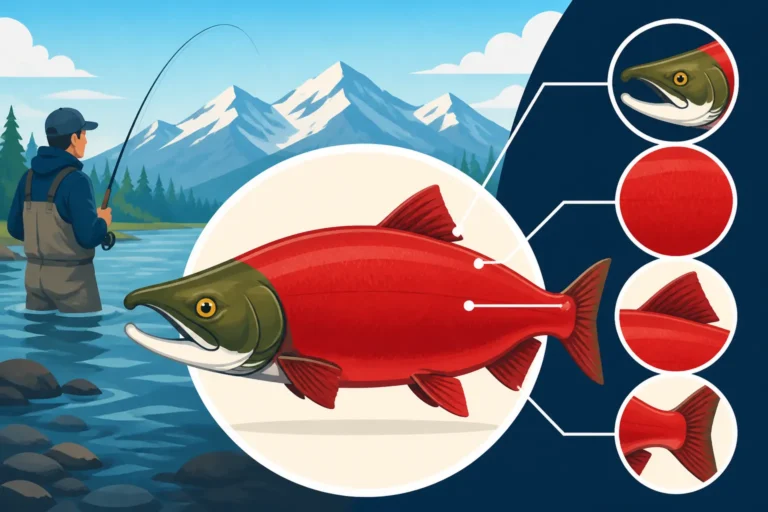
Why do they stop eating? Their bodies undergo a dramatic biological transformation. All their energy and resources are now dedicated to a single, overwhelming purpose: reproduction. Their digestive systems begin to shut down, and their bodies start to reallocate stored fat and protein from their ocean feeding period to develop their eggs and milt. The vibrant, silvery scales they sported in the ocean begin to darken, and males develop a pronounced kype (hooked jaw), signifying their readiness to spawn. For anglers, this means that while a King Salmon might strike a lure or bait in freshwater, it's often out of aggression, territoriality, or an ingrained instinct, rather than true hunger. They are not feeding to sustain themselves, but rather reacting to something in their environment. This is why understanding Best Lures and Bait for Alaska King Salmon often involves mimicking their past prey or provoking a strike rather than directly appealing to hunger. It's a testament to the incredible drive of these fish that they can endure such a prolonged fast while undertaking one of the most physically demanding migrations in the animal kingdom.
What This Means for Anglers
Understanding what King Salmon eat throughout their lives isn't just interesting biological trivia; it's absolutely fundamental to becoming a successful angler. Knowing their preferred menu helps you make informed decisions about your tackle, bait, and techniques, whether you're chasing them in the salt or freshwater.
Matching the Hatch (or the Bait)
The concept of "matching the hatch" is usually associated with fly fishing for trout, but it applies equally well to King Salmon when you adapt it to "matching the bait." In the ocean, where King Salmon are actively feeding, your goal is to present something that closely imitates the small, oily fish or squid they are gorging on. This means choosing lures like spoons, plugs (such as a Kwikfish or Brads Super Bait), or hoochies that mimic the size, shape, and flash of herring or sandlance. Color can also be crucial; natural baitfish patterns often excel, but sometimes bright, attention-grabbing colors are needed to get a bite in deeper or murkier water. You can find a wide range of specialized lures and gear on Amazon, perfect for mimicking those crucial ocean baitfish.
When King Salmon enter freshwater, the strategy shifts. Since they're no longer actively feeding, you're not trying to perfectly imitate their food. Instead, you're aiming to trigger a strike through instinct or aggression. This often involves using larger, brightly colored lures (like Spin-N-Glos, large spinners, or vibrantly colored plugs) that irritate them or provoke a reaction. Bait, such as cured salmon roe, still works incredibly well in freshwater, partly because it's a natural food source (albeit not for actively feeding adults) and partly because its scent and texture are irresistible. The key is to present your offering in a way that gets noticed in the current, whether through back-trolling, drift fishing, or casting. To refine your strategy, delving into How to Fly Fish in Alaska or Best Fishing Techniques for Alaska will provide more targeted advice based on species and location.
Gear and Lure Choices Based on Diet
Your understanding of the King Salmon's diet directly influences your gear selection. For ocean fishing, where Kings are actively chasing baitfish, you'll need robust gear capable of handling powerful strikes and prolonged fights. This includes sturdy rods (often medium-heavy to heavy action), reliable reels spooled with strong braided or monofilament line, and terminal tackle designed for saltwater conditions. Think of heavy-duty swivels, strong leaders, and sharp, corrosion-resistant hooks. Many anglers choose specific types of downriggers to get their bait or lures down to the depth where baitfish (and therefore Kings) are congregating, often found between 50 and 200 feet, depending on the time of year and location. For heavier tackle suitable for ocean Kings, checking out the diverse selection of rods and reels on Amazon could be a good start.
In freshwater, while the fish are no longer feeding, they are still incredibly powerful. You'll still need strong rods and reels, though perhaps slightly lighter action if you're targeting specific river techniques like drift fishing or "flossing." The choice of lure becomes more about visibility and provocation: large, flashy spinners, brightly colored plugs, and scented baits are popular. Many anglers stock up on pre-made salmon eggs or roe cures from sellers on Amazon, knowing that scent can be a major trigger in freshwater. Specialized flashers and hoochies, often available through Amazon, are designed to emulate the fleeing baitfish that ocean Kings target. Before heading out, I always make sure my tackle box, which I picked up on Amazon years ago, is fully stocked with a variety of options. Remember that Alaska Fishing Regulations Explained can have specific rules on bait and tackle, so always check before you go.
Disclaimer
Please remember that fishing regulations in Alaska can change frequently due to emergency orders and conservation efforts. Always consult the latest Alaska Department of Fish and Game (ADF&G) regulations before heading out on your fishing adventure to ensure you are compliant with all current rules and limits.