Alaska Sheefish Explained
Imagine reeling in a fish that fights with the vigor of a tarpon, yet swims in the freshwater rivers of Interior Alaska. Many anglers travel thousands of miles to experience the thrill of Alaska's salmon and halibut, only to be surprised by another incredible game fish: the Sheefish. This guide is here to unravel the mystery of the magnificent Alaska Sheefish, helping you understand its unique characteristics, ideal habitats, and how you can successfully pursue this often-overlooked Alaskan powerhouse.
Unmasking the Alaska Sheefish: A True Freshwater Predator
The Sheefish, known scientifically as Stenodus leucichthys, is a species that often takes anglers by surprise. Unlike the familiar salmon, trout, or halibut that dominate the spotlight, the Sheefish is a distinct member of the whitefish family, albeit a much larger and more predatory one. Its sheer size and aggressive nature have earned it the well-deserved moniker "Tarpon of the North," a title that perfectly encapsulates the fierce fight it puts up.
Identifying the Majestic Sheefish
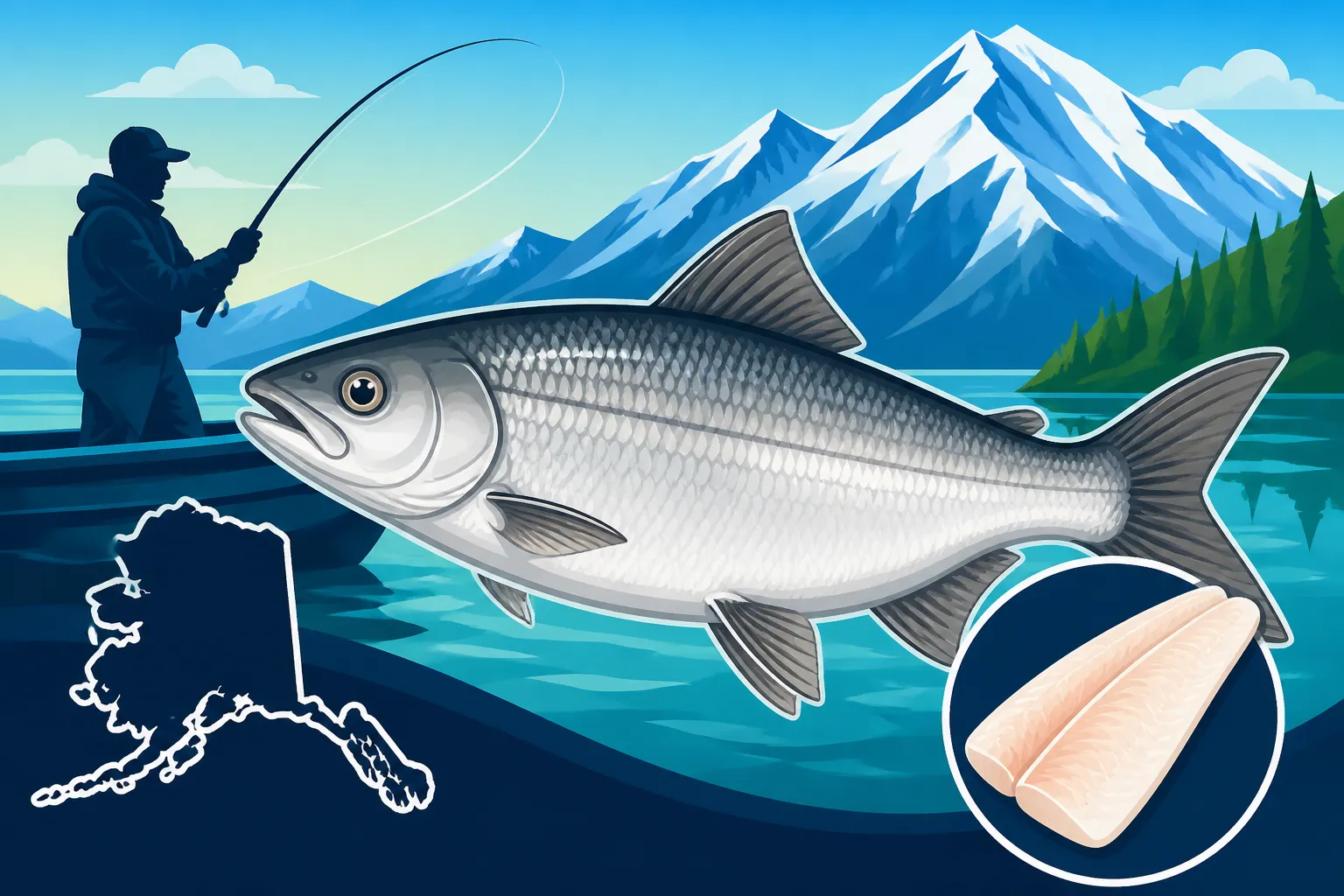
One of the first challenges many anglers face is properly identifying a Sheefish. They have a sleek, elongated body, almost torpedo-shaped, covered in large, silvery scales that shimmer brilliantly, especially when freshly caught from the cold Alaskan waters. Their head is relatively small and pointed, with a large mouth and a protruding lower jaw, hinting at their predatory diet. Unlike most whitefish, which are typically bottom feeders with smaller, downturned mouths, the Sheefish's mouth is designed for snatching prey from the water column. They also possess a prominent dorsal fin and a deeply forked tail, which aids in their powerful, swift movements through river currents.
When you hold a Sheefish, you'll immediately notice its firm, muscular body. An adult Sheefish can range anywhere from 5 to 25 pounds, but true monsters over 40 pounds are not uncommon, with some pushing the 60-pound mark. Their size alone sets them apart from other Alaskan freshwater species, except perhaps a trophy northern pike or a large king salmon. The biggest Sheefish ever recorded was an astounding 63-pound behemoth caught in the Pah River. This remarkable size, combined with their striking silver appearance and aggressive feeding behavior, makes them a highly sought-after trophy for adventurous anglers.
The Sheefish's Unique Place in Alaskan Ecosystems
Sheefish aren't just big; they play a critical role in the remote ecosystems of Alaska. They are anadromous, meaning they spend parts of their lives in saltwater (or brackish water in coastal deltas) and migrate into freshwater rivers to spawn, similar to salmon. However, unlike salmon, Sheefish don't die after spawning. Instead, they return to their feeding grounds, often making these migrations multiple times throughout their long lives, which can extend over 20 years. This makes them a truly resilient and fascinating species.
Their primary diet consists of smaller fish like juvenile salmon, whitefish, and lamprey, along with aquatic insects. They are voracious eaters, constantly on the hunt, which is why they respond so well to artificial lures that mimic baitfish. From a cultural perspective, Sheefish have long been a vital subsistence food source for indigenous communities in Interior and Northwestern Alaska, particularly along the Kobuk and Selawik rivers. Understanding their life cycle and predatory habits is key to successfully targeting them and appreciating their significance within Alaska's wild landscapes.
Navigating Sheefish Territory: Where to Find Them
Successfully tracking down Sheefish means understanding their preferred habitats and migration routes. These fish are not widely distributed across Alaska; instead, they are concentrated in specific, often remote, river systems of the Interior and Arctic regions. Knowing where to focus your efforts is paramount to a successful Sheefish expedition.
Key Rivers and Their Unique Sheefish Populations
The most famous Sheefish fisheries in Alaska are undoubtedly found in the western and northern parts of the state. The Kobuk River and Selawik River are legendary for their abundant Sheefish populations, drawing anglers from around the world. These rivers flow through vast, wild landscapes, offering not just exceptional fishing but also an incredible wilderness experience. The Sheefish here can grow to impressive sizes, with 20 to 30-pounders being relatively common catches during the peak season.
Beyond these two giants, other notable rivers include the Yukon River and its tributaries, as well as the Kuskokwim River system. While the Sheefish in these larger river systems might be more spread out, they still offer fantastic opportunities for those willing to explore. You'll often find them congregating in areas where baitfish are plentiful, such as confluences with smaller streams, deep pools, or along cut banks where slower water provides ambush points. Fishing these remote locations often requires fly-in trips to wilderness lodges or small bush plane charters, adding to the adventure. You can find excellent information on specific locations in our guide on the Best Fishing Spots in Alaska.
Understanding Sheefish Migration and Habitat
Sheefish undertake extensive migrations, often traveling hundreds of miles from brackish estuaries to their freshwater spawning grounds. These migrations are driven by their spawning cycle and search for food. In the spring, after the ice breaks up, they move into the lower reaches of rivers, feeding aggressively. As summer progresses, they push further upstream, particularly into the middle and upper stretches of rivers like the Kobuk and Selawik, to spawn in late summer or early fall.
After spawning, they slowly move back downstream towards their overwintering grounds, which are often deep, slow-moving pools or lakes connected to the main river systems. Knowing this pattern is critical. When planning your trip, consider the river section you'll be fishing and the time of year to coincide with either their upstream migration, aggressive feeding behavior, or downstream movement. For example, during the upstream run, they'll often be found in more open, current-laden areas, while post-spawn they might be in deeper, slower pockets. These environments often require durable gear, and you'll find plenty of options for sturdy rods and reels on Amazon that can handle these powerful fish.
Timing Your Sheefish Adventure: Best Seasons and Conditions
Timing is everything when it comes to Sheefish, just like with any other anadromous species in Alaska. You can't just show up any time of year and expect to hit the jackpot. Their migratory patterns and feeding habits dictate when and where you'll find them in peak condition and numbers.
Peak Seasons for Sheefish Activity
The absolute best time to target Alaska Sheefish is typically from late July through September. This period aligns perfectly with their upstream spawning migration in the major river systems like the Kobuk and Selawik. During this time, the fish are actively moving, feeding aggressively to build energy reserves, and are concentrated in predictable areas.
- Late July to Mid-August: This is often considered the prime window. The waters are typically clear (barring heavy rains), and Sheefish are moving robustly upstream. They are actively chasing baitfish, making them susceptible to a variety of lures. The weather is generally milder, though still unpredictable, so always be prepared with good rain gear.
- Late August to September: While spawning begins, fish are still present in good numbers. Some will be holding in deeper pools or gravelly runs. As the season progresses, the window for fly-in access to some of the more remote rivers can start to narrow due to changing weather and potentially lower water levels in some feeder streams.
Outside of these peak months, Sheefish can still be caught, particularly during the early summer (June and early July) in the lower river sections and estuaries as they begin their journey upstream. However, they are often more dispersed and less concentrated, making them harder to locate consistently. Winter ice fishing can also yield Sheefish in some areas, but this is a highly specialized and much tougher pursuit. For a broader overview of seasonal fishing opportunities, check out our Alaska Fishing Seasons: Month-by-Month Guide.
Understanding Water Conditions and Daily Patterns
Like most predatory fish, Sheefish are highly influenced by water conditions and light levels.
- Water Temperature and Clarity: Sheefish prefer cooler water, typically in the 40s and 50s Fahrenheit. Very warm water can make them sluggish, while extremely cold water might also slow their metabolism. Clarity is also key; clearer water generally means better visibility for both the fish and the angler, making it easier for Sheefish to spot lures. After heavy rains, rivers can become turbid, which might slow fishing until the water clears.
- Daily Feeding Patterns: Sheefish are opportunistic predators, often feeding throughout the day. However, early mornings and late evenings, when light conditions are softer, can often be particularly productive. These low-light periods give them an advantage over their prey. Mid-day can still be excellent, especially on overcast days. During bright, sunny conditions, they might retreat to deeper water or shaded areas. Pay attention to changes in barometric pressure as well; stable pressure often correlates with more active feeding.
| Season | Typical Location | Sheefish Behavior | Fishing Challenge |
|---|---|---|---|
| Early Summer | Lower River, Estuaries, Coastal Deltas | Beginning upstream migration, dispersed | Harder to locate |
| Mid-Summer | Mid-River sections, actively moving | Aggressive feeding, pre-spawning | Excellent |
| Late Summer | Upper River, Spawning grounds, deep pools | Spawning, still feeding (post-spawn) | Very Good |
| Fall | Migrating downstream to overwintering areas | Post-spawn recovery, sporadic feeding | Fair to Good |
| Winter | Deep pools, connected lakes (ice fishing) | Less active, harder to access | Difficult |
Mastering Sheefish Tactics: Lures, Bait, and Essential Gear
Targeting Sheefish effectively requires the right approach, given their powerful fighting style and predatory instincts. You can't just throw out any old tackle; you need gear that can stand up to a sustained, hard fight and presentation methods that mimic their natural prey.
The Best Lures and Baits for Sheefish
Sheefish are primarily piscivorous, meaning they eat other fish, so your lure selection should reflect this. Large, flashy, and erratic presentations tend to be the most effective.
- Spoons: Classic metal spoons are incredibly effective for Sheefish. Their wobbling action and reflective flash perfectly imitate a wounded baitfish. Colors like silver, gold, chartreuse, and iridescent blue are popular choices. Think larger sizes, often 3/4 oz to 1.5 oz, to grab their attention in strong currents. Brands like Pixee or Dardevle are timeless choices.
- Spinners: Big inline spinners with a heavy blade and bright skirt or dressed treble hook can also be deadly. The vibration and flash they create are irresistible to a hungry Sheefish. Again, opt for larger sizes (e.g., #5 or #6) with bright, contrasting colors.
- Plugs and Crankbaits: Larger diving plugs or crankbaits that imitate baitfish are excellent, especially when trolled from a boat or retrieved in areas with slower current. Look for lipped crankbaits that dive to about 5-10 feet, in natural baitfish patterns or bright, attention-grabbing colors. Jointed plugs can offer an even more erratic action that mimics struggling prey. Some anglers have had good luck with popular salmon plugs like Kwikfish, especially in larger sizes.
- Soft Plastics/Swim Baits: If you prefer a more subtle approach or are fishing clearer water, large soft plastic swimbaits rigged on a heavy jig head can be very effective. Choose realistic baitfish profiles and colors. The key is to impart an enticing swimming action.
- Live Bait (Where Permitted): In some areas, live bait (like whitefish or even smaller salmon smolt, where legal) can be exceptionally effective, though regulations on bait use can vary greatly. Always check the current Alaska Fishing Regulations Explained for the specific area you plan to fish. Often, using bait is restricted to prevent the spread of disease or non-native species.
Setting Up Your Sheefish Tackle
Sheefish are not dainty fighters, so you'll want gear that can handle powerful runs and aggressive head shakes. Think medium-heavy to heavy freshwater tackle.
- Rods: A robust 8 to 9-foot spinning or casting rod with a medium-heavy to heavy action is ideal. This length provides good casting distance for covering water and enough leverage to fight large fish in strong currents. The longer rod helps absorb the shock of those initial powerful strikes. Look for rods rated for 12-25 lb line and 3/4-2 oz lures.
- Reels: A high-quality spinning reel in the 4000-6000 size range or a sturdy baitcasting reel with a reliable drag system is essential. Sheefish will make blistering runs, and a smooth, consistent drag is crucial to prevent break-offs. A reel with a good line capacity is also important, as these fish can take out a lot of line in a hurry. Many reliable options for both spinning and baitcasting reels can be found on Amazon.
- Line: Spool up with 20-30 lb braided line. Braid offers superior sensitivity, minimal stretch for solid hooksets, and excellent abrasion resistance against rocky river bottoms. Attach a 20-30 lb fluorocarbon or monofilament leader (3-5 feet long) with a strong swivel to connect your main line to your lure. This leader provides a bit of stretch and is less visible to the fish.
- Terminal Tackle: Use strong, high-quality snap swivels (rated for at least 50 lbs) to quickly change lures and prevent line twist. Ensure all your hooks are sharp and strong enough to withstand the pressure of a big Sheefish fight.
Table: Recommended Sheefish Gear Setup
| Gear Component | Recommendation | Key Features |
|---|---|---|
| Rod | 8-9 ft, Medium-Heavy to Heavy action (Spinning or Casting) | Good casting distance, strong backbone, shock absorption |
| Reel | 4000-6000 size Spinning or Heavy Baitcasting | Smooth, reliable drag; high line capacity |
| Main Line | 20-30 lb Braided Line | High sensitivity, low stretch, abrasion resistance |
| Leader | 20-30 lb Fluorocarbon or Monofilament (3-5 ft) | Low visibility, some stretch for shock absorption |
| Lures | Large Spoons (3/4-1.5 oz), Inline Spinners (#5-#6), Plugs | Flashy, erratic action, baitfish imitation |
| Terminal Tackle | Heavy-duty snap swivels (50lb+), strong sharp hooks | Secure connections, quick lure changes, no break-offs |
Sheefish Fishing Techniques
Whether you're fishing from shore or a boat, a few techniques stand out for Sheefish.
- Casting and Retrieving: This is the most common method. Cast your chosen lure (spoon, spinner, or plug) across and slightly upstream of likely holding water. Allow it to sink for a moment, then retrieve it at a steady pace, imparting a varied action with rod tip twitches. Sheefish often strike aggressively, so be ready. This works well from riverbanks, gravel bars, or drifting boats. For effective casting techniques, you might find our guide on Casting in Alaska: How-To Guide useful.
- Trolling: From a boat, trolling plugs or spoons can be very effective, especially when covering large stretches of river or searching for schools of fish. Adjust your speed and lure depth until you find where the fish are holding. Trolling allows you to present your lure consistently in the strike zone for longer periods.
- Drift Fishing: Similar to techniques used for salmon, drift fishing with heavily weighted lures or bait (where legal) can put your offering right in front of Sheefish holding in deeper channels or eddies. This requires good boat control to keep your presentation natural with the current. This method is often detailed in guides like Drift Fishing in Alaska: How-To Guide.
Always remember to bring along quality polarized sunglasses to help spot fish or submerged structure, and be prepared for the elements with good rain gear and warm layers. The remote areas where Sheefish thrive are stunning but can be unforgiving.
Regulations and Responsible Angling for Sheefish
As with all fishing in Alaska, pursuing Sheefish means understanding and respecting the regulations set forth by the Alaska Department of Fish and Game (ADF&G). These rules are in place to conserve Sheefish populations and ensure sustainable fishing opportunities for future generations.
Understanding Sheefish Bag and Possession Limits
The specific bag and possession limits for Sheefish can vary by region and even by specific river system. Generally, for sport fishing, you might see limits such as:
- Daily Bag Limit: Often 2 to 5 fish per day.
- Possession Limit: Typically double the daily bag limit.
However, these are generalizations. It is absolutely crucial to consult the most current Alaska Sport Fishing Regulations booklet for the specific region and river you plan to fish. You can usually find these booklets online on the ADF&G website or at local tackle shops and general stores. Pay particular attention to the "Arctic-Yukon-Kuskokwim" region for Sheefish. Remember that emergency orders can change regulations mid-season, so always check for current updates before heading out. Our main guide on Alaska Fishing Regulations Explained is a great starting point, but always verify hyper-local rules.
Practicing Catch and Release for Conservation
While Sheefish are excellent table fare, many anglers choose to practice catch and release, especially for the larger, older fish. These trophy-sized Sheefish are vital spawners and contribute significantly to the genetic health of the population. If you do plan to release fish, follow best practices:
- Minimize Fight Time: Use appropriate tackle to bring the fish in quickly. A prolonged fight can exhaust the fish, reducing its chances of survival.
- Handle Gently: Keep the fish in the water as much as possible. If you must remove it for a quick photo, support its body horizontally with both hands, never vertically by the jaw or gills.
- Use Barbless Hooks: Barbless hooks make removal much easier and cause less damage to the fish's mouth. Many anglers pinch down the barbs on their treble hooks for this very reason. Some areas in Alaska may even require barbless hooks for certain species or during specific seasons, so always double-check. Our guide on Alaska Barbless Hook Requirements offers more detail.
- Revive Properly: If the fish appears sluggish, hold it gently in the water, facing into the current, allowing water to flow over its gills until it regains strength and can swim away on its own.
Responsible angling ensures that these magnificent "Tarpon of the North" will continue to thrive in Alaska's wild rivers for years to come. Their predatory nature and incredible fighting spirit make them a truly unique and memorable species to target.
Beyond the Fight: Sheefish as a Culinary Delight
While the thrill of the catch is undeniable, many anglers are also keen to know about the culinary quality of the Sheefish. Often overshadowed by salmon and halibut, Sheefish actually offers a delicious and versatile option for the dinner table.
Preparing and Cooking Sheefish
Sheefish has white, flaky meat that is often compared to cod or even halibut. It's lean, with a mild, delicate flavor that makes it incredibly versatile in the kitchen. Unlike some other whitefish, it doesn't have a strong "fishy" taste, which is a big plus for many palates.
- Filleting: Due to their large scales and sturdy bones, filleting a Sheefish might take a little practice if you're used to salmon. A sharp, flexible fillet knife is essential. Once filleted, remove any remaining pin bones and the dark lateral line meat, which can have a stronger flavor.
- Cooking Methods: Sheefish excels with various cooking methods.
- Baking or Roasting: A simple baked Sheefish fillet with lemon, butter, and herbs is incredibly flavorful. Wrap it in foil to keep it moist.
- Grilling: Sheefish holds up well on the grill. Marinate it lightly or simply season with salt, pepper, and garlic for a delightful smoky flavor.
- Frying: For a classic approach, dip Sheefish chunks in a light batter and pan-fry or deep-fry until golden brown. Its firm texture prevents it from falling apart easily.
- Smoking: While not as fatty as salmon, Sheefish can be brined and smoked, yielding a delicious, subtly flavored smoked fish.
- Ceviche or Sashimi: If handled properly from the catch, the incredibly fresh meat can also be enjoyed in ceviche or even sashimi for the adventurous chef, highlighting its clean, mild taste.
Preserving Your Sheefish Catch
If you're lucky enough to harvest multiple Sheefish, proper preservation is key to enjoying your bounty for months to come.
- Prompt Cooling: As with all fish, immediately bleed and cool your Sheefish after catching it. Get it on ice as quickly as possible to maintain its quality.
- Vacuum Sealing: For freezing, vacuum sealing is the gold standard. It removes air, preventing freezer burn and preserving the fish's flavor and texture for up to a year or even longer. You can easily find vacuum sealers and bags on Amazon.
- Freezing: Flash-freeze individual fillets before vacuum sealing to prevent them from sticking together. Ensure your freezer is set to 0°F (-18°C) or colder.
- Shipping Home: If you're on a remote trip, ensure you have a plan for transporting your catch home. Many fly-in lodges or air taxi services offer fish processing and freezing services, and can arrange for shipping your fish in insulated boxes. Our guide on Alaska Fish Transport and Shipping Rules provides comprehensive details on this.
Enjoying Sheefish at the dinner table is a fantastic way to extend the memories of your Alaskan fishing adventure. Don't let its lesser-known status fool you; this fish is a genuine treat!
Planning Your Epic Sheefish Expedition
Embarking on a Sheefish adventure is often more complex than a roadside salmon trip. It requires meticulous planning, especially given the remote nature of their prime habitats. But the rewards – the stunning scenery, the challenging fishing, and the unique trophy – are well worth the effort.
Logistics for Remote Sheefish Waters
Accessing the best Sheefish waters, particularly on the Kobuk and Selawik rivers, typically involves flying into small bush communities like Kotzebue, then arranging a charter flight or boat transfer deeper into the wilderness. This means you need to factor in several key logistical considerations:
- Bush Plane Charters: These are often the only way to reach prime Sheefish camps or float trip starting points. Companies like Ravn Alaska or Hageland Aviation Services (now merged) often fly into regional hubs, and from there, smaller air taxis handle the final legs. Book these well in advance, as schedules can be limited, and weather can cause delays.
- Accommodations: Options range from rustic tent camps and remote cabins to full-service wilderness lodges. Decide what level of comfort and service you desire. Many lodges specialize in Sheefish trips during peak season.
- Supplies: Given the remoteness, you'll need to bring almost everything with you, including food, water purification, camping gear, and all your fishing tackle. Some outfitters will provide these, but always clarify what's included.
- Guide Services: For a first-time trip, a reputable guide or outfitter is highly recommended. They possess invaluable local knowledge, can provide necessary equipment, handle transportation, and navigate the challenging river systems safely. They'll also know the best techniques and spots.
Essential Gear Beyond Fishing Tackle
Beyond your fishing setup, a Sheefish trip into the Alaskan wilderness demands a comprehensive packing list:
- Appropriate Clothing: Think layers, layers, layers! Even in summer, temperatures can fluctuate wildly. Pack quick-drying synthetics, fleece, and good waterproof rain gear (jacket and pants) that you might find from trusted outdoor brands like Patagonia or Columbia, or even a solid budget option on Amazon. Insulated rubber boots or quality waders are also essential, especially for wading or boat use.
- Safety Gear: Satellite phone or InReach device for communication, bear spray (and knowledge on how to use it), first-aid kit, navigation tools (GPS, maps, compass), emergency shelter, and fire-starting supplies. Bear encounters are a real possibility in these remote areas. For safety around wildlife, review our guide on How to Fish Safely Around Alaska Bears.
- Comfort Items: Insect repellent (the mosquitoes and gnats can be fierce!), sunscreen, sunglasses, personal toiletries, and a headlamp.
- Fishing Essentials: Extra line, hooks, leaders, and a wide selection of lures. A sturdy landing net is also a must for handling large Sheefish.
Planning ahead and being prepared for all contingencies will not only make your Sheefish expedition safer but also far more enjoyable, allowing you to focus on the magnificent fishing experience.
Disclaimer
The information provided in this guide is for general informational purposes only and does not constitute legal advice. Fishing regulations in Alaska are subject to change, often with emergency orders issued mid-season. Always consult the latest Alaska Department of Fish and Game (ADF&G) regulations for the specific area and time you plan to fish before heading out. We are not responsible for any incidents, accidents, or violations that may occur from relying on this information.