Alaska Dolly Varden vs Arctic Char
It's a common story: you're out on a stunning Alaskan river, the rod bends, and you pull in a gorgeous, spotted fish. Is it a Dolly Varden? Or could it be an Arctic Char? The truth is, many anglers, even seasoned ones, find themselves scratching their heads when trying to differentiate between these two beautiful char species. This guide is here to clear up that confusion, helping you confidently identify, appreciate, and properly target these incredible fish, especially since regulations can vary.
The Perennial Puzzle: Why Anglers Confuse Dolly Varden and Arctic Char
The struggle is real when it comes to telling Dolly Varden and Arctic Char apart in Alaska. You're not alone if you've ever held one in your hand, admiring its vibrant spots and colors, and thought, "Now, which one are you?" This confusion isn't just a casual angler's dilemma; it can have real implications for adhering to fishing regulations, which sometimes differentiate between the two species.
Shared Traits and Similar Appearances
One of the biggest reasons for the mix-up lies in their shared biological lineage. Both Dolly Varden and Arctic Char belong to the Salvelinus genus, a group of fish often referred to as "char." Unlike true trout (which belong to the Oncorhynchus or Salmo genera), char typically have smaller scales, a lighter body with darker spots, and often striking colors, particularly during their spawning phase. This general family resemblance sets the stage for confusion.
Beyond their genus, both species share a similar fusiform (torpedo-like) body shape, adapted for life in cold, flowing waters or vast lakes. Their fins also look broadly similar, and even their characteristic spots can appear somewhat alike at first glance. To complicate matters, the specific environment a fish lives in – the clarity of the water, the available food, and even the substrate of the riverbed – can dramatically influence their coloration and spot intensity, making definitive identification even harder. A Dolly Varden from a silty glacial river might look quite different from one caught in a clear, spring-fed stream, adding another layer to the identification puzzle.
Smaller, immature fish are particularly difficult to distinguish. Without the pronounced characteristics of mature adults, like the kype (hooked jaw) that develops on spawning males or the intensified spawning colors, a young Dolly Varden can easily be mistaken for a young Arctic Char, and vice versa. It takes a keen eye and an understanding of the subtle differences to confidently make the call.
Overlapping Habitats and Range
Another significant contributor to the confusion is the considerable overlap in their geographical ranges throughout Alaska. While Arctic Char are generally associated with more northern, truly Arctic and sub-Arctic waters, and Dolly Varden are widespread across much of the state, there are many systems where both species can coexist. This is particularly true in areas where drainages span different climate zones or where anadromous (sea-run) populations of both species utilize the same coastal waters and river mouths.
Many Alaskan rivers and lakes support both resident and anadromous populations of char. Anadromous Dolly Varden, for instance, spend summers feeding in the ocean, growing large and silvery, before returning to freshwater to spawn and overwinter. Arctic Char also have anadromous populations, although they are more commonly known for their resident, lake-dwelling forms that can grow to impressive sizes. When a silvery char is pulled from a coastal stream, it can be incredibly challenging to tell if it’s a sea-run Dolly Varden or a sea-run Arctic Char without a closer look at specific morphological features. This overlapping range means that knowing your specific fishing spot isn't always enough to distinguish which char species you've hooked.
Understanding these shared traits and overlapping territories is the first step in unraveling the mystery. It sets the stage for appreciating just how subtle and nuanced the differences between these two fascinating Alaskan fish can be, and why a little extra knowledge goes a long way.
Deep Dive into the Dolly Varden
The Dolly Varden is a truly iconic Alaskan fish, recognized for its vibrant appearance and widespread presence across the state. Often found in the same waters as salmon, these char are a staple of the Alaskan angling experience.
Distinguishing Physical Characteristics of Dolly Varden
When you're trying to pin down a Dolly Varden, the first thing to look for is their signature spotting pattern. Dolly Varden typically display numerous, small, cream to yellowish spots across their darker olive, brown, or greenish body. Crucially, these spots are almost never red or pink, a key differentiator from some Arctic Char. These spots often extend onto the dorsal (top) fin and caudal (tail) fin, sometimes giving the fish a somewhat speckled appearance from head to tail.
For sea-run Dolly Varden, their appearance changes significantly. When they're in saltwater or have just returned, they'll be a beautiful silvery color, with their spots much fainter, almost invisible against the chrome sheen. However, as they spend more time in freshwater, especially leading up to spawning, their background colors darken, and those cream or yellowish spots become incredibly vivid and pronounced. You might also notice a white leading edge on their pectoral, pelvic, and anal fins, bordered by a darker stripe. This subtle detail can be quite helpful in identification.
Looking at their head and mouth can also provide clues. Dolly Varden tend to have a relatively large mouth that typically extends well beyond the back of the eye. Mature male Dolly Varden, particularly during spawning season, will develop a distinct "kype" or hooked jaw, a striking feature that makes them unmistakable. Their body is generally robust, and while they can be mistaken for other species, focusing on the specific color and distribution of their spots, along with the mouth structure, will often lead you to the correct identification. For more in-depth information, check out our guide on Alaska Dolly Varden: Facts, Season, and How to Catch.
Habitat, Behavior, and Diet of Dolly Varden
Dolly Varden are incredibly adaptable fish, found in a vast array of Alaska's cold, clear waters. They thrive in pristine rivers, glacial-fed streams, and many lakes, from the Southeast panhandle all the way up to the Arctic Circle. Their presence is almost ubiquitous in many of Alaska’s major river systems, especially those that support salmon runs. They are a common catch in places like the Kenai Peninsula and the Tongass National Forest.
Many Dolly Varden populations are anadromous, meaning they migrate between freshwater and saltwater. They spend their summers feasting in the rich coastal waters of the ocean, building up reserves, and then return to freshwater in the fall to spawn and overwinter in deep pools or under ice. This migratory pattern is often closely tied to salmon runs; Dolly Varden are notorious for following salmon upstream, ready to capitalize on the bounty of protein-rich salmon eggs. Resident populations, on the other hand, spend their entire lives in freshwater lakes and rivers, often in smaller, isolated systems.
Dolly Varden are opportunistic and voracious predators. Their diet is incredibly varied, depending on their habitat and the season. In rivers, they'll gorge on aquatic insects, small fish, and, most famously, salmon eggs. During peak salmon spawning, you'll find them eagerly feasting on dropped eggs, making them a prime target for anglers using bead patterns or egg imitations. In saltwater, they consume small fish and crustaceans. This diverse diet and aggressive feeding behavior make them a highly responsive and fun fish to target with various fishing techniques, from fly-fishing to spinning.
Unraveling the Arctic Char
The Arctic Char, a magnificent cold-water fish, holds a special mystique for anglers venturing into Alaska's more remote and northern regions. Known for their striking colors and often substantial size, they are a true prize for those who seek them out.
Distinguishing Physical Characteristics of Arctic Char
Arctic Char, while sharing the general char blueprint, possess distinct features that set them apart. Their body shape is typically more elongated and streamlined, often described as torpedo-like, especially when compared to the more robust build of a Dolly Varden. The most crucial distinguishing feature, however, lies in their spots. Arctic Char generally have fewer, larger spots that are predominantly pink, red, or sometimes yellowish. Unlike Dolly Varden, these spots rarely extend onto their dorsal or caudal fins; they are usually concentrated on the sides of the body.
The coloration of Arctic Char becomes truly spectacular during their spawning phase. Their bellies can turn a brilliant, fiery orange or red, and their lower fins (pelvic, pectoral, and anal) will often display the same vivid hues, usually with a crisp white leading edge. This intense spawning coloration is a much more dramatic display than typically seen in Dolly Varden, making it a very strong identifier. The intensity of these colors can vary, but the presence of large, often pinkish-red spots on a darker background (which can range from dark green to bronze or blue-grey) is a consistent tell.
When examining the head and mouth, Arctic Char typically have a smaller head relative to their body size compared to Dolly Varden. Their mouth usually does not extend past the middle of the eye, and while males can develop a kype, it's often less pronounced than in a large spawning Dolly Varden. Another subtle but useful identifier is their adipose fin, which tends to be larger and more fleshy than that of a Dolly Varden. Understanding these physical nuances is vital for accurate identification and responsible angling. For a more detailed look, you can consult our guide on Alaska Arctic Char: Facts, Season, and How to Catch.
Habitat, Behavior, and Diet of Arctic Char
Arctic Char are truly fish of the northern latitudes, preferring the coldest, cleanest waters available. In Alaska, you'll find them predominantly in the Arctic and sub-Arctic regions, particularly in large, deep, often glacial lakes and their connecting river systems. Think remote fly-in destinations in the Brooks Range, the vast lakes of Bristol Bay, or systems within the Bering Sea drainages. They are less common in the more accessible southern road system areas where Dolly Varden are ubiquitous. Their pristine habitats are often a testament to their sensitivity to water quality and temperature.
While some populations of Arctic Char are anadromous, migrating to saltwater for feeding just like sea-run Dolly Varden, many of Alaska's most famous Arctic Char fisheries are entirely lacustrine, meaning they spend their entire lives within a lake system. These lake-dwelling populations can exhibit complex life histories, with different age classes occupying various depths and feeding on different prey. They are known to be long-lived, and in large lake systems with abundant forage, they can grow to truly trophy sizes, often exceeding 10 pounds.
Arctic Char are apex predators within their ecosystems. Their diet largely consists of other fish, such as whitefish, sticklebacks, and smaller trout, along with a variety of aquatic insects and crustaceans. The larger the char, the more fish-oriented its diet tends to be. This predatory nature, combined with their often remote habitats, makes them a challenging and incredibly rewarding fish to pursue. Anglers often target them with larger spoons, streamers, or even dead bait, mimicking their natural prey. Catching an Arctic Char often means experiencing some of Alaska's most untouched wilderness.
The Definitive ID Guide: Practical Tips for Telling Them Apart
Okay, we've talked about them individually, but now let's get down to the nitty-gritty: how do you definitively tell a Dolly Varden from an Arctic Char when you've got one on the line in the wild Alaskan landscape? It can be tricky, but by focusing on a few key visual cues and considering your location, you can become a char identification expert.
Key Visual Cues at a Glance
The most reliable way to tell these two char apart is to focus on a few distinct physical characteristics, especially the spots and body shape. Here’s a quick rundown:
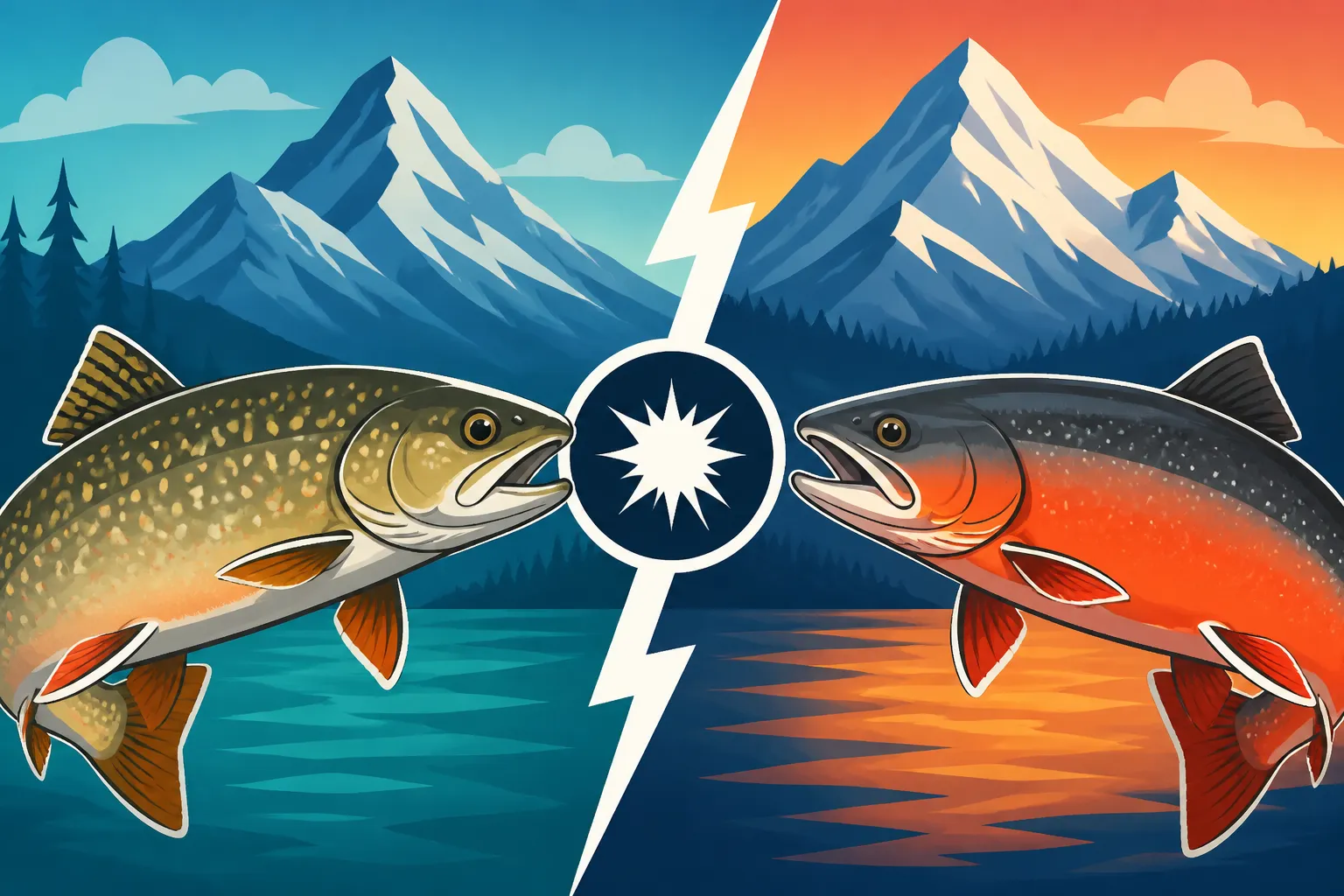
- Spot Color: This is often the biggest giveaway. Dolly Varden typically have cream, yellowish, or olive-colored spots. Arctic Char, on the other hand, usually sport pink, red, or reddish-orange spots. Remember, for Arctic Char, these red/pink spots can be incredibly vibrant, especially during spawning.
- Spot Size and Distribution: Dolly Varden spots are generally smaller and more numerous, often extending onto the dorsal and caudal fins. Arctic Char tend to have fewer, larger spots, predominantly on their sides, and these spots rarely reach their fins.
- Spawning Coloration: Both species become more colorful during spawning, but the Arctic Char’s display is often far more dramatic. Their bellies and lower fins can turn a brilliant, unmistakable orange or red, whereas Dolly Varden colors, while vibrant, don't typically reach that same fiery intensity in their underparts.
- Mouth Size: Dolly Varden generally have a larger mouth that extends noticeably behind the eye. Arctic Char usually have a smaller mouth that typically doesn't extend past the middle of the eye.
- Body Shape: While both are streamlined, Arctic Char tend to be a bit more elongated and torpedo-like, especially larger lake-dwelling specimens. Dolly Varden often have a slightly chunkier, more robust build.
It's always best to look at a combination of these features rather than relying on just one. A fish might be an odd color due to diet or environment, but the combination of spot color, spot size, mouth size, and general body shape will give you the most accurate identification. Keep in mind that for sea-run fish, these colors will be muted, appearing much more silvery, so you'll have to look even closer for the underlying spot color or the more subtle body shape differences.
Here's a handy table to help you compare them side-by-side:
| Feature | Dolly Varden | Arctic Char |
|---|---|---|
| Spot Color | Cream, yellowish, or olive | Pink, red, or reddish-orange |
| Spot Size/Count | Numerous, smaller, often on fins | Fewer, larger, mainly on sides, rarely on fins |
| Spawning Colors | Vibrant, darker body, yellowish/cream spots | Fiery orange/red belly and lower fins, vibrant pink/red spots |
| Mouth Size | Large, extends behind eye | Smaller, usually not past middle of eye |
| Body Shape | Robust, slightly compressed | More elongated, torpedo-like |
| Adipose Fin | Relatively smaller | Relatively larger and fleshy |
| Primary Habitat | Widespread in rivers, lakes, coastal (AK-wide) | Northern, deeper, colder lakes and rivers (Arctic/sub-Arctic) |
Geographic Location as a Clue
While not foolproof, your fishing location can provide a strong hint as to whether you're dealing with a Dolly Varden or an Arctic Char. Generally speaking, if you're fishing in the more southern and central parts of Alaska's road system—places like the Kenai Peninsula, Prince William Sound, or Southeast Alaska—you are almost certainly catching Dolly Varden. These are the predominant char species in these regions.
However, as you move further north into the interior or particularly into the truly Arctic regions of the state, the likelihood of encountering Arctic Char increases significantly. If you're on a fly-in trip to the Brooks Range, the likelihood of catching Arctic Char is very high. It's in the transitional zones, such as parts of the Bristol Bay region or some interior river systems, where their ranges can overlap, making visual identification paramount. This is where the confusion truly kicks in, and relying solely on location can lead you astray.
This is precisely why consulting the local fishing regulations is not just advisable, it's absolutely essential. The Alaska Department of Fish and Game (ADF&G) regulations are meticulously organized by region and specific waterbody. They will clearly indicate which char species are present in that particular system and any specific rules or limits that apply to each. This is where you avoid inadvertently violating regulations because you mistook one char for another. For a complete understanding, I highly recommend reviewing the Alaska Fishing Regulations Explained and learning How to Read the Alaska Sport Fishing Regulations Booklet before your trip. Knowing the local rules is your best defense against misidentification woes.
Fishing Techniques and Regulatory Nuances
Once you can tell your Dolly Varden from your Arctic Char, the next step is understanding how to best target them and, crucially, how to navigate the specific rules that govern their harvest. While they're both char, their habitats often dictate slightly different approaches.
Best Approaches for Each Species
Dolly Varden are incredibly responsive fish, making them a joy to catch with a variety of gear. Because they often follow salmon runs, they are highly susceptible to small spoons, spinners, and especially beads or egg imitations. If you're on a river system where salmon are spawning, tossing a salmon egg pattern or a small bead (often found on Amazon) into the current where Dolly Varden are lurking can result in consistent action. Small, flashy spoons like Pixee Spoons or spinners like Mepps or Blue Fox are also incredibly effective. Fly anglers will find success with egg patterns, flesh flies, and small streamers. Light to medium-light tackle is usually preferred, as Dolly Varden are strong fighters for their size but can be sensitive to heavy gear. They're a fantastic incidental catch when salmon fishing, but also a rewarding target in their own right. For more comprehensive advice, you might want to look into Best Fishing Techniques for Alaska.
Arctic Char, particularly the larger, lake-dwelling variants, sometimes require a slightly different approach. While they will still hit spoons, spinners, and flies, the size of your offering might need to increase to appeal to their more predatory nature. Trolling with larger spoons, deep-diving plugs, or even jigging vertically in deeper lake sections can be very productive. For fly anglers, larger streamers that imitate baitfish are often the ticket. Since many prime Arctic Char fisheries are remote, often fly-in destinations, you'll want to ensure your gear is robust enough for wilderness conditions. Think medium-heavy spinning or baitcasting setups for larger char, capable of handling bigger lures and potentially battling a substantial fish in strong currents or deep water. Always ensure you have a good selection of appropriate lures and lines; you can often stock up on reliable brands on Amazon before your trip. Getting the right setup can make all the difference, and our Alaska Fishing Gear and Tackle Guide offers more universal advice.
Navigating Regulations and Bag Limits
This is where accurate identification becomes more than just an academic exercise – it's a legal necessity. Regulations for Dolly Varden and Arctic Char can, and often do, differ based on the specific region and even the individual waterbody you're fishing. It's never safe to assume that the rules for one species apply equally to the other across the entire state. A common source of frustration for visiting anglers is getting these rules confused, leading to potential fines or unintentional overharvest.
For instance, in some popular recreational areas, Dolly Varden might have a relatively generous daily bag limit, while Arctic Char in a nearby system might be designated catch-and-release only, or have a much smaller, stricter limit, perhaps even a slot limit to protect larger breeding fish. This is particularly true for vulnerable or unique Arctic Char populations that might be slow-growing or geographically isolated. The Alaska Department of Fish and Game (ADF&G) makes these distinctions to manage fish populations responsibly and ensure sustainable fishing for future generations.
It is absolutely crucial to consult the most current ADF&G sport fishing regulations booklet for the specific region and body of water you intend to fish. These booklets, often available online or at local tackle shops, will detail everything from daily bag and possession limits to specific gear restrictions that might apply to "char" as a group or to individual species. Don't rely on word-of-mouth or outdated information. Misidentifying a fish and keeping one that is catch-and-release, or exceeding a specific limit, can lead to significant penalties. Understanding these nuances is a key part of responsible angling in Alaska. Our guide on Alaska Fishing Limits and Bag Limits Explained can provide a broader context on how these rules are applied across different species.
Conservation and Responsible Angling
Fishing in Alaska is a privilege, and with that comes the responsibility to protect its incredible natural resources. Understanding the differences between Dolly Varden and Arctic Char isn't just about successful angling; it's about being a steward of these magnificent fish populations.
Protecting Alaska's Char Populations
Accurate identification plays a pivotal role in conservation efforts. If an angler cannot reliably distinguish between a Dolly Varden and an Arctic Char, they might inadvertently keep a fish from a population that is protected or has stricter bag limits. Arctic Char, particularly in some isolated lake systems, can be more vulnerable to overfishing due to slower growth rates and smaller, more confined populations. Dolly Varden, while generally more widespread and robust, also face increasing angling pressure in accessible areas. Responsible angling starts with knowing what you've caught and understanding its status.
Beyond identification, practicing proper catch-and-release techniques is vital, especially for larger, older char that are crucial for successful spawning and maintaining genetic diversity. When releasing fish, minimize their time out of water, handle them gently with wet hands, and use barbless hooks to reduce injury. If a fish is deeply hooked or appears stressed, consider keeping it if regulations allow, rather than releasing it only for it to die later. Always be mindful of the fish's well-being. For guidance on best practices, our article on Alaska Catch-and-Release Best Practices is an excellent resource.
We also encourage anglers to be actively engaged in conservation. Reporting unusual catches, instances of poaching, or concerns about fish health to the Alaska Department of Fish and Game (ADF&G) can contribute valuable data to scientists and fisheries managers. Citizen science is an invaluable tool in monitoring the health and dynamics of Alaska's diverse Alaska Freshwater Fish Species. By being informed and responsible, every angler helps safeguard these precious resources for future generations.
The Joy of Discovering Unique Alaskan Fish
Ultimately, the journey of distinguishing Dolly Varden from Arctic Char adds a deeper layer of appreciation to the Alaskan fishing experience. Each species, with its unique characteristics, preferred habitats, and behavioral patterns, tells a story of survival and adaptation in some of the world's most pristine environments. Learning to identify them correctly is not just about avoiding legal trouble; it's about gaining a richer understanding of the ecosystem you're privileged to be a part of.
The challenge of pursuing Arctic Char in remote, often fly-in locations offers an unparalleled wilderness adventure, while the widespread availability of Dolly Varden provides fantastic opportunities for anglers of all skill levels closer to the road system. Both offer incredible fighting spirit and stunning beauty. Embracing the learning process, from studying spot patterns to understanding regional ecology, makes every catch more meaningful. Perhaps picking up a good field guide from Amazon before your trip could be a great way to deepen your knowledge.
With a little dedication and keen observation, any angler can become adept at differentiating these two incredible char. This newfound expertise will undoubtedly enhance your fishing adventures, allowing you to appreciate the subtle wonders of Alaska's aquatic life and fish more responsibly, ensuring these beautiful species thrive for years to come.
Disclaimer
Please note that fishing regulations in Alaska are subject to change. Always consult the current Alaska Department of Fish and Game (ADF&G) regulations for the specific area you plan to fish before heading out on the water. This guide provides general information and should not be considered a substitute for official regulatory documents.