Alaska Arctic Grayling: Facts and Fishing Tips
When you're out on the vast, wild waters of Alaska, it's easy to get caught up in the pursuit of giant salmon or barn-door halibut. But sometimes, the most rewarding experiences come from targeting the smaller, more elusive gems of the Alaskan ecosystem. One such beauty is the Arctic Grayling, a fish often overlooked but possessing an elegance and fight that can truly make a fishing trip memorable. This comprehensive guide will dive deep into everything you need to know about Arctic Grayling, from their unique features and preferred habitats to the best fishing techniques and conservation practices.
Understanding the Jewel of Arctic Waters: Arctic Grayling Basics
The Arctic Grayling ( Thymallus arcticus) is a truly distinctive fish, often lauded for its striking beauty and graceful presence in Alaska's pristine northern waters. While they may not rival the sheer size or pulling power of a King Salmon, the grayling offers an entirely different kind of challenge and reward for anglers. They are an ancient species, thriving in cold, clear rivers and lakes across the circumpolar north, and their very existence is a testament to the health and purity of these remote environments. For many, a trip to Alaska isn't complete without the chance to admire this "sailfish of the north."
Distinctive Features and Identification
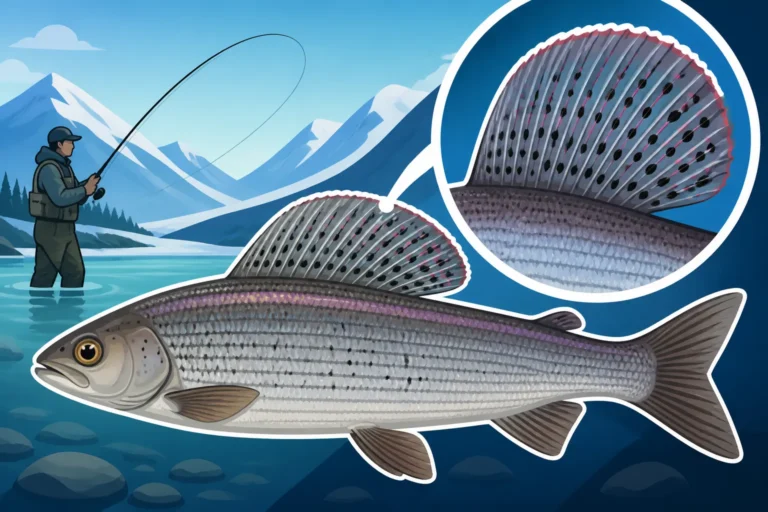
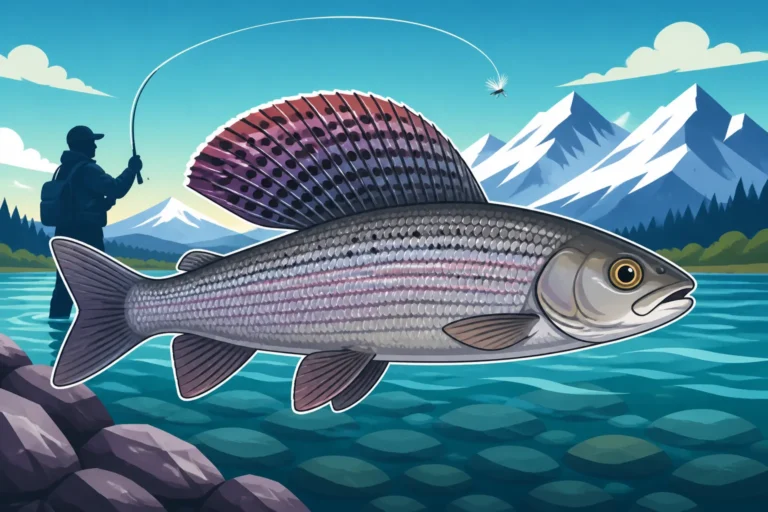
One glance at an Arctic Grayling, and you'll understand why it stands out. Their most prominent feature is undoubtedly that magnificent, sail-like dorsal fin, often adorned with rows of iridescent spots. This fin is disproportionately large compared to their body size, especially in mature males, and displays a stunning array of colors, from reds and purples to greens and blues, making them instantly recognizable. Their bodies typically have a beautiful, subtle coloration, usually silvery-gray to dark brown on the back, fading to lighter shades on the sides and a silvery-white belly. You might also notice a scattering of small, dark spots along their sides.
Beyond the dorsal fin, grayling have relatively small mouths and large, expressive eyes that hint at their keen predatory instincts. They possess adipose fins, a small fleshy fin located between the dorsal and caudal fins, a characteristic they share with trout and salmon species, reflecting their shared evolutionary lineage. Anglers often comment on the delicate pattern of scales, which contribute to their overall sleek appearance. Knowing these features helps distinguish them from other fish you might encounter, such as smaller trout species or young salmon parr, although their dorsal fin almost always gives them away.
Natural Habitat and Distribution in Alaska
Arctic Grayling are true cold-water specialists, thriving in the crystal-clear, oxygen-rich rivers, streams, and lakes of Alaska. They are widely distributed across the state, particularly prevalent in Interior and Arctic Alaska, where the waters remain consistently cool. You'll find them in the vast drainages of the Yukon and Kuskokwim rivers, throughout the Brooks Range, and even in many of the smaller tributaries flowing into Cook Inlet. While they prefer cooler waters, they are incredibly adaptable and can be found in a surprising variety of environments, from swift-flowing mountain streams to the calmer stretches of meandering rivers and the still waters of secluded lakes.
Their habitat choice is often dictated by temperature, dissolved oxygen levels, and the availability of insect life. During warmer summer months, they tend to move into cooler, deeper pools or seek out spring-fed tributaries. As autumn approaches, many grayling will migrate to larger rivers or lake systems to overwinter, congregating in deep, slow-moving sections where ice cover provides protection from extreme cold. This migratory behavior is important for anglers to understand, as it influences where and when you can find them. The pristine nature of their habitats is a key reason why they remain such a sought-after species, representing the untouched beauty of the Alaskan wilderness.
Life Cycle and Behavior
The life cycle of an Arctic Grayling is intimately tied to the changing seasons of Alaska. Spawning typically occurs shortly after ice-out in late April or May, when water temperatures begin to rise. They often migrate upstream into smaller tributaries or shallow gravel beds to lay their eggs, which are then fertilized and left to develop, typically hatching within a couple of weeks. Unlike salmon, grayling do not die after spawning; they can spawn multiple times throughout their lives, contributing to the health of their populations over several years. This ability to reproduce repeatedly underscores the importance of catch-and-release practices for their long-term survival.
Throughout their lives, Arctic Grayling are primarily opportunistic feeders, with their diet largely consisting of aquatic and terrestrial insects. Caddisflies, mayflies, stoneflies, and midges are common menu items, as are small crustaceans, fish eggs, and even small baitfish when available. They are known for their surface-feeding habits, often rising gracefully to intercept insects drifting on the water's surface, making them a favorite target for fly anglers. Their playful and acrobatic nature, especially when hooked, adds to the thrill of catching them. They are generally not a solitary species, often found in schools, especially during feeding frenzies or when concentrated in specific pools.
Why Arctic Grayling Are a Unique Alaska Fishing Experience
Fishing for Arctic Grayling isn't just about catching a fish; it's about connecting with the wild heart of Alaska in a profoundly intimate way. Unlike the adrenaline-fueled battles with powerful salmon or the deep-sea jigging for halibut, grayling fishing offers a nuanced, often serene experience that highlights the subtle beauty and delicate balance of northern ecosystems. It's a pursuit that appeals to those who appreciate the art of angling, the pristine environments, and the sheer joy of observation.
Catch-and-Release Ethic and Conservation
Given their vulnerability and the often remote nature of their habitats, a strong catch-and-release ethic is paramount when fishing for Arctic Grayling. These fish are relatively slow-growing, and overharvesting can quickly deplete local populations, especially in systems with limited spawning habitat. Many anglers consider grayling a trophy species not for its size, but for its beauty and the pristine environment it represents. The thrill comes from the elegant rise to a dry fly or the spirited fight on light tackle, rather than filling a cooler. Practicing responsible catch-and-release ensures that future generations can also enjoy the unique experience of fishing for these magnificent fish.
This isn't just a suggestion; it's often a critical part of maintaining healthy fisheries. Even in areas where retention is allowed, anglers often choose to release most, if not all, of their grayling. It’s a community-wide commitment to stewardship. Learning about Alaska Catch-and-Release Best Practices will ensure you’re doing your part to protect these precious resources. When you handle a grayling carefully, ensuring minimal stress and a quick release, you're not just letting a fish go; you're actively participating in the conservation of Alaska's wild heritage.
Their Role in the Ecosystem
Arctic Grayling play a vital role as a mid-level predator and prey species in the cold-water ecosystems they inhabit. As opportunistic insectivores, they help control insect populations, including those of mosquitoes and other aquatic invertebrates, contributing to the overall balance of the aquatic food web. Their presence is often an indicator of good water quality and a healthy, functioning ecosystem. A decline in grayling populations can sometimes signal broader environmental changes or issues within the watershed.
Conversely, grayling themselves become a food source for larger predatory fish, such as resident Rainbow Trout and Lake Trout, and even birds of prey like ospreys and eagles. Their abundance provides sustenance for these animals, weaving them into the complex tapestry of the Alaskan wilderness. Understanding this ecological role adds another layer of appreciation to every grayling encounter. It’s not just a fish; it’s a crucial component of the wild Alaskan environment, an integral part of the intricate balance of life in these northern regions.
The Joy of Light Tackle and Fly Fishing
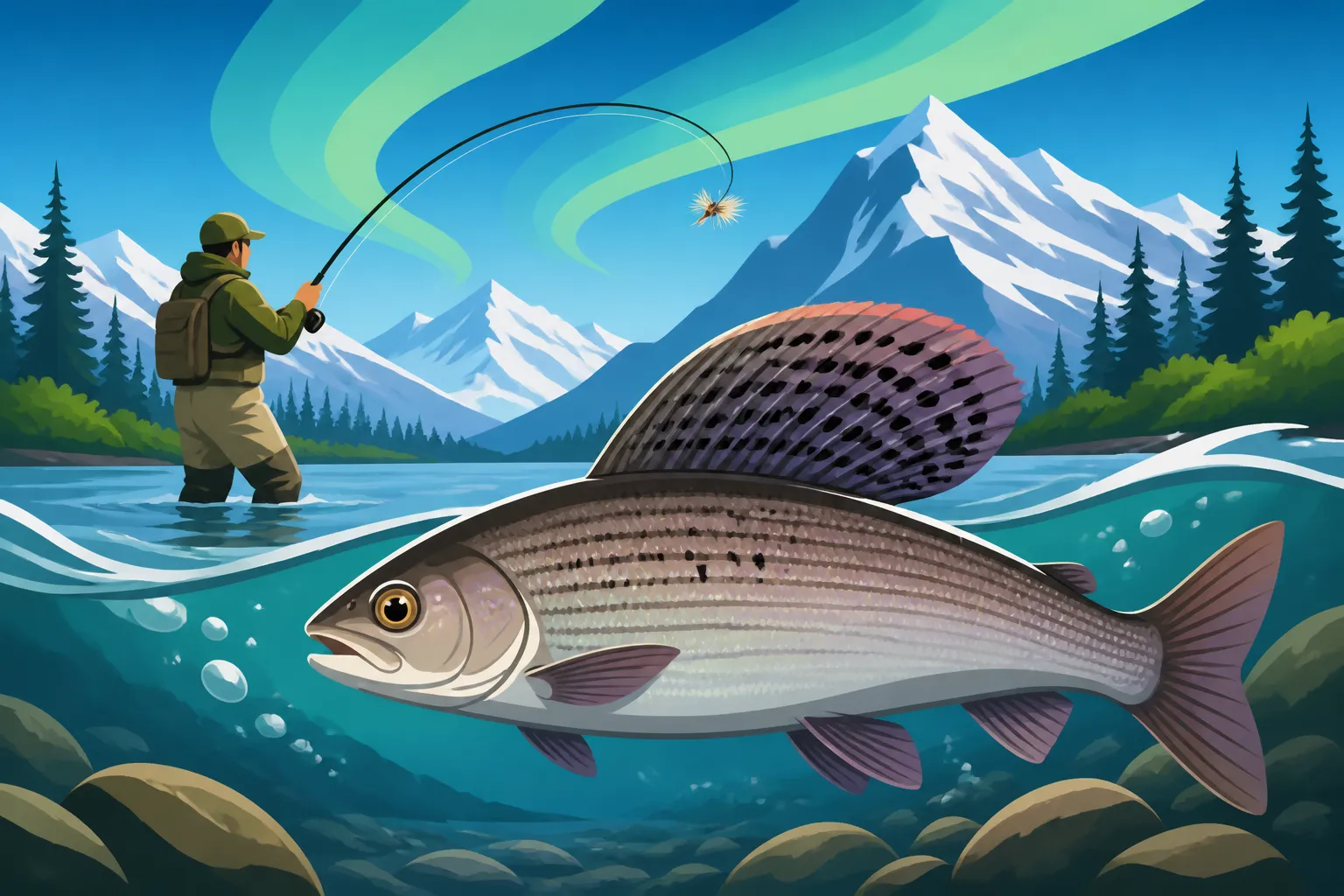
For many anglers, Arctic Grayling represent the epitome of light tackle and fly fishing experiences. Their tendency to rise to the surface for insects, coupled with their acrobatic fights on light gear, makes them an ideal target for those who cherish the delicate presentation and precise casting of fly fishing. Imagine standing in a pristine, clear stream, casting a tiny dry fly to a rising grayling, and watching that spectacular dorsal fin break the surface to engulf your offering. This is the essence of grayling fishing, a truly immersive and engaging experience.
You don't need heavy rods or large, complex setups. A light-action fly rod (3-5 weight) or a delicate spin rod is perfectly suited for these fish, allowing you to feel every head shake and surge. This lighter approach emphasizes skill and finesse over brute force. It's a chance to slow down, observe the water, and hone your presentation, all while surrounded by some of the most breathtaking scenery on Earth. For anyone looking to deepen their understanding of fly fishing techniques in Alaska, exploring resources like How to Fly Fish in Alaska can provide invaluable insights.
Prime Seasons and Best Times to Target Arctic Grayling
Timing is everything when it comes to maximizing your success and enjoyment while fishing for Arctic Grayling in Alaska. While they are present in their habitats year-round, their activity levels, locations, and willingness to feed vary significantly with the seasons. Understanding these patterns allows you to plan your trip for the best possible experience, whether you're seeking dry-fly action or targeting them with small lures.
Seasonal Activity and Water Conditions
Spring (Late May to Early June): Immediately after ice-out, as rivers and lakes begin to thaw, grayling become incredibly active. This is their spawning season, and they will often congregate in shallower, gravelly areas of streams and tributaries. Water levels might be high due to snowmelt, and temperatures are still quite cold. While they are catchable, anglers should exercise extreme caution during this sensitive period to avoid disturbing spawning fish. Focus on areas downstream from spawning grounds.
Summer (Mid-June to August): This is arguably the prime season for Arctic Grayling fishing. The days are long, insect hatches are prolific, and water temperatures are ideal. Grayling are spread throughout their feeding lies, actively rising to dry flies on the surface or taking nymphs subsurface. This period offers the most consistent and exciting action, especially for fly anglers. Look for them in riffles, eddies, and tailouts of pools where food is abundant.
Autumn (September to October): As the days shorten and temperatures drop, grayling begin to stage for winter. They will feed aggressively to build up fat reserves before the lean months. Large schools can often be found congregating in deeper pools of rivers or moving into larger lake systems. Insect activity dwindles, so they may be more receptive to subsurface presentations like nymphs, streamers, or small spin lures. This can be a fantastic time for larger grayling.
Daily Patterns and Feeding Windows
Like many fish, Arctic Grayling have discernible daily feeding patterns, though these can be influenced by weather, light conditions, and insect hatches. Generally, the early morning and late evening hours, when the light is softer and insect activity is often at its peak, tend to be the most productive. During these "golden hours," grayling are more confident moving into shallower water to feed, and you might witness spectacular rises to emerging insects.
Midday can still be productive, especially on overcast days or in areas with good shade, but the bite might slow down if the sun is bright and high. On particularly warm days, grayling may retreat to deeper, cooler water during the brightest parts of the day, becoming more active again as evening approaches. Observing the water for insect hatches or actively rising fish is key to identifying the best feeding windows. For a broader overview of seasonal changes, check out Alaska Fishing Seasons: Month-by-Month Guide.
Regional Variations in Timing
Alaska is a massive state, and what holds true for one region might not apply perfectly to another. The timing of ice-out, insect hatches, and the overall progression of seasons can vary significantly from Southcentral Alaska to the Interior, and especially to the far North Slope.
- Southcentral and Interior Alaska: In areas accessible by road like those near Fairbanks, the fishing season typically kicks off in late May to early June and can extend well into September or even early October, depending on the first hard freezes. Rivers like the Chena and Salcha are popular choices.
- Arctic and Remote Northern Regions: Further north, the season starts later, often mid-June, and can be shorter due to earlier onset of winter conditions. However, these remote waters often offer incredibly pristine grayling fisheries with less pressure. Fly-out trips to the Brooks Range, for instance, are bucket-list destinations for many grayling enthusiasts. Always consult local regulations and forecasts for the specific region you plan to visit, as conditions can change rapidly.
Essential Gear and Techniques for Arctic Grayling
Successfully targeting Arctic Grayling is less about heavy artillery and more about finesse and understanding their delicate nature. These beautiful fish respond best to lighter gear and thoughtful presentation, which adds to the rewarding experience of catching them. Forget your salmon rods; we're talking about a more refined approach here.
Recommended Rods, Reels, and Line
For fly fishing, a 3-weight to 5-weight fly rod, typically 7.5 to 9 feet in length, is the sweet spot. A 4-weight is often considered the perfect all-around choice, offering enough backbone for casting and fighting modest fish, while still providing the sensitivity to enjoy the fight of a smaller grayling. Pair this with a lightweight, single-action fly reel that balances the rod well and has a smooth drag system. A good quality floating fly line (weight-forward taper is common) matched to your rod weight is essential, usually with a 7.5 to 9-foot tapered leader ending in a 3x to 6x tippet, depending on fly size and water clarity.
If you prefer spin fishing, opt for an ultralight or light action spinning rod, about 5.5 to 6.5 feet long. A small spinning reel spooled with 2-6 pound test monofilament or fluorocarbon line is ideal. Braided line can also work, especially if you're casting small, light lures a long distance, but you'll want to use a fluorocarbon leader for stealth. The key here is lightness, as grayling don't pull hard enough to warrant heavier gear, and the delicate presentation is crucial for attracting their attention. You can find excellent options for all this gear on platforms like Amazon, ensuring you're well-equipped. For a deeper dive into general tackle needs, consider reading Alaska Fishing Gear and Tackle Guide.
Top Flies and Lures for Grayling Success
Arctic Grayling are predominantly insectivores, and their diet heavily influences the most effective flies and lures.
Fly Fishing Flies:
- Dry Flies: Grayling are famous for rising to dry flies. Classic patterns like the Adams, Elk Hair Caddis, Parachute Adams, and Renegade in sizes #12-18 are absolute killers. Match the hatch if you see specific insects on the water, but these general attractor patterns often work wonders.
- Nymphs: When fish aren't rising, subsurface nymphs are highly effective. Hare's Ear, Pheasant Tail, and Prince Nymphs in sizes #14-20 are excellent choices. Small emerger patterns can also be very productive.
- Streamers: Don't overlook small streamers, especially if you suspect grayling are feeding on baitfish or aggressively feeding after a hatch. Patterns like small Woolly Buggers (black, olive, or brown) in sizes #10-14 can entice larger grayling.
Spin Fishing Lures:
- Small Spinners: In-line spinners are incredibly effective. Favorites include Mepps Aglia or Panther Martin spinners in sizes #00-0, with silver, gold, or brass blades and a variety of body colors (black, yellow dot, red dot). Cast upstream and retrieve slowly enough for the blade to spin.
- Small Spoons: Tiny casting spoons like the Kastmaster or P-Line Lazer Minnow in 1/16 to 1/8 oz sizes can also work, especially when grayling are feeding on baitfish or when you need a bit more casting weight.
- Soft Plastics: Small soft plastic grubs or trout worms rigged on a tiny jig head (1/32 to 1/16 oz) can also be surprisingly effective, especially when drifted naturally through deeper pools.
Effective Fishing Techniques
Fly Fishing Techniques:
- Dry Fly Fishing: This is the quintessential grayling experience. Cast your dry fly upstream and allow it to drift naturally downstream over likely holding water, presenting a perfect, drag-free float. Watch for subtle sips or aggressive splashes.
- Nymphing: When fish are feeding subsurface, indicator nymphing is effective. Use a strike indicator to detect bites and ensure your nymphs are drifting at the correct depth. Dead-drifting nymphs along current seams and in slower pools will often entice bites.
- Streamer Fishing: Strip small streamers with a twitching retrieve through deeper pools or along cut banks. This imitates a small baitfish or a larger insect.
Spin Fishing Techniques:
- Casting and Retrieving Spinners/Spoons: Cast your small spinner or spoon upstream or across the current. Allow it to sink slightly, then begin a slow, steady retrieve, just fast enough to get the blade spinning. Vary your retrieve speed until you find what triggers bites.
- Drifting Jigs/Worms: For a more natural presentation, especially in clear water, cast a tiny jig or rigged soft plastic upstream and allow it to drift naturally downstream with the current. Use light line to minimize drag. This technique is similar to nymphing with a fly rod and can be highly effective. Remember, grayling have small mouths, so small offerings are key.
| Fly/Lure Type | Best Conditions | Recommended Sizes | Notes |
|---|---|---|---|
| Dry Flies | Surface feeding, insect hatches, calm water | #12-18 | Adams, Elk Hair Caddis, Parachute Adams. Present with a drag-free float. |
| Nymphs/Emergers | Subsurface feeding, no visible rises | #14-20 | Hare's Ear, Pheasant Tail, Prince Nymph. Use an indicator for depth control. |
| Small Streamers | Aggressive feeding, larger grayling | #10-14 | Woolly Buggers (black/olive). Strip slowly to imitate baitfish. |
| In-line Spinners | General purpose, active fish, varied currents | #00-0 (1/16 – 1/8 oz) | Mepps Aglia, Panther Martin. Silver/gold blades, various body colors. |
| Tiny Spoons | Deeper water, windy conditions, covering water | 1/16 – 1/8 oz | Kastmaster, P-Line Lazer Minnow. Flashy and good for casting distance. |
| Small Jigs/Grubs | Finesse, slow retrieve, deeper pools | 1/32 – 1/16 oz jig heads | Soft plastics, trout worms. Effective for a natural drift. |
Top Fishing Spots for Arctic Grayling in Alaska
Alaska is an angler's paradise, and for those specifically seeking Arctic Grayling, the options are numerous and incredibly diverse. From easily accessible roadside streams to remote, fly-in wilderness rivers, there's a grayling fishing experience for everyone. The key is knowing where to look and what kind of adventure you're seeking.
Accessible Roadside Locations
Not everyone has the budget or desire for a remote fly-in trip, and thankfully, Alaska offers some fantastic grayling fishing right off the road system. These spots are perfect for day trips or shorter excursions, providing a taste of Alaskan fishing without venturing too far into the wilderness.
- The Chena River near Fairbanks: The Chena River, particularly within the Chena River State Recreation Area, is renowned for its excellent grayling fishing. This river is easily accessible from Fairbanks and offers numerous pull-offs and fishing access points. Its clear waters, gravel bars, and healthy insect populations make it a fly fishing haven, especially in the summer. You can wade, float in a raft, or fish from the bank. This area also sees good populations of other Alaska Freshwater Fish Species, making it a diverse fishing destination.
- Pai River and Tangle Lakes (Denali Highway): While a bit more rugged, the Denali Highway offers a string of excellent grayling opportunities, particularly in the Tangle Lakes system and various small creeks. This area is breathtakingly beautiful and provides a more remote feel while still being reachable by vehicle (though a sturdy one is recommended). The clear, shallow waters here are perfect for spotting rising grayling.
- Streams and Lakes near Anchorage and the Mat-Su Valley: While primarily known for salmon, some of the smaller, colder tributaries and stocked lakes in the Mat-Su Valley, north of Anchorage, can hold grayling. Ship Creek, right in downtown Anchorage, is famous for salmon but occasionally yields grayling in its upper reaches or feeder streams. Exploring Best Fishing Near Anchorage might reveal some hidden grayling gems. Always check local regulations, as these areas can have specific rules.
Wilderness and Fly-Out Destinations
For the ultimate grayling adventure, nothing beats a fly-out trip to Alaska's true wilderness. These remote locations offer unparalleled solitude, pristine waters, and often larger, less pressured grayling populations.
- Brooks Range Rivers: Rivers throughout the Brooks Range, like the Ivishak, Kongakut, and Anaktuvuk, are legendary for their prolific grayling populations. These are typically multi-day float trips into some of the most remote and stunning landscapes on Earth. The grayling here are often larger, more aggressive, and see very little angling pressure. Such trips require significant planning, bush plane charters, and a healthy respect for the wilderness.
- Bristol Bay Region Tributaries: While Bristol Bay is globally famous for its sockeye salmon, many of its tributary streams and smaller rivers, particularly those feeding into larger systems like the Naknek or Alagnak, hold fantastic populations of grayling. These are often targeted as part of a combo trip, where you can pursue salmon and then spend some time fly-fishing for grayling or rainbow trout. The sheer abundance of fish and wildlife in this region is astounding.
- Upper Yukon River System: The vast tributaries of the Yukon River in Interior Alaska, far from any road, offer boundless opportunities. These rivers, often accessed by bush plane or long boat trips, flow through immense forests and tundra, providing isolated pockets of excellent grayling habitat. The journey itself becomes an integral part of the fishing experience, a true wilderness immersion.
Combining Grayling with Other Species
One of the great joys of fishing in Alaska is the opportunity to target multiple species. Many of the best grayling waters also hold strong populations of trout, char, or even salmon, allowing for a diverse angling experience.
- Rainbow Trout and Dolly Varden: In many Southcentral and Interior Alaska rivers, grayling share habitat with Rainbow Trout and Dolly Varden. Imagine spending a morning drifting nymphs for grayling and then switching to streamers or beads to target larger trout in deeper pools. The upper Kenai River system, while famous for its salmon, also offers fantastic trout and grayling fishing. This multi-species approach makes for an incredibly dynamic and exciting fishing trip. If you're passionate about trout, you might also want to explore the Best Rivers for Rainbow Trout in Alaska.
- Salmon Combo Trips: Especially in the Bristol Bay region or other remote areas, grayling fishing can be a wonderful complement to a salmon trip. After you've had your fill of battling sockeye or kings, a few hours of light-tackle grayling fishing can be a relaxing and equally rewarding change of pace. Many lodges and outfitters offer these combo packages, maximizing your time on the water and exposing you to the full breadth of Alaska's aquatic treasures. Knowing Best Fishing Spots in Alaska will often lead you to diverse waters.
Regulations and Best Practices for Arctic Grayling Anglers
Navigating Alaska's fishing regulations can sometimes feel like a puzzle, but it's an essential part of responsible angling, especially when targeting a species as beautiful and sometimes sensitive as the Arctic Grayling. Adhering to these rules and practicing ethical angling helps preserve these incredible fisheries for everyone.
Alaska Fishing Regulations and Harvest Limits
The Alaska Department of Fish and Game (ADF&G) sets the regulations for all sport fishing in the state, including for Arctic Grayling. These regulations can vary significantly by region, river system, and even time of year, often adjusting to protect fish during critical life stages like spawning. It is absolutely critical to check the most current ADF&G Sport Fishing Regulations booklet for the specific area you plan to fish before you ever cast a line. You can typically find these online or at most tackle shops and license vendors.
Common grayling regulations often include:
- Bag Limits: How many fish you can keep per day. For grayling, this is often a small number, sometimes just one or two, and in many areas, it is zero (catch and release only).
- Possession Limits: How many fish you can have in your possession at any one time, which is usually twice the daily bag limit if you're traveling.
- Size Restrictions: Minimum or maximum size limits might be in place to protect larger, spawning-capable fish or to allow smaller fish to grow.
- Terminal Tackle Restrictions: In some areas, only single, barbless hooks may be allowed, especially in catch-and-release waters or during certain seasons to reduce fish mortality.
For comprehensive information on licenses and regulations, consult resources like Alaska Fishing License: Complete Guide and Alaska Fishing Regulations Explained. Always be aware that Alaska Fishing Emergency Orders Explained can change regulations mid-season due to conservation concerns, so checking the ADF&G website for updates before and during your trip is non-negotiable.
Handling and Releasing Grayling Safely
As beautiful and delicate as they are, Arctic Grayling require careful handling to ensure their survival upon release. Maximizing their chances of survival is a crucial part of the catch-and-release ethic that many grayling anglers embrace.
Here are key practices for safe handling:
- Minimize Air Exposure: Keep the fish in the water as much as possible. A grayling out of water is not breathing, and prolonged air exposure, especially in cold temperatures, can be fatal.
- Wet Hands Only: Always wet your hands before touching a fish. Dry hands can remove the protective slime coat, making the fish vulnerable to infection.
- Gentle Grip: Support the fish horizontally, ideally by cradling it under the belly and lightly gripping the tail. Avoid squeezing the body or touching the gills.
- Barbless Hooks: Crimp down the barbs on your hooks. This makes hook removal much easier and quicker, reducing stress and injury to the fish. Many anglers use tools readily available on Amazon for this.
- Prompt Release: Once the hook is removed, gently hold the fish upright in the water, facing into a mild current, until it regains its strength and swims away on its own. Don't simply toss it back.
By following these simple steps, you significantly increase the chances of the fish recovering and continuing its vital role in the ecosystem.
Bear Safety and Wilderness Preparedness
When you venture into Alaska's grayling country, especially in remote areas, you are entering prime bear habitat. Both black and brown bears are common throughout many grayling fisheries, and being prepared is not just a good idea—it's essential for your safety.
- Bear Spray: Carry bear spray and know how to use it. Make sure it's easily accessible on your person, not buried in a backpack.
- Food Storage: If on an overnight trip, store all food, scented items, and anything bears might be attracted to in bear-resistant containers or hung from a bear pole or tree, well away from your camp.
- Make Noise: When hiking or walking through dense brush, make noise to avoid surprising a bear. Yell "Hey, bear!" periodically.
- Fish Disposal: Do not clean fish near your campsite or directly on the riverbank where you are fishing. Pack out all fish waste if possible, or dispose of it deep in the current away from human activity.
- Travel in Groups: Bears are generally less likely to approach groups of people.
- Stay Vigilant: Always be aware of your surroundings. Look for fresh tracks, scat, or other signs of bear activity.
Beyond bear safety, general wilderness preparedness is crucial. This includes carrying appropriate rain gear, extra layers of clothing, a first-aid kit, navigation tools, and sufficient food and water. Weather in Alaska can change rapidly, and being ready for anything will ensure a safer and more enjoyable trip. For those considering an extended stay in the wilderness, understanding the full scope of Alaska Fishing License Requirements for Tourists is a good starting point for planning your adventure.
Disclaimer
Please note that fishing regulations in Alaska can change frequently due to conservation efforts and emergency orders. Always consult the most current Alaska Department of Fish and Game (ADF&G) regulations for the specific area you plan to fish before heading out. The information provided in this guide is for general informational purposes only and should not be considered a substitute for official regulations.