Alaska Lingcod: Facts and Fishing Tips
Few fish in Alaskan waters command as much respect and awe as the lingcod. Many anglers arrive in Alaska dreaming of King Salmon or a monstrous Halibut, only to discover the fierce, prehistoric-looking lingcod that lurks in the rocky depths. These toothy predators can be incredibly challenging to hook and even more so to land, leading to plenty of broken lines and missed opportunities. This comprehensive guide is here to demystify the Alaska lingcod, arming you with the facts, strategies, and tips you need to successfully target these impressive bottom dwellers.
Understanding the Enigmatic Alaska Lingcod
The lingcod, or Ophiodon elongatus, is a true marvel of the deep, a fish that looks like it swam straight out of a primeval ocean. Despite its name, it's not actually a cod at all. It belongs to the greenling family, known for their aggressive nature and impressive size. Catching one is an experience every angler remembers, both for the fight and for its distinctive appearance.
Lingcod Identification and Characteristics
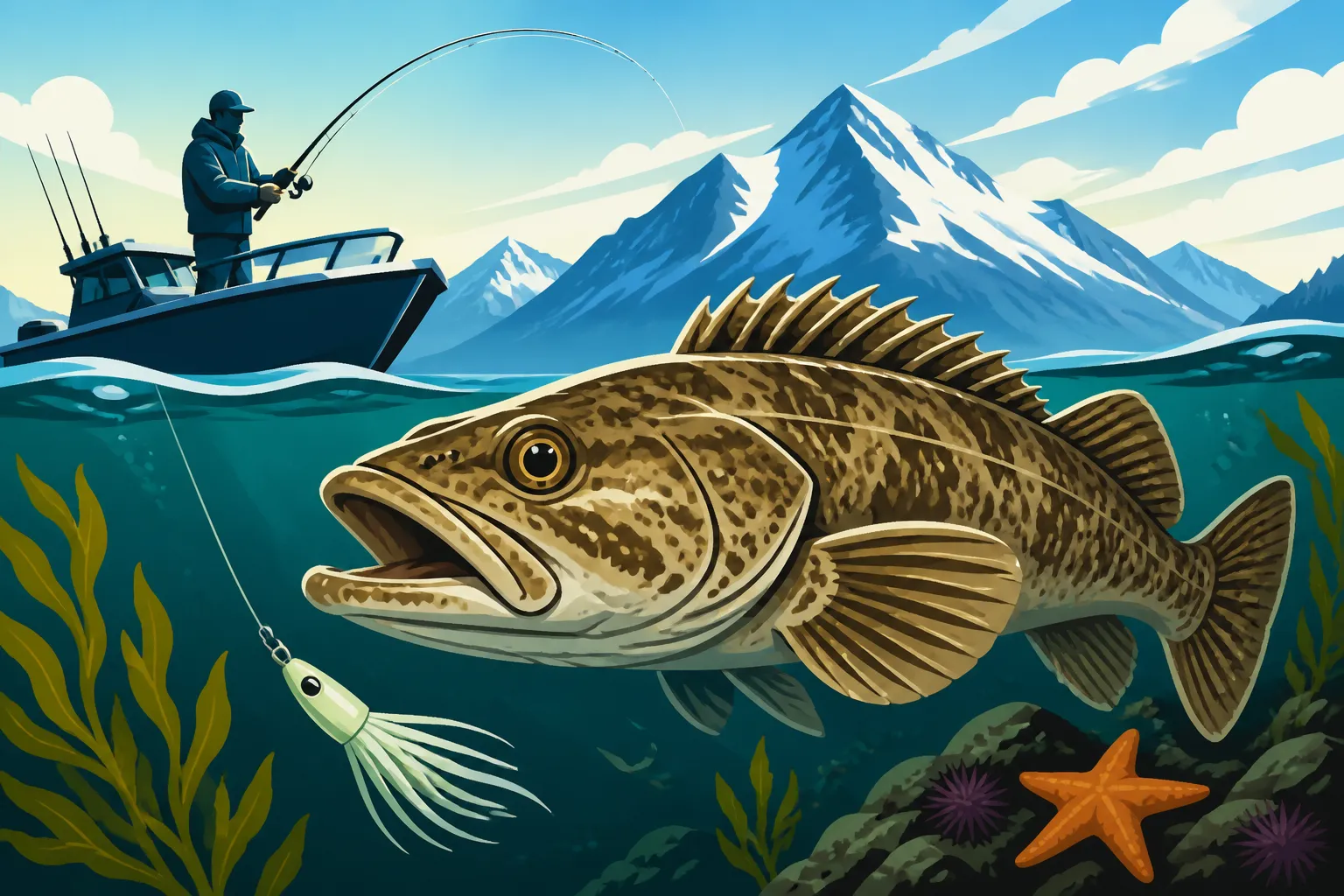
Lingcod are truly unique. They possess a long, tapered body, often mottled in shades of brown, gray, and green, allowing them to blend seamlessly with the rocky seafloor. What really sets them apart, however, is their mouth – a formidable array of needle-sharp teeth, often described as having a "double set" of canine-like fangs. These teeth are perfect for ambushing and holding onto prey, and they demand respect when handling a caught fish. An average lingcod caught in Alaska might range from 10 to 30 pounds, but individuals pushing 50, 60, or even 80 pounds are not unheard of, earning them the nickname "bucketmouths" or "gators." Their skin is smooth, not scaly like salmon, and their distinctive single, elongated dorsal fin runs almost the entire length of their back.
They can also exhibit varying flesh colors. While most lingcod have white flesh, some display a surprising blue-green hue. This vibrant coloration is perfectly natural and comes from biliverdin, a bile pigment, which breaks down during cooking, leaving you with delicious white meat. Don't be alarmed if you reel in a blue-fleshed lingcod; it's a prized catch!
Lingcod Biology and Behavior
Lingcod are primarily ambush predators, masters of camouflage, waiting patiently among rocky reefs, kelp forests, and pinnacles for an unsuspecting meal to swim by. They are incredibly opportunistic feeders, with diets ranging from other fish like herring, cod, and even smaller rockfish, to crustaceans and squid. Their powerful jaws and voracious appetite mean they are rarely shy when a meal presents itself. You'll find them primarily in cooler, temperate waters along the Pacific coast of North America, from Baja California up through the Gulf of Alaska and into the Bering Sea.
These fish are known to be quite territorial, especially the larger males who guard their nests of eggs. They spawn in winter, typically from December to March, with males protecting the egg masses laid by females in rocky crevices. This territoriality makes them particularly aggressive and a strong target for anglers during certain times of the year, though fishing during spawning season is often restricted or closed to protect these vital breeding populations. Understanding these behaviors is key to knowing where and when to find these formidable fish.
Lingcod as a Trophy Fish and Delicacy
For many Alaskan anglers, landing a substantial lingcod is a bucket-list achievement. Their powerful fight, combined with their striking appearance, makes them a highly sought-after trophy. Imagine battling a 40-pound brute in deep water, feeling every head shake and dive as you try to coax it to the surface – it's an adrenaline rush like no other. Many anglers take pride in photographing their prize before careful release or retention within legal limits.
Beyond the thrill of the catch, lingcod are also celebrated for their firm, flaky, and exceptionally delicious white meat. Often compared to halibut in texture and flavor, lingcod fillets are incredibly versatile in the kitchen. They hold up well to grilling, baking, frying, or steaming, making them a favorite among seafood enthusiasts. Whether you're making fish and chips, a pan-seared delicacy, or a hearty fish stew, lingcod consistently delivers a premium culinary experience. It's truly a two-for-one fish: an incredible fight followed by an amazing meal.
Prime Lingcod Habitats in Alaska
If you want to catch lingcod, you need to understand their preferred underwater real estate. These fish are not open-water wanderers; they are structure-oriented predators, inextricably linked to specific seafloor features that provide both ambush points and protection. Alaska's rugged coastline, sculpted by glaciers and tectonic forces, offers an abundance of such prime habitats.
Coastal Waters and Reef Structures
Lingcod thrive in areas with complex underwater topography. Think of places where the ocean floor isn't a flat, sandy expanse, but rather a dynamic landscape of rocks, ledges, pinnacles, and submerged reefs. These structures create current breaks, provide hiding spots, and attract baitfish, which in turn draws in the lingcod. In Alaska, you'll find these conditions in abundance in the Gulf of Alaska and along the Outer Coast of Southeast Alaska, extending westward along the Kenai Peninsula and Kodiak Island.
Depths can vary, but lingcod are typically found in waters ranging from 30 to 400 feet, often concentrating around the edges of steep drop-offs or underwater canyons. Kelp forests, though less common in the deepest lingcod haunts, can also provide cover and food sources in shallower areas. Understanding how currents interact with these underwater features is crucial, as lingcod will often position themselves on the "down-current" side of a structure, waiting for food to be swept past them. Fishing these current seams and ledges with precision is key to success.
Specific Hotspots and Depths
While lingcod are widespread, some areas in Alaska are renowned for their consistent lingcod action. Places like the waters around Homer, Seward, Sitka, and Kodiak are frequently cited as top destinations. For instance, out of Homer, charter boats often head to deeper reef systems in Kachemak Bay or out into Cook Inlet where robust populations of lingcod reside. Similarly, the deep, nutrient-rich waters surrounding Kodiak Island offer some truly legendary lingcod fishing. These areas are characterized by vast expanses of hard bottom and rocky formations that create perfect lingcod habitat.
When targeting these fish, pay close attention to your depth sounder. You're looking for significant changes in depth, isolated rock piles, or areas where the bottom contour is irregular. A good skipper on an Alaska Fishing Charters: Complete Guide trip will have these spots marked, but if you're exploring on your own, learning to "read" your sonar for structure is a game-changer. Lingcod are often found in the same general areas as other rockfish species, so if you're catching a lot of yelloweye or black rockfish, there's a good chance lingcod are lurking nearby. Remember that Alaska Rockfish Deepwater Release Device Rules are important if you're incidentally catching other species from deep water.
Seasonal Movements and Factors
While lingcod are present year-round, their concentrations and activity levels can vary with the seasons. During the warmer months, roughly May through September, lingcod tend to be more active and can be found in a wider range of depths as they feed heavily. This coincides with the peak tourist fishing season, making summer a prime time for targeting them. However, as winter approaches and spawning season begins (generally December to March), they may move into shallower, more protected areas to lay and guard their eggs.
During the spawning period, some areas might have specific regulations or closures to protect the breeding fish. Always check the latest Alaska Fishing Regulations Explained and particularly specific details on Alaska Lingcod Fishing Regulations and Limits before heading out. Factors like water temperature, availability of baitfish, and even tidal currents can influence where lingcod choose to hold. A strong incoming or outgoing tide can concentrate baitfish around structures, making those periods particularly productive for lingcod. Being aware of these seasonal and environmental factors can greatly improve your chances of a successful lingcod outing.
Gear and Tackle for Alaska Lingcod
Bringing the right gear to a lingcod fight is non-negotiable. These fish are powerful, have mouths full of razor-sharp teeth, and often inhabit depths where heavy tackle is essential to get your lure down and your fish up. Trying to skimp on tackle will only lead to frustration, broken lines, and lost fish. Investing in quality gear for these hard-fighting bottom dwellers is paramount.
Rods, Reels, and Line Selection
For lingcod fishing in Alaska, you need robust gear. A stout, heavy-action rod, typically 6 to 8 feet long, is ideal. Look for rods rated for 50-100 pound test line, with a fast or extra-fast tip that allows for sensitivity to feel bites, but enough backbone to muscle a large fish out of rocky structure. Brands like Ugly Stik or Penn offer excellent, durable options for this kind of heavy-duty fishing.
Pair this with a conventional reel, not a spinning reel, known for its cranking power and line capacity. A reel capable of holding at least 300 yards of 60-80 pound braided line is a good starting point. Lever drag reels are popular as they allow for easy adjustment during the fight. Good examples include the Penn Senator series or various Shimano TLD models. When it comes to line, braided line is the undisputed champion for deepwater lingcod. Its minimal stretch provides excellent sensitivity to feel subtle bites and gives you direct control over your lure and fish. A strong leader of 80-120 pound monofilament or fluorocarbon, typically 3-6 feet long, is essential to absorb shock and resist abrasion from teeth and rocks. You can find robust options for all of these on platforms like Amazon.
Lures, Jigs, and Bait Choices
Lingcod are aggressive, and they respond well to large, flashy, and vibrant presentations. Heavy jigs are a go-to choice, often weighing 8 to 16 ounces, or even more in very deep water or strong currents. Metal jigs like the Kodiak Custom, Gibbs Delta, or Norwegian jigs in bright colors like chartreuse, pink, or glow-in-the-dark are highly effective. Attaching a large soft plastic curl-tail grub or a paddle-tail swimbait to the bottom hook of your jig can add extra appeal.
Natural bait can also be incredibly effective. Whole or cut baitfish like herring, salmon heads, or even whole squid are excellent choices. Many anglers will "sweeten" their jigs by tipping them with a piece of bait for added scent and appeal. Live bait, if available, such as small rockfish (where legal) or greenling, can be absolutely deadly for enticing larger lingcod. Always check the current Alaska Fishing Limits and Bag Limits Explained to ensure you're compliant with bait regulations. The key is to present something big and appetizing that mimics their natural prey.
Here's a quick comparison of popular lingcod fishing presentations:
| Method/Lure Type | Description | Pros | Cons |
|---|---|---|---|
| Heavy Metal Jigs | Vertical jigs (8-16+ oz) in bright colors (chartreuse, pink, glow). | Excellent for deep water, fast drop, good vibration. | Can be tiring to jig all day, snags easily in rocky areas. |
| Jigging with Soft Plastics | Large soft plastics (grubs, swimbaits) rigged on heavy jig heads. | Realistic action, good vibration, enticing to wary fish. | Can be torn up by lingcod teeth, requires frequent re-rigging. |
| "Bait and Switch" Rigs | Large whole or cut bait (herring, salmon head) presented on a heavy leader. | Strong scent trail, highly attractive to large lingcod. | Slower to get bites, bait can be picked off by smaller fish. |
| Live Bait | Small legal rockfish, greenling, or other local baitfish. | Irresistible natural action, targets larger, aggressive fish. | Availability, often requires a separate bait-catching effort. |
Essential Accessories and Safety Gear
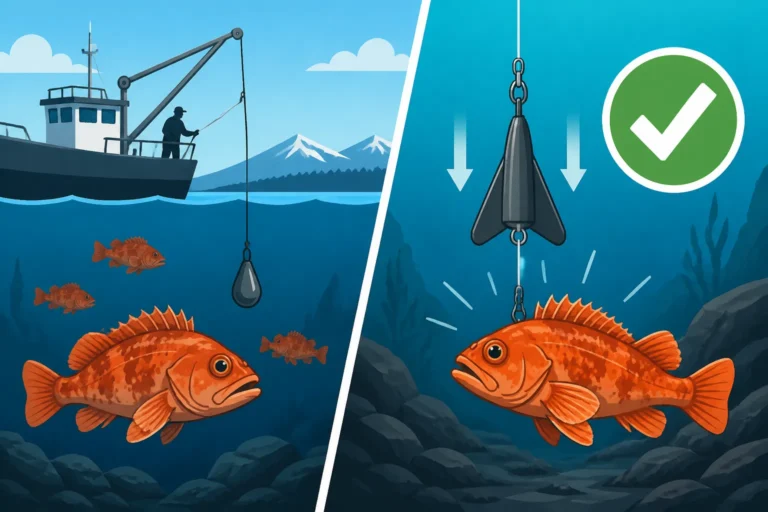
Beyond your rod and reel, a few key accessories will make your lingcod trip safer and more successful. Given their toothy grins, a sturdy pair of fish-handling gloves is absolutely essential. A gaff is also highly recommended for safely bringing a large lingcod into the boat. For releasing fish, especially if they're caught from deep water, a deepwater release device (like those used for rockfish) can be critical to ensure their survival.
Don't forget a sharp fillet knife, a cooler with ice to keep your catch fresh, and appropriate foul-weather gear. Alaska's weather can change quickly, so waterproof, breathable rain gear is a must. Many quality options are available on Amazon for all these essentials. Finally, a first-aid kit, communication devices, and knowledge of basic marine safety are always important, especially when fishing in remote Alaskan waters.
Effective Techniques for Catching Alaska Lingcod
Lingcod are aggressive predators, but successfully hooking and landing them consistently requires more than just dropping a line. Understanding their behavior and employing specific techniques designed for their rocky habitats can dramatically increase your catch rate and enjoyment. It’s all about presentation, patience, and power.
Jigging and Bottom Fishing Strategies
Jigging is arguably the most popular and effective technique for targeting lingcod. It involves vertically working a heavy metal jig or a soft plastic presentation directly over structure where lingcod are known to hide. The key is to drop your jig to the bottom, then reel up a few feet, and impart an erratic, jigging motion. This could be a series of sharp lifts and drops, or a more subtle bouncing action, mimicking a wounded baitfish. Experiment with different retrieves until you find what triggers a strike.
When jigging, always be aware of your depth and the bottom contour. Lingcod will often be right on the structure, so feeling the bottom with your jig is crucial. If you're not bumping the bottom occasionally, you might be too high. However, too much contact can lead to snags. If you feel a snag, immediately point your rod tip at the snag and pull straight up to try and free it. If you hook a fish, don't just gently reel it in; you need to quickly gain line to pull it away from the sharp rocks it will try to dive back into. This rapid retrieve is often called "horsing" the fish, and it's essential for lingcod.
Drift Fishing and Trolling Approaches
While jigging is effective for precise targeting, drift fishing allows you to cover more ground, especially over extended reef systems or uneven terrain. This technique involves letting your boat drift with the current or wind, dragging your bait or lure along the bottom. For lingcod, a heavy lead sinker (often 12-32 ounces, or even more) is used to keep your offering near the seabed, usually attached to a spreader bar or a three-way swivel rig that keeps your leader and bait off the main line.
Often, anglers will combine drift fishing with bait, like a whole herring or a salmon head, presented on a stout hook. This allows the scent to disperse and attract fish from a wider area. As you drift, pay close attention to your rod tip for subtle taps or sudden jerks indicating a bite. When a lingcod strikes, it’s often aggressive, but sometimes they’ll mouth the bait before committing. Give them a moment to take it, then set the hook with authority. Some charter operations will also slow-troll large plugs or spoons in areas with consistent lingcod presence, especially during periods when they are more actively feeding. This allows for covering even more territory, searching for schools or isolated trophy fish.
Best Practices for Hooking and Landing
Hooking a lingcod requires a firm, decisive hookset. Their mouths are bony, and those formidable teeth can make it challenging for a hook to find purchase. Once hooked, the real battle begins. Lingcod will immediately try to dive back into the rocks, using their powerful tails and broad bodies to resist. This is where your heavy tackle and powerful rod come into play. Keep your rod tip high and maintain constant pressure, cranking as hard and fast as you can to gain line.
If the fish manages to get into the rocks, don't despair immediately. Sometimes, easing the pressure or even giving a little slack can coax them out. Patience is key, but be ready to start cranking again the moment they move. When the fish gets to the surface, be mindful of those teeth! Never grab a lingcod by the mouth. Use a sturdy gaff for retention or a large landing net for catch-and-release, handling them carefully by the body or gills. If you're planning on Alaska Catch-and-Release Best Practices, be swift and gentle to ensure the fish's best chance of survival.
Regulations and Conservation for Lingcod in Alaska
Fishing in Alaska is a privilege, and with that comes the responsibility to understand and abide by the regulations designed to protect our precious fisheries. Lingcod, like all species, are subject to specific rules regarding seasons, size, and bag limits, which can vary by region and change frequently through emergency orders. Staying informed is key to a legal and sustainable fishing experience.
Alaska Lingcod Season and Size Limits
Lingcod seasons in Alaska are often regulated to protect spawning populations and ensure sustainable harvests. Generally, prime fishing for lingcod tends to be open during the summer months, often from May or June through September or November, depending on the specific management area. However, it is crucial to understand that these seasons can vary significantly. For example, some areas might have year-round fishing with specific bag limits, while others may have shorter, more restrictive seasons.
Size limits are also common for lingcod, typically involving a "slot limit" where only fish within a certain size range can be retained. For instance, in some parts of Southeast Alaska, anglers may be allowed to keep one lingcod measuring between 30 and 40 inches, and one over 55 inches, or similar variations. These slot limits are designed to protect both juvenile fish and large, reproductively valuable broodstock. Always consult the most current Alaska Department of Fish and Game (ADF&G) sport fishing regulations booklet or website for the specific region you plan to fish. You can often find detailed information on Alaska Lingcod Season and Size Limits there.
Bag and Possession Limits
In addition to seasons and size limits, there are strict bag limits (the number of fish you can catch and keep per day) and possession limits (the total number of fish you can have on hand, including those in storage). For lingcod, these limits are often quite conservative, reflecting their slower growth rates and importance to the ecosystem. A typical bag limit might be one or two lingcod per person per day, with a possession limit often set at double the daily bag limit.
For example, in many Southcentral Alaska waters, the daily bag limit for lingcod might be one per day, with an annual limit of two fish for non-residents, and more for residents. These limits are subject to change, sometimes even in-season via emergency orders, especially if stock assessments show declines. It's imperative to check the most up-to-date Alaska Fishing Regulations Explained and specifically Alaska Lingcod Fishing Regulations and Limits before each trip to avoid costly violations. Ignorance of the rules is never an excuse.
Conservation Efforts and Best Practices
The conservation of lingcod populations is a shared responsibility. Many regulations, such as slot limits and seasonal closures, are direct conservation measures. Anglers also play a vital role through responsible fishing practices. One of the most important aspects of lingcod conservation, especially when fishing in deeper waters, is the use of a deepwater release device for any incidentally caught lingcod (or rockfish) that you do not intend to keep, or that are outside the legal slot limit. Lingcod, like rockfish, can suffer from barotrauma when brought up from deep water, causing their swim bladder to expand and making it difficult for them to swim back down.
Using a device to rapidly return the fish to depth significantly increases their survival rate. Many charters and guides carry these devices, and they are inexpensive to purchase on Amazon if you are fishing on your own. Beyond release devices, practicing good catch-and-release techniques for any fish you are not keeping, minimizing handling time, and avoiding fishing in known spawning areas can all contribute to healthy lingcod stocks for future generations. Knowing when to take a picture and when to let a fish go is part of being a responsible angler in Alaska.
Preparing Your Lingcod Catch
Congratulations, you've landed your lingcod! Now comes the next important step: properly handling, processing, and preparing your catch to ensure it makes it to the table in peak condition. Lingcod is a prized culinary fish, and a little care goes a long way in preserving its quality.
Handling Lingcod Onboard
The moment a lingcod comes aboard, safety is paramount. Those teeth are no joke, and a thrashing lingcod can inflict serious injury. Use a gaff to secure the fish quickly. Once it's in the boat, subdue it safely. A swift, humane dispatch is often best, either with a club to the head or by severing the gill arches, allowing the fish to bleed out. Bleeding the fish immediately is a critical step for preserving meat quality. It removes blood from the flesh, which can otherwise taint the flavor and shorten shelf life. Simply make a cut under the gills or across the throat to allow the blood to drain while the heart is still pumping.
After bleeding, get your lingcod into a cooler filled with ice as quickly as possible. This rapid chilling slows bacterial growth and helps maintain the firm texture of the meat. Don't just stack them warm; surround them with ice. If you're on a multi-day trip, consider investing in a large, well-insulated fish bag or a dedicated fish hold. Proper immediate care on the boat is the first, most crucial step in ensuring your lingcod tastes as good as the fight it gave you.
Filleting and Processing Your Lingcod
Filleting a lingcod is similar to filleting other large, firm-fleshed fish like halibut, though you'll need to be extra cautious around its mouth and thick skin. Use a sharp, sturdy fillet knife. Start by cutting behind the head, down to the backbone. Then, run your knife along the backbone, separating the fillet from the bones. Repeat on the other side. You'll get two large, thick fillets. Many anglers also like to take the cheeks, which are small, delectable medallions of meat found on either side of the head.
Once filleted, you can skin the fillets if desired, or leave the skin on for cooking, depending on your preference. Trim away any dark meat or bloodline. Rinse the fillets with cold water and pat them dry. For long-term storage, vacuum sealing is highly recommended. A good vacuum sealer, readily available on Amazon, will remove air and prevent freezer burn, keeping your lingcod fresh for months in the freezer. Label each package with the date and species so you know exactly what deliciousness awaits you. For more detailed instructions, you can also refer to guides like How to Fillet a Halibut, as the process is quite similar for large bottom fish.
Cooking and Storage Tips
Lingcod is an incredibly versatile and delicious fish. Its firm, white, flaky meat holds up well to a variety of cooking methods. For a classic preparation, try it pan-seared with a little butter, garlic, and herbs. Its texture makes it perfect for fish and chips, where a crispy batter complements the tender flesh. Grilling, baking, or broiling are also excellent options. For a heartier meal, incorporate lingcod into a seafood stew or cioppino. It also smokes beautifully, taking on rich flavors without becoming overly dry.
When cooking, avoid overcooking, as this can dry out any fish. Lingcod is done when the flesh turns opaque and flakes easily with a fork, typically around 145°F (63°C) internal temperature. If you've vacuum-sealed your fillets, they will generally keep in a good freezer for 6-12 months without significant loss of quality. Thaw frozen fillets slowly in the refrigerator overnight for the best results. Enjoying your perfectly prepared lingcod is the satisfying conclusion to a truly Alaskan fishing adventure.
Disclaimer
Please note that fishing regulations in Alaska, including those for lingcod, are subject to change. It is your responsibility to check the latest Alaska Department of Fish and Game (ADF&G) regulations for the specific area and time you plan to fish before heading out. This guide provides general information and recommendations but should not be considered a substitute for official regulatory documents.