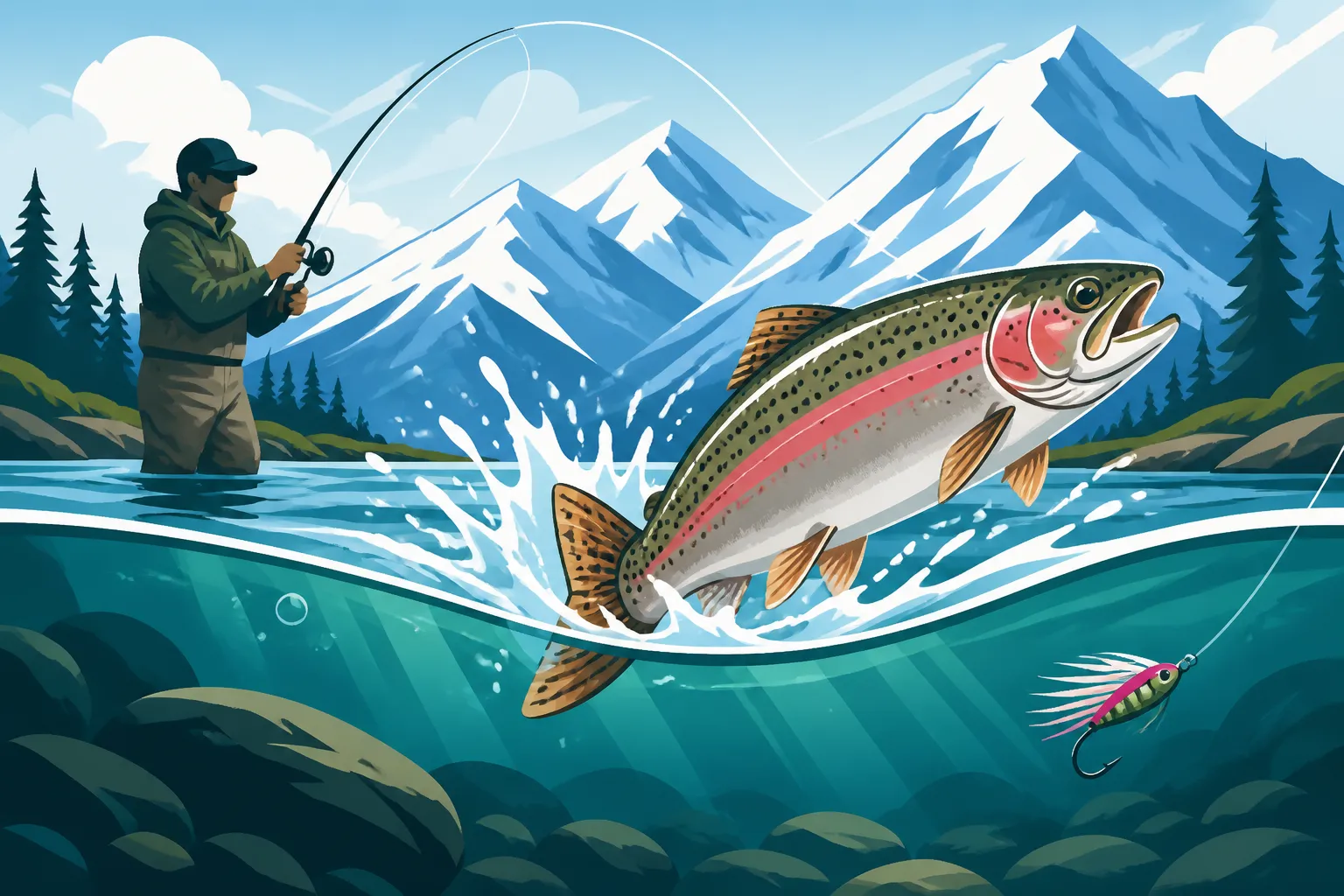
Alaska Rainbow Trout: Facts and Fishing Tips
For many anglers, the dream of Alaska isn't just about salmon or halibut; it’s about those iridescent, hard-fighting rainbow trout that call these wild waters home. But understanding where they live, what makes them tick, and how to successfully target them can feel like cracking a secret code, especially with Alaska's vastness and ever-changing regulations. This guide will demystify the Alaska rainbow trout, offering practical tips and essential facts to help you land your trophy fish.
Understanding the Majestic Alaska Rainbow Trout
Alaska's rainbow trout are a truly special breed, renowned for their stunning colors, aggressive takes, and powerful fights. They are a cornerstone of the state's freshwater fisheries, drawing anglers from around the globe. But they're not all the same, and understanding their unique characteristics is key to appreciating and pursuing them.
Distinguishing Features and Subspecies
When we talk about Alaska rainbow trout, we're generally referring to Oncorhynchus mykiss. However, this species exhibits incredible diversity across the state. You'll find resident rainbows that spend their entire lives in freshwater lakes and rivers, and then there are the anadromous forms, known as steelhead, which migrate to the ocean for part of their lives before returning to freshwater to spawn.
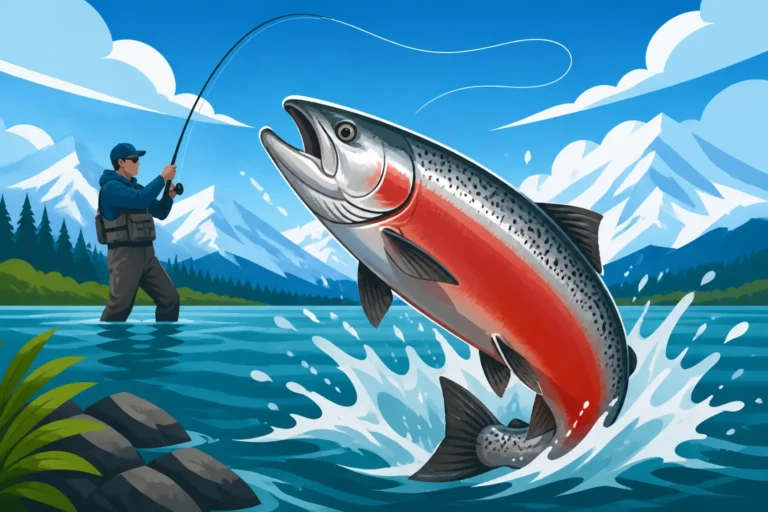
Resident rainbows, especially those in nutrient-rich systems like the Bristol Bay region, often display vibrant coloration, sometimes with darker spots, a prominent red or pink stripe along their lateral line, and often a bright red gill plate. These fish can grow surprisingly large, especially when they have an abundance of food. The famous "Leopard Rainbow Trout" found in certain drainages of Southwest Alaska, like the Naknek or Kvichak Rivers, are a prime example, known for their dense, dark spotting that extends onto their fins. Steelhead, on the other hand, often appear more silver or chrome when they first enter freshwater from the ocean, losing some of their vibrant freshwater hues. Their spots might be less pronounced, and their overall appearance is sleeker, built for ocean travel. Knowing these subtle differences can help you identify what you've hooked and appreciate the unique adaptations of these incredible fish.
Life Cycle and Diet
The life cycle of Alaska rainbow trout is deeply intertwined with the seasons and, crucially, with the monumental salmon runs. Like all trout, they hatch from eggs laid in gravel beds, usually in spring. As juveniles, they feed primarily on aquatic insects – nymphs, larvae, and small crustaceans. As they grow, their diet expands to include terrestrial insects like grasshoppers and beetles that fall into the water, and increasingly, smaller fish, including salmon fry and smolt.
However, what truly fuels the growth of Alaska's trophy rainbow trout is the annual salmon spawn. When millions of salmon return to their natal streams to spawn and eventually die, they provide an unparalleled feast. Rainbow trout gorge themselves on loose salmon eggs, decaying salmon flesh, and even young salmon fry. This protein-rich diet allows them to grow to exceptional sizes, often reaching well over 20 inches and sometimes exceeding 30 inches, with some of the largest, fattest rainbows found in the Bristol Bay drainages. Understanding this dietary dependence means that timing your trip with the peak of a salmon run – especially sockeye and coho – can significantly increase your chances of finding actively feeding, large rainbow trout.
Where to Find Alaska Rainbow Trout
Alaska is a vast state, and while rainbow trout are widespread, certain regions and specific bodies of water are legendary for their populations and size. Knowing these hotspots and understanding their typical habitats will greatly improve your chances of success.
Iconic Rivers and Lakes
When anglers talk about trophy rainbow trout in Alaska, certain names immediately come to mind. The Kenai River, particularly the middle and upper sections near Cooper Landing and Sterling, is world-renowned for its colossal rainbow trout, some exceeding 30 inches. These fish benefit immensely from the massive sockeye and coho salmon runs. Another legendary destination is the Bristol Bay region in Southwest Alaska, home to a network of pristine rivers and lakes that produce some of the largest, most vibrant "Leopard Rainbows" on the planet. Rivers like the Naknek, Kvichak, Alagnak, and many tributaries flowing into these systems are simply phenomenal. Fly-in lodges often target these remote, productive waters.
Other notable spots include the Talkeetna River and some tributaries of the Susitna River system in Southcentral Alaska, offering more accessible opportunities for good-sized rainbows. In Southeast Alaska, many systems, especially those with strong salmon returns, hold good populations of resident rainbows and sea-run steelhead. For those seeking a more remote, wilderness experience, many smaller, un-named streams and lakes across the Interior and Southcentral regions also hold healthy, if often smaller, populations. Researching specific areas for "Best Places for Rainbow Trout in Alaska" can provide more localized details.
Habitat Preferences
Rainbow trout, whether resident or steelhead, tend to occupy specific types of water that offer a combination of food, cover, and favorable water conditions. In rivers, they are frequently found in:
- Riffles and Runs: These faster-moving sections of water are prime feeding grounds. The current brings dislodged insects, eggs, and small fish, and the oxygenated water is ideal for active trout. Look for seams where faster water meets slower water, as trout will often hold just out of the main current, waiting for food to drift by.
- Pools: Deeper, slower-moving pools offer resting areas and thermal refuge. Trout will often hold in the tail-outs of pools, especially where they transition into a riffle, or at the head of a pool where food funnels in. Structure within pools, like submerged logs, rocks, or undercut banks, provides excellent cover.
- Structure: Anything that breaks the current and offers cover is a potential holding spot. This includes large boulders, fallen trees (logjams), undercut banks, and even changes in bottom contour. These spots also provide ambush points for predatory trout.
- Spawning Areas (during salmon runs): During the peak of salmon spawning, rainbow trout will congregate downstream of salmon redds (nests), feeding voraciously on loose salmon eggs. This is a critical time for them to build fat reserves for the lean winter months.
In lakes, rainbow trout often cruise along drop-offs, near submerged weed beds, or around points and inlets where food sources are concentrated. Understanding these habitat preferences allows you to "read the water" and present your offerings in the most effective locations.
Best Time to Fish for Alaska Rainbow Trout
Timing is everything when it comes to fishing in Alaska, and rainbow trout are no exception. Their activity levels, feeding patterns, and locations can change dramatically with the seasons and even throughout the day.
Seasonal Patterns
Alaska offers distinct seasons for rainbow trout fishing, each with its own charm and challenges.
- Spring (May-Early June): As the ice recedes and water temperatures slowly begin to rise, trout become more active after a long winter. This is often pre-spawn for resident rainbows, and they can be hungry, feeding on emerging insects and smolt. Water levels can be high from snowmelt, which can make fishing challenging but also concentrates fish in certain areas. It's also the time when fresh steelhead begin to enter rivers from the ocean.
- Summer (Mid-June-August): This is prime time! Rivers are often at more stable levels, and insect hatches are in full swing. More importantly, the massive salmon runs begin, starting with sockeye, then pink and chum salmon. Rainbow trout will transition from insect and smolt feeding to aggressively targeting salmon eggs. This period offers incredible dry fly fishing, nymphing, and later, unparalleled bead fishing. The "Alaska Fishing Seasons: Month-by-Month Guide" offers a detailed breakdown of what to expect throughout the summer.
- Fall (September-October): Many consider fall to be the absolute best time for trophy rainbow trout. The coho (silver) salmon runs are in full swing, and their spawning provides another abundant source of eggs. Trout are frantically feeding to put on weight for winter, and their colors are at their most vibrant. The crowds thin out, and the scenery is breathtaking. This is when you're most likely to catch those truly massive, egg-filled fish. As the season progresses, water temperatures drop, and trout activity will slow, but the rewards can be immense. For more specific advice, check out "Best Time to Catch Rainbow Trout in Alaska".
Daily Timing and Environmental Factors
While seasonal timing is crucial, daily factors also play a significant role.
- Early Morning and Late Evening: These are often the most productive times, especially during summer's long daylight hours. Trout can be more aggressive in lower light conditions, and insect hatches often occur at dawn and dusk. In areas with heavy fishing pressure, fishing these "shoulder" hours can give you an edge.
- Water Temperature: Rainbow trout are cold-blooded, so their activity is directly tied to water temperature. Their ideal feeding range is typically between 45-65°F (7-18°C). Too cold, and they become lethargic; too warm, and they can become stressed.
- Water Flows and Clarity: Stable water flows are generally best. Rapidly rising or falling water can disorient fish and make fishing difficult. Clear water allows fish to be more selective, while slightly colored water can make them less wary. After heavy rains, streams can blow out, but as they drop and clear, the fishing can be excellent.
- Salmon Runs: This is the ultimate environmental factor for Alaska's trophy rainbows. Timing your trip to coincide with the peak of a sockeye or coho salmon spawn is paramount. The sheer abundance of protein allows trout to grow large and aggressive.
Paying attention to these daily and environmental cues can significantly impact your success, even if you're in a prime location during the right season.
Effective Fishing Techniques for Alaska Rainbow Trout
Alaska rainbow trout are opportunistic feeders, but knowing the most effective techniques for different situations is crucial. Whether you prefer the finesse of fly fishing or the versatility of spin fishing, there are proven methods to entice these magnificent fish.
Fly Fishing Strategies
Fly fishing is incredibly popular for Alaska rainbow trout, offering an immersive and rewarding experience.
- Bead Fishing: This is, arguably, the most iconic and effective method when salmon are spawning. Trout, especially large ones, key in on salmon eggs. Anglers use realistic egg patterns (beads) threaded onto their leader, positioned a few inches above a small hook. The key is to drift the bead naturally, mimicking a free-floating salmon egg dislodged from a redd. It requires precise casting and mendings to achieve a drag-free drift. You can learn more about how to specifically fish with beads for Alaska trout by searching for relevant guides.
- Nymphing: Throughout the season, but especially before and after salmon runs, nymphing is highly effective. Trout feed heavily on aquatic insect larvae and pupae. Stonefly nymphs, caddis larvae, and mayfly nymphs (like Hare's Ears or Prince Nymphs) are excellent choices. A strike indicator and split shot are often used to get the fly down to the fish's feeding zone.
- Streamer Fishing: When trout are predatory, targeting smolt, fry, or smaller fish, stripping streamers can be deadly. Patterns like Sculpzillas, Dolly Llamas, Clouser Minnows, or various articulated patterns that imitate baitfish can provoke aggressive strikes. This technique is often effective in deeper pools, along undercut banks, or in the faster currents of a run.
- Dry Fly Fishing: While less consistent for the largest trout, dry fly fishing for rainbows on a calm summer evening or during a prolific insect hatch can be incredibly exciting. Caddis, mayflies, and especially large terrestrial patterns like grasshoppers or mouse patterns can bring explosive surface strikes. This is often best in smaller streams or during specific hatches.
- Swinging Flies: For steelhead and larger resident rainbows, particularly in larger rivers, swinging flies (often spey flies or larger wet flies) across currents can be a very effective and traditional method, presenting the fly in a broad arc that often elicits a strong grab.
Spin Fishing Approaches
While fly fishing gets a lot of attention, spin fishing can be equally effective and, in some situations, even more practical, especially for beginners or when conditions make fly casting difficult.
- Spinners: Classic in-line spinners like Mepps, Rooster Tail, or Panther Martin are consistently productive. Sizes and colors can vary, but silver, gold, chartreuse, or even black are popular. Cast across current or slightly upstream and retrieve just fast enough to get the blade spinning, allowing the current to impart action. These work well when trout are actively feeding on smolt or fry.
- Spoons: Wiggle spoons such as Pixees, Daredevles, or Little Cleos in various metallic or fluorescent colors can be very effective, especially for larger, more aggressive trout. They imitate wounded baitfish or flashy salmon eggs. Casting and retrieving with an erratic action often triggers strikes.
- Soft Plastics and Jigs: Soft plastic lures that imitate salmon eggs or worms, often fished under a float or drifted along the bottom, can be highly productive. Small jigs, tipped with bait (where legal) or scented plastics, can also be fished effectively in pools and runs.
- Bait (Check Regulations Carefully!): In many prime rainbow trout waters in Alaska, bait is restricted or prohibited to protect wild fish populations. However, where legal, cured salmon eggs or small chunks of herring can be incredibly effective, especially when drifted naturally. Always, always consult the current Alaska Fishing Regulations Explained before using bait.
Essential Gear and Tackle
Having the right gear makes a huge difference, not just in catching fish but in enjoying your time on the water.
- Rods and Reels: For fly fishing, a 6-weight or 7-weight rod (9-10 feet long) is a versatile choice for most Alaska rainbows, providing enough backbone for larger fish and casting heavier rigs. Pair it with a reliable reel that has a smooth drag and enough backing. For spin fishing, a medium-light to medium action rod (7-8 feet) with a fast tip, coupled with a spinning reel spooled with 8-12 lb test monofilament or braided line, is ideal. You can find excellent options on Amazon, from brands like St. Croix or Fenwick for rods, and Shimano or Daiwa for reels.
- Lines and Leaders: Fly lines should match your rod weight. A weight-forward floating line is standard, but a sink-tip line can be useful for streamers. Leaders should taper down to 0X-3X (about 6-10 lb test) for beads and nymphs, potentially stronger for streamers. For spin fishing, a good quality braided line offers sensitivity and strength, with a fluorocarbon leader (6-10 lb test) for abrasion resistance and invisibility.
- Waders and Boots: You'll be spending a lot of time in the water, so a good pair of breathable chest waders and comfortable wading boots with good traction are essential. Felt soles or rubber soles with studs are excellent for slippery Alaskan riverbeds. Look for durable, breathable options from brands like Simms or Orvis on Amazon. Don't forget to review "Best Waders for Alaska Fishing" and "How to Dress for Alaska Fishing".
- Terminal Tackle: Essential items include split shot, strike indicators, various hooks (especially small, strong single hooks for bead fishing), swivels, and a selection of appropriate flies, spinners, or spoons. A landing net with a rubberized mesh is crucial for safely handling and releasing fish.
- Other Essentials: Bear spray (and knowing how to use it), rain gear, polarized sunglasses, a brimmed hat, insect repellent, and a quality pair of pliers or forceps for hook removal are non-negotiable for a safe and successful trip. For a comprehensive overview, see the "Alaska Fishing Gear and Tackle Guide".
Regulations and Conservation for Alaska Rainbow Trout
Fishing for rainbow trout in Alaska comes with a responsibility to understand and adhere to the regulations, which are designed to protect these precious fisheries for future generations. Ignoring these rules can result in significant fines and impact the health of the fish populations.
Catch Limits and Size Restrictions
Alaska's fishing regulations are complex and can vary significantly by region, river, and even specific sections of a river. For rainbow trout, regulations often include:
- Bag Limits: This is the maximum number of fish you can keep per day. For rainbow trout, these are typically very conservative, often one or two fish, and sometimes zero (catch-and-release only).
- Possession Limits: This refers to the total number of fish you can have in your possession at any given time, including those kept at your camp, lodge, or freezer. It's often double the daily bag limit.
- Size Restrictions: Many areas have slot limits or minimum/maximum size restrictions. For example, you might be allowed to keep fish only within a certain size range (e.g., 18-24 inches) or prohibited from keeping any fish over a certain trophy size. This protects both the younger, growing fish and the large, important spawners.
- Gear Restrictions: As mentioned, many premier rainbow trout waters are fly-fishing-only or prohibit the use of bait. Some areas also require the use of single, barbless hooks.
It's absolutely critical to consult the most current Alaska Sport Fishing Regulations booklet for the specific region you plan to fish. Emergency orders can also change regulations on short notice, especially for King Salmon, which can impact trout fishing in those systems. Always check the Alaska Department of Fish and Game (ADF&G) website or local field offices for updates. You can learn more by checking out the "Alaska Fishing Regulations Explained" and "Alaska Rainbow Trout Regulations".
Catch-and-Release Practices and Ethics
Given the typically low bag limits and the value of Alaska's wild trout fisheries, catch-and-release is a common and often mandatory practice. Practicing proper catch-and-release is vital for the survival of the fish.
Here are some best practices:
- Minimize Fight Time: Bring the fish to hand as quickly as possible without overstressing it.
- Keep the Fish in Water: Avoid removing the fish from the water entirely, especially for photographs. If you must lift it, do so quickly and support its body horizontally. Never hold a large fish vertically by its jaw, as this can damage its spine and internal organs.
- Wet Your Hands: Always wet your hands before handling a fish to avoid removing its protective slime coat, which guards against disease.
- Use Barbless Hooks: Barbless hooks greatly reduce harm and allow for quicker release. You can crimp down the barb on any hook with pliers.
- Gentle Hook Removal: Use forceps or pliers to carefully remove the hook. If the fish is deeply hooked and removal would cause significant damage, cut the line as close to the hook as possible.
- Revive the Fish: Hold the fish gently in the current, facing upstream, until it can swim away under its own power. Do not try to swim it back and forth; rather, hold it still until it kicks away strongly.
- Be Mindful of Spawning Fish: Avoid targeting actively spawning fish on redds. These fish are vulnerable, and disturbing them can negatively impact future generations.
By adhering to these practices, anglers can ensure that Alaska's magnificent rainbow trout fisheries remain healthy and vibrant for years to come. For more detailed guidance, consider reading "Alaska Catch-and-Release Best Practices".
Rainbow Trout Fishing Outlook by Region
Alaska is massive, and while rainbow trout are found across much of the state, the specific opportunities, sizes, and fishing styles can vary significantly from one region to another. Understanding these regional differences can help you tailor your expectations and plan your trip more effectively.
Southcentral Alaska Rainbows
Southcentral Alaska is perhaps the most accessible and popular region for rainbow trout, largely due to its road system access and the presence of the legendary Kenai River.
- Kenai River: The middle and upper Kenai River, flowing out of Kenai Lake, is famous for its large, powerful rainbow trout that grow to impressive sizes by feeding on the eggs and carcasses of millions of sockeye and coho salmon. Access is relatively easy, with numerous public access points and guides operating out of Cooper Landing and Sterling. Fishing here is often done from drift boats, with fly fishing (especially bead patterns during salmon runs) being dominant, but spin fishing with appropriate lures is also popular in designated areas. While the Kenai is known for its trophy potential, it also sees significant fishing pressure, particularly during salmon runs.
- Susitna River Drainage: Rivers like the Talkeetna, Deshka, and other tributaries of the Susitna system offer good opportunities for resident rainbows, often in conjunction with salmon. These waters tend to be less pressured than the Kenai, especially if you venture further from the road system. Fly fishing and spin fishing are both productive here, targeting various insect hatches and salmon eggs.
- Area Lakes: Many stocked lakes around Anchorage and the Mat-Su Valley offer excellent, accessible rainbow trout fishing, particularly for families and beginners. These fish are typically smaller but provide consistent action. Ice fishing for rainbows is also popular in these lakes during winter.
Southwest Alaska and Bristol Bay Rainbows
This region is synonymous with some of the world's most pristine and productive wild rainbow trout fisheries, often requiring a fly-in trip to access.
- Bristol Bay Rivers: Rivers such as the Naknek, Kvichak, Alagnak, and other drainages are legendary for their "Leopard Rainbows" – highly spotted, often thick-bodied fish that grow to immense sizes, routinely exceeding 25 inches. These trout benefit from some of the largest sockeye salmon runs on Earth, making bead fishing during the fall spawn a primary and incredibly effective technique. Many world-class fly-out lodges operate in this region, offering guided trips to remote, unpressured waters. The sheer abundance of food makes these fish exceptionally healthy and aggressive.
- The Iliamna Lake System: As Alaska's largest lake, Iliamna and its tributaries hold enormous rainbow trout, including some of the state's largest resident fish. Fishing here can be challenging due to the lake's size but incredibly rewarding.
Southeast Alaska Rainbows and Steelhead
Southeast Alaska, with its temperate rainforest climate, offers a different flavor of rainbow trout fishing, particularly known for its steelhead.
- Coastal Rivers: Numerous short, steep coastal rivers on islands like Baranof, Prince of Wales, and Revillagigedo, as well as mainland rivers near Juneau and Ketchikan, host runs of steelhead. These anadromous rainbows spend years in the ocean before returning to their natal streams to spawn, offering a unique challenge to anglers. Steelhead fishing is often a pursuit of patience, typically done with fly rods (swinging flies, nymphing) or drift fishing with spin gear.
- Resident Rainbows: Many of the smaller lakes and some stream systems also hold healthy populations of resident rainbow trout, providing excellent opportunities, especially for those seeking a mix of salmon and trout fishing.
Interior Alaska Rainbows
While salmon fishing dominates perceptions of Interior Alaska, many rivers and lakes in this vast region offer good, often unpressured, rainbow trout fishing.
- Denali and Fairbanks Areas: Rivers and streams within and near Denali National Park, and those accessible from Fairbanks, can hold good numbers of rainbow trout, alongside other species like Arctic Grayling and Dolly Varden. These are often smaller than their Southcentral or Southwest counterparts but are wild, beautiful fish found in stunning wilderness settings. Fishing methods often involve nymphing, dry fly fishing, and small spinners or spoons.
This regional breakdown highlights the diversity of rainbow trout fishing experiences in Alaska, from easily accessible roadside fishing to remote, fly-in wilderness adventures, each offering its own unique appeal and challenge.
Table of Popular Rainbow Trout Lures and Flies in Alaska
Choosing the right lure or fly can be daunting with so many options. Here's a quick guide to some consistently productive choices for Alaska rainbow trout, depending on the season and conditions.
| Type of Lure/Fly | Common Patterns/Examples | Best Conditions/Time of Year | Notes |
|---|---|---|---|
| Beads | Mottled Orange, Roe, Peachy King, Clown Egg | Peak salmon spawning (July-October), particularly sockeye and coho. | Mimics free-drifting salmon eggs. Essential for trophy rainbows feeding behind spawning salmon. Use small, strong single hooks. |
| Nymphs | Stonefly Nymphs (Pat's Rubber Legs), Caddis Larvae, Prince Nymph, Hare's Ear | Spring, early summer, late fall, or anytime trout are feeding on subsurface insects. | Effective when salmon are not spawning, or even as a secondary food source during salmon runs. Fish deep under an indicator. |
| Streamers | Sculpzillas, Dolly Llamas, Clouser Minnows, Flesh Flies | Anytime trout are predatory; effective for larger fish, especially in deeper water. | Imitates baitfish, salmon smolt, or decaying salmon flesh. Strip aggressively or swing across currents. Flesh flies are particularly good during and after salmon die-off. |
| Dry Flies | Caddis, Mayflies, Grasshoppers, Chernobyl Ant, Mouse Patterns | Summer, particularly during insect hatches or when terrestrials are abundant. | Exciting surface takes. Best in calmer water or smaller streams. Mouse patterns can provoke aggressive strikes from large trout at dusk or dawn. |
| Spinners | Mepps Aglia, Rooster Tail, Panther Martin (Silver, Gold, Chartreuse) | Early season (spring/early summer) when trout are actively chasing smolt or small fish. | Versatile and easy to use. Great for covering water and finding active fish. |
| Spoons | Pixee Spoon, Daredevle, Little Cleo (Metallic, Fluorescent) | Similar to spinners, good for active fish. Can be effective for larger, more aggressive trout. | Erratic wobbling action mimics wounded baitfish or flashy eggs. Cast and retrieve or jig in deeper pools. |
Disclaimer
Please remember that fishing in Alaska involves inherent risks, including rapidly changing weather conditions and wildlife encounters. Always prioritize safety, inform others of your plans, and carry appropriate gear, including bear deterrents if in bear country. Regulations are subject to change, so it is your responsibility to consult the most current Alaska Department of Fish and Game regulations before heading out. This guide provides general information and tips and should not replace official regulatory documents.