Alaska Pink Salmon: Facts and Fishing Tips
Many anglers, especially those new to Alaska, often overlook the humble pink salmon, sometimes dismissed as "just a humpy" because of their smaller size and distinct spawning appearance. This can lead to missed opportunities for incredible fishing action and a freezer full of surprisingly versatile fish. If you've ever felt a bit confused about when and where to target these abundant salmon, or even if they're worth catching, you're in the right place. This comprehensive guide will shed light on everything you need to know about Alaska's pink salmon, from their fascinating life cycle to the best fishing tips and culinary secrets.
Understanding Alaska Pink Salmon: The "Humpies" Basics
Pink salmon, or Oncorhynchus gorbuscha, are the most abundant species of Pacific salmon found in Alaska. They have a truly unique life cycle and play a vital role in the Alaskan ecosystem. While often overshadowed by their larger cousins like kings and sockeye, pink salmon offer an exciting and accessible fishing experience, especially for families and those looking for consistent action. Their sheer numbers mean that during peak runs, fishing can be non-stop.
Identifying Pink Salmon in Alaska's Waters
When pink salmon enter freshwater to spawn, they undergo a dramatic transformation that makes them one of the easiest salmon species to identify. Males develop a pronounced, almost comical hump on their backs, which is how they earned the nickname "humpies." Their color changes from a silvery blue-green in saltwater to a mottled olive-brown, often with dark spots on their backs and tail fins, sometimes with a yellowish belly.
In saltwater, before they've entered their spawning phase, pink salmon are typically bright silver with small, speckled spots on their backs and large oval spots on both lobes of their caudal (tail) fin. This spotting pattern on the tail is a key identifier. They generally average 3-5 pounds, though some can reach up to 12 pounds. Knowing How to Identify Alaska Salmon Species before you hit the water can make all the difference, especially when bag limits vary by species.
Compared to other salmon, their scales are noticeably smaller, and their mouths are relatively smaller as well, with fine teeth. The flesh is typically a lighter pink or orange hue, which changes as they progress further into their spawning journey. Being able to correctly identify them is crucial for adhering to local regulations and ensuring you're targeting the right species for your angling goals.
The Unique Life Cycle and Short Spawning Run
Pink salmon have the shortest and most predictable life cycle of all Pacific salmon, consistently living for only two years. This means that strong returns usually occur every other year in many river systems, creating what are known as "odd-year" or "even-year" runs. For instance, if a particular river has massive runs in 2023, you can generally expect another huge run in 2025, with significantly smaller numbers in the intervening even years.
After hatching from eggs laid in freshwater streams, young pink salmon quickly migrate to the ocean, typically within a few days or weeks. They spend about 18 months in the marine environment, growing rapidly, before returning to their natal streams as mature adults to spawn and complete their two-year life cycle. This rapid development means they are less susceptible to certain environmental pressures that affect longer-lived salmon species, contributing to their remarkable abundance.
This predictable two-year cycle is a vital piece of information for any angler planning a trip. If you're hoping to experience truly epic "combat fishing" for pinks, aligning your trip with a strong return year in your chosen location is paramount. You can find more details about this fascinating phenomenon in our guide to Alaska Salmon Run Timing Explained.
Where Pink Salmon Thrive Across Alaska
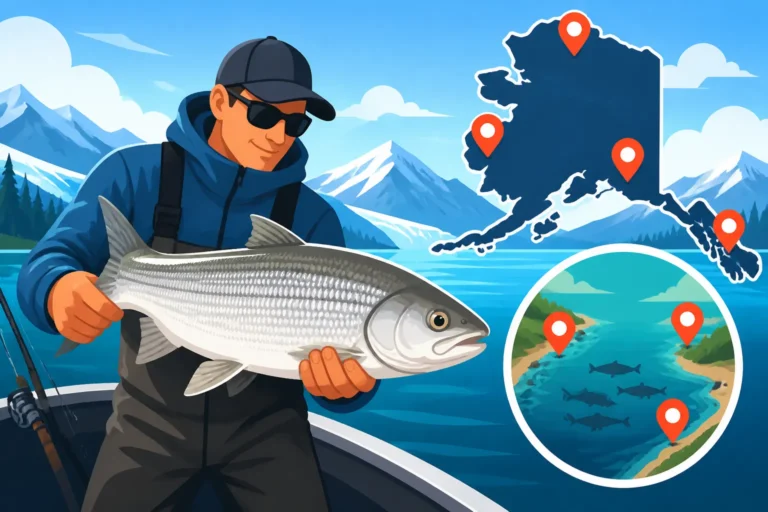
Pink salmon are incredibly widespread across Alaska, inhabiting nearly all coastal waters and rivers that flow into the Pacific Ocean and Bering Sea. They spawn in rivers and streams from Southeast Alaska up through Prince William Sound, Cook Inlet, Kodiak Island, and westward along the Alaska Peninsula and Bristol Bay. You'll find them in both large river systems and even small, unassuming creeks.
Major hotspots for pink salmon include the rivers of Southeast Alaska around Juneau and Ketchikan, the streams flowing into Prince William Sound near Valdez and Whittier, and many tributaries of Cook Inlet, particularly on the Kenai Peninsula. While they might not get the same individual angler attention as the sockeye runs on the Kenai River or Kasilof River, their sheer numbers make them a dominant force.
The accessibility of pink salmon fishing makes them a fantastic target for beginners and families. Many excellent spots are easily reachable from the road system, particularly in Southcentral Alaska. Unlike king salmon which often prefer specific, deep holes, pinks tend to spread throughout a river system during a heavy run, making them easier to locate for even novice anglers.
Pink Salmon Fishing Seasons and Peak Times
Understanding when pink salmon are running is the key to a successful and action-packed fishing trip. While their two-year life cycle dictates the size of the run, specific timing within the season can vary based on geography and environmental factors. Knowing these nuances will greatly enhance your chances of a memorable day on the water.
General Timing for Pink Salmon Runs
Pink salmon typically begin to show up in Alaskan waters in late June and early July, with the main bulk of the runs occurring throughout July and August. By early September, most of the fish have moved into the rivers and are actively spawning, making them less desirable for harvest. This mid-summer window offers the best opportunities for targeting fresh, silver-bright pinks.
For specific areas like Prince William Sound or Southeast Alaska, the runs can sometimes start a bit earlier in July and extend further into late August. The peak of the run is often quite intense, lasting for a few weeks where fish can be caught almost continuously. This makes them a fantastic species for those who love constant action and don't mind catching and releasing many fish in pursuit of a few prime specimens.
Checking local fishing reports and emergency orders is always a good idea. The Alaska Department of Fish and Game (ADF&G) regularly updates conditions, and a quick check can confirm if a strong run is underway in your desired location. Our Alaska Fishing Seasons: Month-by-Month Guide– will provide a broader overview, but for pinks, focus heavily on that July-August window.
Regional Differences in Peak Pink Salmon Activity
While the general timeframe for pink salmon runs is July and August, there are notable regional variations. In Southeast Alaska, around areas like Sitka, Juneau, and Ketchikan, runs often start robustly in early to mid-July. These waters see massive numbers of pinks entering various stream systems. The runs often continue strong through mid-August.
Moving north to Prince William Sound, Valdez, and Whittier, the pink salmon runs can peak slightly later, often in late July through mid-August. The Valdez area, in particular, is famous for its large pink salmon runs, often drawing thousands of anglers during its "Pink Salmon Festival" derby. The sheer volume of fish can be astounding.
On the Kenai Peninsula and in Cook Inlet drainages, including the Kasilof and Susitna rivers, pinks also arrive in July and peak in August. While these rivers are more known for their sockeye and king salmon, the odd-year pink runs provide a fantastic bonus fishery. For instance, the odd-year runs on the Kenai River can be absolutely spectacular, filling the river with millions of fish and offering opportunities for even the newest anglers to experience the thrill of salmon fishing.
Reading the Water for Early and Late Season Humpies
To maximize your success, it's not just about knowing the month; it's about understanding the nuances of the run. Early in the season, when pinks are just starting to show up, they are often still bright and silvery, concentrated in nearshore saltwater areas or the lower stretches of rivers as they stage before pushing upstream. This is when they are at their prime for eating quality.
As the run progresses into its peak, fish will be spread throughout the river system, actively moving upstream. This is when you'll find them in almost every suitable ripple, pool, or even shallow riffle. Later in the season, particularly late August into September, pinks will be significantly darker, and the males will have developed their most exaggerated humps. Their flesh quality deteriorates rapidly at this stage as they focus entirely on spawning.
Observing other anglers, checking the local fish counts at weir sites (if available), and even just watching the water for jumping fish can give you crucial clues. If you see dark, heavily-humped fish, you'll know you're at the tail end of the harvestable portion of the run. For those seeking fresh table fare, focusing on the early to mid-run fish is paramount.
Effective Techniques for Catching Pink Salmon
Pink salmon are notoriously aggressive, especially when fresh from the saltwater and eager to push upstream. This makes them a fantastic target for a variety of fishing methods, offering plenty of action for both novice and experienced anglers. You don't need highly specialized gear, which is great news for those just starting out or looking for a more relaxed fishing experience.
Spin Fishing for Pink Salmon: Gear and Lures
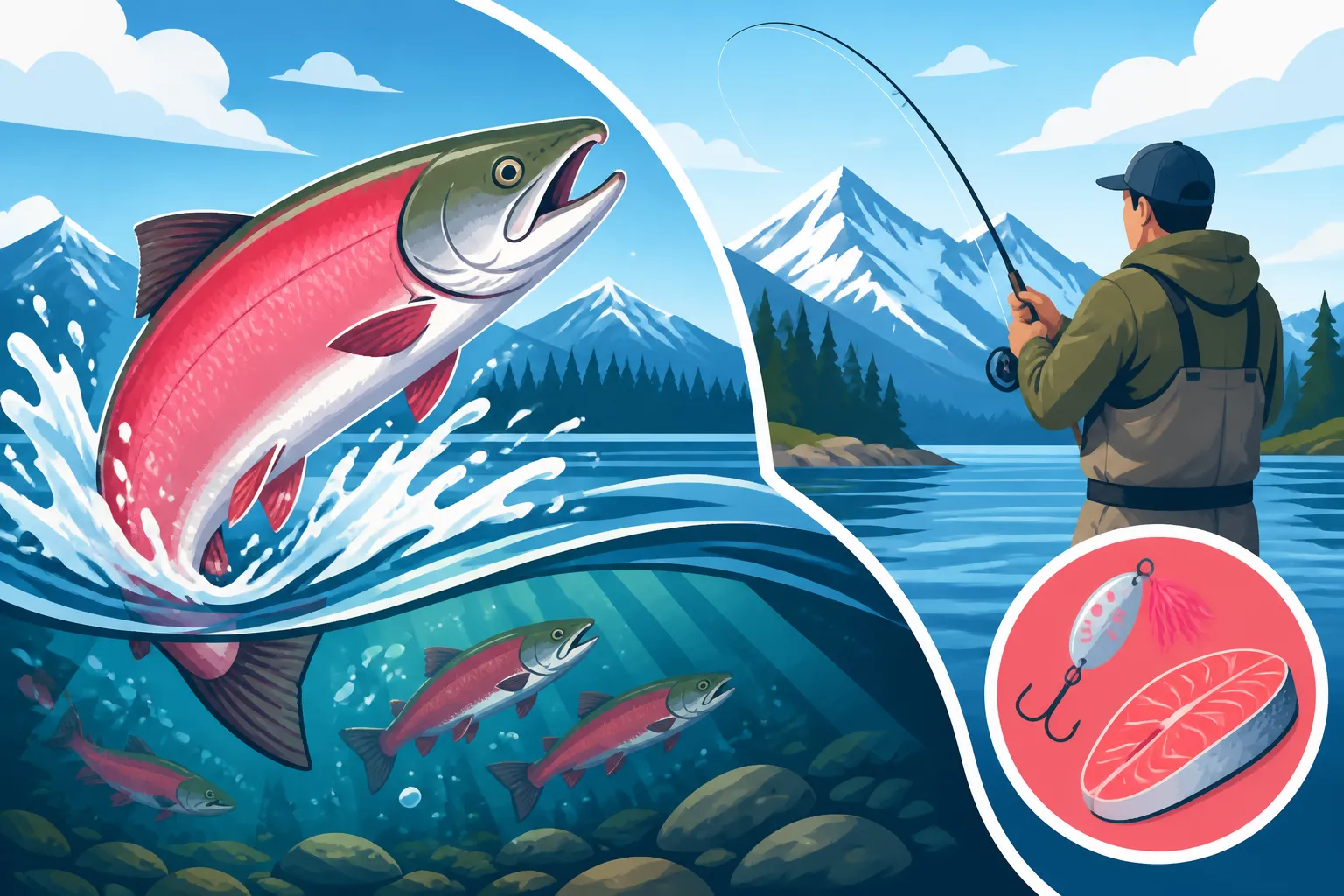
Spin fishing is perhaps the most popular and effective method for pink salmon, largely because of its simplicity and the wide array of lures that attract these aggressive biters. A medium-light to medium action spinning rod, around 7-9 feet long, paired with a reliable spinning reel spooled with 10-20 lb monofilament or braided line, is perfect. Brands like Shimano or Daiwa offer excellent choices that are durable enough for Alaska's conditions. You can find a vast selection of appropriate rods, reels, and lines on platforms like Amazon.
When it comes to lures, pink salmon are not particularly picky. Small, flashy spinners are incredibly effective. Think in terms of vibrant colors like pink, chartreuse, orange, and silver. Popular choices include:
- Vibrax Spinners: Sizes #2 to #4 in bright pink, chartreuse, or silver. These create a lot of flash and vibration.
- Pixee Spoons: Smaller sizes (1/4 to 1/2 oz) in pink, orange, or silver. The wobbly action drives pinks wild.
- Small Spoons: Brands like Little Cleo or Crocodile spoons, again in bright colors.
- Jigs: Pink or chartreuse jigs, tipped with a small piece of shrimp or even a brightly colored yarn, can also be deadly.
Cast your lure slightly upstream and across the current, letting it swing downstream while retrieving at a moderate pace. The key is to keep the lure moving and flashing. Don't be afraid to experiment with retrieve speeds and depths until you find what the fish are reacting to. Our guide on Best Lures for Alaska Salmon– delves into more detail on various salmon lures that also work for pinks.
Fly Fishing for Pink Salmon: Patterns and Presentation
For fly anglers, pink salmon offer an exhilarating experience, often willing to chase down a well-presented fly with gusto. A 6-8 weight fly rod, preferably 9 feet long, is ideal, allowing for comfortable casting and enough backbone to handle the fish. Floating lines are generally preferred for most river fishing, but an intermediate sink tip can be useful in deeper pools or faster currents.
Fly patterns for pink salmon are often vibrant and flashy, mimicking baitfish or even just triggering an aggressive response. Again, pink is king! Some top patterns include:
- Pink Poppers or Gurglers: When pinks are aggressive and on the surface, a topwater disturbance can be irresistible.
- Pink or Chartreuse Clouser Minnows: These weighted flies imitate baitfish and get down quickly.
- Pink or Purple Wiggle Jigs: Small jigs tied on a jig hook, often with rabbit fur or flash.
- Pink Comets or Egg Sucking Leeches: Classic salmon patterns that work for multiple species.
The retrieve is crucial for fly fishing pinks. A strip-strip-pause retrieve, or even just a steady swing, can be highly effective. Look for fish holding in seams, behind obstacles, or in slower currents near faster water. Cast your fly upstream or across and let it swing naturally, adding small strips to give it action. It's often about getting the fly in front of as many fish as possible. Many of these techniques can be adapted from the general How to Fly Fish in Alaska principles.
Bank Fishing Strategies for Pink Salmon Runs
One of the greatest advantages of pink salmon fishing is how accessible it is from shore. During strong runs, you don't need a boat to find plenty of action. Many popular river access points and even urban fishing spots like Ship Creek in Anchorage can be phenomenal during the pink salmon season.
When bank fishing, look for areas where the current slows down, creating holding lies for fish moving upstream. Eddies, the inside bends of rivers, and pools below rapids are prime locations. Pinks will often stack up in these areas, waiting for an opportune moment to continue their journey. Targeting these holding areas with spinners or jigs is usually the most productive strategy.
Consider your casting distance and angle. Often, a longer cast across the current allows your lure more time to swing through the productive zone. If you're using bait, like cured salmon roe (though regulations often restrict bait use for salmon, especially during low runs, so always check first), a drift fishing setup with a small weight and a leader can also be effective. Always be mindful of other anglers, especially in popular spots, and practice good etiquette. Bank Fishing in Alaska: How-To Guide provides a more general overview that applies well to pink salmon.
Beyond the Catch: Handling and Culinary Qualities
Many anglers question the eating quality of pink salmon, especially when compared to the rich, red flesh of sockeye or king salmon. It's true that pink salmon have a milder flavor and lighter color, but when handled correctly, they are a delicious and versatile fish, perfect for a variety of culinary applications. The key is in how you treat them from the moment they hit your net.
Best Practices for Handling Your Pink Salmon Catch
Proper fish handling starts immediately after the catch. If you intend to keep your pink salmon for the table, dispatch it quickly and humanely. A swift blow to the head or a technique called "ike-jime" will ensure the fish doesn't suffer and will also help preserve the quality of the meat.
Next, bleed the fish thoroughly. This is perhaps the most crucial step for any salmon species destined for consumption. Cut the gills or sever the artery just below the tail and let the fish bleed out in a cooler filled with icy water. This removes blood from the flesh, which can otherwise lead to a "fishy" taste.
Finally, keep your fish cold. As soon as it's bled, get it on ice. A cooler packed with ice slush (a mix of ice and a little water) is ideal for rapidly chilling the fish. The colder you keep it, the better the quality will be. Many anglers even carry a small, dedicated cooler just for their keepers. Neglecting these steps will quickly diminish the eating experience. For more detailed guidance, check out our guide on How to Fillet a Salmon in Alaska.
Debunking Myths: Is Pink Salmon Good to Eat?
The myth that pink salmon are not good to eat is widespread, but it's largely unfair and often stems from improper handling or comparison to other salmon species. While their flesh is indeed lighter in color and has a milder flavor than, say, a Copper River sockeye, it's still firm, flaky, and packed with beneficial omega-3 fatty acids.
The primary reason for negative perceptions often lies in catching fish that are too far into their spawning journey. As salmon transition from saltwater to freshwater and prepare to spawn, their bodies undergo significant changes. They stop feeding, use up their fat reserves, and their flesh softens and loses its vibrant color and flavor. A fresh, bright pink salmon caught in saltwater or the lower reaches of a river is a completely different culinary experience from a dark, humped fish caught far upstream.
Think of pink salmon as the "chicken" of the salmon world – it's mild, versatile, and takes well to various seasonings and cooking methods. It's an excellent source of lean protein and a sustainable choice given their abundant populations. Don't let old wives' tales deter you from enjoying this fantastic resource.
Simple Recipes and Preservation Tips for Pink Salmon
Pink salmon's mild flavor makes it incredibly adaptable in the kitchen. Here are a few simple ideas:
- Grilling/Baking: Season fillets with salt, pepper, garlic powder, and a squeeze of lemon. Grill on medium-high heat or bake at 400°F (200°C) until cooked through and flaky (about 10-15 minutes, depending on thickness). A little olive oil or butter keeps it moist.
- Salmon Patties/Cakes: Flake cooked pink salmon and mix with breadcrumbs, egg, finely diced onion, and herbs. Form into patties and pan-fry until golden brown. This is a fantastic way to use up smaller pieces or less-than-prime fillets.
- Canning/Smoking: Pink salmon is an excellent candidate for canning. It retains its flavor and texture well, making for convenient, shelf-stable protein. Similarly, its oil content makes it suitable for smoking, though some prefer to add extra brine or oil to prevent it from drying out if smoking a lean freshwater pink.
- Fish Tacos: Flake grilled or baked pink salmon into soft tortillas with coleslaw, salsa, and a squeeze of lime for fresh and flavorful fish tacos.
For preservation, vacuum sealing and freezing are your best friends. Ensure the fish is thoroughly chilled before packaging, and remove as much air as possible to prevent freezer burn. Pink salmon can typically be kept frozen for 6-12 months without significant loss of quality if properly sealed. If you're on a multi-day trip, consider bringing a portable vacuum sealer (many good options available on Amazon) to process your catch quickly and efficiently.
Navigating Regulations and Conservation Efforts
Fishing in Alaska always requires an understanding of the rules, and pink salmon are no exception, even though their regulations are often more liberal than for other salmon species. Being a responsible angler means more than just catching fish; it means understanding and respecting the guidelines that keep Alaska's fisheries healthy for generations to come.
Understanding Alaska Pink Salmon Regulations and Limits
While pink salmon are abundant, specific regulations can vary by region and even by individual river system. Generally, daily bag limits for pink salmon are quite generous in Alaska, often allowing for 6-10 fish per day, sometimes even more in certain terminal fisheries. However, it's critical to always check the most current Alaska Department of Fish and Game (ADF&G) regulations booklet for the specific area you plan to fish. You can find general information in our Alaska Fishing Regulations Explained guide, but always consult the ADF&G website or a physical booklet for precise, up-to-date rules.
For non-residents, a valid Alaska Fishing License: Complete Guide is always required. Residents also need a license, though certain age groups might be exempt. It's also important to note that a King Salmon Stamp is not required for pink salmon. The regulations will specify if a Harvest Record Card– is needed to log your catch, which is common for all salmon species.
Emergency orders are another crucial aspect of Alaska fishing. These are real-time changes to regulations that can occur at any moment due to unexpected run strengths or weaknesses. Always check for current emergency orders before heading out, as they can significantly impact bag limits, open/closed areas, or even legal gear types. Ignoring these can lead to fines and loss of privileges.
The Importance of Sustainable Pink Salmon Fishing
Despite their immense numbers, pink salmon are a vital part of the Alaskan ecosystem and a significant commercial fishery. Practicing sustainable fishing ensures that these runs remain robust for future generations. This means adhering to bag limits, understanding catch-and-release best practices if you're not keeping fish, and being mindful of your impact on the environment.
The sheer volume of pink salmon runs often provides ample opportunity for both sport and commercial harvest without threatening the overall population. However, good stewardship is always paramount. For instance, knowing Alaska Salmon Bag Limits by Species– helps prevent overharvest, even of abundant species like pinks.
Supporting organizations that monitor fish populations and advocating for responsible fisheries management are also ways to contribute. The health of Alaska's salmon runs directly impacts countless wildlife species, from bears to eagles, as well as local communities that depend on these resources.
Responsible Angling Practices for Pink Salmon
Responsible angling extends beyond just legal compliance. It's about respecting the fish, the environment, and fellow anglers. Here are a few key practices:
- Minimize Stress on Released Fish: If you're practicing catch and release, especially if you're targeting brighter fish for the table and releasing the darker ones, handle fish gently. Keep them in the water as much as possible, use barbless hooks to facilitate easy release, and avoid excessive handling. If you plan to release fish, our Alaska Catch-and-Release Best Practices– guide offers valuable advice.
- Leave No Trace: Pack out everything you pack in. Dispose of all trash, including fishing line, bait containers, and food wrappers, properly. Never leave behind discarded fishing gear.
- Respect Private Property and Fellow Anglers: Be aware of land ownership and always ask permission if you're unsure. In crowded areas, give other anglers space and avoid casting over their lines. A friendly nod and a polite "hello" go a long way.
- Bear Safety: When fishing in Alaska, you're in bear country. Be aware of your surroundings, make noise, and carry bear spray. Properly disposing of fish carcasses away from the immediate fishing area helps prevent attracting bears. Always be prepared, especially if fishing in areas known for wildlife encounters.
- Know the Difference: Sport Fishing vs. Personal Use: Understand that Alaska Sport Fishing vs Personal Use– fisheries have different regulations, gear types, and permits. Pink salmon are harvested in both, but the rules are distinct.
By following these guidelines, you contribute to a positive fishing experience for everyone and help preserve the incredible natural resources that make Alaska such a world-class fishing destination.
Disclaimer
The information provided in this guide is for general informational purposes only and is subject to change. While we strive to offer accurate and up-to-date details, fishing regulations in Alaska can change frequently due to emergency orders and evolving biological conditions. Always consult the official Alaska Department of Fish and Game (ADF&G) website or their most current printed regulation booklets for the specific region and time you plan to fish. It is the angler's responsibility to know and follow all applicable regulations.