Questions to Ask an Alaska Fishing Charter
Planning an Alaska fishing trip can feel like trying to navigate a wild river without a map. You've heard the legends of massive King Salmon and barn-door Halibut, seen the incredible photos, and now you're ready to experience it for yourself. But then reality sets in: how do you pick the right charter? The sheer number of options, the different species, seasons, and prices can be overwhelming, leaving you with more questions than answers. This comprehensive guide is here to empower you, giving you the critical questions to ask any Alaska fishing charter so you can book with confidence and ensure your dream trip becomes a reality.
Understanding Availability and Booking Essentials
Booking your Alaska fishing charter isn't like booking a hotel room a week out. This is a highly sought-after experience, and the best guides and boats fill up incredibly fast. Thinking ahead is key to securing your spot and getting the trip you truly envision.
When to Book Your Alaska Fishing Adventure
One of the first things you need to ask is about availability, but that conversation really starts with understanding when you should even be making that call. Alaska's fishing seasons are intense but relatively short, typically running from May through September, with specific species peaking at different times. If you're dreaming of King Salmon on the Kenai River in July, or a world-class Halibut trip out of Homer in June, you need to be thinking about booking a year, or even more, in advance.
The prime weeks for certain salmon runs, like the renowned sockeye run on the Kenai or the powerful King Salmon in rivers across Southcentral Alaska, are often completely sold out by the fall of the previous year. Weekends, especially holidays, vanish even faster. Don't fall into the trap of waiting until spring to book; you'll likely be left with fewer choices, less experienced guides, or inconvenient dates. A good resource for checking a wide array of options and their availability well in advance is a platform like FishingBooker, which can help you see what's open across different regions and dates. You'll want to review the full calendar of Alaska Fishing Seasons: Month-by-Month Guide to pinpoint your ideal dates.
Group Size and Charter Capacity
Once you have an idea of when you want to go, the next crucial set of questions revolves around who you're going with and the size of the boat. This isn't just about fitting everyone aboard; it profoundly impacts the dynamics and cost of your trip.
Ask explicitly about the maximum number of anglers the charter can comfortably accommodate. Some boats are set up for smaller, more intimate groups (think 2-4 people), which can offer a more personalized experience, especially for fly fishing or targeting specific species like trophy rainbow trout. Other boats, particularly for saltwater halibut or salmon trips, might be larger party boats that can take 6, 8, or even more anglers.
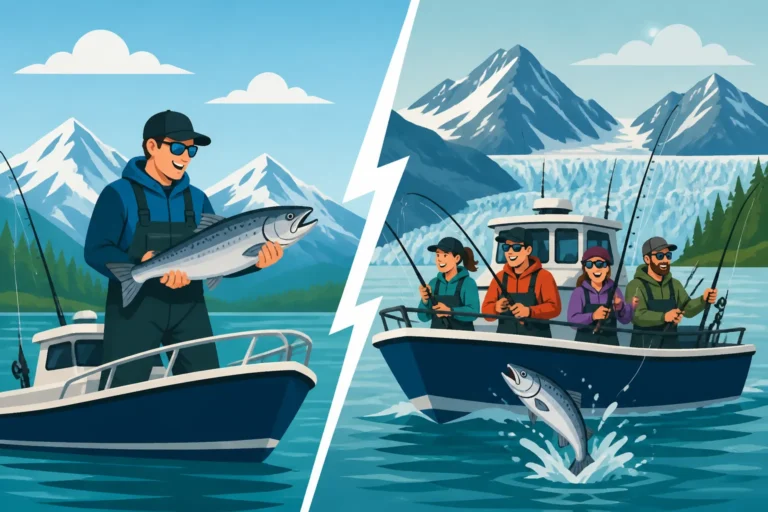
You'll also need to clarify if you're booking a private charter or a "shared" (sometimes called "open boat" or "head boat") trip. A private charter means your group has the entire boat to yourselves, offering flexibility in terms of target species (within reason), fishing locations, and even departure times. This typically comes at a higher price point but can be worth it for privacy and customization. Shared trips mean you'll be fishing alongside other individuals or small groups you don't know. While this is often a more budget-friendly option, you'll need to be prepared to share space, and the guide will usually fish for the consensus target species, perhaps compromising if your preferences differ from other guests. If your group size changes closer to the date, ask what their policy is; some charters may charge a fee or require you to cover the cost of a minimum number of anglers if your group shrinks.
Delving into Trip Logistics and Itinerary Details
Once you've got the booking basics sorted, it's time to dig into the nitty-gritty of what your actual day on the water will look like. Alaska fishing trips aren't one-size-fits-all, and understanding the specifics will help manage your expectations and ensure a fantastic experience.
Typical Trip Duration and Fishing Style
"How long is the trip, really?" is a question that needs a detailed answer. Charters typically offer half-day, full-day, or sometimes even multi-day options. But what constitutes a "half-day" can vary. Is it 4 hours of fishing time, or 4 hours dock-to-dock, including travel to the fishing grounds? A "full-day" might mean 8-10 hours, but again, clarify if that's lines-in-the-water or total time. This distinction is crucial, especially if you're battling seasickness or have other plans for the day.
Then, ask about the style of fishing they employ. Are they primarily drift fishing for salmon on a river, back-trolling a Kwikfish for Kings, or deep-dropping jigs for halibut in the ocean? Each technique requires different tackle, different levels of angler participation, and offers a unique experience. For instance, fly fishing charters will have a completely different setup and rhythm than a spin fishing trip. If you have a preferred method or an aversion to a particular one, make sure it aligns with what the charter offers. Understanding the Best Fishing Techniques for Alaska can help you articulate your preferences.
Target Species and Fishing Grounds
This is where your Alaskan fishing dreams truly start to take shape. You absolutely need to ask: "What species will we be targeting, and where do you typically fish for them?" Don't assume. Just because you're going to Seward doesn't mean you're guaranteed to catch Halibut. While many charters offer combo trips for salmon and halibut, others specialize.
The guide should be able to tell you not just what they target, but why they target those species at that particular time of year, based on current runs and historical data. For example, if you're coming in August, they'll likely focus on coho (silver) salmon, but if you're in June, it's all about Kings. They should also explain where they intend to fish. For saltwater charters, this might mean cruising out into Resurrection Bay from Seward, or heading to the outer coast from Homer. River guides will specify stretches of the Kenai River or Kasilof River they frequent.
Weather and fish migrations can change plans, so ask about their flexibility and contingency plans. What happens if the Kings aren't running well in one river? Do they have options to move to another? Or if the ocean is too rough for halibut, are there sheltered waters for rockfish? Knowing these details helps you understand the realities of fishing in a dynamic environment like Alaska. For specific details on where to catch particular species, you might want to look into guides like Best Halibut Fishing in Alaska or Best Salmon Fishing Rivers in Alaska.
Clarifying Gear, Fish Handling, and Your Catch
One of the biggest advantages of booking a charter is the expectation that the outfitter will provide the necessary equipment and handle the dirty work. However, it's critical to confirm exactly what's included and what responsibilities fall to you.
Provided Gear and Personal Items
Nobody wants to show up for an epic fishing trip only to realize they're missing essential gear. Ask your charter operator explicitly what fishing gear and tackle are provided. This includes rods, reels, line, bait (if applicable), and all terminal tackle like hooks, weights, and leaders. Most reputable charters will provide top-quality gear suitable for Alaska's robust fish species, but it never hurts to confirm. For example, if you're specifically targeting King Salmon, you'll want heavy-duty gear that can handle a powerful fight. Similarly, for halibut, you'll need specialized heavy rods and reels for deepwater jigging.
Beyond the fishing equipment, inquire about other necessities. Do they provide rain gear or insulated suits? While many do, it's wise to pack your own reliable layers, especially in Alaska where the weather can change on a dime. Layers are your best friend! Ask if there's a cooler for drinks and snacks, or if you should bring your own. And don't forget personal items: sunglasses, sunscreen, motion sickness medication, and a camera are usually on you. Knowing what to expect regarding attire is vital, so check out What to Wear on an Alaska Fishing Charter for specific recommendations.
Fish Processing and Shipping Services
The thrill of landing a huge King Salmon or a "barn-door" Halibut is often quickly followed by the practical question: "Now what do I do with all this fish?" This is where fish processing comes in, and policies vary widely between charters.
First, ask about immediate handling on the boat. Will the crew bleed and gut your fish promptly? Proper bleeding is crucial for meat quality. After that, what's the next step? Many charters will fillet your catch at the dock. Some might charge a small fee for this service, while others include it. Get clarity on whether filleting is included in the charter price or an additional cost.
Beyond basic filleting, inquire about comprehensive fish processing services. This typically includes skinning, deboning, vacuum-sealing, and freezing your catch. Some charters have their own processing facilities, while others partner with local, reputable processors like Deep Creek Custom Cut in Ninilchik or Coal Point Seafood Company in Homer. These services are almost always an additional cost, but they are absolutely worth it to ensure your precious catch makes it home in prime condition. Ask for estimated pricing for these services.
Finally, if you're not driving home, how will your fish get back to your door? Some processors offer direct shipping options via air cargo, typically through major carriers like Alaska Airlines. Ask about costs, packaging, and delivery timelines. It’s a huge relief to know your fish will be handled safely from boat to freezer. This question directly ties into learning How Charters Handle Your Alaska Catch and Fish Processing After an Alaska Charter.
| Service Category | Standard Inclusions (Often) | Potential Extra Costs (Ask!) |
|---|---|---|
| On-Boat Gear | Rods, Reels, Basic Tackle | Specialty Flies/Lures, Lost Tackle Replacement |
| Bait | Live/Cut Bait (e.g., Herring) | Premium Bait Options |
| Fish Handling | Bleeding, Gutting | Filleting, Steaking |
| Processing | Basic Filleting (Sometimes) | Vacuum Sealing, Freezing, Smoking, Shipping |
| Licenses | None | Required for All Anglers |
| Stamps | None | King Salmon Stamp (if needed) |
| Food/Drinks | Water/Snacks (Sometimes) | Full Meals, Specialty Drinks |
Navigating Costs, Inclusions, and Unexpected Fees
Let's be real, an Alaska fishing trip isn't typically a budget vacation. The sticker price you see initially for a charter might not be the final cost, and nobody likes unwelcome surprises when they're supposed to be relaxing and reeling in fish. Asking the right questions about pricing is paramount. You'll definitely want to check out Alaska Fishing Charter Cost Explained for a broader overview.
What's Included in the Base Price
This is where you need to be a detective. The advertised price for a charter can be deceiving if you don't dig deeper into what's actually covered. A great starting question is simply, "What exactly is included in the base price of the charter?"
Expect things like the boat, the guide's time and expertise, and generally the basic fishing gear and tackle. But don't assume anything beyond that. Specifically ask about:
- Fuel surcharges: In areas like Homer, where boats travel long distances to prime halibut grounds, fuel can be a significant cost. Is it included or an added charge?
- Bait: Is all the bait provided, or will you need to chip in for extras?
- Fish cleaning/filleting: As discussed, this can be an extra service. Clarify whether basic filleting at the dock is part of the deal or an additional fee.
- Rain gear/safety equipment: While safety gear is required, high-quality rain gear might be an optional rental.
- Lunch/snacks/drinks: Some all-inclusive lodges might provide this, but most day charters expect you to bring your own.
Crucially, fishing licenses and king salmon stamps are almost never included in the charter price. You are responsible for purchasing these separately before your trip. A quick look at Do Charters Include Alaska Fishing Licenses will confirm this. Don't forget, if you're targeting King Salmon, you'll need that special stamp in addition to your regular license. For example, if you're fishing the Kenai for Kings, you'll need both a valid Alaska fishing license and a King Salmon Stamp. Many charters can point you to local vendors or direct you to buy them online through the Alaska Department of Fish and Game (ADF&G) website.
Understanding Additional Costs and Tipping Etiquette
Beyond the base price, there are often several other costs that can quickly add up. Be prepared to ask about these so you can budget accurately.
First, clarify any potential fees for specialized gear, such as premium lures or if you lose a significant amount of tackle. Some charters might have a charge for exceptionally rough seas that require more fuel, though this is less common. More importantly, understand the costs associated with full-service fish processing – vacuum sealing, freezing, smoking, and shipping your catch home. These can easily add hundreds of dollars to your trip, especially if you have a substantial catch.
Another significant, and often overlooked, cost is tipping. Guides and deckhands in Alaska work incredibly hard, often in challenging conditions, to ensure you have a successful and enjoyable trip. Tipping is customary and expected, just like in other service industries. Ask about their suggested tipping guidelines or industry standards. Generally, 15-20% of the charter cost for the guide/crew is a good starting point, but it should always reflect the quality of service you received. Don't forget to factor this into your overall budget. For more details on this, check out Tipping on an Alaska Fishing Charter.
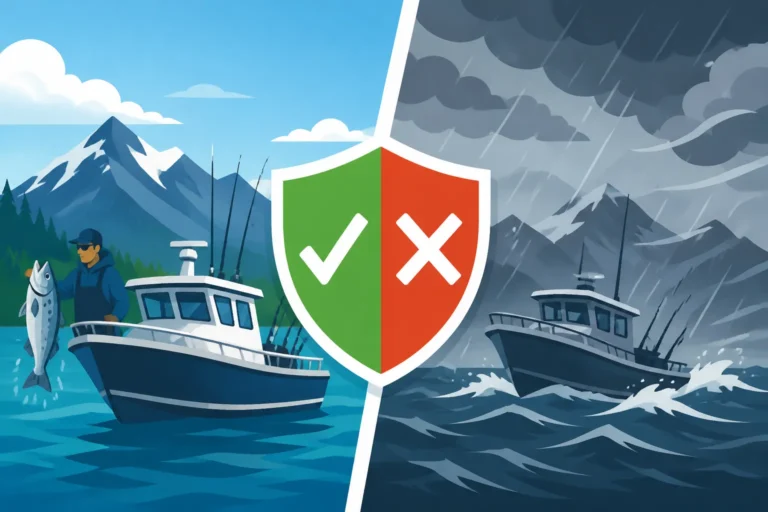
Finally, inquire about their cancellation policy. Alaska's weather can be unpredictable. What happens if the weather makes fishing unsafe or impossible? Do you get a refund, a reschedule, or credit for a future trip? This is vital information to protect your investment. Most reputable charters, especially those listed on platforms like FishingBooker, will have clear, fair policies regarding weather cancellations.
Ensuring Safety, Compliance, and Guide Expertise
When you're out on the vast Alaskan waters or remote rivers, safety isn't just a suggestion—it's paramount. You're entrusting your well-being to your guide and their vessel, so asking tough questions about safety and compliance is not only reasonable, it's essential.
Safety Protocols and Emergency Preparedness
Your first priority should always be safety. Don't hesitate to ask your potential charter about their safety protocols and what measures they have in place for emergencies. A good charter operator will welcome these questions and be transparent.
Inquire about the safety equipment on board:
- Life jackets: Are there enough for everyone? Are they easily accessible? Are there child-sized life jackets if you're bringing kids?
- First-aid: Is there a comprehensive first-aid kit, and is someone on board trained to use it?
- Communication: What communication devices do they carry (VHF radio, satellite phone, EPIRB)? This is particularly critical in remote areas or offshore trips where cell service is non-existent.
- Emergency procedures: What's their plan in case of a mechanical failure, medical emergency, or unexpected severe weather?
You should also ask about the guide's certifications and experience. For saltwater charters, the captain should hold a valid U.S. Coast Guard (USCG) license, demonstrating they've passed rigorous exams and safety training. River guides may have different certifications, but experience on local waters is invaluable. How many years has the guide been fishing these specific waters? Do they have a good reputation for safe operation? A seasoned guide's knowledge of local currents, weather patterns, and fishing hotspots can make or break your trip.
Licensing, Permits, and Regulatory Knowledge
Alaska has some of the most complex and dynamic fishing regulations in the world. These rules change frequently, sometimes daily, via emergency orders, especially for sensitive fisheries like King Salmon. It's not enough for your guide to just "know the rules"; they need to demonstrate an active understanding and adherence to them. This is where you can look up specific details on Alaska Fishing Regulations Explained.
Ask your charter operator how they stay current on emergency orders and regulations. Do they check the Alaska Department of Fish and Game (ADF&G) website daily? Do they subscribe to email alerts? A good guide will be able to articulate how they ensure compliance, not just for the benefit of their business, but for the health of the fishery and your legal standing. For example, Alaska Halibut Charter Regulations Explained often involve specific dates, bag limits, and size restrictions that change frequently.
Additionally, verify that the charter itself holds all necessary permits and licenses to operate commercially in Alaska. This includes business licenses and any specific fishing permits required for their area or target species. Don't be shy to ask for proof of these; legitimate operators will be proud to show them. You want to be sure you're not participating in an illegal operation, which could lead to fines and legal trouble for you, as well as undermining conservation efforts. Knowing about Alaska Fishing Emergency Orders Explained is a hallmark of a responsible charter. This commitment to compliance directly impacts your ability to retain your catch, as any fish caught illegally might be confiscated.
Why Asking These Questions Matters for Your Trip
You might think, "Wow, that's a lot of questions!" And yes, it is. But when it comes to an investment like an Alaska fishing trip, being thoroughly prepared and informed isn't just about avoiding disappointment; it's about maximizing every single moment of your adventure.
Setting Realistic Expectations
Alaska fishing is incredible, but it's still fishing, not catching. The best guides in the world can't guarantee fish, and Mother Nature always has the final say. Asking these detailed questions helps you understand the variables, limitations, and possibilities, leading to realistic expectations. If a charter promises you a "guaranteed limit of trophy King Salmon every time," that should raise a red flag. A reputable guide will discuss probabilities, current conditions, and what they can control (like their effort, knowledge, and equipment).
Understanding the trip duration, target species, and typical catch rates for a specific season will prevent you from arriving with visions of catching a record-breaking fish every five minutes, only to be disheartened if the fishing is slower than anticipated. Realistic expectations are the bedrock of a truly enjoyable and memorable experience, allowing you to appreciate the entire journey—the scenery, the wildlife, the camaraderie—not just the fish count. This foresight helps frame your entire trip, making it more about the incredible Alaskan wilderness and the pursuit of fish, rather than solely about the harvest.
Maximizing Your Fishing Success and Enjoyment
Ultimately, you're asking these questions to ensure you have the best possible chance of success and, more importantly, a genuinely enjoyable time. A charter that aligns with your preferences, budget, and comfort level is far more likely to deliver an unforgettable experience.
By understanding what gear is provided, you can pack appropriately and perhaps avoid unnecessary purchases or rentals. By knowing about fish processing, you can confidently plan how to get your catch home without scrambling at the last minute. By clarifying costs, you avoid unpleasant surprises that can sour the end of a trip. And by confirming safety measures and guide expertise, you can relax and trust that you're in capable hands, allowing you to focus on the thrill of the chase.
A well-informed angler is a happy angler. These questions empower you to make an educated decision, choosing a charter that not only meets your logistical needs but also shares your enthusiasm for a safe, ethical, and productive fishing adventure in the Last Frontier. Don't be afraid to be thorough; your Alaskan fishing dream deserves it! For general planning advice, consider reading How to Book an Alaska Fishing Trip.
Disclaimer
The information provided in this guide is for general informational purposes only and does not constitute professional advice. Fishing regulations in Alaska are subject to change without notice by the Alaska Department of Fish and Game (ADF&G). Always check the most current regulations and emergency orders before engaging in any fishing activities. Ensure your chosen charter is properly licensed and insured.