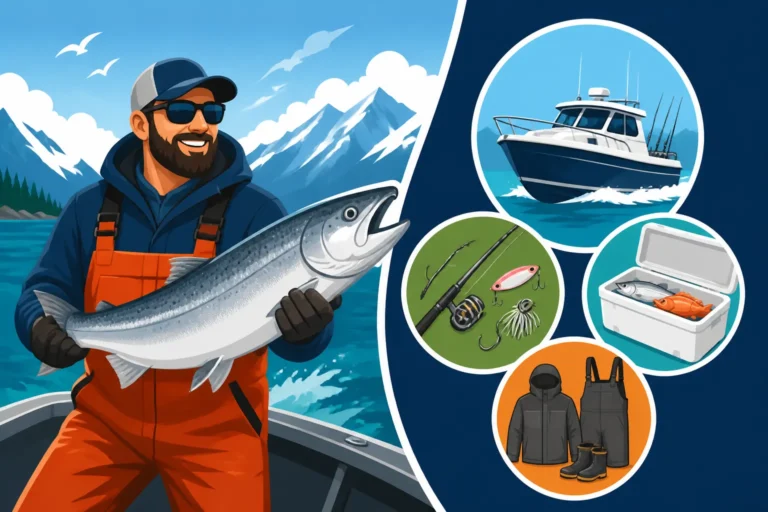
Do Alaska Charters Provide Gear
Traveling to Alaska for a fishing adventure is an experience unlike any other, promising incredible encounters with some of the world's most sought-after fish. However, for many anglers, especially those flying in from out of state, the logistical challenge of bringing all the necessary gear can feel daunting and overwhelming. Rest assured, the vast majority of Alaska fishing charters go above and beyond to equip you properly, ensuring you have the right tools to make the most of your time on the water. This comprehensive guide will illuminate exactly what gear you can expect your charter to provide and what personal items you'll need to pack for your Alaskan angling expedition.
The Basics: What "Providing Gear" Really Means on an Alaska Charter
The phrase "providing gear" might seem simple, but in the context of an Alaska fishing charter, it signifies a deeply considered service designed to maximize your success and minimize your pre-trip worries. It's not merely about having a fishing rod on board; it's about supplying you with a full, expertly selected, and meticulously maintained fishing system perfectly suited to the specific fish you're targeting and the unique conditions of Alaska's waters.
Understanding the Standard Offering
When you book an Alaska fishing charter, the expectation is that they will furnish all the fundamental tools required for the actual act of fishing. This includes the appropriate rods, reels, line, and a comprehensive selection of terminal tackle, such as hooks, weights, swivels, and lures. The gear supplied is never generic; it is always specialized. For instance, if your trip is focused on battling giant halibut in the deep waters off Homer, you'll be equipped with heavy-duty conventional rods and reels, rigged to withstand the powerful pulls of these bottom dwellers. Conversely, a float trip for rainbow trout on the remote rivers of Bristol Bay will see you with lighter, more sensitive spinning gear or even full fly-fishing setups, complete with a selection of local patterns.
The beauty of this standard offering is that it removes the guesswork for you. Guides spend countless hours on the water and possess an intimate knowledge of what works best, where, and when. They've invested in top-quality, durable equipment from trusted brands that can endure the harsh Alaskan environment and the stress of fighting powerful fish. This means you don't have to research the ideal rod action for King Salmon on the Kenai River or the perfect jig weight for Lingcod in Prince William Sound; your guide has already done that for you. You step onto the boat or into the drift boat, and your gear is ready, often pre-rigged and tuned for immediate action, allowing you to focus purely on the fishing experience.
Charter-Specific Needs and Customization
The type and extent of gear provided are directly influenced by the specific charter you've booked. Alaska offers an incredible diversity of fishing experiences, from ocean-going excursions to remote freshwater float trips, and the gear reflects this specialization. For a deep-sea charter out of Seward targeting multiple species, your boat might be outfitted with a mix of heavy conventional gear for halibut and lighter jigging rods for rockfish. If you're heading out for an intense sockeye salmon run on the Russian River, your guide will have the specific weighted setups and leader configurations required for effective and legal "flossing" techniques.
This customization is a huge advantage for anglers. It ensures that you're always using gear that gives you the best possible chance of success. It also means the charter can adapt to changing conditions or target species mid-trip. Should a rod break or a reel malfunction, the charter has spares readily available, ensuring your valuable fishing time isn't lost to equipment issues. This level of preparation and specialized outfitting is a hallmark of professional Alaska fishing charters and a significant part of the value they provide, allowing you to seamlessly transition from one type of fishing to another without a second thought about your equipment.
Types of Gear Typically Provided by Alaska Fishing Charters
The comprehensive nature of gear provision by Alaska fishing charters covers much more than just rods and reels. It extends to essential safety equipment and various boat amenities, all designed to ensure a comfortable, safe, and productive fishing expedition.
Rods, Reels, Line, and Terminal Tackle
This is the cornerstone of what you can expect your charter to supply. Every reputable charter provides high-quality rods and reels chosen specifically for the target species and fishing method. For instance, a saltwater charter out of Sitka pursuing King Salmon will equip you with powerful baitcasting or conventional setups capable of handling the incredible fight of a trophy Chinook. These reels will be spooled with fresh, strong braided line, designed for deep water and heavy-hitting fish. Similarly, for those embarking on a Kenai River Sockeye Salmon trip, your guide will have medium-heavy spinning gear ready, often pre-rigged with the favored weighted fly or leader setup specific to the time of year and water conditions.
Beyond the rod and reel, all necessary terminal tackle is included. This means a variety of hooks, sinkers, swivels, and lures (spoons, spinners, plugs) that are known to be effective in their local waters. They'll also provide bait, whether it's herring for halibut, cured salmon roe for Kings, or flies for trout. The advantage here is not just convenience, but expertise. Guides know which colors, sizes, and presentations are working on any given day, saving you the expense and frustration of trial and error. This is crucial for techniques like Drift Fishing in Alaska: How-To Guide or Bottom Fishing in Alaska: How-To Guide, where precise tackle choice is paramount.
Safety Equipment and Boat Gear
Your safety is paramount on any professional Alaska fishing charter. By law and by practice, charters are equipped with a full complement of U.S. Coast Guard-approved safety gear. This universally includes life jackets (PFDs) for all passengers, a comprehensive first-aid kit, emergency communication devices (like VHF radios and satellite phones for offshore trips), and signaling equipment such as flares. Larger vessels, especially those venturing further offshore, will also carry emergency rafts, EPIRBs (Emergency Position Indicating Radio Beacons), and sometimes even immersion suits for extreme cold-water conditions.
In addition to safety gear, the boat itself will be outfitted with a range of tools and amenities to enhance your fishing experience. This includes sophisticated electronics like fish finders, chart plotters, and GPS navigation systems to locate prime fishing grounds and ensure safe passage. For landing fish, you can expect gaffs, landing nets, and fish bats. Many larger charters offer comfortable, heated cabins, marine toilets, and deck washdown systems. Coolers or insulated fish boxes are always provided to keep your catch fresh until you return to the dock. These features, though not directly "fishing gear," are integral to a successful and enjoyable day on the water.
Specialized Gear for Specific Species and Techniques
Alaska's diverse fisheries often require highly specialized equipment, and charters are ready for it. If you're on a dedicated fly-fishing adventure in a remote lodge, your package will typically include high-quality fly rods, reels, lines (floating, sinking, sink-tip), and an extensive array of hand-tied flies specific to the local insects and fish diets. For example, chasing trophy rainbow trout often means having specialized setups for drifting beads or stripping streamers.
Similarly, if you're engaging in unique fisheries like "combat fishing" for sockeye salmon in popular spots like the Russian River, charters will provide the necessary heavy-duty setups and specific weighted flies or leaded lines that comply with local regulations and are effective for the "flossing" technique. This adaptability and specificity in gear provision means you don't need to own an entire arsenal of highly specialized, often expensive equipment for every potential species or fishing method you might encounter in Alaska. It allows you to try different types of fishing without a huge upfront investment in niche gear.
Here's a quick overview of what's typically provided and what you might still need:
| Gear Category | Typically Provided by Charter | Angler May Need to Bring/Rent Separately |
|---|---|---|
| Fishing Tackle | Rods, reels, line, hooks, weights, swivels, lures, bait, nets, gaffs | Personal favorite lures (optional), specialized personal rod/reel (optional) |
| Safety Equipment | USCG-approved PFDs, first-aid kit, emergency comms, signaling devices, survival suits (offshore) | |
| Boat Amenities | Fish finders, GPS, heated cabin (on some vessels), marine toilet, coolers for catch | Snacks, beverages, personal cooler for non-fish items, motion sickness medication |
| Specialized Gear | Fly fishing setups (rods, reels, lines, flies), specific rigs for techniques (e.g., sockeye flossing, deep-drop jigging) | |
| Personal Gear | Fishing license, King Salmon Stamp, rain gear, warm layers, waterproof boots, hat, sunglasses, sunscreen, camera | |
| Fish Processing | Basic filleting on the boat/dock (some charters offer full processing as an add-on or direct you to services) | Fish boxes for transport, specialized processing/shipping (usually third-party) |
What You Might Still Need to Bring (or Rent Separately) for Your Alaska Fishing Trip
While Alaska fishing charters are incredibly generous with the gear they provide, there are a few essential items you'll still be responsible for. These generally fall into categories of personal comfort, legal requirements, and individual preferences. Being prepared with these items ensures a more enjoyable and hassle-free trip.
Personal Fishing Apparel and Comfort Items
Alaska's weather is notoriously fickle. You can experience sunshine, wind, rain, and even snow all within a single day, regardless of the season. Therefore, the single most important category of items to bring is appropriate clothing. Layering is key: start with a moisture-wicking base layer, add a warm insulating layer (fleece or down), and top it off with high-quality, waterproof, and windproof outer shells (jacket and pants). Don't just bring "water-resistant" gear; you need truly waterproof protection from the elements, especially if you're on a boat where spray is common.
Waterproof boots are another critical item. Many seasoned Alaska anglers swear by XTRATUF boots or similar knee-high rubber boots, which keep your feet dry and warm even when standing in a wet boat or on a damp riverbank. Cold, wet feet are a quick path to misery. A warm hat, gloves or mittens, and polarized sunglasses (to reduce glare and protect your eyes) are also highly recommended. Even on cloudy days, UV radiation can be strong, so sunscreen and lip balm with SPF are smart additions. While some high-end lodges or outfitters might offer rental rain gear or boots, it's generally best to bring your own for guaranteed fit and comfort. For more guidance on staying dry, check out our guide on How to Dress for Alaska Fishing.
Fishing Licenses, Stamps, and Harvest Cards
This is an absolute must, and it is almost universally not included in the cost of your charter. Every angler, whether a resident or non-resident, must possess a valid Alaska fishing license. If you intend to target King Salmon (Chinook), you will also need to purchase an Alaska King Salmon Stamp, which is an additional endorsement on your license. Your guide will verify you have these before you even step foot on the boat or cast a line.
These licenses and stamps can be purchased online through the Alaska Department of Fish and Game (ADF&G) website prior to your trip, which is highly recommended to avoid any last-minute delays. Alternatively, you can buy them from various licensed vendors in Alaska, such as sporting goods stores, tackle shops, and some grocery stores. Remember to print them out or save them digitally on your phone for easy access. Furthermore, for certain species, particularly King Salmon and sometimes halibut or other game fish, you'll need to record your catch on an Alaska Harvest Record Card. Your guide will show you how to do this correctly, but the responsibility to carry and accurately complete this card falls to you. Understanding specifics like Alaska King Salmon Stamp Requirements and Alaska Fishing License Cost and Types is crucial for a compliant trip.
Personal Snacks, Beverages, and Other Conveniences
While some full-day charters may provide a light lunch or bottled water, it's a good practice to bring your own snacks and beverages. A long day of fishing is physically demanding, and having your favorite energy bars, sandwiches, fruit, or soda can make a big difference in maintaining your energy and morale. Pack them in a small, soft-sided cooler that won't take up much space. Always confirm with your charter what, if anything, they provide in terms of food and drink.
Other small items can significantly enhance your comfort: any personal medications you require, motion sickness remedies (like Dramamine or Bonine) if you're prone to seasickness on ocean trips, a waterproof camera or a dry bag for your phone, and a small backpack to keep all your personal items organized and dry. Don't forget a small towel, as fish slime and water have a way of getting everywhere. A good pair of binoculars can also be wonderful for spotting wildlife while on the water.
Why Charters Go the Extra Mile to Provide Fishing Gear
It might seem like a substantial operational cost for charters to continually acquire, maintain, and replace fishing gear. However, this practice is deeply ingrained in the Alaska fishing industry for several compelling reasons, offering distinct advantages to both the charter operator and you, the client.
Expertise and Optimized Performance
Charter captains and guides are not just boat drivers; they are seasoned experts in their specific fisheries. They possess an unparalleled understanding of local water conditions, fish behavior, and the most effective techniques for various species. By providing the gear, they ensure that every angler on board is using equipment that is perfectly calibrated and optimized for the day's specific fishing goals. This means the right rod action, the correct reel retrieve ratio, the ideal line strength, and the most productive terminal tackle and bait.
Imagine the chaos if every client brought their own diverse collection of rods and reels, some perhaps unsuitable for the heavy demands of Alaskan fishing. The guide would spend valuable time trying to troubleshoot and adapt, rather than focusing on putting you on fish. By standardizing the equipment, the guide ensures consistent performance across the boat, maximizing the group's chances of success. They invest in high-quality, durable brands like G. Loomis, Shimano, or Penn, knowing this equipment can handle the relentless fights from species like Alaska Halibut or Alaska King Salmon. This allows them to execute specialized techniques, from Back-Bouncing in Alaska: How-To Guide to precise deep-water jigging, with confidence and efficiency.
Maintenance, Logistics, and Insurance
Providing gear also significantly streamlines the operational side of the charter business. Guides are responsible for the meticulous cleaning, maintenance, repair, and replacement of their equipment. Every rod is inspected, every reel is cleaned and lubricated, and lines are replaced regularly. This ensures that when you pick up a rod, it's in peak working condition, minimizing the risk of equipment failure during a critical moment with a fish. This level of rigorous maintenance would be impossible if every angler brought their own gear.
Logistically, it is far more efficient for a charter to manage its own inventory of fishing equipment. They have dedicated storage, cleaning facilities, and repair kits, allowing for quick turnaround between trips. Furthermore, the charter's professional-grade equipment is covered under their commercial insurance policies. If a client's personal rod snaps or a reel malfunctions, it's often a frustrating loss for the angler. If the charter's equipment breaks, they have immediate backups and the means to repair or replace it without disrupting your valuable fishing time. This logistical advantage translates directly into a smoother, more reliable operation for the charter and a more worry-free experience for the angler.
The Value of Provided Gear: Cost Savings and Unmatched Convenience
While the reasons behind a charter providing gear are rooted in operational efficiency and expertise, the benefits to you, the angler, are immense. These include substantial cost savings, unparalleled convenience, and a significantly less stressful travel and trip-planning process.
Avoiding Travel Hassles and Extra Costs
For many visitors to Alaska, reaching their fishing destination involves multiple flights, sometimes connecting to smaller bush planes or enduring long drives. The thought of lugging bulky, fragile fishing rod cases, heavy tackle boxes, and specialized equipment through airports and transfer points is enough to deter some anglers entirely. Airlines charge hefty fees for oversized baggage, and there's always the inherent risk of damage, loss, or delay during transit.
By having your charter provide all the necessary fishing gear, you can drastically lighten your luggage load. You're free to pack only your personal clothing, toiletries, and comfort items, making travel infinitely easier and less expensive. This eliminates the stress of coordinating gear transport, paying excess baggage fees, and worrying about whether your precious equipment will arrive intact and on time. For many, this convenience alone is worth the cost of a guided trip. Imagine stepping off your flight and heading straight to your adventure, rather than battling with oversized baggage at the carousel.
Access to High-Quality, Specialized Equipment
Perhaps one of the greatest values of provided gear is gaining access to high-quality, specialized equipment that you might not otherwise own. A top-tier conventional setup for halibut can cost hundreds, if not thousands, of dollars. Add to that specialized braided line, an assortment of heavy jigs, and specific baits, and the investment quickly becomes substantial – especially for gear you might only use for a single week-long trip every few years. For families or groups, the cumulative cost of purchasing multiple sets of such gear would be prohibitive.
Alaska fishing charters, like those found through platforms such as FishingBooker, make significant investments in their equipment fleets. They stock rods, reels, and tackle that are not only durable but also perfectly suited for the challenging fish and conditions. This means you're often fishing with gear that's superior to what many recreational anglers own, specifically chosen and maintained for peak performance. This access ensures you have the best possible tools for landing that trophy Alaska Rainbow Trout or a monstrous "barn door" halibut, enhancing your chances of success and significantly boosting your overall enjoyment of the fishing experience without the massive upfront personal expense.
How to Confirm Gear Provision Before Booking Your Alaska Charter
While providing fishing gear is a common practice among Alaska charters, it's always prudent to confirm the specifics before you finalize your booking. Clear communication upfront ensures there are no surprises and that your trip is as smooth and enjoyable as possible.
Asking the Right Questions During Booking
When you're researching potential charter operators or speaking with booking agents, don't hesitate to ask detailed questions about what's included. A reputable charter company will be transparent and happy to provide a comprehensive breakdown. Here are some key inquiries:
- "What specific fishing gear is provided for the type of trip I'm booking?" Be clear about your target species (e.g., halibut, salmon, trout) as gear can vary dramatically.
- "Is all bait and terminal tackle (hooks, weights, lures) included in the price, or are there any extra charges for these?" Most often, they are included, but it's good to confirm.
- "Are rain gear, waterproof boots, or other foul-weather clothing provided or available for rent?" This is a crucial comfort item that can sometimes be an add-on, especially for multi-day lodge trips.
- "Are fishing licenses and King Salmon Stamps included in the charter fee?" As mentioned, the answer will almost certainly be no, but it’s always worth clarifying to budget accordingly.
- "What are the arrangements for fish processing? Is basic filleting included, and what are the options and costs for further processing, vacuum packing, or shipping?" This isn't "gear," but it's a vital part of planning for your catch after the fishing is done.
Many excellent charters list this information clearly on their websites or booking pages, but a quick phone call or email can always clarify any lingering doubts. Reputable platforms like FishingBooker also often detail what each captain includes in their trips. Remember, a well-informed angler is a happy angler.
Checking Website Details and Reviews
Before you book, thoroughly review the charter company's website. Look for a dedicated "What's Included," "FAQ," or "Trip Details" section. This will typically provide a comprehensive list of equipment, services, and amenities. Pay close attention to any exclusions or fine print, such as charges for lost lures or specific upgrade options for gear. For example, some charters might offer electric reels for an additional fee for those targeting really large deepwater halibut.
Another excellent resource is online customer reviews. Platforms like Google Reviews, Yelp, or dedicated fishing forums often feature comments from past clients about their experiences with the provided gear, the guide's knowledge, and how well-prepared they felt. If you see consistent mentions of high-quality, well-maintained equipment, it's a good sign. Conversely, recurring complaints about broken rods or outdated gear should raise a red flag. These reviews can offer invaluable, real-world insights into what to expect and help you choose the ideal Alaska Fishing Charter: Complete Guide for your adventure. Doing your homework will ensure your Alaska fishing trip is everything you dreamed of and more!
Disclaimer
Please remember that fishing regulations, charter offerings, and conditions in Alaska can change frequently due to emergency orders, weather, or other factors. Always confirm the latest rules and specific inclusions with your chosen charter operator and the Alaska Department of Fish and Game before your trip. The information provided in this guide is for general informational purposes only and should not be considered legal or professional advice.