Best Fishing Charters in Cordova, Alaska
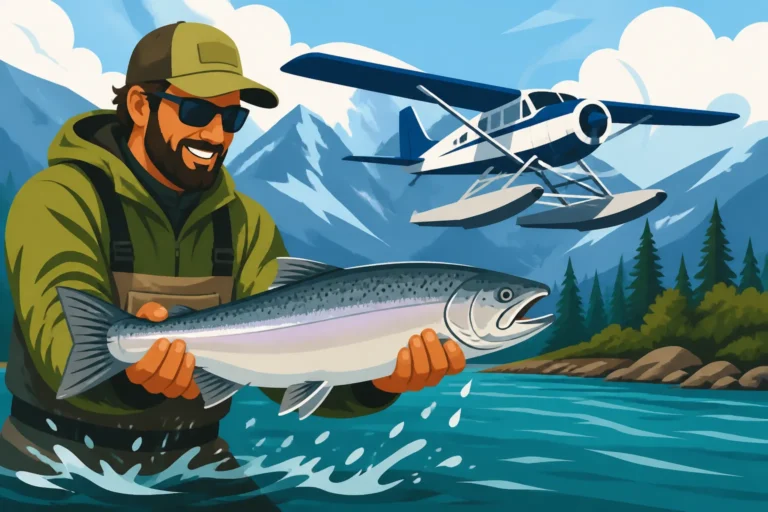
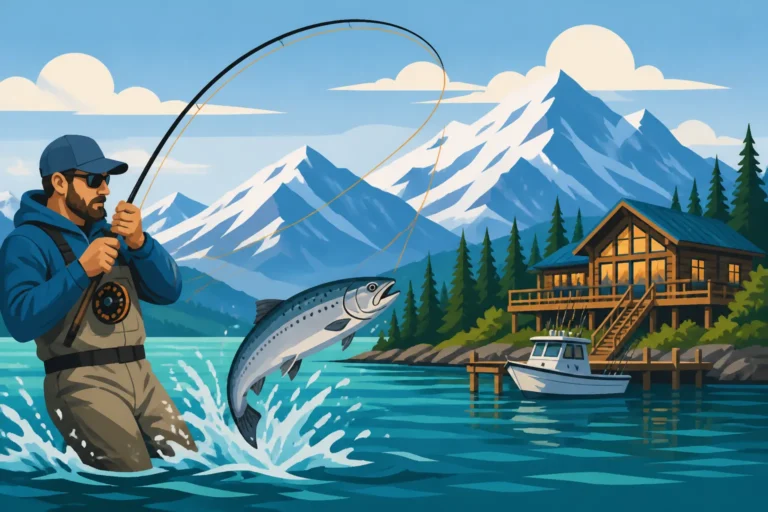
Heading out to a new fishing destination can be both incredibly exciting and a little overwhelming, especially when that destination is as renowned and rugged as Cordova, Alaska. Trying to figure out which fishing charter to pick from a sea of options can feel like searching for a needle in a haystack, leaving you wondering if you’re making the right choice for your dream trip. This guide is here to help you cut through the confusion, offering a clear roadmap to finding the best fishing charters in Cordova so you can focus on the thrill of the catch.
Why Cordova is a Premier Alaskan Fishing Destination
Cordova, a charming and relatively remote community nestled on the southeastern side of Prince William Sound, truly stands out as a unique Alaskan fishing haven. Unlike some of the more bustling ports, Cordova offers a genuine, untamed Alaskan experience, largely thanks to its isolation – it's only accessible by plane or ferry. This remoteness, however, contributes to some of the most pristine and productive fishing grounds in the state, drawing serious anglers and adventurers alike. Its proximity to the vast Copper River Delta, a critical ecosystem, also plays a huge role in its diverse fishery, particularly for salmon.
The sheer variety of fishing opportunities here is astounding. You've got the saltwater riches of Prince William Sound, teeming with halibut and rockfish, and then the legendary freshwater runs of the Copper River, famous for its sockeye and king salmon. This unique geographical blend means that no matter your angling preference, Cordova likely has an incredible experience waiting for you. It's not just about the fish; it's about the entire wilderness immersion, the stunning glacial views, and the sense of accomplishment that comes with fishing in such a wild and beautiful place.
Prime Species to Target in Cordova's Waters
Cordova is truly a multi-species angler's paradise, boasting runs of all five species of Pacific salmon, along with a robust saltwater fishery for bottom dwellers. Knowing which species are biting when is key to planning your trip and selecting the right charter. Each fish offers a distinct challenge and rewards.
For many, the Copper River sockeye salmon is the undisputed king of Cordova, renowned for its rich, flavorful meat and incredibly strong fight as it journeys upriver. These sockeye are among the first salmon to return to Alaska's rivers each season, typically peaking in late May and June. Anglers specifically targeting these powerful fish will often seek out charters or guides specializing in river fishing on the Copper River's tributaries. Beyond sockeye, king salmon also make a strong showing, though often in smaller numbers than other regions, providing a true trophy opportunity for those persistent enough to pursue them. The season for kings often aligns with early sockeye, requiring specific tactics and gear due to their size and strength.
Moving into the summer and early fall, silver (coho) salmon provide fantastic action, known for their aggressive strikes and acrobatic fights, making them a favorite for both fly and spin anglers. These fish typically begin showing up in July and continue through September. Pink and chum salmon also run in good numbers, offering consistent action, especially for those looking to simply bend a rod and enjoy the prolific runs. Offshore, the deep waters of Prince William Sound are prime grounds for Pacific halibut, often referred to as "barn doors" for their impressive size. These flatfish offer a powerful tug-of-war, and catching a sizable halibut is a quintessential Alaskan experience. Along with halibut, various species of rockfish, including the striking yelloweye, provide excellent bottom fishing opportunities and make for delicious table fare.
The Allure of Prince William Sound Fishing
Prince William Sound is more than just a body of water; it's an intricate maze of islands, fjords, and deep channels carved by glaciers, offering some of the most breathtaking scenery imaginable alongside world-class fishing. The sheer scale and untouched nature of the Sound make every fishing trip an exploratory adventure, with dramatic ice-capped mountains meeting the sea.
When you venture out into Prince William Sound from Cordova, you're entering a vast ecosystem that supports an incredible diversity of marine life. For anglers, this means opportunities not just for halibut and rockfish, but also for targeting pelagic species like silver salmon later in the season. Many charters operating out of Cordova specialize in these saltwater excursions, often combining different types of fishing into a single trip – perhaps jigging for rockfish in the morning and then drifting for halibut in the afternoon. The protected waters of the Sound also mean that, even on windy days, there are often calmer coves and channels to fish, providing a more comfortable experience than the open ocean.
The environmental conditions within Prince William Sound are also a significant factor in its allure. The cold, nutrient-rich waters contribute to the health and size of the fish, ensuring a vibrant fishery. The relative lack of human impact compared to more accessible areas means a more pristine experience. Charters here are often well-versed in navigating these unique conditions, taking anglers to remote fishing hotspots that yield impressive catches. From observing sea otters and seals to spotting bald eagles soaring overhead, fishing in Prince William Sound is truly an immersive wildlife experience. For those looking to experience the full grandeur of Alaska's coastal wilderness while reeling in some incredible fish, Prince William Sound is an unparalleled destination.
How to Navigate the Cordova Charter Scene
Choosing the right fishing charter in Cordova can feel like a big decision, especially if it's your first time visiting. With so many options and different types of trips available, it’s easy to get lost in the details. The key is to approach the search with a clear idea of what you want to catch, what kind of experience you're looking for, and what questions you need to ask. Remember, a good charter captain isn't just a boat driver; they're an experienced guide who understands the local waters, fish behavior, and how to create a memorable day on the water.
One of the first frustrations people encounter is the sheer number of specialized options. Some charters focus exclusively on salmon in the rivers, others are dedicated to halibut and rockfish in the Sound, and a few offer combo trips that try to do a bit of everything. Trying to decipher which one aligns with your fishing goals can be tough. It's crucial to consider your priorities: are you dreaming of a trophy halibut, or is the fast-paced action of sockeye salmon more your style? Your answer will significantly narrow down your choices and help you find a charter that truly excels in your preferred fishery. Many reputable companies offer detailed descriptions of their trips, often including target species and methods, which can be invaluable when making your decision.
Key Factors When Choosing a Charter
When you're evaluating potential charters, there are several crucial factors to consider beyond just the price tag. Taking the time to delve into these details can make the difference between a good trip and a truly unforgettable one. You want a charter that aligns with your expectations and provides a safe, productive, and enjoyable experience.
First and foremost, consider the captain's experience and reputation. A captain who has fished the waters around Cordova for many years will have an intimate knowledge of local patterns, tides, and fishing hotspots. Don't be shy about asking how long they've been guiding in the area. Reviews on platforms like FishingBooker or local recommendations can offer invaluable insights into their professionalism, fish-finding ability, and overall demeanor. You're entrusting your precious fishing time to them, so their expertise is paramount. Next, think about the boat itself. Is it well-maintained, comfortable, and appropriately sized for your group and the type of fishing you'll be doing? A sturdy, seaworthy vessel is essential for safety and comfort, especially in Alaskan waters. If you're going for halibut, you'll want a boat with ample deck space for fighting big fish; for river fishing, a drift boat or jet boat might be more suitable. Also, inquire about the equipment provided. Do they offer top-of-the-line rods, reels, and tackle that are appropriate for the species you're targeting? High-quality gear can significantly impact your success and enjoyment.
Finally, clarify what's included in the charter price. This can vary widely. Some charters are all-inclusive, covering bait, tackle, and even basic fish processing, while others might charge extra for certain amenities. Always ask if your fishing license and king salmon stamp are included, as this is a common misconception for many visitors. You'll also want to understand their catch policy and fish processing options. Some charters will fillet and bag your fish for you, while others might direct you to local processors. If you plan to ship your catch home, confirm if they have arrangements or recommendations for that service. Understanding these details upfront prevents any surprises and ensures a smooth experience from start to finish.
Where to Find Reputable Charters
In today's interconnected world, finding reputable fishing charters is easier than ever, but it still requires a bit of due diligence to ensure you're booking with the best. For a place like Cordova, where local knowledge is gold, a multi-pronged approach usually yields the best results.
Online booking platforms are often a great starting point, and services like FishingBooker provide a comprehensive list of charters, complete with detailed descriptions, photos, pricing, and, most importantly, customer reviews. These reviews can give you a genuine sense of other anglers' experiences, highlighting strengths and weaknesses you might not find elsewhere. You can filter by location, target species, and even boat type, making it efficient to find options specifically tailored to your Cordova adventure. While these platforms are convenient, always remember to cross-reference with other sources to get a well-rounded view. Websites for specific Cordova fishing lodges or outfitters, such as Prince William Sound Fishing Guide, often list their preferred charter partners or even operate their own guided trips.
Beyond the digital realm, local word-of-mouth is still incredibly powerful in small, close-knit communities like Cordova. If you know anyone who has fished there before, pick their brain for recommendations. Once you arrive, a visit to the local harbormaster's office or even a chat with folks at the harbor can offer valuable, current insights into who's hot and who's not. Local tackle shops, like The Net Loft in Cordova, are also treasure troves of information, as their staff often know the local captains personally and can offer unbiased opinions. Finally, don't underestimate the power of a direct phone call. Speaking directly with a charter captain or their booking agent allows you to ask specific questions, gauge their personality, and get a feel for whether their approach matches your fishing style. This personal touch can be incredibly reassuring when making your final decision.
Top Fishing Charters Operating Out of Cordova
Cordova's fishing charter landscape is as varied as its fish populations. Whether you're dreaming of a monster halibut, an arm-burning battle with a sockeye, or a mixed bag of saltwater treasures, there’s likely a charter specializing in that exact experience. While specific business names can fluctuate in availability and focus, understanding the common types of charters will help you hone in on your ideal trip.
The typical saltwater charters departing from Cordova focus on the deep, productive waters of Prince William Sound. These boats are generally larger, more stable vessels designed to handle potential chop and provide ample space for multiple anglers. They're rigged with heavy-duty gear perfect for bottom fishing for halibut and rockfish. Often, these charters will employ electric reels for halibut, which can be a real back-saver when reeling up hundreds of feet of line with a large fish on the end. They also frequently provide all necessary safety equipment, bait, and tackle, making them ideal for visitors who don't want to transport their own gear. Many of these captains have decades of experience navigating the Sound, knowing exactly where to find the aggregations of fish that make for a successful trip.
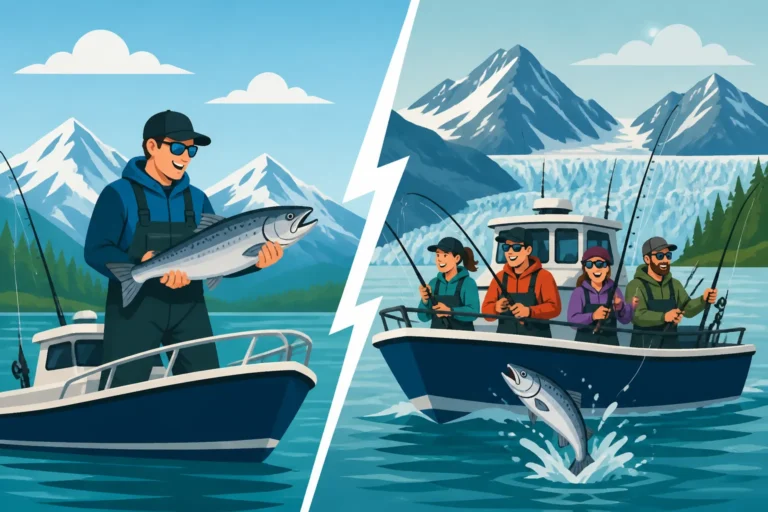
For those eager to chase salmon in the rivers, specialized river guides are your go-to. These operations often use smaller, maneuverable jet boats or drift boats to navigate the shallower, sometimes braided waters of the Copper River and its tributaries. Their expertise lies in understanding salmon runs, river conditions, and the specific techniques required to catch these freshwater fighters, whether that's back-bouncing for kings or flossing for sockeye. River guides typically provide lighter tackle appropriate for salmon, and they'll be masters of stealth and presentation, crucial skills for river angling. They often focus on a more intimate, smaller-group experience, allowing for personalized instruction and a deeper connection to the river environment.
Saltwater Specialists: Halibut and Rockfish Expeditions
For many visiting Cordova, the call of the deep for halibut and rockfish is irresistible. These are the charters that truly shine when it comes to offshore bottom fishing in Prince William Sound. They operate robust boats, usually 30 feet or longer, equipped with powerful diesel engines, modern electronics like GPS, fish finders, and often radar, to safely navigate the vast waters.
A typical halibut and rockfish expedition often begins early, heading out from Cordova's harbor into the heart of Prince William Sound. Captains will target known halibut grounds, which can be anywhere from 30 to 100 miles out, depending on the day's conditions and recent fishing reports. These trips require significant travel time, so expect to spend several hours getting to and from the fishing grounds. Once on site, anglers drop heavy baits, often herring or salmon scraps, to the bottom, sometimes hundreds of feet down. The thrill of a halibut strike, a solid thud that pulls the rod tip down, is unmistakable. Many charters employ power reels to assist with the arduous task of reeling in these large fish, especially when they reach impressive "barn door" sizes. While specific charters vary, looking for reputable outfits like Cordova Charter Company or Prince William Sound Charter (based on current searches) would be a good starting point to explore options specializing in these types of trips.
Beyond halibut, these charters will also often target various species of rockfish. These fish inhabit rocky structures and underwater reefs, often found closer to shore or around islands within the Sound. Anglers use jigs or baited hooks, sometimes multiple hooks on a spreader bar, to target these vibrant fish. Yelloweye rockfish are particularly prized for their size and delicious white meat. Charters that focus on rockfish will typically provide descending devices, which are crucial for the safe release of non-target or undersized rockfish from deep water, adhering to important conservation practices outlined in Alaska Rockfish Deepwater Release Device Rules. This type of trip offers not only the chance at powerful game fish but also the stunning scenic beauty of Prince William Sound, often spotting marine wildlife like whales, sea lions, and puffins on the journey.
Salmon River Guides: Chasing Copper River's Best
The Copper River is legendary, particularly for its sockeye salmon run, and fishing charters specializing in this freshwater pursuit offer a completely different, yet equally thrilling, Alaskan experience. These guides are masters of river dynamics, understanding the nuances of current, water levels, and salmon migration patterns.
Guides for the Copper River salmon runs typically operate in specific areas known for high concentrations of migrating fish, such as the lower river sections or key tributaries. They often use specialized river boats designed for shallow water access and maneuvering in strong currents. The focus here is almost entirely on salmon, primarily sockeye and, during earlier windows, king salmon. Techniques are highly specialized, often involving "flossing" for sockeye – a technique where the line passes through the fish's mouth, and the hook sets outside. While this might sound unusual, it's a highly effective and legal method in specific personal use and sport fisheries within the Copper River drainage, as long as it adheres to strict Alaska Snagging Regulations Explained that differentiate between flossing and illegal snagging. These guides are experts at teaching these techniques, ensuring anglers are fishing effectively and legally.
A day with a Copper River guide is often an immersive experience in the wild heart of Alaska. You might be wading in cold, clear glacier-fed water, surrounded by raw wilderness, with the constant anticipation of a strong salmon tug. These trips are typically full-day affairs, giving you ample time to master the techniques and enjoy the prolific runs. Given the popularity of the Copper River sockeye, especially during the peak season in June and July, it's absolutely critical to book these salmon river guides far in advance, sometimes a year or more out. They are in high demand because they offer direct access to one of Alaska's most famous and sought-after salmon fisheries.
Combo Trip Experts: The Best of Both Worlds
For those who simply can't decide between battling a hefty halibut and the exhilarating fight of a salmon, combo trip experts in Cordova offer the perfect solution. These charters are designed to provide a taste of both saltwater and freshwater fishing, maximizing the diversity of your Alaskan angling adventure.
Combo trips often start with a foray into Prince William Sound for halibut and rockfish. This typically involves an early morning departure to reach the prime bottom fishing grounds, similar to the dedicated saltwater trips. Anglers spend a few hours dropping lines for halibut, jigging for rockfish, and enjoying the open water. The beauty of these trips is the seamless transition from one fishery to another. Once the saltwater portion is complete, or perhaps on a different day if it's a multi-day package, the charter might shift gears to river fishing. This could involve returning to the harbor and switching to a smaller river boat, or for some operations, it might mean having separate guides for each portion of the trip. The transition allows you to experience the vastness of the Sound and the intimate challenge of river angling all within the same trip, truly offering the "best of both worlds."
The success of a combo trip heavily relies on the timing of your visit. To effectively target both saltwater species and specific salmon runs, you need to align your trip with the peak seasons for all desired fish. For example, late June or early July might be ideal for hitting both the tail end of the Copper River sockeye run and the burgeoning halibut season. Similarly, late August and early September can be excellent for combining Prince William Sound silver salmon with halibut. Charters offering combo trips are often highly experienced, with versatile captains who understand the logistics of moving between different fishing environments and ensuring all anglers have a productive and enjoyable experience. When researching, ask about the typical itinerary for a combo trip and ensure it aligns with your expectations for time spent on each type of fishing. Platforms like FishingBooker often highlight charters that specialize in these multi-species adventures, providing a clear breakdown of what's included and what species are targeted.
| Species | Peak Fishing Season | Typical Location | Common Charter Type | Notes |
|---|---|---|---|---|
| Sockeye Salmon | Late May – July | Copper River & Tributaries | River/Jet Boat Guides | Famous for flavor, strong fight |
| King Salmon | May – June | Copper River & Tributaries | River/Jet Boat Guides | Trophy fish, limited availability |
| Silver Salmon | July – September | Prince William Sound, Rivers | Saltwater, River/Jet Boat Guides | Aggressive strikes, acrobatic |
| Halibut | May – September | Prince William Sound | Offshore Saltwater Charters | Bottom fishing, often large fish |
| Rockfish | May – September | Prince William Sound | Offshore Saltwater Charters | Various species, good eating |
Planning Your Cordova Fishing Adventure
A trip to Cordova is more than just a fishing excursion; it's an immersion into a unique Alaskan lifestyle, deeply intertwined with its natural environment and the rhythms of the fishing seasons. Proper planning is essential to ensure your trip is not only successful in terms of catches but also enjoyable and hassle-free. From understanding the best times to visit for specific species to knowing what questions to ask your captain, a little foresight goes a long way.
One of the biggest pitfalls for visitors is underestimating the logistical challenges of a remote destination. Cordova isn't connected to Alaska's main road system, meaning all travel is by air or marine ferry. This impacts everything from getting your gear there to shipping your precious catch home. Planning for travel, accommodations, and fish processing well in advance will save you headaches once you arrive. You also need to be acutely aware of Alaska's dynamic fishing regulations, which can change quickly due to emergency orders. Keeping up-to-date on Alaska Fishing Emergency Orders Explained is crucial, as they can directly impact your fishing plans and bag limits.
Best Time to Book and Fish in Cordova
Timing is everything when planning an Alaska fishing trip, and Cordova is no exception. The "best" time to visit largely depends on what species you are most eager to target, as different fish have distinct peak seasons. Booking your charter well in advance is equally critical, especially for prime dates.
For the iconic Copper River sockeye salmon, the sweet spot is typically from late May through early July. This period sees massive runs of these highly prized fish, drawing anglers from around the globe. If king salmon are on your bucket list, the early part of this window, often May and early June, offers the best chance, though king runs can be less predictable and more restricted. Silver salmon, known for their aggressive bites and aerial acrobatics, become prolific in July and extend well into September. This later summer window often coincides perfectly with excellent halibut and rockfish action in Prince William Sound, making it an ideal time for those coveted combo trips. For strictly saltwater species like halibut and rockfish, the season generally runs from May through September, with consistent opportunities throughout these months, often peaking in mid-summer. Checking out a comprehensive guide like Alaska Fishing Seasons: Month-by-Month Guide can provide a broader overview.
Given Cordova's popularity and the limited number of high-quality charters and guides, booking your trip needs to happen much earlier than you might think. For peak salmon runs (especially sockeye), it's highly recommended to book your charter 6 to 12 months in advance, sometimes even longer. Popular dates fill up incredibly fast. For halibut and other saltwater trips during the heart of summer, booking at least 3 to 6 months ahead is a good rule of thumb. If you're planning a trip for late season silvers or perhaps a less busy time, you might find more flexibility, but early booking always guarantees your spot and often secures better rates. Don't forget to secure your lodging and flights around the same time you book your charter, as these too can become scarce during the busy summer months.
Essential Questions to Ask Your Charter Captain
Once you've narrowed down your choices, having a list of targeted questions for your potential charter captain or booking agent is vital. This conversation is your chance to clarify expectations and ensure there are no surprises on the day of your trip. Don't be afraid to ask everything that's on your mind; a good captain will appreciate your preparedness.
Start with the basics about the trip's duration and itinerary. Is it a full day or a half-day? What time does it depart and return? What's the typical travel time to the fishing grounds? Understanding the flow of the day, as detailed in guides like What to Expect on an Alaska Fishing Charter, helps you prepare mentally and practically. Next, confirm what fishing gear and bait are provided. Do they supply quality rods, reels, and tackle, or should you bring your own specialized equipment? Are there any additional charges for bait or specific lures? It's always a good idea to know if you need to pack any of your personal favorite setups, especially if you have particular preferences for certain species or techniques. Inquire about fish processing and handling. Will the crew fillet your catch on board, or is that something you'll need to arrange at the dock? Do they have ice and appropriate storage to keep your fish fresh throughout the day? Understanding the process for how your hard-earned catch will be handled is crucial for preserving its quality.
Finally, make sure to clarify license requirements and any specific regulations. Does the charter fee include your Alaska Fishing License: Complete Guide or a King Salmon stamp? For non-residents, these can be significant costs that you'll need to factor into your budget. Ask about current bag limits for your target species and any active emergency orders that might be in place. A knowledgeable captain will be well-versed in these rules. It’s also wise to ask about their cancellation policy, especially concerning weather. Alaska weather can be unpredictable, and knowing what happens if your trip gets postponed or canceled due to unsafe conditions is important for peace of mind. By asking these questions, you’re not only gaining crucial information but also assessing the professionalism and communication style of your potential guide, ensuring a more confident and enjoyable booking experience.
Disclaimer
The information provided in this guide is for general informational purposes only and is subject to change. Fishing regulations, seasons, and charter availability in Alaska can vary. Always verify the most current regulations with the Alaska Department of Fish and Game (ADF&G) and confirm all details directly with your chosen fishing charter prior to booking and embarking on your trip. Fishing involves inherent risks, and participants should exercise caution and follow all safety instructions.