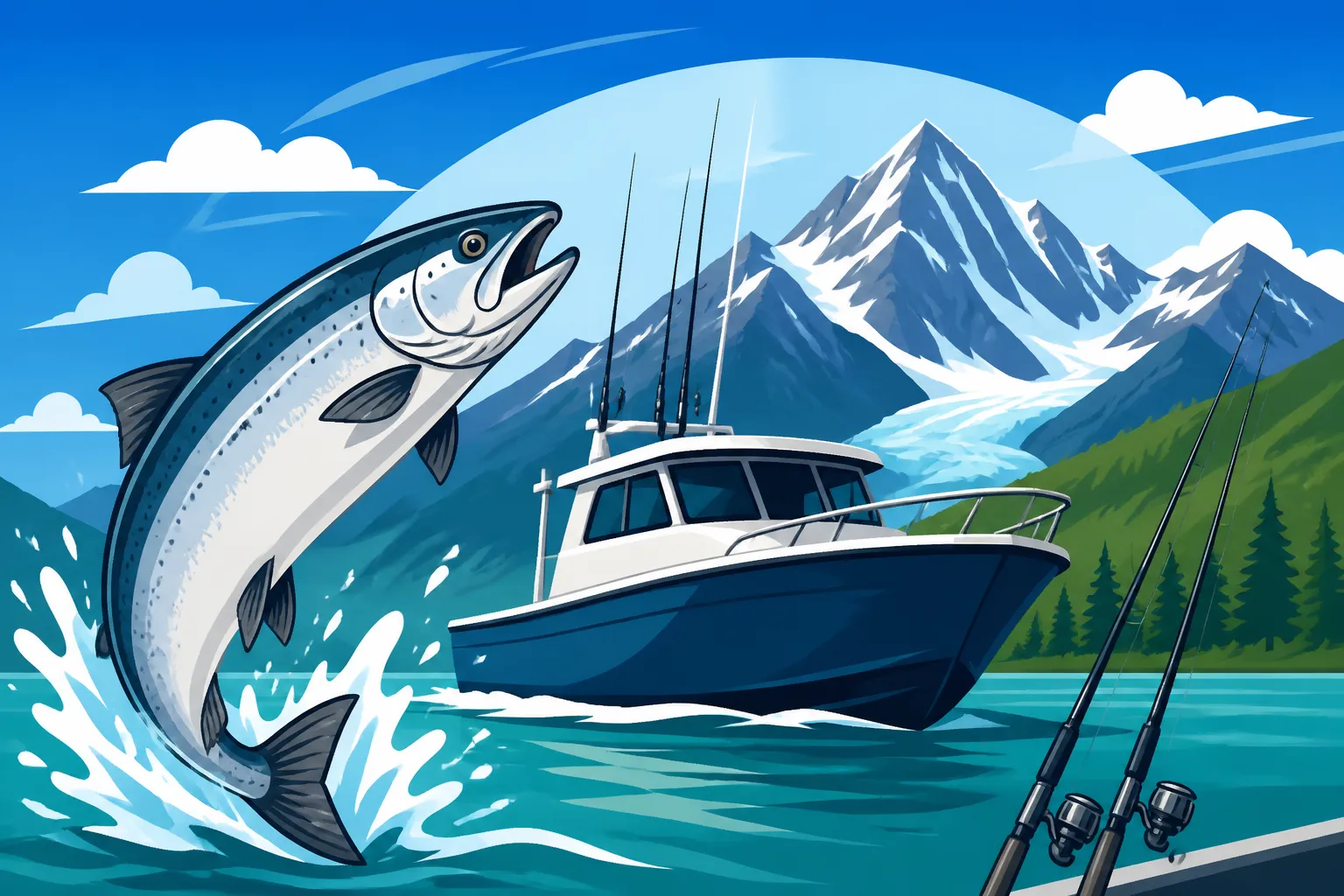
Best Charters in Seward Alaska
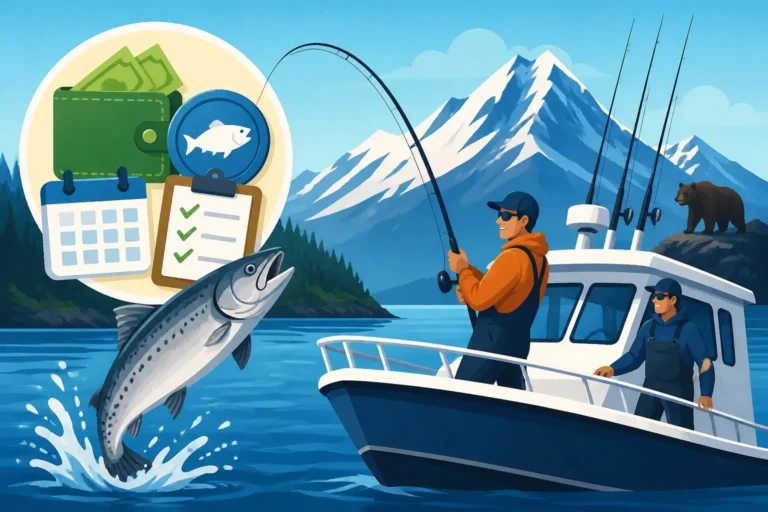
Picking the perfect fishing charter in a place as iconic as Seward, Alaska, can feel like navigating a maze, with so many promising options and the pressure of making your dream trip a reality. This guide is here to cut through the confusion, helping you understand what makes a charter truly stand out, what types of experiences are available, and how to choose the ideal operation for your unforgettable Alaskan fishing adventure.
Why Seward is a Premier Fishing Destination
Seward is more than just a picturesque port town; it's a gateway to some of the most prolific saltwater fishing grounds in all of Alaska. Nestled at the head of Resurrection Bay, with the dramatic Chugach Mountains as its backdrop, Seward offers incredible access to the Gulf of Alaska, known for its abundance of hard-fighting fish. Anglers flock here year after year, drawn by the promise of world-class angling and stunning scenery that often includes marine wildlife like whales, sea otters, and puffins.
Resurrection Bay and Beyond
Resurrection Bay itself is a deep, protected fjord, providing excellent opportunities for a variety of species, especially when the weather outside the bay gets a bit sporty. However, the real draw often lies just beyond the bay's mouth, where the nutrient-rich waters of the Gulf of Alaska meet the continental shelf. This deep-water environment creates prime habitat for massive halibut, powerful salmon, and a diverse array of rockfish and lingcod. The journey out of Resurrection Bay, past towering cliffs and secluded coves, is an experience in itself, building anticipation for the fishing ahead.
For many, the sheer scale of the fishing opportunities here is overwhelming in the best way. Imagine dropping a line hundreds of feet down and feeling a tug that could be the halibut of a lifetime, or trolling along a kelp forest and having a chrome-bright silver salmon absolutely hammer your lure. It's this combination of accessible productive waters and truly wild, untamed nature that cements Seward's reputation as a top-tier fishing destination.
What Makes Seward Unique for Anglers
Unlike some other Alaskan fishing towns, Seward offers a unique blend of accessibility and wilderness. It's a key hub on the Alaska Railroad and accessible by road, making it a relatively easy destination to reach for visitors. Yet, within minutes of leaving the harbor, you can be surrounded by pristine marine environments that feel truly remote. The diversity of fishing experiences is also a major draw. You can target enormous halibut, chase multiple species of salmon, or even combine both into a single epic day.
The local fishing community is vibrant, with seasoned captains and crews who know these waters like the back of their hand. They understand the nuances of the tides, the seasonal movements of the fish, and the subtle shifts in weather that can make or break a day on the water. This local expertise is invaluable, ensuring that even first-time visitors have the best possible chance at success.
Understanding the Types of Fishing Charters in Seward
When you're planning your Seward fishing trip, you'll quickly realize there's a huge variety of charter options, each tailored to different fish species and fishing styles. Knowing these distinctions is crucial for picking a trip that aligns with your angling dreams.
Dedicated Halibut Charters
If your heart is set on landing one of those legendary "barn door" halibut, a dedicated halibut charter is precisely what you're looking for. These trips typically head out to deeper waters in the Gulf of Alaska, sometimes traveling an hour or more to reach prime halibut grounds. The fishing technique usually involves "butt fishing" – dropping heavy weights and large baits, often herring or salmon scraps, to the ocean floor where these flatfish lurk. It’s a game of patience and brute strength, as halibut can grow to incredible sizes, offering an unforgettable fight.
What you'll find on these charters is often a larger, more stable vessel designed to handle the open ocean swells and accommodate multiple anglers fishing simultaneously. The deck space is optimized for managing long rods and the potential excitement of reeling in a massive fish. While the primary target is halibut, it's not uncommon to hook into other bottom dwellers like lingcod or various species of rockfish as bycatch, especially when fishing near rocky structures.
Salmon Charters
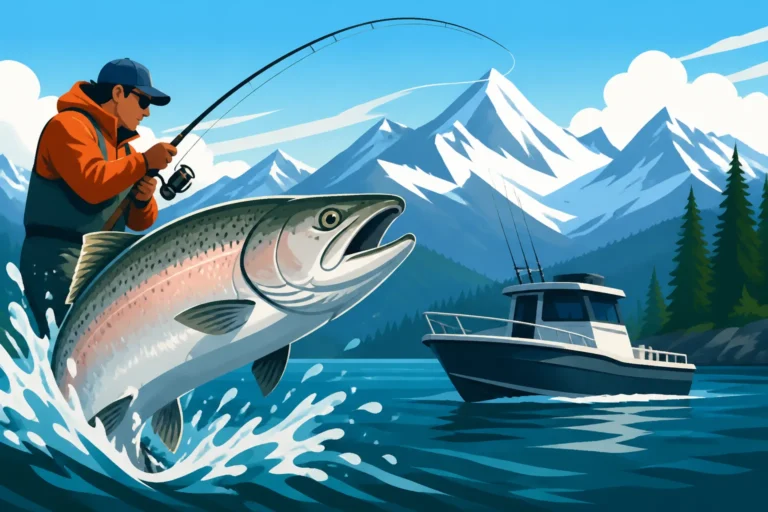
For those who crave the acrobatic leaps and strong runs of Alaska's salmon, a dedicated salmon charter will be your preference. Depending on the time of year, these charters will target different species, primarily king salmon (Chinook), silver salmon (Coho), and sometimes pink or chum salmon. Salmon charters in Seward generally focus on trolling, where multiple lines with lures or baited hooks are dragged behind the boat at varying depths and speeds. This method allows the boat to cover a lot of water, increasing the chances of encountering schools of salmon.
These trips often operate in Resurrection Bay or closer to shore, though some will venture into the Gulf when salmon runs are strong further out. The gear is typically lighter than halibut setups, providing a more dynamic and interactive fight. Many anglers find the constant action and the visual thrill of a salmon breaking the surface to be incredibly exciting. If you're looking for a higher volume of fish, especially during the peak silver salmon runs in late summer, a salmon charter can be incredibly rewarding.
Combo Charters
Can't decide between halibut and salmon? You're not alone! Many visitors want to experience the best of both worlds, and combo charters are designed exactly for that. These trips typically split the day, often starting with a run out to halibut grounds in the morning when the bite can be stronger, and then moving to shallower waters or into Resurrection Bay to troll for salmon in the afternoon. It’s a fantastic way to maximize your experience and potentially fill your cooler with a diverse catch.
The benefit of a combo charter is the variety it offers. You get a taste of the deep-water bottom fishing action for halibut, followed by the more active trolling for salmon. However, it’s important to manage expectations; because time is split, you might not get as much dedicated time for either species as you would on a single-species trip. The boat and crew will be adept at switching gears and tackle quickly to transition between fishing methods. Many families or groups with varied interests find combo charters to be the perfect compromise, offering something for everyone.
Multi-Day and Lodge Packages
For the ultimate immersive experience, some charters and lodges offer multi-day packages. These often combine guided fishing with overnight stays, providing a more relaxed pace and allowing access to more remote fishing grounds. Imagine waking up in a cozy lodge, enjoying a hearty breakfast, and then heading out directly from the dock for a full day of fishing, repeating the process for several days.
These packages can include multiple types of fishing, often tailored to the best seasonal opportunities, and may even incorporate other Alaskan adventures like wildlife viewing or glacier tours. While typically more expensive, they offer unparalleled convenience and a deeper dive into the Alaskan wilderness. When considering these, make sure to ask about what's included, such as meals, accommodations, fish processing, and transfers, as different packages offer varying levels of all-inclusivity.
| Charter Type | Primary Target Species | Typical Duration | Fishing Style | Pros | Cons |
|---|---|---|---|---|---|
| Halibut Charter | Halibut (often with rockfish/lingcod) | Full-Day (8-10 hrs) | Bottom fishing with heavy gear | High chance of large, trophy-sized fish; exciting fight. | Can be slower action; heavy gear can be tiring; long runs to fishing grounds. |
| Salmon Charter | King, Silver, Pink, Chum Salmon | Half or Full-Day | Trolling with lures or bait | More consistent action; multiple species possible; often closer to port. | Fish size generally smaller than halibut; highly dependent on run timing. |
| Combo Charter | Halibut & Salmon (sometimes rockfish/lingcod) | Full-Day (8-10 hrs) | Mix of bottom fishing & trolling | Variety of species and fishing experiences in one trip; great for mixed groups. | Less dedicated time for either species; might not maximize limits for both. |
| Fly-Out Charter | Salmon, Trout, Grayling (freshwater) | Full-Day (approx. 6-8 hrs) | Fly fishing, spin fishing (river/lake) | Unique wilderness experience; access to remote, pristine waters; incredible scenery. | More expensive; weather-dependent; not available directly from Seward. |
Note: Fly-out charters typically depart from hubs like Anchorage or Kenai, but some Seward-based operations might arrange ground transfers to air taxis for freshwater fly-out experiences.
Key Factors to Consider When Choosing a Seward Charter
With so many options, how do you narrow it down to the best charter for you? It boils down to a few critical factors that can make or break your fishing trip. Thinking through these will help you choose a charter that matches your expectations and budget.
Reputation and Reviews
In the digital age, a charter's reputation precedes it. Before you even pick up the phone, scour online reviews on platforms like Google, TripAdvisor, and especially specialized fishing booking sites like FishingBooker. Look for consistent themes: are customers raving about the crew's professionalism, the boat's cleanliness, the quality of the gear, and their success in catching fish? Pay attention to how the charter responds to reviews, both positive and negative. A company that actively engages and addresses concerns demonstrates a commitment to customer satisfaction.
Don't just look at the star rating; read the actual comments. A charter might have a high rating, but if multiple reviews mention a rude deckhand or uncomfortable seating, those are valid concerns for your own trip. Conversely, a charter with slightly fewer perfect scores but glowing remarks about going the extra mile for children or ensuring everyone feels comfortable could be a better fit for your family. Word-of-mouth from friends or fellow anglers is also incredibly valuable, offering firsthand, unfiltered experiences.
Boat Size and Comfort
The size and type of vessel matter immensely for your comfort and safety, especially when heading out into the potentially choppy waters of the Gulf of Alaska. Larger boats generally offer a more stable ride, which can be a blessing for those prone to seasickness. They also tend to have more amenities, like enclosed cabins, heated areas, and private restrooms. However, a smaller, faster boat might get you to the fishing grounds quicker, maximizing fishing time.
Consider your group size and preferences. If you're a large family or group, a spacious boat with plenty of room for everyone to cast and move around comfortably is ideal. If you're an experienced angler looking for a more intimate experience, a smaller boat with fewer passengers might appeal more. Always ask about the boat's amenities: Is there a head (marine restroom)? Is there an enclosed cabin to escape the elements? Are snacks and drinks provided, or should you bring your own?
Captain and Crew Experience
A charter is only as good as its captain and crew. You want a captain who not only knows the local waters intimately but also possesses excellent leadership and decision-making skills, especially regarding safety and finding fish. An experienced crew can make all the difference, from expertly baiting hooks and untangling lines to providing helpful instruction and ensuring everyone has a good time. They are the ones who will be handling your fish, providing assistance when a big one is on the line, and generally making sure your day runs smoothly.
Look for charters that emphasize their crew's experience and dedication. A good captain and crew will be passionate about fishing, knowledgeable about the various species, and excellent communicators. They should be friendly, approachable, and patient, particularly if you're bringing children or novice anglers. Remember, a fantastic crew can turn a slow fishing day into a memorable experience, while a less-than-stellar crew can detract from even the best bite.
Target Species and Seasonal Availability
Alaska's fishing opportunities are highly seasonal, and what's biting best in June might be completely different from what's available in August. Before booking, confirm which species the charter primarily targets and if that aligns with your desired catch for your travel dates. For example, if you're dreaming of King Salmon, you'll generally want to plan your trip for early to mid-summer. If Silver Salmon are your goal, late summer through early fall is prime. Halibut season typically runs from May through September, with specific days often regulated for charter vessels, so understanding Alaska Halibut Charter Regulations Explained is key.
Reputable charters will be upfront about what's realistically available during your chosen timeframe. They might even suggest alternative dates or species if your initial target isn't in peak season. It's also wise to check current Alaska Fishing Emergency Orders Explained just before your trip, as regulations can change in-season due to conservation efforts, impacting bag limits or fishing areas.
Cost and What's Included
Charter costs in Seward can vary significantly based on trip duration, target species, boat size, and amenities. It's essential to understand exactly what your chosen price includes. Typically, charters include the boat, captain, crew, all necessary fishing gear, bait, and often rain gear or basic refreshments. However, certain crucial items are almost always not included and will be additional costs.
Here's a breakdown of common inclusions and exclusions:
- Included: Rods, reels, tackle, bait, safety equipment, captain/crew.
- Often Not Included:
- Fishing License: Every angler over the age of 16 needs an Alaska Fishing License: Complete Guide, and if targeting King Salmon, an Alaska King Salmon Stamp Requirements is usually required. You'll need to purchase these separately before your trip.
- Fish Processing: While some charters might offer basic filleting on board, professional vacuum sealing, freezing, and shipping your catch home from Alaska is usually an additional service from a local processor.
- Gratuity: Tipping the crew is customary and highly recommended for good service. Plan for 15-20% of your charter fee.
- Meals/Drinks: While some provide water, soda, or snacks, many expect you to bring your own lunch and beverages.
- Specialty Gear: While rods and reels are provided, if you prefer specific lures, flies, or specialized tackle, you'll need to bring those.
Always get a clear breakdown of costs from the charter operator to avoid any surprises. Reputable booking platforms like FishingBooker usually detail what's included in each listing, making comparison easier.
Top-Rated Charter Operators and What Makes Them Stand Out
Seward is home to many excellent fishing charters, and while I can't endorse specific businesses, I can tell you what qualities to look for that consistently mark out the best operations. These are the characteristics that satisfied anglers often highlight in their reviews and recommendations.
Charters with Exceptional Customer Service
The best charters understand that a fishing trip is about more than just catching fish; it's about the entire experience. They prioritize exceptional customer service from the moment you inquire about a trip until you're heading home with your catch. This means clear communication, responsive booking staff, and a genuinely friendly and helpful attitude from the captain and crew. They'll go out of their way to ensure everyone on board, from seasoned anglers to first-time fishermen, feels comfortable, safe, and engaged.
These operations often receive accolades for their patient instruction, especially with kids or those new to fishing. They celebrate every catch, no matter the size, and strive to create a positive, encouraging atmosphere. When something unexpected happens, like a shift in weather or a slow bite, they communicate openly, explain the situation, and offer alternatives or insights. This dedication to the guest experience is a hallmark of a truly top-tier Seward charter.
Operators Known for Their Fleet and Gear
A high-quality charter invests in its assets: its boats and its gear. Look for operators who run well-maintained, clean, and modern vessels that are equipped with all the necessary safety features and navigation technology. While brand-new boats aren't always a requirement, a charter that clearly cares for its fleet indicates a commitment to professionalism and client safety. The boats should be comfortable, with ample fishing space and amenities appropriate for the length of the trip.
Equally important is the fishing gear. The best charters provide top-of-the-line rods, reels, lines, and tackle that are well-maintained and suitable for the target species. There’s nothing more frustrating than a reel that jams or a rod that feels inadequate when you've got a trophy fish on the line. They'll have a variety of tackle on hand to adapt to changing conditions and preferences. This attention to detail with equipment ensures that anglers have the best possible chance of success and enjoy their fight with minimal issues.
Specializing in Specific Species or Techniques
Some charters excel by focusing on a niche, becoming experts in catching a particular species or mastering a specific technique. While combo charters are popular, some of the most successful trips can come from operators who are absolutely dedicated to, say, deep-dropping for massive halibut or precisely trolling for challenging King Salmon. These specialists often have an unmatched depth of knowledge about their chosen pursuit, from the specific feeding habits of the fish to the most effective lures and locations.
For example, a charter that prides itself on targeting trophy halibut will likely have an intimate knowledge of the structure and depth where the largest fish tend to reside, and they'll employ specialized techniques to entice those giants. Similarly, a salmon-focused charter might have a refined understanding of Alaska Salmon Run Timing Explained for different species and rivers, allowing them to intercept migratory fish effectively. If you have a singular goal for your trip, seeking out a specialist can significantly increase your odds of success.
Preparing for Your Seward Fishing Adventure
Once you've booked your ideal charter, it's time to get ready! A little preparation goes a long way in ensuring you have a comfortable, productive, and truly enjoyable day on the water. Alaska's weather can be unpredictable, so dressing appropriately and having your paperwork in order are paramount.
What to Bring and What to Wear
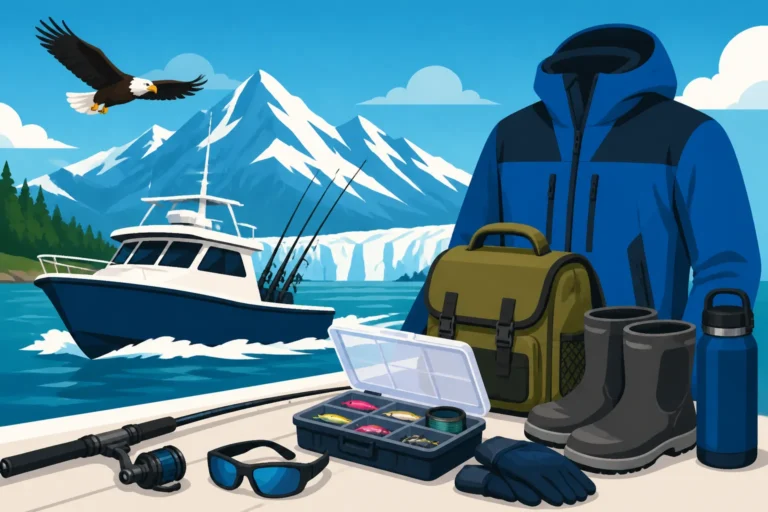
Alaska’s weather is famous for its variability, so layering is key. Even on a sunny summer day, the temperature can drop quickly, especially out on the open water. Here’s a basic checklist for your personal gear:
- Layers, Layers, Layers: Start with a moisture-wicking base layer (synthetics or wool, not cotton). Add a fleece or wool mid-layer for warmth. Finish with a waterproof and windproof outer shell (jacket and pants). Many charters provide basic rain gear, but having your own good quality gear, like that from Grundéns or Helly Hansen, is always a plus. Consider reviewing a detailed guide like What to Wear on an Alaska Fishing Charter for more specific advice.
- Warm Hat and Gloves: Your extremities lose heat quickly. Even in summer, a warm hat is essential. Waterproof gloves are a bonus.
- Waterproof Boots: Deck boots or sturdy, waterproof hiking boots are ideal to keep your feet dry and provide good grip on a wet boat deck.
- Sunglasses and Sunscreen: The sun's glare off the water can be intense, even on cloudy days.
- Motion Sickness Medication: If you're at all prone to seasickness, take preventative measures before you board the boat. Bonine or Dramamine taken the night before and again in the morning can make a huge difference.
- Snacks and Drinks: While some charters provide refreshments, it’s wise to bring your own lunch, snacks, and plenty of water or other beverages.
- Camera: For capturing those incredible moments, but make sure it's secure or waterproof.
- Cooler: While fish processing typically happens after the trip, a small cooler in your vehicle for any immediate fresh fillets or drinks is handy.
Remember that charter boats have limited space, so pack efficiently. A small backpack or dry bag is usually sufficient for your personal items.
Licenses and Regulations
This is probably the most critical piece of preparation: your fishing license. Every angler aged 16 or older needs an Alaska fishing license to participate in sport fishing. If you're targeting King Salmon, you'll also need a King Salmon stamp, even if you don't intend to keep one. It's crucial to purchase these before you get on the boat. You can easily purchase them online through the Alaska Department of Fish and Game website or from local vendors in Seward.
- Alaska Resident Fishing License: Cost and How to Buy
- Alaska Non-Resident Fishing License: Cost and How to Buy
- Do You Need a King Salmon Stamp in Alaska
Beyond licenses, familiarize yourself with the basic Alaska Fishing Regulations Explained, especially the daily and annual bag limits for the species you're targeting. Your charter captain will, of course, be an expert on current regulations, but having a basic understanding helps you stay compliant. Regulations can change quickly via emergency orders, so it's a good habit to quickly check the ADF&G website or hotline shortly before your trip.
Managing Expectations
Alaska fishing is an adventure, and like any adventure, there are no guarantees. While Seward offers phenomenal fishing opportunities, fish are wild animals, and various factors—weather, tides, run timing, and even plain old luck—can influence the success of a day.
Manage your expectations:
- Focus on the Experience: Even if the bite is slow, enjoy the stunning scenery, the wildlife, the camaraderie with your fellow anglers, and the fresh sea air.
- Listen to Your Captain: Your captain wants you to catch fish as much as you do. They are making decisions based on their extensive knowledge and current conditions. Trust their judgment.
- Be Flexible: Sometimes the planned target species isn't biting, and the captain might suggest switching to another. Being open to flexibility can often lead to a more productive day.
- Understand Limits: Daily bag limits are there to ensure sustainable fishing. Celebrate every fish you catch within those limits. For Alaska Halibut Bag Limits Explained, specifically, charter rules can be different from unguided rules, so always defer to your captain.
Making the Most of Your Charter Experience
You've done your research, you're dressed for success, and your license is in hand. Now it's time to step aboard and make some memories! Here's how to ensure you have the best possible time and maximize your experience.
Onboard Etiquette and Safety
First and foremost, listen carefully to the captain's and crew's safety briefing at the beginning of the trip. They will explain where safety equipment is located, how to move safely around the boat, and what to do in case of an emergency. Your safety is their top priority.
Regarding etiquette:
- Respect the Crew: They work incredibly hard to make your trip enjoyable and safe. Follow their instructions, especially when they're handling fish or moving gear.
- Be Mindful of Others: Share the fishing space, avoid casting over other lines, and be patient. Everyone is there to have a good time.
- Keep the Boat Clean: Dispose of trash properly in designated bins. A clean deck is a safer deck.
- Ask Questions: If you're unsure about something, whether it's how to work a reel or what kind of fish you've caught, don't hesitate to ask. The crew is there to help.
- Stay Hydrated and Fed: Don't let yourself get dehydrated or hungry. Drink plenty of water and eat your snacks.
- Report Seasickness Immediately: If you start to feel unwell, tell a crew member right away. They can often provide tips or assistance to help alleviate symptoms.
Fish Processing and Shipping Your Catch Home
One of the best parts about an Alaska fishing trip is bringing home your bounty! Most charters offer basic filleting services on board or immediately after the trip. However, for long-term storage and safe transport, you'll need professional fish processing. Seward has excellent local processors who specialize in cleaning, filleting, vacuum sealing, flash-freezing, and packaging your fish into airline-approved boxes.
- Local Processors: Popular choices in Seward include Captain Jack's Seafood Locker and J-Dock Seafood Company. These businesses are well-versed in handling large volumes of fish and preparing them for travel. They can often ship directly to your home or prepare it for you to check as luggage on your flight.
- Costs: Expect additional costs for professional processing and shipping, which can be substantial depending on the amount of fish you catch. It's a worthy investment to preserve the quality of your hard-earned fillets.
- Timing: Factor in time after your charter to drop off your fish at the processor. They usually need at least 24-48 hours to fully process and freeze your catch before it's ready for pickup or shipping. Ask your charter or processor about the typical turnaround times.
- Alaska Fish Transport and Shipping Rules: Familiarize yourself with airline regulations for transporting frozen fish, especially if you plan to carry it as luggage. Always declare fish at TSA checkpoints.
Tipping Your Crew
Tipping is a longstanding tradition in the charter fishing industry and is an important way to show your appreciation for a hard-working crew. These individuals rely on tips as a significant part of their income. A general guideline is to tip 15-20% of the total charter cost. If you had an exceptional experience, feel free to give more!
Consider the following when determining your tip:
- Effort of the Crew: Did they work hard to find fish, keep lines untangled, and make sure everyone was comfortable?
- Professionalism: Were they knowledgeable, friendly, and safety-conscious?
- Success of the Trip: While fish aren't guaranteed, did they put in their best effort to put you on fish?
- Special Assistance: Did they go above and beyond, perhaps helping a child with their first fish or assisting with a difficult catch?
It's usually best to give the tip directly to the captain at the end of the trip, who will then distribute it among the crew. This ensures everyone gets their fair share for their collective efforts.
Disclaimer
Please remember that fishing regulations in Alaska, including bag limits, seasons, and licensing requirements, are subject to change by the Alaska Department of Fish and Game (ADF&G) at any time. This guide is for informational purposes only and should not be considered a substitute for checking the most current ADF&G regulations and emergency orders before your trip. Always prioritize safety and consult with your chosen charter operator for the most up-to-date information relevant to your specific fishing dates and location.