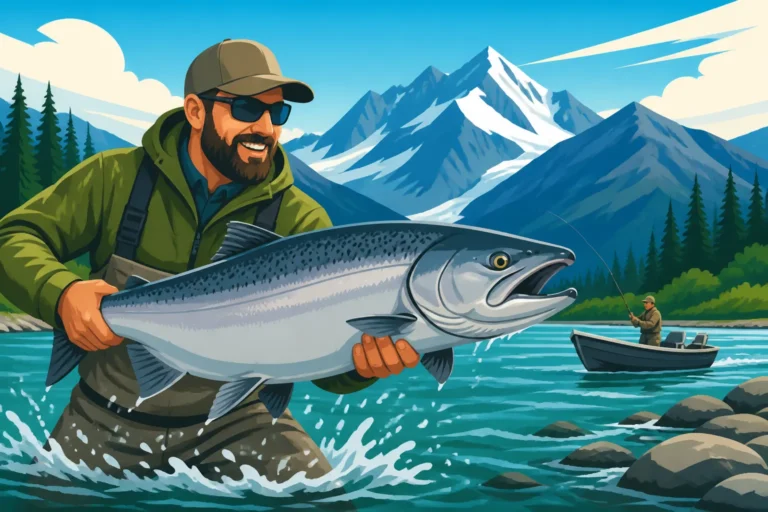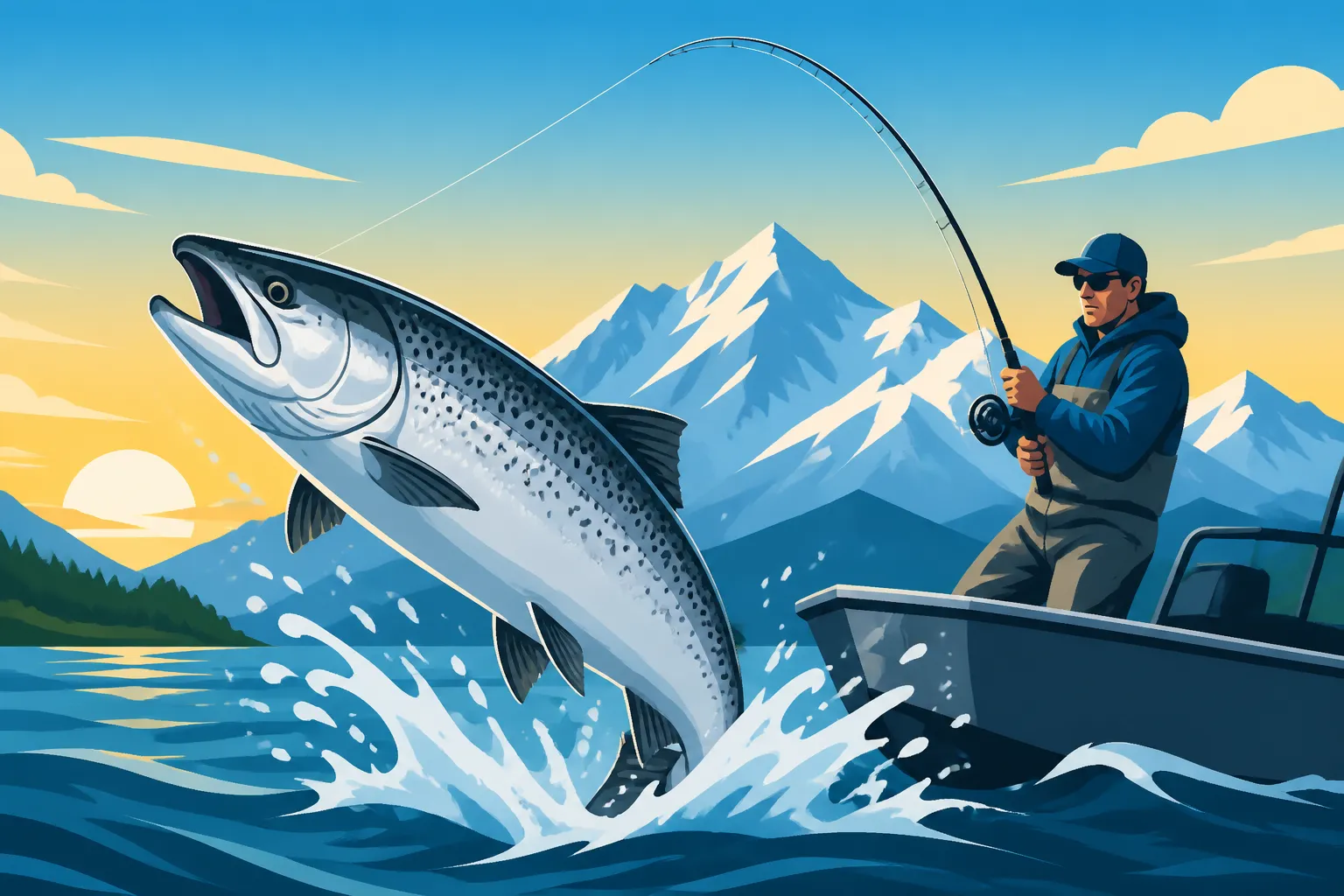
Homer King Salmon Fishing Guide
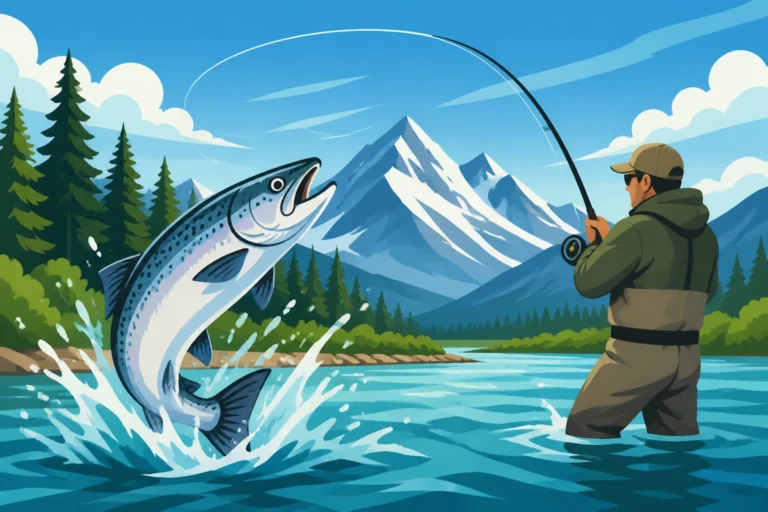
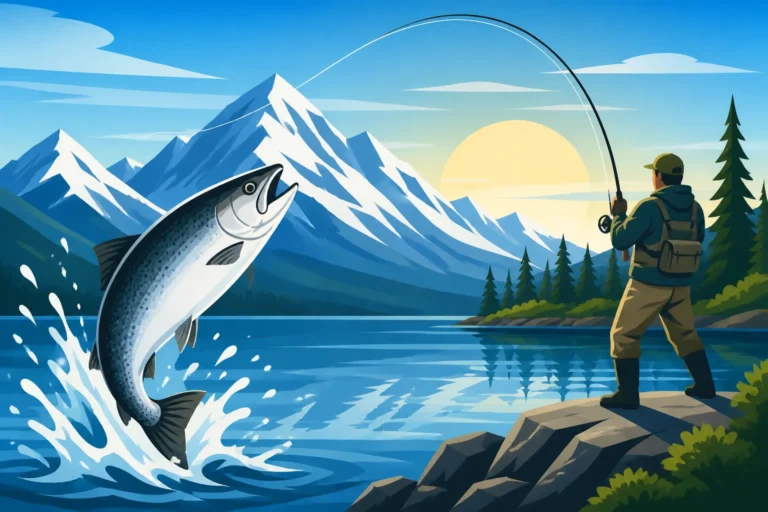
Many anglers dream of battling a powerful King Salmon, but finding that perfect combination of location, timing, and technique can feel like chasing a ghost, especially in a vast state like Alaska. Homer, with its stunning Kachemak Bay backdrop, offers incredible opportunities for targeting these magnificent fish, but success requires local knowledge and a deep understanding of their habits. This comprehensive guide will walk you through everything you need to know to maximize your chances of a successful King Salmon fishing adventure in Homer.
Why Homer Is a Prime Spot for King Salmon Fishing
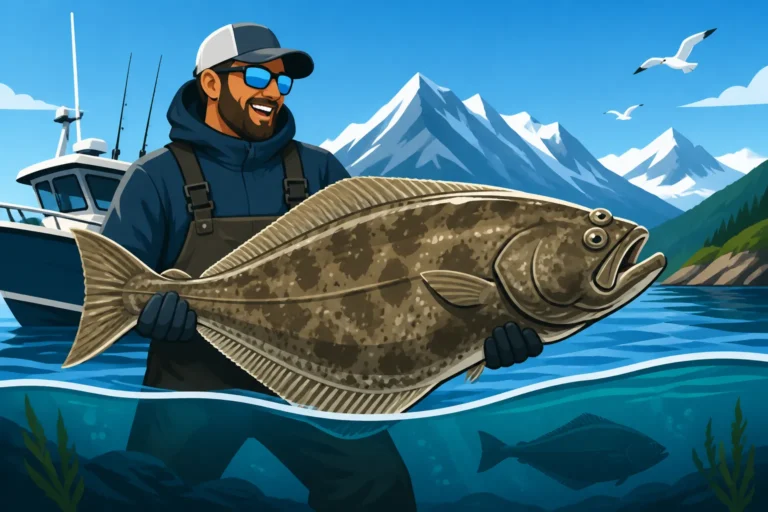
Homer, often called the "Halibut Fishing Capital of the World," might be famous for its flatfish, but it's also a legitimate hotspot for King Salmon, especially those powerful feeder kings that roam the nutrient-rich waters of Kachemak Bay. What makes Homer truly special for these chrome-bright giants isn't just the sheer number of fish, but the unique experience of fishing in such a breathtaking environment, surrounded by mountains, glaciers, and abundant wildlife. The deep, cold waters of the bay provide an ideal habitat for salmon gorging themselves on baitfish before they head to their spawning rivers.
The Allure of Homer's Waters
The Kachemak Bay area near Homer is a dynamic marine environment, influenced by strong tides and fed by numerous streams and rivers. This creates a perfect storm of conditions that attract migratory King Salmon. These fish aren't just passing through; many are actively feeding, making them aggressive and hard-fighting. Unlike some river fisheries where the kings are focused solely on spawning, Homer's saltwater kings are often in peak physical condition, leading to truly memorable battles. The accessibility of Homer, with its famous Homer Spit, also makes it a fantastic base camp for exploring the surrounding waters, whether you’re heading out with a charter or launching your own boat.
Understanding Feeder King Salmon Dynamics
What exactly is a "feeder king" and why are they so prevalent around Homer? A feeder king is essentially a King Salmon that is still actively feeding and growing in saltwater, often far from its natal river. These fish are not yet fully committed to their spawning migration and are therefore focused on bulking up. Kachemak Bay is rich with baitfish like herring and sand lance, which are prime food sources for kings. This means you can find these robust, ocean-bright fish throughout a longer season than just the short river runs. They are often less predictable in their movements than river-bound salmon, but when you find them, they are typically larger, stronger, and incredibly eager to strike.
Best Times and Seasons for King Salmon in Homer
Timing is everything when it comes to salmon fishing in Alaska, and King Salmon are no exception. While some kings are present in Homer's waters year-round, the prime windows for targeting them vary depending on whether you're looking for early-season brutes or the more consistent summer runs. Understanding the nuances of the season will significantly increase your odds of success.
Early Season Kings: The Spring Rush
The spring months, particularly April and May, offer the first real shot at dedicated King Salmon fishing in Homer. These are often considered "feeder" kings that have spent the winter foraging in the Gulf of Alaska and are now moving into Kachemak Bay. They are powerful, bright, and typically chrome-colored.
- April-May: This period can be phenomenal, but weather can be a factor. The fish are hungry, aggressive, and often less pressured than later in the season. You might be bundling up, but the rewards can be substantial. These early runs usually consist of fish heading to local spawning grounds or staging before their main migration further north. Anglers often find success trolling plugs or herring deeper in the water column. For more on the specifics of when these fish begin to show, check out our guide on Alaska King Salmon Run Timing.
Peak Season Kings: Summer Abundance
June and July represent the peak of the King Salmon season in Homer. This is when the largest numbers of kings are present in Kachemak Bay, including those bound for the Kenai River and other major drainages, as well as plenty of resident feeder kings.
- June: This is arguably the most popular month for King Salmon. The weather is generally better, and the sheer volume of fish is impressive. You'll see a lot of charter boats on the water, all targeting kings and, of course, halibut. This month offers excellent opportunities for both trolling and mooching techniques.
- July: While the King Salmon run might start to taper off slightly towards the end of July for some river systems, Kachemak Bay often continues to hold a good number of feeding kings. If you're planning your trip around this time, it's still very productive, especially for combination trips that might also target silvers (coho) as they start to show up. Understanding the Best Time to Catch King Salmon in Alaska is crucial for planning your Homer adventure.
Late Season Kings: Lingering Opportunities
Even into August and early September, while other salmon species like silvers (coho) dominate the scene, you can still find lingering King Salmon in Homer's waters. These are typically the tail end of the feeder fish or those that are late in their migration. While not as abundant as June, they can still provide a thrilling catch for persistent anglers.
| Season | Months | Typical Fish Behavior | Primary Fishing Techniques | Notes |
|---|---|---|---|---|
| Early Spring | April – Mid-May | Aggressive feeders, migrating into bay | Trolling deep, Mooching | Cooler weather, fewer boats, strong, chrome fish |
| Peak Summer | Mid-May – July | Abundant feeders & migratory runs | Trolling, Mooching, Jigging | Best weather, high boat traffic, consistent action |
| Late Summer | August – Sept | Lingering feeders, fewer numbers | Trolling, Jigging | Combo trips with silvers, still good quality fish |
Top Techniques and Gear for Homer King Salmon
Catching King Salmon in Homer's saltwater environment requires specific techniques and reliable gear. These powerful fish will test your equipment and your angling skill. Being prepared with the right setup makes all the difference between a triumphant catch and a heartbreaking snap.
Trolling: Covering Water for Kings
Trolling is perhaps the most popular and effective method for King Salmon in Kachemak Bay, especially when targeting those widespread feeder kings. This involves dragging lures or bait behind a moving boat, covering a wide area until you find where the fish are holding.
- Downriggers are Key: Because King Salmon often feed at specific depths, downriggers are indispensable. These devices allow you to precisely control the depth of your lure or bait. Experiment with different depths, from 40 feet to over 100 feet, often concentrating around underwater structures or bait balls identified on your fish finder.
- Lures and Baits: Popular choices include large spoons like the Luhr Jensen Coyote Spoon or Silver Horde Coho Killers, often in metallic colors like green/silver, blue/silver, or chartreuse. Plugs, such as the Kwikfish or FlatFish, especially in bright or iridescent patterns, are also highly effective. However, many guides swear by natural bait: a whole or cut-plug herring, often fished behind a flasher or dodger to add attraction. The flash and vibration mimic injured baitfish, irresistible to hungry kings. For a deeper dive into bait and lures, check out Best Lures and Bait for Alaska King Salmon.
- Speed and Spread: Pay close attention to your trolling speed, usually between 2-4 knots, adjusting until you find what the fish prefer on any given day. Running multiple lines at different depths and distances behind the boat helps cover more of the water column and identify the "strike zone."
Mooching: A Hands-On Approach
Mooching is a classic and highly engaging technique for King Salmon that involves drifting with the current, often using cut-plug herring on a weighted leader. It's a more active style of fishing compared to trolling and can be incredibly rewarding.
- The Drift: Instead of powering through the water, mooching relies on the boat's drift. Anglers drop their bait to a desired depth and let it drift naturally with the current, often imparting a subtle jigging or twitching motion to the rod tip.
- Bait Presentation: A properly cut-plug herring will spin enticingly in the water, mimicking a wounded baitfish. The leader system usually includes a banana weight or a cannonball sinker to get the bait down, with a swivel to prevent line twist. Circle hooks are often used to reduce gut-hooking and make for easier releases if necessary. This method often requires more feel and intuition, making it a favorite for experienced anglers who enjoy the direct connection to their bait.
- Depth Control: Similar to trolling, understanding the depth at which the fish are feeding is vital. A good fish finder will show bait schools and salmon marks, guiding you to the right depth. When you get a bite, it's often a firm take, and the fight is on immediately.
Essential Gear for King Salmon in Homer
A battle with a King Salmon requires robust equipment. Don't skimp on quality; these fish are known for their power, speed, and endurance.
- Rods and Reels: For saltwater King Salmon, you'll want a medium-heavy to heavy action rod, typically 8 to 10 feet in length, capable of handling 20-40 lb test line. Pair this with a high-quality conventional reel (like a Penn Fathom or an Okuma Coldwater) spooled with 30-50 lb braided line, topped with a monofilament or fluorocarbon leader of 30-40 lb test. The braided line offers superior sensitivity and strength, while the mono/fluoro leader provides invisibility and abrasion resistance.
- Terminal Tackle: Stock up on strong swivels, snap swivels, and heavy-duty snaps. Hooks should be sharp and strong, typically 4/0 to 6/0 for cut-plug herring. Flashers and dodgers, essential for attracting fish while trolling, come in various sizes and colors.
- Safety and Comfort: Homer's weather can be unpredictable. Always bring good rain gear (waterproof jacket and pants), layers of warm clothing, waterproof boots, gloves, and a hat. Don't forget sunglasses, sunscreen, and plenty of snacks and water. A personal flotation device (PFD) is always a good idea, even if not required by law for adults on a charter.
Navigating Regulations and Ensuring Success
Alaska's fishing regulations are designed to protect its precious fisheries, and King Salmon are particularly managed closely. Before you even cast a line in Homer, it’s critical to understand and comply with all state and local rules. This also extends to smart fishing practices and, for many, the wisdom of hiring an experienced local guide.
Understanding Alaska's Fishing Regulations
The Alaska Department of Fish and Game (ADF&G) sets specific rules for King Salmon, which can vary by region and even by specific water body, and often change in-season via emergency orders.
- Fishing License and King Salmon Stamp: Every angler aged 16 or older needs an Alaska fishing license. If you plan to target King Salmon, you’ll also need a King Salmon stamp, which must be purchased in addition to your regular license. This applies to both residents and non-residents. You can learn more about the complete process in our guide on the Alaska Fishing License: Complete Guide and specifically about the stamp with Do You Need a King Salmon Stamp in Alaska.
- Bag and Possession Limits: King Salmon limits are highly regulated. In Kachemak Bay, bag limits are often one or two per day, and annual limits apply, especially for non-residents. For example, non-residents often have an annual limit of three King Salmon caught in Alaska's waters. These limits are subject to change, so always consult the most current ADF&G regulations booklet or check emergency orders before heading out. Our guide on Alaska King Salmon Daily and Annual Limits provides more detailed information.
- Harvest Record Card: If you purchase a King Salmon stamp, you will also receive a harvest record card. Every King Salmon you catch and retain, regardless of whether it's kept or released, must be immediately recorded on this card. Failure to do so can result in significant fines.
Here's a quick look at common regulations (always verify current rules!):
Regulation Type Details (Example for Kachemak Bay) Important Notes Remember to follow all current ADF&G regulations and any local emergency orders.
The Value of an Alaska Fishing Charter
Many of the top King Salmon spots in Kachemak Bay are best accessed by boat. For visitors or even local anglers without their own ocean-going vessel, an Alaska fishing charter is the way to go.
- Expert Knowledge: Experienced captains and guides like those you can find on FishingBooker know the local waters intimately. They track fish movements, understand tidal currents, and know where the baitfish are holding, which directly translates to knowing where the kings are. They'll also provide all the specialized gear you need. You can find detailed information on finding the right guide in How to Choose an Alaska Fishing Charter.
- Safety First: Operating in saltwater conditions, especially in a large bay like Kachemak, requires skill and adherence to safety protocols. Charters are equipped with safety gear, communication devices, and experienced crew to ensure a safe and enjoyable trip.
- Maximize Your Time: Instead of spending valuable vacation time figuring out gear, boat launches, and navigation, a charter lets you focus purely on the fishing experience. They’ll take you directly to the productive spots and coach you on the most effective techniques. For booking tips, consider reading How to Book an Alaska Fishing Trip.
Responsible Angling and Conservation
Alaska's fisheries are a precious resource, and responsible angling ensures they remain healthy for future generations.
- Catch and Release Best Practices: If you're releasing a King Salmon, do so quickly and carefully. Keep the fish in the water as much as possible, use wet hands to handle it, and use a de-hooker if needed. Avoid dragging the fish onto the boat deck or handling it by the gills.
- Bear Safety: While mainly a concern for river fishing, if you're exploring any shore-based areas or processing fish near streams, always be bear aware. Pack bear spray, store food properly, and make noise when hiking. Our guide on How to Fish Safely Around Alaska Bears has essential tips.
- Support Local Conservation Efforts: Many local organizations and guides actively participate in salmon conservation. By choosing reputable charters and adhering to regulations, you're contributing to the sustainability of this incredible fishery.
Fishing for King Salmon in Homer offers a truly quintessential Alaskan experience. With the right preparation, knowledge, and respect for the regulations, you're well on your way to hooking into one of the most prized catches in the Last Frontier. Good luck, and tight lines!
Disclaimer
Fishing in Alaska involves inherent risks, including but not limited to changing weather conditions, wildlife encounters, and variable water conditions. Always prioritize safety, adhere to all current Alaska Department of Fish and Game regulations, and consider consulting local experts or guides before embarking on any fishing trip. The information provided in this guide is for informational purposes only and should not replace official regulatory documents or professional advice.