Best Fishing in Southeast Alaska
If you've ever dreamt of casting a line into pristine waters teeming with magnificent fish, only to feel overwhelmed by the sheer scale and wildness of Alaska, you're certainly not alone. Southeast Alaska, with its labyrinth of islands, fjords, and towering rainforests, offers some of the most diverse and exciting fishing on the planet, but knowing where to start can feel like navigating a maze. This comprehensive guide is here to untangle the complexities, offering you an insider's look into the very best fishing experiences this stunning region has to offer, helping you plan your unforgettable Alaskan angling adventure.
Understanding Southeast Alaska's Unique Fisheries
Southeast Alaska, often referred to as the Panhandle, is a distinct geographic and ecological region, a narrow strip of mainland and thousands of islands stretching south from Yakutat to Dixon Entrance. It's defined by the Inside Passage, a protected waterway that offers stunning scenery and incredible fishing opportunities, all framed by the verdant Tongass National Forest. This isn't just a place to catch fish; it's an immersive wilderness experience.
The Majesty of the Inside Passage: What Makes It Special
The Inside Passage is a network of natural passages through the islands and fjords of the Pacific Northwest coast. In Alaska, it's a sheltered marine highway, largely protected from the open ocean swells, making it navigable for smaller vessels and offering a different kind of fishing experience than the exposed outer coast. These nutrient-rich waters are a vital migratory corridor for all five species of Pacific salmon, and they also support a thriving population of halibut, lingcod, and various rockfish. The sheer biodiversity here is astounding, from immense marine mammals like whales and orcas to an abundance of seabirds, all benefiting from the same productive ecosystem that feeds the fish you're targeting.
The geology itself plays a huge role. Deep fjords carved by ancient glaciers plunge thousands of feet, creating perfect habitats for bottom dwellers, while the countless inlets and estuaries provide crucial rearing grounds for juvenile salmon and trout. The freshwater systems, fed by the region's copious rainfall, pour into these saltwater havens, creating brackish mixing zones that are magnets for migrating salmon. The interplay of these diverse environments makes Southeast Alaska a truly unique and dynamic fishing destination, where you can transition from ocean trolling for kings to casting flies for trout in a matter of hours.
Key Fish Species You'll Encounter
When you talk about fishing in Southeast Alaska, you're really talking about a spectacular array of species, each with its own appeal and fighting style. For many, the draw is the "Big Five" Pacific salmon species.
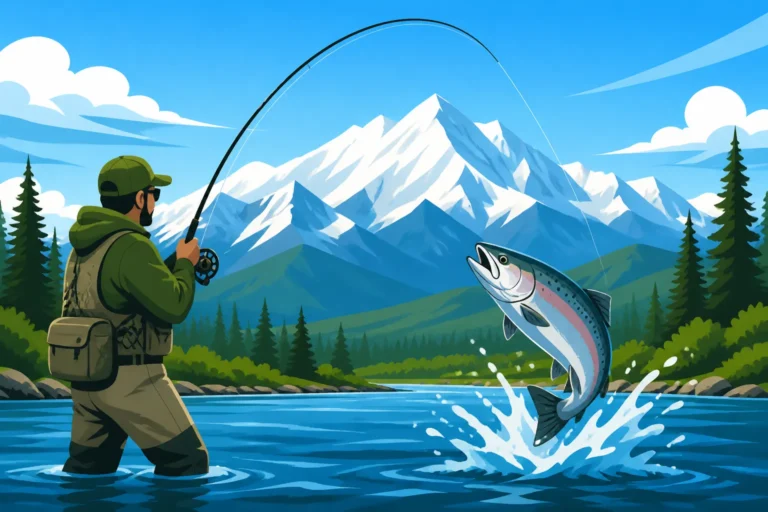
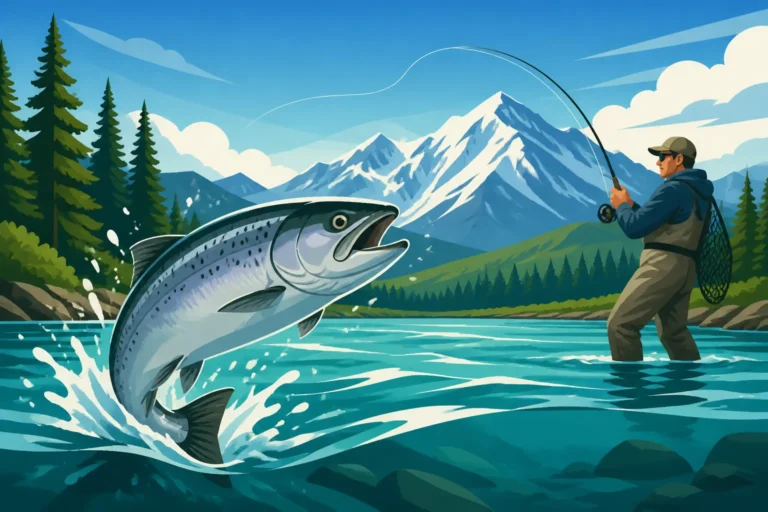
First up, the King Salmon (Chinook), the largest and most prized of the salmon, known for its powerful runs and rich, red meat. These beauties can be found throughout the region, with peak season typically in late spring and early summer. Then there's the Sockeye Salmon (Red), renowned for its vibrant red flesh and intense fighting spirit, though they are primarily targeted in freshwater systems during their spawning runs. Coho Salmon (Silver) are a favorite among sport fishermen for their acrobatic jumps and aggressive strikes, usually arriving in late summer and early fall. Pink Salmon (Humpy) are the most abundant species, offering fast action and great fun, particularly in odd-numbered years when their runs are exceptionally large. Finally, Chum Salmon (Dog), while often overlooked for their table fare compared to other species, are incredibly strong fighters, providing a thrilling challenge on the line.
Beyond salmon, the saltwater opportunities are vast. Giant Pacific Halibut are a major draw, with many anglers dreaming of catching a "barn door" that can weigh hundreds of pounds. These flatfish are delicious and put up a formidable fight from the ocean floor. Lingcod, with their toothy grins and aggressive nature, are another bottom-dwelling favorite, offering a unique angling experience. And let's not forget the array of Rockfish, including the striking Yelloweye Rockfish, which provide consistent action and tasty fillets. In the freshwater systems, you'll find plentiful Dolly Varden, coastal Cutthroat Trout, and the elusive Steelhead, offering incredible fly fishing and spin fishing opportunities in scenic river settings.
Top Destinations for Salmon Fishing in Southeast Alaska
Southeast Alaska is practically synonymous with salmon fishing. Each major community here offers unique access to these incredible runs, providing different flavors of the Alaskan fishing experience.
Ketchikan: Salmon Capital and Gateway to the Panhandle
Ketchikan proudly boasts the title of "Salmon Capital of the World," and for good reason. Located at the southern end of the Inside Passage, it's often the first stop for visitors entering Southeast Alaska. The waters around Ketchikan are consistently productive for all five species of Pacific salmon, particularly King (Chinook), Coho (Silver), Pink, and Chum. The accessibility here is a huge plus; you can often be on a charter within minutes of leaving downtown.
Hotspots like Clover Pass and Knudson Cove are legendary among local anglers and visitors alike. Charters regularly target King salmon in these waters from May through July, often trolling with downriggers and artificial lures or cut plug herring. As the season progresses into late summer and early fall, the focus shifts to Coho salmon, which provide exhilarating action, frequently hitting trolled spoons or hoochies. Pink and Chum salmon offer plenty of fast-paced excitement in August, especially in years with strong returns. Shore fishing opportunities also exist, particularly for pinks and chums in local creeks and estuaries during their peak runs. Beyond the main salmon species, the deeper waters around Ketchikan also hold excellent opportunities for halibut and rockfish, making it a fantastic multi-species destination. If you're looking for a quick and easy way to find reputable guides and charter services in the area, platforms like FishingBooker can be an excellent resource, allowing you to compare options and reviews directly.
Sitka: Kings, Silvers, and the Pacific Ocean's Bounty
Sitka, nestled on the western side of Baranof Island, offers a different, often more intense, salmon fishing experience due to its proximity to the open Pacific Ocean. While still within the general protection of the outer islands, the waters here are influenced by ocean currents, bringing large, chrome-bright King and Coho salmon straight off the ocean. This means fewer obstacles and less freshwater influence on their migration, often leading to bigger, stronger fish.
Sitka Sound and the surrounding offshore waters are particularly famous for their trophy King salmon. Anglers flock here in late spring and early summer, hoping to hook into a "feeder King" – a salmon that is actively feeding in saltwater before beginning its spawning migration, resulting in powerful fights. Trolling with large spoons, plugs, or herring is a common and effective technique. As summer transitions to fall, Sitka becomes a hotspot for Coho (Silver) salmon, which are known for their aggressive strikes and acrobatic displays. Many charters offer combo trips, targeting both salmon and halibut in the same day, maximizing your chances for a diverse cooler. The scenery, with volcanic peaks rising sharply from the sea, only adds to the magic of fishing in Sitka. For a deeper dive into the fishing here, check out our guide on Sitka Salmon and Halibut Fishing Guide.
Juneau: Urban Access to Wild Salmon Runs
Juneau, Alaska's capital city, provides an incredible balance of urban convenience and wild fishing opportunities. Unlike some more remote destinations, Juneau is easily accessible, yet it offers fantastic fishing right on its doorstep. The waters around Juneau, including the Gastineau Channel, Auke Bay, and various nearby inlets, are key migratory routes for salmon returning to local rivers and hatcheries.
King salmon are targeted in the spring and early summer, with good numbers often caught by trolling in Auke Bay or near the mouth of the Gastineau Channel. While Juneau may not have the sheer volume of "trophy" kings as some other areas, it offers consistent action and the thrill of catching a powerful Chinook close to town. Coho (Silver) salmon runs are particularly strong in late summer and early fall, providing exciting sport for both charter anglers and those fishing from shore. Places like Fish Creek and Sheep Creek can become bustling with anglers during the Pink salmon run in August, especially during the large odd-year returns. The accessibility of Juneau makes it an ideal destination for those who want to combine fishing with other Alaskan adventures, such as glacier viewing or wildlife tours. Don't forget that if you're targeting King salmon, you'll need an Alaska King Salmon Stamp Requirements in addition to your regular fishing license.
Unlocking the Best Halibut and Bottom Fishing Opportunities
While salmon often steal the spotlight, the bottom fisheries of Southeast Alaska offer equally thrilling experiences, particularly for the legendary Pacific Halibut and a variety of feisty rockfish and lingcod. These deepwater species provide powerful fights and excellent table fare, making them a must-do for any serious angler visiting the region.
Southeast Halibut Hotspots: Sitka, Juneau, and Beyond
Southeast Alaska is a prime region for halibut fishing, with several communities serving as excellent launching points. Sitka, with its proximity to deeper, nutrient-rich Pacific waters, is undoubtedly one of the top destinations. Charters here often venture out to offshore banks and pinnacles where "barn door" halibut, weighing well over 100 pounds, are a real possibility. The deep troughs and submerged structures create ideal ambush points for these flatfish. Typical techniques involve dropping heavy jigs tipped with bait like herring, salmon heads, or squid to the ocean floor, then rhythmically jigging to entice a strike.
Juneau also offers solid halibut fishing, often found in the deeper channels and bays of the Inside Passage. While the average size might be slightly smaller than Sitka's offshore giants, the action can be consistent, and the waters are often calmer, making for a more comfortable day on the water. Anglers here often drift with bait or use large circle hooks on spreader bars. Petersburg and Wrangell, further south in the heart of the Inside Passage, also have excellent reputations for halibut, particularly in the deep, tide-swept passages that characterize the region. The key to successful halibut fishing is often finding specific structures on the seafloor where they congregate, which is where local charter captains truly shine with their knowledge of prime spots. If you're researching options for a guided trip, many reputable Southeast Alaska charters are listed on FishingBooker, making it easy to compare and book.
Lingcod and Rockfish: Deepwater Delights
Beyond halibut, Southeast Alaska's rocky seafloor is home to an incredible diversity of other bottom fish, primarily Lingcod and various species of Rockfish. These species add fantastic variety to a day of saltwater fishing and are often targeted on the same trips as halibut, or as dedicated excursions for anglers seeking fast action.
Lingcod are aggressive predators, known for their large mouths, sharp teeth, and powerful bites. They prefer rocky reefs, ledges, and kelp forests, often lurking in depths from 50 to 300 feet. Jigging with large swimbaits, metal jigs, or even live bait (where permitted) is highly effective. Once hooked, lingcod put up a strong, head-shaking fight that can be incredibly exciting. They also boast delicious, firm white meat, making them a popular target.
Rockfish come in a dazzling array of colors and sizes, with species like Yelloweye Rockfish (also known as Red Snapper), Black Rockfish, Copper Rockfish, and Quillback Rockfish being common catches. Yelloweye are particularly sought after for their size and vibrant color, but they are also a long-lived species, requiring careful handling and often a descending device for release if caught from deep water. Rockfish tend to inhabit rocky structures and can be caught by jigging, bait fishing, or using artificial lures. Many anglers find their perfect match through services like FishingBooker, which provides detailed listings of charters specializing in various types of fishing. It's crucial to be aware of the specific regulations for rockfish, including bag limits and the mandatory use of Alaska Rockfish Deepwater Release Device Rules in many areas, to ensure the sustainability of these valuable fish.
| Fishing Destination | Primary Salmon Species | Key Bottom Fish | Best Months | Typical Fishing Styles |
|---|---|---|---|---|
| Ketchikan | King, Coho, Pink, Chum | Halibut, Lingcod, Rockfish | May – Oct | Trolling, Jigging, Shore |
| Sitka | King, Coho, Pink | Halibut, Lingcod, Rockfish | May – Sep | Trolling, Jigging, Drifting |
| Juneau | King, Coho, Pink | Halibut, Lingcod, Rockfish | May – Oct | Trolling, Jigging, Shore |
| Petersburg | King, Coho, Pink | Halibut, Lingcod, Rockfish | Jun – Sep | Trolling, Jigging, Drifting |
| Wrangell | King, Coho, Pink, Chum | Halibut, Lingcod, Rockfish | Jun – Oct | Trolling, Jigging, Drifting |
Freshwater Gems: Trout and Steelhead Fishing in the Region
While the saltwater opportunities in Southeast Alaska are legendary, don't overlook the incredible freshwater fishing available. The countless rivers, streams, and lakes that wind through the Tongass National Forest offer serene and productive angling for a variety of resident and anadromous freshwater species. This is where you can often escape the crowds and immerse yourself in the quiet beauty of the Alaskan wilderness.
Dolly Varden, Cutthroat, and Resident Trout Streams
Southeast Alaska's freshwater systems are rich with char and trout. The most prevalent is the Dolly Varden, a strikingly beautiful fish related to arctic char, found in nearly every stream and lake in the region. Dolly Varden are opportunistic feeders and can be caught on a wide range of flies, spinners, and small baits. During the salmon spawning season, they gorge themselves on salmon eggs, making egg patterns and bead fishing incredibly effective. You'll find good numbers of Dolly Varden in rivers like the Situk River near Yakutat, or even smaller creeks accessible from Ketchikan or Juneau.
Coastal Cutthroat Trout are another highly sought-after species, particularly among fly fishermen. These vibrant trout thrive in the tannin-stained, rainforest-fed streams and coastal lakes. They can be found throughout the year, but fishing often picks up in spring and fall. Dry flies, nymphs, and small streamers are all effective, and they offer a challenging and rewarding fight on light tackle. Many of these streams are accessible only by floatplane or boat, adding an element of adventure to the pursuit. For a closer look at these fascinating fish, check out our guide on Alaska Dolly Varden: Facts, Season, and How to Catch.
The Elusive Steelhead: A Southeast Challenge
For many dedicated anglers, the ultimate freshwater prize in Southeast Alaska is the Steelhead. These are sea-run Rainbow Trout, known for their incredible strength, size, and elusive nature. Unlike resident rainbow trout, steelhead spend a portion of their lives in the ocean, growing large and powerful before returning to their natal rivers to spawn.
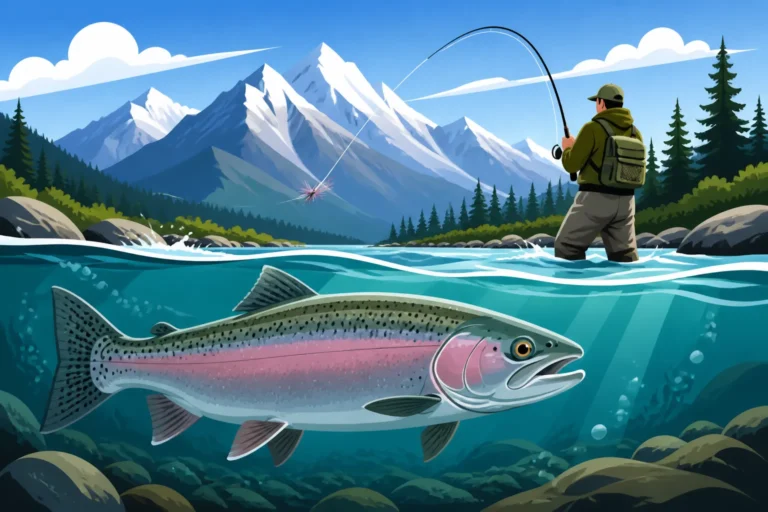
Southeast Alaska is home to a number of excellent steelhead rivers, though pinpointing their exact locations and timing can be a closely guarded secret among local experts. Rivers like the Situk River (which also boasts fantastic salmon runs) are famous for their strong steelhead returns, particularly in the spring (March-May) and again in the fall (September-November). Steelhead are notoriously challenging to catch, often requiring persistence, stealth, and precise fly presentations or careful spin fishing techniques. Popular methods include swinging flies, drifting egg imitations, or using small, brightly colored lures. Catching a chrome-bright steelhead fresh from the ocean is an unforgettable experience, but it’s important to remember that these majestic fish are often managed as catch-and-release only in many areas to protect their fragile populations. Always consult the latest Alaska Steelhead Catch-and-Release Rules before you head out.
Planning Your Southeast Alaska Fishing Adventure
Planning a trip to Southeast Alaska requires a bit of forethought, but the rewards are well worth the effort. From choosing how you'll fish to what you'll wear, every detail contributes to a successful and enjoyable adventure in this wild landscape.
Choosing Between Guided Charters and DIY Adventures
One of the first big decisions you'll face is whether to go with a guided fishing charter or attempt a do-it-yourself (DIY) trip. Both have their merits, and the best choice often depends on your budget, experience level, and desired independence.
Guided charters are often the preferred option for many visitors, especially first-timers to Alaska. A good charter captain provides invaluable local knowledge, knowing exactly where the fish are biting, what techniques to use, and how to navigate unfamiliar waters safely. They typically supply all the necessary gear, bait, and often even rain gear, making it a hassle-free experience. Plus, many charters include fish processing, filleting, and packaging your catch, which is a huge convenience. For offshore species like halibut and lingcod, a guided charter is almost essential for safety and efficiency. It allows you to relax and focus purely on the fishing. If you're looking for a hassle-free way to explore the options, platforms like FishingBooker list numerous reputable charters across Southeast Alaska, detailing their offerings and availability. For more guidance, our article on How to Choose an Alaska Fishing Charter can provide excellent insights.
DIY adventures, on the other hand, offer unparalleled freedom and can be more budget-friendly if you have your own gear and transportation. This is more feasible for freshwater fishing or bank fishing for salmon in easily accessible areas near communities like Juneau or Ketchikan. You'll need to be self-sufficient, capable of reading regulations, understanding local conditions, and bringing all your own equipment. While challenging, the sense of accomplishment from a successful DIY trip can be incredibly rewarding. It's crucial to research thoroughly, acquire the right maps, and understand the potential hazards of the Alaskan wilderness, including bear safety.
Logistics: Licenses, Gear, and What to Pack
No matter how you choose to fish, a few logistical steps are absolutely critical. First and foremost, you must obtain an Alaska Fishing License: Complete Guide. Non-residents will need to purchase the appropriate license for the duration of their trip (1-day, 3-day, 7-day, 14-day, or annual). If you plan to target King Salmon, remember that a separate Do You Need a King Salmon Stamp in Alaska is often required, depending on your residency and the specific area. You can purchase licenses online through the Alaska Department of Fish and Game website or from numerous vendors once you arrive.
When it comes to gear, layers are your best friend in Southeast Alaska. The weather can change rapidly, often cycling through sunshine, rain, and cool temperatures in a single day. Waterproof and windproof outer layers are non-negotiable. Think high-quality rain gear (jacket and pants), waterproof boots, and moisture-wicking base layers. Even in summer, temperatures can be cool, especially on the water. For DIY anglers, bringing your own rods, reels, and tackle specific to the species you're targeting is essential. Charters almost always provide all the fishing equipment, but it's wise to confirm this when booking. Don't forget essentials like polarized sunglasses, a brimmed hat, sunscreen, insect repellent, and a good camera to capture those memories.
Timing Your Trip: Understanding Salmon Runs and Seasons
Timing is everything in Alaska fishing. The peak fishing seasons for various species in Southeast Alaska generally fall between May and September, but specific runs vary by month and even by river system.
- King Salmon: The prime time for King salmon (Chinook) in Southeast Alaska typically runs from mid-May through mid-July, with some earlier spring runs and later fall runs in specific locations.
- Sockeye Salmon: While not as abundant in saltwater in Southeast as in some other regions, Sockeye salmon are targeted in freshwater during their spawning migrations, usually peaking in late June and July.
- Coho Salmon: Coho (Silver) salmon fishing heats up in late July and August, continuing strong into September, offering fantastic action on both saltwater and freshwater.
- Pink Salmon: The most numerous salmon, Pink salmon, have strong runs every other year (odd-numbered years are typically the largest), peaking in August. They provide excellent action for all skill levels.
- Chum Salmon: Chum salmon runs generally overlap with Pinks, peaking in July and August, and are known for their powerful fights.
- Halibut & Bottom Fish: Halibut fishing is excellent throughout the summer months, from May through September, with consistent action in cooler waters. Lingcod and various rockfish are also readily available during this period.
It's vital to remember that these are general guidelines, and actual run timing can vary annually based on environmental factors. Always consult the latest Alaska Salmon Run Timing Explained and local forecasts closer to your travel dates.
Navigating Southeast Alaska's Waters and Regulations
Fishing in Alaska isn't just about catching fish; it's about respecting the incredible natural resources and understanding the rules that protect them. The vastness of the region means regulations can be complex, and conditions can change quickly.
Understanding Local Regulations and Emergency Orders
Alaska's fishing regulations are managed by the Alaska Department of Fish and Game (ADF&G) and are designed to sustain healthy fish populations. These regulations are not static; they change frequently, sometimes even in the middle of a season, through emergency orders. This is particularly true for King salmon, which are closely monitored. It is YOUR responsibility as an angler to know and follow all current rules.
Before you head out, always consult the most up-to-date Alaska Fishing Regulations Explained booklet, available online and at local license vendors. Pay close attention to bag limits, possession limits, size restrictions, gear restrictions (e.g., single-hook rules, bait restrictions), and seasonal closures for the specific species and region you plan to fish. Southeast Alaska is divided into several regulatory areas, each with its own nuances. For instance, the King salmon annual limit for non-residents is often restricted to a certain number of fish per season, not just per day. Furthermore, emergency orders can open or close fisheries, modify bag limits, or impose new restrictions with very little notice. Make it a habit to check the ADF&G website or local offices for Alaska Fishing Emergency Orders Explained right before and even during your trip. Knowing the rules not only keeps you legal but also contributes to the conservation of these precious fisheries for future generations.
Respecting the Environment and Wildlife
Fishing in Southeast Alaska means immersing yourself in true wilderness, and with that comes a responsibility to respect the environment and its wildlife. The Tongass National Forest is home to a robust population of brown and black bears, which are often drawn to salmon streams. Practicing proper bear safety is paramount. Always store food and fish scraps securely, carry bear spray and know how to use it, and make noise while hiking to avoid surprising a bear. Never approach bears or other wildlife.
Beyond wildlife, practicing "Leave No Trace" principles is essential. Pack out everything you pack in, including all trash, fishing line, and other refuse. Avoid disturbing sensitive habitats, and if practicing catch-and-release, do so responsibly: handle fish gently with wet hands, minimize their time out of water, and use appropriate gear to reduce harm. Understanding Alaska Catch-and-Release Best Practices ensures fish have the best chance of survival. This pristine environment is a privilege to experience, and it's up to all of us to keep it that way. Fishing in Alaska is more than just a sport; it's a deep connection to a wild and vibrant ecosystem that deserves our utmost respect.
Disclaimer
Please remember that fishing regulations in Alaska can change frequently. Always consult the latest Alaska Department of Fish and Game regulations and emergency orders before you head out on your fishing adventure. This guide is for informational purposes only and does not constitute legal advice regarding fishing regulations.