Alaska Subsistence Fishing Rules
Navigating the intricate world of Alaska fishing regulations can feel like trying to untangle a hundred different fishing lines all at once, especially when it comes to something as culturally significant and distinctly Alaskan as subsistence fishing. Many folks, even long-time residents, find themselves scratching their heads, wondering about the nuanced differences between sport, personal use, and true subsistence fisheries, and frankly, it's not always straightforward. This comprehensive guide is here to unravel those complexities, providing a clear roadmap through the specific rules and requirements for Alaska subsistence fishing, ensuring you understand how to participate legally and respectfully in this vital tradition.
Understanding the Foundation of Alaska Subsistence Fishing
The concept of subsistence in Alaska isn't just a legal term; it's a way of life, deeply rooted in the history and culture of the state's residents, particularly Indigenous communities. It acknowledges that for many, hunting and fishing aren't merely recreational pursuits but essential activities for putting food on the table, preserving cultural practices, and maintaining community well-being. This unique recognition shapes how these fisheries are managed and regulated, often setting them apart from sport and commercial activities.
What Exactly is Subsistence Fishing?
At its core, subsistence fishing in Alaska refers to the customary and traditional uses of wild fish and other renewable resources for direct personal or family consumption, sharing with others, and customary trade. It's about providing for basic needs rather than engaging in a sport or making a profit. Think about families gathering salmon for drying, smoking, and canning to last through the long winter months, or communities sharing their catch as part of a traditional potlatch. It’s this deep connection to sustenance and cultural heritage that distinguishes it from other forms of fishing.
Unlike sport fishing, where the primary motivation is recreation or trophy seeking, or personal use fishing which shares some similarities but typically has broader participation and different limits, subsistence fishing is explicitly defined by its purpose. The Alaska Department of Fish and Game (ADF&G) and federal agencies like the U.S. Fish and Wildlife Service carefully define what constitutes "customary and traditional use" to ensure these resources are managed sustainably for those who truly depend on them. It's a system designed to prioritize local residents who rely on these resources for their survival and cultural identity. The fish harvested aren't generally sold for profit, though some traditional bartering or sharing is allowed, reflecting age-old practices.
Who Qualifies for Subsistence Fishing in Alaska?
This is where things can get a little tricky, as qualification depends heavily on location and whether state or federal regulations apply. Generally speaking, subsistence fishing is primarily reserved for Alaska residents who meet specific criteria related to their community of residence and historical reliance on these resources. It's not a free-for-all; it's a carefully managed system.
For state-managed subsistence fisheries, the general requirement is that you must be an Alaska resident. However, the exact rules for specific fisheries, especially those for salmon, often designate certain communities as "subsistence priority users" based on historical patterns of reliance. For instance, residents of rural areas often have priority access to subsistence resources over urban residents, reflecting the greater dependence of rural communities on wild foods. There are strict rules about how you obtain and use these permits, and they are usually specific to certain areas and species.
Under federal subsistence regulations, which apply on federal public lands and waters, the definition is even more stringent. You generally must be a rural Alaska resident to qualify for federal subsistence privileges. This distinction between "rural" and "non-rural" is a critical dividing line that often causes confusion and sometimes contention, but it's designed to protect the most vulnerable and dependent users of these resources. It's not uncommon for federal regulations to exist side-by-side with state rules, creating a complex web that anglers need to understand. Knowing whether you need an Alaska Fishing License: Complete Guide or a specific subsistence permit is crucial before dropping a line.
The Regulatory Framework: State vs. Federal Rules
Alaska's unique land ownership and governance structure mean that fishing regulations aren't always cut-and-dried. You'll often find yourself navigating a dual management system where both state and federal agencies have a say, especially concerning subsistence fishing. This can be a significant source of confusion for even seasoned Alaskans, let alone visitors.
Navigating the Dual Management System
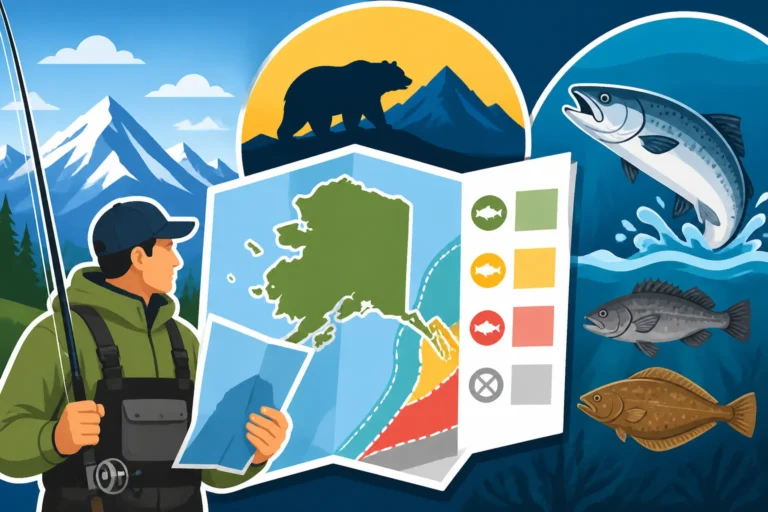
Imagine two different captains trying to steer the same ship – that's often what it feels like with state and federal oversight of Alaska's natural resources. The Alaska National Interest Lands Conservation Act (ANILCA) of 1980 established a federal subsistence priority for rural residents on federal lands and waters within Alaska. This means that if you're fishing on a river that flows through a national park, a national wildlife refuge, or other federally designated lands, federal subsistence rules might apply instead of, or in addition to, state regulations. The key distinction is usually the location of the fishery and the residency of the angler.
The state of Alaska, through the Alaska Department of Fish and Game (ADF&G), manages sport, commercial, and personal use fishing throughout the state, and also has its own system for subsistence fishing for all residents. However, when federal lands and waters are involved, the federal government (through agencies like the U.S. Fish and Wildlife Service, National Park Service, and Bureau of Land Management) takes over the management of subsistence activities for rural residents to ensure the ANILCA priority is upheld. This can lead to different bag limits, seasons, and gear restrictions depending on whether you're under state or federal jurisdiction at that specific moment. It's not uncommon for a river section to be under federal management, while a section just downstream is state-managed. Anglers must be diligent in understanding these boundaries. You can learn more about the broader rules in our guide to Alaska Fishing Regulations Explained.
Key Differences and Why They Matter
The differences between state and federal subsistence rules are not just bureaucratic nuances; they have real-world impacts on who can fish, when, where, and how much they can harvest. The most significant distinction, as mentioned, is often the rural residency requirement for federal subsistence programs. While the state of Alaska offers subsistence opportunities to all Alaska residents (though often prioritizing local, rural communities through specific permits), the federal system is explicitly designed for rural residents only. This means that an Anchorage resident, for example, might qualify for a state subsistence permit in certain areas but would not qualify for federal subsistence harvest on federal lands.
Another critical difference often lies in gear restrictions and harvest limits. Federal rules, in an effort to ensure the subsistence priority, might allow for different gear types, like larger gillnets or longer seasons, than state regulations on adjacent waters. For example, federal regulations might allow certain traditional fishing methods or types of gear, like larger dip nets or longer gillnets in some areas, that might be restricted or have different specifications under state personal use or sport fishing rules. Understanding which set of rules applies to your specific fishing location is paramount to avoiding unintentional violations. This dual system can be complex, and always checking current regulations for the specific area you plan to fish is the only way to be sure you're compliant. This is especially true when considering the nuances between Alaska Sport Fishing vs Personal Use regulations.
Here's a simplified table comparing some key aspects:
| Feature | State Subsistence Regulations | Federal Subsistence Regulations |
|---|---|---|
| Applicability | All Alaska residents (specific permits often prioritize local/rural communities) | Rural Alaska residents ONLY |
| Jurisdiction | State waters and lands (non-federal) | Federal public lands and waters (e.g., National Parks, Refuges) |
| Primary Goal | Customary & traditional use for personal/family consumption, sharing | Priority for customary & traditional use by rural residents |
| Permit Types | Often specific permits for areas/species (e.g., Kenai River personal use dipnet) | Federal Subsistence Permits, specific to game units and species |
| Gear Allowed | Varies by fishery, may include dip nets, gillnets, rod & reel, spears | Varies by fishery, often includes traditional methods, may differ from state gear rules |
| Reporting | Required for most permits (e.g., harvest card, online reporting) | Required, often through federal harvest tickets/cards |
Essential Permits, Harvest Cards, and Reporting
Engaging in subsistence fishing in Alaska isn't a casual affair; it requires careful adherence to permitting and reporting procedures. These steps are crucial for the sustainable management of Alaska's precious fish resources, ensuring that traditions can continue for generations to come. Skipping these steps, even accidentally, can lead to serious consequences.
Specific Permits for Subsistence Fisheries
Depending on the species you're targeting and the specific location, you'll likely need to acquire a specific permit for subsistence fishing. These aren't just your standard sport fishing licenses, though sometimes you might need both. Many subsistence fisheries operate under specific, area-based permits designed to control harvest and monitor participation. For example, in Southcentral Alaska, highly popular fisheries like the Kenai River or Chitina dipnet fisheries operate under specific ADF&G personal use permits, which share many characteristics with subsistence permits and are often used by residents for subsistence purposes. You’ll definitely want to know about Alaska Dip Netting Regulations if you're heading to these spots.
These permits are typically free for qualified residents but come with detailed instructions on harvest limits, reporting requirements, and valid fishing periods. They might be issued for specific species, such as salmon or herring, and often stipulate the precise type of gear allowed (e.g., dip nets of a certain size, gillnets with specific mesh dimensions). For federal subsistence fisheries on federal lands and waters, you'll often need a Federal Subsistence Permit, which is separate from any state license or permit. These are usually obtained from federal land managing agencies like the U.S. Fish and Wildlife Service or the National Park Service. Always confirm which permits are necessary for your intended fishing location and target species. Local field offices or the ADF&G website are your best resources for up-to-the-minute details.
The Importance of the Alaska Harvest Record Card
Beyond specific permits, many subsistence fisheries, much like sport fisheries for certain species, require the use of an Alaska Harvest Record Card Explained. This card is a vital tool for resource managers to track harvest levels and ensure that bag and annual limits are not exceeded. For species like King Salmon, which are often subject to highly conservative management due to conservation concerns, recording your catch is absolutely non-negotiable.
When you obtain a fishing license or a specific subsistence permit, you'll often receive a physical or digital harvest record. For King Salmon in particular, you'll need to immediately record the fish upon retention, noting the date, location, and often clipping a fin or punching a hole in the permit itself. This helps prevent "double dipping" or exceeding annual limits. The detailed information you provide when you fill out an How to Fill Out an Alaska Harvest Record Card is critical for biologists. Without accurate data, it's incredibly difficult to make informed decisions about seasons and limits, which could ultimately lead to closures or more restrictive regulations for everyone. Don't forget that many permits also require you to report no harvest if you didn't catch anything, so failing to report at all is still considered a violation. It’s not just King Salmon that needs recording; understanding Which Fish Must Be Recorded in Alaska is key. Keep a waterproof pen handy or even a small, waterproof notebook to jot down your details if you're out on the water. Many anglers keep a specific pen attached to their permit or a small Sharpie from Amazon in their tackle box, just for this purpose.
Common Subsistence Fishing Methods and Restrictions
Subsistence fishing in Alaska often utilizes methods and gear types that reflect traditional practices and the efficient harvesting of large numbers of fish for sustenance. However, these methods come with their own specific set of regulations, and not all gear types are allowed in all areas or for all species. Misunderstanding these rules can lead to wasted effort, confiscated gear, and hefty fines.
Dip Netting and Gillnetting Regulations
Dip netting is arguably one of the most iconic subsistence-style fishing methods in Alaska, particularly for Sockeye Salmon. Fisheries like the Kenai River and Chitina draw thousands of Alaskans each summer, all eager to fill their freezers. Dip nets typically consist of a large net bag attached to a rigid frame, often with a long handle, used to scoop salmon directly out of the river. However, the regulations surrounding dip netting are very precise. For example, in the famous Alaska Kenai Dip Netting Rules fishery, there are specific size limits for the dip net frame and mesh, and rules about where and when you can legally deploy your net. Anglers cannot actively pursue fish; rather, the net is typically held stationary in the current, or swept in specific areas. Understanding these nuances is crucial for legal harvest.
Gillnetting is another traditional and highly effective method used in many subsistence fisheries, particularly in more remote and rural areas. A gillnet is a wall of netting that hangs vertically in the water, designed to entangle fish by their gills as they try to pass through. Like dip nets, gillnets are subject to extremely strict regulations regarding their length, depth, mesh size, and deployment locations. These rules are put in place to ensure selective harvesting and prevent overfishing, especially of non-target species. In many areas, gillnets must be attended at all times, meaning someone must be present to check the net regularly to remove fish and release any unintended catch. The Alaska Chitina Dip Netting Regulations also highlight the regional variations in how these methods are regulated. It’s not a one-size-fits-all approach.
Other Allowed Gear and Species-Specific Rules
While dip nets and gillnets are prominent, other gear types are also permitted in various subsistence fisheries. Traditional methods like fish wheels, which passively catch fish as they swim upstream, are utilized in some interior and western Alaska river systems. Beach seines, long nets deployed from shore and pulled in, are also used in certain coastal subsistence fisheries. However, the availability and legality of these methods are highly localized and depend on specific emergency orders and fishery management plans.
Beyond the gear, species-specific rules dictate not only how you can fish but also what you can keep. For instance, while salmon are a primary target, other species like Pacific cod, herring, or even crab might have specific subsistence seasons and methods. Lingcod, for example, have very particular size and retention rules, regardless of the fishing intent. You won't find one blanket rule covering all subsistence activities. The details are always in the fine print of the regional and species-specific regulations. Many fisheries, especially those for salmon, also have explicit rules about releasing spawned-out or diseased fish, and the ethical treatment of your catch. Ensure your gear, such as a sturdy knife and vacuum sealer (many reliable options can be found on Amazon), is ready to properly process your catch once retained.
Regional Variations and Fishery-Specific Rules
Alaska is a vast state, and its diverse geography and ecological systems mean that subsistence fishing rules are far from uniform. What's legal and customary in Southeast Alaska might be completely unheard of or illegal in the Interior. Understanding these regional differences is absolutely critical for any angler venturing into subsistence fisheries. It's not enough to know the general principles; you need to dig into the local details.
Kenai Peninsula and Southcentral Alaska Considerations
The Kenai Peninsula and the broader Southcentral region, including areas around Anchorage, Valdez, and Seward, are home to some of the most accessible and heavily utilized subsistence-style fisheries, though many are legally classified as "personal use" fisheries by the state. The Kenai River, for instance, is famous for its massive Sockeye Salmon runs, attracting thousands of residents each summer with their dip nets. While technically a personal use fishery, the intent for many participants is undeniably subsistence – filling freezers for the winter.
Regulations here are incredibly dynamic and often change with little notice via emergency orders. These orders can alter opening and closing dates, bag limits, and even gear restrictions based on real-time fish escapement numbers. For example, a strong Sockeye run might see expanded fishing hours, while a weak King Salmon return could lead to closures or bait restrictions. The Alaska Sockeye Salmon Limits on the Kenai are a prime example of how these limits are carefully managed. Residents from Anchorage, the Mat-Su Valley, and other nearby urban areas frequently participate, highlighting the broad importance of these fisheries. Always check the ADF&G website or local offices for the latest announcements before heading out. Having a plan B, or being flexible with your target species, is often a good strategy here, as conditions can change overnight.
Interior and Western Alaska Specifics
Moving into the vast Interior and Western regions of Alaska, the nature of subsistence fishing often shifts dramatically. Here, populations are generally much smaller and more dispersed, and reliance on local resources is often even more profound. Rivers like the Yukon and Kuskokwim are lifelines for many communities, and subsistence fishing for salmon, Sheefish, and other species is central to their cultural and economic survival.
In these areas, federal subsistence regulations frequently play a more prominent role, particularly on federal lands and waters. You'll encounter different traditions and different gear types. Fish wheels, for instance, are commonly used in the Interior. Gillnets might have different dimensions or deployment rules compared to coastal fisheries. Furthermore, the species targeted can vary significantly. While salmon are universal, species like Sheefish, whitefish, and Arctic Grayling take on greater importance in interior river systems. Understanding the specific Alaska Fishing Regulations by Region is absolutely paramount. Local knowledge is invaluable here, and engaging with community members or local tribal councils can offer insights beyond official regulations, ensuring you respect local customs and practices. It's also worth noting that many of these remote fisheries are less accessible by road, meaning residents often rely on ATVs, boats, or even small aircraft to reach their fishing sites, making logistics an even bigger part of the planning process.
Avoiding Violations and Ensuring Sustainable Practices
No one wants to break the rules, especially when it comes to something as important as putting food on the table for your family. Unfortunately, subsistence regulations can be complex, and inadvertent violations do happen. Understanding common pitfalls and embracing the spirit of conservation are key to ensuring a sustainable future for these vital fisheries.
Understanding Common Pitfalls and Fines
One of the most frequent reasons for Alaska Fishing Violations and Fines in subsistence and personal use fisheries is simply not knowing or understanding the current regulations. Emergency orders, which can change seasons, limits, or gear restrictions, are often overlooked. Anglers might unknowingly fish during a closed period, exceed their bag limit, or use illegal gear. It's not uncommon for enforcement officers from ADF&G or federal agencies like the U.S. Fish and Wildlife Service to conduct patrols, and ignorance of the law is never an excuse.
Another common pitfall is improper recording of harvested fish, particularly for species that require immediate logging on a harvest card, such as King Salmon. Failing to record a King Salmon or clipping the wrong part of the permit can result in a violation. Misidentifying species is also a problem; accidentally keeping a King Salmon when the fishery is open only for Sockeye can lead to fines and forfeiture of your catch. The consequences of violations range from warnings and confiscation of gear to significant monetary fines, and even jail time for severe offenses. For non-residents trying to navigate these waters, knowing the Alaska Non-Resident Fishing License Guide is critical, as subsistence opportunities are generally not open to them. Always double-check current regulations, consult local guides or experienced anglers, and when in doubt, call ADF&G or the relevant federal agency. Keep a printed copy of the regulations, or at least the relevant pages, with you. A small, waterproof case from Amazon for your permits and regulations can save you a lot of grief.
The Spirit of Subsistence and Conservation
Beyond the letter of the law, true subsistence fishing in Alaska embodies a deep respect for the resource and a commitment to conservation. It's about taking only what you need, minimizing waste, and ensuring that future generations will also have access to these vital food sources. The regulatory framework, with its strict limits and reporting requirements, is designed to support this spirit of sustainability.
This means practicing responsible fishing techniques, whether it's using the correct barbless hooks where required or understanding proper catch-and-release methods if you accidentally hook a non-target species in a sport fishery that has harvest rules similar to subsistence. It means avoiding unnecessary disturbance to spawning areas and being mindful of your impact on the ecosystem. For many Alaskans, subsistence isn't just a right; it's a responsibility. It's a connection to the land and water that runs deeper than any recreational pursuit. Participating in subsistence fisheries means you're part of a tradition that prioritizes the long-term health of Alaska's fish populations, ensuring they continue to thrive for all who depend on them.
Disclaimer
The information provided in this guide is for general informational purposes only and does not constitute legal advice. Alaska fishing regulations, especially those pertaining to subsistence, are complex and subject to frequent changes by emergency order. It is the responsibility of each individual angler to consult the most current Alaska Department of Fish and Game regulations and any applicable federal regulations for the specific area and species they intend to fish before engaging in any fishing activity. Failure to do so may result in fines or other penalties.