Alaska Ship Creek Snagging Rules
For many visitors and even seasoned Alaskans, the allure of fishing right in the heart of Anchorage at Ship Creek is undeniable. However, the excitement of reeling in a King or Silver salmon so close to the city often comes with a bit of head-scratching over the highly specific and frequently updated snagging rules. It can be incredibly frustrating to plan a trip, only to realize you’re unsure if your preferred technique is even legal. This comprehensive guide will untangle the complexities of Alaska Ship Creek snagging rules, helping you understand when, where, and how you can legally participate in this unique urban fishery.
Understanding Ship Creek's Special Status in Alaska Fishing
Ship Creek isn't just any fishing spot; it's a truly unique urban fishery nestled right beside downtown Anchorage, a stone's throw from the city lights and bustling port. This immediate accessibility is a massive draw, offering residents and tourists alike a chance to catch impressive salmon without venturing deep into the wilderness. But this popularity also brings its own set of challenges, leading to very particular and often restrictive regulations designed to manage heavy fishing pressure and ensure sustainable salmon runs.
The Appeal of Urban Salmon Fishing
Imagine stepping off a plane at Ted Stevens Anchorage International Airport, checking into your hotel, and within an hour, you're casting a line into a productive salmon stream. That's the magic of Ship Creek. It’s a place where you can see anglers in business attire making a quick cast before work, or families enjoying a sunny afternoon trying their luck. This convenience, however, means a lot of eyes are on the water, and a lot of hooks are in the water. The Alaska Department of Fish and Game (ADF&G) has to walk a delicate balance between providing a recreational opportunity and protecting the resource. Unlike more remote rivers, enforcement and public education about regulations are constant here.
Why Regulations are So Specific at Ship Creek
The sheer number of anglers and the fluctuating salmon returns mean that Ship Creek's rules are some of the most dynamic in the state. Historically, Ship Creek has been known for its King salmon returns in late May and June, followed by Silver salmon later in the summer. When salmon enter a river system like Ship Creek, especially in its lower reaches, they often lose their aggressive feeding behavior as they focus on spawning. This makes them less likely to strike a traditional lure or bait, leading to the controversial, yet sometimes necessary, allowance of snagging in designated areas. These special rules are a pragmatic response to the biological reality of salmon behavior and the intense demand for a fishing opportunity. You'll find that understanding these nuances is crucial, as the rules can shift dramatically, sometimes overnight, via emergency orders, which we'll discuss later. For a broader overview of how regulations work, you might want to read our guide on Alaska Fishing Regulations Explained.
The Ins and Outs of Snagging Legally in Ship Creek
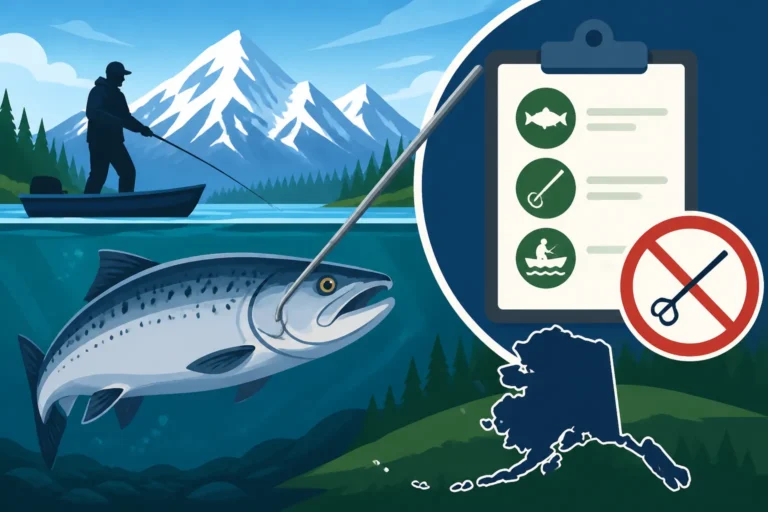
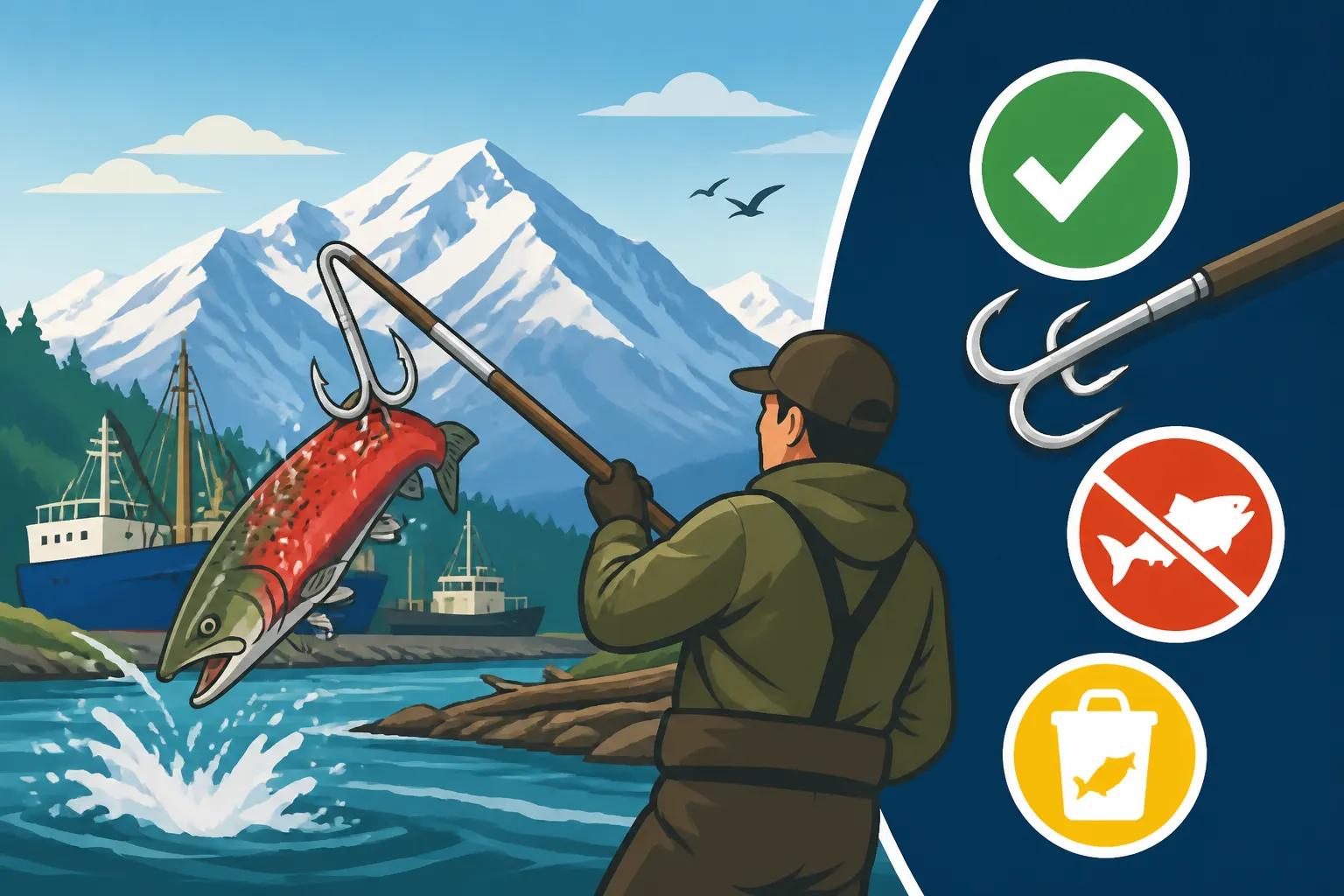
Snagging, also known as foul hooking, refers to the act of catching a fish with a hook in any part of its body other than the mouth. While generally frowned upon and illegal in most Alaskan sport fisheries, it is permitted in specific "terminal harvest" areas of Ship Creek during certain periods. This allowance is a contentious topic among anglers, but it's a management tool designed to allow harvest of fish that would otherwise be difficult to catch by traditional means, often due to high concentrations of non-biting, spawning-phase fish.
Defining "Terminal Harvest Area" and What It Means for Snagging
A "terminal harvest area" is a section of a river or stream where fish are concentrated near hatcheries or barriers, and managers decide that nearly all fish entering that area are destined for harvest, either by anglers or for broodstock. In these zones, regulations are often relaxed to maximize public opportunity to catch fish. For Ship Creek, the primary terminal harvest area for snagging is typically located downstream of the Chugach Powerhouse, extending to the mouth of the creek.
Here’s a breakdown of the typical allowances, though remember, these are subject to change:
- King Salmon (Chinook): Snagging for Kings is usually permitted during specific windows in late May and June. It's often restricted to the terminal harvest area from the white markers downstream of the Chugach Powerhouse to the mouth. This window is often quite narrow and can close early if conservation concerns arise or harvest goals are met. For detailed information on specific limits and seasons, check out our article on Alaska King Salmon Fishing Regulations and Limits.
- Silver Salmon (Coho): Silver salmon runs typically arrive later in the summer, generally from July through September. Snagging for Silvers is also usually allowed in the same terminal harvest area, but the season and bag limits will differ from Kings. If you're targeting Silvers, understanding Alaska Coho Salmon Fishing Regulations and Limits is key.
- Other Species: For species like Rainbow Trout or Dolly Varden, snagging is almost universally illegal. If you accidentally foul-hook one of these, or any salmon outside of a designated snagging area and season, it must be immediately released without removing it from the water.
Legal Gear and Techniques for Snagging
Even when snagging is permitted, there are rules about how you can do it. You can't just use any old hook and technique. The regulations are very specific to minimize incidental mortality of other species or sub-legal fish.
- Hook Type: In designated snagging areas, multi-point hooks (like treble hooks) are often permitted. These hooks are designed to maximize the chance of foul-hooking a fish. The size of the hook may also be specified, so always check the current regulations booklet.
- Weight: Anglers commonly use heavy lead weights to get their gear down quickly in the fast current. These weights, often an ounce or more, are crucial for proper presentation. You can find a good selection of weights and heavy-duty tackle on Amazon, which many local anglers use to stock up before the season.
- Line and Rod: Heavy-duty spinning or baitcasting gear is essential. We're talking about rods rated for 15-30 lb test line or more, paired with reels spooled with 40-60 lb braided line. You need robust equipment to withstand the force of casting heavy weights and to muscle a large salmon out of the current without snapping your line or breaking your rod. Brands like Ugly Stik or a sturdy Penn rod are popular choices for this kind of rigorous fishing.
- Technique: The typical snagging technique involves casting your heavy rig upstream and across the current, letting it sink to the bottom, and then aggressively sweeping or ripping your rod downstream to try and hook a fish as it passes. It requires a lot of physical effort and can be quite a workout, especially on a busy day.
It's critical to distinguish between legal snagging in the terminal harvest area and accidentally foul-hooking a fish in an area where snagging is prohibited. If you're fishing in a non-snagging zone and a fish is hooked anywhere other than the mouth, it's considered foul-hooked and must be released immediately. Failure to do so can result in serious penalties, including fines and the loss of your catch and gear.
Gear and Practical Tips for Successful Ship Creek Snagging
Stepping onto the banks of Ship Creek during a salmon run, especially when snagging is open, is an experience unlike any other. It’s often referred to as "combat fishing" due to the close quarters and competitive atmosphere. Having the right gear and understanding a few practical tips can make all the difference in your success and enjoyment.
Essential Gear for the Ship Creek Angler
When you're preparing for a snagging adventure at Ship Creek, thinking about robust, reliable equipment is paramount. You're not delicate fly fishing here; you're dealing with powerful salmon and heavy gear in a crowded environment.
- Heavy-Duty Rod and Reel Combo: As mentioned, you need strength. A stout 8-10 foot spinning rod with a fast action, capable of handling 2-6 ounce weights, is ideal. Pair this with a durable reel that can hold at least 200 yards of 50-60 lb braided line. Many anglers swear by brands like Shimano or Daiwa for their reliable drag systems and robust construction. A quality setup ensures you can cast repeatedly and handle the fight of a strong King salmon.
- Strong Fishing Line: Braided line is almost universally preferred for snagging due to its minimal stretch and high strength-to-diameter ratio. This allows for better feel and more direct hooksets. Monofilament or fluorocarbon leaders might be used for abrasion resistance, but the main line will be braid. Check for reputable brands like PowerPro or Berkley that offer high breaking strength lines that can stand up to the challenge. These are readily available on Amazon or at local sporting goods stores like Cabela's in Anchorage.
- Treble Hooks and Weights: Your terminal tackle is where the magic happens. Look for strong, sharp treble hooks, typically sizes 4/0 to 6/0, designed to withstand the pressure of a fish hooked on the body. You’ll also need an assortment of lead weights, ranging from 1 to 3 ounces, to adapt to varying current speeds and depths. Having a good supply is wise, as snags on the bottom are common.
- Waders and Rain Gear: Alaska weather is famously unpredictable, even in Anchorage. Good quality chest waders and a waterproof rain jacket are non-negotiable. You'll be standing in or near the water, and a sudden downpour can quickly turn a fun day into a miserable one if you're not prepared. Brands like Simms or Grundéns are popular among serious Alaskan anglers for their durability.
- Landing Net or Gaff: Once you've got a salmon to the bank, you'll need a way to land it safely and legally. A large, sturdy landing net with a deep basket is excellent for Silvers, while a short-handled gaff is often preferred for Kings due to their size and power. Remember to check regulations on gaff use, as some areas may restrict them.
- Cooler and Fish Bag: You're there to catch fish and take them home! A good cooler filled with ice is essential to preserve your catch. Many anglers also bring large, heavy-duty fish bags or insulated totes to transport their salmon from the creek to their vehicle without making a mess.
Practical Snagging Techniques and Etiquette
Snagging effectively at Ship Creek is as much about technique as it is about gear. Beyond that, understanding the local etiquette is vital for a smooth experience.
- The "Rip and Sweep" Method: The most common technique involves casting your heavy weight and treble hook rig upstream and slightly across the current. Allow it to sink to the bottom. Once it's settled, you'll make aggressive, sweeping motions with your rod, often combined with a quick retrieve of line, to "rip" the hooks through the water column, hoping to catch a fish. It's a rhythmic, physical technique. The goal is to cover as much of the water column as possible where the salmon are holding.
- Staying Mobile (When Possible): While it's "combat fishing," don't be afraid to move if your spot isn't producing. Salmon move in schools, and what's dead water one moment can be hot the next. Observe other anglers; if someone starts catching fish, it might be worth trying to get closer (respectfully, of course).
- Respecting Your Neighbors: Ship Creek can get incredibly crowded. Always be mindful of other anglers. Avoid casting over someone's line, and if you hook a fish, try your best to fight it without tangling other people's gear. A simple "Fish on!" can go a long way to alert those around you. Patience and courtesy are your best tools in a crowded environment.
- Checking Emergency Orders: This cannot be stressed enough. Alaska fishing regulations, especially for urban and heavily managed fisheries like Ship Creek, can change with little notice. An emergency order might close a King salmon season prematurely, alter bag limits, or even change the allowed gear. Always check the ADF&G website or local offices for the latest Alaska Fishing Emergency Orders Explained before you head out. This proactive step can save you a lot of grief and ensure you're fishing legally. You can learn more about How to Check Alaska Emergency Orders Before Fishing in our detailed guide.
- Fish Processing: Once you've caught your fish, know the rules for processing. If you catch a King salmon, you’ll need to punch your Alaska Harvest Record Card Explained immediately and accurately. Many anglers will bleed their salmon right on the bank to improve meat quality. Then, it's into the cooler for transport. Some local fish processing facilities near Anchorage can clean, fillet, vacuum seal, and even ship your catch home, which is a huge convenience for visitors.
Navigating Regulations and Staying Compliant
Fishing in Alaska, particularly in a high-profile spot like Ship Creek, means you are constantly under the watchful eye of the ADF&G. Ignorance of the rules is never an excuse, and violating them can lead to significant consequences. Being informed and diligent is the best way to ensure your fishing trip is both successful and trouble-free.
The Importance of Current Regulations and Emergency Orders
The dynamic nature of Alaska's fisheries management, especially for valuable species like King and Silver salmon, means that regulations are not static. What was legal last week might not be legal today. ADF&G constantly monitors salmon runs, escapement goals, and harvest rates. If a run is weaker than expected, or if harvest limits are quickly met, an emergency order can be issued to close a fishery, reduce bag limits, or restrict gear types.
For Ship Creek, this is particularly true. The "snagging allowed" periods for both King and Silver salmon are often relatively short and dependent on the health of the run. Always, and I mean always, check the latest regulations before you go. This means consulting the current year's How to Read the Alaska Sport Fishing Regulations Booklet and looking up any active emergency orders on the ADF&G website or through their hotline. Many local fishing shops in Anchorage will also have up-to-date information posted. This vigilance ensures you're not caught off guard, potentially risking a citation.
Recording Your Catch: The Harvest Record Card
One of the most critical aspects of compliance, especially when targeting King salmon, is accurately filling out your Alaska Harvest Record Card. This card is usually attached to your Alaska Fishing License: Complete Guide when you purchase it. It serves as a vital tool for ADF&G to track harvest data and manage fish populations.
- King Salmon: Any King salmon caught and retained in Alaska that measures 20 inches or more must be immediately recorded on your harvest card. This means punching out the day and month of capture. If you catch multiple Kings, each one must be recorded individually. This regulation is strictly enforced, and failure to record a King salmon can result in fines. Our guide on How to Record a King Salmon in Alaska provides a step-by-step walkthrough.
- Other Species: While not all species require immediate recording on the card, it’s good practice to familiarize yourself with what does. For Ship Creek, the primary concern will be Kings. For other species, simply adhering to the daily bag and possession limits is sufficient.
- Why It Matters: The data collected from harvest cards is crucial for ADF&G biologists. It helps them assess the total harvest, compare it against escapement goals (the number of fish that make it to spawning grounds), and make informed management decisions, including whether to open or close fisheries via emergency orders. Your accurate reporting directly contributes to the sustainability of Alaska's fish populations.
Consequences of Violations
Let's be blunt: Alaska takes its fishing regulations very seriously. Violating snagging rules or other regulations can lead to a range of unpleasant consequences, from minor citations to significant legal trouble.
- Fines: The most common outcome is a monetary fine. These can range from a couple of hundred dollars for minor infractions to thousands for more serious offenses.
- Loss of Gear: Wildlife troopers have the authority to confiscate your fishing gear (rod, reel, tackle) if it was used in a violation. This can be a costly loss, especially if you're using high-end equipment.
- Forfeiture of Catch: Any illegally caught fish will be seized.
- License Revocation: For repeat offenders or severe violations, your Alaska fishing license could be suspended or revoked, preventing you from fishing in the state for a period of time.
- Legal Charges: In extreme cases, egregious violations can lead to criminal charges, potentially involving court appearances and a permanent record.
It's clear that the stakes are high, which is why taking the time to understand and follow the rules, no matter how complex they seem, is absolutely essential for anyone enjoying the incredible fishing opportunities that Alaska, and particularly Ship Creek, offers.
Comparing Snagging to Other Fishing Methods at Ship Creek
While snagging at Ship Creek gets a lot of attention due to its unique allowance, it's important to remember that it's not the only way to catch salmon in this urban fishery. During different times of the season, and in different sections of the creek, traditional angling methods are not only permitted but often preferred.
Traditional Bait and Lure Fishing
Outside of the specific snagging seasons and terminal harvest areas, Ship Creek is a productive sport fishery where traditional methods are the norm. Anglers often target salmon with an array of baits and lures, particularly when fish are still actively biting.
- Bait Fishing: Cured salmon roe (eggs) is a perennial favorite for enticing salmon. Whether drift fishing with a float or bottom fishing with an egg cluster, bait can be incredibly effective, especially for King salmon earlier in their run or for Silver salmon. The natural scent and appearance can be irresistible. Many anglers prepare their own roe, but pre-cured eggs can also be purchased at local tackle shops or from vendors on Amazon.
- Lure Fishing: Spinners and spoons are popular choices for targeting both Kings and Silvers. Bright, flashy colors that mimic baitfish or irritate salmon can provoke a strike. Think about classic Alaska lures like Pixee spoons, Vibrax spinners, or various types of plugs. These are often cast and retrieved across the current, or trolled from boats where allowed (though boats are rarely used for sport fishing within the main Ship Creek terminal area). The key here is to find a lure that fish will strike with their mouth, not just snag.
- Fly Fishing: While less common for the main salmon runs in the lower, heavily fished sections of Ship Creek, fly fishing can be effective upstream in less pressured areas, or for targeting resident species like Dolly Varden. Large, weighted streamers or egg patterns can sometimes tempt a salmon or trout. This method requires a different skill set and is generally focused on eliciting a true bite.
The main difference is the intent and method of hooking the fish. With traditional bait and lure fishing, the goal is for the fish to bite the hook, resulting in a mouth-hooked fish. This is generally considered more sporting and is legal in far more areas and seasons across Alaska than snagging.
The Ethos of Different Fishing Approaches
The debate between snagging and traditional angling methods often comes down to personal fishing philosophy. Some anglers view snagging as a necessary evil to harvest fish that are no longer actively feeding, especially in high-density terminal areas where fish might otherwise go unutilized. Others feel it diminishes the "sport" of fishing, preferring the challenge of enticing a fish to bite.
Regardless of your personal preference, the legal framework for Ship Creek dictates when and where each method is permissible. It's crucial to respect the regulations and the choices of other anglers within those boundaries. If you choose to participate in snagging, do so ethically, adhering strictly to the rules, and always be prepared to land and process your fish quickly and humanely. If you're looking for other productive spots, check out our guide on Best Fishing Spots Near Anchorage, Alaska which offers diverse opportunities.
Ultimately, Ship Creek offers a unique opportunity for urban angling in Alaska. Whether you choose to try your hand at snagging during its permitted season or prefer to fish with traditional baits and lures, understanding and respecting the rules ensures a safe, legal, and enjoyable experience for everyone on the water.
Disclaimer
Please remember that fishing regulations in Alaska, especially in dynamic fisheries like Ship Creek, are subject to frequent changes by the Alaska Department of Fish and Game (ADF&G) through emergency orders. While this guide provides a comprehensive overview based on typical regulations, it is your responsibility to verify all current rules and emergency orders directly with the ADF&G before engaging in any fishing activity. This article is for informational purposes only and should not be considered a substitute for official regulatory documents.