How to Book a Kenai River Guide
Planning a fishing trip to Alaska, especially to a legendary river like the Kenai, can feel like a daunting task. With its immense size, diverse fish species, and ever-changing regulations, it's easy to feel overwhelmed trying to figure out where to go and what to do. This comprehensive guide will walk you through everything you need to know about how to book a Kenai River guide, ensuring you have the best possible chance at a successful and memorable Alaskan fishing adventure.
Why a Kenai River Guide is Essential for Your Trip
The Kenai River isn't just any river; it's an iconic Alaskan waterway renowned for its incredible salmon runs, especially its world-famous King and Sockeye salmon. However, its very fame and productivity also make it a complex fishery. Trying to navigate it on your own, especially as an outsider, can quickly turn a dream trip into a frustrating experience. This is where a seasoned Kenai River guide becomes not just a luxury, but often a necessity.
Navigating Complex Regulations and Seasons
Alaska's fishing regulations are incredibly dynamic, particularly on high-profile rivers like the Kenai. Emergency Orders can change bag limits, open and close sections of the river, or alter gear restrictions overnight, often in response to fish escapement numbers. Keeping up with these changes is a full-time job, and a good guide lives and breathes these updates. They know the current rules inside and out, from specific zones to Alaska Fishing Limits and Bag Limits Explained to the often-confusing nuances of species-specific restrictions.
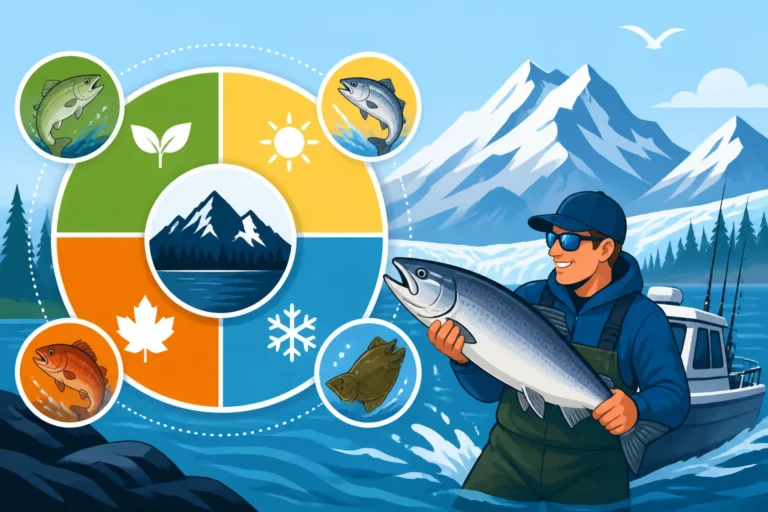
Beyond regulations, understanding the subtle shifts in fish runs is crucial. The Alaska Salmon Run Timing Explained dictates when different species are present and in what numbers. A guide’s deep understanding of these seasonal patterns, local water levels, and fish migration behaviors means they can put you on the fish when they’re biting. They'll know if the King Salmon are pushing hard through the lower river or if the Sockeye are stacked up in the middle Kenai, maximizing your chances for a productive day.
Expertise in Techniques and Prime Fishing Spots
The Kenai River demands a variety of fishing techniques, depending on the species, time of year, and river conditions. Whether you're drift fishing for Sockeye, back-trolling for Kings, or fly fishing for trophy Rainbow Trout, a guide possesses the specialized skills and knowledge to teach you the most effective methods. They can demonstrate proper casting, bait presentation, and how to read the water to identify prime holding lies where fish are likely to congregate.
More importantly, guides have an intimate knowledge of the river's countless bends, gravel bars, and deep holes – the secret spots that aren't marked on any map. They've spent thousands of hours on the water, learning where the fish are likely to be at any given moment. This local insight is invaluable, as it saves you precious fishing time that would otherwise be spent searching or struggling with unfamiliar techniques. Their boat and gear are also specifically chosen for the Kenai's conditions, giving you a distinct advantage.
Ensuring Safety and Providing Essential Equipment
The Kenai River can be a powerful and unpredictable force, with swift currents, submerged obstacles, and rapidly changing weather conditions. A professional guide is not only an expert angler but also a skilled boat handler, intimately familiar with the river's hazards. They prioritize your safety above all else, providing life jackets, clear instructions, and making informed decisions about where and when it's safe to fish.
Furthermore, a significant benefit of booking a guide is that they provide all the necessary, high-quality fishing gear and tackle. This means you don't have to worry about transporting your own rods, reels, nets, or a plethora of lures and baits. They'll have the right setup for the target species and conditions, from heavy-duty conventional gear for King Salmon to lighter fly rods for Rainbow Trout. This convenience is a huge relief, especially for those traveling a long distance, and ensures you're equipped with the best tools for the job.
Key Factors When Choosing a Kenai River Guide
So, you're convinced a guide is the way to go. Excellent! Now comes the task of choosing the right one. With dozens of outfitters operating on the Kenai, it's crucial to know what to look for to ensure a quality experience. This isn't just about finding someone with a boat; it's about finding a partner for your fishing adventure.
Experience and Local Knowledge
When it comes to the Kenai, experience is king. Look for guides who have spent many seasons exclusively on this river. A guide who has been fishing the Kenai for five, ten, or even twenty years will possess an unparalleled understanding of its nuances – how different water levels affect fish movement, the subtle changes in salmon runs year to year, and the impact of weather. Ask about their tenure on the Kenai specifically. Some guides might fish multiple rivers in Alaska, but dedicated Kenai specialists often have a deeper, more refined understanding of this unique ecosystem.
Beyond just years, consider their commitment to the resource. A truly great guide is often deeply involved in the local fishing community, staying abreast of scientific studies, conservation efforts, and the ever-present rumor mill about where the fish are biting. This deep integration means they can adapt quickly to changing conditions, offering alternative strategies or locations if the primary plan isn't panning out. A reputable guide will have a genuine passion for the river and its fish, not just for the charter fee.
Licensing, Insurance, and Professionalism
This is a non-negotiable. Any legitimate Kenai River guide must be properly licensed and insured. They should hold a current U.S. Coast Guard (USCG) Captain's license (if operating a powerboat) and be registered with the State of Alaska. Reputable guides will also carry commercial liability insurance, protecting both themselves and their clients in case of an unforeseen incident. Don't be shy about asking to see proof of these credentials; a professional guide will be happy to provide them.
Professionalism also extends to their communication, punctuality, and overall demeanor. You want a guide who is clear and responsive when you're booking, arrives on time (or early) for your trip, and maintains a positive and helpful attitude throughout the day. A guide's role is not just to find fish, but to ensure you have an enjoyable and safe experience, regardless of the catch. They should be patient, good-natured, and willing to teach.
Boat Type, Gear, and Group Size
The type of boat a guide uses is often dictated by the specific section of the Kenai they fish and the target species. For example, many guides on the lower Kenai for King Salmon will use larger powerboats, while those targeting Sockeye or Rainbow Trout in the middle and upper river might prefer drift boats or shallower-draft vessels. Discuss with the guide what kind of boat they operate and if it's suitable for your preferences and physical abilities. Some anglers prefer the quiet stealth of a drift boat, while others appreciate the speed and comfort of a powerboat.
Clarify what gear they provide. Most reputable guides supply high-quality rods, reels, and tackle. However, confirm if this includes waders and boots if you plan on bank fishing or wading, or specific fly fishing equipment if that's your preferred method. Also, be sure to ask about the maximum group size. Some guides cater to smaller, more intimate groups (2-3 anglers), while others can accommodate larger parties (4-6 anglers). If you're traveling with family or a group of friends, ensuring everyone can fish together is important. You might also ask if they are affiliated with any lodging, as some packages combine a stay with guided trips, simplifying your planning process.
Specialties and Target Species
While the Kenai River offers a diverse fishery, many guides specialize in particular species or fishing styles. Some are known as "King Salmon whisperers," experts in back-trolling plugs or using cured eggs to entice the mighty Chinook. Others might be renowned for their ability to put clients on aggressive Sockeye during the frantic "combat fishing" periods, or for their patience in guiding fly anglers to trophy Alaska Rainbow Trout Fishing Regulations and Limits. Be upfront about what you hope to catch.
For example, if your dream is to land a massive King Salmon, make sure the guide primarily focuses on How to Catch King Salmon in Alaska. If you're coming for the legendary Sockeye run, inquire about their methods for How to Catch Sockeye Salmon in Alaska and their success rates. Many guides offer combo trips, allowing you to target different species on the same day or over multiple days. Be specific about your goals so the guide can tailor the trip to your expectations, or recommend another guide if their specialty doesn't align with yours.
Reviews and References
In today's digital age, checking online reviews is a fantastic way to gauge a guide's reputation and client satisfaction. Websites like Google Reviews, Yelp, and specialized fishing platforms like FishingBooker often host a wealth of feedback from previous clients. Look for consistent themes in positive reviews – praise for the guide's patience, knowledge, fish-finding ability, and overall personality. Pay attention to how guides respond to any negative feedback, as this can reveal their professionalism.
Don't hesitate to ask the guide directly for references from past clients, especially if you're looking for a multi-day trip or have specific needs. A good guide will gladly connect you with satisfied customers who can share their firsthand experiences. These personal testimonials can provide a much deeper insight than just a star rating, giving you a clearer picture of what your day on the Kenai will truly be like.
The Booking Process: Step-by-Step
Once you've narrowed down your choices, it's time to make it official. The booking process for a Kenai River guide is fairly straightforward, but there are a few key steps to ensure everything goes smoothly and your expectations are met.
Research and Initial Contact
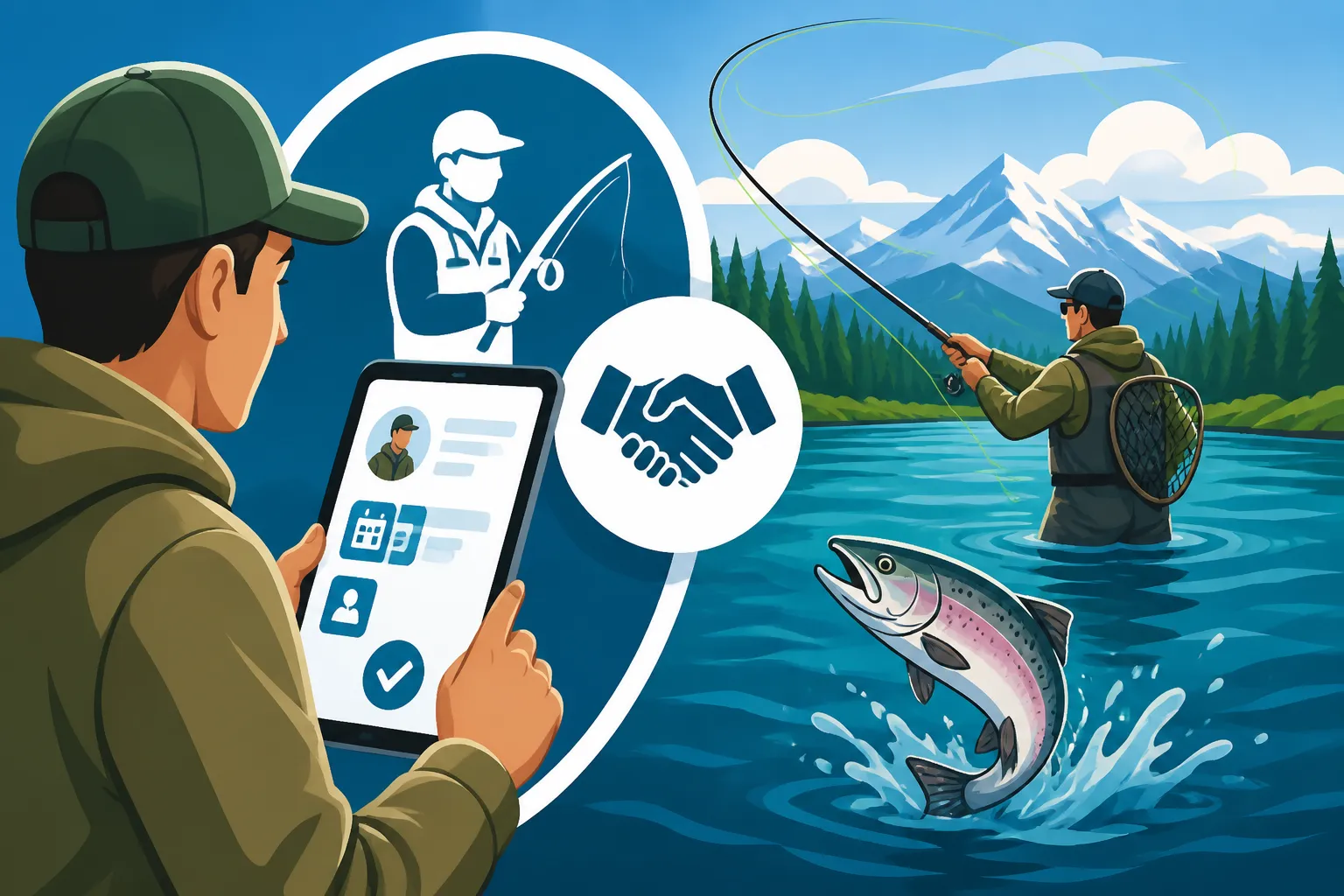
Start your search well in advance, especially if you plan to visit during peak season (mid-June through August). The best Kenai River guides often book up months, sometimes even a year, in advance. Utilize online resources, local tourism boards, and fishing forums to compile a list of potential guides. Websites like FishingBooker can be an excellent starting point, allowing you to filter by location, species, and available dates, often showcasing multiple guides and their offerings in one place.
When you make initial contact, whether by phone or email, be prepared to share some basic information: your desired dates, the number of people in your party, the species you're hoping to target, and any specific preferences or limitations (e.g., preference for fly fishing, physical mobility concerns). This initial conversation is a chance to ask about their availability, pricing, and what a typical day looks like on their boat. It's also a good opportunity to get a feel for their personality and communication style.
Discussing Expectations and Trip Details
This is perhaps the most crucial conversation. Clearly articulate your expectations for the trip. Are you hoping to catch a trophy King Salmon, fill your freezer with Sockeye, or simply enjoy a relaxing day on the river with some catch-and-release Rainbow Trout? The guide needs to understand your goals to manage expectations and plan the trip accordingly. The Kenai River offers such diverse fishing that a miscommunication here can lead to disappointment.
Discuss the exact duration of the trip (full-day or half-day), the meeting point, and what will be provided (gear, bait, snacks, drinks). Confirm the start and end times, as well as any flexibility they might offer. If you're a beginner, ask if they are patient with novice anglers. If you're an experienced fly fisherman, inquire about their approach to matching your skill level. A detailed discussion upfront avoids misunderstandings later and ensures both parties are on the same page for a successful outing.
Understanding Pricing and Deposits
Kenai River guide services typically range from $250 to $500+ per person for a full day, depending on the season, target species, and the guide's reputation. Half-day trips are usually less. Clarify what's included in the price: is it just the guiding service, or does it cover gear, bait, and fish processing? Most guides will also require a non-refundable deposit to secure your booking, with the balance due on the day of the trip.
Be clear on the cancellation policy, especially regarding weather. Alaska weather can be unpredictable, and while guides will rarely cancel for light rain, severe conditions like high winds or heavy flooding might necessitate rescheduling or cancellation. Understand their policy on refunds or rebooking in such scenarios. Always get these financial details in writing, whether through an email confirmation or a formal booking agreement, for your peace of mind.
Confirming Your Booking and What to Bring
Once you've agreed on the details and submitted your deposit, ensure you receive a confirmation that includes all the agreed-upon specifics: date, time, duration, cost, target species, meeting location, and the guide's contact information. Reconfirm a week or two before your trip, just to be safe.
Your guide will likely provide a list of recommended items to bring. This usually includes appropriate layers of clothing (Alaska weather can change quickly!), rain gear, sunglasses, a hat, sunscreen, and any personal medications. Don't forget your camera to capture those unforgettable moments! Remember, you'll also need to have your valid Alaska Fishing License: Complete Guide and any required stamps, like the Alaska King Salmon Stamp Requirements, purchased before your trip. Your guide can't sell these to you on the boat.
Preparing for Your Kenai River Guided Trip
You've booked your guide, the excitement is building, and now it's time to get ready. Proper preparation ensures you're comfortable, compliant with regulations, and ready to make the most of your time on the legendary Kenai.
Gear and Clothing Considerations
Even in summer, Alaska weather can be famously fickle. A sunny, warm morning can quickly turn into a cool, rainy afternoon. The key is layering. Start with a moisture-wicking base layer, add an insulating fleece or wool layer, and top it off with waterproof and windproof outerwear. Brands like Grundéns or Simms are popular for their durable rain gear, which is practically essential for an Alaska fishing trip. Pay particular attention to footwear; waterproof boots are a must, even if you don't plan on wading, as boat decks can be wet and slippery.
Your guide will provide fishing rods, reels, and tackle, so you don't need to bring your own unless you have a strong personal preference and discuss it with them beforehand. However, having a small dry bag for your personal items (phone, wallet, extra layers) can be a lifesaver. Polarized sunglasses are also highly recommended, not just for eye protection but also for cutting glare on the water, allowing you to spot fish or subtle movements that indicate their presence.
Understanding Licenses and Stamps
This cannot be stressed enough: you must purchase your Alaska fishing license and any necessary stamps before your trip. Guides are not authorized to sell licenses, and fishing without one will result in significant fines. You can purchase your license online through the Alaska Department of Fish and Game (ADF&G) website or from various vendors like sporting goods stores and many grocery stores throughout Alaska. Refer to our guide on How to Get an Alaska Fishing License Online for detailed steps.
If you plan to target King Salmon, remember you'll also need a King Salmon stamp, which is an additional purchase. The cost of an Alaska fishing license and stamps varies depending on your residency status and the duration of your trip. Don't forget about your Alaska Harvest Record Card Explained if you're targeting species like King Salmon or Steelhead; your guide will help you understand how to properly record your catch. Being prepared with your license saves valuable fishing time and avoids legal headaches.
Tipping Etiquette
Tipping your guide is customary and greatly appreciated in the guiding industry, much like in restaurants or other service sectors. Guides work incredibly hard, often long hours, battling the elements and constantly striving to put you on fish. A typical tip for a fishing guide in Alaska ranges from 15-20% of the trip's total cost. If your guide went above and beyond, provided excellent instruction, worked tirelessly, or helped you land a fish of a lifetime, feel free to tip more.
For instance, if a full-day trip costs $400 per person, a 15-20% tip would be $60-$80 per person. If you're unsure, ask your outfitter or lodge for their recommended tipping guidelines. It's best to bring cash for tipping, as guides might not always have the means to process credit card tips. A sincere "thank you" along with a generous tip shows your appreciation for their efforts and dedication to providing a memorable experience. You can find more details on Tipping on an Alaska Fishing Charter.
Kenai River Guide Services Comparison
To give you a better idea of what to expect, here’s a quick overview of different types of guided trips on the Kenai River:
| Trip Type | Primary Target Species | Typical Duration | Average Cost (per person) | Boat Type | Focus |
|---|---|---|---|---|---|
| King Salmon Charter | King Salmon | Full Day (8-10 hrs) | $400 – $600+ | Powerboat / Drift | Trophy hunting, battling large fish, specific techniques |
| Sockeye Salmon Trip | Sockeye Salmon | Full Day (8-10 hrs) | $300 – $500 | Drift / Powerboat | High volume catch, fast action, often "combat fishing" |
| Rainbow Trout Trip | Rainbow Trout, Dolly Varden | Full Day (8-10 hrs) | $350 – $550 | Drift boat | Fly fishing or spin fishing, catch-and-release, scenic |
| Silver Salmon Trip | Silver Salmon (Coho) | Full Day (8-10 hrs) | $350 – $550 | Powerboat / Drift | Aggressive bites, acrobatic fights, late summer/fall |
| Combo Trip | Varies, often Salmon/Trout | Full Day (8-10 hrs) | $450 – $700+ | Varies | Diversified experience, targeting multiple species |
(Costs are estimates and can vary significantly based on guide experience, season, and inclusions)
Disclaimer
The information provided in this guide is for general informational purposes only and is not intended as legal, financial, or professional advice. Fishing regulations in Alaska are subject to change without notice, often through emergency orders issued by the Alaska Department of Fish and Game. Always consult the most current official ADF&G regulations booklet and any active emergency orders before engaging in any fishing activities. We recommend verifying all details with your chosen guide and the relevant authorities to ensure compliance and safety.