Best Lures and Bait for Alaska Lingcod
Trying to figure out the perfect setup to land a gnarly lingcod in Alaska can feel like a real puzzle. You've heard stories of their toothy grins and aggressive bites, but translating that into the right lure or bait can be daunting, especially with so many options out there. This guide is going to strip away the guesswork, diving deep into the most effective lures and natural baits that consistently fool these formidable bottom-dwellers, ensuring your next Alaska fishing trip is a smashing success.
Understanding Lingcod Behavior and Habitat
Lingcod are truly unique, often misunderstood creatures of the deep, and getting to grips with their lifestyle is the first step to reeling them in. They’re not your average fish; these guys are ambush predators with a serious attitude, and their environment dictates a lot about how you should approach them. Knowing their preferences helps you choose not just what to use, but how to use it effectively.
Where Lingcod Hide
Lingcod are masters of camouflage and ambush, preferring to set up shop in structure-rich environments where they can surprise unsuspecting prey. Think rocky reefs, ledges, pinnacles, kelp forests, and even submerged wrecks. These areas provide them with excellent cover, allowing them to blend in and strike with incredible speed. You'll often find them tucked into crevices or behind boulders, waiting patiently. This means that when you're targeting lingcod, you're usually fishing in areas where snags are incredibly common. It’s a trade-off: you go where the fish are, even if it means losing a few rigs. Anglers often fish depths ranging from 20 feet all the way down to several hundred feet, depending on the location and time of year. For instance, in places like Prince William Sound or around Kodiak, these rocky structures are abundant and hold excellent populations of lingcod. Understanding their territorial nature and preference for specific underwater real estate is key; they won't typically roam far from their chosen ambush point.
What Lingcod Eat Naturally
These opportunistic predators aren't particularly picky, but they do have a strong preference for a protein-rich diet. Their natural menu primarily consists of smaller fish like herring, cod, sand lance, and even juvenile salmon. They're also known to feast on crustaceans such as crab and shrimp, and cephalopods like octopus and squid. Essentially, if it swims or crawls near their ambush point and looks like an easy meal, a lingcod will likely try to devour it. This aggressive feeding behavior is exactly what we want to capitalize on when choosing our artificial lures and natural baits. They are true apex predators in their local ecosystem, and their diet reflects their dominance. When you select a lure or bait, aiming to mimic these natural food sources will always put you in a better position for success.
Top Lures for Alaska Lingcod
When it comes to artificial presentations, lingcod are often very receptive to something that looks injured or presents an easy target. The key is often in the weight, durability, and action of the lure. Because of their rocky habitats and aggressive bites, you'll want gear that can withstand a beating.
Heavy Jigs and Vertical Presentation
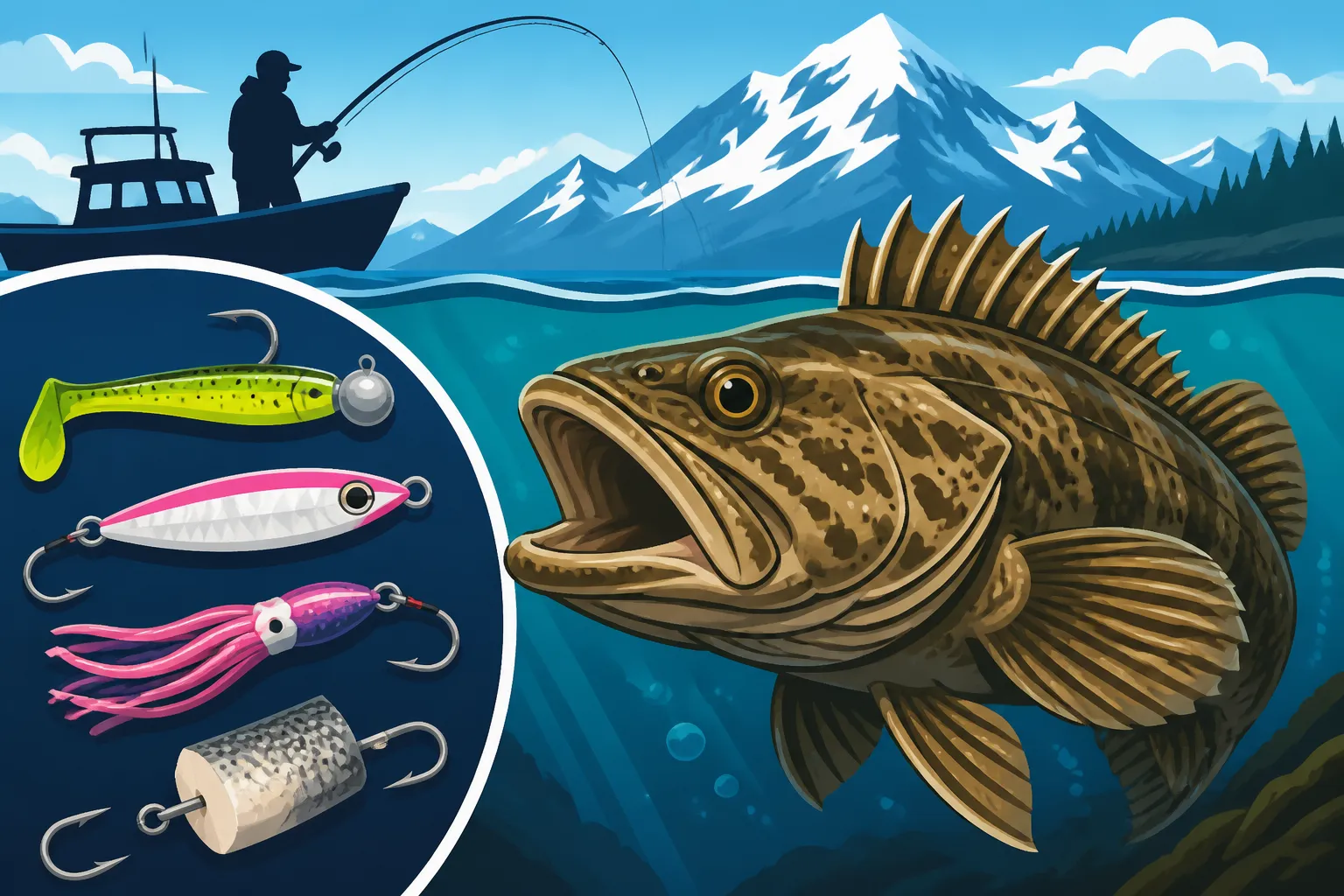
Heavy metal jigs are arguably one of the most effective tools in a lingcod angler's arsenal, especially when fishing deep water or areas with strong currents. These aren't your finesse trout jigs; we're talking about robust, heavy-duty pieces of metal designed to get down fast and stay in the strike zone. Weights can range anywhere from 6 ounces to a full pound or more, depending on depth and drift speed. Butterfly jigs, knife jigs, and even simple lead jigs in chrome, glow, or blue-and-white patterns are incredibly popular. The retrieve often involves a series of sharp lifts and drops, mimicking an injured baitfish trying to escape. This erratic motion drives lingcod absolutely wild, triggering their predatory instincts. Many anglers swear by glow-in-the-dark jigs for deeper, darker waters, or on overcast days. You can find a vast selection of these heavy jigs on Amazon, making it easy to stock up before your trip. Always remember that lingcod have incredibly sharp teeth, so equipping your jigs with sturdy assist hooks or single heavy-duty treble hooks is paramount to preventing bent hooks and lost fish.
Swimbaits and Paddle Tails
Soft plastic swimbaits and paddle tails, often rigged on heavy jig heads, are another fantastic choice for lingcod. The beauty of these lures lies in their incredibly lifelike action in the water. The paddle tail creates a thumping vibration that lingcod can detect from a distance, while the body profile often perfectly imitates common baitfish. Sizes typically range from 6 to 10 inches, and even larger, as lingcod aren't shy about attacking substantial prey. Popular colors include chartreuse, pearl white, blue mackerel, and sardine patterns. When targeting these fish, you might also be interested in our guide on Best Lures and Bait for Alaska Halibut, as there's often overlap in gear when bottom fishing. The key is to rig them on a heavy lead head, often 4 to 12 ounces, to ensure they sink quickly and stay near the bottom where lingcod reside. While they can be fished vertically, they also excel when cast out and retrieved with a slow, steady retrieve or a series of bounces along the bottom. The soft plastic material, while effective, is susceptible to their sharp teeth, so bringing plenty of spares is always a good idea. Some anglers even reinforce their soft plastics with super glue or wrap them with thin wire to extend their life.
Scampi and Octopus Imitations
Given lingcod's diet of crustaceans and cephalopods, it's no surprise that lures designed to mimic shrimp, scampi, and octopus are highly effective. Large plastic scampi tails, typically 6-8 inches long, rigged on a heavy lead head, are a local favorite in many Alaskan lingcod fisheries. These lures offer a tantalizing undulating action that lingcod find irresistible. Similarly, soft plastic octopus skirts, often used in halibut fishing, can be incredibly productive for lingcod. When the currents are strong, or the fish are particularly aggressive, adding a glow-in-the-dark component to these lures can make a huge difference. Colors like pink, purple, red, and chartreuse are often top performers. These lures are typically jigged directly over structure, allowing the current to impart a natural, lifelike movement. It's not uncommon to pull up a lingcod that has just swallowed an entire rockfish, demonstrating their predatory prowess, which these imitations exploit perfectly. For those who want to learn more about the species they're targeting, check out our comprehensive guide on Alaska Lingcod: Facts and Fishing Tips.
Best Baits for Alaska Lingcod
While artificial lures are incredibly effective, sometimes nothing beats the real thing. Natural baits offer scent, texture, and taste that lures simply can't replicate, often proving to be the ultimate persuader for a wary lingcod.
Herring and Mackerel
When it comes to natural bait for lingcod, fresh or brined herring and mackerel are gold standards. These oily fish provide a powerful scent trail that can draw lingcod out of their hiding spots. Typically, you'll use whole baitfish for larger lingcod, or cut sections for a slightly different presentation. A popular method is to rig a whole herring on a large single hook or a double-hook "mooching" rig, allowing it to flutter naturally as it descends. For mackerel, larger fillets or sections are excellent choices, especially when trying to target trophy-sized lingcod. The oil content in these baits is a huge advantage, as it disperses in the water, signaling an easy meal. When you're focusing on How to Catch Lingcod in Alaska, incorporating these baits, especially on a dropper loop rig or a sliding sinker rig, can significantly increase your hook-up rates. Always aim for the freshest bait possible; lingcod, like most predators, prefer a lively or recently deceased meal. You can often purchase frozen bait at local tackle shops or even in bulk from suppliers online, which is great for extended trips.
Live Bait Considerations
If you really want to stack the odds in your favor, live bait is often unparalleled. A struggling, live baitfish sends out irresistible vibrations and distress signals that lingcod find impossible to ignore. Popular live baits include smaller rockfish (where legal and permissible), greenling, Irish lords, or even smaller lingcod (again, check local regulations before using a game fish as bait). Rigging live bait typically involves a single large circle hook through the nose or back, ensuring the bait can swim freely but is securely attached. This method is often employed when actively hunting specific areas known to hold large lingcod. The downside, of course, is the effort involved in catching and keeping live bait, requiring a livewell and careful handling. However, the results can be spectacular, often attracting the largest, most aggressive fish in the area. Make sure to consult the Alaska Fishing Regulations Explained before using any live fish as bait, as rules can vary by region and species.
Squid and Prawns
While not as common as herring or mackerel, squid and large prawns can be surprisingly effective for lingcod, especially when they're feeding heavily on crustaceans or during times when baitfish are scarce. Whole squid, rigged on a large single hook or jig head, can be presented to mimic an injured cephalopod. The firm texture of squid also makes it more durable against the lingcod's teeth, allowing you to fish it longer without needing to re-bait. Prawns, especially larger "spot prawns," can also be fished effectively, though their softer bodies make them more prone to being torn off the hook by smaller fish or during aggressive bites. Both squid and prawns offer a strong scent profile that can attract lingcod. These baits work particularly well when combined with a lead head or used on a dropper rig, keeping them close to the bottom structure where lingcod ambush their prey.
Here’s a quick comparison of some popular options:
| Lure/Bait Type | Key Characteristics | Pros | Cons | Best Use Case |
|---|---|---|---|---|
| Heavy Jigs | Metal, 6oz-1lb+, various shapes, glow/chrome | Fast sink, strong vibrations, durable | Can snag easily, less natural scent | Deep water, strong currents, aggressive fish |
| Paddle Tail Swimbaits | Soft plastic, 6-10", vibrant colors, paddle tail | Lifelike action, good vibration, versatile | Prone to tooth damage, no natural scent | Moderate depths, varied retrieve, enticing strikes |
| Scampi/Octopus Imitations | Soft plastic, 6-8", curly tails/tentacles | Mimics crustaceans/cephalopods, good action | Less durable than metal jigs | Over rocky structure, when fish prefer "critters" |
| Herring/Mackerel | Whole or cut baitfish, oily | Strong natural scent, very appealing | Less durable, requires cooler storage | Any depth, when natural presentation is key |
| Live Bait | Smaller rockfish, greenling, etc. | Unbeatable natural action and distress scent | Difficult to acquire/keep, regulations apply | Targeting trophy lingcod, highly effective |
| Squid/Prawns | Whole squid, large prawns | Durable (squid), strong scent (both) | Prawns less durable, less common for lingcod | When fish are finicky or feeding on invertebrates |
Rigging Strategies and Techniques
Having the right lure or bait is only half the battle; knowing how to present it effectively is where experience truly pays off. Lingcod fishing often involves specific rigging and retrieval methods that maximize your chances of a hook-up while minimizing frustrating snags.
Jigging Techniques for Lingcod
Jigging for lingcod is an active and engaging way to fish, requiring a good feel for the bottom and an understanding of how to entice a strike. The basic technique involves dropping your heavy jig or a weighted swimbait down to the bottom, then imparting action through rhythmic lifts and drops of your rod tip. A common approach is to lift the rod tip sharply by 2-5 feet, then let the lure freefall back down on a semi-slack line. This mimics a wounded baitfish darting upwards and then fluttering helplessly, which is often irresistible to a lurking lingcod. It's crucial to stay in contact with the bottom; lingcod rarely suspend far off the structure. As you drift, you'll need to periodically drop your lure back down to compensate for depth changes. Many anglers find success by giving their jig a few quick hops, then letting it sit for a few seconds before repeating. If you feel a "thump" or your line goes slack during the fall, set the hook immediately – that's likely a lingcod inhaling your offering. For a broader understanding of vertical presentations, you might find our guide on How to Jig for Halibut in Alaska useful, as some principles overlap.
Bait Fishing Rigs
When fishing with natural bait, simple yet robust rigs are typically the most effective. The most common setup is a variation of the dropper loop rig or a sliding sinker rig. For a dropper loop, you'll tie a heavy leader (60-100lb monofilament or fluorocarbon is not uncommon given their teeth and the rocky environment) with a loop for your hook, and another loop below that for your weight. This keeps your bait slightly off the bottom and reduces snags compared to a direct bottom contact rig. For a sliding sinker rig, a large egg sinker or similar weight slides freely on your main line, terminating at a swivel, followed by a stout leader and your baited hook. This allows the lingcod to pick up the bait without feeling the weight immediately, leading to more confident bites. Always use robust, sharp circle hooks or J-hooks in sizes appropriate for your bait and target species – usually 6/0 to 12/0. Remember to check out Alaska Fishing Gear and Tackle Guide for more on the heavy-duty equipment you'll need for these powerful fish. Adding a small, brightly colored skirt or a piece of glow tubing above your bait can sometimes increase visibility and attraction in deeper, darker water, effectively creating a "bait-and-lure" combo.
Adapting to Conditions
The waters of Alaska can be unpredictable, and successful lingcod anglers know how to adapt their strategies to changing conditions. For example, in areas with strong tidal currents, heavier jigs and baits are absolutely essential to get down to the strike zone quickly and stay there. Conversely, in calmer conditions or shallower water, you might be able to get away with lighter presentations or even try casting and retrieving swimbaits from shore if you're in a known rocky area. Water clarity also plays a role; in turbid water, scent-heavy natural baits or glow-in-the-dark lures can be more effective. When the water is clear, more natural-looking presentations, whether a realistic swimbait or a perfectly rigged live bait, will shine. Always pay attention to your depth sounder for signs of structure and fish, and don't be afraid to experiment with different lure colors, sizes, and retrieval speeds until you find what the lingcod are hitting on that particular day. Keeping an eye on Alaska Fishing Emergency Orders Explained is also vital, as regulations can change, affecting what you can use or where you can fish.
Disclaimer
Fishing in Alaska carries inherent risks, including but not limited to changing weather conditions, encounters with wildlife, and the unpredictable nature of marine environments. This guide is for informational purposes only and does not substitute for professional advice or personal responsibility. Always prioritize safety, understand and follow all current Alaska Department of Fish and Game regulations, and be prepared for your specific fishing location and conditions.