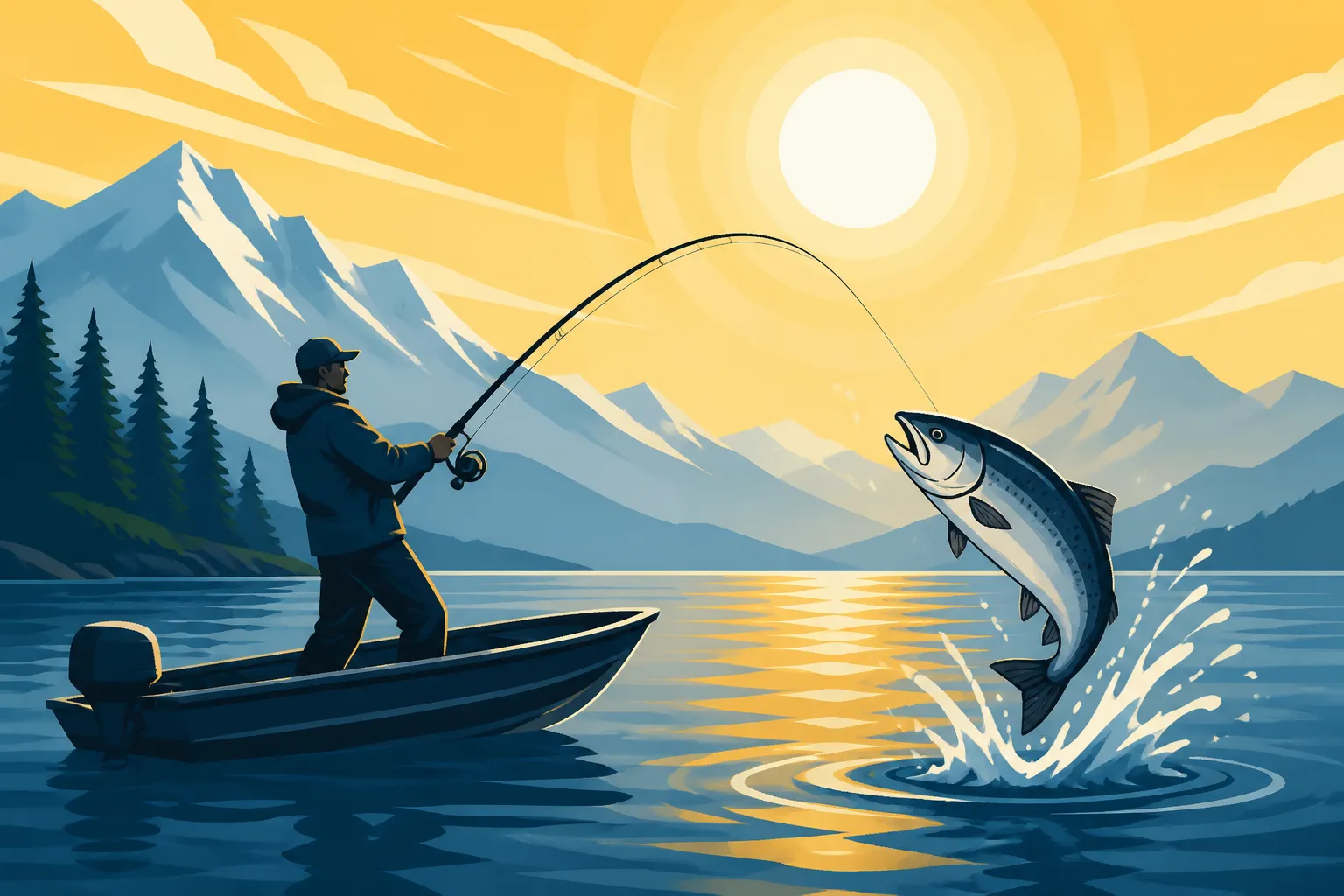
How Midnight Sun Affects Alaska Fishing
If you've ever dreamt of fishing under a sky that never truly darkens, you're dreaming of Alaska's midnight sun. This unique phenomenon, while enchanting, throws a real wrench into conventional fishing wisdom, leaving many anglers wondering how to adjust their strategies. This comprehensive guide will unravel the mysteries of fishing during continuous daylight, helping you understand fish behavior and adapt your techniques for a successful Alaskan adventure.
Understanding the Midnight Sun Phenomenon
The midnight sun is one of Alaska's most iconic and, for anglers, perplexing features. It’s a natural marvel where the sun remains visible at midnight or for extended periods during the summer months. This constant daylight can feel exhilarating, but it fundamentally alters the natural rhythm that both fish and fishermen are accustomed to.
What is the Midnight Sun?
At its heart, the midnight sun is an astronomical event occurring in regions located north of the Arctic Circle or, to a lesser extent, in areas closer to it. During the summer solstice, the Earth's tilt means that the Northern Hemisphere is angled towards the sun, causing the sun to stay above the horizon for 24 hours in the most extreme northern latitudes. Even in southcentral Alaska, like the Kenai Peninsula, while the sun might dip below the horizon for a couple of hours, the sky never truly gets dark; it's more like an extended twilight that lasts through the "night." This continuous light means fish don't experience the distinct dawn and dusk feeding windows that anglers often rely on in other parts of the world.
Geographical Variations in Daylight
The intensity and duration of the midnight sun vary significantly across Alaska. If you’re fishing up in Fairbanks or even further north in Prudhoe Bay, you’ll experience true 24-hour daylight for weeks, sometimes months. Here, the sun might just circle the horizon without ever setting. Travel south to Anchorage or the Kenai River, and while the nights are incredibly short with lingering twilight, the sun does technically set, giving you a brief period of low light before it pops back up. Even further south, in places like Ketchikan in Southeast Alaska, while summer days are wonderfully long, you’ll still get a few hours of proper darkness. This gradient in daylight is crucial because it means fish in different regions will respond to the light in slightly different ways, and your approach should adjust accordingly.
How Constant Daylight Influences Fish Behavior
Imagine living in a world where the lights never turn off. For many Alaskan fish species, that's their reality during the summer. This lack of true darkness doesn't just mess with our sleep schedules; it profoundly impacts how fish move, feed, and interact with their environment.
Feeding Patterns and Light Sensitivity
Many fish, especially predatory species, use light levels as a cue for feeding. In most parts of the world, dawn and dusk are prime feeding times because the low light offers a strategic advantage, making it harder for prey to spot them and reducing their own vulnerability to larger predators. Under the midnight sun, these distinct "golden hours" essentially vanish.
Instead, fish adapt. Some species, like certain types of trout or Arctic grayling, might become more nocturnal or crepuscular (active during twilight) in areas with even a slight dip in light intensity. In places with continuous daylight, they might develop more sporadic feeding patterns, reacting more to factors like water temperature, current, or insect hatches rather than light alone. Salmon, driven by their spawning instinct, might continue their upstream migration regardless of the light, but their willingness to strike a lure can still be influenced by how exposed they feel. Halibut and other bottom dwellers often reside in deeper, darker water, so the constant surface light might have less direct impact on their activity below the thermocline. However, even these deep-sea predators might show subtle changes in behavior, perhaps feeding more aggressively during the few hours when the sun is lowest in the sky.
Predation and Cover
Constant daylight can make fish feel more exposed to predators, both from above (birds of prey, bears) and below (larger fish). To compensate, they might seek out more cover, whether that's deeper holes, undercut banks, submerged logs, or dense weed beds. This means anglers need to focus their efforts on these sheltered areas, even if they wouldn't typically be considered prime holding spots in other fishing conditions.
For example, on the Kenai River, during a bright "night," sockeye salmon might hold tighter to the bottom or in the deeper channels, making them harder to entice. Similarly, rainbow trout in clear-water streams could become incredibly wary, requiring longer leaders, lighter tippets, and more subtle presentations. Understanding this increased need for cover is key to locating fish during the midnight sun season.
Adjusting Your Fishing Strategy for Midnight Sun Conditions
Fishing under the midnight sun isn't about giving up; it's about shifting your mindset and adapting your techniques. What works in a 12-hour day won't necessarily yield the same results when the sun never quits.
Prime Fishing Times or Lack Thereof
Forget everything you know about traditional "prime fishing hours." When the sun is always up, the concepts of dawn and dusk as distinct feeding periods are blurred, if not erased entirely. Instead of specific times of day, look for the periods of lowest light intensity. This might be from midnight to 4 AM in some regions where the sun dips closest to the horizon, or simply when heavy cloud cover provides some relief.
Water temperature becomes an even more critical factor. As the sun continuously heats the water, mid-day can often be the least productive time as fish become lethargic. Focus on cooler periods. Some experienced guides swear by fishing the literal "middle of the night" (10 PM to 4 AM) because even though it's still bright, it's often the coolest and calmest time, which can spark a bite.
Here's a generalized comparison to help you adjust your expectations:
| Condition | Typical Fishing Day (Lower Latitudes) | Midnight Sun (Alaska Summer) |
|---|---|---|
| Prime Feeding Windows | Dawn, Dusk | Lowest light period (often midnight to 4 AM), overcast days |
| Fish Activity | Peaks during low light, slows mid-day | More sporadic, sensitive to water temp/pressure. Seek cover during bright periods. |
| Water Temperature | Coolest at dawn, warmest mid-afternoon | Continuously warming through 24-hour cycle. Seek cooler periods. |
| Angler Patience | Shorter windows of opportunity, focused effort | Requires persistent effort, exploring various "off-peak" times. |
| Lure Choice | Adapts to light/depth | Brighter colors in low light, subtle in bright. Focus on presentation. |
If you're wondering when exactly these crucial salmon runs happen, check out our guide on Alaska Salmon Run Timing Explained to plan your trip effectively.
Tackle and Lure Considerations
With constant light, fish can become more selective and spooky. This often means you need to scale down your tackle. Lighter lines, fluorocarbon leaders, and smaller, more natural-looking presentations can make a big difference, especially for sensitive species like rainbow trout or even wary coho salmon.
When it comes to lures, the rules can get a bit paradoxical. During the brightest parts of the "day," some anglers opt for natural, subtle colors that blend in, hoping not to alarm the fish. Others find success with bright, flashy colors that can grab attention even in intense light, especially for aggressive feeders like King salmon. For sockeye salmon, which are notoriously difficult to entice, the focus is less on color and more on perfect presentation and being in the right place at the right time. You might find a wide variety of effective options readily available on Amazon. Make sure your Best Lures for Alaska Salmon are stocked and ready for these conditions.
For saltwater fishing, particularly for halibut, the continuous light might not change their deep-water habits as much, but presentation is still key. Large, scented baits like herring or salmon heads, fished on heavy-duty Best Bait for Alaska Halibut rigs, remain effective. The key is often finding the structure where they're holding and getting your bait right to them.
Personal Preparation for Extended Fishing
Fishing under the midnight sun isn't just about the fish; it's about you. Your body clock will be utterly confused. Getting quality sleep is paramount, even when it feels like midday at 2 AM. Bring a good eye mask, earplugs, and make sure your lodging has blackout curtains. Staying hydrated is also crucial, especially if you're out on the water for extremely long stretches.
Beyond personal comfort, consider your gear. Good polarized sunglasses are non-negotiable for cutting glare and spotting fish in the bright water. A wide-brimmed hat will offer extra protection. And ironically, even though it's light all the time, a headlamp is still useful for rummaging through your tackle box or navigating back to camp in the brief "darkest" hours. For a complete rundown, our guide on How to Dress for Alaska Fishing offers excellent advice on staying comfortable and prepared. Many essential items, from quality rain gear to specialized tackle, can be conveniently purchased from Amazon before your trip.
Specific Species Considerations Under Midnight Sun
Each fish species has its own unique response to the midnight sun, making targeted strategies essential.
Salmon Strategies
Targeting Alaska's iconic salmon species requires nuanced adjustments.
- King Salmon: These powerful fish, sometimes called Chinook, are often the most actively feeding salmon in freshwater, at least early in their run. Under constant light, they may become more aggressive during periods of lower light intensity or when water temperatures are cooler. Back-trolling Kwikfish or Brad's Super Baits, or even fly-fishing streamers, can be effective. Consider moving to deeper, faster runs where they feel more secure. For a deep dive into these magnificent fish, consult our Alaska King Salmon: Complete Guide.
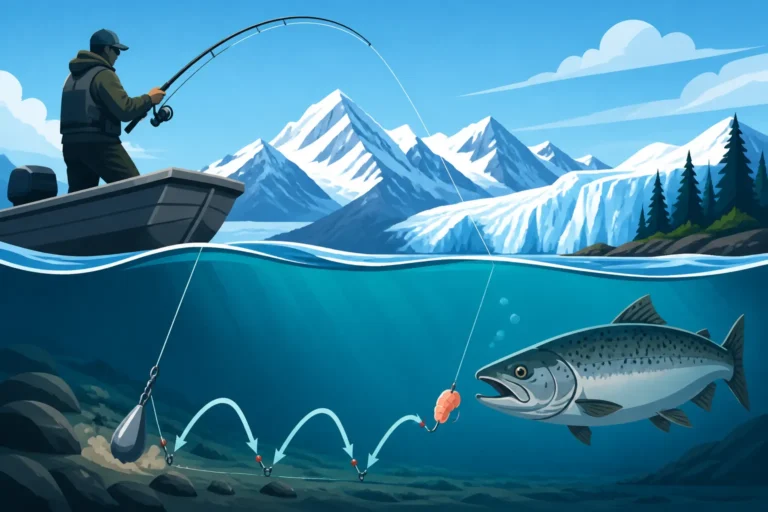
- Sockeye Salmon: Sockeye, or Red Salmon, are mostly focused on their upstream migration and don't typically feed in freshwater. Success hinges on being in the right place at the right time and understanding the flossing technique. The midnight sun doesn't change their non-feeding behavior, but it can make them more wary of shadows and commotion. Patience and precision are key. Learning more about their unique characteristics from our Alaska Sockeye Salmon Explained can dramatically improve your chances.
- Coho Salmon: Silver Salmon, known for their aggressive strikes, are often less affected by constant daylight than other species. They will still chase spinners, spoons, and flies with enthusiasm. However, even for Cohos, the "lowest light" periods might see an uptick in surface activity or more aggressive takes. They also tend to hold in slightly shallower water than Kings, so keep an eye on shaded banks and logjams.
Halibut and Bottom Fish
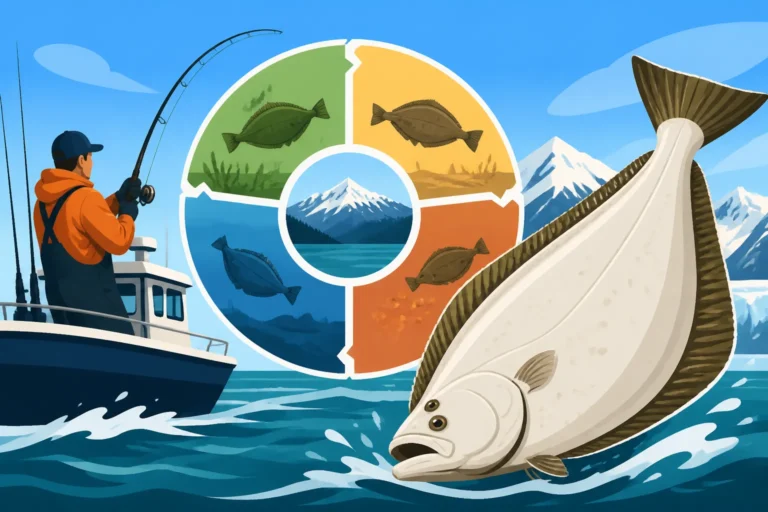
Halibut fishing, primarily a saltwater endeavor, presents its own set of considerations. Since halibut spend most of their lives on or near the seafloor, often in depths from 50 to hundreds of feet, the continuous surface light doesn't impact them as directly as it does river fish. Their feeding cues are more about current, scent, and temperature at depth.
However, the midnight sun does mean longer potential fishing hours for anglers on charters. Many halibut charters take full advantage of this, often leaving docks in places like Homer or Seward very early (like 4 AM) or staying out late into what would traditionally be evening. This allows for more time to drift or anchor over productive halibut grounds. For everything you need to know about targeting these barn-door flatfish, check out How to Catch Halibut in Alaska. Always be sure to review specific Alaska Halibut Charter Regulations Explained before your trip.
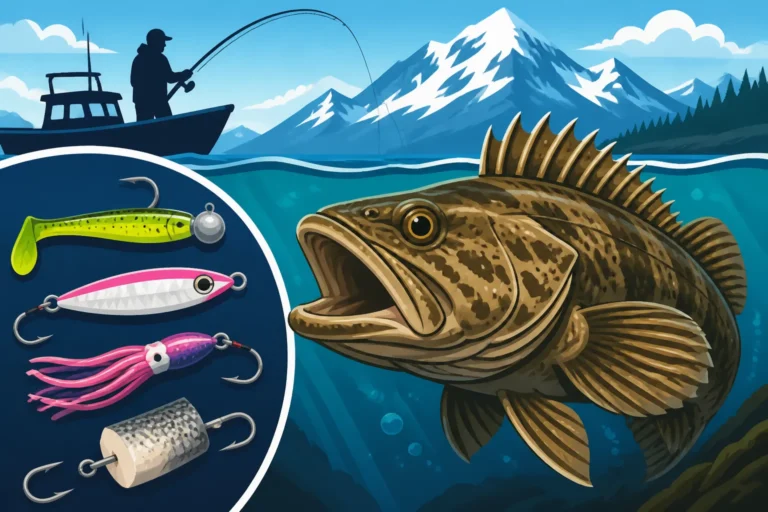
Rockfish, lingcod, and other bottom dwellers are also generally less impacted by continuous daylight due to their deep-water habitats. Jigging with heavy metal jigs or bait-fishing near rocky structures remains the most effective approach.
Trout and Char
Freshwater species like rainbow trout, Dolly Varden, and Arctic char can become particularly challenging under the midnight sun. In clear water, they are incredibly visually oriented and can be very spooky.
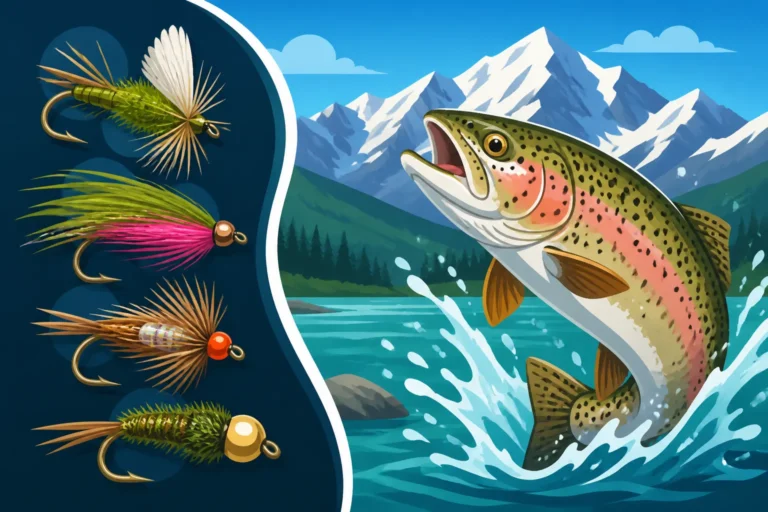
- Rainbow Trout: These often elusive fish will typically seek deeper pools, undercut banks, or heavy cover during the brightest parts of the day. They might become more active when a hatch occurs, regardless of the light, but otherwise, focus your efforts during the period of lowest light intensity. Lighter tackle, longer leaders, and precise fly presentations (for fly anglers) are paramount. Our comprehensive Alaska Rainbow Trout Guide offers excellent tactics for these beautiful fish.
- Dolly Varden and Arctic Char: These char species are often less finicky than rainbows but still appreciate cover in bright conditions. They are opportunistic feeders, often following salmon runs to feast on eggs. While they might feed throughout the "day," targeting shaded areas or the "night" hours can still yield better results. Streamers, beads, and small spinners are often effective.
In essence, the midnight sun turns traditional fishing hours on their head. It's an unforgettable experience, but one that demands flexibility, observation, and a willingness to fish when your body clock says "bedtime."
Disclaimer
The information provided in this guide is for general informational purposes only and is not intended as legal advice regarding fishing regulations. Alaska fishing regulations are complex and subject to change frequently due to emergency orders. Always consult the latest Alaska Department of Fish and Game (ADF&G) regulations booklet and check for current emergency orders before fishing. Fishing licenses are required for most anglers, and specific regulations regarding gear, bag limits, and seasons vary by species and location.