Best Spinners for Alaska Silver Salmon
You've spent countless hours meticulously planning your Alaska fishing adventure, dreaming of those aggressive, acrobatic silver salmon. You arrive, full of anticipation, only to find yourself casting through beautiful Alaskan waters with a tackle box full of lures, and the fish just aren't cooperating. It's incredibly frustrating when you know the silvers are there, but they seem to ignore everything you throw at them. This guide is dedicated to solving that very problem, cutting through the endless options to show you exactly which spinners consistently trigger those exciting strikes from Alaska's prized coho salmon.
Why Spinners Are Your Go-To for Alaska Silver Salmon
When it comes to enticing Alaska silver salmon, also known as coho, few lures can rival the consistent effectiveness of a well-presented spinner. These fish are renowned for their aggressive nature and willingness to chase, making them perfect targets for the flash and vibration that spinners offer. If you've ever felt like you're just not getting the attention of those elusive silvers, a quality spinner might be the game-changer you need.
The Science of Attraction: Flash, Vibration, and Movement
Spinners work on a simple, yet highly effective principle that directly appeals to a salmon's predatory instincts. The rotating blade creates a mesmerizing flash in the water, mimicking the scales of a fleeing baitfish. This visual signal is often the first thing that catches a silver salmon's eye, especially in the often murky or fast-moving waters of Alaskan rivers and streams. Think about how a hungry animal reacts to a sudden darting movement – that's the kind of instinctual response a spinner aims to provoke.
Beyond the visual, the blade's rotation also generates a distinct vibrational pulse in the water. This subtle throb can be detected by a salmon's lateral line system, even if the water visibility isn't great or the fish is positioned downstream. It's like a dinner bell ringing underwater, drawing fish in from a distance and signaling an easy meal. Combine that with the natural, erratic wobble of the lure body during retrieval, and you've got a compelling imitation of injured prey, practically irresistible to an opportunistic predator like a silver salmon.
Adapting to Alaska's Diverse Fishing Environments
One of the great advantages of spinners is their incredible versatility, allowing them to shine in a wide array of Alaska's diverse fishing environments. Whether you're casting from the bank of a sprawling river like the Kenai, wading a smaller tributary on the Kenai Peninsula, or fishing from a drift boat on a clear stream, there's a spinner setup that will work. Their inherent design allows them to be fished at various depths and speeds, making them adaptable to different current conditions, water clarity levels, and fish holding patterns.
For instance, in swift, deeper runs where silvers might be holding close to the bottom, a heavier spinner can get down quickly and stay in the strike zone longer. Conversely, in shallower, slower moving sections or when fish are cruising closer to the surface, a lighter spinner can be worked effectively without constantly snagging. This adaptability means you don't need a tackle box overflowing with different lure types; a selection of quality spinners in varying sizes and colors often covers most situations you'll encounter during the Alaska Silver Salmon Run Timing.
Choosing the Perfect Spinner: Key Characteristics for Silvers
Selecting the right spinner isn't just about picking something shiny; it's about understanding what triggers a silver salmon's strike. The most effective spinners combine specific features that maximize their allure in the challenging and often competitive waters of Alaska. Don't let the sheer number of options overwhelm you; focusing on these key characteristics will help narrow down your choices and boost your confidence.
Blade Types and Their Unique Actions
The blade is the heart of any spinner, and its shape dictates the lure's action and vibration. There are a few primary types, each with advantages depending on the fishing situation:
- Willow Leaf Blades: These are long, narrow, and designed to spin close to the body of the lure. They create less resistance in the water, making them ideal for faster retrieves or fishing in strong currents where you want to cut through the water efficiently. Their flash is more subtle but incredibly appealing to wary fish. When the current is ripping in rivers like the Kasilof, a willow leaf blade can maintain depth and speed without blowing out.
- Colorado Blades: In contrast, Colorado blades are short, wide, and spoon-shaped. They create a tremendous amount of vibration and lift, even at slow retrieve speeds. This makes them excellent for slower water, deeper pools, or when you want to really thump the water and get attention. The pronounced thumping action can be felt through your rod, giving you excellent feedback on the lure's performance, especially when trying to pinpoint fish in murky conditions.
- Indiana Blades: These blades are a hybrid, offering a balance between the flash of a willow leaf and the vibration of a Colorado. They are a good all-around choice for many conditions, providing a moderate flash and vibration that can be effective in a variety of current speeds and water depths. If you're unsure what the day will bring, an Indiana blade is often a safe and productive starting point.
The Importance of Color, Finish, and Flash
Color is paramount when targeting silver salmon. While their aggression often means they'll strike a variety of hues, certain colors consistently outperform others in Alaskan waters. Hot colors like chartreuse, fluorescent pink, and bright orange are perennial favorites because they stand out even in stained or turbulent water. Many anglers swear by a vibrant chartreuse blade with a silver body, or a hot pink blade with a gold body, especially during the peak of the Alaska Coho Salmon: Facts and Fishing Tips runs.
The finish of the blade also plays a crucial role. Highly polished silver or gold blades provide maximum flash, especially on bright days or in clear water. Hammered finishes offer a more dispersed, shimmering flash, which can be particularly effective on overcast days or in slightly colored water, mimicking a wounded baitfish struggling in the light. Some spinners also incorporate UV (ultraviolet) or glow-in-the-dark paints, which can make a significant difference in low-light conditions, deep water, or on cloudy days, as fish can perceive these wavelengths even when visible light is limited. Don't underestimate the power of a bit of UV kick on your spinner.
Selecting the Right Size, Weight, and Hook
The size and weight of your spinner are critical for achieving the correct presentation. Generally, spinners in the 1/4 ounce to 1/2 ounce range are excellent for Alaska silver salmon. However, this can vary based on river size, current speed, and the size of the baitfish in the area. Larger, heavier spinners (e.g., 5/8 oz) might be necessary in big, fast rivers like the Kenai to get down to the fish, while smaller, lighter options (e.g., 1/8 oz) could be perfect for shallower, slower streams or when fish are being particularly finicky. Matching the size of your lure to the typical baitfish in the area is often a successful strategy.
Hook configuration is another detail not to be overlooked. Most factory spinners come with a treble hook, which provides an excellent hook-up ratio. However, many Alaskan fisheries have specific regulations regarding hook types, often requiring single, barbless hooks. Always check the current Alaska Fishing Regulations Explained for the specific river or area you'll be fishing. It's often a good idea to buy spinners with high-quality, sharp hooks or be prepared to replace factory trebles with strong, sharp single hooks (often size 2/0 or 3/0 for silvers) that can withstand the powerful fight of a coho.
Here's a quick comparison of popular spinner characteristics:
| Spinner Characteristic | Best Use Case for Silver Salmon | Notes |
|---|---|---|
| Blade Type | Colorado, Indiana, Willow Leaf | Colorado for strong vibration/slow retrieve, Willow Leaf for fast retrieve/current, Indiana for all-around versatility. |
| Blade Color | Chartreuse, Hot Pink, Orange | High visibility, especially effective in stained water. |
| Blade Finish | Polished Silver/Gold, Hammered | Polished for maximum flash, hammered for diffused shimmer. UV paints enhance visibility. |
| Weight | 1/4 oz to 1/2 oz | Adjust for current speed and depth. Heavier for fast/deep, lighter for slow/shallow. |
| Hook Type | Strong Single or Treble | Ensure it's sharp and legal (often single, barbless hooks required). Replace cheap factory hooks. |
Top Spinners That Consistently Catch Alaska Silver Salmon
Navigating the endless choices of fishing lures can be daunting, but some spinners have earned their legendary status for a reason. These are the workhorses, the tried-and-true favorites that anglers across Alaska reach for when targeting silver salmon. Having a few of these in your tackle box is a smart move, and thankfully, getting your hands on them is easier than ever, with many available directly from retailers like Amazon.
Classic Performers: Blue Fox Vibrax & Mepps Aglia
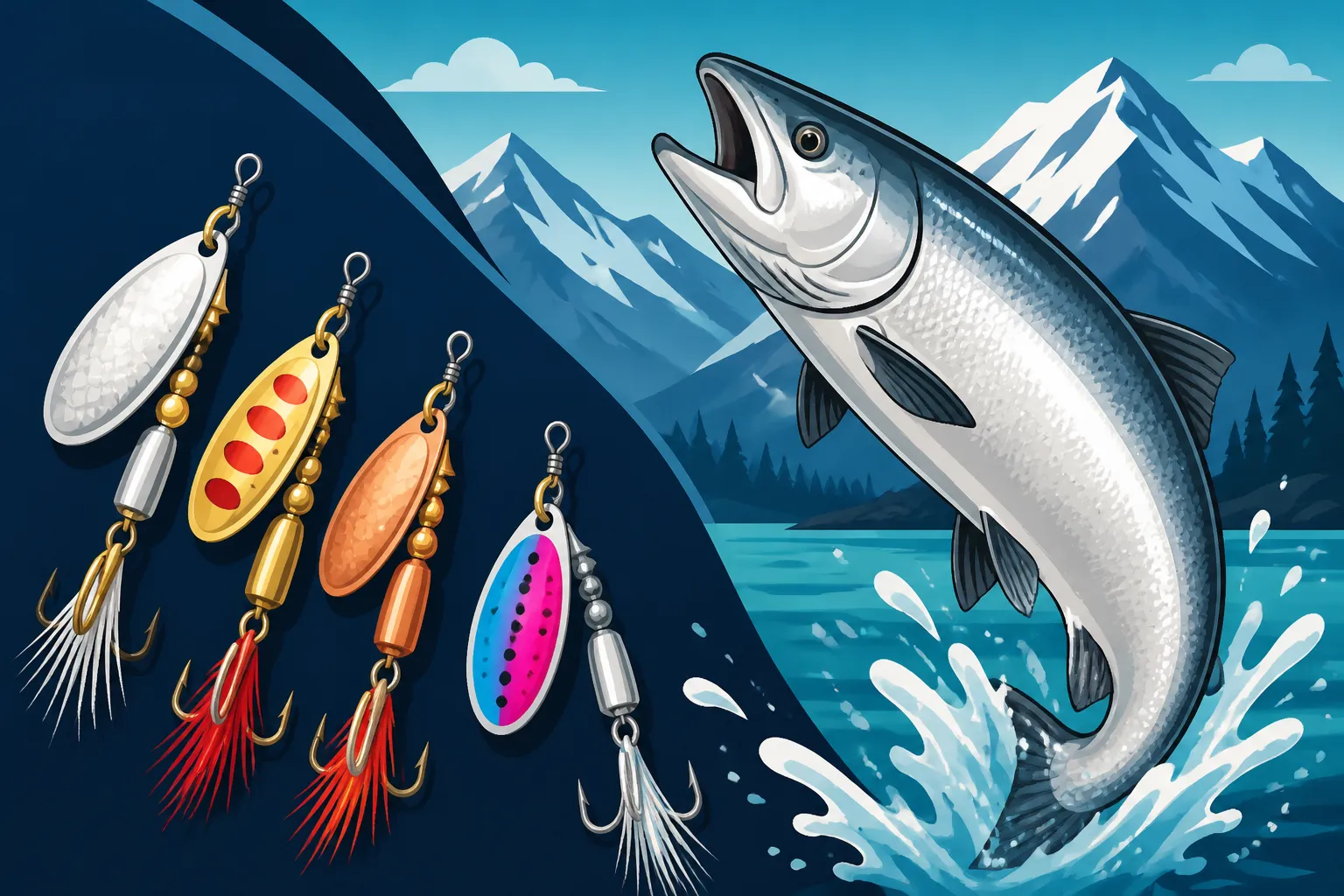
The Blue Fox Vibrax is arguably one of the most iconic and effective spinners for salmon and trout worldwide, and it absolutely shines for Alaska silver salmon. What makes it so special is its patented two-part body design: a free-spinning brass gear that rattles against the bell of the spinner body. This creates an irresistible low-frequency vibration and sound that fish can feel from a remarkable distance, mimicking both a struggling baitfish and the natural sonic emissions of prey.
For silvers, I often recommend the #3 or #4 size Vibrax. In terms of color, the chartreuse blade with a silver bell, or the hot pink blade with a silver or gold bell, are consistent producers. If you're fishing in slightly off-color water, a solid orange blade with a gold bell can also be deadly. You can find a fantastic selection of these spinners, often in multi-packs, on Amazon, making it easy to stock up before your trip. The Vibrax is perfect for "How to Spin Fish for Alaska Salmon" techniques, allowing for both steady retrieves and varying speeds to trigger strikes.
Another classic that deserves a spot in your tackle box is the Mepps Aglia. The original French spinner, the Aglia is known for its distinctive, wide-sweeping blade action that starts spinning instantly upon retrieval. It creates a robust vibration and a brilliant flash, drawing attention from aggressive silvers. The Aglia's smooth, fluid rotation makes it an excellent choice for a variety of water conditions, especially in slower to moderately paced currents.
For silvers, sizes #3 to #5 are usually the sweet spot. Popular color combinations include silver blade with a bright orange or red dressed treble hook, or a gold blade with a chartreuse skirt. The dressed treble hook often adds an extra visual trigger, appearing like a small insect or piece of flesh, which can make all the difference on a tough bite. Mepps spinners are renowned for their quality and durability, standing up to the powerful runs of a salmon.
Underestimated Gems: Rooster Tail & Panther Martin
While not as heavily marketed for salmon as some others, the Worden's Original Rooster Tail spinner is an underestimated gem that regularly fills stringers with silver salmon. Its unique dressed tail, typically made of natural hackle or synthetic fibers, adds an incredible lifelike swimming action and visual appeal that few other spinners can replicate. The pulsating tail, combined with the fast-spinning blade, creates a truly compelling presentation.
For silvers, I've had great success with 1/4 ounce to 3/8 ounce Rooster Tails. Colors like fire tiger (chartreuse with black stripes), black with a chartreuse tail, or a classic white body with a red tail are often dynamite. The Rooster Tail is particularly effective in smaller to medium-sized streams and rivers, or when fish are holding in eddies and slower currents where its distinct tail action can really shine. Its relatively smaller profile can also be key when silvers are focused on smaller forage.
The Panther Martin spinner is another European-designed marvel that has a loyal following among serious anglers. What sets the Panther Martin apart is its unique shaft-through-blade design, which allows the blade to spin directly on the shaft rather than on a clevis. This design results in an incredibly fast-spinning blade, generating intense flash and vibration with minimal effort. The heavy, weighted body ensures excellent casting distance and helps the lure get down to depth quickly.
For silver salmon, the 1/4 ounce to 3/8 ounce models are usually the most productive. Popular colors include holographic silver, gold, or black blades, often combined with bright body colors like orange, yellow, or pink. The fast, tight spin of a Panther Martin can be particularly effective when fish are active and responding to quick, darting movements, especially when you're targeting areas where silvers are aggressively chasing bait.
Where to Find Your Silver Salmon Spinners
The beauty of these classic and reliable spinners is that they are widely available, making it easy to stock up for your next Alaskan adventure. Local tackle shops throughout fishing hubs like Soldotna, Seward, or Homer will certainly carry a great selection of these proven lures, and buying locally helps support the communities you visit. However, if you prefer to prepare well in advance or don't have access to a specialized fishing store, online retailers are an excellent resource. You can often find great deals and a wider variety of colors and sizes for brands like Blue Fox, Mepps, Rooster Tail, and Panther Martin on Amazon. Many anglers appreciate the convenience of ordering their specific spinner needs and having them shipped right to their door.
Effective Strategies for Fishing Spinners for Silvers
Having the best spinners is only half the battle; knowing how to present them effectively to Alaska's silver salmon is where the real magic happens. Silvers are aggressive, but they can also be surprisingly particular about how a lure is retrieved. Mastering a few key techniques and understanding fish behavior will dramatically increase your hook-up rates.
Mastering the Retrieve and Presentation
When fishing spinners for silver salmon, your retrieve speed and technique are paramount. A common and highly effective method is a steady, medium-paced retrieve that keeps the blade spinning consistently. You should be able to feel the throb of the blade through your rod, indicating it's working properly. This consistent action mimics a healthy baitfish swimming along, which often triggers a chase instinct.
However, silvers often respond well to variations in retrieve. Try incorporating subtle twitches of your rod tip or brief pauses during your retrieve. A sudden drop or acceleration can simulate a wounded or panicked baitfish, which is often too tempting for an opportunistic coho to resist. Experiment with retrieve speeds; sometimes a blazing fast retrieve is what they want, other times a slower, more deliberate presentation is key. Many successful anglers swear by casting slightly upstream or across the current, letting the spinner swing naturally with the flow while maintaining a controlled retrieve. This mimics a baitfish that's been dislodged and is drifting helplessly downstream, an easy meal for a waiting silver.
Locating Silver Salmon in Rivers and Estuaries
Knowing where to cast your spinner is just as important as how you cast it. Silver salmon, especially when they first enter a river system from saltwater, tend to hold in specific types of water. Look for structure:
- Current Seams: These are lines where fast water meets slow water. Silvers often sit in the slower water, conserving energy, and dart out into the faster current to intercept passing prey.
- Eddies and Backwater: Areas where the current swirls back upstream or creates a calm pocket are prime holding spots. These offer fish a comfortable place to rest while still being close to the main food highway.
- Log Jams and Undercuts: Any form of overhead cover or structure provides silvers with a sense of security and a place to ambush prey. Be prepared to lose some lures, but these spots are often incredibly productive.
- Deep Pools: As silvers move further upstream, they will often congregate in deeper pools, especially those with good current flow and structure.
You'll often find these fish in the middle and lower sections of river systems, particularly on the Kenai River or Kasilof River, especially during late summer and early fall. When you're fishing these prime locations, think about your casting angles. Casting slightly upstream and letting your spinner drift down through a seam, then beginning your retrieve as it swings, is a classic and very productive method for "How to Catch Silver Salmon in Alaska".
Seasonal and Environmental Considerations
The timing of your trip and the prevailing environmental conditions can greatly influence spinner effectiveness. Early in the Best Time to Catch Coho Salmon in Alaska, when water temperatures are still relatively warm and fish are fresh from the ocean, they tend to be incredibly aggressive and will hit almost any flashy spinner. As the season progresses and water temperatures drop, or if rivers become crowded, silvers can become a bit more finicky, requiring more subtle presentations or specific color choices.
Water clarity also plays a huge role. In clear water, naturalistic colors and finishes (like silver blades or more subdued patterns) can be effective, but bright, flashy colors like chartreuse and pink still command attention. In stained or murky water, however, super bright, fluorescent colors and blades with strong UV properties become absolutely essential to ensure your spinner is visible to the fish. Always be ready to adjust your spinner choice based on what the water conditions are telling you that day. Keep an eye on local emergency orders too, as regulations can change quickly.
Beyond the Lure: Maximizing Your Silver Salmon Success
While a great spinner is a foundational piece of your silver salmon arsenal, truly maximizing your success in Alaska involves a holistic approach. From the gear you choose to your understanding of fish behavior, every detail contributes to a more productive and enjoyable fishing experience.
Matching Your Gear to the Fight
Silver salmon are powerful, acrobatic fighters, so having the right rod, reel, and line is non-negotiable. You'll want a medium-heavy to heavy action spinning rod, typically 8.5 to 10.5 feet in length. This longer rod provides the leverage needed for long casts, controlling fish in current, and absorbing their head shakes and jumps. A good quality, smooth spinning reel in a 3000 to 4000 series, spooled with 15-20 lb braided line, is an excellent choice. Braid offers superior casting distance and sensitivity, allowing you to feel every subtle bump and tap.
However, don't forget your leader! Tie on a 3-4 foot section of 15-20 lb fluorocarbon or monofilament leader. This provides a bit of stretch to absorb shocks, and fluorocarbon is nearly invisible underwater, which can be an advantage in clear water conditions. Make sure your knots are strong and reliable; a silver salmon's fight will test them. If you're looking to upgrade your setup, check out a comprehensive Alaska Fishing Gear and Tackle Guide to ensure you're fully equipped.
Understanding Silver Salmon Behavior and Run Timing
The more you understand about silver salmon, the better equipped you'll be to intercept them. They typically start arriving in Alaska's rivers in late July, with peak runs often occurring throughout August and into September, sometimes even October in certain regions. Checking the Alaska Silver Salmon Run Timing forecasts for specific rivers is crucial for planning your trip.
Silvers are also known for their incredible acrobatic displays. When hooked, they'll often leap and thrash, trying to throw the hook. Keep your rod tip up, maintain constant pressure, and be ready for those sudden surges. They tend to school up, so if you catch one, keep casting in the same area—there are often more nearby. Pay attention to other anglers; if someone is consistently catching fish, observe their technique, retrieve, and the type of lure they're using. Local knowledge, whether from guides or fellow anglers, is invaluable. Remember to always be aware of the Alaska Fishing Limits and Bag Limits Explained for coho in your specific fishing area.
Essential Accessories for Spinner Fishing
Beyond your rod and reel, a few key accessories will make your spinner fishing more enjoyable and effective:
- Pliers/Forceps: Essential for removing hooks safely from fish and for crimping barbs if required by regulation. A good pair of long-nosed pliers is a lifesaver.
- Net: A sturdy, rubberized landing net is critical for safely landing silver salmon without harming them, especially if you plan to release some. Rubberized nets are also gentler on the fish's protective slime coat.
- Leader Material: Always carry extra fluorocarbon or monofilament leader. Snags happen, and re-tying quickly is part of the game.
- Waders and Rain Gear: This is Alaska! Expect anything. Quality How to Dress for Alaska Fishing gear, including breathable waders and a good rain jacket, will keep you comfortable, allowing you to fish longer and focus on the task at hand. You can find durable options on Amazon that ship directly to you.
- Bear Spray: You are in bear country. Carry bear spray and know how to use it. Stay vigilant and make noise, especially in brushy areas.
By paying attention to these details, you’re not just throwing a lure in the water; you’re engaging in a well-prepared, strategic pursuit that drastically increases your chances of landing those magnificent Alaska silver salmon.
Disclaimer
The information provided in this guide is for general informational purposes only. Fishing regulations in Alaska can change frequently due to emergency orders and seasonal adjustments. Always consult the most current Alaska Department of Fish and Game regulations specific to your fishing location before heading out. Fishing conditions, fish behavior, and run timings can vary year to year. Be safe, respect the environment, and practice responsible angling.