How to Fish Egg Patterns for Alaska Trout
One of the most thrilling parts of fishing for trout in Alaska, especially during the vibrant salmon runs, is realizing just how opportunistic and efficient these fish can be. You might find yourself casting endlessly with traditional lures or flies, only to see the massive trout you're targeting completely ignore your offerings. The secret? Often, it's right under their noses – or rather, behind the salmon's tails. This guide is dedicated to helping you master the art of fishing with egg patterns, unlocking a truly effective method to target those hungry Alaska trout, Dolly Varden, and Arctic Char when salmon are spawning.
Understanding Egg Patterns and Why They Work
It’s no secret that Alaska’s salmon runs are epic, bringing millions of fish back to their natal streams. What many anglers don't realize is the profound impact this annual event has on the local freshwater fish populations.
The Natural Allure: Why Trout Love Eggs
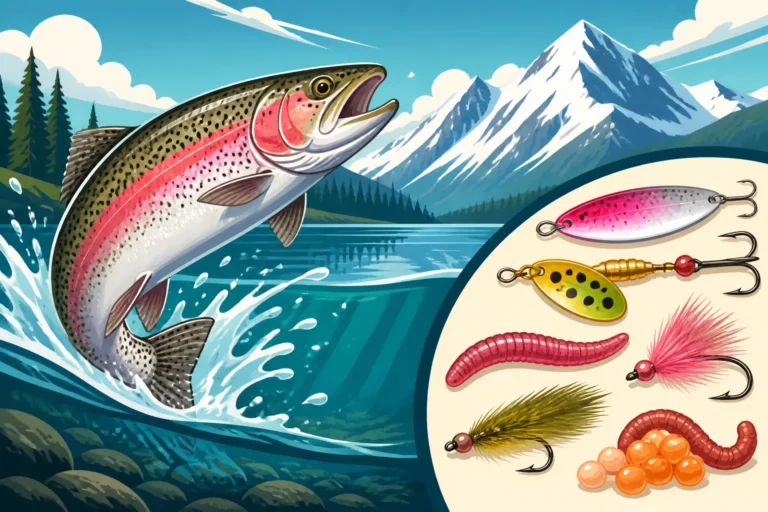
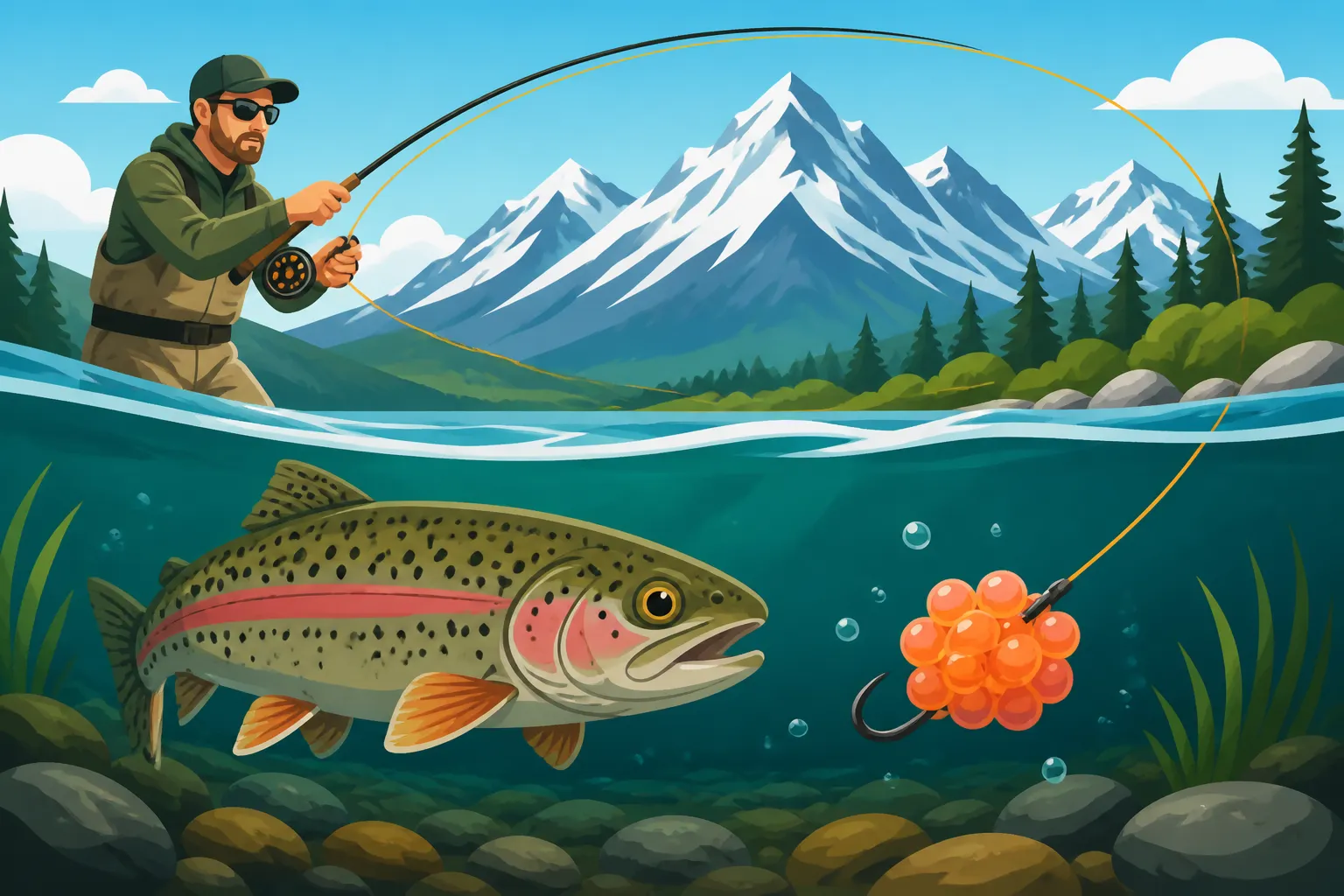
When salmon gather in rivers like the Kenai or Russian River to spawn, they dig redds (nests) in the gravel, depositing their precious eggs. As you can imagine, not every egg makes it into the perfect spot, or stays there. Many are dislodged by currents, other spawning salmon, or predators. These free-drifting eggs become an irresistible, high-protein buffet for resident freshwater fish. Trout, especially the robust Alaska Rainbow Trout, along with Dolly Varden and Arctic Char, have evolved to key into this seasonal abundance. For them, salmon eggs are like manna from heaven – calorie-dense, easy to intercept, and available in massive quantities.
They literally position themselves downstream from spawning salmon, waiting for the current to deliver these golden nuggets. It’s an instinctual feeding frenzy, making egg patterns incredibly effective. You're essentially presenting them with the exact food source they are naturally programmed to seek out and devour during these crucial periods.
Types of Egg Patterns
Not all egg patterns are created equal, and understanding the nuances can significantly improve your success rate. There's a surprising variety, designed to imitate the different stages and presentations of real salmon eggs.
- Single Egg Patterns: These are usually small, bead-like patterns, often tied with a little tuft of yarn or synthetic material to mimic the "veil" of an egg. They come in a multitude of colors, from the vibrant oranges and pinks of fresh Sockeye salmon eggs to the paler, more opaque shades of older, fertilized eggs. Popular choices include the Glo-Bug, which is essentially a small ball of yarn, or more realistic silicone-based patterns.
- Egg Clusters (Sucker Spawn): Sometimes, salmon eggs drift downstream in small clumps. Patterns like the "Sucker Spawn" or "Battle Creek Egg" imitate these clusters. They often feature several small "eggs" bundled together, creating a slightly larger profile that can be very effective, especially for larger trout looking for a bigger meal.
- Roe Imitations: Some patterns are designed to look like actual Sockeye roe. These might be small, translucent, and incredibly realistic, often with a "hot spot" of color or a clear outer layer. The goal is hyper-realism.
The most common colors you’ll encounter are variations of orange, pink, and red, directly mimicking the vibrant colors of fresh salmon eggs. However, don't shy away from chartreuse or even white, as these can sometimes trigger strikes when the fish are less aggressive or in different water conditions. Having a range of sizes and colors in your tackle box, readily available on platforms like Amazon, is crucial for adapting to the changing preferences of the fish.
When and Where to Use Them
The prime time for fishing egg patterns in Alaska directly correlates with the salmon spawning seasons. This typically kicks off in late summer and continues well into the fall, generally from mid-July through October. This is when species like King, Sockeye, and Coho salmon are in the rivers.
You'll want to focus your efforts on freshwater rivers and streams where salmon are actively spawning. Iconic locations like the Kenai River, Russian River, and tributaries across the Kenai Peninsula and Interior Alaska are legendary for their trout fishing during salmon runs. Look for areas with visible salmon on redds, or where you know salmon have been spawning recently. Trout and Dolly Varden will often hold just downstream of these spawning grounds, in current seams, eddies, or deeper pools, waiting for dislodged eggs to drift by. Pay attention to gravelly bottoms where salmon deposit eggs, as these are natural feeding stations for opportunistic trout. Understanding Alaska salmon run timing explained will be key to knowing exactly when to deploy these patterns.
Essential Gear for Fishing Egg Patterns
Successfully presenting an egg pattern to a wary trout requires more than just the right imitation; it demands the right gear to ensure a natural, stealthy presentation.
Rod, Reel, and Line Selection
Your choice of rod, reel, and line will largely depend on whether you prefer fly fishing or spin fishing.
- Fly Fishing Setup: For trout, a 5-weight to 7-weight fly rod is generally ideal. A 9-foot rod offers good control for mending line and fighting fish. Pair this with a matching fly reel loaded with a floating fly line. The floating line is crucial for suspending your indicator and leader, allowing your egg pattern to drift naturally. Your leader should be tapered, ending in a tippet of 3x to 5x fluorocarbon. Fluorocarbon is less visible in the water and more abrasion-resistant, which is a huge plus when fishing around rocky bottoms. For those really finicky fish, you might even drop down to 6x.
- Spin Fishing Setup: A light to medium-light action spinning rod, typically 6 to 7.5 feet long, works well. This allows for sensitive bites and good casting control. A matching spinning reel spooled with 6 to 10-pound monofilament or braided line is appropriate. If using braid, tie on a fluorocarbon leader of about 3-6 feet (4-8 pound test) to maintain stealth. The stretch in monofilament can be forgiving, but fluorocarbon's invisibility and sensitivity often give it an edge.
For both setups, the goal is to have a system that allows for a delicate presentation, minimal drag, and sufficient backbone to handle a strong Alaska Rainbow Trout, which can often exceed 20 inches in these egg-rich environments. For more detailed gear advice, check out an Alaska Fishing Gear and Tackle Guide.
Hooks, Weights, and Indicators
These small but critical components make all the difference in presenting your egg pattern naturally.
- Hooks: For single egg patterns, you’ll typically use a small, sharp, short-shanked hook ranging from size 10 to 14. For egg clusters, you might go slightly larger, perhaps a size 8 or 10. Always opt for quality, sharp hooks. Many Alaska regulations, especially on popular trout streams, require barbless hooks. If your hooks aren’t barbless, remember to crimp down the barb with pliers. This is a common requirement, so be sure to check your specific Alaska Fishing Regulations Explained before heading out.
- Weights: To get your egg pattern down to where the fish are holding and to ensure a natural drift, you'll need weight. Small split shot, typically sizes BB to 4 or 5, are commonly used. You can also use lead putty or tungsten sinkers. The key is to use just enough weight to get your fly or lure to the bottom without snagging excessively. You want it ticking the bottom occasionally, mimicking a natural egg. Place your weight about 6-12 inches above your egg pattern.
- Indicators (Bobbers): For fly fishing, strike indicators are essential. They float on the surface, allowing you to detect subtle takes. There are various types, from small, buoyant foam indicators to yarn indicators that are less intrusive. For spin fishing, a small, sensitive bobber (often called a "slip bobber" or "drift float") is used. The idea is to suspend your egg pattern just off the bottom where trout are actively feeding. The indicator also helps you visualize your drift and ensure it’s drag-free.
Must-Have Egg Patterns
While local fly shops in Alaska will have a great selection, it's always good to have some reliable patterns.
- Glo-Bugs: These are arguably the most iconic and widely used egg patterns. Made from yarn, they are simple, effective, and come in every shade of pink, orange, and red imaginable. They are fantastic for imitating fresh salmon eggs. You can easily find variety packs on Amazon.
- Otter's Soft Eggs / Battle Creek Eggs: These are more realistic, often made from soft plastic or silicone, and designed to look and feel like actual salmon eggs. They offer a bit more realism and sometimes fool more discerning trout. They’re great for mimicking both single eggs and small clusters.
- Sockeye Roe Imitations: Given the prevalence of Sockeye Salmon in many Alaska rivers, having patterns that specifically mimic their bright orange-red eggs can be deadly. Look for patterns with a translucent quality.
- Bead Eggs: Another simple yet effective option, bead eggs are essentially small plastic or glass beads slid onto your line, with a hook tied directly below. The bead acts as the egg, and the hook is hidden in the current. These are popular for both fly and spin fishing.
Stock up on a variety of sizes and colors. Sometimes the fish prefer a tiny, pale egg, while other times they want a large, fluorescent pink cluster. Experimentation is key to figuring out what the trout are feeding on that day.
Techniques for Presenting Egg Patterns Effectively
The magic of egg patterns lies in their presentation. A natural, drag-free drift is paramount to convincing a wary trout that your imitation is the real deal.
Fly Fishing Techniques
Fly fishing with egg patterns is often a game of finesse, allowing the current to do most of the work.
- Indicator Nymphing: This is the most common and often easiest way to fly fish egg patterns. You’ll rig your leader with a strike indicator (like a small foam bobber or a piece of yarn) and a split shot or two above your egg pattern. Cast upstream and slightly across the current, allowing your fly line, leader, and indicator to drift naturally downstream. The goal is a "dead drift," where your indicator moves at the same speed as the current, without any drag. Mending your fly line (flicking excess line upstream) helps achieve this. Watch your indicator intently; any hesitation, twitch, or subtle movement could be a take.
- Scenario: You're on the Kenai River in late August, and you see Sockeye salmon actively spawning on a gravel bar. Position yourself downstream, cast your Glo-Bug (orange, size 12) with a small indicator and a couple of split shots into the current seams just below the redds. Watch the indicator carefully. When it pauses or dips, set the hook!
- Euro Nymphing (Tightline Nymphing): For more experienced anglers, Euro nymphing can be incredibly effective, especially in faster or deeper runs where getting immediate bottom contact is crucial. This technique involves using a long, light rod and specialized leader systems without a traditional indicator. The angler maintains a tight line to the flies, feeling for subtle takes. The rod tip acts as the indicator, and the angler is constantly adjusting their drift to maintain contact with the bottom. This method offers superior control and sensitivity but has a steeper learning curve.
- Dead-Drifting Without an Indicator: In some situations, especially with extremely shy fish or in very shallow, clear water, you might opt to dead-drift your egg pattern without an indicator. This relies purely on feel and watching your fly line where it enters the water for any subtle hesitation or movement. This is a more advanced technique but can be incredibly rewarding when fish are pressured. It's about letting the egg pattern tumble along the bottom as naturally as possible, just like real eggs.
Spin Fishing Techniques
Spin fishing with egg patterns can be equally effective and, for many, more accessible. The principle of a natural drift remains the same.
- Float Fishing (Bobber Fishing): This is the spin fisherman's equivalent of indicator nymphing. You’ll use a small, sensitive slip bobber. Thread your line through the bobber, attach a bobber stop to set your desired depth, then add a small swivel, lead weight (split shot or a small slinky weight), and finally your egg pattern (often a bead egg or a soft plastic egg). Cast upstream and allow the current to carry your bobber and egg downstream. Again, the goal is a drag-free drift. When the bobber dips, hesitates, or goes under, set the hook with a quick, upward sweep of your rod. This is a fantastic method for covering water and ensuring your egg is presented at the correct depth.
- Scenario: You're bank fishing on the Russian River where you can see many Sockeye. You rig your spinning rod with a small slip bobber set to about 3 feet deep, a few split shots, and a vibrant pink Battle Creek Egg. You cast into the current, letting it drift past a submerged log where you suspect trout are hiding. The bobber dips sharply, and you're into a nice Dolly Varden!
- Bottom Bouncing/Drift Fishing: This technique is often used in stronger currents or when fish are holding tight to the bottom. You’ll use enough weight (often a heavier slinky weight or pencil lead) to allow your egg pattern to bounce and roll along the riverbed. The weight should be heavy enough to keep contact with the bottom but light enough to tumble naturally with the current. Your egg pattern will be on a short leader (12-24 inches) behind the weight, allowing it to "trail" naturally. This method can be very effective but requires a good feel for the bottom to avoid constant snagging. It's similar to how one might fish for Alaska Sockeye Salmon Fishing Regulations and Limits in specific areas where drifting a bead is common.
Reading the Water for Trout Holding Areas
Understanding where trout position themselves to feed on eggs is critical. They aren't just randomly distributed.
- Downstream of Redds: This is the most obvious spot. Trout will sit directly downstream of actively spawning salmon, waiting for eggs to be dislodged.
- Current Seams and Eddies: Look for the calmer water where faster currents meet slower water. Trout will sit in these less strenuous zones, allowing the current to deliver food to them without expending too much energy. Eddies, those swirling pockets of water, are also prime holding areas.
- Deeper Pools and Runs: After a stretch of shallow spawning water, deeper pools or longer, steady runs provide refuge and ideal feeding lanes for trout. Eggs will often accumulate in these areas.
- Structure: Submerged logs, large rocks, undercut banks, and other underwater structure provide cover and ambush points for trout. Eggs might also collect around these features.
- Tailouts of Pools: As water exits a pool and begins to shallow out, eggs can get concentrated, making these areas productive.
Pay attention to where you see salmon, but also where the water depth and current provide a comfortable, food-rich lie for trout.
Tips for Success and Common Mistakes to Avoid
Fishing with egg patterns can be incredibly rewarding, but like any technique, there are nuances that separate a good day from a great one.
Adjusting Depth and Weight
This is perhaps the most crucial aspect of fishing egg patterns successfully. The river bottom is rarely uniform, and current speeds vary.
- Constant Adjustment: Don't set your depth or weight once and forget it. As you move along the river, or even as you fish different parts of the same run, you’ll need to adjust. If you’re not occasionally ticking the bottom, your egg pattern is likely too high in the water column and not reaching the fish. If you're constantly snagging, you're either too heavy or too deep.
- Finding the "Sweet Spot": The ideal presentation has your egg pattern just bouncing or "ticking" the bottom every few feet. This mimics a natural egg tumbling along. For fly anglers, this means adjusting your split shot. For spin anglers, it means adjusting your bobber stop or the amount of weight you're using. Carry a variety of split shot sizes so you can fine-tune on the fly.
Hook Set and Fighting Fish
Trout takes on egg patterns can be incredibly subtle, often just a slight hesitation of your indicator or a barely perceptible bump on your line.
- The "When in Doubt, Set the Hook" Rule: If anything looks or feels even slightly off with your drift, set the hook! Many times, what feels like a snag is actually a trout gently mouthing your egg. A quick, decisive but not overly aggressive upward sweep of the rod is usually all it takes. Because you’re often fishing lighter tippets or leaders, a violent hook set can snap your line.
- Fighting an Alaska Trout: Once hooked, Alaska Rainbow Trout, Dolly Varden, and Arctic Char can be powerful fighters. Use the flex of your rod to absorb their runs and head shakes. Keep constant pressure on the fish, but avoid horsing them in, especially if you’re using lighter tippet. Use your reel's drag, and pump the fish in slowly. For larger fish, especially trophy Rainbows, be patient and let them run when they need to. Refer to Alaska Catch-and-Release Best Practices for tips on handling and releasing fish to ensure their survival.
Environmental Considerations and Regulations
Being a responsible angler in Alaska is paramount, especially when fishing around spawning salmon.
- Respect Spawning Salmon and Redds: Never wade directly through areas where salmon are actively spawning (redds). These are visible as clean, often oval-shaped patches of gravel. Stepping on them can crush eggs, harming future salmon populations. Give them a wide berth.
- Check Emergency Orders: Alaska’s fishing regulations can change rapidly due to emergency orders, especially concerning salmon runs. Always check the Alaska Department of Fish and Game (ADF&G) website or local postings before you go. These orders can affect bag limits, open/closed seasons, or even gear restrictions (like Alaska Barbless Hook Requirements).
- Target Species and Limits: Be aware of the specific regulations for the trout, Dolly Varden, or Arctic Char you are targeting. For example, Alaska Rainbow Trout Regulations often include slot limits or catch-and-release only zones to protect these prized fish.
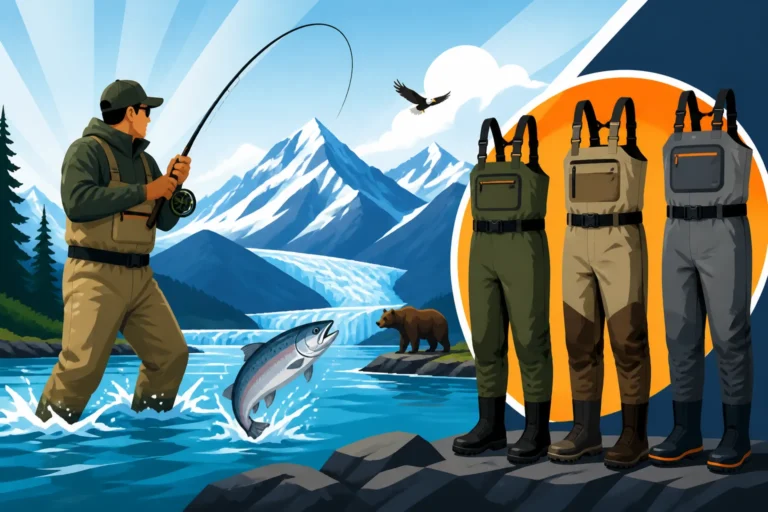
- Bear Safety: When fishing around spawning salmon, you are in bear country. Be bear aware, carry bear spray, and know how to use it. Make noise, especially when moving through brush, and never approach or feed bears.
By being mindful of your technique, constantly adapting to conditions, and respecting the incredible Alaskan environment, you'll find that fishing with egg patterns can be one of the most productive and exciting ways to target Alaska's magnificent trout, Dolly Varden, and Arctic Char.
Comparing Popular Egg Pattern Types
Here's a quick comparison of some common egg pattern types you might use:
| Egg Pattern Type | Material | Ideal Use | Key Characteristics | Pros | Cons |
|---|---|---|---|---|---|
| Glo-Bug (Yarn Egg) | Synthetic Yarn | Fresh, vibrant eggs; all-around use | Soft, buoyant, vibrant colors | Easy to tie, highly visible, great movement | Can absorb water and get heavy, less realistic texture |
| Otter's Soft Egg | Soft Plastic/Silicone | Realistic presentation for wary fish | Translucent, soft texture, sinks naturally | Very realistic feel and look, durable | More expensive, can be harder to rig perfectly |
| Bead Egg | Plastic or Glass Bead | Simple, direct imitation; all-around use | Hard, round, sits on leader | Easy to rig, durable, excellent for bottom bouncing | Can look less natural than soft patterns, hook is separate |
| Sucker Spawn | Yarn/Synthetic Fibers | Imitating egg clusters, larger meal for trout | Multiple "egg" shapes bundled together, larger profile | Appeals to larger fish, good visibility | Can be bulky, less specific color variation than single eggs |
Remember, the best egg pattern is often the one that most closely mimics the natural eggs in the river you're fishing, combined with a presentation that makes it irresistible.
Disclaimer
Please remember that fishing regulations in Alaska can change frequently due to emergency orders and other factors. It is your responsibility to consult the latest Alaska Department of Fish and Game (ADF&G) regulations before heading out on any fishing trip. This guide is for informational purposes only and should not be considered a substitute for official regulations. Stay safe and fish responsibly!