When Do King Salmon Run in Alaska
Planning an Alaska fishing trip around the elusive King Salmon run can feel like a high-stakes gamble. You've probably heard tales of epic catches and frustrating misses, all hinging on being in the right place at the exact right time. These magnificent fish, also known as Chinook, are notoriously unpredictable, making it incredibly tough to nail down your dates. But don't let that deter you! This comprehensive guide is here to demystify the King Salmon run timing in Alaska, helping you understand the general seasons, critical regional variations, and the crucial environmental factors that influence when these powerful giants make their legendary journey from the ocean to their spawning grounds.
Understanding the King Salmon Run Cycle
Before we dive into specific dates and locations, it's essential to grasp the fundamental biology behind King Salmon runs. These aren't just random occurrences; they're the culmination of years of ocean life and an instinctual drive to reproduce.
The General Timeline of King Salmon Runs
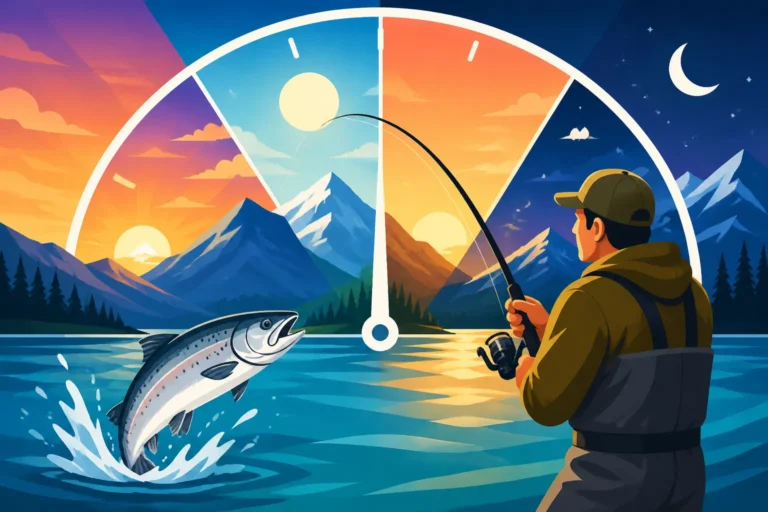
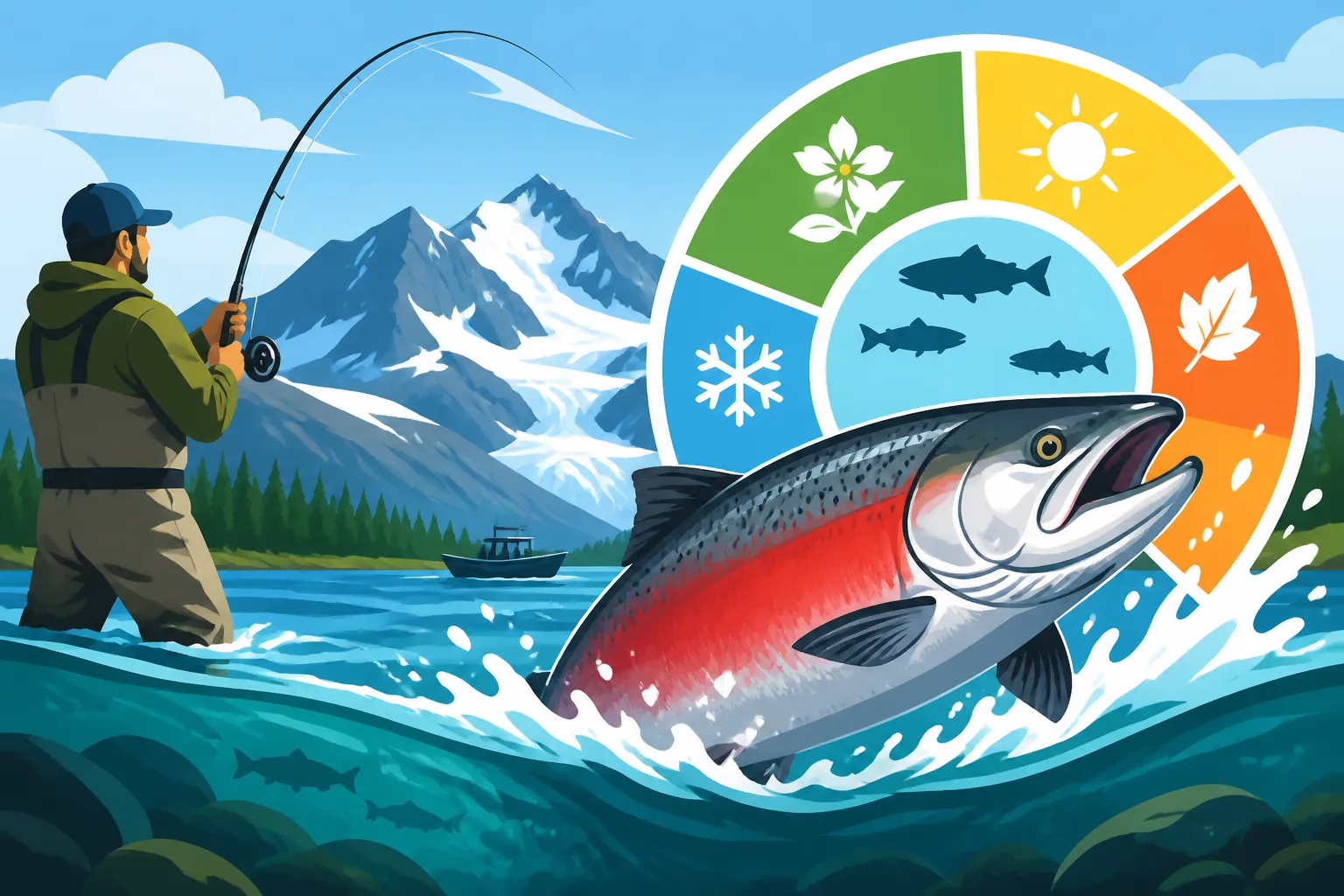
In the vast expanse of Alaska, King Salmon generally begin their migration from the saltwater back into freshwater rivers and streams in late spring, continuing through the summer. While there's no single "King Salmon season" for the entire state, you can typically expect the earliest runs to start appearing in late May, building to peak numbers through June and July, and then tapering off into early August. This is a very broad stroke, of course, as the actual timing can vary significantly from river to river, and even year to year within the same river system. Think of it less like a fixed schedule and more like a fluid window that shifts based on a multitude of environmental cues. For a wider view of what's biting throughout the year, you might find our guide on Alaska Fishing Seasons: Month-by-Month Guide particularly helpful.
Many anglers target the larger, earlier King Salmon that often show up in the initial push, while others prefer the more consistent numbers of the peak run, even if the individual fish might be slightly smaller. The excitement lies in the variability; every season offers a unique challenge and reward.
Life Cycle and the Spawning Drive
King Salmon are anadromous fish, meaning they spend the majority of their adult lives in the nutrient-rich ocean, growing to impressive sizes, before returning to the exact freshwater stream of their birth to spawn. This incredible journey is driven by an ancient, powerful instinct. Most King Salmon spend between three to five years feeding and maturing in the ocean, though some "mini-kings" or "jacks" might return after just one or two years.
Once they enter freshwater, they cease feeding and rely solely on their stored energy reserves to complete their migration, defend their spawning redds (nests), and reproduce. This non-feeding behavior in freshwater means that anglers are essentially appealing to their aggressive territorial instincts or presenting baits and lures that trigger a strike response, rather than a hunger response. Understanding this fundamental life cycle helps shed light on why their timing is so critical and why certain fishing techniques are more effective once they're in the rivers.
Regional King Salmon Run Breakdown
Alaska is a massive state, and its King Salmon runs are equally diverse, with different rivers and regions experiencing their migrations at varying times and with distinct characteristics. Knowing these regional differences is key to planning a successful trip.
Southcentral Alaska Rivers
The Southcentral region, particularly the Kenai Peninsula, is arguably the most famous and accessible area for King Salmon fishing in Alaska.
- Kenai River: Often considered the crown jewel for trophy King Salmon, the Kenai River experiences two distinct runs. The first run typically begins in late May and peaks in mid-June. These fish are generally smaller than the second run but offer exciting early-season action. The legendary second run starts in early July and peaks around mid-July, often bringing in the truly colossal "barn door" Kings that the river is famous for. However, this run is also heavily managed, and you'll want to stay up-to-date on Alaska King Salmon Fishing Regulations and Limits as emergency orders can change frequently. For a deep dive into this iconic river, check out our Kenai River King Salmon Fishing Guide.
- Kasilof River: Flowing parallel to the Kenai, the Kasilof often sees an earlier and strong King Salmon run, typically starting in early June and peaking by late June to early July. This river is known for its drift-boat-only sections, offering a different fishing experience compared to the Kenai's more varied access.
- Deshka River: Located in the Mat-Su Valley, north of Anchorage, the Deshka River has a popular early King Salmon run, usually beginning in late May and peaking in early to mid-June. It's a favorite for anglers looking for roadside access and a relatively close option to Alaska's largest city.
- Susitna River Drainage: The vast Susitna River system and its tributaries offer numerous King Salmon opportunities, with runs generally occurring from June through July. While more remote than the Kenai or Kasilof, these areas can provide excellent fishing for those willing to venture a bit further.
Southeast Alaska Fisheries
Southeast Alaska, a region characterized by its myriad islands and fjords, offers a different kind of King Salmon experience, often focusing on ocean-run "feeder Kings" as much as river returns.
- Marine Fisheries (Sitka, Juneau, Ketchikan): In places like Sitka, Juneau, and Ketchikan, anglers often target King Salmon in saltwater as they feed and migrate along the coast. These "feeder Kings" can be present from May through September, with peak opportunities typically from June through August. While not tied to specific river runs, targeting these active ocean-going fish offers incredible action and often less regulatory pressure than river fisheries. For specific details on these hotspots, you might look into our guides on Sitka Fishing Guide or Juneau Fishing Guide for Visitors.
- Local River Systems: While Southeast Alaska has many smaller rivers and streams, their King Salmon runs are generally shorter, more concentrated, and highly dependent on local conditions. These runs typically occur from mid-June through July, with precise timing varying greatly.
Western and Interior Alaska Rivers
For those seeking a truly wild and often prolific King Salmon experience, the rivers of Western and Interior Alaska offer incredible opportunities, though they often require more adventurous travel.
- Nushagak River: Located in Bristol Bay, the Nushagak is renowned for having one of the largest King Salmon runs in the world, often boasting incredible numbers. The run typically begins in mid-June and peaks in the last week of June and first week of July. This is a volume fishery where anglers often catch multiple Kings in a day, though trophy sizes might not be as common as the Kenai. Our Nushagak River Fishing Guide can provide more specific insights.
- Yukon River: The mighty Yukon River hosts the longest salmon migration on Earth, with Kings traveling thousands of miles inland. Their run is consequently later, often peaking in July and continuing into August in the upper reaches. This fishery is more challenging for sport anglers due to its vastness and remote nature, with a significant focus on subsistence fishing for local communities.
- Copper River: Famous for its early, highly prized commercial fishery, the Copper River also supports a sport fishery for King Salmon. These fish are known for their firm, rich meat, a result of their powerful journey. Sport fishing typically occurs from late May through early July, but access and regulations can be complex.
To give you a clearer picture, here's a table summarizing general King Salmon run timings across key Alaskan regions:
| Region / River | General Run Timing | Peak Window | Key Considerations |
|---|---|---|---|
| Kenai River (1st Run) | Late May – Mid-June | Mid-June | Typically smaller fish, can offer good early season action. |
| Kenai River (2nd Run) | July | Mid-July | Trophy potential, often subject to strict emergency orders (EOs). |
| Kasilof River | Early June – Mid-July | Mid-June – Early July | Strong early runs, often drift-only, popular for consistent action. |
| Deshka River | Late May – Early July | Early June | Roadside access, popular for residents near Anchorage, strong early run. |
| Nushagak River | Mid-June – Early July | Late June | Volume fishery, remote fly-in camps, incredibly prolific runs. |
| Southeast (Marine) | May – September | June – August | Ocean-going "feeder Kings" provide consistent opportunity, less river-specific. |
| Copper River | Mid-May – Early July | Late May – Mid-June | Famous for early, high-quality fish; often highly regulated. |
Key Factors Influencing Run Timing and Strength
While general timelines exist, King Salmon runs are anything but static. Their precise timing and overall strength are heavily influenced by a combination of environmental conditions, making flexibility and diligent research crucial for any angler.
Water Temperature and Flow Conditions
The condition of the river system plays an enormous role in when and how King Salmon enter and move through freshwater.
- Water Temperature: Salmon are sensitive to water temperature. If rivers are too cold in early spring due to heavy snowpack and glacial melt, it can delay their entry and movement upstream. Conversely, excessively warm water temperatures, especially later in the season, can stress fish, make them lethargic, and even alter their migration patterns. Ideal temperatures generally encourage a steady migration.
- Water Flow/Level: High water flows, often caused by heavy spring rains or rapid snowmelt, can make it difficult for fish to hold in certain areas and for anglers to effectively present lures or bait. However, strong flows can also encourage fish to push further and faster upstream. Low water conditions, on the other hand, might concentrate fish in deeper pools, but can also make them more wary and spooky, leading to tougher fishing. Monitoring real-time river gauges and forecasts is crucial for understanding current conditions.
Ocean Conditions and Prey Availability
What happens out in the vast Pacific Ocean directly impacts the King Salmon returning to Alaska's rivers. Their time at sea is spent bulking up for their arduous spawning journey.
- Marine Survival Rates: The health of the ocean ecosystem dictates how many juvenile salmon survive to adulthood and how robust they are. Factors like ocean temperature, the availability of prey fish (such as herring and sand lance), and predation pressure from marine mammals can fluctuate wildly year to year. A strong year class with abundant food will likely lead to a stronger, healthier run, while poor ocean conditions can result in lower returns and smaller fish.
- Migration Paths: Ocean currents and water temperatures can also influence the specific migration paths salmon take as they approach the coast, sometimes leading to unexpected concentrations of fish in certain areas or delays in their arrival at river mouths.
Regulatory Changes and Emergency Orders
Perhaps no other factor impacts your ability to fish for King Salmon as much as regulatory decisions. King Salmon populations across Alaska have faced challenges in recent years, leading to strict management by the Alaska Department of Fish and Game (ADF&G).
- Conservation-First Approach: ADF&G prioritizes ensuring enough fish escape to spawn and sustain future generations. This means that if run forecasts are low, or if the actual numbers of fish returning are not meeting escapement goals, they will implement emergency orders (EOs) to restrict fishing.
- Common Emergency Orders: These EOs can include various measures:
- Full Closures: Completely closing a river or section to King Salmon fishing.
- Gear Restrictions: Requiring single-hook, artificial lures only, or prohibiting bait.
- Size Limits: Imposing slot limits or maximum size restrictions.
- Bag Limit Reductions: Lowering daily or annual harvest limits, especially for non-residents.
- Catch-and-Release Only: Prohibiting retention of any King Salmon.
These changes can happen with very little notice, sometimes just days before or even during the run. It's imperative to always check the latest Alaska Fishing Emergency Orders Explained before you head out, and a great resource for this is How to Check Alaska Emergency Orders Before Fishing. Even seemingly small changes like Do You Need a King Salmon Stamp in Alaska can impact your trip.
Planning Your King Salmon Adventure
Given the dynamic nature of King Salmon runs, successful planning requires more than just picking a date on a calendar. It demands vigilance, flexibility, and proper preparation.
Monitoring Forecasts and Conditions
While no one has a crystal ball, several resources can help you stay informed and make educated guesses about King Salmon run timing and strength.
- ADF&G Forecasts: The Alaska Department of Fish and Game (ADF&G) releases preseason forecasts for many major river systems. While these are estimates and can change, they provide a valuable baseline. You can often find links to river-specific data on their website. They also offer detailed information in their annual regulation booklets, which you can purchase digitally or sometimes find hard copies through retailers, or even order a relevant fishing guide from Amazon before your trip.
- Local Fishing Reports: Once the season approaches, local tackle shops, guide services, and online forums become invaluable sources of real-time information. Guides are on the water daily and have the most up-to-date insights into where fish are and what they're biting on.
- River Gauges: For many rivers, real-time online river gauges provide data on water levels, flow rates, and sometimes temperature. These can be crucial for understanding current conditions and predicting how fish might be behaving.
- Flexibility is Key: The best advice for planning an Alaska King Salmon trip is to build in some flexibility. If possible, have a backup plan or allow for a few extra days in case conditions or regulations shift.
Essential Gear and Tackle Considerations
King Salmon are powerful fish, and you'll need gear that can stand up to their incredible fight. Don't skimp here; a broken rod or snapped line can ruin your chance at a fish of a lifetime.
- Rods and Reels: For river fishing, a heavy-action casting or spinning rod, typically 9-10 feet in length, paired with a stout baitcasting or spinning reel spooled with 30-50 lb test braided line is common. For fly fishing, a 10-12 weight rod with a robust reel and strong backing is essential. You'll find a wide array of options for heavy-duty spinning reels and rods suitable for King Salmon available on Amazon, from trusted brands like Penn, Shimano, or Daiwa.
- Lures and Bait: The choice of lures and bait depends heavily on the river and local regulations. Popular lures include large diving plugs (like Kwikfish or Magnum Wiggle Warts), weighted spinners, and heavy spoons (such as Pixie Spoons). Cured salmon roe (roe bags) is often a highly effective bait, but always check if bait is permitted. For a deeper dive into what to bring, consult our Alaska Fishing Gear and Tackle Guide.
- Waders and Rain Gear: Alaska weather is famously unpredictable. High-quality waders are essential for river anglers, and reliable rain gear is non-negotiable. Don't let a sudden shower cut your fishing day short! For more specific techniques, consider reading How to Catch King Salmon in Alaska.
Navigating Regulations and Licenses
Alaska has complex fishing regulations designed to protect its precious resources. Understanding and adhering to them is not just a legal requirement but a commitment to sustainable fishing.
- Fishing Licenses: Every angler over the age of 16 needs an Alaska Fishing License: Complete Guide. Non-residents will need to purchase a specific Alaska Non-Resident Fishing License Guide, which can be for various durations (1-day, 3-day, 7-day, 14-day, or annual).
- King Salmon Stamp: In addition to your regular fishing license, a King Salmon stamp is often required if you plan to fish for King Salmon. This applies to both residents and non-residents, and it's a critical detail that many overlook. Be sure to check Do You Need a King Salmon Stamp in Alaska for specific requirements.
- Harvest Record Card: For certain species, including King Salmon in many regions, you'll need a harvest record card to record your catch immediately upon retention. This data helps ADF&G monitor harvest levels.
- Reading the Regulations Booklet: Alaska's sport fishing regulations are published annually and are divided by region. It can be a lot to digest, but taking the time to understand the specific rules for the area you're fishing is crucial. Our guide on How to Read Alaska Fishing Regulations can help you interpret the complex language. Remember that regulations can and do change frequently, especially for King Salmon, via emergency orders, so always double-check the very latest information.
Disclaimer
Please remember that fishing conditions, regulations, and fish run timings in Alaska can change rapidly due to a variety of environmental factors and management decisions. Always consult the latest Alaska Department of Fish and Game (ADF&G) regulations and emergency orders before heading out on any fishing trip. This guide is for informational purposes only and should not be considered a substitute for official government regulations.