Best Time to Catch Lingcod in Alaska
Trying to figure out the absolute perfect time to chase those incredible Lingcod in Alaska can feel like a bit of a puzzle, especially with so many factors at play. You want to maximize your chances of success, not just hit a broad "season" when they're technically available but perhaps not biting well. This guide is going to walk you through the nuances of when and how to best target these toothy, hard-fighting bottom dwellers, ensuring you're ready for an epic Alaskan fishing adventure.
Understanding Lingcod Seasons and Regulations in Alaska
Before we even talk about when Lingcod are most active, it's absolutely crucial to understand the legal framework. Alaska's fishing regulations are designed to protect fish populations while providing ample opportunity for anglers, but they can be complex and vary widely by region.
Statewide Season Overview
The Alaska Department of Fish and Game (ADF&G) generally sets a fairly long season for Lingcod in many areas, often running from May 1st through November 30th, and in some select locations, even year-round. However, don't let those broad dates fool you into thinking any day within that window is equally good for fishing. The "season" refers to when it's legally permissible to harvest them, not necessarily when they're most abundant or eager to bite.
Think of it like this: while you might be allowed to fish for salmon year-round in certain rivers, you wouldn't expect to catch a King Salmon in February in the same numbers as you would in June. The same principle applies to Lingcod. The legal season is your green light, but timing your trip to coincide with their biological cycles and feeding patterns is what truly makes a difference in your success. These are incredibly interesting Alaska Saltwater Fish Species, and understanding their behavior is key.
Regional Regulations and Emergency Orders
Alaska is a vast state, and its diverse marine environments mean that Lingcod regulations can differ significantly from one region to another. What might be legal and productive in Southeast Alaska around Ketchikan could be entirely different in the waters off Kodiak Island or the Kenai Peninsula. It's not just about the opening and closing dates; it also includes varying bag limits, size restrictions (minimum or maximum lengths, or even reverse slot limits in some cases), and annual limits.
For example, the waters of Prince William Sound might have different Lingcod rules than those in the Outer Coast of Southeast Alaska. Always, and I mean always, consult the current Alaska Fishing Regulations Explained booklet for the specific area you plan to fish. You can usually find these online through the ADF&G website or pick up a physical copy at tackle shops and license vendors across the state.
Even beyond the annual regulations, the ADF&G issues Alaska Fishing Emergency Orders Explained. These can change during the season due to conservation concerns, lower-than-expected returns, or other environmental factors. A fishery that was open last week could be closed tomorrow, or bag limits could be adjusted. Checking for these emergency orders is a critical step before any fishing trip to avoid potential violations and ensure you're compliant with the most current rules.
Optimal Fishing Times for Lingcod in Alaska: A Closer Look
While the legal season might span many months, there are definitely specific windows when Lingcod fishing truly shines. These prime times are driven by the fish's biology, their feeding habits, and the availability of their prey.
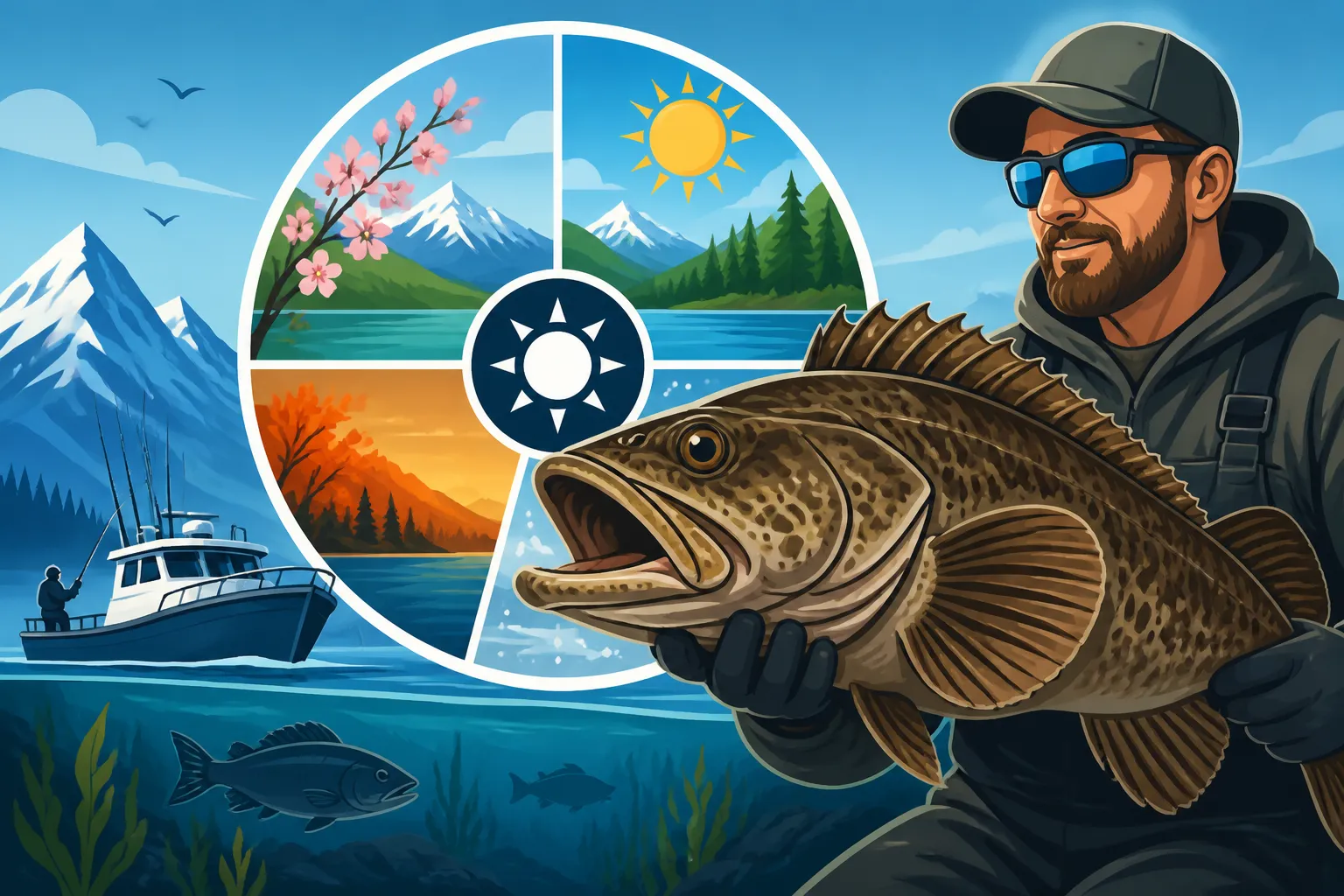
Spring Opportunities May-June
As the long, dark Alaskan winter begins to release its icy grip, Lingcod start to become more active in May and June. This period can offer some fantastic fishing, particularly as these powerful predators emerge from their late winter/early spring spawning cycles. After the rigors of spawning, Lingcod are often quite hungry and willing to chase a meal, making them particularly aggressive and receptive to lures and baits.
During these months, you might find Lingcod in slightly shallower waters compared to the peak summer, especially around rocky reefs, pinnacles, and dense kelp beds that provide excellent ambush points. The water is still cool, but increasing daylight hours stimulate baitfish activity, which in turn draws the Lingcod out of their deeper hideouts. The relatively lower fishing pressure early in the season can sometimes lead to incredible catches for those who brave the often cooler, choppier spring conditions.
This early season offers a unique chance to target Lingcod when they are often concentrated and hungry, making it an exciting prospect for anglers looking to kick off their fishing year with a fight. It's a great time to be out on the water, even if you're layering up a bit more.
Summer Peak July-September
Without a doubt, the absolute sweet spot for Lingcod fishing in Alaska generally falls between July and September. This is when the ocean ecosystem truly comes alive. Water temperatures are at their warmest, and the baitfish populations – including herring, sand lance, and various juvenile salmon species – are at their most abundant. This robust food supply means Lingcod are actively feeding, growing, and often congregated in larger numbers.
During these prime summer months, Lingcod are typically found on prominent underwater structures such as reefs, rock piles, and deep ledges, at depths ranging from 60 to 300 feet. These areas provide the perfect combination of current, cover, and access to food. This also happens to be the busiest time for many Alaskan fishing destinations, as anglers flock to target salmon and halibut, making Lingcod a popular and often successful bonus catch. Many sportfishing operations, particularly in fishing hubs like Homer, Seward, and Sitka, frequently offer "combo" trips where you can target multiple species, often starting with halibut and then moving to Lingcod spots. This efficiently maximizes your time on the water and helps fill your cooler with a diverse and delicious catch. For a broader view of what's biting, check out the Alaska Fishing Seasons: Month-by-Month Guide.
Late Fall Considerations October-November
As autumn colors begin to fade and the days noticeably shorten, Lingcod fishing can still be very productive in October and November, though it demands a bit more resilience from the angler. During these months, Lingcod typically begin to move into deeper waters as they prepare for their winter spawning cycles. This pre-spawn period can trigger another strong feeding response, much like bears bulking up for hibernation, as they seek to pack on calories for the long winter and the energy-intensive process of reproduction.
You'll generally be targeting them in similar deep-water structures as in the summer, but the weather becomes a much more significant factor. Windows of calm seas and favorable conditions can be fewer and further between, requiring careful attention to marine forecasts and a willingness to brave cooler, often wetter, conditions.
For those dedicated anglers willing to embrace the elements, late fall can yield some truly impressive Lingcod, often including larger, trophy-sized specimens. It’s a time for the serious angler who doesn’t mind a bit of a challenge and is properly outfitted with good rain gear and warm layers. Always prioritize safety and keep an eye on rapidly changing Alaskan weather.
Factors Influencing Lingcod Activity and Catch Rates
It's not just about the calendar month; several environmental factors play a huge role in whether Lingcod are biting on any given day. Understanding these can significantly improve your chances of success.
Tides and Current
Just like many other predatory fish, Lingcod are highly influenced by tidal movements and current. In their rocky, structured environments, strong currents are often your best friend. Lingcod are ambush predators; they prefer to position themselves in current breaks or facing directly into the flow, waiting for baitfish and other prey to be swept past them. This allows them to conserve energy while effectively hunting.
During periods of strong current, Lingcod tend to be more active and aggressive, making them more likely to strike a lure or bait. Conversely, slack tide periods, when the current slows or stops, often result in slower fishing. Without the flow to bring food or distribute scent, Lingcod can become less active and less willing to expend energy chasing down a meal. This is why experienced captains and guides often time their Lingcod drops to coincide with the stronger parts of the incoming or outgoing tides. It's a crucial component of effective Best Fishing Techniques for Alaska.
Water Depth and Structure
Lingcod are quintessential structure-loving fish. You won't find them in large numbers cruising over vast, featureless sandy or muddy bottoms. Their preferred habitat consists of rocky reefs, underwater pinnacles, steep ledges, and deep kelp beds – any environment that provides ample cover for ambushing prey, places to hide, and strong currents. These structures are their homes, their hunting grounds, and their spawning sites.
The specific depth at which you find Lingcod can vary with the season and the local topography, but they are generally found between 60 to 300 feet. In early spring, after spawning, some may be shallower, while in late fall, they often retreat to deeper, more stable environments. Locating these underwater features is paramount to success. Modern electronics, such as powerful fish finders and chartplotters, are indispensable tools for identifying these crucial bottom structures. It’s not simply about finding fish on the screen; it’s about understanding where they live and why they are there.
Lingcod Spawning Habits
Understanding the Lingcod's reproductive cycle is key to predicting their behavior. Lingcod typically spawn in late winter or early spring, generally between December and April, with the exact timing dependent on regional water temperatures and specific locations. During this period, male Lingcod aggressively guard the egg masses, protecting them from predators. Both sexes can exhibit reduced feeding behavior or become less aggressive towards typical fishing presentations during the peak of spawning.
However, the periods before and after spawning can offer some of the most phenomenal fishing. In the weeks leading up to spawning, Lingcod will gorge themselves to build up energy reserves, leading to a strong "pre-spawn bite." Once spawning is complete, they are often ravenous, recovering from the exertion, which triggers another aggressive feeding frenzy. This post-spawn hunger contributes significantly to why the summer months (July-September) are often so productive for Lingcod, as many fish have recovered and are actively rebuilding their strength. Being aware of the Alaska Lingcod Season and Size Limits is important, especially around spawning periods, as regulations are often designed to protect them.
Essential Gear and Techniques for Alaska Lingcod
Lingcod are not for the faint of heart, or faint of tackle! These fish are powerful, aggressive, and live in unforgiving environments, so having the right gear and techniques is non-negotiable.
Heavy-Duty Rods and Reels
When you're battling a Lingcod, especially a large one trying to pull you into a rocky crevice, you need serious horsepower. Your rod needs to be stout, with plenty of backbone to muscle these fish up from the depths. Look for boat rods rated for 50-80 pound line, capable of handling heavy jigs and sinkers (often 8-24 ounces or more, depending on current and depth). A good quality conventional reel with a strong, smooth drag system is absolutely essential. Many seasoned anglers favor reliable models like the Penn Squall, Shimano TLD, or Daiwa Saltiga, capable of holding 300-500 yards of 65-80 pound braided line. The braided line offers superior sensitivity for feeling subtle bites in deep water and has virtually no stretch, which aids in setting the hook. A short, heavy leader, typically 80-150 lb test monofilament or fluorocarbon, is then tied to the braid to resist the Lingcod’s incredibly sharp teeth and the abrasive rocky bottom. You can find a wide selection of these heavy-duty setups on Amazon to ensure you're fully prepared.
Effective Lures and Bait
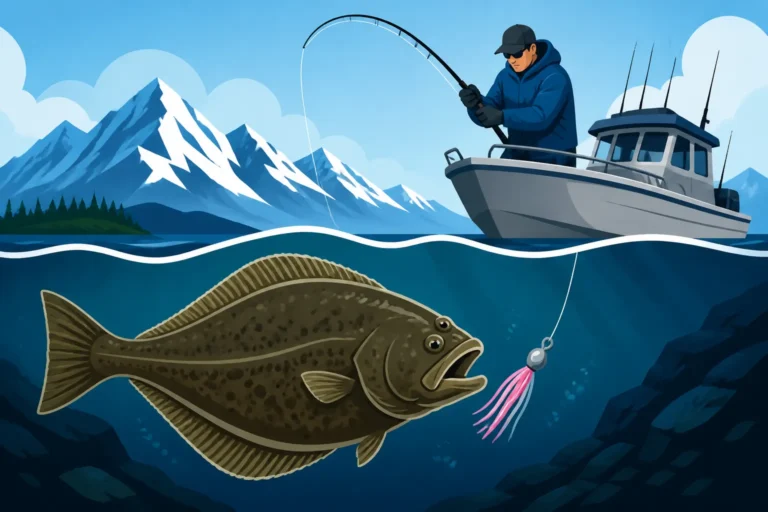
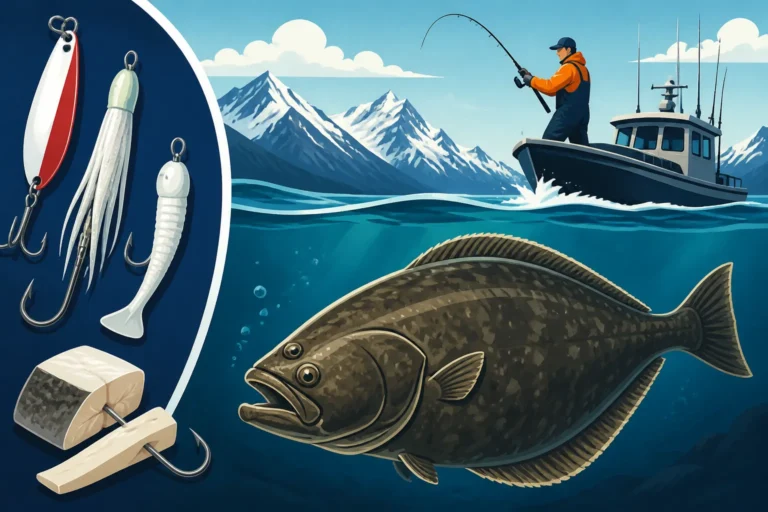
Lingcod are opportunistic predators, and a variety of presentations can be effective. Heavy metal jigs are often the go-to, ranging from 8 to 24 ounces. Pipe jigs, diamond jigs, or large lead-head jigs dressed with substantial soft plastic tails (like curly tails or paddle tails) in vibrant colors such as chartreuse, glow, or blue/silver, are incredibly effective. The key is to present a large, enticing profile that mimics their natural prey. Soft plastic swimbaits, particularly those with a strong thumping action, rigged on heavy jig heads, are also highly productive. Many anglers stock up on a variety of colors and sizes from Amazon before their trips.
Don't underestimate the power of natural bait! Fresh herring, squid, octopus, or even large chunks of Pacific cod or salmon can be irresistible to Lingcod. These can be fished on a standard dropper loop rig with a heavy sinker, or "tipped" onto a large jig to add scent and texture. Sometimes, a dead-stick rod with bait combined with an actively jigged lure on another rod can be a deadly combination for coaxing a bite. The technique is often to drop your offering to the bottom, then jig it aggressively a few feet off the bottom, occasionally letting it thump back down. This mimics injured prey and often triggers an aggressive strike. For more specific lure recommendations, refer to How to Catch Lingcod in Alaska.
Proper Handling and Release Practices
Lingcod are formidable fish, and their sharp teeth, spines, and strong jaws demand respect. Always handle them with extreme caution. A sturdy lip gripper is invaluable for securing the fish while you unhook it. Avoid putting your hands near their mouth at all costs. Their dorsal fins also feature sharp spines, so be mindful when moving them around the boat.
If you plan on releasing Lingcod, especially those caught from significant depths (generally over 60 feet), it's highly recommended to use a Alaska Rockfish Deepwater Release Device Rules. These devices are designed to quickly return the fish to the depth from which it was caught, minimizing the effects of barotrauma (the expansion of gases in their swim bladder due to rapid pressure change). Many reputable charters will have these devices on board and are adept at using them. Conservation is paramount for sustainable fishing in Alaska, so practicing careful unhooking and release for any fish you're not keeping ensures the health of future Lingcod populations. Always ensure you're compliant with Alaska Lingcod Fishing Regulations and Limits to avoid any issues.
Lingcod Fishing at a Glance: Prime Times and Considerations
To help you visualize the best windows for targeting Lingcod in Alaska, here’s a handy table summarizing the key periods:
| Month/Season | Key Characteristics | Typical Depths (Feet) | Best Techniques | Important Considerations |
|---|---|---|---|---|
| May-June | Post-spawn feeding frenzy; active and aggressive. | 60-150 | Heavy jigs, large soft plastics, bait | Often shallower due to spawning recovery. Good for combo trips before peak season. Check Alaska Fishing Gear and Tackle Guide for appropriate early season tackle. |
| July-September | Peak Season: Warmest water, abundant bait, active feeding. | 80-300 | Heavy jigs (metal, soft plastic), tipped bait | Most consistent bites, often combined with halibut charters. Highest fishing pressure. Essential to check Alaska Halibut Charter Regulations Explained if doing a combo trip, as Lingcod are often an add-on to Halibut trips. |
| October-November | Pre-spawn feeding; larger fish often targeted. | 150-400 | Deep jigging, heavy bait rigs | Weather can be challenging (colder, rougher seas). Fewer available charter days. Ideal for targeting trophy-sized Lingcod but requires more perseverance. Ensure proper clothing like rain gear and insulated layers. |
| December-April | Spawning period; generally less active, less targeted. | Variable (often deeper) | Minimal targeted effort by sport anglers | Legal season in some areas, but typically not a productive time for sport fishing due to spawning behavior and often harsh winter weather. Focus shifts to other species or ice fishing. |
Disclaimer
The information provided in this guide is for general informational purposes only and is subject to change. Fishing regulations in Alaska are dynamic and can be updated at any time by the Alaska Department of Fish and Game (ADF&G). It is the angler's responsibility to consult the most current ADF&G regulations, emergency orders, and local advisories for their specific fishing location before engaging in any fishing activity. Always prioritize safety on the water and adhere to all applicable laws and guidelines.