How to Catch Rainbow Trout in Alaska
Chasing rainbow trout in Alaska is an experience unlike any other, but for many anglers, the sheer vastness of the state and the specific techniques required can feel incredibly daunting. You might be dreaming of those vibrant, hard-fighting fish, but feel overwhelmed by where to go, what gear to use, or how to even begin deciphering the complex regulations. This comprehensive guide is designed to cut through that confusion, giving you the practical knowledge and confidence to successfully target and catch Alaska's iconic rainbow trout, transforming your fishing dreams into a vivid reality.
Understanding Alaska's Rainbow Trout
Before you even think about casting a line, it's crucial to understand the magnificent fish you're pursuing. Alaska's rainbow trout are truly special, adapting to diverse environments and offering incredible sport. Knowing their distinct characteristics and habits will significantly increase your chances of a successful and memorable trip.
Species and Subspecies
When we talk about rainbow trout in Alaska, we're often encompassing a few different, yet related, forms. It’s not just one uniform fish, and understanding these distinctions can greatly influence your approach.
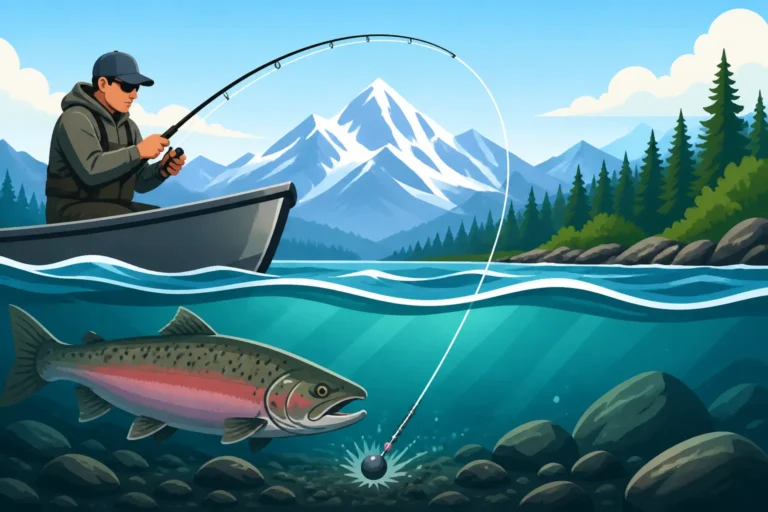
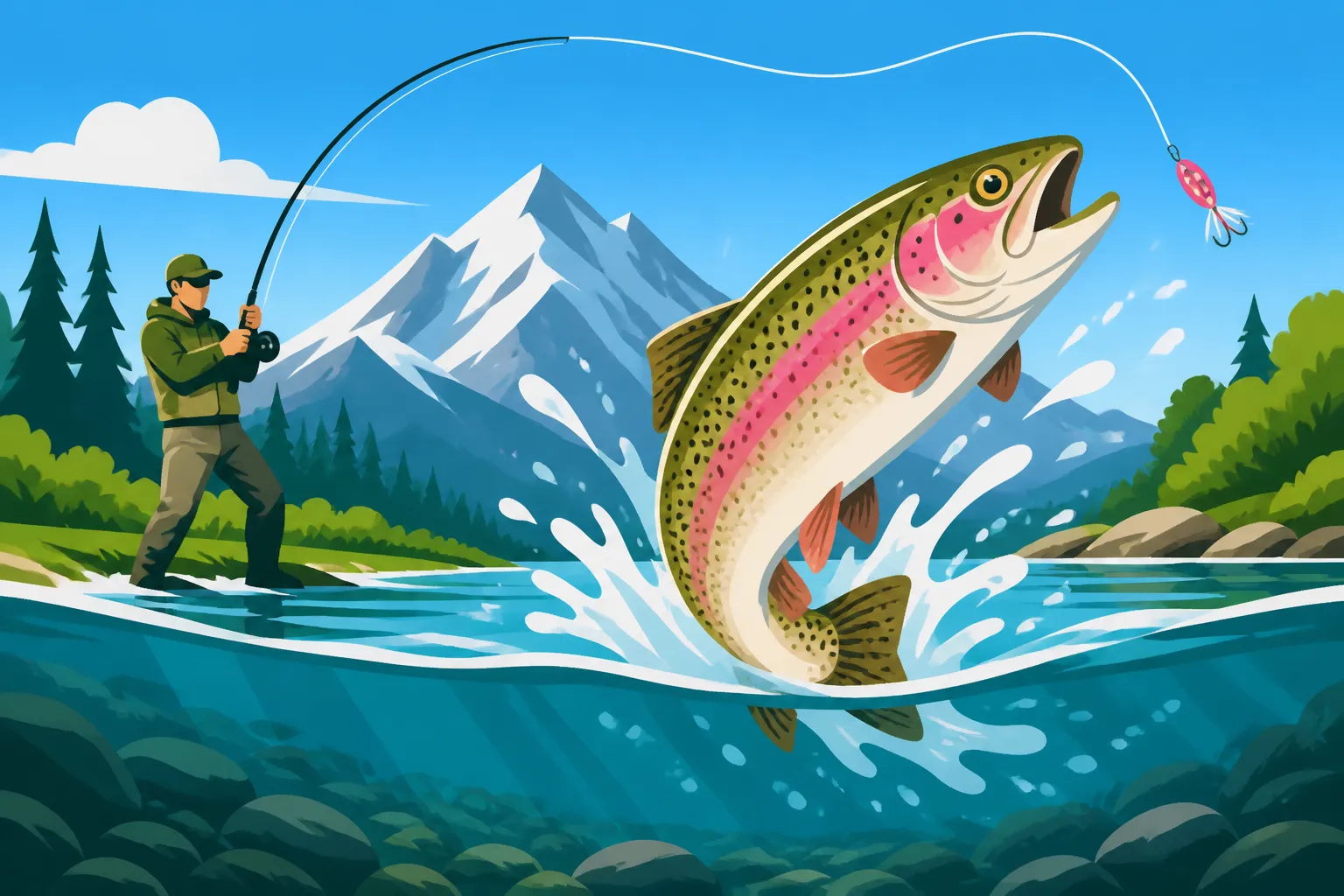
First, you have the resident rainbow trout. These are the classic, freshwater-dwelling rainbows that spend their entire lives in rivers, streams, and lakes. They're characterized by their vibrant colors, often sporting a broad, red lateral stripe that fades into silvery flanks, speckled with black spots. These are the fish that thrive in the rich ecosystems of rivers like the Kenai and its tributaries, growing to impressive sizes thanks to abundant food sources. Many anglers specifically seek out these powerful, acrobatic fish, especially those in prime condition during the salmon runs. The sheer beauty and fighting spirit of a resident rainbow hooked in a clear Alaska river is something that stays with you forever.
Then there are steelhead, which are an anadromous form of rainbow trout. This means they are born in freshwater, migrate to the ocean to grow large, and then return to freshwater to spawn, much like salmon. Steelhead runs in Alaska, particularly in the Southeast and parts of the Kodiak Archipelago, are highly prized but can be incredibly challenging to time and target. They tend to be more silvery and less vibrantly colored than their resident counterparts when they first enter freshwater, gaining color as they approach spawning. Distinguishing between a large resident rainbow and a steelhead can sometimes be tricky, but understanding the life cycle is key to appreciation and proper conservation. If you're looking for an intense challenge, learning about Alaska Steelhead Catch-and-Release Rules is a must.
Finally, you'll often hear about "Leopard Rainbow Trout Explained," especially when discussing the Bristol Bay region. This isn't a separate species, but rather a colloquial term for rainbow trout with particularly prominent, large, and irregularly shaped black spots, often resembling a leopard's coat. These fish are renowned for their intense coloration and aggressive takes, making them a favorite among fly anglers. Rivers like the Naknek, Alagnak, and Kvichak are famous for these stunning fish, which can grow to truly epic proportions, often reaching well over 20 inches and occasionally topping 30 inches, providing a fight you won't soon forget.
Habitat and Behavior
Alaska's rainbow trout are incredibly adaptable, but they generally prefer cold, clean, oxygen-rich waters. This is why you'll find them thriving in the swift currents of glacial-fed rivers, clear spring creeks, and deep, cold lakes. Their ideal habitat provides a combination of fast-moving water to bring food, slower pools and eddies for resting, and plenty of cover in the form of submerged logs, undercut banks, and overhanging vegetation to ambush prey and escape predators.
Their diet is varied and opportunistic, changing with the seasons and available food sources. In the spring, they might key in on aquatic insects like mayflies, caddisflies, and stoneflies, along with sculpins and other small baitfish. As summer progresses and the salmon begin their monumental journey upstream, the rainbow trout's diet dramatically shifts. Salmon eggs become a primary, highly nutritious food source, driving these trout into a feeding frenzy. Following the salmon spawn, decaying salmon flesh also becomes a significant part of their diet, allowing them to pack on weight and build fat reserves for the lean winter months. This seasonal shift is a critical factor in how anglers target them, with egg patterns and flesh flies becoming incredibly effective. Understanding the Alaska Salmon Run Timing Explained can be crucial for targeting trout that follow the salmon.
Their behavior is also influenced by water temperature and light conditions. In warmer summer months, they might feed more actively during cooler morning and evening hours. During the salmon runs, however, they can be found actively feeding throughout the day, positioned strategically behind spawning salmon to intercept errant eggs. They are generally solitary hunters, but during prime feeding opportunities, multiple trout can congregate in productive areas. These fish are also incredibly strong swimmers, capable of holding their own in powerful currents and making exhilarating, drag-peeling runs once hooked.
Prime Seasons and Conditions
Timing your trip for rainbow trout in Alaska is paramount. While some resident populations can be targeted year-round, the most productive and exciting fishing windows align with specific environmental cues. Generally, the prime season for trout fishing in Alaska stretches from late spring through fall, coinciding with warmer weather and, crucially, the salmon migrations.
May and early June can offer fantastic opportunities for actively feeding trout after the long winter. At this time, rainbows are often keying in on emerging insects and baitfish. Rivers are usually clearer and less crowded, making for a more peaceful experience. As June progresses into July, the first salmon runs begin, and with them, the trout start to anticipate the bounty of eggs. This is when the fishing can really heat up, particularly in rivers where sockeye salmon are abundant.
However, the absolute peak for trophy rainbow trout in many prime locations like the Kenai River and the Bristol Bay drainages often occurs from late July through September. This period directly overlaps with the heaviest salmon spawns (sockeye and later coho), when trout gorge themselves on protein-rich eggs. The fish are at their fattest, strongest, and most vibrant, offering incredible fights. Rivers can get busier during these peak times, especially in accessible areas, but the reward of landing a massive, egg-fed rainbow is well worth it. You can learn more about specific timing in our guide on the Best Time for Trout Fishing in Alaska.
Beyond the season, specific conditions also play a huge role. Water clarity, temperature, and level are all critical. Clear to slightly stained water is generally preferred, as it allows trout to see your presentation and provides anglers better visibility to spot fish. Stable weather conditions, without sudden spikes in temperature or heavy rains that can blow out rivers, usually lead to more consistent fishing. Overcast days can sometimes be ideal, as they can encourage trout to feed more openly and reduce glare for the angler. Sudden cold fronts or significant rain events can make fishing challenging, causing trout to become sluggish or move to different holding lies.
Essential Gear for Alaska Rainbow Trout Fishing
Equipping yourself correctly is not just about catching fish; it's about comfort, safety, and making the most of your time in Alaska's wild environments. The right gear makes a world of difference, especially when you're battling a fierce rainbow in a swift current or dealing with unpredictable weather. Investing in quality, reliable equipment will pay dividends. For many of these items, a quick search on Amazon will show you the wide range of options available.
Rods, Reels, and Line
The specific setup you choose will depend heavily on your preferred fishing method – fly fishing or spin fishing – and the size of trout you anticipate encountering.
For fly fishing, a 6-weight or 7-weight rod is often considered the workhorse for Alaska rainbow trout. A 6-weight offers a good balance of finesse for presenting smaller flies and enough backbone to handle a 20-inch-plus rainbow. If you're targeting truly enormous, egg-fed rainbows in powerful rivers like the Kenai or in the Bristol Bay region, a 7-weight rod provides additional power for casting heavier rigs, fighting big fish, and dealing with potentially windy conditions. The rod should be a medium-fast to fast action, offering versatility for different casting situations. Pair your rod with a reliable large-arbor reel that has a smooth, strong drag system. A good drag is non-negotiable when a powerful rainbow decides to peel line. For line, a weight-forward floating line that matches your rod weight is standard. Depending on the technique, you might also want a sinking tip or full sinking line for getting flies deep in faster currents. Leaders and tippet in the 2X to 4X range (6-10 lb test) are commonly used, with fluorocarbon being a popular choice for its invisibility and abrasion resistance.
For spin fishing, a medium-light to medium power rod, typically 6 to 8 feet in length, is ideal. A fast action rod will provide the sensitivity to feel subtle bites and the backbone for quick hooksets. Brands like St. Croix, G. Loomis, or Ugly Stik offer excellent options for various budgets. Pair this with a reliable spinning reel in the 2000-3000 size range, spooled with 10-15 lb braided line. Braided line offers superior sensitivity and casting distance, and its thin diameter cuts through current better. Always add a fluorocarbon leader of 8-12 lb test, typically 2-4 feet long, to the end of your braid. This provides stealth and abrasion resistance in the water. Having a spare spool of monofilament can also be handy for certain applications or if you prefer the stretch. Our Alaska Fishing Gear and Tackle Guide offers even more detailed advice on selecting the right equipment.
Waders and Outerwear
Alaska's weather is famously unpredictable. Even on a sunny day, temperatures can drop rapidly, and rain is always a possibility. Staying dry and warm is crucial for comfort and safety, allowing you to focus on the fishing.
High-quality waders are an absolute necessity. Breathable chest waders are the most versatile choice, allowing you to stay cool on warmer days while offering full protection from chilly water. Look for durable, multi-layer GORE-TEX or similar proprietary waterproof-breathable fabrics from reputable brands like Simms or Orvis. Stockingfoot waders, worn with separate wading boots, are generally preferred over bootfoot waders for better ankle support, comfort, and the ability to customize your footwear. Make sure your wading boots have good traction for slippery riverbeds; felt soles are excellent but sometimes restricted due to invasive species concerns, so rubber soles with studs are often a safer, more widely accepted choice. Don't forget wader belt for safety and to keep water out if you take a tumble.
Layering is the key to outerwear in Alaska. Start with moisture-wicking base layers, add insulating mid-layers like fleece or down vests, and top it all off with a waterproof and windproof rain jacket and pants. Look for jackets with adjustable cuffs, hoods, and waterproof zippers to keep the elements out. Brands like Patagonia or Marmot offer excellent durable rain gear. Even on seemingly nice days, have your rain gear ready; a sudden shower can blow in quickly. A warm hat and waterproof gloves or mitts are also essential, especially during early spring or late fall trips. Dressing for Alaska fishing isn't just about fashion, it's about being prepared for anything Mother Nature throws at you. You might find great deals on these items on Amazon.
Tackle Box Essentials
Your tackle box or vest should be stocked with a variety of lures, flies, and accessories tailored for Alaska rainbow trout. What you bring will depend on whether you're fly fishing or spin fishing.
For fly anglers, a diverse selection of patterns is key. During salmon runs, egg patterns are absolutely dominant. Think of single egg patterns in various sizes (6mm, 8mm, 10mm) and colors (peach, orange, pink, natural roe), beads from 6mm to 10mm in similar colors, and egg clusters. You'll also want flesh flies in white, tan, and pink to imitate decaying salmon carcasses. Beyond the salmon-related fare, carry a selection of nymphs (Prince Nymphs, Hare's Ears, Stoneflies), streamers (Sculpzillas, Dolly Llamas, Clouser Minnows) to imitate baitfish, and perhaps a few dry flies (Stimulators, Parachute Adams) for opportunistic surface feeders. Don't forget split shot, strike indicators, and a good pair of forceps or hemostats for hook removal. Learn more about specific patterns in our guide on Best Flies for Alaska Trout.
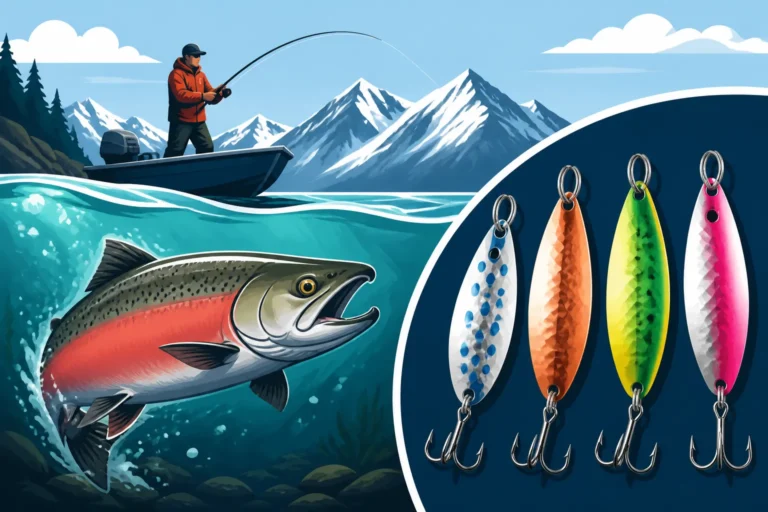
Spin fishermen should also pack a variety of options. Small to medium-sized spinners (Mepps, Blue Fox, Panther Martin) in silver, gold, and copper can be incredibly effective, especially in clearer waters or when trout are chasing baitfish. Spoons (Pixees, Little Cleos) in similar metallic finishes, often with fluorescent accents, also work well. Soft plastic beads, rigged above a small hook, are arguably one of the most effective lures for egg-eating rainbows. Carry a range of sizes and colors to match the salmon eggs in the river you're fishing. For bait, cured salmon eggs can be deadly, though regulations on bait use vary, so always check the local Alaska Fishing Regulations Explained before you go. Additionally, pack a selection of small jigs, swivels, lead weights (split shot, pencil lead), and a good pair of pliers for crimping and hook removal. A small net with rubber mesh is also highly recommended for gentle catch and release.
Top Techniques for Alaska Rainbow Trout
Alaska rainbow trout are incredibly smart and powerful, requiring thoughtful approaches to consistently entice them. Whether you prefer the elegance of fly fishing or the versatility of spin fishing, mastering a few key techniques will significantly improve your success rate.
Fly Fishing Strategies
Fly fishing for Alaska rainbow trout is an art form, offering a deeply engaging experience. Different scenarios call for different presentations.
Nymphing is a highly effective technique, especially when trout are feeding on subsurface insects or eggs. This involves drifting weighted fly patterns (nymphs or egg patterns) along the bottom where trout typically feed. A common setup includes a strike indicator suspended above a leader, with split shot added to achieve the desired sink rate, followed by one or two fly patterns. The goal is to achieve a natural, drag-free drift that mimics what the trout are naturally eating. Learning to read seams, current lines, and deeper pockets is crucial for successful nymphing. For egg-hungry trout, this means getting your bead or egg pattern directly into the salmon redds or the current seams immediately downstream. Timing your drift so your fly hits the strike zone just as it would naturally float past a feeding trout is key.
Dry fly fishing is less common for large, egg-fed rainbows but can be incredibly exciting when conditions are right, usually in the spring or early summer before the salmon runs overwhelm the system. This involves casting a floating insect imitation to rising trout. The challenge and reward of watching a trout sip your perfectly presented dry fly off the surface is unparalleled. Look for slower eddies, riffle tails, and sheltered banks where insects might collect, and trout feel comfortable coming to the surface. Matching the hatch, or at least presenting a generalist attractor pattern, is important.
Streamer fishing is a technique for aggressive trout that are targeting baitfish or larger prey. This involves casting a weighted fly pattern that imitates a sculpin, minnow, or salmon fry, and then stripping it back through the water to give it lifelike action. Streamers can be particularly effective in deeper pools, undercut banks, or during low light conditions. The takes can be incredibly violent, often resulting in a hard strike that nearly pulls the rod from your hand. You might want to consider larger, heavier streamers in vibrant colors for targeting aggressive, meat-eating trout.
Finally, during the salmon spawning season, fishing beads and egg patterns becomes the dominant and most productive fly-fishing strategy. This is where the magic truly happens for big rainbows. Anglers often peg a bead a couple of inches above a bare hook, matching the size and color of natural salmon eggs washing downstream. This technique, often called "bead fishing" or "flossing" in some contexts, is incredibly effective, essentially presenting a perfect imitation of the trout's primary food source. For an in-depth dive into this method, check out our guide on How to Fish Beads for Alaska Trout.
Spin Fishing Tactics
Spin fishing offers a different set of advantages, particularly for covering water, achieving precise casts, and handling strong currents.
Drift fishing with beads is just as effective for spin anglers as it is for fly fishermen. The principle is the same: present a salmon egg imitation as naturally as possible. Spin anglers typically use a small, clear bobber or a specialized "slinky" weight rig to drift a bead downriver. The key is to use just enough weight to get the bead down to the trout's level without snagging constantly, allowing it to tumble along the bottom naturally. Pay close attention to your line; any hesitation, twitch, or sudden stop could indicate a strike. This method allows you to cover large stretches of river effectively, probing different depths and current speeds.
Casting and retrieving spinners and spoons can be incredibly productive, especially in rivers where trout are less focused on salmon eggs and more on baitfish or reacting to flash and vibration. Spinners like the Blue Fox Vibrax or Mepps Aglia, and spoons such as the Pixee or Little Cleo, are classic choices. Cast upstream or across current, allowing the lure to swing down and across the river while retrieving it at a speed that keeps the blade spinning or the spoon wobbling. Vary your retrieve speed and depth until you find what triggers a strike. Look for ambush points where trout might hold, such as current breaks, structure, or drop-offs.
Bait fishing, primarily with cured salmon eggs, is another option, though again, check regulations carefully as bait is often restricted in trout fisheries. If allowed, a simple drift rig with a small amount of weight and a cluster of eggs can be irresistible. The natural scent and taste of real eggs can often tempt even the most finicky trout. This can be especially effective in slower, deeper pools where trout might be less active but still cruising for an easy meal. Many anglers prepare their own eggs using various curing recipes to enhance their effectiveness.
Reading the Water
One of the most crucial skills for any successful angler in Alaska is the ability to "read the water." This means understanding where fish are likely to be holding, feeding, or resting based on the currents, depth, and structure of the river.
Identifying holding lies is paramount. Trout, especially larger ones, are energy-efficient predators. They won't expend unnecessary energy fighting strong currents if they don't have to. Instead, they'll position themselves in "current seams" – the invisible lines where fast water meets slow water. This allows them to stay out of the main current while having easy access to food washing downstream. Look for these seams downstream of large rocks, logjams, or points of land. Undercut banks also provide excellent cover and current breaks. Deeper pools, especially those with structure like submerged logs or boulders, are classic holding spots, offering both cover and depth.
Understanding feeding lanes is also critical. During salmon runs, trout will position themselves directly downstream of spawning salmon, or in the current lanes that carry dislodged eggs. These are prime feeding zones. In non-salmon systems, trout will patrol areas where aquatic insects are likely to be dislodged, such as riffles or the edges of vegetation. Observe the water for any signs of activity – rising fish, subtle boils, or even simply schools of baitfish, which might indicate predators lurking nearby. A good pair of polarized sunglasses will be an indispensable tool for spotting fish and underwater structure. When you're fishing a popular river, being able to read the water helps you find spots less pressured by others, offering you the best chance to hook into an Alaskan beauty.
Key Locations for Trophy Rainbow Trout
Alaska is a vast state, and while rainbow trout can be found in many freshwater systems, some locations stand out for their abundance, size, and sheer beauty of the fish. These rivers are legendary among anglers for a reason, offering opportunities for truly unforgettable experiences.
Famous Rivers and Their Unique Challenges
When anglers talk about trophy rainbow trout in Alaska, a few names invariably come up. These rivers, often linked to robust salmon runs, offer world-class fishing but can also present unique challenges.
The Kenai River, particularly the middle and upper sections near Cooper Landing, is arguably the most famous rainbow trout destination. The sheer volume of sockeye salmon that spawn here provides an unparalleled buffet for resident rainbows, allowing them to grow to enormous sizes. Many anglers specifically target the Kenai River Rainbow Trout Fishing Guide to understand this complex system. The challenge on the Kenai is its popularity; it can get crowded, especially during peak salmon runs. Successful fishing often requires patience, skill, and sometimes, a bit of persistence to find less pressured water. Understanding specific techniques for the Kenai, like drifting beads and egg patterns, is crucial. The trout here are incredibly strong, using the swift currents to their advantage, so you'll need robust gear and a strong resolve.
Further west, the rivers of the Bristol Bay region are legendary for their "Leopard Rainbow Trout." Rivers like the Naknek River, Alagnak River, and Kvichak River offer some of the largest and most beautifully spotted rainbows anywhere. These are typically fly-out destinations, meaning access often involves booking a remote lodge or a floatplane charter, adding to the adventure but also the cost. The challenge here is the remoteness and the weather. Trips often require careful planning and a budget to match the incredible experience. However, the rewards are immense – pristine wilderness, relatively unpressured fish, and the chance to land multiple 25-inch-plus rainbows in a single day. The fishing can be extremely intense during the sockeye spawn, with trout voraciously attacking anything resembling an egg.
The Russian River, a tributary of the Kenai, is also known for its strong trout population, particularly during the sockeye run when trout follow the salmon into its clear waters. While smaller than the main Kenai, it offers excellent wading opportunities. The challenge here is often the sheer number of sockeye anglers, especially during the "combat fishing" peaks, making it tough to find a clear spot to target trout.
Lesser-Known Gems and Roadside Access
While the famous rivers draw much of the attention, Alaska also has numerous lesser-known rivers and streams that offer fantastic rainbow trout fishing, often with easier access and fewer crowds. These spots can provide a more laid-back experience without sacrificing the quality of the fishing.
The Deshka River, accessible from the road system north of Anchorage, offers a diverse fishery that includes rainbow trout, especially in its upper reaches. It's a popular spot for both salmon and trout, and during periods outside the heavy salmon pushes, you can find good opportunities for rainbows. The challenge here is managing expectations during busy salmon seasons, but with a bit of exploration, you can often find quieter stretches.
Many smaller creeks and streams throughout the Mat-Su Valley and the Kenai Peninsula offer excellent roadside access. While these might not produce the monstrous "barn door" rainbows of the Kenai or Bristol Bay, they can hold good numbers of respectable-sized fish, often providing a more intimate fishing experience. Rivers like the Anchor River, Deep Creek, and Ninilchik River (primarily known for salmon and steelhead) can hold resident rainbows in their upper stretches. Fishing these smaller waters often involves more hiking and exploration, but the solitude and discovery of a hidden gem can be incredibly rewarding. A good topographical map and some adventurous spirit are your best tools for finding these spots.
Additionally, many lakes across Alaska are stocked with rainbow trout or hold healthy wild populations. These can be particularly good options for families, beginners, or those looking for a more relaxed fishing trip. While not river fishing, these lakes provide excellent opportunities to practice techniques and enjoy the stunning Alaskan scenery. Check local ADF&G stocking reports for the best lake options near road systems.
Fly-Out and Wilderness Opportunities
For the ultimate Alaskan rainbow trout experience, a fly-out trip to a remote wilderness lodge or a guided float trip into the backcountry is unparalleled. This is where you truly escape the crowds and immerse yourself in pristine nature.
Fly-out lodges, particularly those in the Bristol Bay watershed or other remote areas like the Susitna drainage, offer an all-inclusive experience. You'll fly from a hub city like Anchorage, King Salmon, or Iliamna, often directly to a remote lodge situated on a prime trout river. From there, daily fly-outs in small bush planes take you to different sections of rivers or entirely new systems. This allows you to fish diverse waters, target untouched populations, and experience the true wilderness. The guides are experts in the local waters and will put you on fish, often for several days in a row. The cost is significant, but for many, the experience of a lifetime is well worth it, providing access to areas you simply couldn't reach otherwise.
Wilderness float trips offer a more rugged, self-sufficient adventure. These typically involve flying into a remote lake or upper river section with all your gear, then floating downstream for several days, camping along the way. This allows you to fish long stretches of river, often seeing no other anglers for days. Float trips require more planning, gear, and wilderness skills, but they offer an incredible sense of exploration and freedom. You'll experience Alaska's wildlife up close, including bears, moose, and eagles, making it as much a wildlife viewing trip as it is a fishing expedition. These trips are often guided, with experienced outfitters providing rafts, gear, and expertise. Whether you choose a luxurious lodge or a gritty float trip, these wilderness experiences are truly the pinnacle of Alaska rainbow trout fishing.
Regulations and Conservation
Fishing in Alaska isn't just about catching fish; it's about respecting the resource and adhering to the rules designed to protect these incredible fisheries for future generations. Alaska's fishing regulations are managed by the Alaska Department of Fish and Game (ADF&G) and can be quite complex, varying by region, river, and even specific dates. Staying informed is your responsibility as an angler. You can find comprehensive details in our Alaska Fishing Regulations Explained guide.
Catch Limits and Harvest Rules
Understanding catch limits and harvest rules is non-negotiable. For rainbow trout, many of Alaska's premier fisheries, especially those that support trophy-sized fish, are managed under strict catch-and-release guidelines. This means you are often required to immediately release any rainbow trout you catch, unharmed. The intent is to protect the spawning population and allow these fish to grow to their impressive sizes. For example, specific sections of the Kenai River are often designated as catch-and-release for rainbow trout.
In other, less sensitive areas, or for smaller, stocked waters, there might be specific bag limits (the number of fish you can keep per day) and possession limits (the total number of fish you can have in your possession). There might also be size restrictions, such as a minimum or maximum length, or a slot limit where only fish within a certain size range can be kept. For instance, a common regulation might be "2 trout, 12 inches or longer, only one of which may be 20 inches or longer." These regulations are put in place to manage the fishery and ensure sustainability. Always check the most current regulations for the specific waters you plan to fish, as these can and do change seasonally. You'll want to be familiar with your Alaska Harvest Record Card Explained if you are in an area where retention is allowed.
Barbless Hooks and Ethical Practices
Barbless hooks are a cornerstone of ethical catch-and-release fishing and are mandatory in many of Alaska's prime trout and salmon fisheries. A barbless hook minimizes damage to the fish's mouth, allowing for quicker and easier release with less stress on the fish. You can buy hooks that are already barbless, or you can easily crimp down the barb on a regular hook with a pair of pliers. This simple act significantly increases the survival rate of released fish.
Beyond barbless hooks, practicing responsible catch-and-release best practices is vital. Here are some key principles:
- Minimize handling: Try to keep the fish in the water as much as possible. If you must remove it, do so quickly.
- Wet hands: Always wet your hands before touching a fish to protect its delicate slime coat, which is crucial for its immune system.
- Support the fish: Support the fish horizontally, especially larger ones, to avoid damaging internal organs or its jaw. Never hold a fish vertically by its jaw.
- Quick release: Use forceps or pliers to quickly remove the hook. If the fish is deeply hooked and removal would cause significant damage, it's sometimes better to cut the line as close to the hook as possible.
- Revive the fish: If the fish seems stressed or sluggish, hold it gently in the current, facing upstream, until it regains its strength and can swim away on its own.
You can dive deeper into these practices with our guide on Alaska Catch-and-Release Best Practices.
Understanding Emergency Orders
One of the most challenging aspects of fishing in Alaska is that regulations are not static; they can change, sometimes rapidly and with little notice, through what are called Emergency Orders (EOs). These orders are issued by the ADF&G to address immediate concerns about fish populations, such as unexpectedly low salmon returns that could impact trout, or to modify bag limits based on real-time data.
An emergency order could:
- Close a fishery entirely.
- Change catch limits.
- Alter gear restrictions (e.g., mandating single hooks, bait restrictions).
- Change fishing hours.
It is absolutely imperative to check for emergency orders before and even during your trip, as conditions on the ground can change daily, especially for highly managed rivers like the Kenai. The ADF&G website and local field offices are the primary sources for this information. Some lodges and guides also provide updates, but it is ultimately the angler's responsibility to know and follow the rules. Missing an emergency order can lead to citations, fines, and even confiscation of gear. Being informed about How Often Do Alaska Fishing Rules Change can save you a lot of headaches and ensure you're always fishing legally and responsibly.
Comparing Popular Alaska Rainbow Trout Fishing Regions
To help you decide where to focus your efforts, here's a quick comparison of some of Alaska's renowned rainbow trout fishing regions. Each offers a distinct experience.
| Feature | Kenai River (Middle/Upper) | Bristol Bay Rivers (Naknek, Alagnak, Kvichak) | Mat-Su Valley Streams/Lakes | Southeast Alaska (Steelhead) |
|---|---|---|---|---|
| Primary Access | Roadside, guided drift/power boats | Fly-out lodges, guided float trips | Roadside, hiking, smaller boats | Fly-in, remote lodges, hike-in |
| Typical Trout Size | Large to Trophy (18-30+ inches) | Trophy (20-30+ inches, "Leopards") | Medium (12-20 inches) | Large, Powerful (25-35+ inches) |
| Main Season | Late July – September (Sockeye spawn) | August – September (Sockeye spawn) | May – June, September – October | April – May (Spring Run) |
| Dominant Technique | Fly fishing (beads/eggs), Spin (beads) | Fly fishing (beads/eggs/streamers) | Spin (spinners/spoons), Fly (nymphs) | Fly fishing (swinging flies), Spey |
| Crowd Level | Can be high during peak season | Low, remote wilderness | Moderate, especially roadside | Low to Moderate, very specific areas |
| Conservation Focus | Strict Catch & Release | Catch & Release | Mixed (some retention) | Catch & Release (wild steelhead) |
| Associated Salmon | Sockeye, Coho | Sockeye, King | King, Sockeye, Coho | King, Coho (for baitfish) |
This table highlights the diverse opportunities available. If accessible trophy fishing is your goal, the Kenai is hard to beat, but be prepared for company. For the ultimate wilderness trophy experience, Bristol Bay is unrivaled but comes with a higher price tag. If you're looking for a more accessible, quieter trip with respectable fish, exploring the Mat-Su Valley could be perfect.
Disclaimer
The information provided in this guide is for general informational purposes only and is subject to change. Fishing regulations in Alaska are complex and dynamic; always consult the current Alaska Department of Fish and Game (ADF&G) regulations and emergency orders before planning and embarking on any fishing trip. Safety in the Alaskan wilderness is paramount; be aware of wildlife, weather conditions, and personal limitations.