Alaska Fishing Seasons: Month-by-Month Guide
Planning an Alaska fishing trip can feel like trying to hit a moving target. You’ve heard legendary tales of massive salmon runs and barn-door halibut, but pinpointing when and where to go for your specific dream catch is often shrouded in mystery, constantly shifting regulations, and general uncertainty. This comprehensive, month-by-month guide is here to cut through that confusion, offering a realistic, detailed look at the Alaska fishing seasons to help you plan your perfect adventure.
Why Timing Your Alaska Fishing Trip is Crucial
You might think Alaska is just one big fishing paradise all year round, but that couldn't be further from the truth. The 49th state's immense size and diverse ecosystems mean that what's biting in Southeast Alaska in May might be completely different from what's happening on the Kenai Peninsula in August. Failing to understand these seasonal nuances can lead to disappointment, wasted time, and a whole lot of frustration. Nobody wants to arrive hoping for a King Salmon only to find the run hasn't started or is already over!
The Unpredictable Nature of Alaska Fisheries
One of the biggest lessons you learn quickly when fishing in Alaska is that nature runs the show, and she doesn't always stick to the script. While we have historical data and forecasts, salmon runs can be early or late, strong or weak, all depending on environmental factors like water temperature, snowmelt, ocean conditions, and even unexpected weather patterns. This unpredictability is part of the allure and challenge of Alaska fishing. An emergency order can change bag limits or close a fishery overnight, turning your meticulously planned trip on its head. It’s why staying informed and being flexible is just as important as knowing the general season.
You can often check for updates on what’s happening in specific regions by looking for information on How to Check Alaska Emergency Orders Before Fishing. These orders are issued by the Alaska Department of Fish and Game (ADF&G) and are crucial for any angler to understand. They can affect everything from species availability to specific gear rules.
Species-Specific Run Timings
Different fish species operate on their own biological clocks, tied to their spawning cycles, migration patterns, and feeding habits. This means that a month that's absolutely prime for Sockeye Salmon might be completely off for King Salmon, or fantastic for Halibut but quiet for Rainbow Trout. Understanding these distinct timings is fundamental to targeting your desired species effectively. For instance, while some salmon species overlap, you won't typically find peak King Salmon action at the same exact moment you'd find peak Silver Salmon. It's a complex dance of nature, and knowing the choreography is your key to success.
If you’re wondering about the specifics, our guide to Alaska Salmon Run Timing Explained dives deep into when each salmon species makes its appearance across various rivers and regions. It’s not just about which month, but often which week within that month can make all the difference for a truly prolific experience.
January & February: Winter's Icy Embrace
When most people think of Alaska fishing, they picture long summer days and abundant salmon. But the truth is, fishing in Alaska doesn't just shut down when the snow flies. January and February offer a unique, serene, and often very rewarding experience for those brave enough to bundle up and embrace the cold. It's a different kind of fishing, certainly, but no less Alaskan.
Ice Fishing Opportunities
During the depths of winter, many of Alaska’s freshwater lakes and some calmer river systems freeze over, creating prime conditions for ice fishing. This isn't just a niche activity; it's a vibrant part of Alaskan culture. Anglers brave the cold for opportunities to catch Arctic Char, Rainbow Trout, Lake Trout, Dolly Varden, Northern Pike, and even Burbot (also known as "poor man's lobster"). The Mat-Su Valley, particularly around Wasilla and Palmer, has numerous lakes that offer excellent ice fishing. Stocked lakes near Anchorage, like Campbell Lake or Sand Lake, are also popular spots.
Ice fishing requires specialized gear, including augers for drilling holes, insulated shelters, and shorter, more sensitive rods. Safety is paramount, with ice thickness being the most critical factor. Always check local conditions and advisories from ADF&G before venturing onto the ice. While the biting cold can be a deterrent, the quiet solitude of a winter lake, surrounded by snow-covered peaks, can be incredibly peaceful, and the fight of a strong fish through a small hole is truly exhilarating.
Planning for the Spring Rush
Even if you’re not an ice-fishing enthusiast, January and February are crucial months for planning your summer adventure. This is prime booking season for popular fishing lodges and charters, especially if you're targeting specific peak times on famous rivers like the Kenai. Many of the best guides and prime dates get snatched up well in advance. If you're hoping to experience a particular Alaska King Salmon Run Timing or secure a spot on a reputable Alaska Fishing Charters: Complete Guide in Homer or Seward, you absolutely need to be finalizing your plans now.
This early planning also extends to checking current regulations for the upcoming season, as they can sometimes be updated around this time of year. It's also a great time to start reviewing your gear. Are your waders still waterproof? Does your reel need servicing? You might even find yourself browsing Amazon for new cold-weather fishing gloves or a more reliable headlamp for those early morning starts. Getting ahead on your preparation now will save you stress and ensure you're ready to hit the water when the time comes.
March & April: The Thaw and Early Awakenings
As the days slowly lengthen and temperatures begin their gradual climb, March and April mark a transitional period in Alaska. The deep freeze starts to loosen its grip, and while salmon are still a ways off, other freshwater species begin to stir from their winter dormancy. This can be a fantastic time for dedicated anglers who prefer fewer crowds and a more intimate experience with nature.
Steelhead and Trout Awakening
The warming temperatures in March and April signal the awakening of Alaska's resident freshwater fish. Steelhead, which are sea-run Rainbow Trout, begin their spawning migrations into certain rivers in Southeast Alaska and on Kodiak Island. These powerful fish offer an incredible challenge for fly anglers. Rivers on Prince of Wales Island and other parts of the panhandle become hotspots for those targeting these elusive chrome beauties.
Simultaneously, resident Rainbow Trout and Dolly Varden in interior and Southcentral Alaska rivers and lakes become more active as ice recedes and insect hatches begin. Places like the Anchor River on the Kenai Peninsula, known for its early runs, can see activity. This is an excellent time for fly fishing or light spin gear, as the fish are hungry and less pressured than they will be later in the season. You'll need to be adaptable to changing conditions, as spring weather can be highly variable, but the rewards—a strong fight from a wild trout in a quiet, thawing landscape—are immense. Our guide to Alaska Steelhead Catch-and-Release Rules is a must-read if you plan to target these incredible fish.
Preparing for Salmon Season
While you might be able to wet a line for trout or steelhead, the primary focus for many anglers in March and April shifts to intense preparation for the impending salmon runs. This means checking your rods and reels, sharpening hooks, and stocking up on terminal tackle. For those planning a DIY trip, it’s about scouting locations, confirming campsites, and ensuring all your vehicle and boat maintenance is up to snuff.
This is also the time to finalize travel arrangements, secure those last-minute charter openings that might have appeared, and purchase your Alaska Fishing License: Complete Guide and any necessary stamps, like the King Salmon Stamp, well in advance. Don't wait until you land in Anchorage to figure this out; getting your license online is simple and saves precious fishing time. It's also a good idea to review the specific Alaska Fishing Regulations Explained for the regions you plan to visit, as nuances can change year to year and even month to month.
May: The Kick-Off to Salmon Season
May truly feels like the start of something big in Alaska. The landscape bursts into vibrant green, the sun stays high in the sky longer and longer, and critically, the first waves of migratory fish begin to appear. It's an exciting time, full of anticipation, and offers some fantastic fishing opportunities for those who arrive early.
King Salmon Arrive
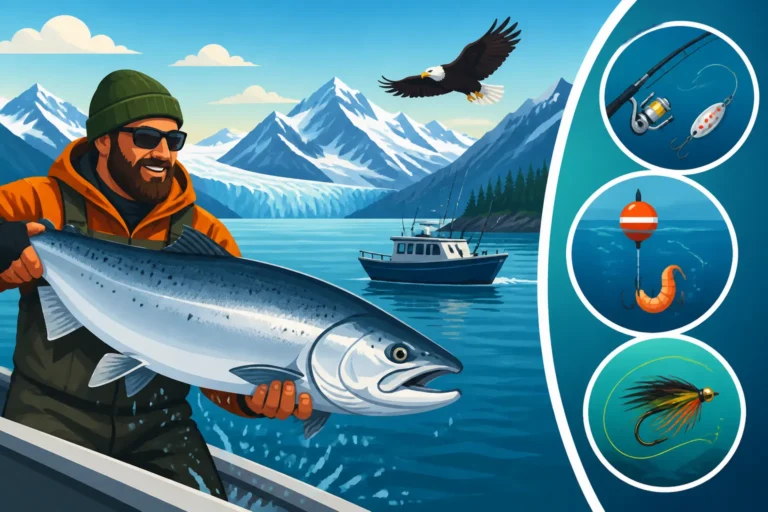
The mighty King Salmon (Chinook) often makes its grand entrance in May, particularly in Southcentral rivers like the Kenai River and Kasilof River. These are some of the earliest and most sought-after King Salmon runs in Alaska. Anglers often target these powerful fish from both guided boats and popular bank fishing spots. The Kasilof River is especially known for its early hatchery Kings, offering a more consistent early-season opportunity, while the Kenai's legendary wild Kings are what many dream of.
Catching an early-season King is a badge of honor, but be prepared for variable conditions. Water levels can be high from snowmelt, and the fish can be spread out. Techniques like back-trolling with Kwikfish, drifting with cured eggs, or even casting large spinners are common. Remember, the King Salmon season is often subject to strict regulations and potential closures depending on run strength, so always check emergency orders. This early period offers a unique challenge and the promise of a truly trophy fish.
Early Halibut and Lingcod Action
While the salmon excitement is building, offshore in saltwater, the Halibut and Lingcod seasons are also getting into full swing. Popular ports like Homer, Seward, and Valdez see their charter fleets heading out into the Gulf of Alaska and Prince William Sound. May offers excellent opportunities for these deep-water giants, often with fewer boats on the water compared to the peak summer months.
Halibut fishing involves dropping heavy jigs or bait rigs (often using herring or salmon heads) to the bottom, sometimes hundreds of feet down. The fight of a big "barn door" Halibut can be grueling but incredibly rewarding. Lingcod, known for their aggressive strikes and tasty meat, are often found in similar rocky, deep habitats. These early-season trips can yield some impressive catches, and the scenery of Alaska's rugged coastline awakening from winter is simply breathtaking. If you're interested in more details, our guide to How to Catch Halibut in Alaska covers all the essentials.
June: Sockeye Mania and Prime King Fishing
June is arguably when Alaska fishing truly hits its stride. The days are long, the weather is often glorious, and some of the most anticipated salmon runs begin to explode. This is a prime month for many anglers, but it also means bigger crowds and more competition for the best spots.
Sockeye Salmon Runs Explode
The legendary Sockeye Salmon (Red Salmon) runs begin in earnest in June, particularly in rivers like the Kenai and Russian Rivers. This is often described as "Sockeye Mania" or "combat fishing" due to the sheer volume of fish and anglers targeting them. Sockeye are prized for their vibrant red meat and incredible fighting spirit. Unlike Kings, Sockeye are plankton feeders and notoriously difficult to entice with traditional bait or lures. Anglers primarily target them by "flossing" or "flipping" — a technique that involves using weighted flies to snag the fish in the mouth as they swim upstream.
The first major wave of Sockeye usually arrives mid-June on the Kenai, drawing thousands to its banks, especially near the confluence with the Russian River. Securing a good spot requires dedication, often involving early morning arrivals. Despite the crowds, the experience of being shoulder-to-shoulder with fellow anglers, all celebrating a landed Sockeye, is an unforgettable part of the Alaskan fishing culture. Knowing the specific Alaska Sockeye Salmon Limits on the Kenai is vital, as regulations are strictly enforced.
Peak King Salmon Opportunities
While Sockeye capture a lot of attention, June also continues to offer some of the best King Salmon fishing of the year. The King runs on the Kenai and Kasilof Rivers are typically strong, with fish growing larger as the season progresses. These powerful salmon can weigh 20-50 pounds, with some exceeding 70 pounds, offering an epic battle. Drift boats on the Kenai and Kasilof are a popular way to target these kings, allowing guides to cover more water and present baits and lures effectively.
The Deshka River, near Willow, also sees a significant King Salmon run in June, providing another popular option for those looking to stay closer to Anchorage. Whether you're drift fishing eggs, back-trolling plugs like a Mag Lip or Kwikfish, or casting spinners, the chance at a trophy King is very real this month. But just like with May, emergency orders are always a possibility, so stay informed. Checking for Alaska King Salmon Fishing Regulations and Limits is a routine requirement for any dedicated King angler.
Robust Halibut Fishing
June is also a fantastic month for Halibut in the saltwater. With more consistent weather and longer daylight hours, charters from Homer, Seward, and Valdez are running full steam. The Halibut are plentiful, actively feeding, and growing larger. Many anglers target "chicken" Halibut (typically 10-40 lbs), which are excellent eating, but the chance of hooking into a truly massive "barn door" Halibut over 100 lbs is always present.
Often, charters will combine Halibut fishing with opportunities for other bottom fish like Rockfish or Lingcod. This month is highly popular, so if you haven't booked your charter already, you might find availability limited, especially on weekends. It's worth considering a midweek trip if your schedule allows. Many outfitters, such as Alaska Premier Charters, based out of Sitka, are fully operational, providing top-notch experiences during this peak season.
July: The Heart of Summer, Diverse Species
July is the quintessential Alaskan summer month, offering a smorgasbord of fishing opportunities. The weather is generally at its warmest, daylight is at its peak, and fish runs are strong and diverse. This is often considered the busiest month for tourism and fishing, and for good reason—there's something for everyone.
Sustained Sockeye and King Runs
The Sockeye Salmon runs continue strong into early and mid-July, particularly in Southcentral rivers. The Kenai River remains a major draw, with its second, often even larger, Sockeye run typically peaking around mid-July. This can lead to even more intense "combat fishing" experiences. For those looking for a different Sockeye experience, other rivers like the Kasilof and systems in Bristol Bay (like the Nushagak or Naknek) are also seeing massive runs, though many of these require fly-in access.
King Salmon fishing, while often past its absolute peak, can still be excellent in early July, especially for larger, later-run fish. Rivers like the Kenai might be winding down their King season, but other areas could still be producing. As the season progresses, anglers might start to see a shift in focus from the very large Kings to other incoming salmon species. Always check the Alaska King Salmon Daily and Annual Limits carefully, as these can be conservative to protect wild stocks.
Pink and Chum Salmon Abundance
Mid to late July marks the arrival of Pink Salmon (Humpies) and Chum Salmon (Dog Salmon). Pink Salmon, the smallest and most abundant of the Pacific salmon, run in staggering numbers every even-numbered year (e.g., 2024, 2026). During these "even years," rivers can literally turn pink with the sheer volume of fish. While not as prized for their table fare as Kings or Sockeye, Pinks offer fast and furious action, making them a fantastic target for families and beginner anglers. They readily hit spinners, spoons, and flies.
Chum Salmon, larger and more powerful than Pinks, also arrive in force during July. Known for their distinct "dog-like" teeth and aggressive fights, Chums are often found in the same rivers as Pinks and Sockeye. They provide an excellent fight and are good for smoking or canning. The sheer abundance of these fish makes July a month where it's hard not to catch salmon.
Excellent Halibut and Rockfish
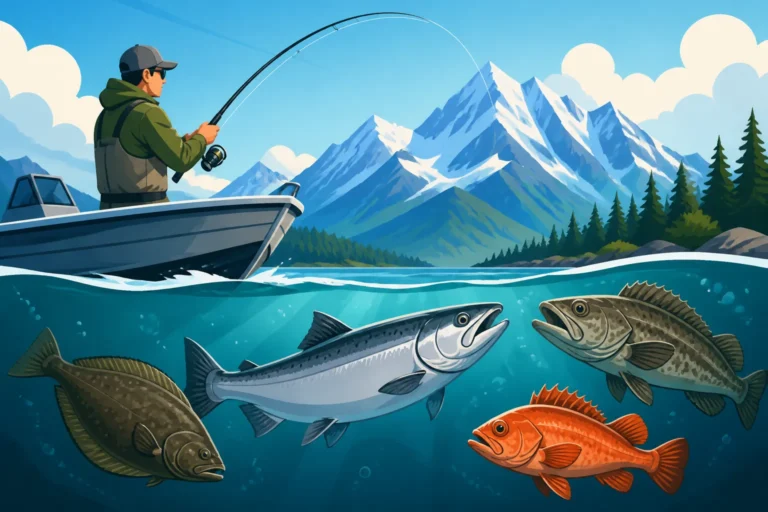
Saltwater fishing for Halibut remains stellar throughout July. With the extended daylight and generally calmer seas, it's an ideal time for offshore adventures. Combo trips, targeting both Halibut and various species of Rockfish, become very popular. You might catch Yelloweye Rockfish, Black Rockfish, Silvergray Rockfish, and more, adding a fantastic variety to your cooler.
Ports like Seward and Valdez, offering access to the nutrient-rich waters of Prince William Sound, are particularly productive for Halibut and Rockfish in July. Anglers can expect to fill their limits, and the experience of pulling up several different species from the deep can be incredibly exciting. Many charters include fish processing, but if you're taking your catch home, consider reviewing Alaska Fish Processing and Shipping Home Rules to ensure your precious cargo makes it safely.
August: Silver Salmon Dominate
As July fades, August brings a slight shift in the Alaskan fishing landscape. While some salmon runs are winding down, others are just beginning to hit their peak, notably the acrobatic Silver Salmon. The crowds might thin out a little from the July frenzy, but the fishing remains phenomenal.
Coho Silver Salmon Runs Peak
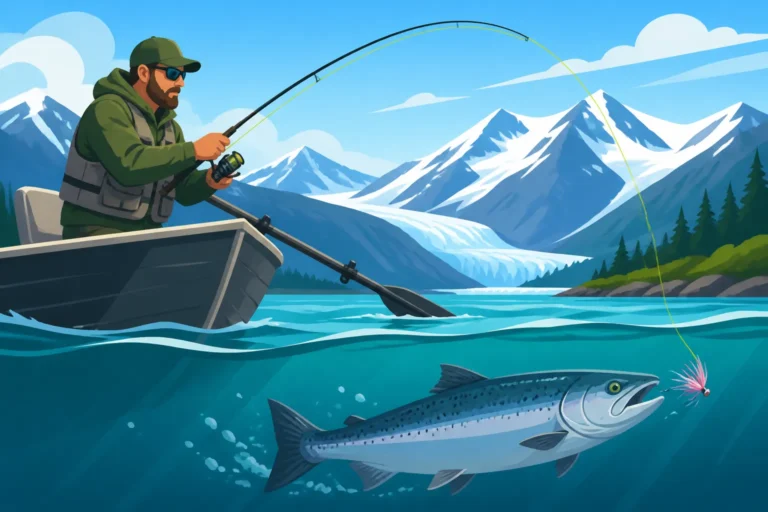
August is undeniably the month of the Coho Salmon, also known as Silver Salmon. These aggressive, acrobatic fish are a blast to catch on spin gear or fly rods. Silver Salmon are known for their spectacular aerial displays and hard fights, often making multiple jumps and runs. They eagerly strike a variety of lures, flies, and bait, making them accessible to anglers of all skill levels.
Rivers throughout Southcentral Alaska, including the Kenai, Kasilof, Little Susitna, Deshka, and Talkeetna Rivers, see strong Coho runs from mid-August through September. In Southeast Alaska, rivers around Juneau, Sitka, and Ketchikan are also fantastic Coho destinations. Anglers will often drift beads, cast spinners and spoons (like the Pixie or Blue Fox), or troll cut-plug herring from boats. The fast-paced action and the sheer fight of a Silver Salmon make August a top choice for many.
Late Season Kings and Halibut
While the major King Salmon runs are mostly over by August, some rivers, especially those further north or with later spawning cycles, might still have a lingering presence of King Salmon in early August. These are often larger, older fish that have spent more time in the ocean. However, fishing pressure tends to be lighter, and regulations can be more restrictive to protect these late spawners. Always consult specific Alaska Fishing Regulations by Region for any late-season King opportunities.
Halibut fishing in the saltwater continues to be excellent in August. While the fish might start to move to slightly deeper water, they are still actively feeding and often larger as the season progresses. Charters from Homer, Seward, and Valdez continue their daily runs, often returning with full boxes of Halibut and Rockfish. The weather can remain quite pleasant, offering comfortable conditions for offshore trips. Some anglers report that the larger "barn door" Halibut are more prevalent in late season.
Freshwater Trout Action
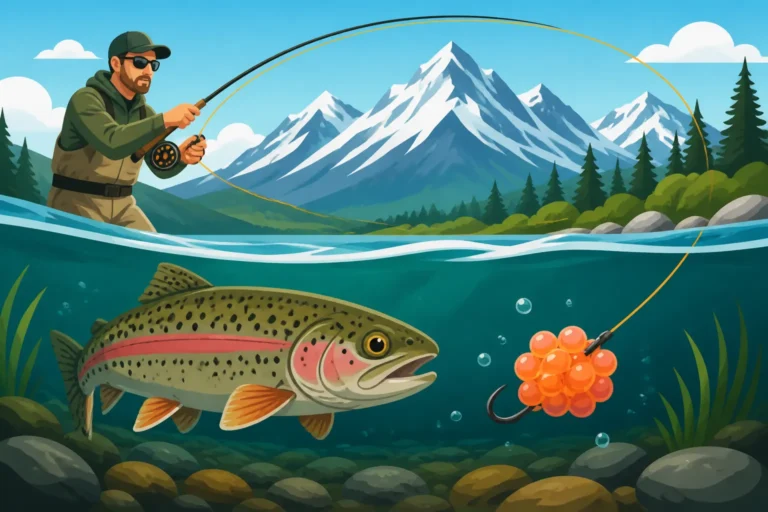
As salmon begin to spawn, their eggs become a vital food source for resident Rainbow Trout, Dolly Varden, and Arctic Grayling. This makes August, and particularly late August, a fantastic time for freshwater trout fishing. Rivers that see significant salmon runs, such as the upper Kenai River near Cooper Landing, become prime spots for targeting trout that are gorging on salmon eggs.
Fly anglers will find success using egg patterns, flesh flies, and various nymphs. Spin fishermen can use bead rigs, small spinners, or even drifted single eggs. The trout are often fat, healthy, and aggressive, providing exhilarating action in stunning wilderness settings. This is a quieter, more reflective type of fishing compared to the salmon combat zones, and a wonderful way to experience Alaska's natural beauty.
September: Fall Colors and Lingering Runs
September ushers in the stunning beauty of Alaskan fall, with vibrant tundra colors contrasting against snow-capped peaks. While the summer crowds have largely departed, the fishing remains incredibly strong for certain species, making it a favorite month for many seasoned anglers seeking solitude and quality fish.
Coho and Steelhead Continue
The Coho (Silver) Salmon runs continue robustly into early and mid-September in many rivers across Alaska, including the Kenai, Kasilof, and other Southcentral systems. Often, the fishing can be even better than in August, as the fish have stacked up in the river systems, and there are far fewer anglers competing for space. The cooling water temperatures can make these fish even more aggressive. This is an ideal time for targeting Silvers with spinners, spoons, or fly fishing techniques using streamers.
In Southeast Alaska, September also means continued opportunities for Steelhead. These powerful sea-run trout offer an incredible challenge to fly anglers in remote rivers. The experience of swinging flies for Steelhead amidst the changing leaves is truly unforgettable. It’s a pursuit that requires patience and skill but rewards with one of the hardest-fighting freshwater fish in Alaska. Checking specific Alaska Steelhead Fishing Regulations and Limits is crucial, as many areas are catch-and-release only for this species.
Trout and Arctic Grayling Flourish
With the salmon spawning in full swing, September becomes arguably the best month for trophy Rainbow Trout and Dolly Varden fishing. The sheer abundance of salmon eggs acts as a powerful attractant, drawing in large, hungry trout. The upper Kenai River, Russian River, and numerous other drainages become prime destinations for those seeking big, healthy 'bows and Dollies. Fly fishing with egg patterns and flesh flies is incredibly effective.
Arctic Grayling, with their distinctive sail-like dorsal fins, are also very active in September. These beautiful freshwater fish are found in clear, cold streams and lakes across interior and Southcentral Alaska. They readily take small dry flies, nymphs, and spinners, making them a fun target for light tackle. The crisp fall air, changing foliage, and aggressive fish make September a truly magical month for freshwater enthusiasts.
Winding Down Halibut and Lingcod
While Halibut and Lingcod fishing can extend into late September, the season begins to wind down. Weather conditions become more unpredictable, with increased chances of rough seas and shorter fishing windows. However, for those willing to brave the elements, the rewards can be significant. Larger Halibut are often found in deeper waters, and the commercial fishing pressure is reduced, potentially leaving more fish for sport anglers.
Many charters will offer "fall special" rates as the season draws to a close. While boat traffic is lighter, ensuring your charter is still running and checking their weather policies is essential. For those traveling home with their catch, remember to adhere to Alaska Fish Transport and Shipping Rules as airlines and shipping companies have specific requirements.
October & November: Winding Down
As the vibrant colors of September fade, October and November mark the transition into true Alaskan winter. For many, fishing season is drawing to a close, but for a dedicated few, there are still opportunities to be found. The weather becomes colder, daylight hours shrink rapidly, and the landscape prepares for snow.
Last Chances for Fall Fish
In early October, particularly in Southeast Alaska, there can still be some lingering Coho (Silver) Salmon and Steelhead opportunities. These late-run fish are often some of the largest and most vibrant, having spent extra time in the ocean. However, these are often targeted by very few anglers due to the increasingly challenging weather. Rivers will be cold, and rain or even early snow is common.
For freshwater anglers, trout and Dolly Varden fishing can remain strong in early October, especially if the weather holds. The fish are still actively feeding on the last of the salmon eggs. However, as ice begins to form on smaller lakes and river edges, these opportunities quickly diminish. This is a time for dedicated, cold-weather anglers who don't mind bundling up and braving the elements for a few last casts of the open water season.
Transition to Winter Activities
By mid-October and certainly into November, most open-water sport fishing in Alaska has concluded. Rivers begin to freeze over, and coastal waters become too rough and cold for most charter operations. This is when the focus shifts for many Alaskans. Hunting season for moose and caribou is often in full swing, and winter sports like skiing and snowmachining start to beckon.
For the angler, this period becomes about maintenance and reflection. Cleaning and storing gear, processing any remaining catch, and perhaps browsing for next year's tackle on Amazon. It's a time to recharge, share fish stories, and start dreaming about the next season. It's also a great opportunity to get a head start on planning for the following year, ensuring you secure those prime dates for your next big adventure.
December: Deep Winter and Planning Ahead
December in Alaska is a month of deep winter. Short days, long nights, and often frigid temperatures dominate the landscape. Fishing, in the traditional open-water sense, is almost nonexistent. However, it's a vital time for planning, preparation, and embracing the unique beauty of an Alaskan winter.
Minimal Fishing, Maximum Planning
While a few hearty souls might venture out for ice fishing on accessible lakes, December is largely a month of minimal fishing activity. The focus shifts entirely to enjoying the holiday season, appreciating the winter landscape, and, for the dedicated angler, meticulous planning for the upcoming season. This is the ideal time to review your experiences from the past year – what worked, what didn't, and what new techniques or locations you want to try.
Many lodges and charter operations start releasing their booking calendars for the following year around this time. If you missed out on your dream dates in January or February of the previous year, December is your second chance to get ahead of the curve. Researching different regions, understanding species runs, and perhaps even considering a Alaska Fly-In Fishing Lodges Guide for a truly remote experience can all happen from the comfort of your warm home.
Gear Maintenance and Dreams
December is the perfect month to give all your fishing gear some much-needed TLC. Clean and oil your reels, check your rods for any damage, organize your tackle boxes, and patch those waders you meant to fix back in September. It’s also a time for dreaming big. Flipping through fishing magazines, watching videos of epic catches, and researching new gear can keep the passion alive during the dark winter months.
Think about the specific challenges you faced last season. Did your rain gear hold up? Was your spinning reel smooth enough for those delicate presentations? These winter months are when you can identify those gaps and make improvements. Remember, a well-maintained kit is a reliable kit, and reliability is key when you're out in the Alaskan wilderness. You might even find yourself adding a few new items to your Amazon wishlist for the spring!
Alaska Fishing Seasons at a Glance
To help you visualize the opportunities throughout the year, here's a quick summary of what you can generally expect:
| Month | Primary Species (Peak) | Secondary Species (Good) | Weather Notes | Activity Level |
|---|---|---|---|---|
| January | Ice Fishing: Lake Trout, Pike, Burbot, Rainbow Trout, Arctic Char | Cold, snowy, short daylight | Low (Ice Fishing) | |
| February | Ice Fishing: Lake Trout, Pike, Burbot, Rainbow Trout, Arctic Char | Cold, snowy, short daylight | Low (Ice Fishing) | |
| March | Steelhead (SE Alaska), Resident Rainbow Trout, Dolly Varden | Cold, thawing, variable, increasing daylight | Low-Moderate | |
| April | Steelhead (SE Alaska), Resident Rainbow Trout, Dolly Varden | Thawing, variable, longer daylight | Moderate | |
| May | King Salmon (Early Runs: Kasilof, Kenai), Halibut, Lingcod | Resident Rainbow Trout, Dolly Varden | Mild, longer days, snowmelt in rivers | Moderate-High |
| June | Sockeye Salmon (Early & Peak Runs), King Salmon (Peak), Halibut | Pink/Chum (late month), Resident Trout | Warm, long daylight (near 24 hrs), high season | High (Very High Sockeye) |
| July | Sockeye Salmon (Peak/Late), King Salmon (Late), Pink Salmon (Even Years), Chum Salmon, Halibut, Rockfish | Silver Salmon (late month), Resident Trout | Warmest, peak daylight, peak tourist season | Very High |
| August | Silver Salmon (Coho) (Peak), Halibut, Rockfish | Pink Salmon, Chum Salmon, Resident Trout (Egging) | Mild, decreasing daylight | High |
| September | Silver Salmon (Late), Resident Rainbow Trout (Egging), Dolly Varden, Arctic Grayling | Steelhead (SE Alaska), Lingcod (late) | Cool, fall colors, shorter days, fewer crowds | Moderate-High |
| October | Resident Rainbow Trout (Late Egging), Dolly Varden | Steelhead (Early Late Season) | Cold, possible snow, short daylight | Low-Moderate |
| November | Minimal (Very late ice fishing) | Cold, snowy, short daylight | Very Low | |
| December | Minimal (Ice Fishing preparation) | Frigid, darkest month, winter sports dominant | Very Low |
Disclaimer
The information provided in this guide is for general informational purposes only and is subject to change. Alaska's fishing regulations, salmon run timings, and weather conditions can vary significantly and are often updated by emergency orders from the Alaska Department of Fish and Game (ADF&G). Always check the latest official regulations and conditions before planning or embarking on any fishing trip in Alaska.