Best Fishing in the Aleutian Islands
Ah, the Aleutian Islands! For many anglers, it’s a mythical chain of islands stretching into the Bering Sea, conjuring images of untamed wilderness, fierce weather, and colossal fish. It’s an undeniable truth that planning a fishing trip to such a remote and extreme destination can feel overwhelming, shrouded in questions about logistics, species, and just how truly "wild" it will be. This guide aims to pull back that veil, offering a realistic look at what it takes to experience some of the most incredible, albeit challenging, fishing Alaska has to offer in the Aleutians.
The Allure and Challenge of Aleutian Fishing
There’s a reason the Aleutian Islands capture the imagination of serious anglers: they represent the pinnacle of wilderness fishing. But with that allure comes a unique set of challenges that are simply not present in more accessible parts of Alaska. Understanding both sides is crucial for a successful trip.
Why the Aleutians Stand Apart
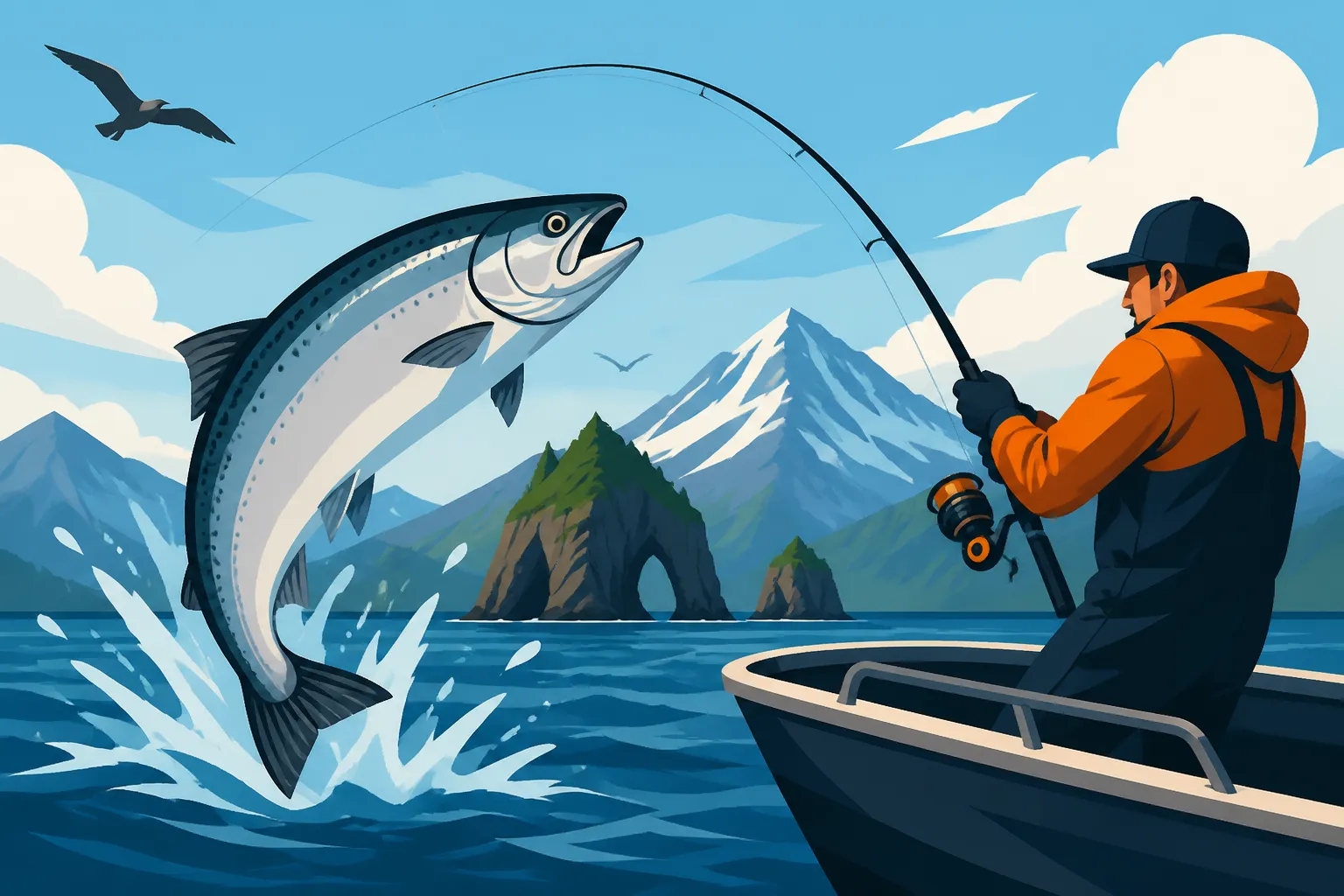
Imagine thousands of miles of uninhabited coastline, where volcanic peaks rise dramatically from the sea, and the only sounds are the crashing waves and cries of seabirds. This is the raw beauty of the Aleutians. The pristine, nutrient-rich waters of the North Pacific and Bering Sea converge here, creating an incredibly productive ecosystem that supports a staggering abundance of marine life. It’s not just about the number of fish, but often the sheer size. This isolation means less fishing pressure than almost anywhere else, allowing fish to grow to truly epic proportions. You're not just fishing; you're embarking on an expedition to a place few ever see, let alone cast a line. The feeling of being completely off the grid, surrounded by nature's grandeur, is an experience in itself, even before you hook into a giant halibut.
Navigating the Elements
However, the very remoteness that makes the Aleutians so appealing also makes them notoriously difficult. The weather is legendary for its unpredictability and ferocity. Calm mornings can quickly give way to gale-force winds and churning seas, sometimes changing several times in a single day. Fog is a frequent visitor, blanketing the islands and making navigation tricky. Strong currents are a constant factor, demanding experienced boat handling and specialized fishing techniques. Logistically, getting there involves flights to distant outposts like Dutch Harbor or Adak, often requiring multiple connections and strict baggage limits. Once there, infrastructure is minimal, meaning you're largely reliant on your charter operation or self-sufficiency. These aren't the calm, sheltered waters of an inland lake; this is raw, open-ocean fishing where the elements are a formidable opponent. Expect the unexpected, and always prioritize safety over ambition.
Top Fishing Destinations in the Aleutian Islands
While the entire Aleutian chain offers potential, a few key areas stand out as more viable — though still remote — destinations for anglers looking to tackle this wild frontier.
Dutch Harbor/Unalaska Area
When people talk about fishing in the Aleutians, Dutch Harbor (which shares Unalaska Island with the town of Unalaska) is often the primary reference point. This is largely due to its status as North America's busiest fishing port, a hub for commercial fleets targeting pollock, cod, and crab. What's good for commercial fishing is often excellent for sport fishing, too. The waters around Unalaska and the adjacent islands are teeming with giant Pacific halibut, often reaching sizes that would be considered true trophies anywhere else. It’s also a hotspot for various species of rockfish, including impressive yelloweye and black rockfish, and occasionally lingcod.
Accessibility is relative here; while it’s still far out in the Aleutians, flights are regularly available from Anchorage to Unalaska. This means slightly better infrastructure for lodging, groceries, and, importantly, charter operations. You'll find experienced captains who know these formidable waters intimately and can guide you to the productive fishing grounds. The deep, rich volcanic seabed and numerous pinnacles create perfect habitat for bottom fish, making it a dream destination for anglers targeting these species. Expect serious deep-sea fishing, often in waters hundreds of feet deep, requiring heavy-duty gear and a strong back.
Adak Island and Western Aleutians
For the truly adventurous angler seeking an even more profound wilderness experience, Adak Island in the central Aleutians is a destination often whispered about. Once a major naval air station, Adak now boasts a small civilian population and offers limited commercial flights. This extreme remoteness means virtually no fishing pressure and the potential for truly untouched waters. Adak is particularly renowned for its monstrous halibut, with "barn door" sized fish being a real possibility. Anglers also target massive king salmon (Chinook) that feed in the rich offshore waters before heading to spawn in rivers further east. Silver salmon (Coho) runs can also be strong in late summer.
Fishing around Adak and further west into the chain, such as around Atka Island or Kiska Island, is a full-on expedition. It's often done via multi-day liveaboard trips or from a very small handful of outpost lodges. These trips are not for the faint of heart or those new to extreme conditions. The weather can be even more volatile, and escape routes or services are virtually non-existent. However, for those who embrace the challenge, the rewards are unparalleled: fishing in absolute solitude, surrounded by untouched landscapes, and the chance to land world-class fish that have rarely, if ever, seen a lure. If you're looking to book a trip to these far-flung locales, you'll need to do your homework and find specialist operators. Services like FishingBooker can sometimes help connect you with the few, highly experienced guides who venture this far west.
What You'll Catch: Target Species and Seasons
The Aleutian Islands' marine ecosystem is incredibly diverse, offering a range of challenging and rewarding species for anglers willing to brave its waters. While salmon are present, the true stars of the show in these deep, rich waters are often the bottom-dwelling giants.
Halibut and Lingcod – Deepwater Giants
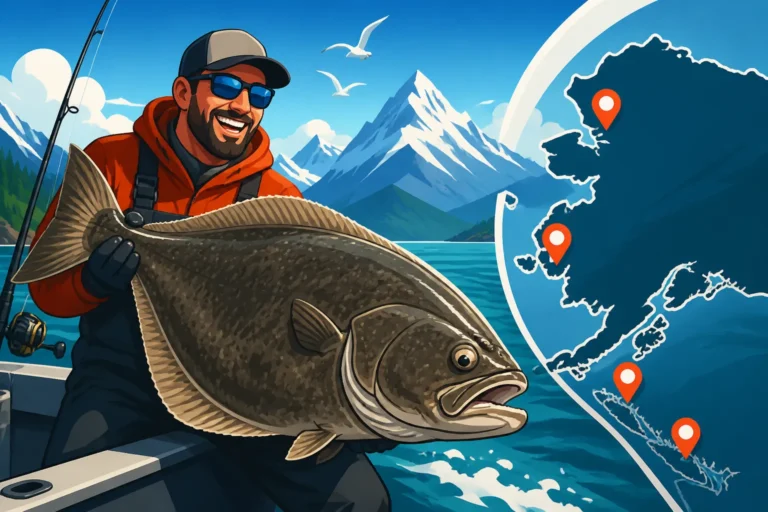
Without a doubt, Pacific halibut are the primary draw for many anglers venturing to the Aleutians. The cold, nutrient-rich waters and deep ocean floor provide ideal habitat for these flatfish to grow to immense sizes. While "chicken" halibut (under 50 pounds) are common and delicious, the Aleutians are where you seriously increase your odds of hooking into a "barn door" halibut, pushing well over 100 or even 200 pounds. Catching one of these requires not just heavy tackle but also significant stamina and a strong will.
Fishing for halibut typically involves bottom fishing with large pieces of bait, such as herring, salmon heads, or chunks of cod, often presented on heavy-duty circle hooks and lead weights that can exceed two pounds. Jigging with large metal jigs is also highly effective, particularly when fish are suspended off the bottom. Lingcod, with their prehistoric appearance and aggressive bite, are another sought-after species found in rocky, deep-water habitats. These predatory fish can grow to impressive sizes, offering a powerful fight and excellent table fare. The peak season for halibut and lingcod in the Aleutians generally runs from late May through September, though decent fishing can extend into October in some areas. For more on catching these giants, you might want to check out our guide on How to Catch Halibut in Alaska.
Pacific Salmon – The Aleutian Runs
While not as prolific or predictable as the salmon runs in mainland Alaska rivers like the Kenai or Copper River, the Aleutian Islands do host runs of Pacific salmon, particularly King (Chinook) and Coho (Silver) salmon. These runs are generally smaller and more spread out due to the vastness of the region and the lack of major river systems for concentrated spawning. However, what they lack in sheer numbers, they often make up for in quality.
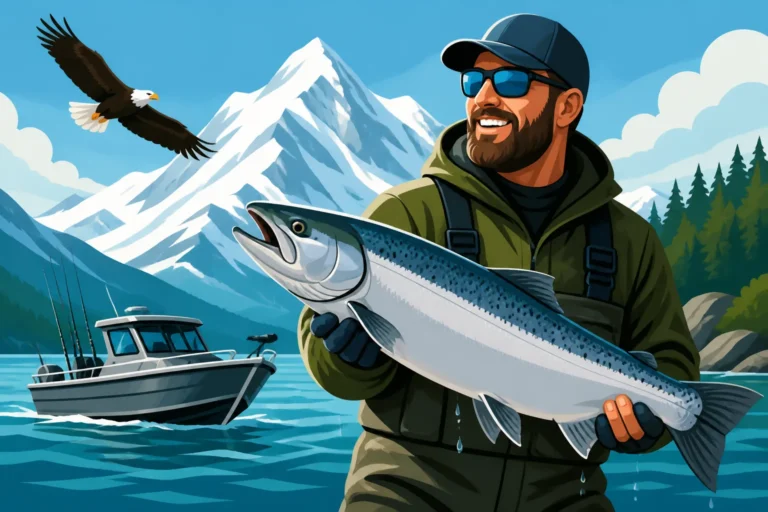
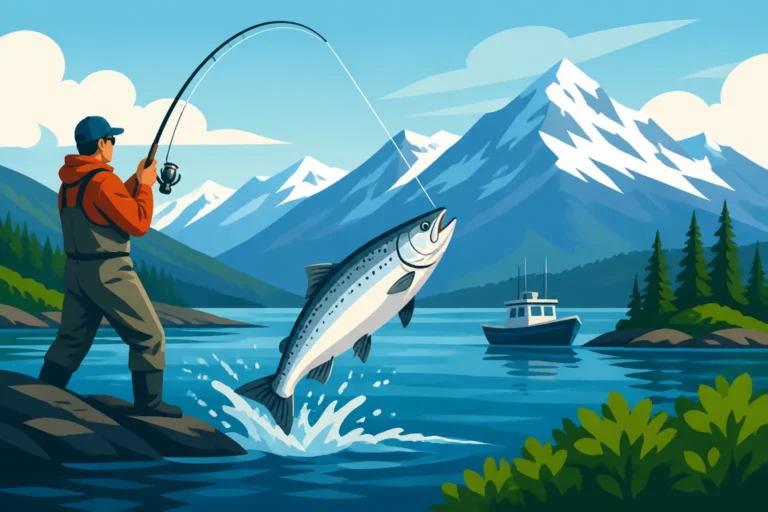
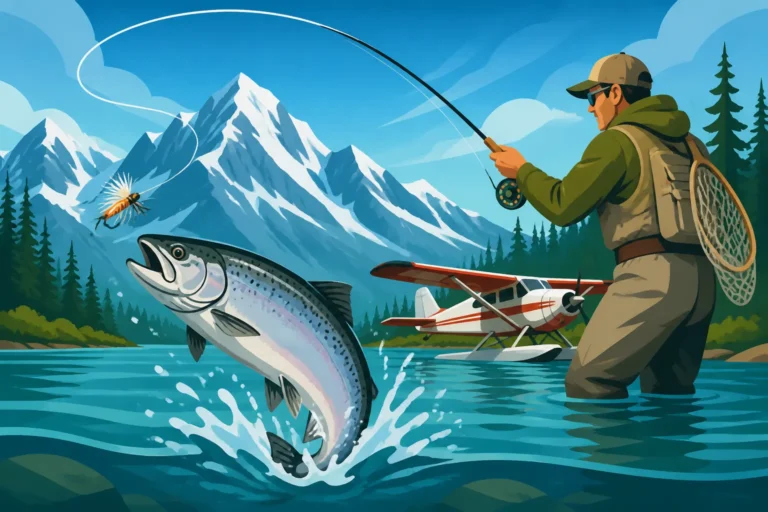
King salmon, the largest of the Pacific salmon species, are found feeding in the offshore waters around many of the islands before making their way to natal streams. These fish are powerful fighters, and hooking into a chrome-bright Aleutian King is an unforgettable experience. Coho salmon arrive later in the summer, typically from August into September, offering energetic battles and acrobatic jumps. Targeting salmon often involves trolling with spoons, hootchies, or plugs, particularly near river mouths or along current lines. Unlike the mainland, where the best time to fish in Alaska for salmon is often dictated by precise run timings in specific rivers, Aleutian salmon fishing is more about finding feeding aggregations in the open ocean or near the few substantial streams. Our Alaska Fishing Seasons: Month-by-Month Guide can give you a broader overview of salmon timings across the state.
Rockfish and Other Bottom Dwellers
Beyond halibut and salmon, the Aleutian waters are incredibly rich in various species of rockfish. These bottom-dwelling fish are often found in staggering numbers around rocky reefs, pinnacles, and submarine structures. Common species include black rockfish, dusky rockfish, yelloweye rockfish (often called "red snapper" for their vibrant color), and Pacific cod. Rockfish provide consistent action, especially on days when halibut or salmon might be slow, and they make for excellent eating.
Fishing for rockfish is typically done with jigs, bait, or even sabiki rigs, which allow you to catch multiple fish at once. Since many rockfish species reside in deeper waters, it's crucial to be equipped with a descending device to properly release any unwanted or undersized fish, preventing barotrauma. This practice is not just good sportsmanship; it's often a regulation. You can learn more about these fascinating fish in our Alaska Rockfish: Facts and Fishing Tips article. You might also encounter Pacific cod, which are plentiful and offer a respectable fight on lighter tackle, alongside other groundfish species.
Here’s a quick overview of some prime Aleutian fishing targets:
| Destination/Area | Primary Target Species | Peak Season | Notes |
|---|---|---|---|
| Dutch Harbor/Unalaska | Pacific Halibut, various Rockfish, Lingcod, King Salmon | Late May – September | Relatively more accessible, commercial hub, big halibut. |
| Adak Island | Giant Pacific Halibut, King Salmon, Coho Salmon, Rockfish | June – September | Extreme wilderness, trophy potential, very remote. |
| Eastern Aleutians | Halibut, Salmon, Rockfish | June – Early October | Similar species to Unalaska, but even fewer services. |
Planning Your Aleutian Fishing Adventure
Embarking on a fishing trip to the Aleutian Islands is not your average weekend getaway. It's an expedition that requires meticulous planning, a realistic understanding of the environment, and often, professional assistance.
Guided Trips vs. DIY Challenges
For the vast majority of anglers, a guided trip is not just recommended but essentially mandatory for fishing the Aleutians. The sheer remoteness, unpredictable weather, dangerous currents, and lack of readily available infrastructure make a do-it-yourself trip incredibly risky, even for highly experienced mariners. Charter operators based out of Dutch Harbor, Adak, or occasionally operating liveaboard expeditions, possess the specialized knowledge, vessels, and safety equipment necessary to navigate these challenging waters. They know where the fish are, how to get there safely, and how to adapt to rapidly changing conditions. When selecting a charter, look for operators with extensive experience in the Aleutians specifically, not just general Alaska fishing. You want captains who live and breathe these waters.
Services like FishingBooker can be invaluable resources for finding reputable charters, allowing you to compare operators, read reviews, and understand what's included in various packages. Be prepared for higher costs due to the logistics and specialized nature of these trips. For those considering an Alaska Fishing Charters: Complete Guide, remember that the Aleutian context adds another layer of complexity. If you're pondering How to Choose an Alaska Fishing Charter, make sure you ask very specific questions about their experience in the Aleutians, their contingency plans for bad weather, and their safety protocols.
Essential Gear and Safety Considerations
When packing for an Aleutian fishing trip, assume the worst weather-wise and then pack for slightly worse. Foul-weather gear, including high-quality waterproof and windproof jackets and pants, is non-negotiable. Layers are key, as temperatures can fluctuate dramatically. Even in summer, bring warm hats, gloves, and waterproof boots. For specific advice, our guide on What to Wear on an Alaska Fishing Charter can be very helpful.
As for fishing gear, charters will typically provide all necessary rods, reels, and tackle. However, if you prefer to bring your own, think heavy-duty. Robust saltwater rods capable of handling large fish and heavy weights, paired with high-capacity reels spooled with strong braided line (80-100 lb test is common for halibut), are essential. Don't forget a variety of jigs and heavy sinkers. Refer to our Alaska Fishing Gear and Tackle Guide for more insights on what to bring.
Safety is paramount. Ensure your chosen charter has all required safety equipment, including life rafts, EPIRBs (Emergency Position Indicating Radio Beacons), satellite phones, and comprehensive first-aid kits. Inform someone of your itinerary and expected return. Given the isolation, a small medical emergency can quickly become a serious situation. Respect the power of the ocean and your captain's decisions, especially regarding weather. This isn't just about catching fish; it's about returning safely from an extraordinary adventure.
Disclaimer
Please remember that fishing regulations in Alaska, including those for the Aleutian Islands, can change frequently due to emergency orders and conservation efforts. Always consult the latest Alaska Department of Fish and Game regulations booklet or their website before you head out on your trip. This guide is for informational purposes only and does not supersede official regulations.