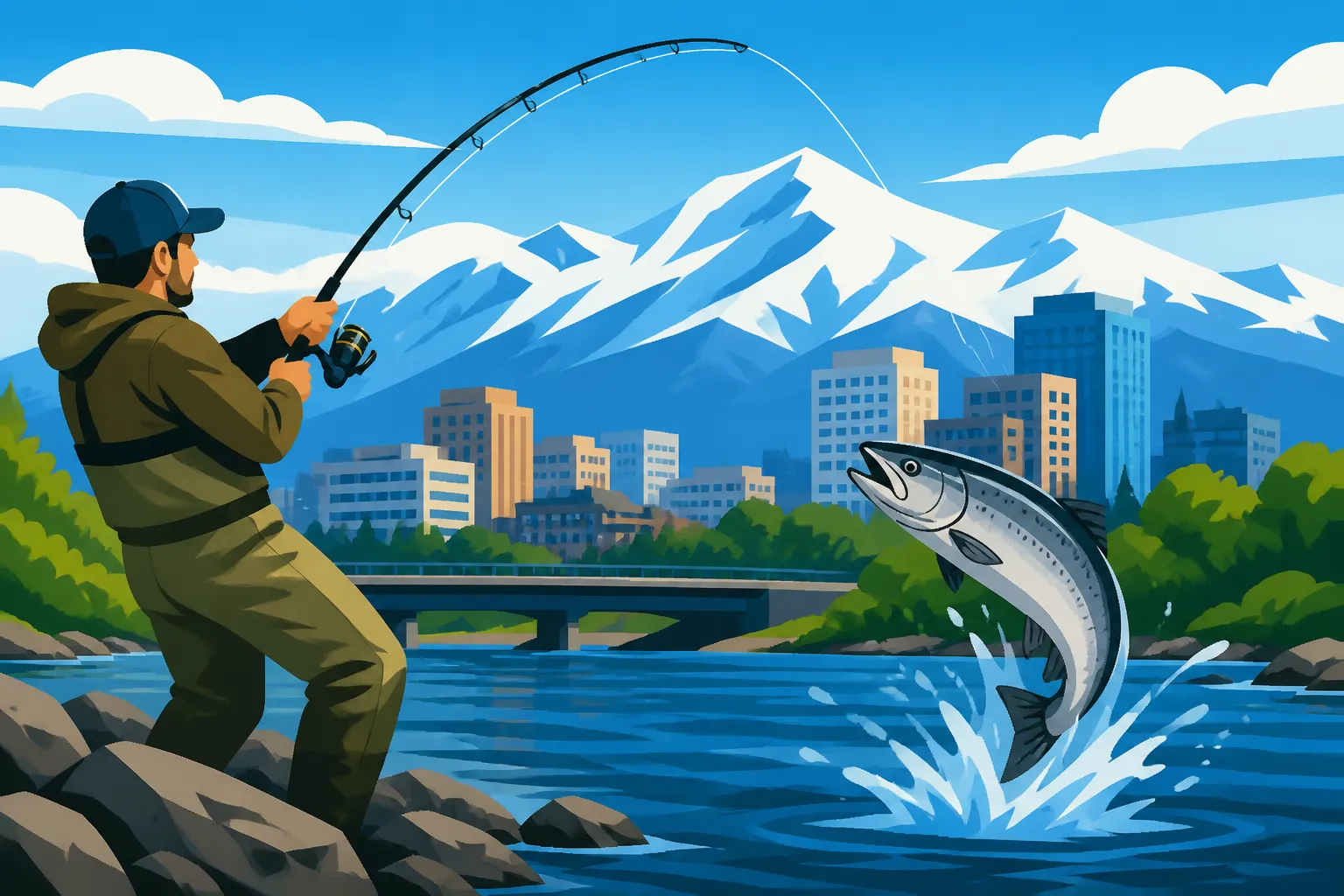
Ship Creek Fishing in Downtown Anchorage
It’s a common frustration for anglers visiting Alaska: you’re in a major city like Anchorage, but the truly epic fishing seems hours away, requiring expensive charters or long drives. You want to experience that legendary Alaskan salmon run, but your schedule or budget might not allow for a remote fly-in trip. The good news is, you don't have to leave the city limits to find fantastic, accessible salmon and trout fishing. This comprehensive guide will walk you through everything you need to know about fishing Ship Creek, right in the heart of downtown Anchorage, turning what might seem like a city stopover into a genuine angling adventure.
The Unique Charm of Ship Creek's Urban Fishery
Imagine stepping out of your downtown hotel, rod in hand, and being just a few minutes' walk from a productive salmon stream. That's the reality with Ship Creek, a truly special urban fishery that defies expectations. For many, the idea of "city fishing" conjures images of polluted waterways and meager catches, but Ship Creek is a vibrant exception, actively managed to provide exceptional angling opportunities for both residents and visitors. It’s a place where the wild spirit of Alaska meets the convenience of urban access, offering a unique blend that’s hard to find anywhere else.
An Accessible Angling Oasis in Downtown Anchorage
One of the biggest draws of Ship Creek is its incredible accessibility. Flowing right through the city of Anchorage, under bridges, and past bustling infrastructure, it’s practically on your doorstep if you’re staying downtown. You don't need a bush plane, a remote lodge, or even a long drive. Public transportation, a short cab ride, or even a leisurely walk will get you to prime fishing spots. This convenience makes it perfect for those with limited time, families with young children, or anyone looking to squeeze in some genuine Alaska fishing without the logistical complexities of a backcountry trip. You can literally fish for King Salmon with the city skyline as your backdrop – it’s an experience that truly sets Ship Creek apart.
A Stocked Fishery with Wild Salmon Appeal
Ship Creek isn't just naturally productive; it's also a testament to smart fishery management. The Alaska Department of Fish and Game (ADF&G) actively stocks the creek with hatchery-reared Chinook (King) and Coho (Silver) salmon smolt, ensuring a robust return of adult fish each summer. While these fish start in a hatchery, they grow up in the ocean, returning as powerful, sea-bright salmon that fight just as hard as their wild counterparts. This stocking program significantly boosts the salmon runs, offering a more consistent and predictable fishery, especially for King Salmon, which can be harder to find in abundance elsewhere on the road system. It truly complements the natural runs that also pass through, creating a dynamic environment where you're never quite sure what might hit your line.
What's Biting: Salmon and Trout Seasons in Ship Creek
Knowing what fish are in the water, and more importantly, when, is crucial for any successful fishing trip to Alaska. Ship Creek, while accessible, still operates on the natural rhythms of salmon migrations and the specific stocking schedules. While salmon are the main event, you might also encounter some resident freshwater species that add a little extra excitement to your day. Being prepared for the right species at the right time will definitely increase your chances of a memorable catch.
The Coveted King Salmon Run
The King Salmon run is often the most anticipated event in Ship Creek. These magnificent fish, known for their size and powerful fights, typically begin to show up in late May and continue through June. This is when the creek truly comes alive, drawing anglers from all walks of life eager to test their skills against these Alaskan giants. While the Kings in Ship Creek might not reach the world-record sizes found in more remote rivers, fish in the 15-30 pound range are common, and larger ones are certainly possible.
The season is often short and intense, usually peaking in early to mid-June. It’s important to note that the King Salmon fishery in Ship Creek, like many King fisheries in Alaska, is often managed with specific daily and annual limits, and sometimes even emergency orders that can restrict fishing days or gear. For instance, the ADF&G might open the fishery only on specific days of the week or implement bait bans to manage harvest. Always check the latest Alaska King Salmon Fishing Regulations and Limits and emergency orders before heading out. Anglers often line the banks during this time, creating a lively atmosphere, especially near the main fishing platform.
Energetic Coho (Silver) Salmon Action
As the King Salmon run tapers off, the focus shifts to the aggressive Coho (Silver) Salmon. These acrobatic fighters make their appearance typically from mid-July and can provide fantastic fishing well into August and even early September. Coho salmon are renowned for their willingness to strike a variety of lures and their impressive aerial displays once hooked. They might not reach the sheer size of Kings, but a 6-12 pound Silver Salmon puts up an incredible fight on light tackle, making them a favorite for many anglers.
The Coho run in Ship Creek is often more forgiving than the King run, with more consistent numbers and often longer open seasons. You'll find good numbers throughout the creek, from the tidewater sections up to the deeper pools. The later part of the season, closer to fall, can offer some of the most vibrant fish, fresh from the ocean. Just like with Kings, it's vital to stay updated on Alaska Coho Salmon Fishing Regulations and Limits as emergency orders can impact bag limits or fishing methods based on run strength.
Other Resident Species: Rainbow Trout and Dolly Varden
While salmon are the stars, Ship Creek also offers opportunities for catching resident freshwater species. Rainbow Trout and Dolly Varden can be found throughout the creek, especially in the quieter sections upstream from the main salmon fishing areas, though they will also cruise the lower sections. These fish typically range from pan-sized up to a few pounds, offering a fun challenge, especially for fly anglers or those looking for a break from the salmon crowds.
Catching these trout and char often requires a different approach, focusing on smaller lures, flies, or bait (where permitted). Most anglers practice catch-and-release for these species to support the resident populations, though specific regulations for retention do exist. Always consult the most current regulations for daily limits and any special restrictions on these species in the Ship Creek management area.
Navigating Regulations and Licensing for Ship Creek
Fishing in Alaska, even in an urban setting like Ship Creek, comes with a set of rules designed to protect the state's incredible fisheries. It can feel a bit daunting, especially for visitors, but understanding the basics of licensing, stamps, and regulations is paramount to having a legal and enjoyable trip. Skipping these steps isn't just risking a fine; it's disrespecting the resources that make Alaska fishing so special.
Essential Licenses and King Salmon Stamp Requirements
Before you even cast a line in Ship Creek, you'll need an Alaska sport fishing license. The type of license depends on your residency and the duration of your stay. Non-residents will typically purchase a 1-day, 3-day, 7-day, 14-day, or annual license. Children under 16 generally do not need a license. You can easily purchase your license online before your trip, or at various vendors throughout Anchorage, including sporting goods stores and some general stores. If you're wondering How to Get an Alaska Fishing License Online, it's a straightforward process through the Alaska Department of Fish and Game website.
Crucially, if you plan to fish for King Salmon, you'll also need to purchase a King Salmon Stamp in addition to your regular fishing license. This stamp is an annual requirement and the funds collected directly support King Salmon management and enhancement programs. Without this stamp, any King Salmon you catch must be immediately released, regardless of whether the fishery is open for retention. Make sure you have this stamp clearly marked on your license, especially if you're hoping to take home one of these prized fish. You can find more details on Alaska King Salmon Stamp Requirements.
Understanding Emergency Orders and Bag Limits
Alaska's fisheries are dynamic, and regulations can change quickly based on run strength, weather, and other factors. This is especially true for popular fisheries like Ship Creek. The ADF&G issues "emergency orders" which can alter seasons, bag limits, gear restrictions, or even close a fishery entirely with little notice. It’s absolutely essential to check for these emergency orders regularly, right up until the moment you plan to fish. You can do this by checking the ADF&G website, calling local offices, or stopping by local tackle shops, who are usually very up-to-date. Understanding Alaska Fishing Emergency Orders Explained is key to staying legal.
For Ship Creek, specific daily and annual bag limits apply to King and Coho salmon. For instance, non-residents often have a lower annual limit for King Salmon compared to residents. These limits are in place to ensure sustainable fishing for everyone. Always check the regulations for the specific area (Southcentral Alaska, Anchorage Area) you'll be fishing. Don't forget that a Alaska Harvest Record Card Explained is also often required for recording King Salmon, and sometimes other species, which must be accurately filled out immediately upon retention. Failure to comply with these regulations can result in significant fines and forfeiture of your catch and gear.
| Species | Peak Season (Approx.) | Typical Daily Limit (Resident/Non-Resident) | Special Regulations/Notes |
|---|---|---|---|
| King Salmon | Late May – June | Varies by season/emergency order | King Salmon Stamp required. Often restricted days/gear. |
| Coho (Silver) Salmon | Mid-July – September | Varies by season/emergency order | Generally more liberal limits. |
| Rainbow Trout | Year-round (open water) | Varies; often catch-and-release | Check local regulations. |
| Dolly Varden | Year-round (open water) | Varies; often catch-and-release | Check local regulations. |
Note: This table provides general guidance. Always consult the current Alaska Department of Fish and Game regulations and emergency orders for the most up-to-date and specific rules.
Tips for a Successful Ship Creek Fishing Trip
So, you’ve got your license, you know what’s running, and you’re ready to hit the water. But fishing, even in a stocked urban stream, is still fishing. A little preparation and knowledge of local techniques can go a long way in turning a hopeful outing into a successful one. Don’t just show up with any old rod; Alaska demands a certain respect, even for its city rivers.
Gearing Up for Ship Creek Success
Your gear choice for Ship Creek largely depends on the target species. For King Salmon, you'll want a medium-heavy to heavy spinning or baitcasting rod, typically 8-10 feet long, paired with a reel spooled with 25-40 pound monofilament or braided line. Kings are powerful fish, and you need robust tackle to handle them, especially in the swift current near the mouth of the creek. For Coho Salmon, a medium-action rod, 7-9 feet long, with 15-25 pound line is usually sufficient. These rods offer a good balance of casting distance and fish-fighting power.
When it comes to lures, bright, flashy, and vibrant are often the names of the game for salmon. Popular choices for Kings include large spinners (like Pixees or Roostertails in sizes #5-#7) in chartreuse, orange, or silver, and cured salmon roe (where bait is permitted). For Cohos, smaller spinners (sizes #3-#5), spoons, and even brightly colored flies (if fly-fishing) can be deadly. Think hot pink, fuchsia, chartreuse, or even purple. Local tackle shops in Anchorage, such as Sportsman's Warehouse or Bass Pro Shops, are excellent resources for what's currently working and specific local tips. They can point you to the Best Lures for Alaska Salmon that are currently effective on Ship Creek. Also, remember to bring essential accessories like a sturdy landing net, a pair of pliers for hook removal, and a comfortable pair of waterproof boots or waders if you plan to get in the water.
Prime Techniques for Hooking Up
Fishing techniques in Ship Creek vary based on the species and water conditions. For King Salmon, a common and effective method is casting large spinners or spoons slightly upstream and allowing them to drift down and across the current, retrieving just fast enough to impart action. This allows the lure to swing through holding areas where Kings might be resting. If bait is allowed, drifting cured roe under a float can also be highly effective. The key is to present your offering naturally and get it down to where the fish are holding, often near the bottom.
For Coho Salmon, a similar retrieve with spinners or spoons can work wonders, but Cohos are often more aggressive and will strike at faster retrieves or even on the surface. Fly fishing can also be incredibly productive for Cohos, especially with brightly colored streamers or poppers. When targeting trout or Dolly Varden, switch to smaller spinners, inline spinners, or egg patterns if fly fishing. Patience and observation are your best friends here; watch where other anglers are having success, pay attention to current seams and deeper pools, and don't be afraid to experiment with different presentations. Finding a local guide through platforms like FishingBooker can also give you a significant edge, as they know the nuances of the creek and exactly what the fish are biting on that day.
Staying Safe and Respectful on the Banks
Fishing in an urban setting doesn't mean you can let your guard down. While bear encounters are less common directly in downtown Ship Creek compared to more remote areas, it's still Alaska, so always be aware of your surroundings. The banks can be slippery, especially near the tide flats, so wear appropriate footwear. Be mindful of others; Ship Creek can get crowded, especially during peak salmon runs. Give fellow anglers space, and practice good casting etiquette.
Respect the resource: if you're releasing fish, do so quickly and carefully, minimizing their time out of water. Pack out everything you pack in, and leave no trace. The beauty of Ship Creek is its natural feel within the city, and keeping it clean ensures it remains that way for future generations. Remember, there are often signs detailing specific rules for the area, so take a moment to read them. For general safety tips and best practices in Alaska's waters, consider reading up on Alaska Catch-and-Release Best Practices.
Beyond the Creek: Exploring Anchorage's Angling Scene
While Ship Creek is a fantastic urban gem, Anchorage and its surrounding areas offer a wealth of other fishing opportunities. If you have more time and want to broaden your horizons, there are plenty of options, from stocked lakes to stunning wilderness rivers. Ship Creek can be a great starting point, but don't let it be your only stop if you have the chance to explore further.
Nearby Lakes and Rivers for Diverse Fishing
Just a short drive from Anchorage, you'll find numerous stocked lakes, many of which are easily accessible. These lakes are regularly stocked with Rainbow Trout, Arctic Char, and even some Coho Salmon, providing consistent action for anglers of all skill levels. Lakes like Campbell Lake, Jewel Lake, and Mirror Lake offer great family-friendly options for a relaxing day of fishing without the strong currents of Ship Creek. They are perfect for teaching kids how to fish or for those who prefer a calmer setting.
For river anglers looking for a slightly more wild experience than Ship Creek, but still within a reasonable drive, the Eklutna Tailrace, about an hour north of Anchorage, can be a productive spot for salmon depending on the run. Even further afield, the rivers of the Kenai Peninsula, like the Kenai and Kasilof, are world-renowned, though they require more travel and planning. For a comprehensive overview of local spots, checking out Best Fishing Near Anchorage can provide great ideas. Many anglers utilize services like FishingBooker to explore guided trips on these diverse waterways.
Combining Urban Fishing with Alaskan Adventure
One of the great advantages of fishing Ship Creek is its proximity to all that Anchorage has to offer. You can spend the morning battling salmon, then enjoy a fantastic meal at a downtown restaurant, visit local museums, or explore the Tony Knowles Coastal Trail. It's the perfect blend of outdoor adventure and urban convenience. For tourists, it means you can easily integrate a genuine Alaskan fishing experience into a broader itinerary without dedicating an entire day or more to travel.
Consider pairing your Ship Creek trip with other quintessential Alaskan experiences, whether it's flightseeing over Denali, wildlife viewing, or even a day cruise in Prince William Sound. Ship Creek provides a low-barrier entry to the sport, allowing you to gauge your interest and perhaps inspire future, more ambitious fishing expeditions into the Alaskan wilderness. You might even find yourself looking up " Alaska Fishing Charters: Complete Guide" after your Ship Creek success!
Planning Your Extended Trip
If Ship Creek ignites your passion for Alaskan fishing, you might start thinking about a multi-day trip. Researching Best Time to Fish in Alaska can help you align your visit with peak runs across different regions and for various species. Many visitors find that combining a convenient city fishing spot like Ship Creek with a guided trip on a bigger river or a saltwater charter out of Seward or Homer offers the best of both worlds. The accessibility of Ship Creek makes it an ideal "warm-up" before venturing into more remote or challenging fishing environments. Don't underestimate the sheer thrill of catching a salmon or trout, even if it's just a stone's throw from the Anchorage skyline!
Disclaimer
The information provided in this guide is for general informational purposes only and is subject to change. Fishing regulations, seasons, and emergency orders in Alaska can change rapidly. Always consult the official Alaska Department of Fish and Game (ADF&G) website or contact their local offices for the most current and accurate regulations before engaging in any fishing activities. Adherence to all local, state, and federal regulations is the responsibility of the angler.