Best Fishing Spots Near Soldotna, Alaska
Trying to figure out where to cast a line near Soldotna can feel a bit overwhelming, right? With so many incredible rivers, lakes, and even saltwater options within reach, it’s tough to know where to start, especially if you’re new to the area or planning a dream trip. This guide will cut through the noise, detailing the very best fishing spots around Soldotna, ensuring you spend less time guessing and more time reeling in that Alaskan catch of a lifetime.
The Kenai River: Soldotna's Legendary Lifeline
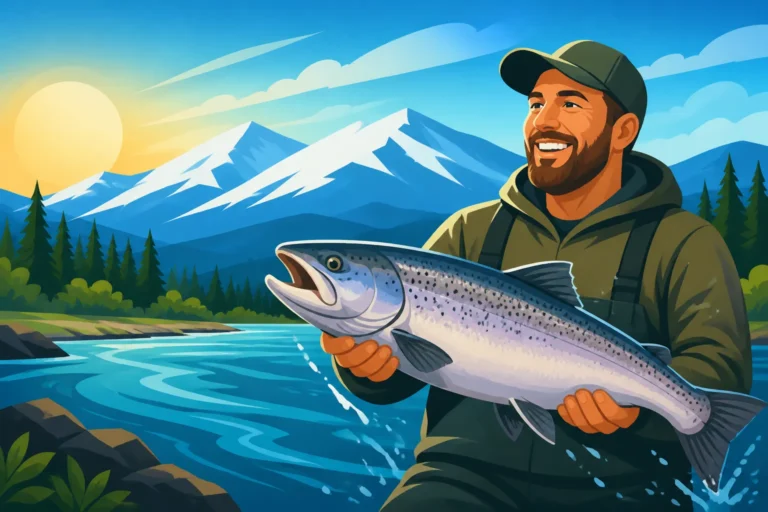
When anyone talks about fishing near Soldotna, the Kenai River is almost always the first name out of their mouth. And for good reason! This iconic river, flowing right through the heart of Soldotna, is world-renowned for its incredible salmon runs and trophy rainbow trout. It’s a powerful, glacial-fed river that can be intimidating, but with the right approach and a bit of local knowledge, it offers some of the most rewarding fishing experiences in Alaska. The Kenai is a special place, holding numerous state and world records, and it truly lives up to its legendary status.
King Salmon Hotspots and Seasons
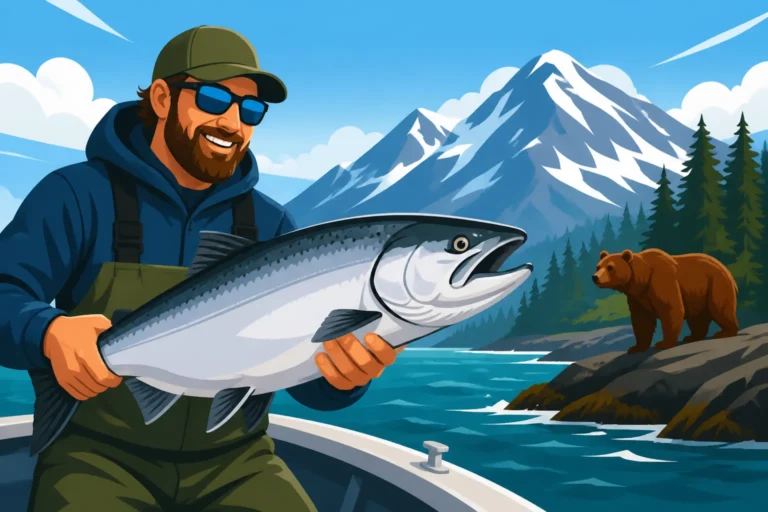
King salmon, or Chinook salmon, are the undisputed monarchs of the Kenai, drawing anglers from across the globe. These magnificent fish enter the Kenai in two distinct runs. The first run typically arrives in late May and continues through early July, with these fish heading for the tributaries further upstream. The second, and often larger, run starts mid-July and peaks in early August, with these giants pushing all the way to the Kenai and Russian Rivers' confluence.
For bank anglers near Soldotna, popular spots include Centennial Park and Soldotna Creek Park, especially during the peak of the second run. These areas can get crowded, often referred to as "combat fishing," but the sheer volume of fish making their way upstream can provide unparalleled action. If you're looking for a more serene experience or targeting larger fish, a drift boat or powerboat charter is often the way to go. Guides often target specific holes and gravel bars, using techniques like back-trolling with Kwikfish or Mag Lip plugs, or back-bouncing cured roe. Remember, the King Salmon season on the Kenai can be subject to emergency orders, so it’s crucial to check the latest regulations before you head out. Understanding the specific Alaska King Salmon Fishing Regulations and Limits is paramount to a successful and legal trip.
Sockeye Salmon Strategies and Access
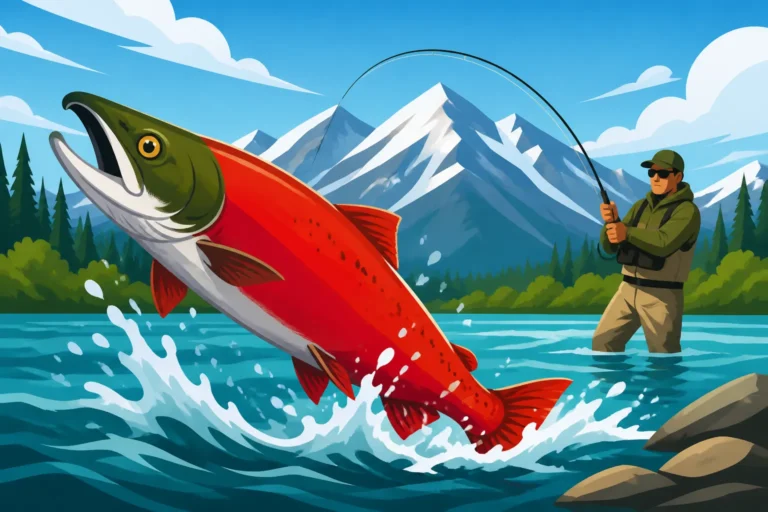
If King salmon are the royalty, Sockeye salmon, or Red salmon, are the hardworking backbone of the Kenai. These fish, famous for their rich red meat and incredible fighting spirit, come in staggering numbers, especially during the second run from mid-July through early August. Unlike Kings, Sockeye don't typically strike lures or bait out of aggression; they are filter feeders. The primary method for catching them on the Kenai is "flossing" or "flipping." This technique involves using a heavy leader with a bare hook (often adorned with a small plastic bead or yarn fly) to drift the line along the river bottom, hoping the line snags in the fish's mouth as it migrates upstream.
The prime location for Sockeye fishing near Soldotna is undoubtedly the Russian River confluence area, accessed via the U.S. Forest Service campgrounds near Cooper Landing. However, even within Soldotna proper, areas like Bings Landing and the various public access points along the Kenai River can be productive, particularly during the peak of the run. Be prepared for crowds, especially on weekends, and ensure your gear is up to the task – strong rods, heavy line, and good wading boots are essential. Many anglers choose to hire a guide, especially when using services like FishingBooker, to navigate the complexities of Sockeye fishing and access the best spots. Familiarizing yourself with Alaska Sockeye Salmon Fishing Regulations and Limits will ensure you're compliant with all the rules.
Rainbow Trout Opportunities Year-Round
While salmon get most of the headlines, the Kenai River is also a phenomenal destination for rainbow trout. These resident fish grow to impressive sizes, feasting on salmon eggs during the spawning season and then on salmon fry and other insects throughout the year. The best trout fishing often occurs after the salmon runs, from late August through October, when the river is littered with decaying salmon carcasses and abundant eggs, providing a rich food source.
Fly fishing is a particularly popular and effective method for Kenai rainbows. Anglers often "fish beads," imitating salmon eggs, or use flesh flies, streamers, and nymph patterns. Spin fishermen can also have great success with small spinners, spoons, or by drifting beads under an indicator. The upper Kenai, especially within the Kenai National Wildlife Refuge, offers incredible fly-out or drift boat opportunities for truly wild, unpressured trout. Even closer to Soldotna, specific stretches of the main stem Kenai, particularly those with deep pools and structure, hold large trout. Always adhere to catch-and-release practices for these magnificent fish, as they are a precious resource. You'll find specific details on Alaska Rainbow Trout Regulations and Limits to help plan your trip.
Exploring Nearby Rivers and Lakes
While the Kenai River is the star, the Soldotna area is blessed with a constellation of other fantastic fishing opportunities, each offering a unique experience. Venturing slightly off the main thoroughfare can lead to less crowded waters and diverse catches, making your trip even more memorable. From other renowned salmon rivers to tranquil lakes teeming with freshwater species, there's a lot to discover.
Kasilof River: A Quieter King and Sockeye Experience
Just a short drive south of Soldotna, the Kasilof River offers a slightly more subdued, yet equally productive, salmon fishing experience. The Kasilof, a glacial river like the Kenai, hosts its own strong runs of King salmon and Sockeye. What makes it appealing to many anglers is that it often sees less fishing pressure than the Kenai, especially for King salmon.
The Kasilof's King salmon runs typically start a bit earlier than the Kenai's, often beginning in mid-May and running through June, with a smaller second run in July. Powerboats are restricted on the Kasilof for King salmon fishing (rafts or drift boats are often preferred), contributing to its more peaceful atmosphere. Anglers often back-troll with large plugs or drift cured eggs for Kings. For Sockeye, the Kasilof also experiences massive runs, particularly in July. Access points like the Crooked Creek State Recreation Site provide good bank fishing opportunities, similar to the Kenai, where flossing is the primary method. Always consult Alaska Fishing Regulations Explained for specific Kasilof rules, as they can differ from the Kenai.
Russian River: Sockeye Heaven and Combat Fishing
Though often mentioned in conjunction with the Kenai River due to its confluence, the Russian River deserves its own spotlight, particularly for its legendary Sockeye salmon runs. Located near Cooper Landing, about an hour's drive from Soldotna, this clearwater river becomes a Sockeye angler's paradise from late June through July, and again in August. The sheer numbers of Sockeye pushing into the Russian River are astounding, creating an almost unparalleled opportunity to fill your freezer.
The fishing here is intense, often dubbed "combat fishing" due to the close quarters anglers share along the banks. However, the camaraderie and the thrill of battling strong Sockeye in a beautiful setting make it a truly Alaskan experience. Access is primarily through the Russian River Campground and ferry service, which takes you across the Kenai to the prime fishing banks. Flossing is the only effective method here, requiring a precise cast and drift. Be prepared for regulations that often limit tackle to a single, barbless hook to manage the intense fishing pressure. For those who embrace the challenge, the Russian River offers some of the best Sockeye fishing on the planet.
Swanson River Canoe Trail: Pike and Rainbows in the Wild
For a completely different type of fishing experience, the Swanson River Canoe Trail offers a wilderness adventure just a stone's throw from Soldotna. This extensive network of interconnected lakes and portages is perfect for those seeking Northern Pike, rainbow trout, and even some Dolly Varden in a tranquil, non-glacial setting. It’s an ideal escape from the crowds and a chance to truly immerse yourself in the Alaskan wilderness.
Access is typically from the Canoe Trail parking area off Swanson River Road. Anglers can rent canoes or bring their own, exploring numerous lakes like Swan Lake, Otter Lake, and King Lake. Northern Pike, aggressive ambush predators, are abundant in the shallower, weedier sections of these lakes. They readily strike spoons, spinnerbaits, and topwater lures. Rainbow trout are found in deeper sections and can be caught trolling small lures or casting flies. This is a fantastic spot for families or those looking for a more relaxed, multi-day fishing and camping trip. Always pack bear spray and know How to Fish Safely Around Alaska Bears, as wildlife encounters are common here.
Saltwater Adventures from the Peninsula's Edge
While Soldotna itself is landlocked on the Kenai Peninsula, its strategic location means that some of Alaska's premier saltwater fishing destinations are just a scenic drive away. For those dreaming of monster halibut, feisty ocean-run salmon, or a diverse catch of rockfish and lingcod, heading to the coast is an absolute must. These trips offer a stark contrast to river fishing, providing breathtaking ocean views and a chance at truly colossal fish.
Homer and Seward: Gateway to Halibut and Ocean Salmon
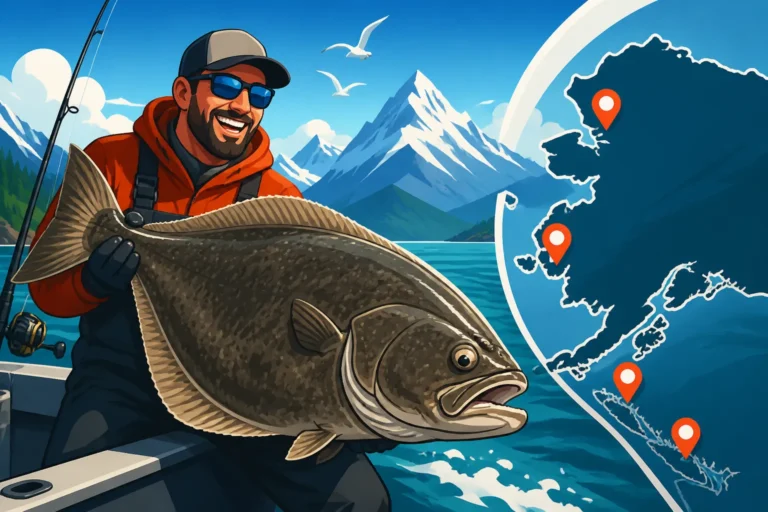
Homer, known as the "Halibut Fishing Capital of the World," is roughly a 2.5-hour drive south from Soldotna, making it an ideal day trip or multi-day excursion. Its famous Homer Spit is bustling with charter operators, all eager to take you out into Kachemak Bay or further into Cook Inlet for epic halibut battles. Halibut fishing here is primarily done by bottom fishing with heavy gear, using bait like herring, salmon heads, or squid, often sweetened with Berkley Gulp! products. The average halibut can weigh 20-50 pounds, but "barn doors" weighing over 100 pounds are caught regularly.
Seward, located about 2 hours east of Soldotna on Resurrection Bay, offers equally spectacular saltwater opportunities, particularly for silver salmon (coho) and king salmon, as well as robust halibut and rockfish fisheries. Seward's fishing grounds often involve cruising through the stunning fjords of Kenai Fjords National Park, making the trip as much about the scenery as the fishing. Charters departing from Seward often troll for salmon in the bay or head offshore for halibut. Many anglers use services like FishingBooker to compare and book the best available charters from both Homer and Seward, ensuring they find a reputable guide for their dream trip. Before you go, it's a good idea to understand Alaska Halibut Charter Regulations Explained as rules can be complex and vary.
Kachemak Bay: Multi-Species Charters and Scenic Views
Kachemak Bay, stretching out from Homer, isn't just about halibut. It's a remarkably diverse ecosystem offering fantastic opportunities for a variety of saltwater species. Many charters offer "combo trips" that target multiple species in a single day, maximizing your chances of a full fish box and a diverse culinary experience.
Beyond halibut, you can expect to target King salmon, silver salmon, Pacific cod, various species of rockfish (like yelloweye, quillback, and black rockfish), and even lingcod. Trolling for salmon is popular closer to shore, while jigging and bait fishing are effective for bottom dwellers. The stunning backdrop of the Kenai Mountains, glaciers, and abundant wildlife (sea otters, seals, and whales are common sights) adds another layer of magic to fishing in Kachemak Bay. When selecting a charter, make sure to ask about their specific target species and methods to ensure it aligns with your fishing goals. Knowing the Alaska Fishing Limits and Bag Limits Explained will be crucial for any multi-species trip.
Planning Your Soldotna Fishing Trip
Planning a fishing trip to Soldotna involves more than just knowing where to go; it's about being prepared, understanding the rules, and making the most of your time in this incredible part of Alaska. A well-planned trip ensures you're ready for anything the Last Frontier throws your way.
Essential Gear and Local Regulations
No matter what species you're targeting around Soldotna, having the right gear is paramount. For Kenai River salmon, a medium-heavy to heavy action spinning or baitcasting rod (8.5 to 10.5 feet) paired with a reel spooled with 30-50 lb braided line is standard. You'll need plenty of lead weights (often up to 1-2 ounces for flossing sockeye), strong leaders (20-40 lb fluorocarbon), and appropriate hooks or lures. For saltwater halibut, much heavier gear is required, typically stout rods with large conventional reels spooled with 80-150 lb braid, paired with large lead weights (1-2 lbs) and robust circle hooks.
Beyond the tackle, don't forget personal essentials: waterproof rain gear (a must in Alaska!), waterproof boots or waders, warm layers (even in summer), insect repellent, sunglasses, and bear spray. A good cooler or fish bag is also essential for transporting your catch.
Regulations are constantly changing in Alaska, often through emergency orders issued by the Alaska Department of Fish and Game (ADF&G). Before every fishing trip, it is critical to check the current regulations for the specific waters you intend to fish. This includes bag limits, size restrictions, legal gear, and any emergency closures. You'll need an Alaska Fishing License: Complete Guide, and often a King Salmon Stamp if you plan to target Kings. Ignoring regulations can result in hefty fines and the loss of your fishing privileges, which nobody wants!
Here's a quick reference table for common species and general season timings near Soldotna:
| Species | Primary Season (Peak) | Typical Locations | Common Techniques |
|---|---|---|---|
| King Salmon | Late May – Early July (1st run), Mid-July – Early Aug (2nd run) | Kenai River, Kasilof River | Back-trolling, Back-bouncing |
| Sockeye Salmon | Late June – Early Aug | Kenai River, Russian River, Kasilof River | Flossing, Flipping |
| Silver Salmon | Mid-Aug – Mid-Oct | Kenai River, Kasilof River, Saltwater | Trolling, Spin Fishing |
| Rainbow Trout | Aug – Oct (post-spawn), Spring, Fall | Kenai River, Swanson River Lakes | Fly Fishing (beads, flesh), Spin Fishing |
| Halibut | May – Sep | Homer (Kachemak Bay), Seward (Resurrection Bay) | Bottom Fishing, Jigging |
| Northern Pike | May – Sep | Swanson River Lakes | Spoons, Spinnerbaits, Topwater |
Finding Accommodations and Guides
Soldotna, being a central hub for Kenai Peninsula fishing, offers a wide range of accommodations, from rustic cabins and campgrounds to hotels and luxury lodges. Booking well in advance is highly recommended, especially for peak season (July-August), as popular spots fill up quickly. Many fishing lodges offer all-inclusive packages that include lodging, meals, and guided fishing trips, which can be a convenient option for a hassle-free vacation.
For those who want to maximize their chances of success and benefit from local expertise, hiring a fishing guide is often a wise investment. Guides not only know the best spots and techniques but also stay up-to-date on rapidly changing regulations and river conditions. They typically provide all the necessary gear, bait, and often even fish processing services. When searching for a guide, consider using platforms like FishingBooker, which allows you to compare different charters, read reviews, and book directly. Look for guides specializing in the species and location you're most interested in, whether it's Best Salmon Fishing Guides in Alaska or a dedicated Halibut charter out of Homer. Asking questions about their experience, what's included, and their approach to conservation is always a good idea. Remember, a good guide can turn a good trip into an unforgettable one, handling all the logistical headaches so you can focus on the fishing.
Disclaimer
The information provided in this guide is for general informational purposes only and is subject to change. Alaska fishing regulations are dynamic and can be altered frequently by emergency orders. Always consult the official Alaska Department of Fish and Game (ADF&G) regulations and emergency orders before engaging in any fishing activities. Fishing conditions, species availability, and access can vary significantly. Adherence to all local, state, and federal laws is the sole responsibility of the angler.