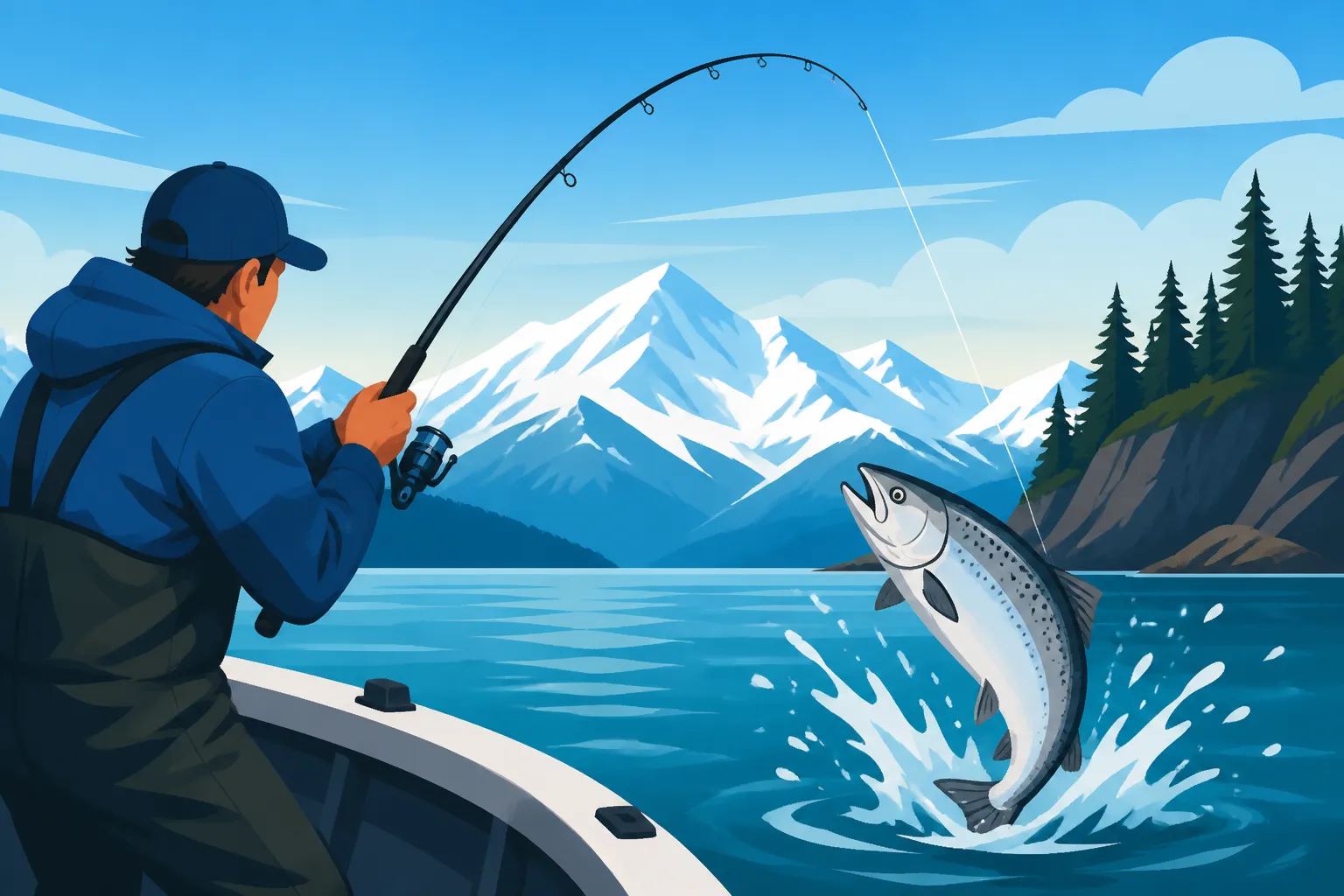
Cook Inlet Fishing: What to Know Before You Go
Ah, Cook Inlet. It's one of those places that calls to anglers with its sheer vastness and the promise of truly epic fishing, but it can also feel incredibly overwhelming if you've never ventured out on its powerful waters. With its dramatic tides, dynamic currents, and ever-changing conditions, planning a trip here can be a real head-scratcher. This guide is all about cutting through that confusion, giving you the lowdown on what to expect, what to bring, and how to make your Cook Inlet fishing adventure a memorable one.
The Allure and Challenges of Fishing Cook Inlet
Cook Inlet is a jewel in Alaska's fishing crown, yet it's often misunderstood. Stretching over 180 miles from Anchorage down to the Gulf of Alaska, it’s a sprawling estuary system where mighty rivers like the Kenai and Kasilof meet the saltwater. This convergence creates an incredibly rich, albeit challenging, environment for both fish and fishermen.
Cook Inlet's Unique Ecosystem and Tidal Power
What makes Cook Inlet so distinct, and sometimes frustrating, for anglers is its incredible tidal range and powerful currents. We're talking about some of the largest tidal swings in North America, with variations of up to 30 feet in certain areas. This isn't just a fun fact; it fundamentally dictates how and when you can fish. The incoming and outgoing tides create fierce currents that can reach several knots, making boat handling tricky and fishing techniques specific. Imagine trying to hold bottom in a river, but the river is miles wide and constantly reversing direction! It means you need heavier weights, stout gear, and a keen understanding of the tide charts. These strong currents also churn up the bottom, creating turbid waters, which influences visibility and how fish navigate. It's an ecosystem that rewards preparation and respect for its raw power.
The waters themselves are a fascinating mix. Near the mouths of rivers, you'll find brackish conditions, gradually transitioning to full saltwater as you head further south towards the open ocean. This gradient supports a diverse array of species, from ocean-run salmon navigating towards their spawning grounds to resident saltwater species like halibut and rockfish. The constant flow of nutrient-rich freshwater from glaciers and rivers feeds a prolific food chain, making it an ideal place for fish to thrive and fatten up.
Target Species: Salmon and Halibut Dominance
When you talk about fishing Cook Inlet, two species immediately jump to mind: salmon and halibut. These are the titans of the Inlet, drawing anglers from all corners of the globe. However, it's worth noting that Cook Inlet isn't just a one-trick pony; you can also find a variety of other species, particularly as you move into specific areas or target certain times of the year.
- King Salmon (Chinook): The mighty King Salmon is often the primary draw for many anglers. These powerful fish begin their migratory push into Cook Inlet in late May and June, heading towards rivers like the Kenai and Kasilof. Catching a Cook Inlet King is a true test of strength and skill. They are known for their massive size and aggressive fights. However, King salmon runs can be unpredictable, and regulations often change in-season to protect declining stocks, so checking for Alaska King Salmon Fishing Regulations and Limits is absolutely essential before you even think about dropping a line.
- Sockeye Salmon (Red): While Kings get a lot of glory, Sockeye are the bread and butter for many Alaskans, especially in the upper Inlet. The sheer numbers of Sockeye can be astonishing, particularly during the peak runs in July. They are famous for their rich, red meat and are often targeted in the freshwater sections of rivers emptying into the Inlet, but also caught in the brackish waters. If you're looking for a freezer full of delicious salmon, Sockeye are your target.
- Silver Salmon (Coho): As summer wanes and August approaches, the hard-fighting Silver Salmon arrive. These acrobatic fish provide thrilling action and are known for their spectacular jumps. Silvers are often more aggressive biters than Kings or Sockeye once they're in the Inlet, making for consistent action right through September.
- Pacific Halibut: For saltwater enthusiasts, Cook Inlet offers fantastic opportunities for Halibut. These bottom-dwelling flatfish can grow to incredible sizes, earning them the nickname "barn doors." You'll find them in deeper channels and along ledges, especially in the lower half of the Inlet closer to Homer and Seward. Halibut fishing involves heavy gear and patience, but the reward of fresh halibut fillets is well worth the effort. Always be aware of the Alaska Halibut Fishing Regulations and Limits as they can vary by management area and whether you're on a guided charter or fishing unguided.
Beyond these main targets, you might also encounter Pink Salmon (especially in even-numbered years), Chum Salmon, various species of Rockfish, and occasionally Lingcod as you get closer to the Gulf of Alaska. Each species presents its own challenge and reward, adding to the diverse appeal of fishing the Inlet.
Gearing Up for Success in Cook Inlet
Fishing in Cook Inlet isn't like casting a line in a calm lake. The environment demands specialized gear that can stand up to powerful tides, strong currents, and hard-fighting fish. Skimping on tackle here is a recipe for frustration and lost fish.
Rods, Reels, and Lines for Big Fish and Strong Currents
When you’re battling a 30-pound King Salmon or trying to haul up a "barn door" halibut from the depths of Cook Inlet while strong currents are doing their best to sweep your line away, your gear needs to be up to the task.
For salmon, especially King Salmon in the main stem of the Inlet, you'll want a heavy-action rod, typically 9 to 10.5 feet long. Think powerful rods designed for big salmon. Paired with this, a sturdy baitcasting reel capable of holding at least 250-300 yards of 30-50 pound braided line is essential. The braid offers superior sensitivity and less drag in the current. If you're targeting Sockeye or Silvers in slightly calmer waters or closer to river mouths, you might scale down slightly, but still aim for medium-heavy to heavy action gear. The key is backbone to fight the fish and enough power to handle heavy sinkers needed to get your bait down.
When it comes to halibut, the gear gets even heavier. A short, stout boat rod (6 to 7 feet) with a fast tip and immense backbone is crucial. These rods are designed to absorb punishment and leverage big fish from the bottom. Match this with a conventional reel, often a lever-drag model, spooled with 80-150 pound braided line. The heavier line is not just for breaking strength; it also helps cut through the water better, reducing line drag in strong currents and allowing you to use less weight to hold bottom. Many anglers prefer a strong monofilament top shot for abrasion resistance when bottom fishing. Investing in quality gear here means the difference between landing that trophy and telling a "one that got away" story. For more detailed information on specific setups, check out a comprehensive Alaska Fishing Gear and Tackle Guide.
Essential Lures, Baits, and Rigs
The specific lures and baits that work best in Cook Inlet depend heavily on your target species and the fishing technique you're employing.
- For Salmon:
- Trolling: For King Salmon in the Inlet, trolling with large, brightly colored plugs like Kwikfish, Brads Wiggler, or Mag Lip models is incredibly effective. These plugs dive deep and have an erratic action that Kings can't resist. Often, these are fished with a large flasher or diver to add attraction and get the lure down. Cured salmon eggs can also be trolled behind divers.
- Drift Fishing/Spin Fishing: If you're drift fishing in areas where currents allow, large spinners (like a #5 or #6 Vibrax or Pixie spoon) in bright colors (chartreuse, orange, hot pink) can entice Kings and Silvers. For Sockeye, particularly closer to the river mouths, smaller flies or bare hooks (often referred to as "flossing") are common, though regulations vary greatly on this method. Fresh, cured salmon roe is also a perennial favorite bait.
- For Halibut:
- Bottom Fishing: The most common and effective method for halibut is bottom fishing with bait. Herring, salmon heads, octopus, or even large chunks of cod are excellent choices. These are typically rigged on a large circle hook (16/0 to 20/0) with a heavy lead sinker (up to 2 lbs or more, depending on current and depth) to hold bottom. A spreader bar or a three-way swivel rig helps present the bait enticingly off the bottom.
- Jigging: Heavy jigs, often 16-24 oz, are also very productive for halibut, especially when tipped with a piece of bait. Brands like P-Line or Berkley make popular models. The jigging motion mimics injured prey and can provoke aggressive strikes.
Remember, the Cook Inlet environment means your terminal tackle needs to be robust. Use strong swivels, heavy-duty snaps, and quality leader material to prevent break-offs from powerful fish or abrasion on the rocky bottom.
Navigating Cook Inlet with the Right Boat and Electronics
Given the immense size and notorious tides of Cook Inlet, having the right boat and a solid understanding of marine electronics is not just recommended, it's absolutely crucial for safety and success.
- Boat Choice: For serious Cook Inlet fishing, you really need a robust, seaworthy vessel. Small, open skiffs are simply not suitable for the main body of the Inlet due to quickly changing weather, strong currents, and potential for rough water. Many anglers opt for larger, enclosed cabin boats, typically 20 feet or longer, often made of aluminum for durability. These boats provide shelter from the elements, handle chop better, and offer more stability. They also have the necessary power to navigate against strong currents. If you don't own such a boat, that's where experienced Alaska Fishing Charters: Complete Guide come in handy, as they'll have the appropriate vessels and expertise.
- Marine Electronics: A reliable GPS chartplotter is non-negotiable for navigation, marking fishing spots, and understanding your position relative to hazards. Given the shifting sands and strong currents, staying aware of your location is vital. A good fishfinder (sonar) is also essential, especially for halibut fishing, to locate structure, ledges, and schools of baitfish where halibut might be lurking. For salmon, it helps identify concentrations of fish migrating through the water column. Don't forget a marine radio (VHF) for communication with other vessels and for emergency calls; cell service can be spotty in many parts of the Inlet. Knowing how to use these tools effectively will significantly enhance your safety and your chances of finding fish.
Understanding Cook Inlet's Fishing Rules and Seasons
Fishing in Alaska, particularly in a complex system like Cook Inlet, means you're constantly dancing with regulations. These rules are put in place to manage fish populations and ensure sustainable fishing for future generations, but they can feel like a moving target sometimes.
Decoding Alaska Fishing Licenses and King Salmon Stamps
Before you even think about wetting a line in Cook Inlet, you absolutely need to have the proper documentation. This isn't just a suggestion; it's the law, and Alaska Department of Fish and Game (ADF&G) wardens are very good at enforcing it.
- Alaska Fishing License: Every angler aged 16 or older needs an Alaska Fishing License: Complete Guide. Whether you're a resident or non-resident, daily, multi-day, or annual, you must have it in your possession while fishing. These can be purchased online through the ADF&G website or at most sporting goods stores and many charter offices across Alaska. Make sure you purchase the correct license for your residency status and the duration of your trip.
- King Salmon Stamp: If you're planning to target King Salmon, you'll also need to purchase an additional King Salmon Stamp. This stamp is mandatory for anglers pursuing King Salmon, regardless of your intent to keep the fish (even if you're catch-and-release fishing for Kings). This applies to both residents and non-residents. You can easily add the King Salmon Stamp when you purchase your fishing license. For more details, check out Do You Need a King Salmon Stamp in Alaska. Failing to have both your license and stamp (if applicable) can result in hefty fines and the confiscation of your catch and gear. It's truly not worth the risk.
Key Seasons and Navigating Emergency Orders
Alaska's fishing seasons are largely dictated by the migratory patterns of fish, especially salmon. Cook Inlet experiences distinct fishing seasons for each species, but these are fluid and subject to change.
- Salmon Runs:
- King Salmon: Generally, the King Salmon run in Cook Inlet kicks off in late May and continues strongly through June, with some fish still entering rivers in early July.
- Sockeye Salmon: The Sockeye run usually peaks in July, often providing incredibly intense "combat fishing" opportunities in the feeder rivers.
- Silver Salmon: Silver Salmon arrive later in the summer, with runs typically starting in early August and lasting through September.
- For a comprehensive overview, refer to the Alaska Fishing Seasons: Month-by-Month Guide and Alaska Salmon Run Timing Explained.
- Halibut Season: Halibut fishing is generally productive from May through September, with peak opportunities often in the summer months when the weather is more stable and fish are actively feeding.
- Emergency Orders: This is where things get tricky, especially for salmon. ADF&G actively monitors fish escapement (the number of fish making it to spawning grounds) and will issue "emergency orders" (EOs) to adjust regulations in-season to meet conservation goals. This can mean changes to bag limits, gear restrictions (like single-hook or no bait rules), or even full closures of fisheries. These EOs can be issued with very little notice, sometimes just a day or two before they take effect. It's incredibly frustrating for anglers who've planned trips months in advance, but it's part of managing a wild resource. You must check the ADF&G website or call their local offices for current emergency orders daily while you're fishing. Neglecting to do so is the fastest way to accidentally violate regulations. This guide on How to Check Alaska Emergency Orders Before Fishing is an indispensable resource.
Bag and Possession Limits: What You Need to Know
Understanding bag and possession limits is another critical component of legal and ethical fishing in Cook Inlet. These limits are designed to distribute the catch fairly among anglers and protect fish stocks.
- Bag Limit: This refers to the number of fish you can legally harvest per day. For example, the daily bag limit for King Salmon might be one fish. Once you've retained your limit, you must stop fishing for that species for the rest of the day in that specific area.
- Possession Limit: This is the total number of fish you can legally have in your possession at any given time, whether that's on your boat, in your cooler, at your lodge, or in your vehicle. Often, the possession limit is twice the daily bag limit, but not always. This means if you fish for two days and catch one King Salmon each day, your possession limit is met after day two. If you keep more fish than your possession limit, you are in violation, even if you caught them on separate days.
- Annual Limit: For certain species like King Salmon, there are often annual limits for non-resident anglers, meaning you can only retain a certain number of those fish for the entire calendar year across all Alaskan fisheries. This is important for non-residents to track meticulously, especially on longer trips.
These limits can also vary by species, location (e.g., specific rivers versus the saltwater portion of the Inlet), and whether you're fishing on a guided charter or independently. Always consult the current Alaska Fishing Limits and Bag Limits Explained regulations booklet and any active emergency orders. Being informed protects you and the resource.
| Species | Typical Peak Season | Common Methods | Typical Daily Bag Limit (Varies by Location/EO) |
|---|---|---|---|
| King Salmon | Late May – Early July | Trolling, Drift Fishing | 1 per day |
| Sockeye Salmon | July | Drift Fishing (Flossing), Casting | 3-6 per day |
| Silver Salmon | August – September | Trolling, Spin Fishing, Casting | 3 per day |
| Pacific Halibut | May – September | Bottom Fishing, Jigging | 2 per day (size restrictions may apply) |
| Rockfish | Year-round | Jigging, Bottom Fishing | 1-4 per day (species dependent) |
Note: All limits are subject to change by emergency order. Always verify current regulations with the Alaska Department of Fish and Game.
Planning Your Cook Inlet Fishing Trip
A successful fishing trip to Cook Inlet, much like navigating its powerful tides, requires careful planning. From deciding whether to hire a guide to understanding the best places to launch your boat, every detail matters.
Deciding Between Guided Charters and DIY Adventures
One of the biggest decisions you'll face when planning a Cook Inlet fishing trip is whether to hire a professional guide or venture out on your own. Both options have their merits, and the "best" choice really depends on your experience, budget, and desired level of adventure.
- Guided Charters: For many, especially first-time visitors to Alaska or those unfamiliar with Cook Inlet's unique challenges, a guided fishing charter is an invaluable investment. Guides provide all the necessary gear, bait, and local expertise. They know where the fish are, what they're biting on, and how to navigate the complex tides and regulations. A good charter captain will also handle all the fish processing on board and ensure you stay within legal limits. This removes a tremendous amount of stress and allows you to focus solely on the fishing experience. You’ll find charters specializing in halibut, salmon, or combo trips. If you're looking to book a charter, reputable platforms like FishingBooker can be a great place to start your research, offering a wide array of options and transparent reviews from fellow anglers. Experienced captains and crew will not only put you on fish but also ensure your safety on the often-challenging waters of the Inlet. For a full understanding of what to expect, read What to Expect on an Alaska Fishing Charter.
- DIY Adventures: If you're an experienced angler with your own boat capable of handling Cook Inlet's conditions, and you have a solid understanding of marine navigation and Alaska's dynamic regulations, a do-it-yourself trip can be incredibly rewarding. It offers ultimate flexibility and a deeper sense of accomplishment. However, it comes with significant responsibilities. You'll need to research fishing spots, monitor emergency orders daily, provide all your own gear, and be prepared for potential breakdowns or adverse weather conditions. This option is generally more cost-effective if you already own the necessary equipment and have the knowledge, but the learning curve for Cook Inlet can be steep. Many DIY anglers start by fishing from shore or smaller, protected tributaries before venturing into the main Inlet.
Ultimately, weigh your experience level and comfort with potential challenges. For an easier, more productive, and safer trip, especially on your first visit, a charter is often the way to go. You can find guides listed on FishingBooker for various locations along the Inlet, such as Homer, Kenai, and Seward, offering specialized trips that cater to different preferences.
Top Access Points and Fishing Zones
Cook Inlet is vast, and knowing where to focus your efforts can save you a lot of time and fuel. Access points vary from major ports with full services to more rustic boat launches.
- Homer Spit: Located at the southern end of the Kenai Peninsula, the Homer Spit is arguably the most famous access point for Cook Inlet fishing. It's a bustling hub, especially for halibut charters, and provides direct access to the deeper waters of Kachemak Bay and the main Inlet, where giant halibut lurk. Homer offers numerous boat launches, fish processing facilities, tackle shops, and accommodations. Many of the most productive halibut grounds are within a reasonable boat ride from the Spit.
- Deep Creek/Anchor Point: Further north on the Kenai Peninsula, these areas are famous for their tractor launches, where vehicles literally drag boats into the surf during high tide. This offers access to the middle section of Cook Inlet and is a popular spot for both King and Silver Salmon, as well as halibut. It's a unique experience, but requires specific tide knowledge and a capable 4×4 vehicle if you're launching yourself.
- Kenai River Mouth: The confluence of the Kenai River with Cook Inlet is a prime location for salmon, particularly Kings and Sockeye. While fishing directly in the river mouth area can be heavily regulated and incredibly crowded, the brackish waters just offshore see huge numbers of salmon staging before their freshwater push. Access here is typically via boat launches in Kenai or Soldotna.
- Kasilof River Mouth: Similar to the Kenai, the Kasilof River is another major salmon highway flowing into Cook Inlet. The waters around its mouth are fantastic for Kings and Sockeye, and charters often target these areas. Access is generally through local boat launches.
- Anchorage Area (e.g., Ship Creek): While Anchorage is at the very top of Cook Inlet, direct saltwater fishing opportunities in the main Inlet near the city are more limited due to extreme tidal flats. However, Ship Creek, flowing directly through downtown Anchorage, offers a surprising urban King and Silver Salmon fishery during specific tides and seasons. This is primarily a shore-based fishery.
Understanding the specific regulations for each of these zones is paramount, as rules can change from one river mouth to the next, even within the Inlet.
Safety First: Managing Weather and Wildlife
Fishing in Alaska always comes with inherent risks, and Cook Inlet amplifies many of them. Prioritizing safety is not just good practice; it's essential for a successful and trouble-free trip.
- Weather: Cook Inlet's weather can change dramatically and rapidly. Calm mornings can turn into blustery, white-capped afternoons, making navigation treacherous. Always check the marine forecast before heading out and be prepared to cut your trip short if conditions deteriorate. Dressing in layers, with waterproof outer shells, is key to staying comfortable and safe in varying temperatures and sudden rain squalls.
- Tides and Currents: We've mentioned them repeatedly because they are that important. The extreme tides create massive currents, expose vast mudflats, and can leave boats stranded. Never anchor in a way that allows the tide to swing your boat onto shallow ground, and always be aware of the tidal cycle. Planning your travel with the tides can save fuel and make for a much smoother journey.
- Wildlife: You are in Alaska, and wildlife encounters are part of the experience. Bears are common along riverbanks, especially during salmon runs. Always carry bear spray, know how to use it, and store food properly to avoid attracting them. While less common, marine mammals like seals, sea lions, and even whales frequent Cook Inlet. Enjoy them from a respectful distance. Be aware of bald eagles and other birds that might try to snatch your catch; sometimes they're surprisingly bold! If you're fishing unguided, let someone know your float plan – where you're going and when you expect to return. This simple step can be a lifesaver in an emergency.
What to Do With Your Catch
You've put in the effort, battled the tides, and landed some incredible fish from Cook Inlet – congratulations! Now, what's next? Properly handling and preserving your catch is just as important as the catching itself.
Field Dressing and Storage
The moment your fish comes aboard, its quality begins to degrade. Prompt and proper handling ensures those delicious fillets make it to your table in prime condition.
- Bleeding: The first step for any fish you intend to keep, especially salmon and halibut, is to bleed it immediately. This improves the flavor and texture of the meat significantly by removing lactic acid and blood from the muscle tissue. For salmon, a quick cut to the gills will suffice. For halibut, a quick cut through the artery behind the gill plate or a poke to the brain (known as "ikkenime") followed by bleeding, works best.
- Gutting: After bleeding, gutting the fish quickly removes internal organs that can spoil the meat. For salmon, a simple incision from the vent to the gills allows for easy removal of the entrails. For halibut, which are flat, a gutting incision along the belly line is typical.
- Cooling: Once bled and gutted, get your fish on ice as quickly as possible. A slushy mixture of ice and saltwater (if available) works wonders for rapidly chilling the fish down to near-freezing temperatures, which halts bacterial growth. Avoid letting fish sit in warm water or direct sunlight. A large cooler packed with plenty of ice is a non-negotiable item for any Cook Inlet fishing trip. This immediate care preserves the quality of your hard-earned catch.
Local Processing and Shipping Options
Bringing home a cooler full of fish is fantastic, but preparing it for the long journey and long-term storage takes a bit more effort. Luckily, Alaska has a robust infrastructure for fish processing.
- Professional Processors: In major fishing hubs around Cook Inlet like Homer, Seward, Kenai, and Soldotna, you'll find numerous professional fish processing businesses. These companies specialize in expertly filleting, portioning, vacuum-sealing, and flash-freezing your catch. This service is invaluable, as it ensures your fish is preserved to the highest standards, ready for shipping or for your freezer at home. They have industrial-grade freezers that get the fish solid quickly, preventing freezer burn. Many also offer smoking and canning services if you want to diversify your culinary options.
- Shipping Home: Most processors also offer shipping services, often working with FedEx or Alaska Air Cargo, to send your frozen fish directly to your home address. They'll package your frozen fillets in insulated boxes designed for air travel. This takes all the hassle out of transporting your catch yourself, especially if you're flying. The cost varies by weight and destination, but for many, it's a worthwhile expense to ensure their prized Alaskan catch arrives safely. Make sure you understand the rules for How Much Fish Can You Bring Home from Alaska and Alaska Fish Transport and Shipping Rules well in advance. Remember, these services are busiest during peak fishing season, so inquire about lead times and costs when you drop off your fish.
Disclaimer
The information provided in this guide is for general informational purposes only and is subject to change. Fishing regulations in Alaska, particularly in Cook Inlet, are dynamic and can change frequently due to emergency orders from the Alaska Department of Fish and Game (ADF&G). Always consult the official ADF&G website or local offices for the most current regulations, licensing requirements, and emergency orders before engaging in any fishing activity. It is the angler's responsibility to know and follow all applicable laws.