Nushagak River Fishing Guide
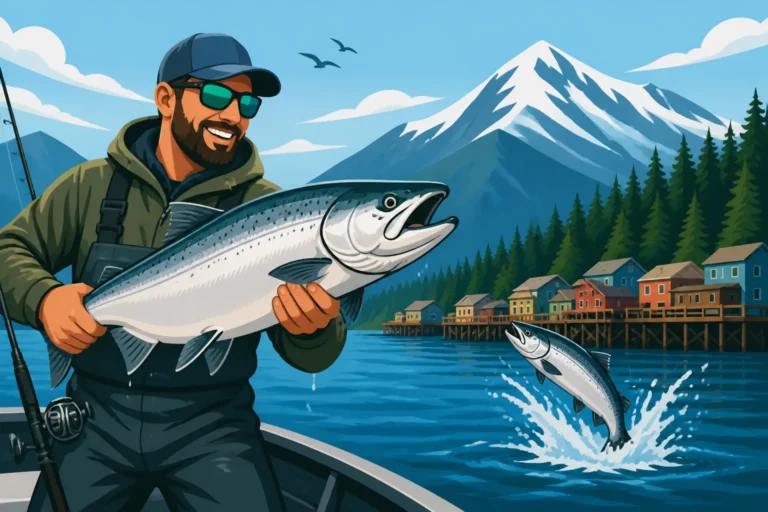
If you're dreaming of an Alaska fishing trip, the sheer number of incredible rivers can feel overwhelming, but one name often rises above the rest for its legendary salmon runs: the Nushagak River. Known affectionately as the "Nush," this mighty waterway in Bristol Bay is a global magnet for anglers, yet navigating its wild expanse and understanding its dynamic fisheries can be a real challenge for first-timers. This comprehensive guide will peel back the layers of the Nushagak, helping you understand its unique appeal, prime fishing seasons, essential techniques, and crucial planning steps to ensure your adventure is both successful and unforgettable.
The Allure of the Nushagak River: Alaska's Salmon Powerhouse
The Nushagak River isn't just another Alaskan river; it's an institution, a place where dreams of chrome-bright salmon are forged in the wild crucible of untamed Alaska. Anglers from all corners of the world are drawn to its vast, free-flowing waters, driven by its reputation as one of the most prolific salmon rivers on the planet. For many, it's the ultimate bucket-list destination, a place where the scale of the salmon runs defies belief and the surrounding wilderness is as breathtaking as the fishing itself.
A River Steeped in Salmon Lore
The Nushagak holds a special place in the hearts of Alaskan anglers, particularly for its absolutely mind-boggling King Salmon (Chinook) returns. While many rivers across Alaska might see good numbers of Kings, the Nushagak consistently delivers one of the largest runs, making it a focal point for serious King Salmon enthusiasts. Year after year, these massive fish pour into the system, migrating upstream to their spawning grounds, offering an unparalleled opportunity for anglers to tangle with true giants. It’s this consistent, epic return that has solidified the Nushagak's reputation and why it’s often included in discussions about the Best Salmon Fishing Rivers in Alaska.
But it's not just Kings. The river is a vibrant ecosystem supporting all five species of Pacific salmon, along with a healthy population of resident fish. This diversity means that no matter when you visit during the summer, there's likely something exciting biting. The river’s history is intertwined with these salmon runs, sustaining both wildlife and human communities for centuries, creating a sense of timelessness that adds to the allure of fishing its waters.
Untamed Wilderness and Abundant Waters
The Nushagak River flows through a vast, largely undeveloped wilderness area in Southwest Alaska, part of the immense Bristol Bay region. This isn't a place with bustling towns or endless road access. Instead, you're surrounded by raw, pristine nature – towering spruce forests, expansive tundra, and distant mountains. The remoteness is part of the appeal, offering an escape from the everyday and a deep immersion in the Alaskan wild.
The river itself is broad and powerful, with countless braids, channels, and oxbows, creating diverse fishing opportunities from swift main channels to calmer backwaters. Its sheer size means you can often find stretches of water where it feels like you're the only angler for miles, a luxury that's becoming increasingly rare in popular fishing destinations. This untamed landscape, combined with the sheer abundance of fish, makes every trip to the Nushagak an adventure, a true testament to Alaska's wild heart.
Unlocking the Nushagak's Fishing Seasons and Species
Understanding the rhythm of the Nushagak River is key to a successful trip. Like many Alaskan rivers, its fishing productivity is heavily tied to the seasonal salmon runs. Each species has its own peak timing, and being there when your target fish are surging upstream is critical. While there's always something to catch, aligning your visit with the dominant run for the species you want to pursue will dramatically increase your chances of success. Knowing the Alaska Salmon Run Timing Explained can certainly help you plan.
The Legendary King Salmon Run
The King Salmon run on the Nushagak is legendary, drawing anglers from around the globe. Typically, the first Kings start to trickle into the river in late May, with the run building steadily through June and often peaking in the last two weeks of June and the first week of July. These are strong, hard-fighting fish, and battling a 30, 40, or even 50-pound King in the powerful current of the Nushagak is an experience you won't soon forget.
During the peak, it’s not uncommon for boats to hook into dozens of Kings a day, though limits are strictly enforced to manage the fishery. Non-resident annual limits for King Salmon can vary by year, so it's always critical to check current regulations before you go. This incredible abundance is what gives the Nushagak its reputation as the "King Salmon Capital" for many. Knowing How to Catch King Salmon in Alaska will definitely give you an edge, whether you're back-trolling plugs or drifting bait.
Sockeye Salmon: The Heartbeat of the Nushagak
While Kings get a lot of the spotlight, the Sockeye Salmon (Red Salmon) run on the Nushagak is truly immense, often numbering in the millions. These energetic fish begin arriving in late June and peak throughout July, providing an incredible opportunity for both sport anglers and personal-use dipnetters further downstream. Sockeye are prized for their firm, bright red meat and their incredible fighting spirit on light tackle.
Catching Sockeye in a river like the Nushagak usually involves a technique often called "flossing" or "lining," where you use a weighted leader and a small, unbaited fly or bead to essentially snag the fish in the mouth as they swim upstream in dense schools. It takes a bit of practice to get the hang of, but once you do, the action can be non-stop. If you want to dive deeper into these feisty fish, check out our guide on Alaska Sockeye Salmon Explained and How to Catch Sockeye Salmon in Alaska.
Silver Salmon and Other River Residents
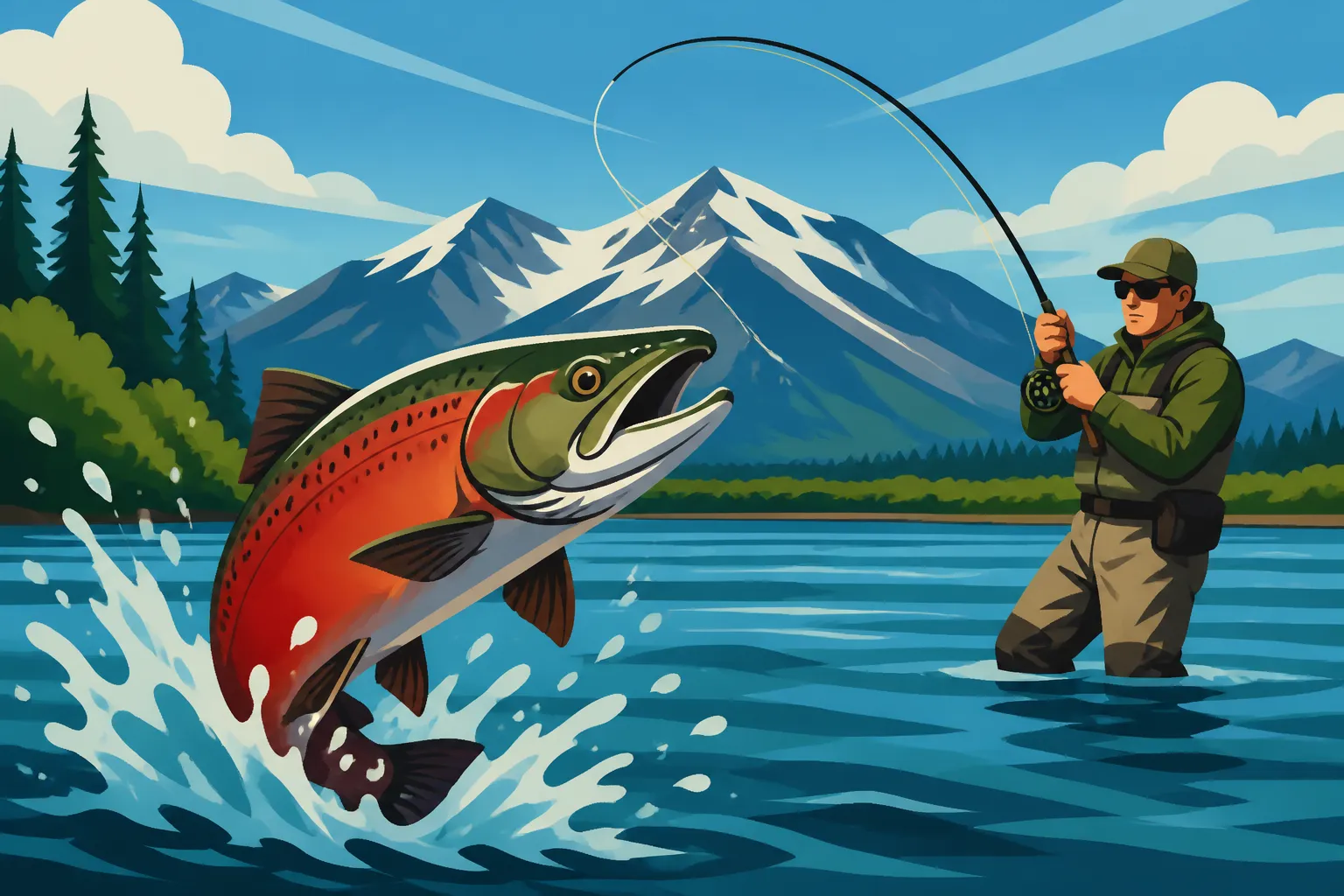
As the King and Sockeye runs begin to wane in late July and early August, the Nushagak transitions to its strong Silver Salmon (Coho) run. Silvers are known for their acrobatic fights and aggressive takes, making them a favorite among many anglers. They typically run strong through August and into September, offering excellent fishing opportunities as the summer draws to a close.
Beyond the "Big Three" salmon species, the Nushagak also boasts populations of Pink Salmon (Humpies) and Chum Salmon (Dog Salmon), especially during July and August. While often overlooked by anglers focused on Kings and Sockeye, these species can provide fast action and are excellent fighters. Additionally, resident species like Dolly Varden and Rainbow Trout are present, often feeding on salmon eggs and flesh throughout the season, providing diverse angling opportunities for those looking to round out their catch.
Here's a quick look at the typical peak seasons for the main species on the Nushagak:
| Species | Peak Season (Approximate) | Primary Fishing Method |
|---|---|---|
| King Salmon | Mid-June to Early July | Back-trolling, Drifting |
| Sockeye Salmon | July | Flossing, Drifting |
| Silver Salmon | August to Early September | Casting, Trolling |
| Chum Salmon | July to August | Casting, Drifting |
| Pink Salmon | July to August (even years) | Casting, Drifting |
| Rainbow Trout | All Season (Post-spawn) | Fly fishing, Spin fishing |
| Dolly Varden | All Season | Fly fishing, Spin fishing |
Note: Fishing conditions and run timings can vary year to year due to weather, water levels, and fish abundance. Always check current conditions and emergency orders.
Essential Gear and Effective Techniques for Nushagak Success
Fishing the Nushagak isn't about delicate presentations; it's about robust gear, proven techniques, and the stamina to battle powerful fish in strong currents. The sheer size of the river and the fish it holds demand tackle that can handle the stress, whether you're chasing the largest King or a leaping Silver. Don't skimp on quality here; the Nushagak will test your equipment and your resolve.
Tackle for Trophy Kings and Feisty Silvers
When targeting King Salmon on the Nushagak, you'll want heavy-duty gear. This means stout baitcasting or conventional rods, typically 8.5 to 10 feet long, rated for 15-40 lb line. Pair these with powerful reels capable of holding 250-300 yards of 30-60 lb monofilament or braided line. Many anglers prefer braided line for its sensitivity and strength, often topping it with a monofilament or fluorocarbon leader. Popular choices include sturdy brands like Lamiglas, Shimano, and Daiwa, built to withstand the rigorous demands of Alaskan fishing.
For Sockeye, lighter spinning or fly rods are often employed. A 7-9 foot medium-heavy spinning rod with a 2500-4000 series reel spooled with 15-20 lb braid or mono is typical. Fly anglers often use 8-10 weight rods for Sockeye, powerful enough to cast weighted setups and handle the strong current. When you switch to Silver Salmon, you might lighten up slightly from King gear, opting for medium-heavy spinning or casting rods, 7-9 feet long, paired with reels spooled with 20-30 lb line. Silvers love to jump, so a slightly more forgiving rod can help absorb those shocks. Remember, the river's conditions change, so having versatile gear or a selection of setups is always a good idea.
Mastering the Art of Nushagak Salmon Fishing
Effective techniques on the Nushagak vary by species and water conditions. For King Salmon, one of the most popular methods is back-trolling plugs, like the legendary Kwikfish or FlatFish, often tipped with a sardine fillet. Boats typically motor upstream, then slowly drift back down, allowing the plugs to "work" in the current, presenting an irresistible target to staging Kings. Drifting cured salmon roe or clusters of eggs under a float or with heavy lead is another highly effective method. Anglers often employ large, sharp single hooks or treble hooks, depending on regulations and personal preference.
Sockeye fishing, as mentioned, often involves flossing. This technique requires casting a weighted setup upstream, letting it sink to the river bottom, and then allowing the current to "drift" the line and a short leader with a bare hook (often adorned with a small bead or yarn fly) into the mouth of a passing Sockeye. It's a precise technique, and you'll often see groups of anglers on guided trips all doing it in unison from the boat. For Silvers, casting spinners (like the popular Pixie or Vibrax), spoons, or drifting eggs or beads can be highly productive. These aggressive fish often hit hard, making for an exciting fight, whether you're fishing from a boat or, in some areas, from the bank.
Planning Your Nushagak Fishing Adventure: Logistics and Considerations
Embarking on a Nushagak River fishing trip is a true adventure, but it requires careful planning. This isn't a spur-of-the-moment destination. From understanding the rules to choosing your accommodation and how you'll fish, every detail counts. Many find that booking well in advance is essential, especially for prime season dates.
Navigating Licenses and Regulations
First and foremost, you absolutely need an Alaska Fishing License: Complete Guide to fish the Nushagak, and non-residents will also need a King Salmon stamp if they intend to target or keep Kings. These can be purchased online through the Alaska Department of Fish and Game (ADF&G) website, or at many sporting goods stores throughout Alaska. It’s crucial to purchase your license before heading to the remote Nushagak region, as options may be limited there.
Beyond the general license, understanding the specific Alaska Fishing Regulations Explained for the Nushagak drainage is paramount. Regulations can change frequently, often via emergency orders, due to fluctuating run sizes, particularly for King Salmon. These changes can include reductions in bag limits, gear restrictions (like single-hook or no bait rules), or even full closures. Always check the latest ADF&G emergency orders for the Bristol Bay region immediately before and during your trip. Reputable guides and lodges are usually on top of these changes, but it's your responsibility as an angler to be informed.
Choosing Your Nushagak Basecamp: Lodges vs. DIY
When it comes to accommodation and fishing style, you generally have a few options for the Nushagak:
- All-Inclusive Lodges: This is the most popular and often most convenient option. Lodges typically include round-trip air transportation from Dillingham to the lodge, comfortable accommodations, gourmet meals, all necessary gear, and experienced guides who know the river intimately. Many lodges are located directly on the Nushagak or one of its tributaries, offering prime access. This option provides a seamless, luxurious experience, but it comes at a premium price.
- Guided Day Trips/Outposts: Some operations offer guided day trips out of Dillingham, or operate more rustic outcamps or tent camps directly on the river. These can be a more budget-friendly alternative to full-service lodges, focusing primarily on the fishing experience. You might be responsible for some of your own gear or meals, but you'll still benefit from expert local knowledge.
- DIY Camping: For the truly adventurous and experienced Alaska bush travelers, a do-it-yourself camping trip is possible. This involves flying into Dillingham, then chartering a bush plane or boat to drop you off at a remote riverside location. You'll need to be completely self-sufficient, bringing all your own gear, food, and safety equipment, including bear protection. This option requires extensive planning, knowledge of the wilderness, and a significant amount of preparation, but it offers the ultimate sense of independence.
Regardless of your choice, remember that the Nushagak is remote, so logistics for travel, food, and safety are critical.
Hiring a Local Guide or Charter
For most anglers, especially those visiting for the first time, hiring a local guide or booking an Alaska Fishing Charters: Complete Guide is highly recommended. Nushagak guides are seasoned experts who spend their entire summer on the river. They know where the fish are holding, what techniques are working, and how to navigate the complex braids and ever-changing gravel bars. They'll also provide all the necessary fishing gear, bait, and often process your fish at the end of the day.
Choosing a reputable guide or charter is crucial. Look for operations with strong safety records, positive reviews, and proper licensing. You can often find guides through lodges or by searching online platforms. Many anglers find it convenient to browse and book Nushagak charters through reputable platforms like FishingBooker, which provides a wide selection of operators and customer reviews. Don't hesitate to ask questions about their experience, what's included, and their approach to conservation. A good guide can make or break your Nushagak experience, transforming a challenging trip into a memorable success. You can also research How to Choose an Alaska Fishing Charter for more in-depth advice.
Respecting the Nushagak: Conservation and Safety in the Wild
Fishing on the Nushagak isn't just about catching fish; it's about experiencing and respecting one of the last truly wild places. The abundant fish populations and pristine wilderness are a privilege, and it’s every angler's responsibility to contribute to their preservation. Safety, especially concerning wildlife, is also a paramount concern in this remote region.
Practicing Responsible Angling
Conservation is at the heart of maintaining the Nushagak's incredible fisheries. This means adhering strictly to all fishing regulations, including bag limits and gear restrictions. For example, if an emergency order mandates single barbless hooks, ensure you are using them. If you’re primarily interested in catch-and-release, learn Alaska Catch-and-Release Best Practices to minimize harm to the fish.
Many lodges and guides on the Nushagak actively promote sustainable practices, such as proper fish handling, avoiding spawning beds, and reducing waste. When processing your catch, ensure all fish waste is properly disposed of according to local guidelines, usually by returning it to the deepest part of the river to break down naturally, away from shorelines where bears might congregate. Taking only what you need, respecting daily and annual limits, and leaving no trace are fundamental principles for fishing in Alaska.
Wildlife Encounters and Safety Protocols
The Nushagak River flows through prime bear country, particularly for brown bears (grizzlies), which are drawn to the abundant salmon runs. While encounters are usually harmless, it's essential to be bear-aware and take precautions. Always carry bear spray and know how to use it. Store food and scented items in bear-resistant containers or hung from trees, away from your sleeping area. Make noise while hiking to avoid surprising a bear, and never approach or feed any wildlife.
Your guide will be highly experienced in bear safety, but even on guided trips, it pays to be vigilant. In the event of a close encounter, remain calm, speak in a low voice, and slowly back away. If a bear charges, deploy your bear spray. Beyond bears, you might encounter moose, caribou, eagles, and a myriad of other birds. Enjoy these encounters from a respectful distance, appreciating the true wilderness experience that the Nushagak offers. Having a satellite communication device is also a wise precaution, as cell service is non-existent in much of the region.
Disclaimer
Please remember that fishing regulations, conditions, and fish run timings in Alaska can change rapidly due to emergency orders from the Alaska Department of Fish and Game. Always consult the most current regulations and local advisories before and during your trip. The information provided here is for general guidance only and should not be considered legal or official advice.