Kasilof River Fishing Guide
Planning an Alaskan fishing adventure can feel like navigating a maze, especially when you're trying to pinpoint the perfect river with the right blend of incredible fishing and a more intimate experience. Many anglers dream of the legendary Kenai, but often overlook its equally magnificent, and sometimes more serene, neighbor – the Kasilof River. This guide will take you deep into the heart of Kasilof River fishing, covering everything from its unique characteristics and prime seasons to essential techniques and how to navigate the local regulations, ensuring your trip is unforgettable.
Understanding the Kasilof River Fishing Experience
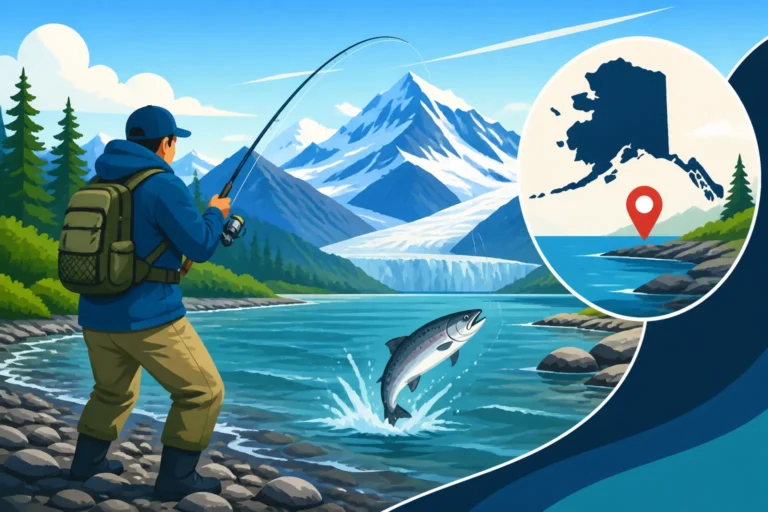
The Kasilof River, often whispered about as the "locals' secret" by those in the know, offers a distinct Alaskan fishing experience that truly sets it apart. It flows from Tustumena Lake, carving a path through the Kenai Peninsula before emptying into Cook Inlet, and its glacial origins give it a stunning turquoise hue, especially in clearer conditions. This river provides a powerful current, but its relatively more consistent flow and often less crowded banks compared to some of its larger neighbors make it a fantastic destination for both seasoned anglers and those looking for a slightly more relaxed pace.
Kasilof's Unique Character and Appeal
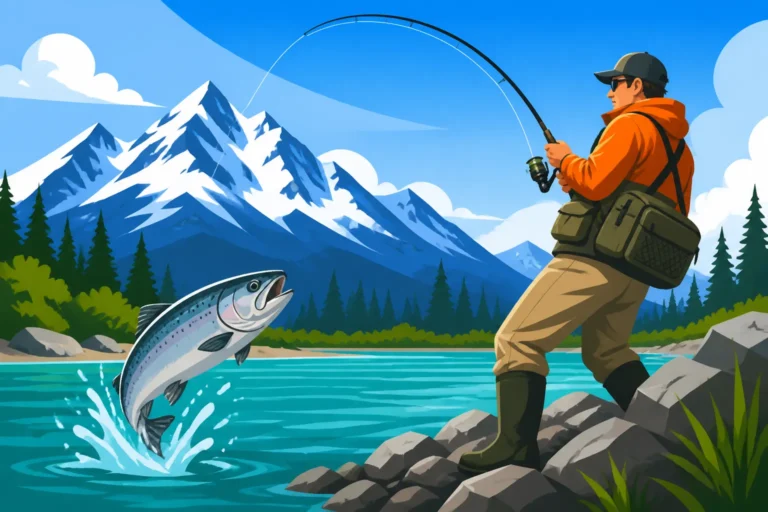
What really draws people to the Kasilof is its character. It's wild, untamed, and feels genuinely Alaskan. You'll often find yourself surrounded by breathtaking scenery, from towering spruce forests to views of the distant Chugach Mountains, without the constant parade of boats that can sometimes define other popular rivers. The Kasilof is primarily fished from drift boats or power boats, but there are some bank access points, making it versatile. For those seeking a more traditional, hands-on fishing experience where the emphasis is on the natural rhythm of the river, the Kasilof delivers in spades. It’s a place where you can truly connect with the environment and the powerful fish it holds.
The river's charm isn't just in its scenery; it's also in its fish runs. While famous for its powerful King salmon, the Kasilof also sees strong returns of Sockeye and Coho salmon, as well as resident trout and Dolly Varden. The fish here often feel even more robust and wild, perhaps due to the river's more natural, less-pressured environment. Anglers who appreciate a challenging fight and the thrill of a wild catch will find the Kasilof incredibly rewarding. Plus, the surrounding area, including the small community of Kasilof, retains a quaint, authentic Alaskan feel, offering a different vibe than the bustling towns further north.
How the Kasilof Differs from the Kenai River
It's almost impossible to talk about the Kasilof without comparing it to the legendary Kenai River, its larger, more famous sibling just a short drive away. While both are glacial rivers on the Kenai Peninsula, they offer very different experiences. The Kenai River is renowned for its sheer volume of fish and its record-breaking King salmon, often attracting significant crowds, especially during peak Sockeye runs. It's a wide, powerful river that accommodates a lot of boat traffic, from drift boats to large jet boats, and its popularity is undeniable.
The Kasilof, on the other hand, is generally narrower and typically fished by fewer boats, primarily drift boats or smaller power boats that adhere to specific horsepower restrictions on certain sections. This often translates to a more peaceful and intimate fishing trip. While the Kenai has vast stretches of accessible bank fishing, the Kasilof is more boat-centric for reaching the best spots, though some roadside access points do exist. Furthermore, the Kasilof has specific regulations, like a single-hook, unbaited rule for certain times during the King salmon run, which can differ from the Kenai. Understanding these nuances is crucial, and you can delve deeper into Alaska Fishing Regulations Explained to grasp the full picture before you go. Simply put, if the Kenai is the grand stadium, the Kasilof is the exclusive, high-stakes arena.
Prime Fishing Seasons and Species on the Kasilof
The Kasilof River truly shines throughout the late spring and summer months, offering distinct opportunities for different salmon species. Knowing when to target which fish is key to maximizing your success and experiencing the diverse angling opportunities this river provides. Each run brings its own set of challenges, techniques, and rewards, making the Kasilof a dynamic fishery that changes with the seasons.
King Salmon Fishing on the Kasilof
Kasilof River King salmon, also known as Chinook salmon, are legendary for their size and fighting prowess. The Kasilof hosts both an early run and a late run of Kings, generally starting in mid-May and continuing into July. The first run typically kicks off around mid-May, offering excellent opportunities for early-season trophy fish. These fish are fresh from the saltwater, bright silver, and incredibly strong. As June progresses, the second, often larger, run of Kings starts to enter the river, peaking in late June and early July. This second run is what many anglers dream of, with the chance to hook into some truly massive salmon.
Fishing for Kasilof Kings is an intense experience. The river's strong currents and gravel bars provide formidable habitat for these powerful fish. Anglers typically target them from drift boats, employing techniques like back-trolling with Kwikfish or Mag Lip plugs, often with scent, or drift fishing with cured salmon eggs if regulations allow. Always be sure to check the specific regulations and any emergency orders, as restrictions on bait or hook types can change rapidly, especially for Kings. You might also need an Alaska King Salmon Stamp Requirements in addition to your Alaska Fishing License: Complete Guide if you plan to target these magnificent fish.
Sockeye Salmon Runs in the Kasilof
While Kings might be the glamour species, Sockeye salmon, or Red salmon, are the backbone of the Kasilof River's summer fishery. The Sockeye runs are incredibly strong, offering incredible action and the chance to fill your freezer with some of Alaska's finest table fare. The first major Sockeye run typically begins in mid-June and peaks in late June to early July, often coinciding with the second King run. A second, often larger, Sockeye run usually follows in late July and early August, drawing thousands of fish into the river.
Targeting Sockeye on the Kasilof is a unique experience, often involving what's colloquially known as "flossing." This technique involves using a heavy leader and a bare hook, allowing the current to carry your line and hook into the mouths of upstream-migrating salmon. When a fish "grabs" your line, you set the hook. It's a highly effective method for these tightly packed, upstream-migrating schools. Bank anglers at specific public access points also engage in this, often elbow-to-elbow during peak times. Regardless of technique, be prepared for fast-paced action and strong, acrobatic fights from these streamlined, red-fleshed fish. For more on this, check out our guide on How to Catch Sockeye Salmon in Alaska.
Coho Salmon and Trout Opportunities
As the King and Sockeye runs begin to wane in August, the Kasilof River transitions into its prime time for Coho salmon, also known as Silver salmon, and resident trout species. Coho salmon typically start entering the Kasilof in August and continue through September, providing some fantastic late-season action. These fish are known for their aggressive strikes and spectacular aerial acrobatics, making them a favorite among many anglers.
For Coho, anglers often use different techniques compared to Kings and Sockeye. Spin fishing with bright spinners or spoons, drift fishing with cured salmon eggs, or even fly fishing with various fly patterns can be highly effective. The Kasilof's resident Rainbow trout and Dolly Varden also become more active as the salmon spawn, feeding on loose eggs. Fly fishing with egg patterns or small flesh flies can be incredibly productive for these feisty species in late summer and fall. The blend of Coho and trout fishing offers a wonderful way to extend your Kasilof River experience beyond the intense King and Sockeye seasons, providing a more diverse angling portfolio.
Here's a quick overview of the Kasilof's prime fishing seasons:
| Species | Peak Season | Primary Techniques | Typical Size Range (Lbs) | Notes |
|---|---|---|---|---|
| King Salmon | Late May – Early July | Back-trolling, Drift Fishing (w/ & w/o bait) | 20-50+ | Two runs; check emergency orders for bait/hook restrictions. |
| Sockeye Salmon | Mid-June – Early August | Flossing, Fly Fishing (beads/egg patterns) | 6-12 | Two strong runs; excellent table fare. |
| Coho Salmon | August – September | Spin Fishing, Drift Fishing, Fly Fishing | 8-15 | Aggressive fighters, great for late-season action. |
| Rainbow Trout | Year-round, best in Fall | Fly Fishing (egg patterns, streamers) | 1-5+ | Resident fish, grow larger feeding on salmon eggs. |
| Dolly Varden | Year-round, best in Fall | Fly Fishing (egg patterns, streamers) | 1-3 | Often found alongside trout, active egg eaters. |
Essential Kasilof River Fishing Techniques
Mastering the right techniques is paramount to success on the Kasilof River. The river's strong currents and specific fish behaviors dictate the most effective approaches, particularly when targeting its famous King and Sockeye salmon. Whether you're in a boat or on the bank, understanding these methods will dramatically improve your chances of a memorable catch.
Drifting and Back-Trolling for Kings
For King salmon on the Kasilof, especially from a boat, drift fishing and back-trolling are the go-to techniques. Drift fishing involves using the river's current to carry your bait or lure downstream, often under a bobber or with a bottom-bouncing rig, allowing it to present naturally to waiting fish. Guides often use a specialized method where they slowly row or motor upstream, allowing their lines to drift downstream at the speed of the current, covering prime holding water thoroughly. This presentation mimics a natural food source drifting into a King's territory, enticing a strike.
Back-trolling is another highly effective method, particularly when using diving plugs like Kwikfish or Mag Lip. In this technique, the boat is positioned upstream, and the motor is used in reverse, or the oars are used to slow the boat's downstream drift to a speed slower than the current. This allows the diving plugs to "swim" and wiggle enticingly against the current, getting down to the fish's strike zone. Many anglers add a liberal amount of scent to their plugs to further attract the Kings. Both methods require skillful boat handling to maintain the correct drift speed and line presentation, especially in the Kasilof's powerful flows. It's truly an art form that often comes with experience or guidance from a seasoned Kasilof guide. For a deeper dive into techniques for these prized fish, check out our guide on How to Catch King Salmon in Alaska.
Flossing and Conventional Methods for Sockeye
When the Sockeye salmon arrive in force, the primary technique for boat and bank anglers is "flossing," a method perfectly suited to the way these fish migrate. Sockeye are primarily plankton feeders in the ocean and typically do not strike conventional baits or lures once they enter freshwater to spawn. Instead, they travel upstream in tight schools, often hugging the river bottom or specific current seams. Flossing involves casting a heavy leader with a bare, unbaited hook (often a large, brightly colored treble or single hook, depending on regulations) upstream, allowing the line to sink and drift downstream with the current. As the line drifts, it passes through the mouths of the densely packed Sockeye. When the line tightens or you feel a subtle bump, it indicates the line has passed through a fish's mouth, and a quick upward sweep of the rod sets the hook in the fish's jaw.
While flossing is dominant, some anglers also find success with conventional spin fishing or fly fishing using bright, bead-head egg patterns during certain times, especially if fish are holding in slower water or reacting to natural egg deposits. However, for sheer numbers of Sockeye, flossing is generally the most productive. It's a physically demanding technique, especially during peak runs, and requires a keen sense of touch to detect the subtle "take" from a fish. You can learn more about this and other related methods in our comprehensive article on Drift Fishing in Alaska: How-To Guide.
Gear and Tackle Recommendations
Having the right gear is crucial for a successful Kasilof River fishing trip. The sheer power of the King salmon and the relentless fight of Sockeye demand robust and reliable equipment.
For King Salmon, a heavy-action baitcasting or spinning rod, typically 9-10 feet in length, paired with a high-quality reel capable of holding 25-30 lb test monofilament or 50-65 lb braided line is essential. You'll need stout leaders, often 40-50 lb fluorocarbon, to withstand the abrasion of the river bottom and the powerful jaws of a King. Terminal tackle includes heavy weights (4-12 oz, depending on current), sturdy swivels, and large, sharp hooks or diving plugs like the popular Kwikfish or Mag Lip. Consider brands like Lamiglas or G. Loomis for rods, and Shimano or Penn for reels, known for their durability.
For Sockeye Salmon, a medium-heavy action spinning rod, around 8.5-9.5 feet, with a fast-action tip, is ideal. Pair this with a strong spinning reel spooled with 20-30 lb braided line, and a fluorocarbon leader of 15-25 lb. The specialized "flossing" setup often uses a heavy lead weight (1/2 oz to 1 oz) to get the line down quickly, a long leader, and a sharp, often unbaited, single hook (size 4/0 or 5/0, typically). Brightly colored beads or yarn are sometimes added just above the hook to act as an attractor or strike indicator. When choosing your Best Lures for Alaska Salmon, remember that specific regulations on bait and hook types can vary, so always double-check the latest Alaska Fishing Emergency Orders Explained before rigging up.
No matter what you're targeting, always pack high-quality rain gear, waterproof boots, and layers of clothing. Alaska weather can be unpredictable, and staying dry and warm makes a huge difference in your enjoyment.
Navigating Kasilof River Regulations and Access
Alaska's fisheries are managed with great care to ensure sustainability, and that means rules and regulations are a big part of fishing here. The Kasilof River is no exception, and staying informed is not just good practice, it's mandatory. Understanding access points is equally important, as much of the river is best fished from a boat, but there are some critical spots for bank anglers too.
Key Regulations and Emergency Orders
Fishing in Alaska, particularly on popular rivers like the Kasilof, is subject to a dynamic set of regulations. These are put in place by the Alaska Department of Fish and Game (ADF&G) to manage fish populations, particularly salmon runs. It's not enough to simply read the annual regulation booklet once; you absolutely must check for emergency orders frequently, sometimes even daily, especially during peak fishing seasons. These orders can change bag limits, implement gear restrictions (like single-hook, unbaited rules for King salmon, or specific bait closures), or even close fisheries entirely if runs are weaker than projected. For instance, the Kasilof often has specific King Salmon regulations that differ from the Kenai, sometimes limiting non-resident annual limits or implementing Thursday closures.
A common regulation on the Kasilof during certain salmon runs, particularly King salmon, is the use of a single, unbaited hook. This means no bait, no multiple hooks, and often specific hook gaps. This is implemented to reduce incidental catch and improve the survival rate of released fish. For Sockeye salmon, there are typically daily bag limits and possession limits, which dictate how many fish you can keep per day and how many you can have in your possession, including processed fish. Knowing these limits is crucial, and you can find more detail in our article on Alaska Fishing Possession Limits Explained. Always carry your current Alaska fishing license and any required stamps (like the King Salmon stamp) with you. The ADF&G website and local sporting goods stores are excellent resources for the most up-to-date information.
Public Access Points and Boat Launches
While much of the Kasilof River is best accessed by boat, there are several key public access points that anglers should be aware of. The most well-known boat launch is the Kasilof River Public Boat Launch, located near the mouth of the river off Kalifornsky Beach Road. This facility provides ample parking and good launching facilities, making it the primary entry point for drift boats and power boats heading downstream to Cook Inlet or fishing the lower river.
Further upstream, there's also the Tustumena Lake outlet access, which is less developed and generally used by smaller boats or those venturing directly from the lake. For bank anglers, spots can be more limited but exist. The Kasilof River State Recreation Site offers some bank fishing opportunities and camping facilities, especially for Sockeye anglers during the peak runs. These spots can get crowded, mirroring some of the "combat fishing" experiences seen elsewhere on the Kenai Peninsula, so be prepared to share the bank and respect fellow anglers. Always be mindful of private property boundaries and respect local residents. Understanding these access points will help you plan whether you need to book a guided trip or if a DIY bank fishing excursion is more your style.
Planning Your Kasilof Fishing Trip
Embarking on a Kasilof River fishing adventure requires careful planning to ensure a smooth and successful trip. From deciding whether to hire a guide to finding comfortable lodging, every detail contributes to the overall experience. With its unique charm and incredible fishing opportunities, the Kasilof deserves proper preparation.
Choosing a Kasilof Fishing Guide or Charter
For many, especially first-time visitors or those unfamiliar with the Kasilof's nuances, hiring a professional fishing guide is highly recommended. Kasilof River guides possess invaluable local knowledge, including understanding the ever-changing river conditions, current fish movements, and subtle techniques that are most effective on any given day. They also provide all the necessary gear, bait (when allowed), and often handle the complexities of boat handling in strong currents, allowing you to focus solely on fishing. A good guide will also be intimately familiar with the latest Alaska Fishing Emergency Orders Explained, saving you from potential violations.
When choosing a guide, look for operators with strong reputations, extensive experience on the Kasilof, and positive reviews. You can often find reputable guides through online booking platforms like FishingBooker, which lists numerous licensed and experienced operators. Don't hesitate to ask questions about their boat type, group size, and what's included in the trip. While DIY fishing can be rewarding, a guided trip significantly increases your chances of success and provides a safer, more educational experience on a powerful river like the Kasilof. You can explore options and read reviews on FishingBooker to find the perfect match for your group, whether you're looking for a King salmon specialist or someone adept at Sockeye strategies. Remember that most reputable guides book up months in advance, especially for prime King salmon dates in June and early July, so plan accordingly.
Lodging and Local Amenities Near the Kasilof
The Kasilof area, while quieter than some of the larger towns on the Kenai Peninsula, offers a range of lodging options to suit different preferences and budgets. For those who prefer the comforts of home, there are several vacation rentals and cabins available for rent, many with river access or scenic views. These often come equipped with kitchens, allowing you to cook your fresh catch.
If you prefer a more traditional stay, nearby towns like Soldotna and Kenai, both just a short drive from the Kasilof, offer a wider array of hotels, motels, and fishing lodges. Many lodges cater specifically to anglers, providing amenities like fish processing services, freezers for your catch, and even package deals that include guided fishing trips. For a more rustic experience, there are several public and private campgrounds in the Kasilof area and along the Kenai Peninsula, providing RV sites and tent camping options. The Kasilof River State Recreation Site, for example, offers camping facilities directly adjacent to some bank fishing areas.
Beyond lodging, the community of Kasilof itself has basic amenities, including a general store for groceries and tackle, gas stations, and a few local eateries offering hearty Alaskan fare. For more extensive shopping, dining, and other services, Soldotna and Kenai are your best bet. Planning your accommodations in advance, especially during the busy summer months, is highly recommended. Many anglers find booking their entire trip, including lodging and charters, through a platform like FishingBooker streamlines the process and ensures all aspects of their adventure are covered.
Maximizing Your Kasilof River Fishing Success
Beyond just knowing the techniques and regulations, truly successful Kasilof River fishing involves understanding the finer points of river behavior, preparing for the unexpected, and embracing the unique challenges this Alaskan gem presents. It’s about more than just catching fish; it’s about the full experience.
Understanding River Conditions and Fish Behavior
The Kasilof River is a dynamic system, and its conditions can change quickly, impacting fish behavior and fishing success. Water level, clarity, and temperature are all crucial factors. High, turbid water from heavy rain or glacial melt can make fishing challenging, as fish become harder to locate and lures harder to present effectively. Conversely, dropping, clearing water often signals improved fishing. Fish, particularly salmon, are highly sensitive to these changes. For instance, when the water temperature is ideal, salmon might be more active and willing to move and strike. During periods of high pressure or bright sunlight, they might hold in deeper, darker pools.
Paying attention to tide charts is also important, especially near the river's mouth. Incoming tides can bring fresh schools of salmon into the river, providing a surge in activity. Observing the river itself – looking for seams, eddies, and submerged structure where fish might hold – is a skill that develops over time. A good Kasilof guide will interpret these subtle signs, adjusting strategies and moving to different spots as conditions change. Anglers can monitor river levels and forecasts through resources like the National Weather Service and ADF&G reports. Staying informed about Alaska Salmon Run Timing Explained for the Kasilof and general weather conditions will give you a significant advantage.
Preparing for Alaskan Wildlife Encounters
Fishing in Alaska means venturing into true wilderness, and encounters with local wildlife, particularly bears, are a very real possibility. The Kasilof River corridor is home to both black and brown bears, drawn to the river by the abundant salmon runs. While beautiful to observe from a distance, it's crucial to practice bear safety. Always carry bear spray (and know how to use it), make noise while hiking to avoid surprising a bear, and never store food or fish where bears can access it. When fishing, be mindful of your surroundings and avoid leaving fish carcasses or guts on the riverbanks.
Other wildlife you might encounter include moose, bald eagles, and various waterfowl. Being prepared means not only having your fishing gear in order but also ensuring you have safety protocols for wildlife. This is part of the Alaskan adventure, but responsible behavior is key to ensuring both your safety and the well-being of the animals. Guides are excellent resources for bear safety information and often carry their own deterrents, adding an extra layer of security. It's a reminder that while the focus is on fishing, you are a visitor in their natural habitat.
The Kasilof Experience: Beyond the Catch
Ultimately, a Kasilof River fishing trip is about much more than just the number of fish you catch. It's about immersing yourself in the raw beauty of Alaska, experiencing the thrill of battling a powerful King salmon or the relentless pull of a Sockeye, and creating lasting memories. It's about the crisp Alaskan air, the stunning scenery, and the quiet moments between bites. The Kasilof offers a chance to step away from the crowds and enjoy a truly authentic Alaskan fishing adventure.
Whether you're a seasoned angler chasing a trophy King or a family looking to experience the excitement of a Sockeye run, the Kasilof has something special to offer. The river provides a fantastic blend of challenge and reward, making it a compelling alternative or complement to a Kenai River Fishing: Complete Guide trip. The memories made here, battling fish in the shadow of majestic mountains, will last a lifetime. So pack your bags, prepare for an adventure, and get ready to discover the magic of fishing the Kasilof River.
Disclaimer
Please note that fishing regulations in Alaska are subject to change at any time due to emergency orders from the Alaska Department of Fish and Game (ADF&G). It is the angler's responsibility to check the latest regulations and emergency orders before heading out to fish. This guide provides general information and should not be used as the sole source for regulatory compliance. Always consult the official ADF&G regulations booklet and emergency order announcements.