Alaska Interior Fishing Regulations Summary
It can feel overwhelming trying to untangle Alaska's sport fishing regulations, especially when you're looking at a region as vast and diverse as the Interior. Many anglers planning a trip inland find themselves scratching their heads, wondering if the rules for a remote grayling stream are the same as for a salmon run miles away. This guide is here to cut through that confusion, offering a clear and comprehensive summary of the essential fishing regulations you need to know for Interior Alaska, helping you prepare for a successful and legal adventure.
Understanding the Alaska Interior Fishing Regions
The term "Interior Alaska" might conjure images of vast, untamed wilderness, and while that's certainly true, it's also a fishing region with its own specific set of regulations. Unlike the more heavily fished road systems of Southcentral or the intricate saltwater regulations of Southeast, the Interior operates under different pressures and conservation strategies. Knowing where these boundaries lie and what makes the area unique is your first step to a successful trip.
Defining the Interior's Boundaries
When the Alaska Department of Fish and Game (ADF&G) talks about Interior Alaska, they're generally referring to the vast landmass stretching from the Alaska Range north to the Arctic Circle and west towards the Bering Sea. This immense area includes some of Alaska's largest river systems, like the Yukon River, the Tanana River, and their numerous tributaries such as the Chena, Salcha, and Chatanika rivers near Fairbanks. It also encompasses countless smaller streams, lakes, and remote drainages that offer incredible, often solitary, fishing experiences.
However, it's not a monolithic block. ADF&G further divides this region into management areas, often aligning with major river drainages. For instance, the Arctic-Yukon-Kuskokwim (AYK) region covers a massive portion of Western and Interior Alaska, while areas like the Upper Copper/Upper Susitna fall under different regulatory frameworks, even if they share some characteristics with the Interior. This fragmentation means you can't just assume one set of rules applies across the board; you'll need to pinpoint your exact fishing location within the broader Interior to find the relevant section in the regulation booklet.
Understanding these geographical distinctions is paramount because bag limits, seasons, and gear restrictions can vary significantly even between adjacent drainages. For example, the rules for fishing a lake in the White Mountains National Recreation Area might be entirely different from those governing a stretch of the Tanana River, both of which are firmly within the geographical definition of the Interior. Always double-check the specific area you intend to fish, whether it's by road access near Fairbanks or a remote fly-in lake.
Why Interior Regulations Are Unique
Interior Alaska's fishing regulations stand apart from other regions for several compelling reasons, primarily driven by the unique species found there, the sparse human population, and the importance of subsistence and personal use fisheries for local communities. Unlike the dominant salmon fisheries of the coast, the Interior provides prime habitat for a different suite of freshwater species.
Here, you'll encounter a strong focus on species like Arctic Grayling, Northern Pike, Sheefish, and various trout species, each with specific management plans designed to sustain their populations. While salmon do make their way up the Yukon and Tanana rivers, their runs are often more vulnerable and subject to strict harvest limitations, particularly for King (Chinook) salmon, due to longer migration distances and often lower escapement goals compared to coastal runs. This often leads to more conservative regulations, emergency closures, or bait restrictions specifically aimed at protecting these more fragile populations.
Furthermore, the vastness and remoteness of many Interior fishing spots mean that regulations often incorporate a blend of sport fishing rules alongside those for personal use and subsistence. These local fisheries are critical for residents, and their harvest needs can influence sport fishing opportunities, sometimes resulting in unique rules that might not be found elsewhere in the state. Factors like road accessibility also play a role; highly accessible areas might have stricter controls than remote, fly-in only destinations where fishing pressure is naturally lower.
Key General Regulations for Interior Anglers
Before you even think about casting a line in Interior Alaska, there are some fundamental rules that every angler needs to understand and adhere to. These aren't specific to any one fish species or river, but rather form the bedrock of legal and responsible fishing throughout the region. Ignoring these general requirements can quickly turn a dream trip into a legal nightmare.
Licenses and Stamps
Just like anywhere else in Alaska, you'll absolutely need a valid sport fishing license to fish in the Interior if you're 16 years of age or older. This applies to both residents and non-residents, though the fees differ significantly. If you're visiting from out of state, be sure to secure your Alaska Non-Resident Fishing License Guide well in advance. You can purchase them online through the ADF&G website, from local license vendors, or sometimes even at small general stores in towns like Fairbanks or Tok. It's crucial to have that physical license or a digital copy accessible on your person while you're fishing.
Beyond the basic license, some species might require additional stamps or endorsements. For instance, if you're targeting King Salmon in any of the Interior rivers where they are present and open to harvest, you'll need to purchase a separate Do You Need a King Salmon Stamp in Alaska on top of your standard fishing license. This stamp is vital for funding King Salmon management and conservation efforts. Even if you're only planning to catch and release King Salmon, you still need the stamp if you're actively targeting them during a period when the retention of King Salmon is permitted.
For most other Interior species, such as Arctic Grayling, Northern Pike, or Rainbow Trout, a standard sport fishing license is typically sufficient. However, always double-check the current ADF&G regulations for your specific target species and location. Rules can change, and it's your responsibility to be informed. It's also worth noting that age requirements are strict; generally, kids under 16 don't need a license, but it's always best to confirm the current Alaska Fishing License Age Requirements to avoid any misunderstandings.
Gear Restrictions and Methods
Interior Alaska, like many parts of the state, often has specific gear restrictions in place, particularly when it comes to bait use and hook configurations. These rules are designed to protect fish populations, especially during sensitive spawning periods or for species that are more vulnerable to overharvest or post-release mortality. It’s not uncommon to encounter areas designated as "fly-fishing only" or "artificial lures only" zones, particularly on pristine trout and grayling streams.
A common regulation you'll see in many Interior rivers and streams, especially when targeting salmon, trout, or grayling, is the requirement for Alaska Barbless Hook Requirements. Barbless hooks minimize injury to fish that are caught and released, increasing their chances of survival. It's good practice to crimp down the barbs on all your hooks, even if it's not explicitly required in a specific area, as it helps with quick and easy release. Furthermore, many salmon fisheries will also restrict you to a single hook, regardless of whether it's baited or part of a lure. This limits the chances of snagging fish that aren't actively biting.
Bait restrictions are another significant consideration. While bait is often allowed in many salmon fisheries during specific times, it can be strictly prohibited in trout and grayling waters, or during certain periods to protect vulnerable fish. Alaska Bait Restrictions Explained are put in place for a reason, and using bait where it's not allowed can lead to fines. Before you head out, confirm whether bait (natural or artificial) is permitted for the species and location you're planning to fish. Always consult the most current ADF&G regulation booklet or their online resources, which you can conveniently access, and sometimes even purchase a physical copy of, on platforms like Amazon before your trip.
Species-Specific Regulations in the Interior
While the general rules are important, the real nuance of Interior Alaska fishing regulations comes down to specific species. Different fish are managed with different objectives, leading to unique bag limits, size restrictions, and seasonal considerations. Understanding these species-specific rules is crucial for staying compliant and ensuring healthy fish populations for years to come.
Arctic Grayling and Rainbow Trout
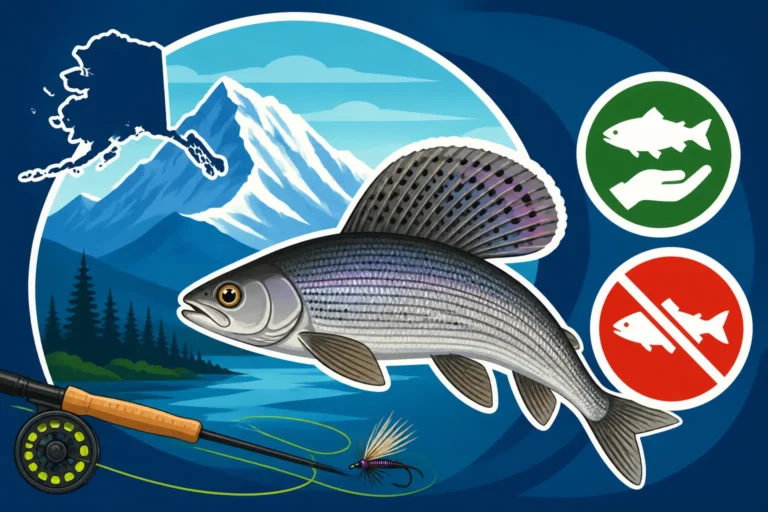
These two species are often the stars of Interior freshwater fishing, particularly in streams and lakes throughout the Fairbanks area, the Denali Highway region, and numerous other drainages. Arctic Grayling are celebrated for their sail-like dorsal fin and willingness to strike, while Rainbow Trout offer a classic trout fishing experience. Both are typically managed with conservative regulations to maintain their wild populations.
For Arctic Grayling, bag limits are usually quite low, often ranging from 5 to 10 fish per day, but with specific rules that might include a maximum size or a slot limit, meaning you can only keep fish within a certain size range. For example, a common rule might be 5 grayling, only one of which can be over 14 inches. Always check the specifics for your exact location, as some streams may be entirely catch-and-release to protect trophy populations. You can find detailed information in the Alaska Arctic Grayling Regulations and Limits guide.
Rainbow Trout regulations in the Interior can vary considerably. In some stocked lakes or accessible rivers, limits might be more liberal, while wild, remote populations, especially those that grow to impressive sizes, are often subject to stricter catch-and-release or slot limits. The Kenai River system, while not technically Interior, offers an example of how significant rainbow trout fisheries can have very strict catch-and-release zones. Always refer to the Alaska Rainbow Trout Fishing Regulations and Limits for the precise stream or lake you're targeting. Pay close attention to definitions of "wild" vs. "stocked" trout, as different rules often apply.
Northern Pike and Sheefish
Northern Pike and Sheefish represent a more unique aspect of Interior Alaska's angling scene. Pike are predatory fish found in many lakes and slow-moving rivers, and while native to much of the Interior, they are considered invasive in some Southcentral waters. Sheefish, often called the "Tarpon of the North," are powerful anadromous fish primarily found in the larger river systems like the Yukon and Koyukuk.
Northern Pike regulations in the Interior often reflect the species' varying status. In areas where they are native and abundant, bag limits can be quite generous, sometimes allowing for high daily retention with no size limits. However, in regions where they might pose a threat to salmon or trout populations, there might be specific regulations to encourage harvest or even mandate retention. It's crucial to consult the Alaska Northern Pike Regulations and Limits for your specific location, as "no limit" rules can exist in some areas, while others might have more standard restrictions.
Sheefish fishing is a specialized pursuit, often requiring travel to remote locations. Regulations for these impressive fish are generally more conservative, with smaller bag limits and sometimes size restrictions, reflecting their slower growth and importance to local subsistence users. Given their anadromous nature, their seasons might also align with specific river conditions. The Alaska Sheefish Regulations and Limits will provide the most accurate information for targeting this unique species in rivers like the Koyukuk or the main stem of the Yukon.
Salmon Species in Interior Rivers
While the image of massive salmon runs is typically associated with coastal Alaska, several species of Pacific salmon make epic journeys deep into the Interior's vast river systems. King (Chinook) and Chum (Dog) salmon are the primary species that ascend rivers like the Yukon and its tributaries, including the Tanana. Sockeye (Red) and Coho (Silver) salmon also reach some Interior drainages, though often in smaller numbers.
King Salmon are highly prized, but their runs to the Interior have faced significant conservation challenges in recent years, leading to very conservative or even closed sport fisheries in many areas. When open, Alaska King Salmon Fishing Regulations and Limits typically involve very low daily and annual bag limits, often requiring a King Salmon stamp, and can be subject to immediate closures via emergency order. For example, a typical regulation might be one King Salmon per day, with an annual limit of two or three fish, and frequently, catch-and-release is the only option.
Chum Salmon, on the other hand, are often more abundant in Interior rivers and can offer robust sport fishing opportunities. Their regulations are generally more liberal than kings, but still subject to change based on run strength. Sockeye and Coho salmon are less common in the far Interior but can be found in some systems closer to Southcentral. For all salmon species in the Interior, checking the most current regulations, including any emergency orders, is not just advisable, it’s absolutely critical, as conditions can change rapidly and impact retention or even fishing opportunities.
Navigating Emergency Orders and Resources
Fishing in Alaska's Interior is an incredible experience, but it also demands vigilance. The dynamic nature of fish runs and environmental conditions means that regulations, especially for salmon, can shift at a moment's notice. Knowing how to stay informed and where to find the most current information is just as important as knowing the regulations themselves.
The Dynamic Nature of Interior Regulations
One of the biggest frustrations for anglers visiting or living in Alaska is the sudden change in regulations. This is particularly true for Interior salmon fisheries. The long migration routes of salmon into the Interior mean they are susceptible to a multitude of environmental factors, including water levels, water temperatures, and the strength of the return. If the numbers of returning fish (escapement) are below conservation goals, or if in-river conditions become stressful for migrating fish, ADF&G will issue emergency orders.
These emergency orders (EOs) can significantly alter your fishing plans. They might close a fishery entirely, reduce bag limits, change legal fishing methods (e.g., prohibiting bait or mandating catch-and-release), or even close specific stretches of a river. For example, a King Salmon fishery that was open yesterday might be closed today due to a sudden dip in escapement counts at a downstream weir. This responsive management, while sometimes inconvenient, is vital for protecting vulnerable fish stocks and ensuring their long-term sustainability. Understanding Alaska Fishing Emergency Orders Explained is paramount for any angler.
It's not just salmon; sometimes, extreme weather events or concerns for other species can trigger EOs. The key takeaway is that the regulations printed in the annual booklet are a starting point, but they are not the final word. You absolutely must check for EOs daily, especially if you're targeting anadromous species like salmon or sheefish, or if conditions seem unusual. This proactive approach ensures you're fishing legally and responsibly. The guide on How Alaska Bag Limits Change In-Season further illustrates this dynamic process.
Essential Resources for Anglers
Given the ever-changing nature of Interior Alaska's fishing landscape, knowing where to find the most up-to-date and reliable information is crucial. The Alaska Department of Fish and Game (ADF&G) is your primary and most authoritative source for all things regulations.
The ADF&G website is an invaluable hub. There, you'll find digital versions of the current sport fishing regulation booklets, specific regulation summaries for different regions (like the Interior), and, most importantly, a dedicated section for emergency orders. You can often filter these by region and species, making it easier to find relevant updates. Many experienced anglers bookmark the ADF&G emergency order page on their phones or tablets for quick reference while in the field. Some even opt to buy a hard copy of the full regulation booklet, sometimes available on Amazon, to study before their trip, though always cross-reference with online EOs.
Beyond the website, local ADF&G offices, particularly in hub cities like Fairbanks, are excellent resources. Their staff can answer specific questions and provide insights into local conditions. Many sporting goods stores and tackle shops in Interior towns also display current emergency orders and often have knowledgeable staff who can offer advice on what's open and what's biting. Don't be shy about asking questions! Finally, consider signing up for ADF&G's email alerts for critical fishery announcements, or even downloading the official ADF&G app if one is available for your region, ensuring you have the latest information literally at your fingertips. Learning How to Read Alaska Fishing Regulations effectively will save you a lot of trouble.
Here's a quick summary of typical Interior Alaska fishing regulations for common species:
| Species | Typical Bag Limit (Daily) | Common Size Restrictions | Common Gear Restrictions | Key Considerations |
|---|---|---|---|---|
| Arctic Grayling | 5-10, often with 1-2 fish over 14 inches | Slot limits (e.g., 6-12 inches) | Fly-fishing or artificial lures only common; barbless hooks | Many streams are catch-and-release; highly sensitive. |
| Rainbow Trout | 2-5, varies widely by location | Can have slot limits | Artificial lures only; barbless hooks common | Wild vs. stocked waters have different rules. |
| Northern Pike | Often generous (e.g., 10-20 or no limit) | No size limit in many areas | Bait usually allowed; single hooks common | Considered invasive in some areas, native in others. |
| Sheefish | 1-3 | Minimum size limit possible | Bait often allowed | Remote fisheries; highly prized. |
| King Salmon | 0-1 (often catch-and-release or closed) | Minimum size limit common | Single hook, artificial lure or bait; King Stamp required | Highly variable due to emergency orders; conservation focus. |
| Chum Salmon | 3-6 | None typically | Bait often allowed; single hooks common | More consistent runs; good sport fish opportunity. |
Note: This table provides a general summary. Always consult the current Alaska Department of Fish and Game regulations and emergency orders for your specific fishing location and time before heading out. Regulations change frequently.
Disclaimer
Please remember that fishing regulations in Alaska are complex and subject to frequent change, especially due to emergency orders issued by the Alaska Department of Fish and Game. While this guide provides a comprehensive overview, it is not a substitute for reviewing the official and most current ADF&G regulations for the specific area and species you intend to fish. Always verify all rules and requirements before you head out on your adventure.