Alaska Ice Fishing Regulations
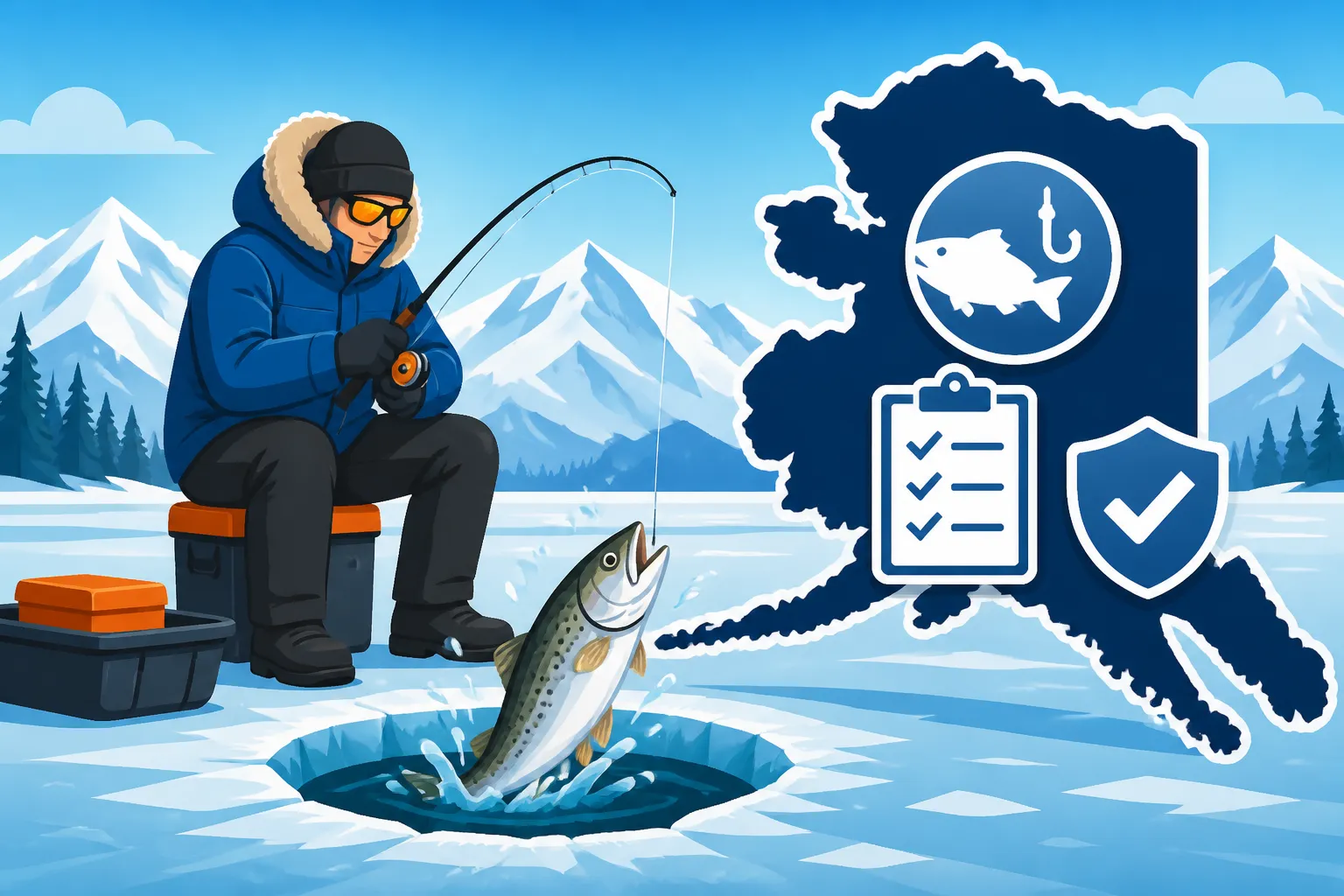
Venturing onto Alaska's frozen lakes and rivers for a day of ice fishing offers a truly unique and serene angling experience, but the tranquility can quickly turn to frustration if you're not fully clued into the specific rules that govern this winter pastime. Many anglers, especially those new to the state or ice fishing in general, find themselves scratching their heads over bait restrictions, line limits, and even how emergency orders might unexpectedly close their favorite spot. This comprehensive guide will walk you through the essential Alaska ice fishing regulations, helping you navigate the legalities and enjoy your time on the ice without any unwelcome surprises.
Understanding the Basics of Alaska Ice Fishing Regulations
Ice fishing in Alaska, much like any other fishing, operates under a carefully structured set of rules designed to conserve fish populations and ensure fair chase. It's not just about drilling a hole and dropping a line; there are fundamental regulations you need to grasp before you even pack your auger. For instance, many folks assume that once winter hits, a regular fishing license covers everything, but there are nuances.
General Licensing Requirements for Ice Fishing
First things first: just because the water is solid doesn't mean the license requirement melts away. Every angler aged 18 or older needs a valid Alaska fishing license to ice fish, just as they would for open water. This applies to both residents and non-residents. If you're a non-resident visiting for a winter adventure, you'll need to purchase an appropriate non-resident license. You can find comprehensive details about this in our guide on Alaska Fishing License: Complete Guide. Options range from annual licenses to shorter-term choices like a 7-day fishing license, perfect for a week-long ice fishing excursion. Kids under 18 often get a pass, but it’s always wise to double-check current regulations for specific age requirements.
It's not just about having a license, either. You need to have it on your person while fishing. A digital copy on your phone is usually acceptable, but ensure your device is charged and accessible. Nothing ruins a peaceful day on the ice like a visit from an Alaska Wildlife Trooper and not being able to produce proof of your license. Furthermore, if you're targeting certain species like King Salmon, even through the ice, you might still need to purchase a King Salmon stamp, depending on the area and specific regulations. It's crucial to consult the Alaska Fishing License Cost and Types before heading out.
How Emergency Orders Affect Ice Fishing
Alaska's fisheries are incredibly dynamic, and the Alaska Department of Fish and Game (ADF&G) uses what are called "emergency orders" to rapidly adjust regulations in response to changing fish populations or environmental conditions. These aren't just for open water seasons; they absolutely apply to ice fishing as well. Imagine planning a trip to a pristine lake known for its winter trout, only to find out an emergency order just closed it to retain specific species or reduced bag limits due to low escapement numbers. It happens more often than you might think.
The frustration this causes is real. You've geared up, driven miles, and then hit a roadblock. That's why checking for emergency orders is paramount. ADF&G posts these updates on their website and often through local news outlets or signage at popular access points. They can change daily, weekly, or monthly, impacting seasons, bag limits, gear restrictions, and even entire fishery closures. Our detailed article on Alaska Fishing Emergency Orders Explained can provide further insights. Before you even pack your auger, make it a habit to check the ADF&G website for the specific region and water body you plan to fish. You might find that the lake you planned to target for rainbow trout is now catch-and-release only, or that a specific tributary is entirely off-limits.
Specific Gear and Technique Regulations for Ice Fishing
Once you've got your licensing sorted and checked for any pesky emergency orders, it's time to think about the nitty-gritty of how you can actually fish. Alaska has clear rules about the tools and methods you can use, and these are particularly important when you're drilling holes in the ice.
Number of Lines and Gear Restrictions
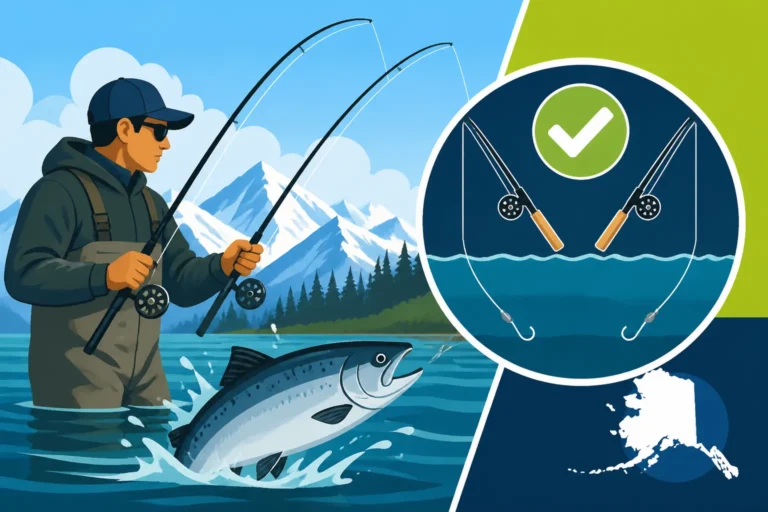
One of the most common questions from ice anglers revolves around how many lines they can drop. In most of Alaska's freshwaters, including many ice fishing destinations, the general rule is that you can actively fish with two rods or lines. However, this isn't a universal truth. There are exceptions and nuances, especially in certain regions or specific water bodies, so always double-check the current sport fishing regulations booklet or website. For instance, in some parts of the state, particularly marine waters accessible for ice fishing or certain urban lakes, you might be allowed more lines, but this is rare for typical freshwater ice fishing.
The "actively fish" part is key. You need to be in reasonable proximity to your lines and able to tend to them promptly. Leaving a tip-up unattended while you wander off to another hole far away is generally a no-go. This is where tip-ups, those handy devices that flag when a fish bites, come into play. They count as one of your lines. So, you could be jigging with one rod and have a tip-up set nearby, but not two rods and two tip-ups if the limit is two lines total. This is a common pitfall for new ice anglers. Additionally, some specific gear types might be restricted. For instance, while generally allowed, some regulations might limit certain types of electronic fish finders or underwater cameras in specific areas to maintain fair chase principles. Always review the general Alaska Fishing Regulations Explained for the area you're visiting.
Bait and Treble Hook Rules on the Ice
Bait regulations are another area where Alaska can be quite specific, and ice fishing is no exception. While many areas permit the use of natural baits like cured salmon eggs (which you can often find on Amazon or at local tackle shops like Sportsman's Warehouse), shrimp, or even small pieces of herring, some waters have strict "no bait" or "artificial lures only" rules, particularly those managed for trophy trout or where there's a concern about introducing disease. For example, many of the interior lakes stocked with rainbow trout allow bait, but pristine, wild trout fisheries might have different rules.
It's not just about what bait you use, but how you use it. Hook configurations are also important. Many areas in Alaska, especially those sensitive fisheries or during specific times of year, require the use of single hooks only, and often barbless hooks. If you're fishing a river system that flows into a lake and later becomes an ice fishing spot, those river-specific regulations might still apply through the ice. A barbless hook minimizes damage to fish, making catch-and-release more successful, which is critical for conserving sensitive species. Our article on Alaska Barbless Hook Requirements provides excellent detail on this. Understanding Alaska Bait Restrictions Explained is non-negotiable before you drill your first hole. A common scenario is using bait and a treble hook in a catch-and-release only area, which could lead to a fine and an unhappy encounter with a wildlife trooper.
Safety and Ethical Considerations on Alaska's Frozen Waters
Beyond the legalities of licenses and tackle, successful and responsible ice fishing in Alaska demands a keen awareness of safety and ethical practices. The environment itself poses significant challenges, and how we interact with it, and its inhabitants, leaves a lasting impact.
Ice Safety Guidelines and Best Practices
This might sound like common sense, but the brutal reality is that Alaska's ice can be incredibly deceptive and dangerous. Every year, incidents occur where anglers fall through. The primary rule of thumb for ice thickness is at least 4 inches for foot travel, 6-8 inches for snowmachines, and 8-12 inches for cars or small trucks. However, these are general guidelines. Ice thickness can vary wildly, even on the same body of water, due to currents, springs, underwater structures, and recent weather fluctuations. A seemingly solid expanse can hide patches of thin, weak ice.
Never assume the ice is safe. Always test it as you go, especially if you're the first one out. A spud bar or an auger is your best friend for this. Drill a test hole near shore, then continue to check every few steps. Carry safety gear like ice picks (worn around your neck for easy access), a throw rope, and a whistle. Wear a life vest, even when ice fishing, as it can be a literal lifesaver if you do go through. Tell someone where you're going and when you expect to return. The vastness of Alaska means help might be a long way off. Being prepared for extreme cold is also paramount; layering clothing, having proper insulated boots, and bringing extra warm gear is essential. Hypothermia sets in quickly when wet and exposed to Alaska's winter elements.
Ethical Angling and Conservation for Ice Fishing
Responsible angling extends beyond simply following the rules; it's about being a good steward of Alaska's natural resources. This includes adhering to bag limits, understanding proper catch-and-release techniques, and leaving no trace. When you've caught your limit, stop fishing. This sounds straightforward, but some anglers will continue to fish, justifying it as "just for fun," even if they intend to release the fish. However, repeated catch-and-release, especially in freezing temperatures, can be highly detrimental to fish survival. Fish gills can freeze quickly when exposed to cold air, and handling them with dry, cold hands can remove their protective slime layer, leaving them susceptible to disease.
If you are practicing catch-and-release, handle fish minimally, keep them in the water as much as possible, and use a de-hooking tool if necessary. Understanding Alaska Catch-and-Release Best Practices is crucial. Properly disposing of all trash, including discarded lines, bait containers, and food wrappers, is also vital. These items can harm wildlife and mar the pristine beauty of Alaska's winter landscapes. Consider using biodegradable jig heads or weights where available. Leaving the ice cleaner than you found it ensures that these incredible fishing opportunities remain for future generations.
Regional Differences and Where to Find Specific Information
Alaska is a massive state, and its fishing regulations, including those for ice fishing, are often broken down by region. What's perfectly legal on a lake near Fairbanks might be strictly prohibited on a similar body of water on the Kenai Peninsula. It can feel like you need a law degree to decipher it all, but with a systematic approach, it's manageable.
Navigating Regulations by Alaska Fishing Region
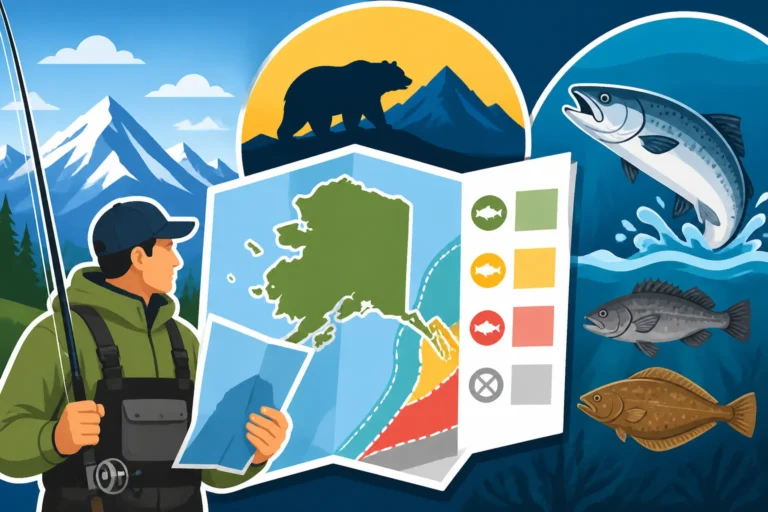
The ADF&G divides the state into several large management regions: Arctic-Yukon-Kuskokwim, Interior, Southcentral, Southeast, Southwest, and Kodiak. Within these broad regions, there are often further sub-regions or specific area regulations. For ice fishing, the Southcentral and Interior regions often have the most accessible and popular ice fishing spots due to larger populations and road access. This means specific rules for lakes around Anchorage, Wasilla, Soldotna, or Fairbanks can be quite detailed. For example, some stocked lakes might have different regulations than wild lake systems or river mouths that freeze over.
When planning an ice fishing trip, your first step after deciding on a general area is to identify the specific ADF&G region it falls into. Then, delve into that region's sport fishing regulations. You'll find sections dedicated to specific lakes, rivers, or drainages. For instance, the Interior Alaska Fishing Regulations Summary will highlight rules for lakes like Chena Lakes or Quartz Lake, while the Southcentral Regulations Summary will cover areas around the Mat-Su Valley or the Kenai Peninsula. The table below illustrates some common species targeted by ice anglers and where you might find them in different regions.
| Fish Species (Commonly Ice Fished) | Primary Regions Found | Typical Regulations (General, always check specifics) |
|---|---|---|
| Rainbow Trout | Southcentral, Interior | Often stocked, varied limits, sometimes artificial lure only |
| Arctic Char / Dolly Varden | Southcentral, Interior, Southwest | Often in deep lakes, varied limits and bait rules |
| Northern Pike | Southcentral (Mat-Su Valley), Interior | Liberal limits, often no size restriction, bait allowed |
| Landlocked Salmon | Southcentral, Interior | Stocked lakes, specific limits, bait generally allowed |
| Arctic Grayling | Interior, Arctic-Yukon-Kuskokwim | Moderate limits, often artificial lures only |
| Burbot | Interior, Southcentral | Liberal limits, often considered a good eating fish |
Always remember, this table provides general guidance. A local bait shop, like Trustworthy Hardware and Fishing in Anchorage or Fred Meyer stores across the state, will have the most current printed regulations booklet, and their staff often have excellent local knowledge of recent changes. You can also buy a lot of your ice fishing gear, from augers to jigs and tip-ups, on Amazon to prepare for your trip.
Utilizing Online Resources and Local Offices
The Alaska Department of Fish and Game website (adfg.alaska.gov) is your single most important resource for up-to-date fishing regulations. Seriously, bookmark it! They publish the annual sport fishing regulations booklets online, which are fully searchable. This is where you'll find the most granular details for specific lakes and rivers, including bag limits, size restrictions, open seasons, and gear requirements. Don't just skim it; read the sections pertinent to your chosen fishing grounds thoroughly. Our guide on How to Read Alaska Fishing Regulations Booklet can help you navigate this sometimes dense document.
Beyond the main regulations, pay special attention to the "News Releases and Emergency Orders" section for the region you intend to visit. As mentioned earlier, these can change rules at a moment's notice. You can even sign up for email notifications to get alerts sent directly to your inbox. Additionally, ADF&G has area offices throughout the state (e.g., Anchorage, Fairbanks, Soldotna, Palmer). Calling or visiting these offices can be incredibly helpful. The staff are experts and can clarify complex regulations or provide insights into local conditions that might not be immediately apparent online. Many experienced ice anglers also frequent online forums and local social media groups, which can offer real-time updates on ice conditions and fishing success, but always cross-reference any regulation information with official ADF&G sources.
Ultimately, being prepared and informed is your best defense against unexpected regulatory changes or safety hazards when ice fishing in Alaska. Enjoy the silence, the crisp air, and the thrill of pulling a fish through a hole in the ice!
Disclaimer
The information provided in this guide is for general informational purposes only and is subject to change. While we strive to offer accurate and up-to-date advice, Alaska fishing regulations, emergency orders, and ice conditions can change rapidly. Always consult the official Alaska Department of Fish and Game website and current regulations booklet before engaging in any ice fishing activities to ensure compliance and safety. We are not responsible for any incidents, fines, or other consequences resulting from the use of this information.