Alaska Youth Fishing License Rules
Figuring out the ins and outs of Alaska fishing regulations can feel like navigating a dense, fog-shrouded maze, especially when you're trying to plan a family trip and aren't sure what paperwork your little ones need. Many parents get frustrated trying to decipher whether their child needs a license, a stamp, or even a harvest card just to drop a line. This comprehensive guide is here to clear up all the confusion surrounding Alaska youth fishing license rules, ensuring your next Alaskan adventure with the kids is filled with tight lines, not legal headaches.
Understanding the Basics: Do Kids Need a Fishing License in Alaska?
This is often the very first question that pops into a parent's head when planning an Alaska fishing trip with their children, and it's a valid one! You want to make sure you're doing everything by the book, but sometimes the regulations can seem a bit convoluted. The good news is, for the youngest anglers, the rules are quite straightforward, designed to encourage participation rather than create barriers.
The General Rule for Youth Anglers
Here's the most important takeaway right off the bat: residents and non-residents alike who are under the age of 16 generally do not need a sport fishing license to fish in Alaska. This is fantastic news for families, as it removes one major hurdle and expense from the equation when planning a trip with younger children. Imagine the relief of not having to worry about purchasing an Alaska fishing license for your spirited 8-year-old or your curious 12-year-old. They can simply grab a rod and reel and start fishing! This rule applies across the board, whether you're fishing a roadside stream near Anchorage, casting in the renowned Kenai River, or exploring a lake in Interior Alaska. The whole idea is to make fishing accessible and enjoyable for kids, fostering a love for the outdoors and Alaska's incredible fisheries from an early age. It’s a thoughtful approach that many states could learn from, truly putting the experience first for young adventurers.
Why the Rules Matter for Families
Even though the "under 16, no license needed" rule sounds simple, understanding the nuances of why this rule exists and where other rules might still apply is crucial for a smooth family fishing trip. The Alaska Department of Fish and Game (ADF&G) aims to promote outdoor recreation and conservation, and by making fishing free and easy for youth, they're investing in the next generation of anglers and stewards of the environment. However, just because a license isn't required doesn't mean other regulations can be ignored. Things like bag limits, seasons, and legal fishing methods still apply to everyone, regardless of age. For instance, if you're fishing for Sockeye Salmon in the Kenai River, your child is still bound by the same daily and annual limits as an adult, and they must use legal gear. It’s important to sit down with your kids and explain these rules in an age-appropriate way. It teaches them responsibility and respect for the resource. Getting everyone on the same page about Alaska Fishing Regulations Explained before you even leave home can save a lot of confusion and potential issues down the line. It's not just about compliance; it's about being responsible anglers.
Age-Specific Requirements for Alaska Youth Fishing Licenses
While the general rule is a great starting point, Alaska's regulations do change as children grow. It's like going from training wheels to a mountain bike; the basic principles are there, but the requirements evolve. Knowing these age-specific thresholds is key to staying legal and prepared for your Alaskan fishing adventures, especially when your kids hit those tricky teenage years.
Children Under 16: The License-Free Zone
For any child, resident or non-resident, who has not yet celebrated their 16th birthday, the world of Alaska sport fishing is wonderfully simple: no sport fishing license is required. This means if you have a 15-year-old, a 10-year-old, or even a toddler who just wants to hold a rod and feel the tug of a fish, they can do so without you needing to purchase any special permits. This is a significant boon for family vacations, as it reduces costs and simplifies planning. Many parents appreciate this, as it allows them to introduce their kids to fishing without the added stress of another piece of paperwork or expense.
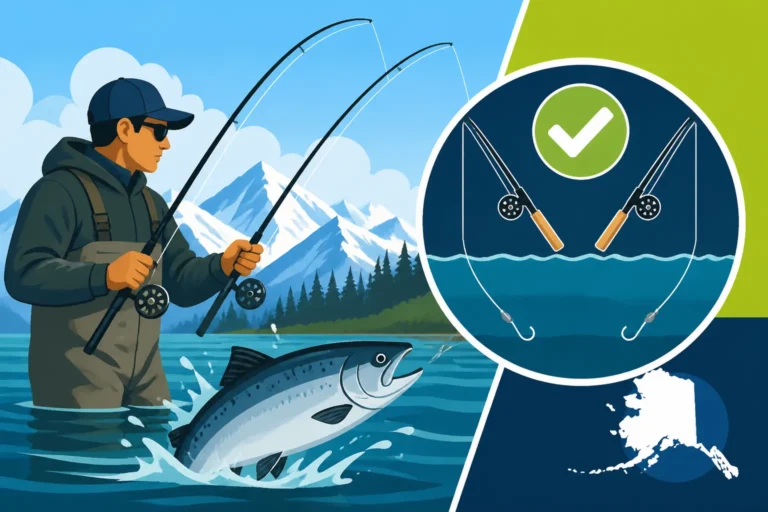
However, this freedom from a license doesn't mean a total free-for-all. While they don't need a license, they are still subject to all other sport fishing regulations. This includes daily bag and possession limits, size restrictions, specific gear requirements (like single-hook rules during King closures), and area closures. For example, if the daily limit for Rainbow Trout in a particular lake is two fish, your child, even without a license, can only keep two fish. It's a fantastic way to instill conservation ethics early on. You'll also want to make sure your young angler understands catch-and-release best practices if they are targeting species with tight limits or fishing in sensitive areas. For more details on these broader regulations, check out the comprehensive guide on Alaska Fishing Regulations Explained. This license-free access truly makes fishing one of the most accessible family activities in the state, encouraging future generations to appreciate Alaska's incredible natural resources.
Youth 16 and Older: Stepping into Adult Regulations
Once a young person turns 16, the rules shift, and they are considered adults in the eyes of Alaska's sport fishing regulations. This means that any individual aged 16 or older, whether a resident or non-resident, must purchase and carry a valid Alaska sport fishing license to legally fish in the state. This can sometimes catch families off guard, especially if they’ve been accustomed to the license-free era for years. Suddenly, that newly 16-year-old needs to have their own license.
The types of licenses available to them will be the same as those for any adult angler. For residents, this typically means an annual license, while non-residents have options ranging from 1-day, 3-day, 7-day, 14-day, or annual licenses. The choice depends entirely on the duration of their fishing trip. For example, a non-resident 16-year-old visiting for a week-long fishing adventure might opt for a 7-day fishing license. The cost varies based on residency and duration. It’s always a good idea to factor this into your trip budget. You can find detailed information on pricing and options in our guide to Alaska Fishing License Cost and Types. It's a good teachable moment for teenagers, too, as it introduces them to the responsibilities that come with adult privileges and the importance of contributing to wildlife management through license fees. They can often purchase these licenses online through the ADF&G website, or at many sporting goods stores and charter offices across the state.
Special Considerations for Youth Anglers
While the license requirements for youth are fairly straightforward, Alaska fishing has a few other layers of regulation that apply to everyone, regardless of age or license status. These include specific stamps for certain species and obligations for recording your catch. It’s easy for these details to slip through the cracks, but they are incredibly important for compliance and conservation.
King Salmon Stamp Requirements for Youth
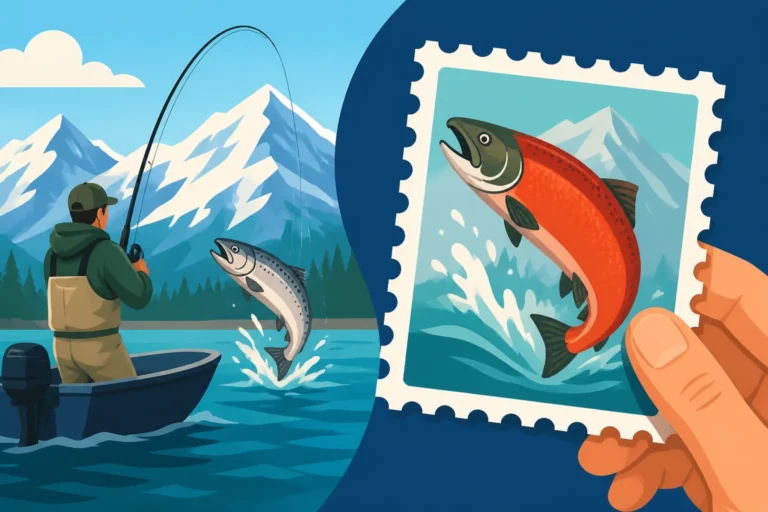
Ah, the King Salmon stamp. This is one of those regulations that can trip up even seasoned anglers, let alone those planning a trip with kids. Many assume that if their child doesn't need a fishing license, they also don't need any stamps. Unfortunately, that's not entirely true when it comes to King Salmon. While youth under 16 do not need a basic sport fishing license, if they plan to fish for or retain King Salmon, they do need a King Salmon stamp. This applies to both residents and non-residents. This rule ensures that everyone who targets this prized species contributes to its conservation and management, regardless of their age.
The King Salmon stamp is essentially an additional endorsement on a fishing license, but in the case of youth under 16, it acts as a standalone requirement. If your child is going on a charter out of Homer hoping to land a massive King, or drift fishing the Kenai for one, you'll need to purchase this stamp for them. You can get a daily or annual King Salmon stamp, just like adults. The price is much lower for youth under 16 compared to adult stamps, which is a welcome consideration. For all the specifics, including costs and when exactly you need one, our guide on Do You Need a King Salmon Stamp in Alaska breaks it all down. For instance, if your child is fishing for King Salmon on a multi-species trip, it's best to have the stamp regardless, just in case they hook one. You don't want to be in a situation where you have to release a legal King because your child lacked the proper stamp. This small detail can make a big difference in avoiding potential fines or disappointment.
Personal Use and Subsistence Fishing for Younger Generations
Alaska offers unique fishing opportunities beyond sport fishing, known as Personal Use and Subsistence fisheries. These are distinct categories with their own set of rules, often involving specific gear like dip nets or gillnets, and usually requiring a permit. It’s natural to wonder how children fit into these categories, especially for families who participate in these culturally significant harvests.
Generally, Personal Use and Subsistence fisheries have different age requirements than sport fishing. In many Personal Use fisheries, like the popular dipnetting for Sockeye Salmon on the Kenai or Chitina rivers, youth under certain ages might be included under a household permit, or have specific rules for their participation. For example, in some cases, all household members, regardless of age, might be listed on a single permit, and catch limits are often per household, not per individual. However, the specific rules can vary significantly by fishery and region. It's absolutely critical to consult the ADF&G regulations booklet or emergency orders for the specific Personal Use or Subsistence fishery you plan to participate in. For a deeper dive into these unique opportunities, you can explore Alaska Personal Use Fishing Explained. It’s important not to assume the sport fishing "under 16, no license" rule automatically applies here. These fisheries are often managed to ensure sustainable harvest for Alaskan families, and adherence to specific rules, including age-related ones, is paramount. Always double-check before heading out!
Harvest Record Card Obligations for All Ages
The Alaska Harvest Record Card is another critical piece of documentation that often gets overlooked, especially for youth. It’s not a license, but it is a mandatory requirement for recording specific species caught, and this obligation applies to all anglers, regardless of age or whether they hold a sport fishing license. If your child, who is under 16 and fishing license-free, catches and retains a King Salmon or a Steelhead, they must record that catch on a Harvest Record Card.
The purpose of the Harvest Record Card is to collect vital data for managing fish populations. It helps ADF&G track the number of certain species harvested annually, which directly impacts future fishing opportunities and conservation efforts. These cards are typically provided with a sport fishing license, but for youth under 16, you’ll need to obtain one separately. They are usually available for free at ADF&G offices, sporting goods stores, or online. The important thing is to have it with you while fishing and to fill it out immediately after retaining a fish that requires recording. Failure to properly fill out and return the Harvest Record Card can result in fines, even for youth. Understanding its importance and how to correctly fill it out is covered in detail in our guide on Alaska Harvest Record Card Explained. This teaches kids accountability and the role they play in sustainable fishing practices, making them active participants in conservation.
Navigating the Purchase Process for Older Youth
Once your child reaches that milestone age of 16, the need for a fishing license becomes real. It's no longer just about showing up with a rod; it's about understanding the process of obtaining their own legal document to fish. This can feel a bit daunting at first, especially if you're not a resident or haven't gone through the process yourself in a while.
Where and How to Buy a License for Your Teen
For any aspiring angler aged 16 or older, getting an Alaska fishing license is a fairly straightforward process, designed for convenience. The primary method, and often the easiest, is to purchase a license online through the official Alaska Department of Fish and Game (ADF&G) website. This allows you to select the appropriate license type (annual, 1-day, 3-day, etc.), pay securely, and often print a temporary license immediately. The official, more durable license card will then be mailed to you. This is incredibly helpful for planning, as you can take care of it weeks or months before your trip. For more guidance on this process, you can refer to our article on How to Get an Alaska Fishing License Online.
Beyond online purchases, there are numerous physical locations across Alaska where your teen can buy their fishing license. These include:
- ADF&G Offices: Located in major cities like Anchorage, Fairbanks, and Juneau.
- Sporting Goods Stores: Retailers like Bass Pro Shops or smaller local outfitters often sell licenses. You might even find some useful gear on Amazon that your teen can pick out to go along with their new license!
- General Stores and Grocery Stores: In smaller towns or more remote areas, even a general store might be an authorized vendor.
- Fishing Lodges and Charter Operators: Many guides and lodges provide the convenience of selling licenses directly to their clients. This is especially useful if you're already booking a guided trip, like with a Kenai River Fishing Guide.
When purchasing in person, your teen will need to provide some basic personal information, such as their name, date of birth, and residency status. Having a photo ID can also be helpful, especially if they look younger than 16. It's a good idea to encourage them to handle the purchase themselves, as it’s a small step towards their independence as an angler.
Costs and Types of Licenses for Youth 16+
The cost of an Alaska fishing license for a 16-year-old and up depends on two main factors: residency and the duration of the license. Alaska differentiates significantly between residents and non-residents, with residents enjoying much lower prices as a benefit of living in the state.
Here's a general breakdown of the types of licenses and what your teen might expect to pay:
| License Type | Alaska Resident (Age 16+) | Non-Resident (Age 16+) | Key Considerations |
|---|---|---|---|
| Annual Sport Fishing | ~$20-$30 | ~$100-$150 | Best value for frequent fishing or longer trips. |
| 1-Day Sport Fishing | N/A | ~$15-$25 | Ideal for a single day outing. |
| 3-Day Sport Fishing | N/A | ~$30-$45 | Good for a weekend trip. |
| 7-Day Sport Fishing | N/A | ~$50-$70 | Popular for week-long vacations. |
| 14-Day Sport Fishing | N/A | ~$75-$100 | Suitable for extended stays or multiple fishing excursions. |
| King Salmon Stamp | See below | See below | Required in addition to a sport fishing license if targeting King Salmon. |
| Annual King Salmon Stamp (Resident) | ~$10-20 | ~$30-$50 | Adds to the annual license cost for King fishing. |
| 1-Day King Salmon Stamp (Non-Resident) | N/A | ~$10-15 | Daily option for non-residents targeting King Salmon. |
| Youth King Salmon Stamp (Under 16) | ~$5-10 | ~$5-10 | Required for youth under 16 who wish to retain King Salmon. This is a standalone stamp. |
Note: Prices are estimates and subject to change. Always check the official ADF&G website for the most current fees.
As you can see, the non-resident costs can add up, especially if you're purchasing multiple licenses and stamps for an entire family. For a non-resident 16-year-old visiting Alaska for a week and hoping to catch some King Salmon, they would need both a 7-day sport fishing license and either a 1-day or annual King Salmon stamp. If they were primarily interested in other species like Halibut or Sockeye, they'd just need the base license. Knowing these figures ahead of time allows for proper budgeting and avoids any surprises when it's time to purchase. You can explore all options in more depth through guides like Alaska Fishing License Cost and Types and Alaska King Salmon Stamp Requirements. Don't forget, having waterproof holders for licenses and stamps, easily found on Amazon, can be a wise investment to protect these important documents from the elements while out on the water.
Encouraging Youth Participation in Alaska Fishing
Beyond the rules and regulations, the most important aspect of youth fishing is the experience itself. Alaska offers an unparalleled outdoor classroom, and introducing children to fishing here can foster a lifelong passion for nature, conservation, and adventure. It’s about creating memories, learning new skills, and connecting with the wild.
Resources for Young Anglers and Families
Alaska is a treasure trove of fishing opportunities, and many resources exist to help families introduce their children to this amazing activity. It doesn't have to be a multi-day fly-in trip to a remote lodge to be memorable. Sometimes the simplest experiences are the most impactful.
One of the best resources is the Alaska Department of Fish and Game (ADF&G) itself. Their website often has dedicated sections for youth fishing programs, public access sites, and even educational materials. They host events like "Kids' Fishing Days" in various communities, where children can learn basic fishing techniques in a safe, mentored environment, often with tackle provided. These events are fantastic for beginners, offering a low-pressure way for kids to catch their first fish.
Local sporting goods stores are also invaluable. Staff members are often keen anglers themselves and can offer advice on kid-friendly fishing spots, simple tackle setups, and what's biting. They can recommend durable, easy-to-use rod and reel combos, perfect for small hands. You can find a good selection of starter kits on Amazon too, making it easy to get equipped before you even arrive in Alaska.
Many communities in Alaska have stocked lakes that are perfect for younger anglers. These lakes are often easily accessible, sometimes even within city limits, and have a good chance of success, which is crucial for keeping kids engaged. Places like Jewel Lake in Anchorage or various lakes on the Kenai Peninsula are often stocked with Rainbow Trout or Arctic Char, providing consistent action. Our guide on Best Places to Fish in Alaska for Beginners can give you some excellent starting points for family-friendly fishing destinations. These spots typically have good shore access, picnic areas, and sometimes even playgrounds, making it a full family outing. Remember, patience is key when fishing with kids, so choosing a location with a high probability of bites is a smart move.
Best Practices for a Fun and Legal Youth Fishing Trip
Making sure your youth fishing trip is both enjoyable and compliant with regulations requires a bit of planning and a lot of patience. Here are some best practices to ensure a successful and memorable outing:
1. Know the Regulations (and Explain Them): Before you even pack your bags, take the time to read the current Alaska Fishing Regulations Explained for the specific area and species you plan to target. Pay close attention to bag limits, size restrictions, and any special area rules (like bait restrictions or single-hook requirements). Explain these rules to your children in simple terms. For instance, if you're going for Sockeye Salmon, show them pictures of the different salmon species so they can learn to identify them, and explain the daily limit. This empowers them to be part of the responsible angling team.
2. Gear Up Appropriately: Equip your kids with gear that's easy for them to handle. Spin-casting rods are usually a great starting point for younger children. Lightweight rods, smaller reels, and appropriate line strength will make casting and reeling in fish less frustrating. Don't forget essential accessories like a small tackle box (which can be a fun project to fill together), a simple net, and a comfortable life vest that fits them properly. Durable, waterproof rain gear is almost always a good idea in Alaska, and you can find many great options on Amazon. Having the right gear, from a basic rod to good rain boots, makes a huge difference in comfort and success.
3. Prioritize Safety and Comfort: Alaska's wilderness is stunning but can be unforgiving. Always have appropriate layers of clothing, sun protection (even on cloudy days), insect repellent, plenty of water, and snacks. Educate your children about wildlife safety, especially regarding bears. Staying together, making noise, and knowing how to react if you encounter wildlife are crucial. Comfort is key to a child's enjoyment; a cold, wet, or hungry child won't have fun, regardless of how many fish are biting.
4. Focus on the Experience, Not Just the Catch: While catching fish is exciting, emphasize the broader experience. Point out the scenery, identify birds and other animals, talk about the fish's habitat, and teach them about the importance of clean water. Celebrate every bite, even if the fish gets away. Sometimes, the biggest fish stories are about the ones that almost got caught! Make it about spending time together in nature. For example, if you're trying to figure out How to Catch Sockeye Salmon in Alaska, it's not just about the technique; it's about being present, observing the river, and enjoying the process. The memories created watching an eagle fly overhead or skipping rocks by the river will last long after the fish are gone.
5. Practice Catch-and-Release: Teach children proper catch-and-release techniques for fish they don't intend to keep or for species with strict limits. Show them how to handle fish gently, minimize time out of water, and release them carefully. This fosters respect for the fish and the ecosystem. Even if you're aiming to fill the cooler, demonstrating responsible handling for smaller fish or those out of season is a powerful lesson.
Disclaimer
Please remember that fishing regulations in Alaska can change frequently due to emergency orders issued by the Alaska Department of Fish and Game (ADF&G). While this guide provides comprehensive information, it is always your responsibility to consult the most current ADF&G regulations booklet and check for any emergency orders pertaining to your specific fishing location and target species before heading out. Failure to do so can result in fines or penalties. This information is for educational purposes only and should not be considered legal advice.