At What Age Do You Need a Fishing License in Alaska
One of the most common questions I hear from folks planning an Alaskan fishing adventure, especially those bringing their families, is whether the kids need a license. It can be incredibly confusing trying to navigate the rules, especially when you're just trying to plan a memorable trip. This guide is designed to cut through that confusion, giving you a clear, empathetic breakdown of Alaska's fishing license age requirements so you can hit the water without any worries.
The Core Age Rule: When a License Becomes a Must
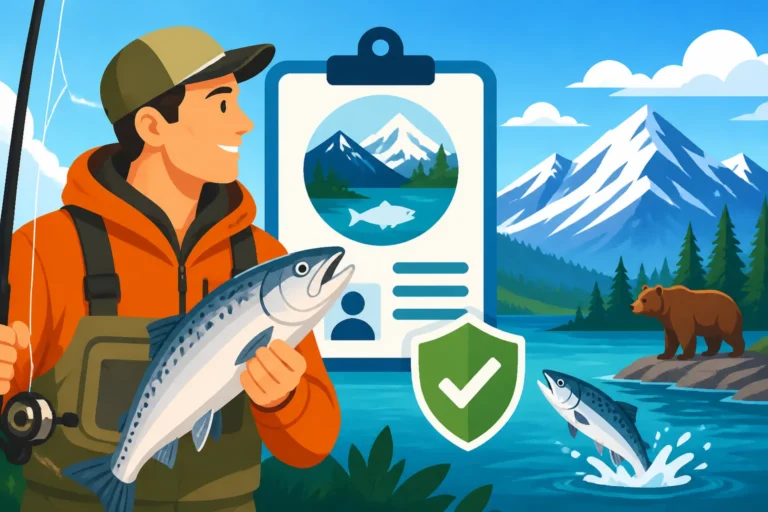
Let's get right to the heart of it, because this is where most people get tripped up. In Alaska, the golden rule for sport fishing licenses is pretty straightforward: if you are 16 years old or older, you need a license to fish. This applies to everyone, whether you're an Alaska resident who's lived here your whole life, or a visitor coming from down in the Lower 48 for the trip of a lifetime. The age of 16 is the threshold, the point where the state considers you an adult angler in terms of licensing requirements.
Anglers Under 16: Free and Clear
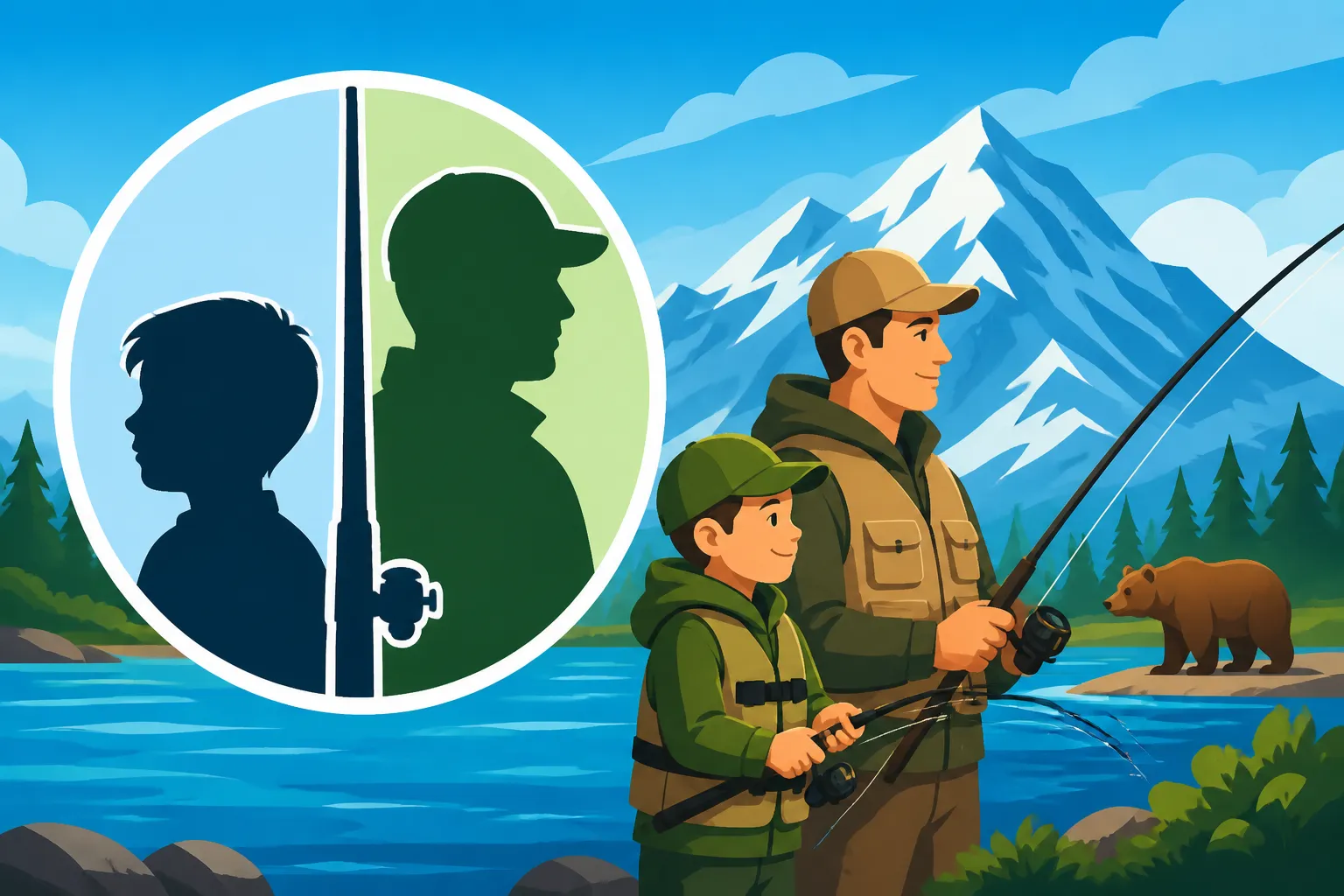
This is fantastic news for families! If your child, grandchild, niece, or nephew is under 16 years of age, they do not need an Alaska sport fishing license. Period. This means your 10-year-old budding angler can cast a line for sockeye salmon on the Kenai River or jig for halibut out of Homer without you having to worry about an extra license purchase. It's a wonderful way to encourage youth participation in fishing and make family trips more affordable.
Think about it this way: Alaska wants to foster a love for fishing in the next generation. Removing the licensing barrier for younger kids makes it so much easier for parents and guardians to introduce them to the sport. You can focus on teaching them how to cast, how to identify a fish species, or the joy of landing their first catch, rather than scrambling to understand complex regulations for minors. Just remember, even if they don't need a license, they still need to abide by all the other Alaska fishing regulations, like bag limits and gear restrictions, just like everyone else. It's a great opportunity to teach them about responsible angling right from the start.
The 16th Birthday Cutoff: Planning Your Trip
The day an angler turns 16, they are legally required to possess an Alaska sport fishing license to continue fishing. This is crucial for planning, especially if you have a teenager whose birthday might fall during your planned fishing trip. If they're 15 when you arrive, but turn 16 halfway through your week-long adventure, they'll need a license for the days they fish as a 16-year-old. It's not about the age they start the trip, but their age on any given day they are actively fishing.
Imagine a scenario: You've booked an incredible guided trip to fish for King Salmon in Southeast Alaska. Your son is 15 and excited. However, his 16th birthday is July 1st, and your trip runs from June 28th to July 5th. For the first few days, he's good to go without a license. But on July 1st, he legally needs one. You'd need to purchase a license for him to cover July 1st through July 5th. It's a small detail that can easily be overlooked in the excitement of planning, but it's important to get right to avoid any issues with Alaska Wildlife Troopers. Thankfully, getting an Alaska fishing license online is quite simple, so you can often sort this out ahead of time or even on a mobile device if needed.
Distinctions for Residents and Non-Residents Regarding Age
While the 16-year-old age requirement for needing a license is universal, the type of license and its cost can vary significantly between residents and non-residents once that age threshold is met. It's vital to understand these differences, as they impact your planning and budget.
Alaska Residents: A Bit More Flexibility
For those who call Alaska home, there are some beneficial distinctions. Once an Alaska resident turns 16, they need a resident sport fishing license. This license is generally more affordable than a non-resident one, a perk for contributing to the local economy and conservation efforts year-round. Beyond the basic annual resident license, there are a few other categories that residents should be aware of, even if they don't change the 16-year-old requirement.
For instance, residents who are 60 years of age or older and have resided in Alaska for at least one year can apply for a permanent identification card that allows them to fish and hunt for free. This is often referred to as a "permanent senior license." While they technically have a "license," it's a free, lifetime pass, meaning they don't have to purchase a new one each year. Similarly, resident disabled veterans may also qualify for special licensing benefits, often allowing them to fish without an annual purchase fee once they meet specific criteria. These programs recognize the contributions of seniors and veterans and aim to make fishing more accessible for them. If you fall into one of these categories, it's worth looking into the specifics of an Alaska Senior Fishing License: Cost and How to Buy or Alaska Disabled Veteran Fishing License Benefits to ensure you're getting the correct credentials.
Non-Residents: Planning for the Full Cost
If you're visiting Alaska, you're considered a non-resident for licensing purposes. Once you or anyone in your party turns 16, they will need to purchase a non-resident sport fishing license. These licenses come in various durations—1-day, 3-day, 7-day, 14-day, and annual—and are more expensive than resident licenses. The state of Alaska relies heavily on these non-resident license fees to fund its robust wildlife management and conservation programs, which in turn sustain the incredible fisheries that draw so many visitors.
It's a common frustration to see the price difference, but understanding that these funds directly support the health of the salmon runs and halibut stocks helps put it into perspective. For example, a non-resident planning a week-long trip to fish the Kasilof River for King Salmon would need to purchase either a 7-day or 14-day license to cover their entire fishing period. This fee ensures that the fantastic fishing opportunities that draw visitors from around the globe continue to thrive. You can learn more about the specific costs in our guide, How Much Is an Alaska Fishing License for Non-Residents. It's always a good idea to factor these costs into your overall trip budget, especially if you're bringing a group of teenagers who will all require licenses.
Understanding License Options and Costs by Age and Residency
To help clarify, here's a table summarizing the general age requirements and associated license needs for sport fishing in Alaska:
| Age Group | Residency Status | License Requirement | Typical Cost Implications | Notes |
|---|---|---|---|---|
| Under 16 | Resident/Non-Resident | NO LICENSE REQUIRED | Free | Still subject to all regulations (bag limits, gear rules). Focus on learning and enjoying! |
| 16-59 | Alaska Resident | Resident Sport Fishing License | Standard Resident Fees | Various durations (annual, 1-day, 3-day, etc.). Annual is most common for residents. |
| 16-59 | Non-Resident | Non-Resident Sport Fishing License | Higher Non-Resident Fees | Various durations (1-day, 3-day, 7-day, 14-day, annual). Choose based on trip length. |
| 60+ | Alaska Resident | Permanent ID Card (free) | Free | Requires proof of age (60+) and residency (1+ year). Acts as a lifetime license. |
| 60+ | Non-Resident | Non-Resident Sport Fishing License | Higher Non-Resident Fees | No special age-based discounts for non-resident seniors. |
Remember, these are the general rules for sport fishing. There are other types of fishing, like personal use or subsistence fishing, which have different rules and age requirements, often tied to specific permits and residency status. Always double-check the current Alaska Department of Fish and Game regulations specific to the area and species you plan to target.
Beyond the License: Other Important Age-Related Rules
While the age for needing a fishing license is a critical starting point, Alaska's fishing regulations extend beyond just that. There are other age-related nuances that anglers, especially those with younger companions, should be aware of to ensure a smooth and enjoyable experience. These often relate to harvest records, stamps, and even supervision.
King Salmon Stamps and Harvest Record Cards
Even if an angler under 16 doesn't need a basic fishing license, they might still be subject to other requirements if they target specific species or fish in certain areas. The most common example is the Alaska King Salmon Stamp. If you're going after King Salmon, and you are 16 years or older, you typically need to purchase and carry a King Salmon Stamp in addition to your regular fishing license. However, if your angler is under 16 and not required to have a fishing license, they are also generally not required to purchase a King Salmon Stamp. This simplifies things for families targeting kings. For more detailed info, check out our guide on Do You Need a King Salmon Stamp in Alaska.
Harvest Record Cards are another crucial element. All anglers, including those under 16 who do not need a fishing license, are required to record certain species of fish on a Harvest Record Card. This is incredibly important for data collection that helps manage fish stocks. For example, if your 10-year-old catches a King Salmon in a designated recording area, that fish would still need to be recorded. While they don't need their own card, their catch is often recorded on the supervising adult's card, or they might be issued a free harvest card to track their individual catches. The specifics can vary, so it's always best to understand What Is the Alaska Harvest Record Card and How to Fill Out an Alaska Harvest Record Card before you head out. These cards are vital for conservation, allowing ADF&G to monitor harvest numbers and make informed management decisions.
Supervision for Younger Anglers
While there's no strict legal age for "unsupervised" fishing in Alaska, common sense and local regulations often dictate that younger children should always be supervised by a responsible adult. This isn't just about adhering to rules; it's about safety. Rivers like the Kenai can have strong currents, and encounters with wildlife, like bears attracted to salmon runs, are always a possibility. An adult can ensure the child is fishing safely, understands the regulations, and can handle any unexpected situations.
For instance, when fishing the crowded banks of the Russian River during the sockeye run, an adult's presence is crucial to help a child navigate the crowds, safely cast, and follow the specific rules of that challenging fishery. Beyond safety, adult supervision also provides an invaluable mentorship opportunity. It's a chance to pass on not just fishing techniques, but also the ethics of conservation, respect for the environment, and patience—lessons that extend far beyond the fishing itself. When you're bringing kids along, make sure you're familiar with the Alaska Youth Fishing License Rules to cover all your bases.
Why These Age Regulations Are So Important for Alaska Fishing
It might seem like a lot to keep track of, but every one of these regulations, including the age requirements for fishing licenses, plays a vital role in preserving Alaska's incredible fisheries. Without these rules, the pristine rivers and abundant oceans we all cherish wouldn't be able to sustain the level of fishing pressure they experience.
Funding Conservation and Management Efforts
First and foremost, the revenue generated from fishing license sales, especially from non-residents, is directly funneled back into the Alaska Department of Fish and Game (ADF&G). These funds are crucial for countless conservation and management efforts. This includes everything from scientific research to monitor fish populations and spawning health, to habitat restoration projects that ensure salmon have clean, unobstructed paths to their spawning grounds.
Without these funds, critical programs like fish stocking in certain lakes, managing sustainable bag limits for species like halibut and salmon, and enforcing poaching laws would suffer immensely. When you buy an Alaska Fishing License: Complete Guide or a King Salmon Stamp, you're not just buying permission to fish; you're directly investing in the future of Alaska's wild resources. It's a user-pays, user-benefits model that has been incredibly successful in protecting these precious ecosystems.
Data Collection for Sustainable Fisheries
The harvest record cards, which apply even to unlicensed youth, are another critical component. The data collected from these cards allows ADF&G biologists to get real-time insights into harvest numbers for specific species in specific areas. This information is invaluable for making informed, in-season management decisions, such as adjusting bag limits or implementing emergency orders if a particular run is weaker than expected.
For example, if the Kenai River King Salmon run is projected to be low, the ability to track harvests allows ADF&G to react quickly, potentially closing the fishery or reducing limits to ensure enough fish make it upstream to spawn. This proactive management, guided by accurate data, is what keeps Alaska's fisheries healthy and productive year after year. Understanding how to Read Alaska Fishing Regulations and keeping an eye on Alaska Fishing Emergency Orders Explained is key to being a responsible angler and helps these data collection efforts succeed.
Ensuring Fair and Equitable Access
The age and residency distinctions also help ensure fair and equitable access to fishing opportunities. By having different licensing structures, Alaska can balance the needs of its residents, who often rely on these resources for food and cultural practices, with the significant economic contributions of tourism. It ensures that the state can manage resources effectively across diverse user groups.
Ultimately, these age requirements and associated regulations are about more than just bureaucracy; they are the bedrock of Alaska's sustainable fishing practices. They protect the fish, the habitat, and the very experience that draws us all to this incredible state. By understanding and respecting them, every angler, regardless of age, contributes to the ongoing legacy of Alaska's wild beauty.
Practical Tips for Families Fishing in Alaska with Young Anglers
Taking kids fishing in Alaska can be one of the most rewarding experiences imaginable. Witnessing their excitement as they reel in a feisty Dolly Varden or a hard-fighting silver salmon is truly priceless. However, a little preparation can go a long way in making the trip smooth, safe, and enjoyable for everyone, especially when you're dealing with the logistics of age requirements and gear.
Gear Up Properly for Comfort and Success
Even if your child doesn't need a license, they absolutely need the right gear to be comfortable and effective. Alaska's weather is famously unpredictable. Layers are always key! Think waterproof rain gear (jackets and pants), warm hats, gloves, and sturdy waterproof boots. Being cold and wet is a surefire way to ruin a child's fishing day. You can find excellent, durable gear for all ages on platforms like Amazon, from brands like Grundéns or Helly Hansen, which are popular among Alaskan guides.
When it comes to fishing tackle, consider age-appropriate rods and reels. A smaller, lighter spinning rod and reel combo is perfect for younger kids, making it easier for them to cast and handle. Don't forget kid-friendly lures or bait, depending on what you're targeting. For trout fishing, a simple worm under a bobber or small spinners can bring a lot of joy. For salmon, a small drift rig with an egg imitation or a weighted fly can work wonders. Having a small tackle box of their own with a few chosen items can also make them feel more invested in the experience.
Focus on Fun, Not Just Fish
It's easy to get caught up in the pursuit of "the big one" when you're in Alaska, but with kids, remember that the experience itself is paramount. Celebrate every nibble, every cast, and every small fish caught. If the fish aren't biting, pivot to other activities. Look for wildlife, skip rocks, or simply enjoy the stunning scenery. Sometimes, the most memorable moments aren't about the fish caught, but the laughter shared by the riverbank.
Consider shorter fishing sessions, especially with younger children, to prevent them from getting bored or restless. A couple of hours of focused fishing might be better than a full day that ends in meltdowns. Pack plenty of snacks, drinks, and maybe even a small toy or book for downtime. Having a dedicated guide can also be a game-changer, as they often have a knack for engaging kids and know the best spots for consistent action. Many Alaska Fishing Charters for Families cater specifically to making fishing fun for all ages.
Educate and Empower Young Anglers
Use the fishing trip as an opportunity to teach kids about conservation, fish identification, and responsible outdoor practices. Show them how to safely handle a fish they catch, how to release it if it's not a keeper, and why it's important to respect bag limits and other regulations. Even without a license, they are part of the angling community.
Explain the concept of "catch and release" in areas where it's required for certain species, like large rainbow trout on the Kenai River. Teaching them about Alaska Catch-and-Release Best Practices instills good habits early on. Involving them in the planning—looking at maps, checking the weather, helping pack snacks—can also boost their enthusiasm and sense of responsibility. By making them active participants in the adventure, you're not just taking them fishing; you're nurturing a lifelong connection to the wild.
Disclaimer
The information provided in this guide is for general informational purposes only and is subject to change. While we strive to offer accurate and up-to-date content, Alaska fishing regulations can be complex and are often updated by emergency orders. It is the sole responsibility of each angler to consult the latest official regulations from the Alaska Department of Fish and Game (ADF&G) before fishing. This guide does not constitute legal advice.