Best Time to Plan an Alaska Fishing Trip
Deciding when to plan an Alaska fishing trip can feel like trying to solve a complex puzzle, with so many variables like different fish species, unpredictable runs, weather, and availability. It’s easy to get overwhelmed trying to pinpoint that perfect window. This guide aims to simplify that process, walking you through the optimal times to visit the Last Frontier based on what you hope to catch and the kind of experience you're after.
Understanding Alaska's Fishing Seasons: A General Overview
Alaska's fishing opportunities are vast, but they aren't static. The state's seasons are largely dictated by the life cycles of its incredible fish populations, especially the salmon, which drive much of the angling interest. Thinking about the big picture first can help you narrow down your options significantly.
The Salmon Life Cycle and Its Impact
When we talk about salmon fishing in Alaska, we're really talking about a series of distinct seasons, each defined by the arrival of a different species. These magnificent fish spend most of their lives in the ocean, growing large and strong, before returning to their natal rivers to spawn. This incredible migration, known as the "salmon run," is what anglers eagerly anticipate each year.
The timing of these runs is critical. King Salmon (Chinook) often kick things off in late May and June, followed by the powerful Sockeye Salmon (Red) in June and July. Pink Salmon (Humpy) and Chum Salmon (Dog) typically peak in late July and August, while the acrobatic Silver Salmon (Coho) bring up the rear from August through September, sometimes even into October. Because these runs can vary slightly year to year due to environmental factors like water temperature and snowmelt, staying flexible and checking Alaska Salmon Run Timing Explained is always a smart move. If you're dreaming of a diverse trip, understanding these overlaps and distinct peaks is essential. For instance, early July might offer a chance at late Kings and early Sockeye, while late August could see you targeting Silvers and still have opportunities for resident trout.
Prime Time for Halibut and Other Saltwater Species
While salmon dominate the rivers, the vast saltwater expanses of Alaska are home to incredible bottom-dwelling species like the mighty halibut, lingcod, and various rockfish. Unlike salmon, which have distinct river runs, these species are generally available for a longer season, but their catch rates and sizes can definitely vary.
The prime season for halibut usually runs from May through September. During these warmer months, halibut are more active, feeding heavily, and found in greater numbers in areas like Kachemak Bay near Homer, Seward, and throughout Prince William Sound. Large "barn doors" (trophy-sized halibut) are often caught in the middle of summer when baitfish are abundant and they are feeding aggressively. Lingcod and rockfish also become more accessible as the water warms, making late spring and summer ideal for a multi-species saltwater adventure. Many anglers combine a river salmon trip with a day or two of offshore halibut fishing, making for a truly diverse Alaskan experience. Charters for these species are plentiful, but they book up fast, so early planning is key, especially if you want to target the largest fish. You'll want to review Alaska Halibut Charter Regulations Explained before you go, as there are specific rules for guided trips.
Freshwater Trout and Arctic Grayling Opportunities
Beyond the famous salmon and halibut, Alaska's freshwater systems offer world-class fishing for resident species like rainbow trout, Dolly Varden, Arctic grayling, and sometimes even steelhead. What's fantastic about these species is that they offer a longer, more flexible fishing window, often extending well beyond the salmon runs.
Trout fishing, especially for the massive "leopard rainbows" in places like the Kenai River, can be excellent from late spring through fall. They follow the salmon runs, gorging themselves on salmon eggs and flesh, which means the best trout fishing often coincides with or immediately follows the peak salmon spawning periods. This makes a combo trip incredibly appealing. Arctic grayling, known for their stunning dorsal fins and eager bites, are active throughout the summer in interior Alaska rivers and streams. Dolly Varden are widespread and can be caught in both freshwater and saltwater during various times. If you're a fly angler, the shoulder seasons – late May/early June and late September/early October – can offer less crowded waters and fantastic opportunities for hungry trout and char. You can learn more about Alaska Rainbow Trout Guide and Alaska Arctic Grayling: Facts and Fishing Tips to maximize your chances.
Breaking Down the Best Times by Species
To truly make the most of your Alaska fishing adventure, it helps to narrow down what specific species you're most keen on catching. Each fish has its own ideal window, and aligning your trip with these peaks is the best way to ensure success.
King Salmon: The Early Bird's Reward
King Salmon, also known as Chinook, are the largest and often the most sought-after of the Pacific salmon species. They are legendary for their powerful runs and incredible size.
The season for King Salmon generally kicks off in late May and extends through June, sometimes into early July, depending on the river and specific run timing. Early June is often considered prime time in many Southcentral Alaska rivers like the Deshka River, the Susitna River, and some tributaries of the Talkeetna. Further south in Southeast Alaska, areas like Juneau and Sitka see Kings starting earlier, often in May, with runs extending through June. These early season Kings are typically bright, powerful fish that haven't been in freshwater for long. However, King Salmon runs can be volatile and are often subject to emergency orders, so it's crucial to check current regulations before you go, especially on major rivers like the Kenai and Kasilof. Planning a trip in the first few weeks of June increases your chances, but be prepared for potential closures if escapement goals aren't met. It’s always good to have a backup plan or target other species if King Salmon fishing is slow. If you're focused on King Salmon, consider a trip that falls squarely in their peak window, typically mid-June, and consult Alaska King Salmon Fishing Regulations and Limits to understand the specifics.
Sockeye Salmon: The Summer Spectacle
Sockeye Salmon, also known as Red Salmon, are famous for their vibrant red flesh and intense fighting spirit, especially on lighter tackle. While not as large as Kings, their sheer numbers during peak runs are breathtaking, making for an unforgettable experience.
Sockeye runs typically start in mid-June and peak through July, often continuing into early August. The Kenai River and the Russian River on the Kenai Peninsula are world-renowned for their massive Sockeye runs, often seeing millions of fish flood into the river systems. The peak of the Kenai Sockeye run usually hits around the second or third week of July, creating a truly unique "combat fishing" experience, especially popular for dipnetting by residents and sport fishing from the banks. Bristol Bay rivers, like the Naknek and Nushagak, also see incredible Sockeye numbers, often peaking in late June and early July. If your goal is to catch a lot of fish and experience the raw power of a salmon run, planning your trip for mid-July to the Kenai Peninsula is a solid choice. Be prepared for crowds, but the action can be non-stop. Learning How to Catch Sockeye Salmon in Alaska will definitely boost your success.
Silver (Coho) Salmon: Fall's Fighting Fish
Silver Salmon, or Coho, are celebrated for their aggressive strikes and acrobatic fights, often leaping clear out of the water. They provide fantastic sport fishing as the Alaska summer begins to wane.
The Silver Salmon season typically begins in late July in some parts of Southeast Alaska and Prince William Sound, but the main runs in Southcentral rivers like the Kenai and Kasilof usually kick off in August and can extend well into September, sometimes even October. These late-season fish are often very bright and full of energy, providing thrilling angling opportunities. Many anglers prefer fishing for Silvers because the crowds have thinned out compared to the Sockeye peak, and the weather can still be quite pleasant. The scenic beauty of Alaska in late summer and early fall, with changing leaves and crisp air, adds to the charm of a Silver Salmon trip. If you're looking for a challenging fight and a slightly less congested experience, target late August through early September. Consider exploring destinations like the Sitka area, where charter opportunities for Silvers are abundant, or the freshwater systems of the Kenai Peninsula. If you're considering a charter, platforms like FishingBooker offer a wide array of options for booking trips tailored to Coho season.
Halibut: Deep-Sea Giants
Halibut fishing is a bucket-list item for many visiting Alaska. These large, flatfish are not only thrilling to catch due to their immense power but also renowned for their delicious white meat.
While halibut can be caught year-round, the prime season for sport fishing runs from May through September. The peak months are generally June, July, and August, when the weather is most stable, and the fish are actively feeding in shallower waters, making them more accessible to sport anglers. Locations like Homer, Seward, and Valdez are major halibut fishing hubs, with numerous charters departing daily. During these months, you have the best chance of hooking into "barn doors" – those impressive halibut weighing over 100 pounds. As the season progresses into late summer, the fishing remains strong, but the biggest fish might start moving to deeper waters. Planning a halibut trip for mid-summer ensures good weather, abundant fish, and plenty of charter availability. However, it's wise to book your Best Halibut Fishing in Alaska charter well in advance, especially for popular weekends, as these trips fill up quickly.
Rainbow Trout & Char: Year-Round Allure
For those who love the finesse of fly fishing or the steady action of spin fishing in pristine freshwater, Alaska's rainbow trout, Dolly Varden, and Arctic char offer incredible opportunities outside of the intense salmon runs.
While these species can be caught year-round, the best times typically follow the salmon. From late May through early June, as waters warm, trout and char become very active, feeding on emerging insects and smolt. But the truly spectacular fishing often occurs from late July through October, especially in rivers where salmon have spawned. The abundance of salmon eggs and decaying salmon carcasses creates a massive food source, causing resident trout and char to grow to impressive sizes. The Kenai River is legendary for its giant rainbow trout, and the best time to target them often coincides with or immediately follows the Sockeye and Silver salmon runs. This means late July, August, and September can be phenomenal. The cooler temperatures of fall also provide a comfortable fishing environment with stunning scenery, and often fewer anglers on the water. Many anglers choose a multi-species trip, combining a salmon hunt with dedicated days for trout and char.
Here's a quick overview of peak seasons:
| Species | Optimal Fishing Season | Peak Month(s) | Typical Size Range (Sport Fish) | Key Fishing Regions |
|---|---|---|---|---|
| King Salmon | Late May – Early July | June | 20-50 lbs (trophy > 70 lbs) | Kenai, Kasilof, Deshka, Susitna, Southeast Alaska |
| Sockeye Salmon | Mid-June – Early August | July | 5-15 lbs | Kenai, Russian, Bristol Bay |
| Silver (Coho) Salmon | Late July – September | August – Early September | 8-20 lbs | Kenai, Kasilof, Prince William Sound, Southeast Alaska |
| Pink Salmon | Late July – Mid-September | August (even years) | 3-8 lbs | Statewide, particularly abundant in even years |
| Chum Salmon | Mid-July – Late August | August | 10-20 lbs | Statewide, particularly in Northern regions |
| Halibut | May – September | June – August | 10-100+ lbs (barn doors) | Homer, Seward, Valdez, Kodiak, Sitka |
| Rainbow Trout | June – October (post-salmon) | August – September | 15-30+ inches | Kenai, Bristol Bay, Mat-Su Valley |
| Dolly Varden/Arctic Char | June – October | August – September | 15-25 inches | Statewide freshwater & coastal |
| Arctic Grayling | June – September | July – August | 12-20 inches | Interior Alaska, remote streams |
| Lingcod | May – September | June – August | 20-50+ lbs | Gulf of Alaska, Prince William Sound, Southeast Alaska |
Planning Considerations Beyond the Fish
Choosing the "best time" isn't just about the fish; it's also about the overall experience, the logistics, and your budget. Alaska is a vast state, and demand for its prime fishing windows can be high.
Weather, Crowds, and Availability
Alaska's summer weather is notoriously unpredictable, but generally, June, July, and August offer the mildest temperatures and longest daylight hours. These months, however, also coincide with the peak tourist season, meaning more crowds at popular fishing spots and higher demand for accommodations and charters.
- June: Generally good weather, long daylight hours, Kings are running, Sockeye beginning. Fewer crowds than July, but still busy.
- July: Peak summer, warmest weather, most daylight, but also the busiest month. Sockeye runs are in full swing; halibut fishing is excellent. Expect higher prices and limited availability if not booked far in advance.
- August: Still warm, but starting to cool. Silver Salmon runs are strong; trout fishing picks up. Crowds begin to thin slightly by late August.
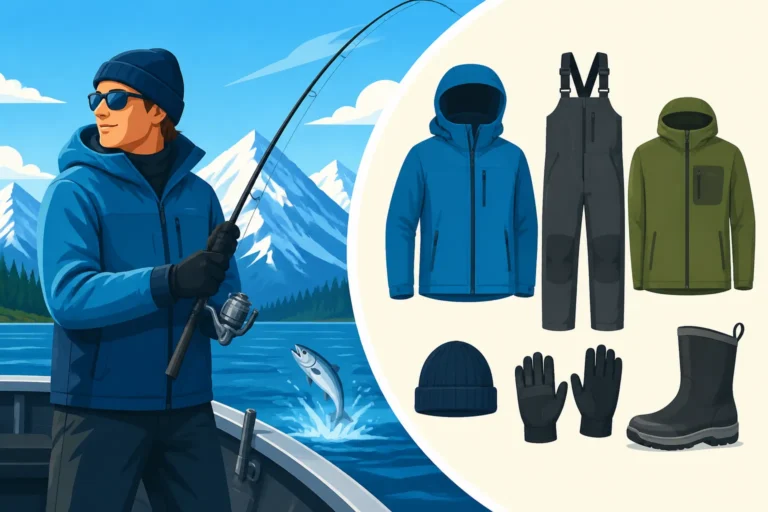
- May & September: These are "shoulder seasons." May offers early Kings and resident fish, often with fewer crowds and potentially lower prices, but cooler weather. September is prime for Silver Salmon and big trout, with stunning fall colors and significantly fewer people. Weather can be colder and wetter, but the fishing can be exceptional. These shoulder months can be a great option for anglers looking to avoid the peak season rush and potentially save some money, provided they pack appropriate rain gear and layers. Remember, rain is always a possibility in Alaska, no matter the month! How to Dress for Alaska Fishing properly can make or break your trip.
Cost and Booking Your Adventure
The cost of an Alaska fishing trip can vary wildly depending on the time of year, duration, species targeted, and whether you opt for a guided experience or a DIY adventure. Peak season (July) almost always commands the highest prices for flights, lodging, and charters.
Booking your trip far in advance – often 6 to 12 months ahead, especially for prime dates and sought-after lodges or guides – is absolutely critical. Many top guides, especially for specialized trips like Kenai River King Salmon Fishing Guide or multi-day fly-out experiences, are fully booked a year out. Platforms like FishingBooker can be an invaluable resource to compare available charters, read reviews, and secure your spot well in advance. They often list what's included in an Alaska Fishing Charter Cost Explained, helping you budget effectively. If you're looking to save some money, consider the shoulder seasons (May or September) or targeting less popular species during peak times. Doing some Alaska Fishing Charter vs DIY Cost Comparison can also highlight savings for those willing to do more on their own.
Combining Species for the Ultimate Trip
For many anglers, the dream Alaska trip involves catching multiple species. Planning for a combo trip requires careful consideration of overlapping seasons and regional proximity.
The ideal time for a multi-species trip is often late July or early August. During this window, you might have opportunities for late King Salmon (though often regulated), strong Sockeye runs, early Silver Salmon, and fantastic halibut fishing in coastal areas. For example, spending a few days on the Kenai Peninsula targeting Sockeye and early Silvers, then heading to Homer or Seward for a halibut charter, is a very popular itinerary. If trout is high on your list, remember that the best trout fishing often coincides with or follows the salmon runs, so pairing a salmon trip with some dedicated trout days in late July or August works perfectly. You'll want to review Alaska Salmon Run Timing Explained and Best Fishing Spots in Alaska to optimize your chances. Consulting with a reputable charter operator or fishing lodge can help you craft an itinerary that maximizes your chances for multiple species, ensuring you don't miss out on any of Alaska's incredible fishing bounty.
Disclaimer
The information provided in this guide is for general informational purposes only and does not constitute professional advice. Alaska fishing regulations are complex and subject to frequent change, including emergency orders that can alter seasons, bag limits, and legal gear on short notice. Always consult the most current Alaska Department of Fish and Game (ADF&G) regulations, emergency orders, and local advisories before planning or undertaking any fishing activity. Personal safety, especially concerning wildlife and remote conditions, is the responsibility of the individual angler.