Is a Guided Alaska Fishing Trip Worth It
Planning an Alaska fishing trip can feel like navigating a maze, with dreams of epic catches battling against the harsh realities of logistics, regulations, and the sheer vastness of the Last Frontier. Many anglers grapple with a fundamental question: is a guided Alaska fishing trip truly worth the investment? This comprehensive guide will deep-dive into the multifaceted value of guided excursions, dissecting the benefits, addressing common concerns, and ultimately helping you decide if hiring a professional guide is the right move for your unforgettable Alaskan adventure.
Understanding the Allure and Apprehension of Guided Trips
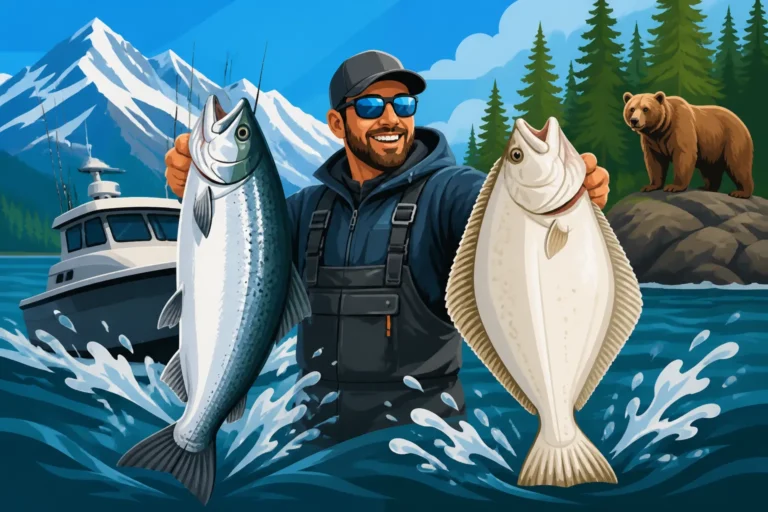
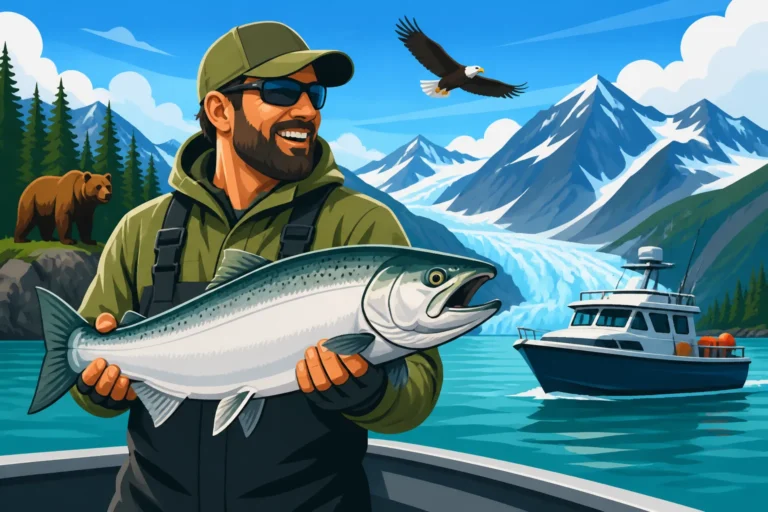
The idea of fishing in Alaska evokes powerful images: massive King Salmon leaping from turquoise rivers, monstrous Halibut pulling lines taut in the salty depths, and the raw, untamed wilderness surrounding it all. But beneath that allure often lies a significant apprehension, especially when considering a guided trip. It's a natural tension between the dream and the practicalities of making it happen.
The Dream vs. The Reality: Why Anglers Consider Guides
For many, an Alaska fishing trip is a once-in-a-lifetime endeavor, a bucket-list item that needs to be perfect. The dream often involves landing trophy fish, experiencing pristine nature, and creating lasting memories. However, the reality of fishing in Alaska, especially for visitors, can be intimidating. You might be an experienced angler in your home waters, but Alaska is a different beast entirely. Rivers can be treacherous, ocean conditions unpredictable, and fish movements enigmatic. This is where the thought of a guide often surfaces.
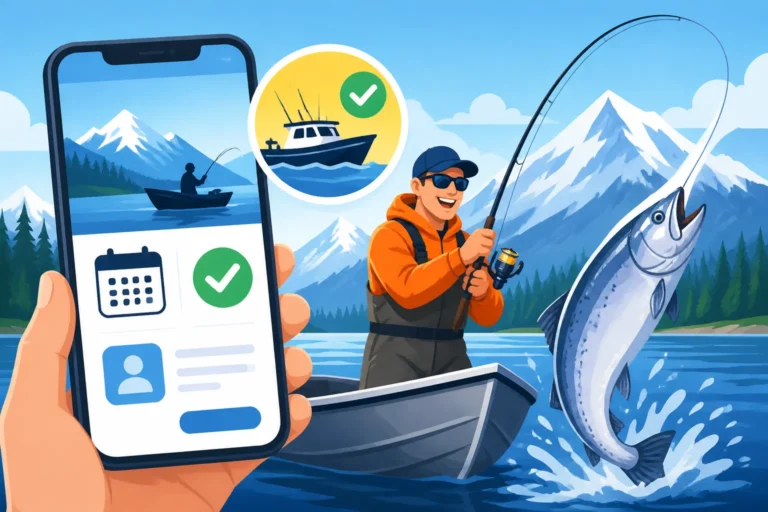
Imagine flying thousands of miles, investing in expensive gear, only to spend days struggling to find fish, navigating complex regulations, or dealing with equipment failures. It’s a frustrating scenario many anglers fear. A guided trip promises to remove much of this guesswork and stress, offering a streamlined path to success. You envision stepping onto a boat or into a drift boat, the guide confidently steering you to the hotspots, handling all the technical aspects, and ensuring your safety. It's about maximizing your precious time and investment in a place where opportunities can be fleeting. For those looking to understand the broader context of booking, exploring resources like Alaska Fishing Charters: Complete Guide can provide a good overview of what's out there.
Common Concerns: Cost, Independence, and Authenticity
Of course, the decision isn't without its hang-ups. The primary concern for most people is undoubtedly the cost. Alaska fishing trips, especially guided ones, can be expensive. You might wonder if the high price tag truly justifies the experience, or if you could achieve similar results (or at least a good experience) for less money on your own. There’s a perception that a guided trip might feel less authentic, less like a true wilderness adventure, and more like a curated tour. Anglers often value the independence of figuring things out for themselves, the satisfaction of conquering a challenge without assistance.
Then there’s the question of connection. Will you get along with your guide? Will they truly understand what you want from the trip? Some worry about being herded along with a group, rather than having a personalized experience. And what about the feeling of earning your catch? Does a fish caught with a guide's direct help feel as rewarding as one you landed completely solo after hours of effort? These are valid concerns that speak to the heart of what many seek in an Alaskan fishing expedition. It’s crucial to weigh these against the potential benefits, which we'll dive into next.
Unpacking the Value Proposition: What Guides Bring to Your Trip
When you hire an Alaska fishing guide, you're not just paying for a boat ride or a set of rods. You're investing in a comprehensive service that enhances almost every aspect of your angling journey, transforming potential pitfalls into memorable successes.
Expertise and Local Knowledge: The Unseen Advantage
This is arguably the most significant benefit of a guided trip. Alaskan waters, both fresh and salt, are dynamic ecosystems influenced by weather, tides, fish runs, and countless other variables. A good guide lives and breathes these conditions. They spend hundreds of days a year on specific rivers or ocean stretches, building an intimate understanding that no amount of online research can replicate.
Think about it: they know exactly when and where the King Salmon are likely to be holding in a particular bend of the Kenai River, or which rock structure offshore is most likely to hold a trophy Halibut. They track daily changes in water levels, temperature, and clarity, adjusting their strategies on the fly. When you're trying to figure out Alaska Fishing Regulations Explained for a specific species in a particular area, a guide has that information ingrained, often having real-time updates on emergency orders that can change limits or closures in an instant. This hyper-local expertise means more time fishing and less time guessing, leading to a much higher probability of success. For instance, a guide on the Russian River knows the nuances of the sockeye runs that even experienced independent anglers might miss.
Gear, Logistics, and Safety: More Than Just a Ride
Another huge burden lifted by a guide is the sheer logistical headache of an Alaskan fishing trip. First, there's the gear. Alaska fishing demands specialized, heavy-duty equipment – from stout rods and reels capable of handling powerful salmon and halibut, to specific lures, baits, and tackle. Investing in all this gear for a single trip is often impractical and expensive. Your guide provides all necessary top-tier equipment, maintained and ready to go. They know what lures are hot for Alaska Halibut: Complete Guide in Cook Inlet today, or the best egg patterns for resident Rainbow Trout on the Kenai. Learning about Alaska Fishing Gear and Tackle Guide on your own is one thing, but having it all provided and expertly deployed is another.
Beyond gear, consider transportation. Navigating rough Alaskan roads, launching boats, finding parking, and even just getting to remote fishing spots can be challenging. Guides handle all the logistics of getting you safely to and from the fishing grounds, often utilizing specialized vehicles and boats adapted to the unique Alaskan environment. This takes away the stress of potential breakdowns or getting lost.
Most importantly, guides prioritize safety. Alaskan wilderness can be unforgiving. From rapidly changing weather conditions at sea to the presence of wildlife like bears on riverbanks, a guide is trained and equipped to handle potential hazards. They carry satellite phones, first aid kits, and possess the experience to make critical decisions that ensure everyone's well-being, allowing you to relax and focus on the fishing. If you're interested in details of what to expect, checking out guides like What to Expect on an Alaska Fishing Charter can be very helpful.
Maximizing Your Catch and Experience: Beyond Just Fishing
A guide's role extends far beyond merely putting you on fish. They are often excellent teachers, helping you refine your casting technique, perfect your drift, or understand how to properly fight a powerful fish like an Alaska King Salmon: Complete Guide. They teach you the subtle art of reading the water, identifying prime holding lies, and presenting your bait or lure effectively. This educational aspect can significantly improve your skills, making you a better angler in the long run, even when you return to your home waters.
Furthermore, guides are adept at enhancing the overall experience. They share stories of the region, identify local wildlife, and provide insights into Alaskan culture and history. After a successful day, many guides or their associated operations also handle the crucial task of fish processing. This often includes filleting, vacuum-sealing, and flash-freezing your catch, preparing it for transport home. This service alone can save you hours of work and ensures your prized catch is preserved correctly. Knowing about Fish Processing After an Alaska Charter is a huge relief when you're dreaming of bringing home fresh fillets. Some guides might even share their secret recipes for preparing specific Alaskan species!
Weighing the Costs: Financial Investment vs. Returns
This is where the rubber meets the road for many anglers. The sticker price of a guided Alaska fishing trip can be a significant hurdle. However, it's essential to look beyond the initial cost and consider the true value, comparing it to the often-underestimated expenses and challenges of a do-it-yourself adventure.
Breaking Down the Price Tag: What You're Really Paying For
When you see the price for an Alaska fishing charter or a multi-day lodge package, it's easy to get sticker shock. But let's break down what that cost typically covers. For a day trip, it generally includes:
- Guide's Expertise: Their years of experience, local knowledge, and specialized skills.
- Boat & Equipment: A fully outfitted vessel (often custom-built for Alaskan waters), high-quality rods, reels, tackle, and bait.
- Fuel: Which can be substantial in Alaska's remote locations.
- Safety Gear: Life vests, first-aid, navigation equipment, emergency communications.
- Logistics: Transportation to and from the launch point, fish cleaning/processing (often), and sometimes even lunch/snacks.
- Maintenance & Insurance: The ongoing costs of keeping professional-grade equipment and operations compliant and safe.
Costs for a guided trip can vary significantly based on location, species, duration, and the type of operation. A half-day river trip might be a few hundred dollars, while a full-day offshore halibut charter could be $400-$700+ per person. Multi-day, all-inclusive fly-in lodge trips, often found through reputable booking platforms like FishingBooker, can run into several thousand dollars, but they package everything from flights to meals to daily guided excursions, which can actually be a great value. To get a better grasp of the financial aspect, checking out Alaska Fishing Charter Cost Explained is highly recommended.
Comparing DIY vs. Guided: Hidden Costs and Unexpected Challenges
Many anglers consider a DIY trip to save money. And yes, initially, it can look cheaper. However, a true cost comparison needs to account for all variables, including your time and effort.
DIY Potential Costs & Challenges:
- Gear Rental/Purchase: If you don't own appropriate gear, buying or renting quality equipment for saltwater or large river fishing can add up fast.
- Transportation: Vehicle rental (often 4×4 needed), fuel, boat rentals, launch fees, and potential repair costs.
- Accommodation & Food: Booking lodging, buying groceries, cooking meals – all take time and money.
- Licenses & Stamps: You'll still need your Alaska Fishing License: Complete Guide and any necessary stamps, like a King Salmon stamp.
- Knowledge Gap: Hours spent researching regulations, fishing spots (Best Fishing Spots in Alaska), run timing, and techniques. This is your time.
- Processing: Finding a reputable processor or doing it yourself, which requires skill and equipment.
- Opportunity Cost: The biggest "hidden" cost might be missed opportunities. Spending days without success, or struggling with logistics, means less actual fishing time and a potentially disappointing trip.
A poorly planned DIY trip can easily rack up unexpected expenses and frustrations, potentially costing you more in the long run, not just financially, but in terms of enjoyment and success. You could spend hundreds on gas and bait and still come up empty.
When a Guided Trip Becomes an Investment, Not an Expense
Consider a guided trip not as an expense, but as an investment in a successful, stress-free, and memorable Alaskan fishing experience. For many, especially first-time visitors or those targeting specific trophy species like record-breaking Halibut, a guide is indispensable.
- Maximizing Short Trips: If you only have a few days, a guide ensures you make the absolute most of every minute. You won't waste precious time searching for spots or troubleshooting gear.
- Targeting Specific Species: Want to catch a trophy Lingcod or a giant Halibut? Guides specialize in these pursuits and know the precise conditions and techniques required.
- Learning & Skill Development: For beginners or those wanting to hone their skills, the teaching aspect of a guide is invaluable, effectively paying for itself in improved future fishing endeavors.
- Safety & Peace of Mind: The security of having an experienced professional handle unpredictable Alaskan conditions is priceless.
- Guaranteed Gear: Knowing you'll have appropriate, well-maintained gear without the upfront cost of purchase or hassle of rental.
Ultimately, a guided trip transforms uncertainty into a higher probability of success and enjoyment. It’s about leveraging local expertise to ensure your Alaskan fishing dream becomes a reality, rather than a costly lesson in frustration. For serious planning, platforms like FishingBooker offer detailed listings that help you understand what's included in various packages, making it easier to compare and invest wisely.
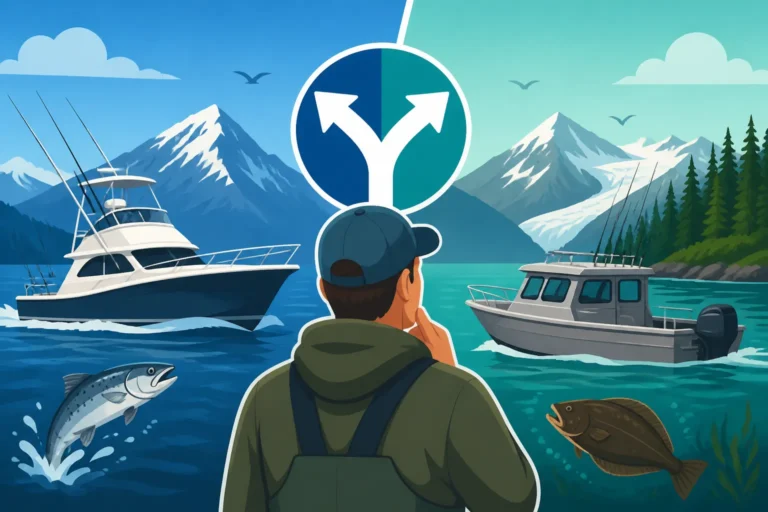
Deciding for Yourself: Is a Guided Trip the Right Fit for Your Alaska Adventure?
The "worth" of a guided trip is deeply personal, influenced by your experience level, budget, expectations, and desired level of independence. There's no single right answer, but by asking yourself a few key questions, you can determine if a guide is the best choice for your Alaska adventure.
Ideal Candidates for a Guided Fishing Trip
A guided trip shines brightest for certain types of anglers and situations. If any of these sound like you, a guide is likely a fantastic investment:
- First-Time Alaska Visitors: If this is your maiden voyage to Alaska, especially for fishing, a guide can alleviate immense stress. They'll help you navigate the unique challenges, from understanding local customs to mastering specific fishing techniques. You won't have to worry about the logistics of How to Book an Alaska Fishing Trip or understanding the local nuances.
- Beginner or Intermediate Anglers: If you're new to fishing or haven't tackled species like Alaska's salmon or halibut before, a guide provides invaluable instruction and hands-on help. They'll teach you effective methods like back-bouncing for Kings or jigging for Halibut, accelerating your learning curve dramatically.
- Those Seeking Specific Trophy Fish: Have your heart set on a "barn door" Halibut or a massive King Salmon? Guides specialize in targeting these dream fish, knowing the prime times and locations to maximize your chances. They live for putting clients on big fish.
- Anglers with Limited Time: If you only have a few days to fish, a guide ensures you're productive from the moment you step foot in Alaska, making the most of every precious hour on the water.
- Those Prioritizing Safety and Convenience: If you prefer to focus solely on fishing without worrying about navigation, equipment failures, or unforeseen dangers, a guide offers unparalleled peace of mind and convenience.
- Families or Mixed-Experience Groups: Guides are excellent at catering to diverse groups, ensuring everyone, from young kids to seasoned adults, has an enjoyable and successful experience. They can adapt techniques and locations to suit varying skill levels.
When a DIY Adventure Might Be Preferable
While guides offer incredible value, a do-it-yourself trip can be highly rewarding for others. Here's when going unguided might be a better fit:
- Experienced Alaska Anglers: If you've fished Alaska extensively before, own your own boat and gear suitable for the region, and are intimately familiar with local regulations and hotspots, you might prefer the challenge and independence of a solo trip.
- Budget-Conscious Travelers: If your budget is extremely tight, and you're willing to sacrifice some comfort, success rate, and convenience for cost savings, a DIY approach can be cheaper if meticulously planned. This means being realistic about what you won't have access to (like specialized boats for offshore halibut) and what you will need to provide (your own gear, transportation, food).
- Those Seeking Solitude and Self-Reliance: For some, the true Alaskan experience is about wilderness, self-sufficiency, and the thrill of discovery. They relish the challenge of figuring things out, even if it means fewer fish in the cooler. They might prefer a more rustic experience, perhaps focused on easily accessible roadside fisheries for species like trout or pink salmon.
- Longer-Term Stays with Flexible Schedules: If you have weeks or even a whole summer, you have the luxury of trial and error, moving between locations, and waiting out bad weather or slow fishing days without the pressure of a guide's schedule.
- Targeting Accessible Freshwater Species: If your primary goal is to catch readily available species like Pink Salmon or resident Rainbow Trout from easily accessible rivers and lakes, and you're comfortable with basic gear and techniques, a DIY trip can be quite successful. Just be sure to always check the specific rules for the waters you plan to fish, perhaps consulting Alaska Fishing Regulations by Region.
Making the Right Choice: Key Questions to Ask
To help clarify your decision, consider these questions:
- What are my primary fishing goals? (e.g., "Catch a trophy King Salmon," "Experience wilderness solitude," "Fill the freezer with fish," "Learn new techniques.")
- How much time do I have for this trip? (Days vs. weeks significantly impacts what's feasible DIY.)
- What is my realistic budget? (Be honest about all potential costs for both options.)
- How experienced am I in similar fishing environments? (Not just fishing generally, but fishing in challenging, wild environments.)
- How comfortable am I with planning complex logistics, navigating unfamiliar terrain, and handling potential emergencies?
- Do I own all the necessary high-quality fishing gear for Alaska, or would I need to buy/rent it?
- How important is a high success rate to my overall enjoyment of the trip?
- Am I traveling with others, and what are their preferences and skill levels? (A guide can simplify things for groups.)
By carefully considering these factors, you can make an informed decision that aligns with your expectations and helps you plan the most unforgettable Alaska fishing adventure. Reputable booking sites like FishingBooker allow you to filter by species, location, and guide experience, giving you plenty of options to find the perfect fit if you decide to go the guided route.
Here's a quick comparison to help visualize the differences:
| Feature | Guided Alaska Fishing Trip | DIY Alaska Fishing Trip |
|---|---|---|
| Local Expertise | High (Guides know exactly where and when to fish) | Low to Moderate (Requires extensive personal research and trial-and-error) |
| Gear Provided | Yes, high-quality, specialized, and maintained equipment | No, must buy, rent, or bring your own |
| Logistics Handled | Yes, transportation, boat launching, fish processing often included | No, all aspects of planning, transport, and processing are your responsibility |
| Safety | Enhanced (Guides are trained, equipped for emergencies, familiar with local hazards) | Your responsibility, requires pre-planning and self-reliance |
| Success Rate | Generally higher due to expertise, specific knowledge, and targeted effort | Highly variable, depends on personal skill, research, luck, and flexibility |
| Cost | Higher upfront per person, but includes many services and equipment | Lower upfront, but hidden costs (gear, fuel, permits, time) can add up quickly |
| Independence/Flexibility | Lower (You follow the guide's schedule and strategy) | High (You set your own schedule, choose spots, and adapt as you wish) |
| Learning Opportunity | High (Guides teach techniques, water reading, fish behavior) | Variable (Depends on your own research and ability to self-teach) |
| Suitability | Best for first-timers, limited time, specific trophy goals, beginners, families | Best for experienced Alaska anglers, long stays, extreme budget, desire for solitude |
Disclaimer
The information provided in this guide is for general informational purposes only and does not constitute professional advice. Alaska fishing regulations are complex and subject to change frequently, often via emergency orders. Always consult the most current Alaska Department of Fish and Game regulations and emergency orders before planning or undertaking any fishing activity. Fishing involves inherent risks, and personal safety should always be your top priority.