Most Common Fish to Catch in Alaska
You've decided to tackle fishing in Alaska, and let me tell you, it's a decision that sparks dreams of giant fish and unforgettable adventures! But then you start researching, and suddenly you're drowning in a sea of fish species, regulations, and locations, wondering where on earth to even begin. It's enough to make your head spin, trying to figure out what you're most likely to reel in. This comprehensive guide is here to cut through the confusion and highlight the most common fish you'll encounter on your Alaskan angling journey, helping you focus your efforts for a truly successful trip.
The Iconic Salmon Species: Alaska's Five Pacific Powerhouses
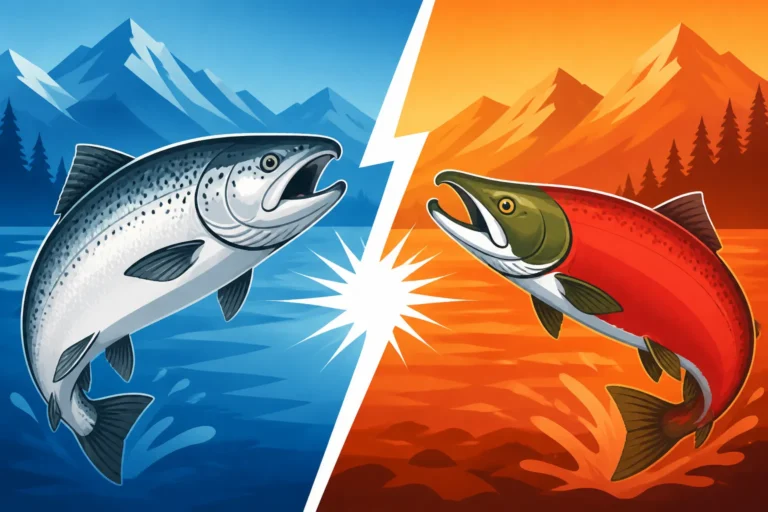
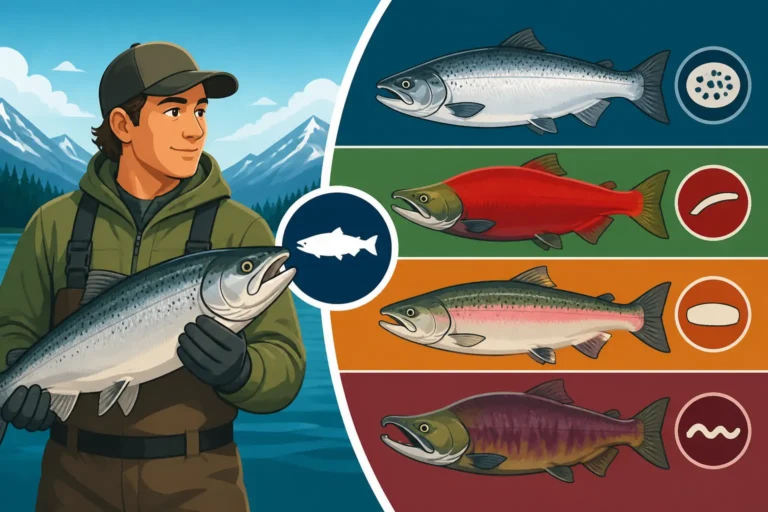
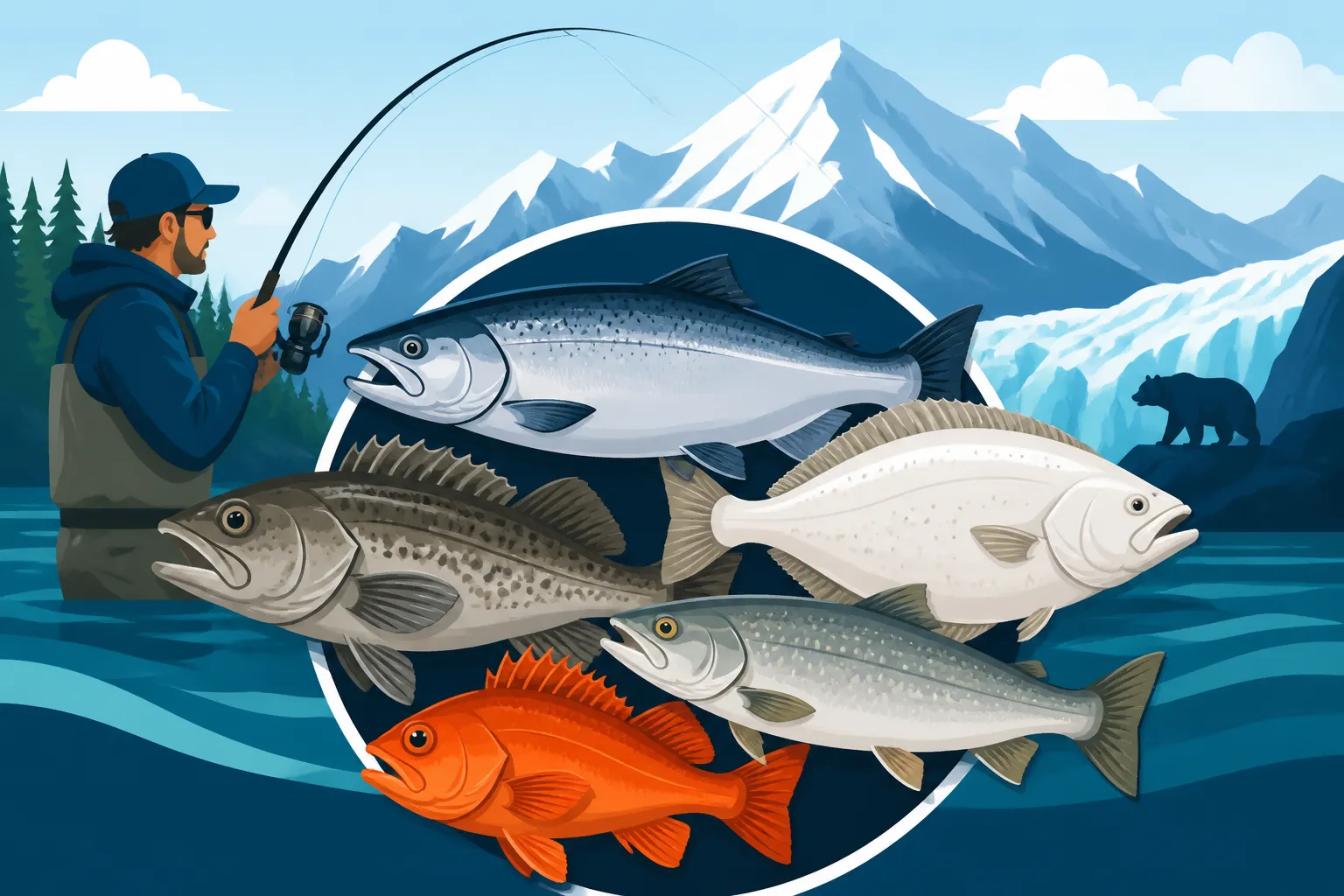
When most people picture Alaska fishing, their minds immediately jump to salmon, and for good reason! Alaska is home to all five species of Pacific salmon, and during their epic migrations, they become incredibly abundant and accessible. Each species has its own unique characteristics, fight, and prime fishing times, making them a diverse and exciting target for any angler. Understanding their individual habits is key to a successful salmon quest.
Let's break down the main players you're most likely to encounter:
King Salmon (Chinook Salmon)
The King Salmon is, without a doubt, the undisputed heavyweight champion of Alaskan rivers and coastal waters. Known for their sheer size and incredible fighting power, Kings are a bucket-list fish for many. Imagine hooking into a fish that can easily top 30-40 pounds, with some monsters exceeding 70 pounds, and then trying to hold onto it as it peels line off your reel with relentless power. That's the King Salmon experience. You'll find them returning to rivers like the Kenai River and Deshka River from late May through July, with different runs peaking at various times. They are often targeted by back-trolling with Kwikfish, drifting with bait, or even fly-fishing in certain stretches. Landing one of these magnificent fish is an accomplishment, and their rich, red meat is highly prized. Just be aware that Alaska King Salmon Fishing Regulations and Limits can be quite strict, especially during low return years, and you'll often need a Do You Need a King Salmon Stamp in Alaska in addition to your regular fishing license.
Sockeye Salmon (Red Salmon)
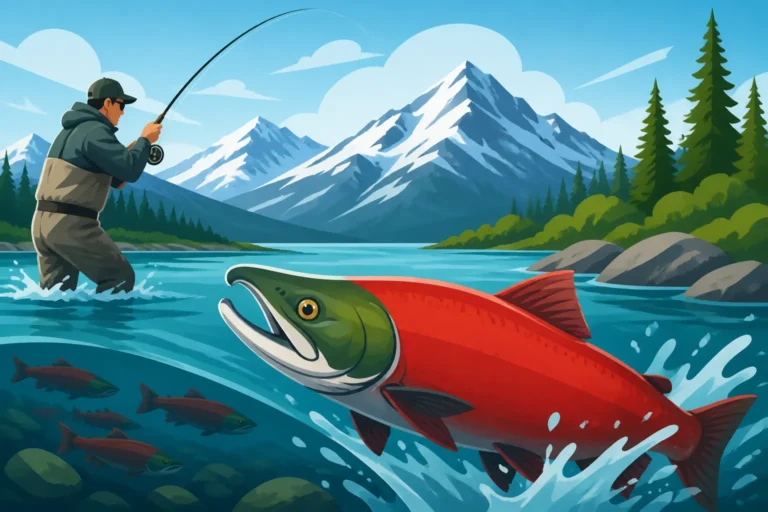
If King Salmon are the powerful sprinters, Sockeye are the relentless marathon runners. These chrome-bright fish are famous for their prodigious runs, particularly in rivers like the Kenai and Russian Rivers. When the sockeye are in, they are in — by the tens of thousands, sometimes even millions. This makes for an incredibly exciting, albeit sometimes crowded, fishing experience often referred to as "combat fishing." Sockeye typically run from late June through July, turning vibrant red as they get closer to spawning. They are unique among salmon in that they primarily feed on zooplankton in the ocean, making them notoriously finicky biters once they enter freshwater. Anglers typically "floss" for them, using a lead weight and a short leader with a small fly or bare hook to drift their line through dense schools of fish, hoping to snag the fish in the mouth. It's a technique that requires precision and patience, but the rewards are substantial. Sockeye meat is firm, bright red, and incredibly flavorful, perfect for grilling or smoking. Alaska Sockeye Salmon Fishing Regulations and Limits are crucial to understand, especially daily and annual limits.
Coho Salmon (Silver Salmon)
Coho Salmon, affectionately known as Silvers, offer an exhilarating fishing experience with their acrobatic fights and aggressive takes. These fish are absolute jumpers, often leaping clear out of the water multiple times when hooked. They typically arrive later in the summer, from late July through September, making them a fantastic target for those late-season Alaska fishing trips. You'll find them in both saltwater and freshwater, often chasing lures and flies with reckless abandon. Rivers like the Kenai, Kasilof, and many streams in Southeast Alaska become prime Coho grounds. Spin fishing with bright spinners or spoons, or fly-fishing with gaudy patterns, are highly effective techniques. Their silver sides and slightly forked tail make them easy to identify, and their firm, orange-red flesh is excellent eating. Silvers are often a favorite for family fishing trips because of their eager biting and exciting fights.
Pink Salmon (Humpy Salmon)
Pink Salmon, or "Humpies" as they're commonly called due to the prominent hump males develop on their backs during spawning, are the smallest and most abundant of the Pacific salmon. They run in even-numbered years (e.g., 2024, 2026) in staggering numbers, creating immense fisheries in many coastal areas and rivers. While smaller, typically 3-5 pounds, they offer consistent action, making them a great target for beginners and kids. They are voracious biters, hitting almost any pink or brightly colored lure or fly. You can find them in vast numbers from mid-July through August, especially in Prince William Sound and parts of Southeast Alaska. While often overlooked by anglers focused on Kings and Sockeye, Pink Salmon are surprisingly good eating, especially when fresh and properly handled. They are fantastic smoked or canned, and provide endless fun on light tackle.
Chum Salmon (Dog Salmon)
Chum Salmon, often called "Dog Salmon" due to their impressive canine-like teeth developed during spawning, are another incredibly numerous species in Alaska. While not as highly sought after for table fare as Kings or Sockeye, they offer a powerful fight, especially in their prime ocean-bright phase. They typically run from mid-June through August, often overlapping with Sockeye and Coho. You'll find them in many of the same rivers, and they are targeted with bright, flashy lures, flies, or cured eggs. Their meat, while paler than other salmon, is still delicious, especially when smoked, and they are a vital component of Alaska's commercial fisheries. If you're looking for a strong fighting fish that provides consistent action, Chums are a great option, often overlooked by anglers who pass them by for their more famous cousins.
Battling the Big One: Pacific Halibut, The Ocean's Flat Monster
Stepping out of the rivers and into the vast saltwater expanses, the Pacific Halibut instantly comes to mind as one of Alaska's most iconic and commonly targeted fish. These incredible flatfish can grow to immense sizes, earning them the nickname "barn doors," and offer a truly unique angling challenge. The thought of bringing up a 100-pound slab of fish from the deep blue is enough to get any angler's heart pumping!
Why Halibut are So Popular:
Halibut fishing is a quintessential Alaskan experience, particularly in coastal towns like Homer, Seward, and Sitka. Their popularity stems from several factors:
- Size: Halibut are legendary for their potential size. While many anglers will catch "chicken halibut" in the 10-30 pound range, which are excellent eating, the chance to hook into a 50, 100, or even 200+ pound fish is a huge draw. Imagine the stories you'll tell after a battle like that!
- Fight: Despite their flat, unassuming appearance, halibut are powerful fighters. Once hooked, they perform strong, deep runs and can put up a stubborn tug-of-war on the way to the surface. Bringing up a big one is a serious workout!
- Table Fare: Perhaps most importantly, Pacific Halibut are absolutely delicious. Their firm, white, flaky meat is renowned worldwide for its mild flavor and versatility in cooking. It freezes incredibly well, making it a perfect fish to take home and enjoy for months. How to Fillet a Halibut and How to Vacuum Seal and Ship Alaska Fish are essential skills for preserving your catch.
Where and When to Catch Them:
Halibut are bottom dwellers, found in depths ranging from 50 to over 1,000 feet, often congregating around underwater structures, ledges, and channels where baitfish gather. Homer, often called the "Halibut Fishing Capital of the World," is a prime location, as are Seward, Valdez, and many ports in Southeast Alaska. The season generally runs from May through September, with peak months being June, July, and August when the weather is more stable and the fish are actively feeding. You'll typically head out on a charter boat for these adventures, as specific gear and local knowledge are crucial.
Common Techniques:
Most halibut fishing involves some form of bottom fishing. This typically means dropping heavy lead weights (often 1-3 pounds or more, depending on current and depth) to the seafloor with large, baited circle hooks. Common baits include herring, octopus, or even pieces of salmon. Jigging with large metal jigs is also incredibly effective, especially when paired with a chunk of bait. Charter captains will often use specialized sonar to locate halibut on the bottom. When you feel that unmistakable heavy thunk on your line, be ready for a fight! Remember that Alaska Halibut Charter Regulations Explained can be complex, including specific daily and annual bag limits, and often a "reverse slot limit" designed to protect larger breeding females. You'll want to check the current regulations before you head out, and your charter captain will be an invaluable resource.
Freshwater Favorites: Trout, Char, and Grayling
While the salmon runs and halibut adventures grab many of the headlines, Alaska's freshwater systems offer incredible fishing for a variety of equally captivating species. For those who love the tranquility of riverbanks or the solitude of remote lakes, targeting trout, char, and grayling provides a different, but equally rewarding, Alaskan angling experience. These fish often thrive in pristine wilderness settings, making the journey as memorable as the catch.
Rainbow Trout
Alaska's Rainbow Trout are legendary, particularly the massive "leopard rainbows" found in rivers like the Kenai and its tributaries. These aren't your average stocked rainbows; they are wild, powerful, and often grow to incredible sizes, regularly exceeding 20 inches and sometimes pushing well over 30 inches. They feed aggressively on salmon eggs, especially during and after salmon spawning, making bead fishing a popular and effective technique. Fly fishing with egg patterns, streamers, or dry flies is a cherished method, but spin anglers can also find success with small spinners or spoons. You'll find Rainbow Trout widely distributed across Southcentral and Interior Alaska, often in crystal-clear rivers and lakes. The season generally runs from spring through fall, with the best fishing often coinciding with the salmon runs when food is abundant. Remember that many trophy Rainbow Trout fisheries in Alaska have strict catch-and-release rules to protect these magnificent fish, so understanding Alaska Rainbow Trout Regulations is essential.
Dolly Varden
Often mistaken for Arctic Char due to their similar appearance and "char" family lineage, Dolly Varden are another common and spirited freshwater fish in Alaska. These beautifully spotted fish are incredibly widespread, found in both fresh and saltwater throughout coastal Alaska. They are opportunistic feeders, preying on insects, smaller fish, and especially salmon eggs. Like rainbows, they often follow salmon runs into rivers, gorging themselves on the protein-rich eggs. You can catch them on small spinners, spoons, flies (especially egg patterns and streamers), or even bait. Dolly Varden are typically smaller than trophy rainbows, often in the 12-20 inch range, but they put up a spirited fight on light tackle. Their vibrant colors, particularly the spawning males with their orange bellies, make them a beautiful sight. They offer consistent action and are a great option for anglers looking for variety.
Arctic Grayling
With their distinctive, sail-like dorsal fin and iridescent colors, Arctic Grayling are one of Alaska's most elegant and captivating freshwater fish. These cold-water beauties are found in clear, pristine streams and lakes across Interior and Arctic Alaska, often in stunning wilderness settings. They are primarily insect eaters, making them a dream for fly anglers. Dry fly fishing for grayling, watching them gracefully rise to sip a fly from the surface, is a truly classic Alaskan experience. They are also readily caught on small spinners and spoons. While not typically large, averaging 10-16 inches, their willingness to bite and their sheer beauty make them a highly sought-after species. If you're looking for a peaceful, scenic fishing experience away from the crowds, chasing Arctic Grayling is an excellent choice. They are incredibly sensitive to pollution and habitat degradation, so finding them is often a sign of a healthy, wild ecosystem.
Coastal Bottom Dwellers: Rockfish and Lingcod
Beyond salmon and halibut, Alaska's coastal waters host a fantastic array of other fish that provide exciting fishing opportunities and excellent table fare. For anglers venturing out on saltwater charters, encounters with various rockfish species and the intriguing lingcod are incredibly common and add a wonderful dimension to the fishing experience. These species are often caught as a bonus while targeting halibut or specifically sought out for their unique qualities.
Rockfish (Multiple Species)
Alaska's waters are teeming with a diverse array of rockfish, with over 30 different species inhabiting its coastal areas. While they vary in size and color, some of the most commonly caught include Yelloweye Rockfish (often called "Red Snapper"), Black Rockfish, and Dusky Rockfish. These fish are typically found near rocky structures, reefs, and pinnacles, often in depths ranging from shallow waters to several hundred feet. They are aggressive feeders, readily hitting jigs, bait, and even large salmon lures.
- Black Rockfish: These are often found in shallower waters, making them accessible to anglers even on calm days. They strike hard and are a blast to catch on light tackle. Their firm, white meat is delicious, though sometimes they have a coarser texture than other rockfish.
- Yelloweye Rockfish: These are the prized "Red Snapper" of Alaska, known for their beautiful orange-red coloration and large, bright yellow eyes. They grow larger than many other rockfish species, with some individuals exceeding 20 pounds. Their meat is exceptionally flaky and mild, making them highly desirable. However, Yelloweye are long-lived and slow-growing, making them vulnerable to overfishing. Strict Alaska Rockfish Retention and Release Rules are in place, often requiring the use of a descending device to help released fish survive.
Rockfish offer consistent action and are a great way to fill out your cooler with tasty fillets. They are often caught while jigging for halibut or targeted specifically on combo trips. You can find excellent jigs and even descending devices on Amazon if you're looking to equip yourself.
Lingcod
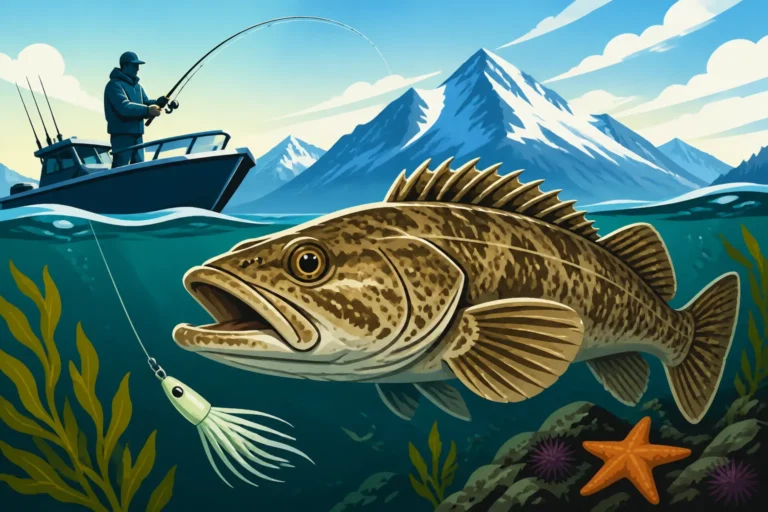
The Lingcod is arguably one of Alaska's most unique and fascinating predatory fish. With its mottled camouflage, large mouth full of sharp teeth, and aggressive demeanor, it's a true underwater marvel. Lingcod are solitary ambush predators, preferring rocky reefs, kelp beds, and deep crevices. They are highly sought after for their fighting ability and exceptional white meat, which is often compared to cod or even crab.
- The Fight: Lingcod strike hard and put up a strong, head-shaking battle. They are known for their stubbornness and can be quite a challenge to land, especially larger specimens that can reach 40-60 pounds, though the average is closer to 10-30 pounds.
- Targeting Lingcod: They are typically caught by jigging with large, heavy jigs (often 6-12 ounces or more) tipped with a plastic grub or a piece of bait. They'll also hit large swimbaits or even live bait if available. When fishing for lingcod, be prepared for an aggressive bite and a powerful pull. The season for lingcod is often more restricted than for other species, with Alaska Lingcod Season and Size Limits varying by region, so checking current regulations is key. Many anglers will also find good multi-species jigs suitable for both rockfish and lingcod on Amazon.
Both rockfish and lingcod add fantastic variety to a saltwater fishing trip in Alaska. They offer strong fights, and their fillets are a welcome addition to any dinner table.
Common Fish Species at a Glance
To help you get a quick overview of what to expect, here's a table summarizing some of the most common fish species in Alaska:
| Species | Typical Season | Common Locations | Average Size (lbs) | Primary Appeal | Eating Quality |
|---|---|---|---|---|---|
| King Salmon | Late May – July | Kenai, Kasilof, Deshka Rivers | 20-50+ | Massive size, powerful fight, trophy potential | Excellent |
| Sockeye Salmon | Late June – July | Kenai, Russian, Kasilof Rivers | 6-12 | Abundant runs, strong fight, delicious meat | Excellent |
| Coho Salmon | Late July – Sept | Kenai, Kasilof, Southeast streams | 8-15 | Acrobatic fights, aggressive bites | Excellent |
| Pink Salmon | Mid July – August | Prince William Sound, coastal rivers | 3-5 | Abundance, constant action (even years) | Good |
| Chum Salmon | Mid June – August | Many coastal rivers | 10-20 | Powerful fight, high numbers | Good |
| Pacific Halibut | May – September | Homer, Seward, Valdez, Sitka (saltwater) | 10-100+ | Incredible size, delicious white meat, deep-sea adventure | Excellent |
| Rainbow Trout | Spring – Fall | Kenai, Naknek, Alagnak Rivers | 1-10+ | Trophy potential, beautiful wild fish | Good |
| Dolly Varden | Spring – Fall | Widespread coastal freshwater/saltwater | 1-3 | Abundance, willing to bite, beautiful colors | Good |
| Arctic Grayling | Spring – Fall | Interior & Arctic streams/lakes | 1-2 | Graceful beauty, dry fly action, wilderness experience | Good |
| Rockfish | Year-round (seasonal) | Rocky reefs, coastal areas (saltwater) | 2-15 | Consistent action, good eating | Excellent |
| Lingcod | Limited Season | Rocky reefs, deep channels (saltwater) | 10-30+ | Aggressive fight, unique appearance | Excellent |
Beyond the Basics: Planning Your Alaskan Fishing Adventure
Knowing the most common fish is a fantastic start, but Alaska offers so much more. To truly maximize your trip, consider what kind of experience you're after. Do you dream of wrestling a giant King Salmon from a raging river, or do you prefer the solitude of fly-fishing for Arctic Grayling in a remote stream? Perhaps the thrill of a deep-sea halibut battle calls your name.
Once you have a target species or two in mind, you can begin to narrow down your options. For instance, if Best Rivers for King Salmon in Alaska is your goal, you'll be looking at specific regions and times of year. If Best Halibut Fishing in Alaska is what you're after, places like Homer or Seward will be at the top of your list.
Also, think about whether you want to go it alone or hire a professional. Guided vs Unguided Fishing in Alaska is a big decision. While a guided trip, especially a Alaska Fishing Charters: Complete Guide, can be an investment, it often provides invaluable local knowledge, specialized gear, and a higher chance of success, particularly for species like halibut or King Salmon that require specific boats and techniques. Guides also help navigate the ever-changing Alaska Fishing Regulations Explained and How to Read Alaska Fishing Regulations.
Don't forget to pack appropriately. Alaska's weather can be unpredictable, even in summer. Good Best Rain Gear for Alaska Fishing and layers are essential, no matter when or where you fish. You can find reliable rain jackets and fishing apparel on Amazon before your trip.
Ultimately, whether you're chasing the legendary King, the prolific Sockeye, the enormous Halibut, or the elegant Grayling, Alaska promises an angling adventure unlike any other. By understanding what you're most likely to catch, you can better prepare for the trip of a lifetime.
Disclaimer
The information provided in this guide is for general informational purposes only and does not constitute professional advice. Alaska fishing regulations are complex and subject to change frequently, often via emergency orders. Always consult the most current Alaska Department of Fish and Game regulations specific to your fishing location and target species before heading out. Fishing conditions, fish runs, and weather are unpredictable.